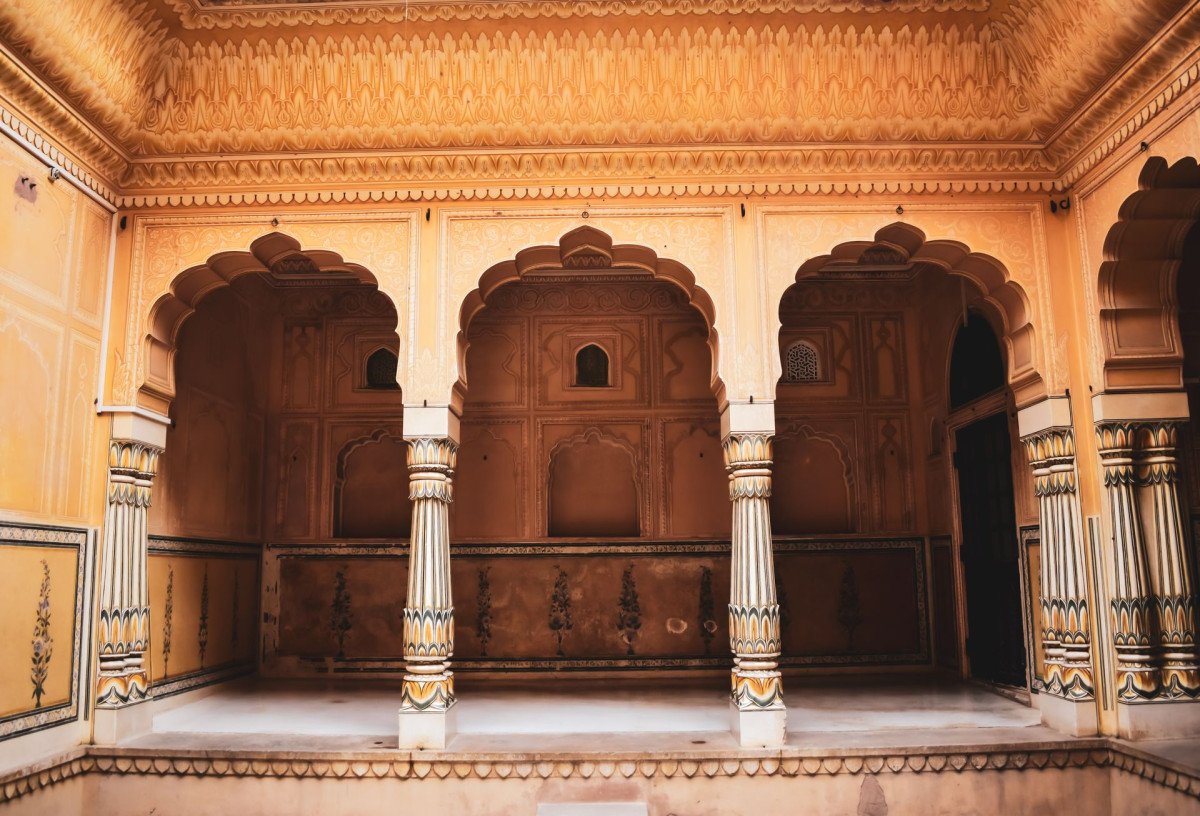
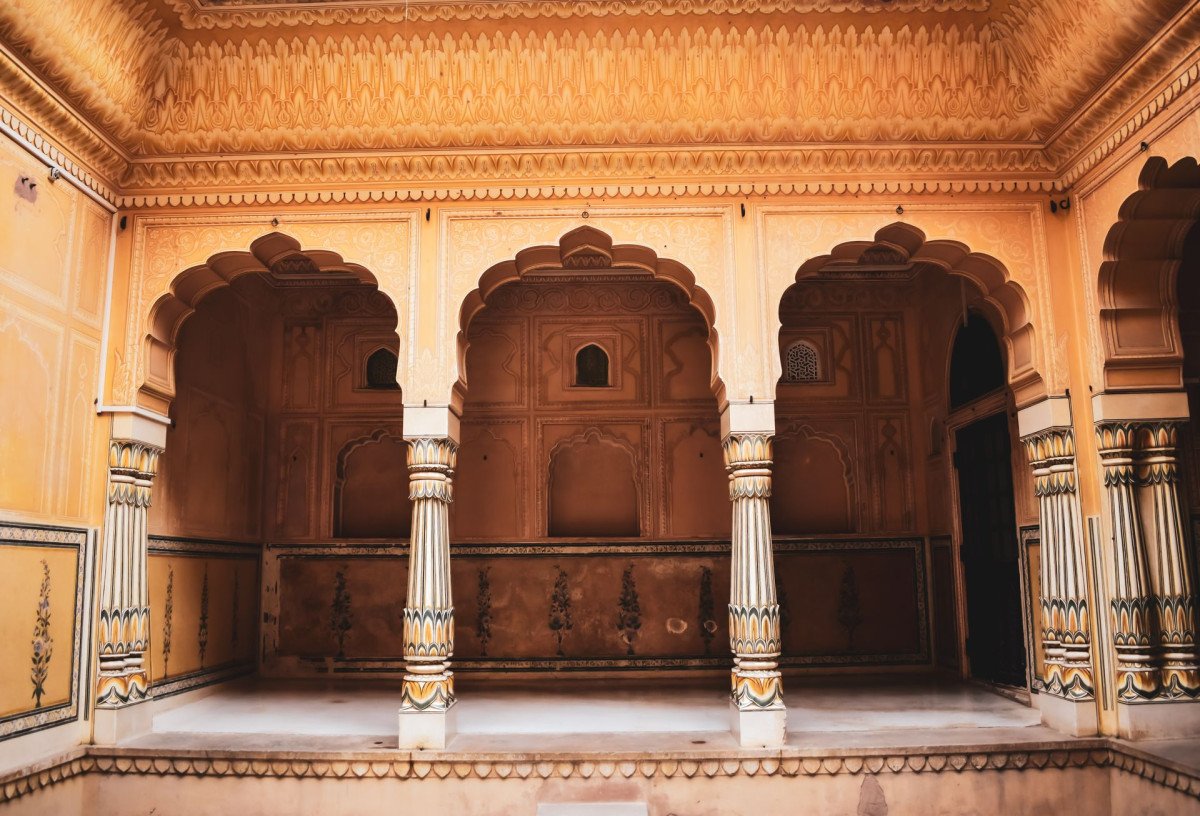
Khammam Fort
General information
-
Ideal Duration:
Approximately 2 to 3 Hours: For Comprehensive ExplorationPlace Type:
Hill Fort; Historical Monument; Archaeological SitEntry Fees:
Nominal Fee for Indian Visitors: The entry fee to Khammam Fort is generally very nominal for Indian citizens, often set between Rs.10 and Rs.20 per person, a price that is designed to be highly accessible and encourage local tourism, Higher Fee for Foreign Tourists: The fee for ...Nominal Fee for Indian Visitors: The entry fee to Khammam Fort is generally very nominal for Indian citizens, often set between Rs.10 and Rs.20 per person, a price that is designed to be highly accessible and encourage local tourism, Higher Fee for Foreign Tourists: The fee for foreign nationals is typically higher (e. g. , around Rs.100 to Rs.250), a common practice at protected monuments in India, Camera Fee: There is often a separate, small fee levied for still photography and video recording, which can be around Rs.25 to Rs.50 per camera, ensure to pay this fee to avoid any issues with the ASI officials, No Extra Fee for Jafar Steps Well: The Jafar Steps Well is considered part of the main fort complex, and therefore, its visit is included in the main fort entry ticket, with no additional charge, Free Entry for Children and Specific Groups: Entry is usually free for children up to a certain age (e. g. , 15 years old) and may be waived for school or academic tours upon prior request and presentation of proper documentation, promoting historical learning, the funds collected are used by the Archaeological Survey of India (ASI) for the fort's maintenance and restoration, ensuring a transparent and minimal charge for all visitors.Timing:
Regular Timings: The Khammam Fort is typically open to the public daily from 9:00 AM to 6:00 PM throughout the year, with the gates strictly closed after sunset, it is advisable to check the timings on a local tourism board before a visit, especially on public holidays, Idea...Regular Timings: The Khammam Fort is typically open to the public daily from 9:00 AM to 6:00 PM throughout the year, with the gates strictly closed after sunset, it is advisable to check the timings on a local tourism board before a visit, especially on public holidays, Ideal Visit Time: The Best Time to Visit is the early morning (9:00 AM to 11:00 AM) to avoid the intense heat and allow ample time to climb the hill and explore the vast complex before the midday sun is at its peak, the Late Afternoon (4:00 PM to 6:00 PM) is also a great alternative, as the setting sun casts a beautiful, warm glow on the ancient stone walls, offering excellent photography conditions, Avoid Peak Midday: It is strongly advised to avoid the period between 11:00 AM and 3:00 PM during the Summer and hot months, as the sun exposure on the granite hilltop can be extreme and uncomfortable for climbing and exploring.Special Events:
Stambhadri Sambaralu (Fort Festival): The fort is the central venue for the Stambhadri Sambaralu, a major local festival often held to celebrate the fort's 1000-year history or a specific historical event, featuring cultural performances, historical exhibitions, and communit...Stambhadri Sambaralu (Fort Festival): The fort is the central venue for the Stambhadri Sambaralu, a major local festival often held to celebrate the fort's 1000-year history or a specific historical event, featuring cultural performances, historical exhibitions, and community gatherings, the festival is a vibrant display of Telangana's rich heritage and local pride, Telangana Formation Day Celebrations: On June 2nd, the fort complex often hosts official Telangana Formation Day ceremonies and cultural programs, utilizing its historical significance to commemorate the state's foundation, drawing political leaders and large crowds, Religious and Cultural Events: Smaller religious gatherings and cultural events related to the temples or the mosque within the complex may take place on various Hindu and Islamic calendar days, providing a continuous link to the fort's multi-religious history, these events provide a unique opportunity to witness local traditions against a historical backdrop.Best Photo Spots:
The Panoramic View from the Summit: The highest point of the fort, usually near the main bastions, offers the absolute best panoramic view of the entire Khammam city, including the modern developments, providing a stunning contrast of old and new, and it is perfect for wide-...The Panoramic View from the Summit: The highest point of the fort, usually near the main bastions, offers the absolute best panoramic view of the entire Khammam city, including the modern developments, providing a stunning contrast of old and new, and it is perfect for wide-angle landscape shots, The Khilla Darwaza with Cannons: The imposing main entrance gate (Khilla Darwaza), with its towering structure and historical cannons on either side, provides a powerful, dramatic frame for portraits and architectural detail shots, capturing the scale of the defense, The Stone Masonry and Walls: Close-up shots of the massive granite blocks of the fort walls, highlighting the texture, the lack of mortar, and the signs of age, are excellent for artistic and historical photography, emphasizing the raw material and construction technique, The Jafar Steps Well (Interior): The deep, intricate geometric steps of the well, especially when the sun is at an angle (morning or evening), create dramatic shadows and lines, offering a perfect subject for unique abstract and patterned photography, ensuring a variety of historical and scenic photo opportunities.Photo Gallery
Things To Do
-
Historical Immersion and Scenic Views: Climb the Steps to the Top of the hill to reach the fort premises, a rewarding trek that offers continuous views of the surrounding city and the fort walls, Explore the Ancient Fort Walls and Bastions (buruju), tracing the perimeter to appreciate the massive scale of the construction and the defensive planning of the medieval military architects, Visit the Khilla Darwaza (Main Gate) and the Raathi Darwaza (East Gate), observing the historical cannon mounts and the imposing architecture of the entrances, Discover the Jafar Steps Well (Zafar Bowli) within the complex, an amazing example of water harvesting and engineering by the Qutb Shahi rulers, integral to the fort's survival, Pay Respects at the Old Masjid and Mahal Ruins, remnants of the Islamic-era rule within the fort, which showcase the cultural fusion in the complex, ...Historical Immersion and Scenic Views: Climb the Steps to the Top of the hill to reach the fort premises, a rewarding trek that offers continuous views of the surrounding city and the fort walls, Explore the Ancient Fort Walls and Bastions (buruju), tracing the perimeter to appreciate the massive scale of the construction and the defensive planning of the medieval military architects, Visit the Khilla Darwaza (Main Gate) and the Raathi Darwaza (East Gate), observing the historical cannon mounts and the imposing architecture of the entrances, Discover the Jafar Steps Well (Zafar Bowli) within the complex, an amazing example of water harvesting and engineering by the Qutb Shahi rulers, integral to the fort's survival, Pay Respects at the Old Masjid and Mahal Ruins, remnants of the Islamic-era rule within the fort, which showcase the cultural fusion in the complex, Enjoy the Panoramic View of Khammam City from the summit, which is a perfect photo opportunity, capturing the contrast between the ancient fort and the modern urban landscape, Look for the Nethi Bhavi (Gallows/Ghee Well), a stone structure atop the fort with intriguing local folklore, providing a unique point of interest, Read the Archaeological Survey of India (ASI) Boards and inscriptions to learn about the fort's history, construction, and the various dynasties that ruled it, Take a Guided Historical Tour (if available) to get a deeper understanding of the fort's military strategies and historical events, making the visit more educational, Conduct a Photo Walk focusing on the contrasting architectural elements, the massive stones, and the play of light and shadow on the ancient walls, ensuring a total of more than .
Information
-
Why Famous:
Impregnable Historical Significance: Khammam Fort is most famous for its impregnable historical status, having withstood numerous sieges and served as a powerful citadel for over a millennium, making it a symbol of the region's resilience, it is a key site for its architectu...Impregnable Historical Significance: Khammam Fort is most famous for its impregnable historical status, having withstood numerous sieges and served as a powerful citadel for over a millennium, making it a symbol of the region's resilience, it is a key site for its architectural synthesis, beautifully showcasing the transition and fusion of architectural styles from the Kakatiya period (granite walls) to the Qutb Shahi and Asaf Jahi rule (Islamic structures like the Masjid and Mahal), the fort's strategic location atop a granite hill offers not only a formidable defense but also provides unrivalled panoramic views of the entire modern Khammam city, which is a major draw for tourists and photographers, the historical connection to the influential Kakatiya dynasty, who were masters of military architecture, cements its importance as a prime heritage site in Telangana, the inclusion of the remarkable Jafar Steps Well within its complex also adds to its fame as a model of ancient water management and self-sustaining fortification. -
Architecture:
Kakatiya-Deccan Fortification: The architecture of Khammam Fort is a magnificent blend of Kakatiya, Qutb Shahi, and Deccan styles, a fusion born from centuries of successive rule, the most dominant features are the massive defensive rock walls, built with huge blocks of gran...Kakatiya-Deccan Fortification: The architecture of Khammam Fort is a magnificent blend of Kakatiya, Qutb Shahi, and Deccan styles, a fusion born from centuries of successive rule, the most dominant features are the massive defensive rock walls, built with huge blocks of granite, some as long as 10 feet, tightly fitted together without mortar, showcasing the incredible engineering skill of the Kakatiya period, Dimension and Defensive Features: The fort walls are incredibly thick and tall, averaging between 40 and 80 feet (13 to 25 meters) in height and 15 to 20 feet (4. 5 to 6 meters) in width, the total Area is estimated at about 4 square miles (over 10 square kilometers), the fort is punctuated by at least 15 formidable bastions, which served as strategic military positions, the walls incorporated balconies and windows designed for artillery, capable of mounting up to 60 cannons at a time, the main entrance, the Khilla Darwaza, is a towering structure, about 30 feet tall, flanked by cannons, another major feature is the presence of the Jafar Steps Well, a large water harvesting system measuring 60 feet X 30 feet, all of which contribute to the fort's reputation as a practically impregnable citadel, representing a high level of medieval military architecture and engineering precision, including the use of trenches and possible secret tunnels. -
How To Reach:
By Air: The Rajiv Gandhi International Airport (HYD) in Hyderabad is the nearest major airport, situated approximately 200 KMS away, from the airport, the most practical approach is to take a pre-paid taxi or a state transport bus to the Khammam Bus Stand, and then a quick l...By Air: The Rajiv Gandhi International Airport (HYD) in Hyderabad is the nearest major airport, situated approximately 200 KMS away, from the airport, the most practical approach is to take a pre-paid taxi or a state transport bus to the Khammam Bus Stand, and then a quick local ride to the fort, the total road journey takes around 4-5 hours, By Train: The Khammam Railway Station is the most convenient option, as it is only about 1. 5 KMS from the fort, the station is a major junction with excellent connectivity to cities like Delhi, Chennai, Kolkata, and Hyderabad, from the railway station, you can easily hire an auto-rickshaw or a local cab for a short, quick journey to the Fort Street area, making it the most stress-free and cost-effective travel method, By Road: Khammam is easily accessible via NH65 and other State Highways, making a road trip by private vehicle or hired taxi very comfortable, the TSRTC Bus Stand in Khammam has frequent bus services connecting the city to all major towns in the region, the fort's central location is well-known and easy to find from any entry point to the city, By Local Transport: The fort is centrally located and is well-served by auto-rickshaws and local city buses, which are readily available throughout the day, an auto-rickshaw is the best way to reach the foot of the hill where the main entrance is located, and the fare should be negotiated before starting the trip, the journey from any part of the city is usually very short. -
Weather and Best Time to Visit:
Different Seasons for Visiting: The Winter Season (October to March) is the undisputed best time to visit, as the weather is cool, dry, and highly pleasant, making the climb up the hill and the exploration of the fort premises very comfortable and enjoyable, the Monsoon Seas...Different Seasons for Visiting: The Winter Season (October to March) is the undisputed best time to visit, as the weather is cool, dry, and highly pleasant, making the climb up the hill and the exploration of the fort premises very comfortable and enjoyable, the Monsoon Season (July to September) makes the surrounding landscape lush and green, offering a beautiful scenic view from the top, but the steps can become slippery, so caution is advised, the Summer Season (April to June) must be avoided during the midday hours, and any visit should be planned for the early morning or late evening only, due to the scorching heat on the exposed hilltop, ensuring a comfortable experience inside the fort, Different Parts of the Day: Early Morning is the ideal time to start the climb, as the light is soft, the temperature is low, and the air is fresh, making the experience meditative and great for photography, Late Afternoon is also a great time, as the sun begins to set, casting beautiful long shadows on the fort walls, adding a dramatic effect to the view, Midday should be avoided due to the extreme heat and sun exposure, as there is minimal natural shade on the hill, making it the least favorable time to visit. -
Near Tourist Places:
Jafar Steps Well (Adjacent/0. 5 KMS); Stambhadri Lakshmi Narasimha Swamy Temple (Approx. 2 KMS); Lakaram Lake (Approx. 3 KMS); Khammam Railway Station (Approx. 1. 5 KMS); Khammam Bus Stand (Approx. 2 KMS); Dhanavayi Gudem Park (Approx. 4 KMS); Nelakondapalli Buddhist Site (Approx. 22 KMS); Kusumanchi Shiva Temples (Approx. 22 KMS); Err Resorts (Khammam) (Approx. 5 KMS); Palair Reservoir (Approx. 25 KMS)
Tourism Tips
-
Health & Safety: Wear sturdy, non-slip footwear as the path and steps can be uneven and worn, especially in the older sections, carry a water bottle and stay hydrated, especially after the climb, and use sunscreen, a hat, and sunglasses to protect against the sun on the expo...Health & Safety: Wear sturdy, non-slip footwear as the path and steps can be uneven and worn, especially in the older sections, carry a water bottle and stay hydrated, especially after the climb, and use sunscreen, a hat, and sunglasses to protect against the sun on the exposed hilltop, be cautious near the edges of the walls and bastions, as there are no railings in all places, Packing Essentials: A good camera is essential for capturing the panoramic views and architectural details, carry a light backpack with only essentials, including a small snack, and have your entry ticket/camera fee receipt handy for checks by the ASI officials, carry a basic first-aid kit for minor scrapes, Accommodation and Booking: There are no overnight stay options at the fort, so plan to book a hotel in Khammam City (e. g. , near the Bus Stand or Railway Station) which offers easier access, there is no need to pre-book the entry ticket, Other Tips: Hire a local guide (if available) at the entrance for a richer historical context of the fort, be respectful of the historical monument, do not sit on or damage the ancient walls, and ensure all litter is disposed of properly to maintain the sanctity of the protected site, plan your visit to include the Jafar Steps Well and the Lakaram Lake for a full day of historical and scenic exploration.
Reviews
FAQs
Khammam Itineray And Cost:-
Other Places In Khammam :-
Other States In India :-
Information about New and Updated Locations() of Telangana Has Been Added :-
Card subtitle
Note:-
Information provided here in good Faith and for reference only.
Near Places

Ambedkar Statue Circle
Some quick example text to build on the card title and make up the bulk of the card's content.
Go somewhere
Bayyaram Water Falls
Some quick example text to build on the card title and make up the bulk of the card's content.
Go somewhere
Bogatha Waterfall
Some quick example text to build on the card title and make up the bulk of the card's content.
Go somewhere
Deep Forest Hidden Water Falls
Some quick example text to build on the card title and make up the bulk of the card's content.
Go somewhere
Err Resorts
Some quick example text to build on the card title and make up the bulk of the card's content.
Go somewhere
Err Theme And Resorts
Some quick example text to build on the card title and make up the bulk of the card's content.
Go somewhere
Godavari River View Point
Some quick example text to build on the card title and make up the bulk of the card's content.
Go somewhere
Jafar Steps Well
Some quick example text to build on the card title and make up the bulk of the card's content.
Go somewhere
Jagadamba Centre
Some quick example text to build on the card title and make up the bulk of the card's content.
Go somewhere
Jamalapuram Venkateswara Swamy Temple
Some quick example text to build on the card title and make up the bulk of the card's content.
Go somewhere
Kakatiya Resort
Some quick example text to build on the card title and make up the bulk of the card's content.
Go somewhere
Kallur Venu Gopala Swami Temple
Some quick example text to build on the card title and make up the bulk of the card's content.
Go somewhere
Khammam District Welcome Sign
Some quick example text to build on the card title and make up the bulk of the card's content.
Go somewhere
Khammam Fort
Some quick example text to build on the card title and make up the bulk of the card's content.
Go somewhere
Kinnerasani Bridge
Some quick example text to build on the card title and make up the bulk of the card's content.
Go somewhere
Kinnerasani Deer Park
Some quick example text to build on the card title and make up the bulk of the card's content.
Go somewherein Other Cities