







Konark
General information
-
Ideal Duration:
1 DayPlace Type:
Heritage & BeachEntry Fees:
Temple Entry: Entry for Indians is Rs.40 and for foreigners it is Rs.600. This fee is collected by the Archaeological Survey of India for conservation.
Light & Sound: The evening show costs about Rs.30 - Rs.50 per person. It is a separate ticket t...Temple Entry: Entry for Indians is Rs.40 and for foreigners it is Rs.600. This fee is collected by the Archaeological Survey of India for conservation.
Light & Sound: The evening show costs about Rs.30 - Rs.50 per person. It is a separate ticket that you can buy at the venue before the show starts.Timing:
Regular Timings: The temple is open from 06:00 AM to 08:00 PM every day. The best time to see the carvings is in the soft morning or evening light.
Ideal Visit: Visit the temple early in the morning to avoid the crowd and heat. Plan to rea...Regular Timings: The temple is open from 06:00 AM to 08:00 PM every day. The best time to see the carvings is in the soft morning or evening light.
Ideal Visit: Visit the temple early in the morning to avoid the crowd and heat. Plan to reach Chandrabhaga before dawn to witness the beautiful sunrise.Special Events:
Konark Dance Festival: Held in early December every year at the open-air theater. It features leading dancers of India performing classical dance forms.
Magha Saptami: A major festival in February where thousands take a dip in the sea. It ...Konark Dance Festival: Held in early December every year at the open-air theater. It features leading dancers of India performing classical dance forms.
Magha Saptami: A major festival in February where thousands take a dip in the sea. It is a very colorful and spiritual event at Chandrabhaga Beach.Best Photo Spots:
Temple Wheels: The iconic sun dial wheels are the most popular spot for photos. Standing next to them gives a sense of the scale and art of the temple.
Temple Ruins: The main structure with the horses in front makes for a grand photo. The ...Temple Wheels: The iconic sun dial wheels are the most popular spot for photos. Standing next to them gives a sense of the scale and art of the temple.
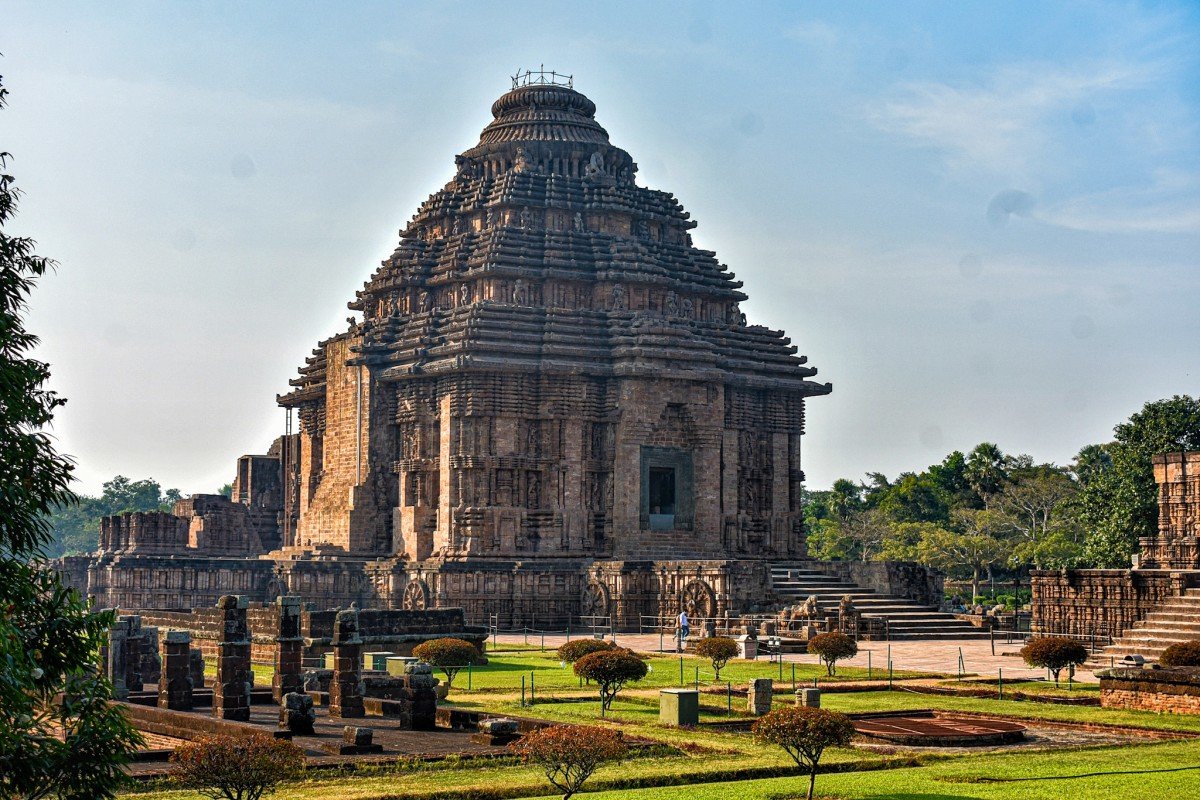
Temple Ruins: The main structure with the horses in front makes for a grand photo. The old stone texture looks beautiful in both color and black and white.
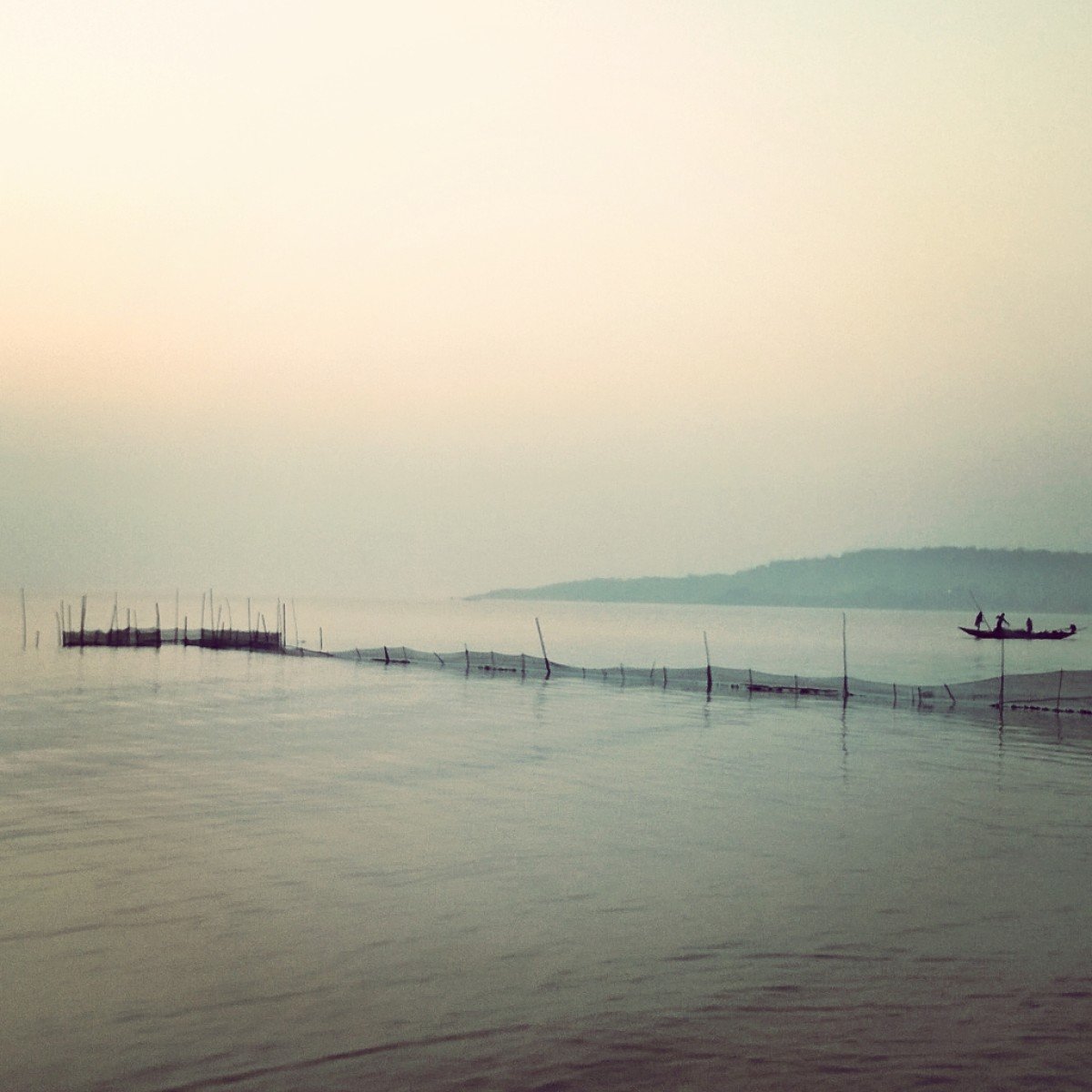
Chandrabhaga Sunrise: The sun rising over the sea is a classic and stunning photo. The golden light on the water and sand is perfect for landscape shots.Photo Gallery





Things To Do
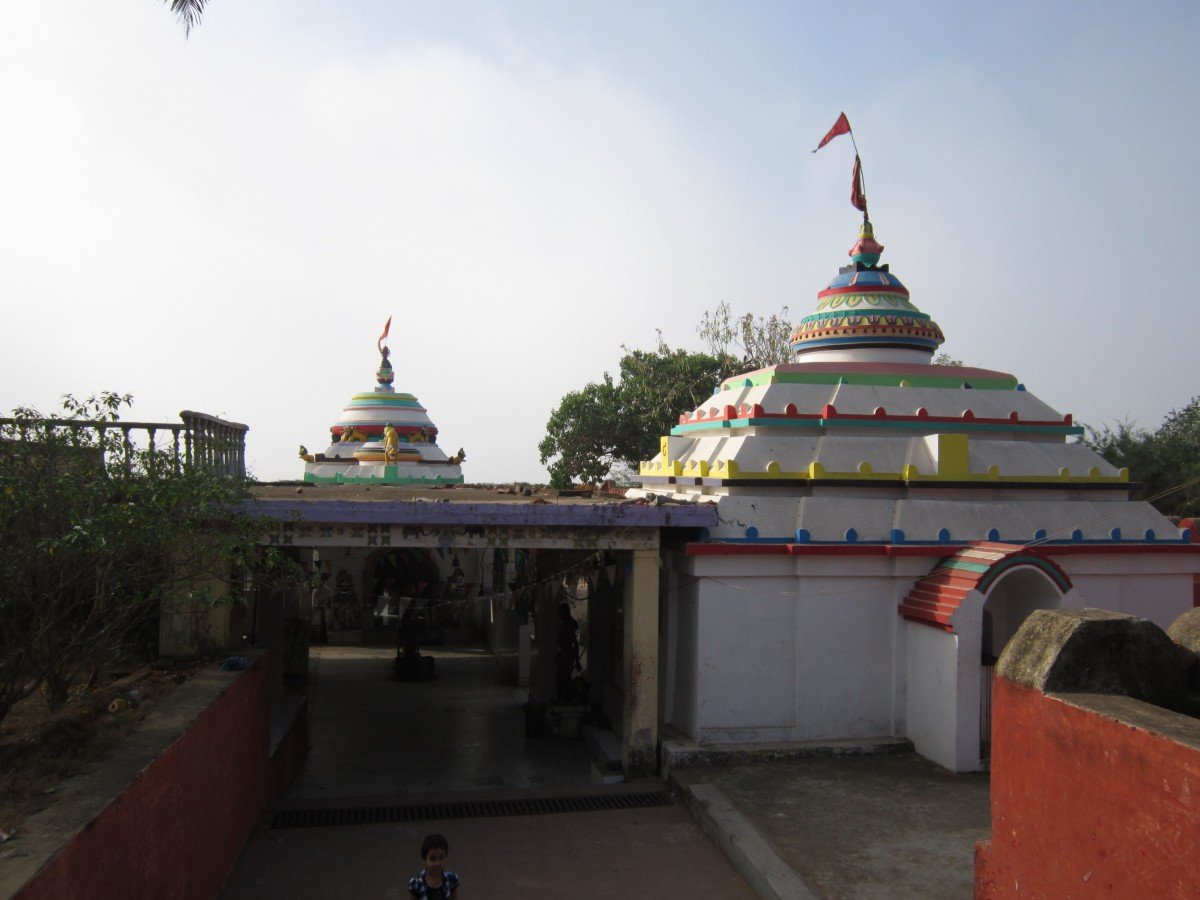
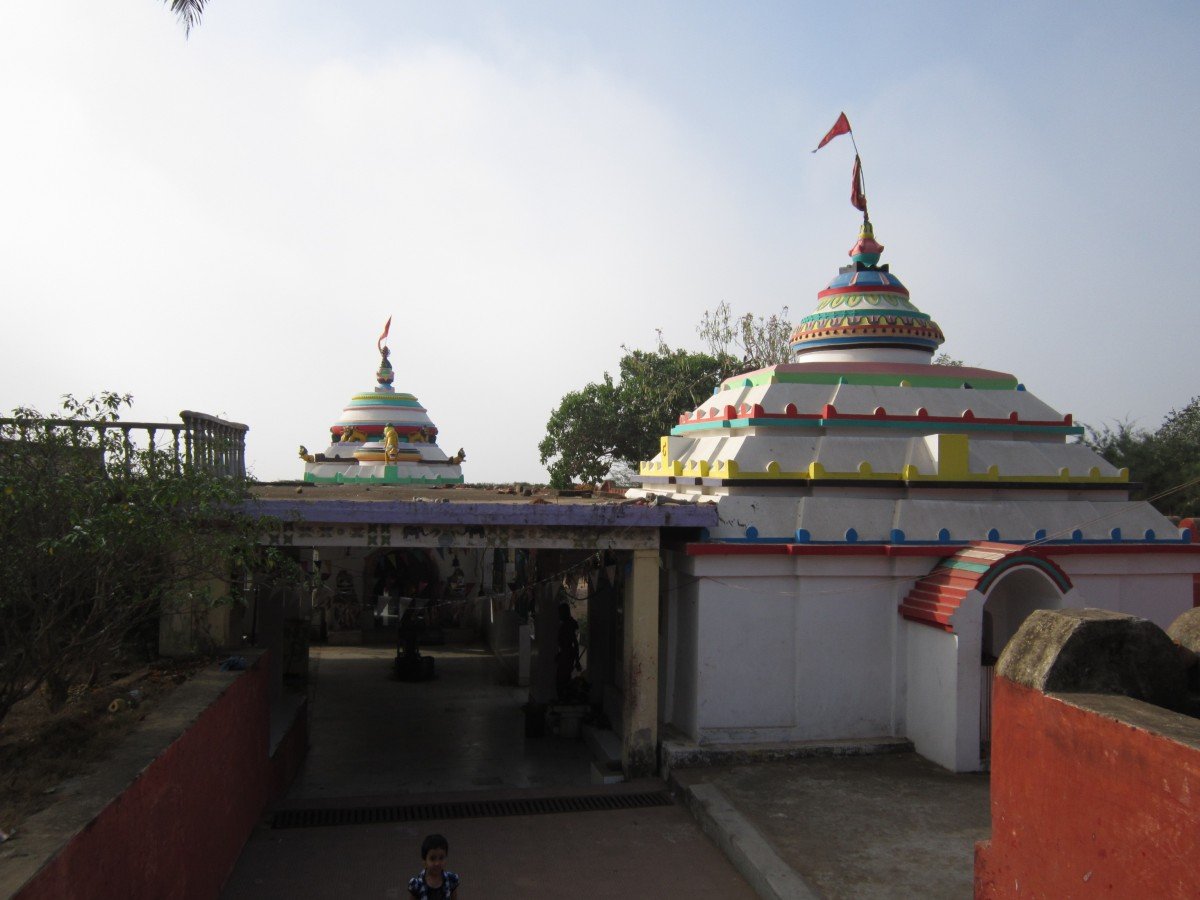
 The Bada Ganesha Temple is a small but significant shrine, often referring to a large, prominent image of Lord Ganesha situated either within the main Sun Temple compound or as a dedicated local temple nearby. Although not the central deity of Konark, which is the Sun God Surya, Lord Ganesha is traditionally worshipped first as the remover of obstacles (Vighnaharta). This shrine serves as a crucial starting point for pilgrims and visitors, ensuring their journey and darshan are successful. The presence of Ganesha near the grand Surya Deula underscores the syncretic nature of Hindu worship in Odisha and specifically the Kalinga region, where different cults co-existed harmoniously. The image itself is typically an impressive work of Odishan stone carving, often depicted in a unique posture or with specific iconographic features distinct from other regional Ganesha idols. The shrine's proximity to the main historical site means it is enveloped in the same aura of antiquity and devotion that characterises Konark. Locals deeply revere this deity, and many come here daily for prayers before proceeding to the more famous monuments, highlighting its role as a living temple in a complex mostly comprising ruins. It is a humble counterpoint to the colossal scale of the Sun Temple, representing the simple, enduring faith of the local populace amidst archaeological grandeur. The shrine’s history, while less documented than the main temple, is intertwined with the legends of the Sun Temple's construction, where a successful completion would require the blessings of the 'god of beginnings.' This temple helps preserve the continuous thread of spiritual practice in an otherwise historical area.
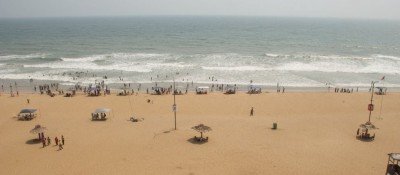
 @@Beach Overview: Bali Harena Beach is a hidden treasure located along the scenic Puri-Konark Marine Drive. This beach is characterized by its vast stretches of golden sand and relatively calm waters compared to the main Puri beach. It is an ideal spot for those who seek solitude and a deep connection with nature. The name "Bali Harena" refers to the golden sands that glisten under the sun. The beach is bordered by dense casuarina plantations, providing a green backdrop to the blue sea. It is a popular spot for weekend picnics for locals but remains largely undiscovered by the mass tourist crowd. The approach road through the forest is as beautiful as the destination itself. The waves here are gentle, making it a safer spot for wading in the water. One can spend hours watching the crabs scuttle across the sand or simply listening to the rhythmic roar of the Bay of Bengal. There are very few permanent structures here, which helps in maintaining its raw, natural beauty. It is a perfect stopover while traveling between Puri and Konark. The beach environment is peaceful and serves as a great location for yoga or meditation.
 The Balukhand-Konark Wildlife Sanctuary is a protected coastal ecosystem stretching 72 sq. km between Puri and Konark. The entrance/check-post area on the Marine Drive marks the beginning of this ecologically sensitive zone. It was established in 1984 primarily to conserve the forest ecosystem and the nesting habitat of the Olive Ridley Sea Turtle. The sanctuary is a unique blend of coastal forest (primarily Casuarina, Neem, and Tamarind) and vast, undisturbed beaches. It is traversed by the Kushabhadra and Nuanai rivers, supporting a diverse fauna including Spotted Deer, Blackbucks, and various migratory birds. It's a key location for understanding coastal bio-diversity.
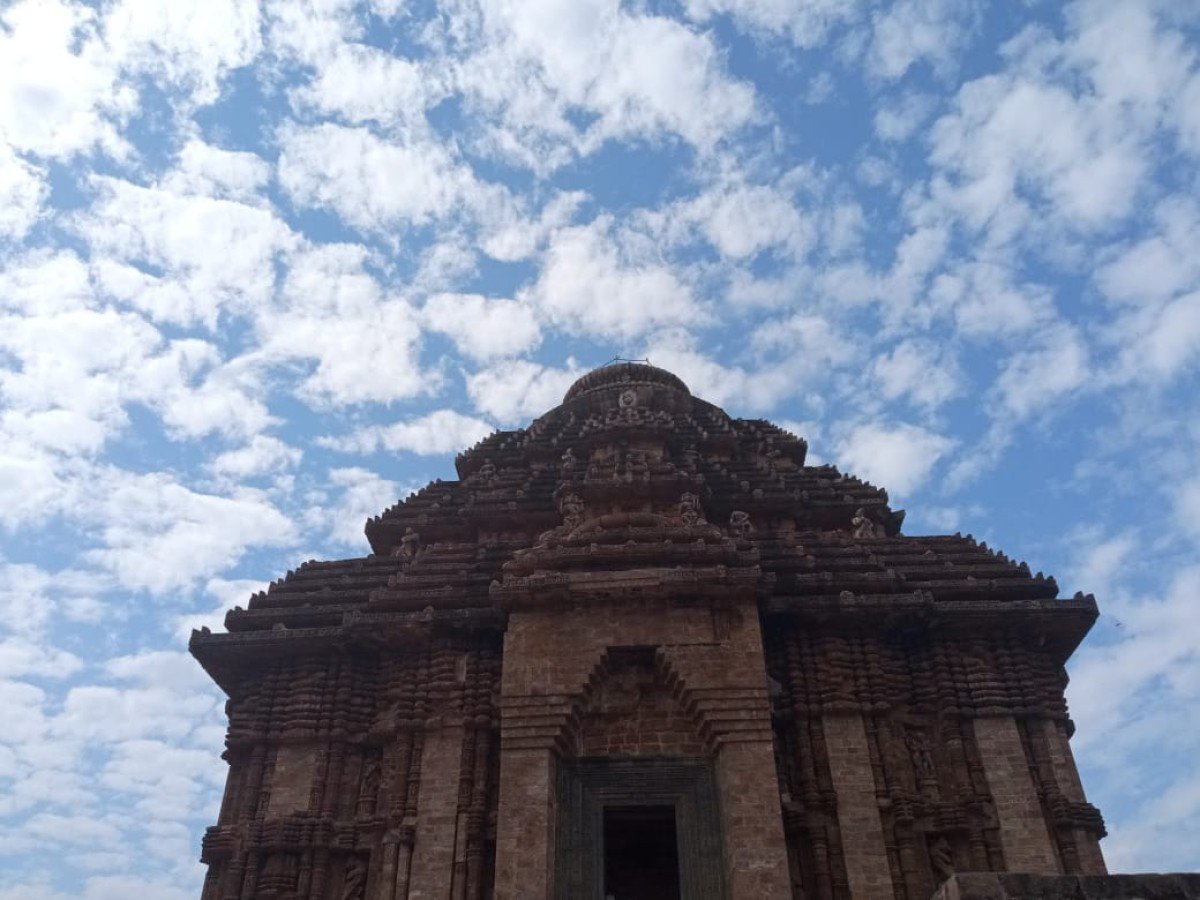
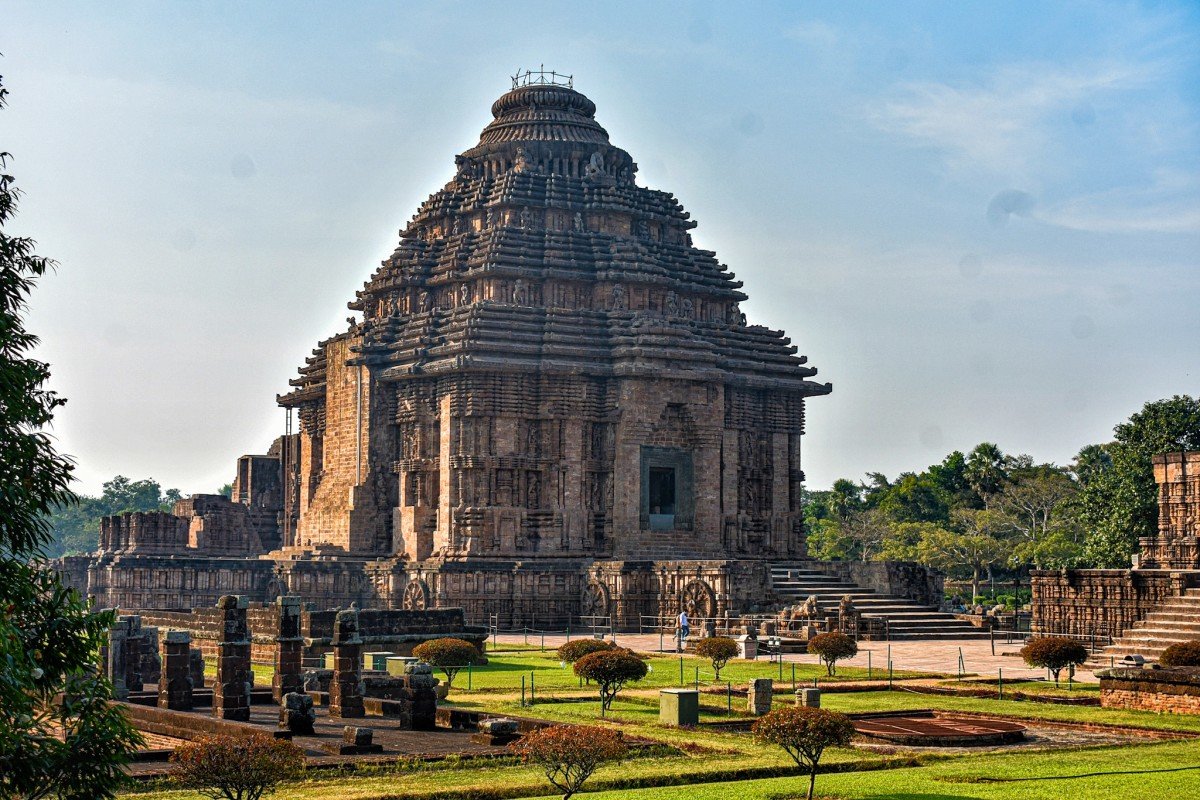
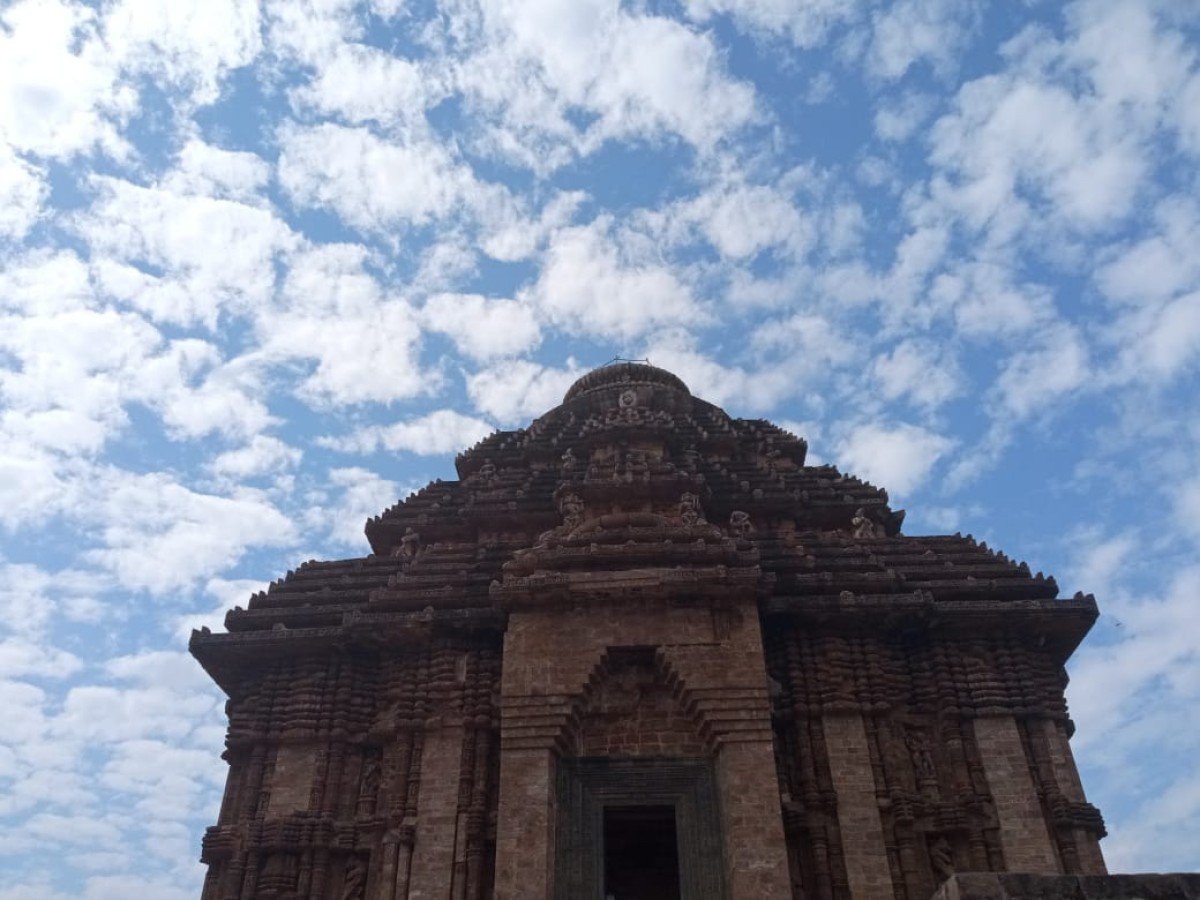
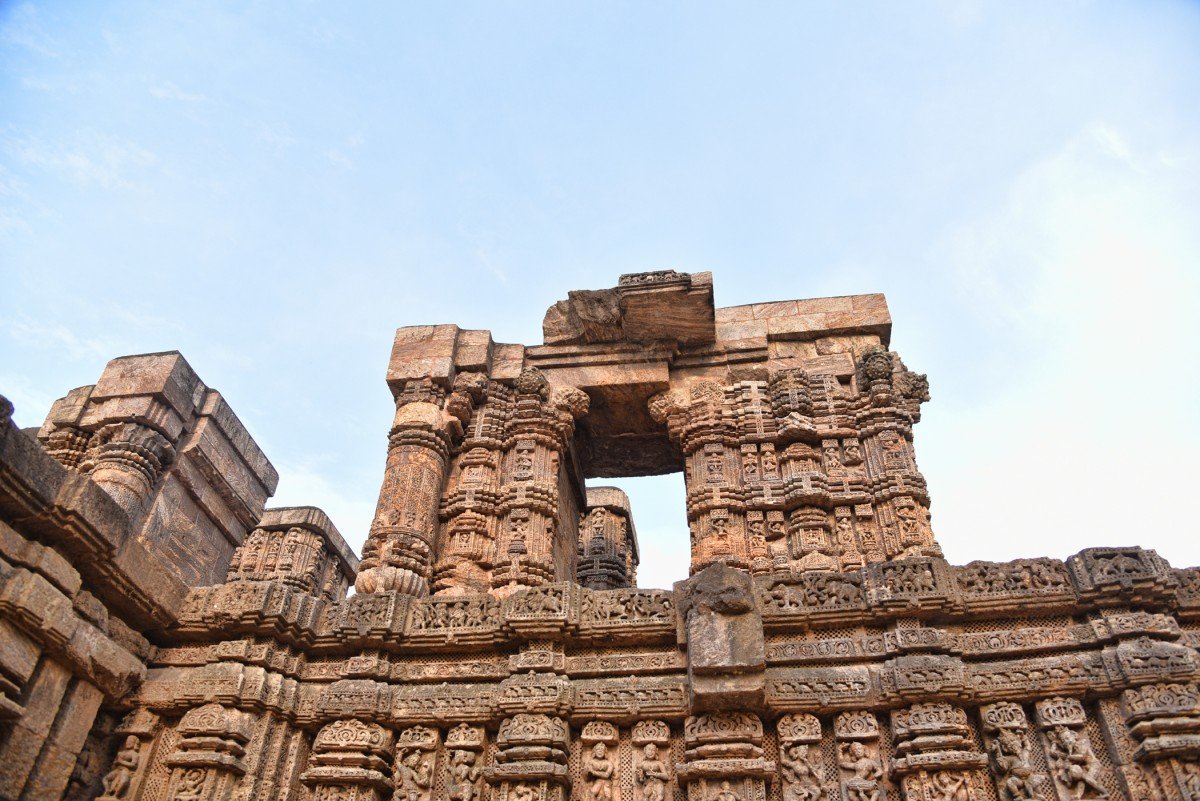
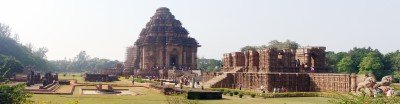
 @@Architectural Marvel and Historical Context: The Konark Sun Temple, built by King Narasingha Deva I of the Eastern Ganga dynasty in 1250 CE, is a monumental representation of the Sun God Surya's chariot, with 12 pairs of exquisitely carved wheels and seven horses. It symbolises the ultimate perfection of Kalinga architecture. The name Konark is derived from Kona (corner) and Arka (Sun), indicating its location as the site for Sun worship. It served as a vital navigational landmark for European sailors who nicknamed it the "Black Pagoda" because of its dark appearance and the danger it posed to ships due to magnetic effects or its sheer imposing size. The temple was built to celebrate the King's victory over the Muslim invaders. Its construction is linked to a legend involving Samba, Lord Krishna's son, who was cured of leprosy after propitiating the Sun God Surya here. @@Symbolism and Religious Significance: The 12 pairs of wheels represent the 12 months, and the eight spokes in each wheel represent the eight divisions of the day, reflecting the precise passage of time. The surviving structure, primarily the Jagamohana (Audience Hall), is famous for its intricate, erotic, and secular sculptures that depict the life, culture, and customs of 13th-century Odisha. Though the main sanctum (Vimana), which was over 200 feet tall, collapsed, the existing ruins are a testament to the grand scale and artistic genius of the era, making it a masterpiece of human creative genius.
 Bayalish Mouza literally translates to 'Forty-Two Revenue Villages' (Bayalish meaning forty-two). This area is historically and culturally significant as a collective of rural settlements that have preserved the traditional Odia way of life, untouched by the major tourist developments of Konark and Puri. Historically, this mouza was likely a major agricultural and artisan hub that supported the construction and maintenance of the great Konark Sun Temple. Visiting here offers an immersive experience into the authentic rural heartland of Odisha, where you can see traditional mud houses, rice paddies, and the production of local handicrafts. The community is known for its hospitality and strong adherence to local festivals and rituals. It is the living, breathing context from which the grand cultural expressions of the region emerged. The cluster acts as a repository of folk art, traditional farming practices, and the oral histories that often supplement the archaeological record. The experience is about slow travel, witnessing the daily life cycle of a traditional Indian village, and understanding the simple, sustainable lifestyle of the local people, providing a valuable contrast to the grandeur of the monuments.
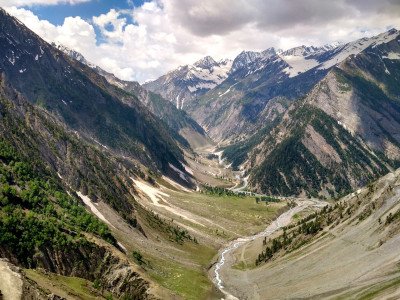 @@Historical Basin: Prachi Valley is often referred to as the "Saraswati of the East" due to its immense archaeological and religious wealth. The Prachi River, though small now, was once a mighty waterway that supported a highly advanced civilization. The valley is home to hundreds of ancient temples, many of which predate the Konark Sun Temple. It is a unique region where Shaivism, Vaishnavism, Shaktism, and Buddhism flourished together in harmony. The monuments here include brick temples, stone structures, and ancient ports. The valley is famous for its "Dwadasa Sambhu" (12 Shiva temples) and "Dwadasa Madhaba" (12 Vishnu temples). Many of these sites are still hidden in remote villages and dense vegetation. Exploring the valley is like going back in time to the golden age of Odia architecture. The river banks are considered very holy, and many rituals are performed here. The valley has survived through centuries of natural changes and human history. It remains a "Living Museum" of Indian culture. Every village in this valley has a story to tell through its ancient idols and temple ruins. It is the best place to experience the authentic rural and spiritual heritage of Odisha.
The Panchamukhi Hanuman Temple (Temple of the Five-Faced Hanuman) is a small, but religiously significant temple dedicated to Lord Hanuman in his Panchamukhi (five-faced) form. The five faces are believed to be those of Hanuman, Hayagriva, Narasimha, Garuda, and Varaha, each representing a unique spiritual power and direction. The temple is located right off the picturesque Marine Drive, making it a popular and convenient stop for devotees and travelers en route between Puri and Konark. It is known for its peaceful, spiritual energy and the immense devotion of the local community.Show All
@@Historical Basin: Prachi Valley is often referred to as the "Saraswati of the East" due to its immense archaeological and religious wealth. The Prachi River, though small now, was once a mighty waterway that supported a highly advanced civilization. The valley is home to hundreds of ancient temples, many of which predate the Konark Sun Temple. It is a unique region where Shaivism, Vaishnavism, Shaktism, and Buddhism flourished together in harmony. The monuments here include brick temples, stone structures, and ancient ports. The valley is famous for its "Dwadasa Sambhu" (12 Shiva temples) and "Dwadasa Madhaba" (12 Vishnu temples). Many of these sites are still hidden in remote villages and dense vegetation. Exploring the valley is like going back in time to the golden age of Odia architecture. The river banks are considered very holy, and many rituals are performed here. The valley has survived through centuries of natural changes and human history. It remains a "Living Museum" of Indian culture. Every village in this valley has a story to tell through its ancient idols and temple ruins. It is the best place to experience the authentic rural and spiritual heritage of Odisha.
The Panchamukhi Hanuman Temple (Temple of the Five-Faced Hanuman) is a small, but religiously significant temple dedicated to Lord Hanuman in his Panchamukhi (five-faced) form. The five faces are believed to be those of Hanuman, Hayagriva, Narasimha, Garuda, and Varaha, each representing a unique spiritual power and direction. The temple is located right off the picturesque Marine Drive, making it a popular and convenient stop for devotees and travelers en route between Puri and Konark. It is known for its peaceful, spiritual energy and the immense devotion of the local community.Show All @@Description and Experience: The Konark Light & Sound Show is an immersive 45-minute audio-visual spectacle presented in an open-air theatre setting right outside the magnificent Sun Temple ruins. Using state-of-the-art laser technology, lighting, and surround sound, the show vividly brings the history, legends, and architectural genius of the 13th century temple to life. The narration is often done by famous voices and is available in multiple languages, including Odia, Hindi, and English, ensuring broad accessibility for all tourists. @@Historical Narrative: The show's script covers the complete story of the temple: the vision of King Narasingha Deva I, the 12 years of labor by 1,200 artisans, the dedication of the master architect Dharmapada's son, and the eventual construction and theories surrounding the collapse of the main tower (Vimana). The synchronized lighting illuminates the surviving Jagamohana (Audience Hall) and other ruins, highlighting the sculptures and architectural features that are otherwise dark at night, making the stones appear to speak their own history. @@Impact and Ambiance: The evening setting under the stars, with the temple ruins dramatically lit, creates a magical and unforgettable ambiance. It is an excellent way for visitors of all ages to quickly grasp the complex history and mythological context of the site in an engaging, entertaining format, complementing the daytime visit to the actual stone monument. @@Technological Aspects: The show utilizes advanced DMX lighting fixtures, high-definition projection, and laser effects to achieve precision in highlighting specific carvings and creating dynamic light changes that follow the narrative's emotional arc, making it a modern marvel in a historical setting.
Information
-
Why Famous:
UNESCO Site: The Sun Temple is a recognized World Heritage site for its value. It is one of the most iconic monuments of India and a must-visit.
Scientific Precision: The temple wheels act as clocks that can tell time to the minute. This s...UNESCO Site: The Sun Temple is a recognized World Heritage site for its value. It is one of the most iconic monuments of India and a must-visit.
Scientific Precision: The temple wheels act as clocks that can tell time to the minute. This shows the advanced scientific knowledge of ancient Odia architects.
Black Pagoda: European sailors called it the "Black Pagoda" because of its dark color. It served as a landmark for ships sailing along the coast of Odisha.
Artistic Grandeur: The temple's sculptures are world-famous for their beauty and detail. They represent the peak of the Kalinga style of temple architecture. -
Architecture:
Chariot Design: The entire temple is built as a chariot with 24 wheels and 7 horses. The wheels are famous for being accurate sundials to tell the time.
Dimensions: The main temple tower once stood over 200 feet tall but is now in ruins. T...Chariot Design: The entire temple is built as a chariot with 24 wheels and 7 horses. The wheels are famous for being accurate sundials to tell the time.
Dimensions: The main temple tower once stood over 200 feet tall but is now in ruins. The surviving Jagamohana is about 128 feet high and very impressive.
Intricate Carvings: Every inch of the temple walls is covered with detailed stone carvings. They depict animals, floral patterns, daily life, and erotic sculptures.
Structural Stability: The temple was built using iron beams and massive stones without mortar. The precision of the stone joints is a wonder of ancient engineering. -
How To Reach:
By Air: The nearest airport is Biju Patnaik Airport in Bhubaneswar, 65 KM away. Taxis and buses are easily available from the airport to reach Konark.
By Train: Puri Railway Station is the nearest major railhead, about 35 KM away. You can ...By Air: The nearest airport is Biju Patnaik Airport in Bhubaneswar, 65 KM away. Taxis and buses are easily available from the airport to reach Konark.
By Train: Puri Railway Station is the nearest major railhead, about 35 KM away. You can take a bus or rent a cab from Puri to reach the temple town.
By Road: Konark is well connected by excellent roads to Puri and Bhubaneswar. The drive is smooth and takes about an hour from both these cities.
Local Transport: The town is small and can be explored on foot or by cycle-rickshaw. Taxis and auto-rickshaws are also available for visiting nearby places. -
Weather and Best Time to Visit:
Winter Season: October to March is the best time with cool and pleasant weather. This is also when the major dance festival and sea fairs take place.
Early Morning: The morning hours are the best part of the day for sightseeing. You can se...Winter Season: October to March is the best time with cool and pleasant weather. This is also when the major dance festival and sea fairs take place.
Early Morning: The morning hours are the best part of the day for sightseeing. You can see the sun rays hitting the temple, which was its original design. -
Near Tourist Places:
Puri (35 KM), Bhubaneswar (65 KM), Chandrabhaga (3 KM), Ramachandi (7 KM), Kuruma (8 KM), Pipili (45 KM), Chilika Lake (70 KM), Dhauli (55 KM), Lingaraj Temple (60 KM), Nandankanan (75 KM).
Tourism Tips
-
Health: Carry an umbrella or hat as the temple complex has very little shade. Drink plenty of water to stay hydrated while walking around the large site.
Packing: Wear light cotton clothes and comfortable shoes for walking on stone. Carry ...Health: Carry an umbrella or hat as the temple complex has very little shade. Drink plenty of water to stay hydrated while walking around the large site.
Packing: Wear light cotton clothes and comfortable shoes for walking on stone. Carry a good camera with extra batteries to capture all the amazing details.
Guides: Hire an authorized guide to get the most out of your visit. They can explain the complex carvings and the history of the Sun Temple properly.
Respect Heritage: Do not touch or climb on the ancient stone structures. Help in keeping the heritage site clean by not littering in the temple area.
Reviews
FAQs
Konark Itineray And Cost:-
Other Places In Odisha :-
Other States In India :-
Information about New and Updated Locations() of Odisha Has Been Added :-
Card subtitle
Note:-
Information provided here in good Faith and for reference only.
Near Places
Angul
Some quick example text to build on the card title and make up the bulk of the card's content.
Go somewhere
Balasore
Some quick example text to build on the card title and make up the bulk of the card's content.
Go somewhere
Bargarh
Some quick example text to build on the card title and make up the bulk of the card's content.
Go somewhere
Baripada
Some quick example text to build on the card title and make up the bulk of the card's content.
Go somewhere
Berhampur
Some quick example text to build on the card title and make up the bulk of the card's content.
Go somewhere
Bhadrak
Some quick example text to build on the card title and make up the bulk of the card's content.
Go somewhere
Bhubaneswar
Some quick example text to build on the card title and make up the bulk of the card's content.
Go somewhere
Chandipur
Some quick example text to build on the card title and make up the bulk of the card's content.
Go somewhere
Cuttack
Some quick example text to build on the card title and make up the bulk of the card's content.
Go somewhere
Daringbadi
Some quick example text to build on the card title and make up the bulk of the card's content.
Go somewhere
Dhauli
Some quick example text to build on the card title and make up the bulk of the card's content.
Go somewhere
Dhauligiri
Some quick example text to build on the card title and make up the bulk of the card's content.
Go somewhere
Gopalpur
Some quick example text to build on the card title and make up the bulk of the card's content.
Go somewhere
Jajpur
Some quick example text to build on the card title and make up the bulk of the card's content.
Go somewhere
Jeypore
Some quick example text to build on the card title and make up the bulk of the card's content.
Go somewhere
Jharsuguda
Some quick example text to build on the card title and make up the bulk of the card's content.
Go somewherein Other Cities