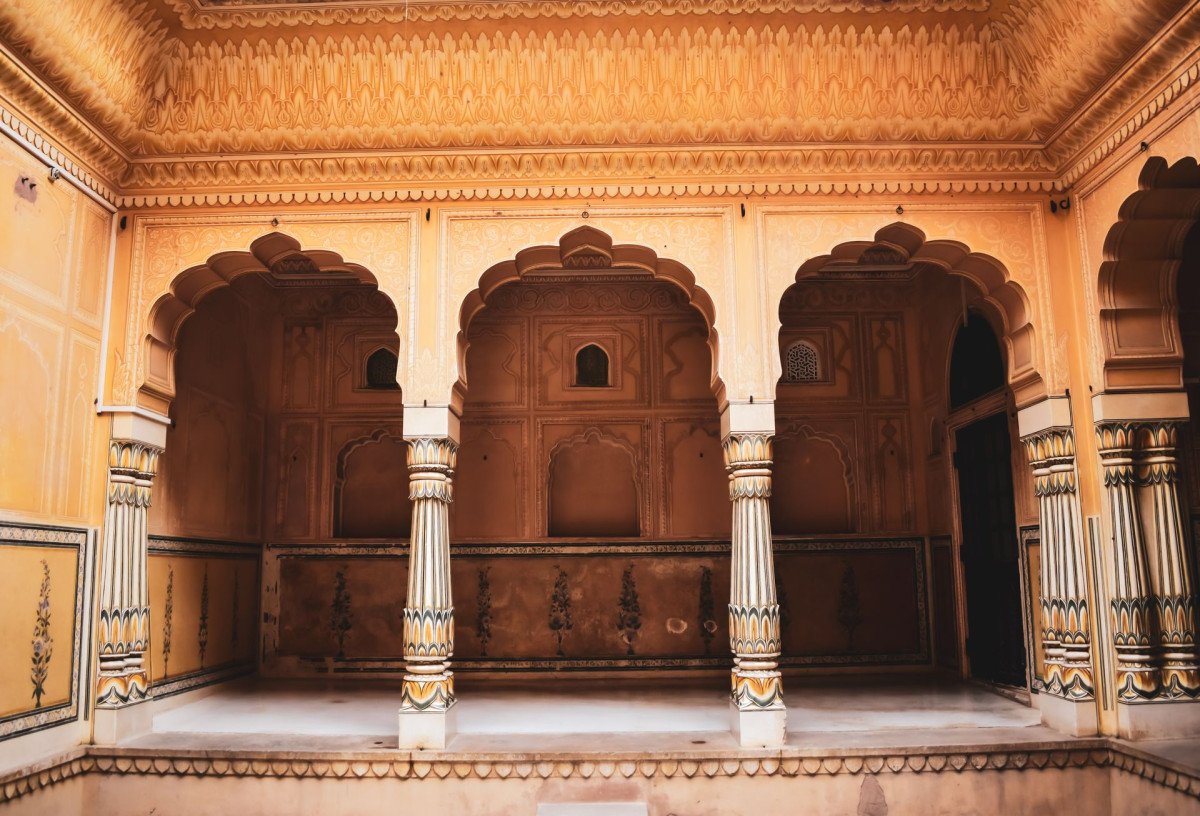
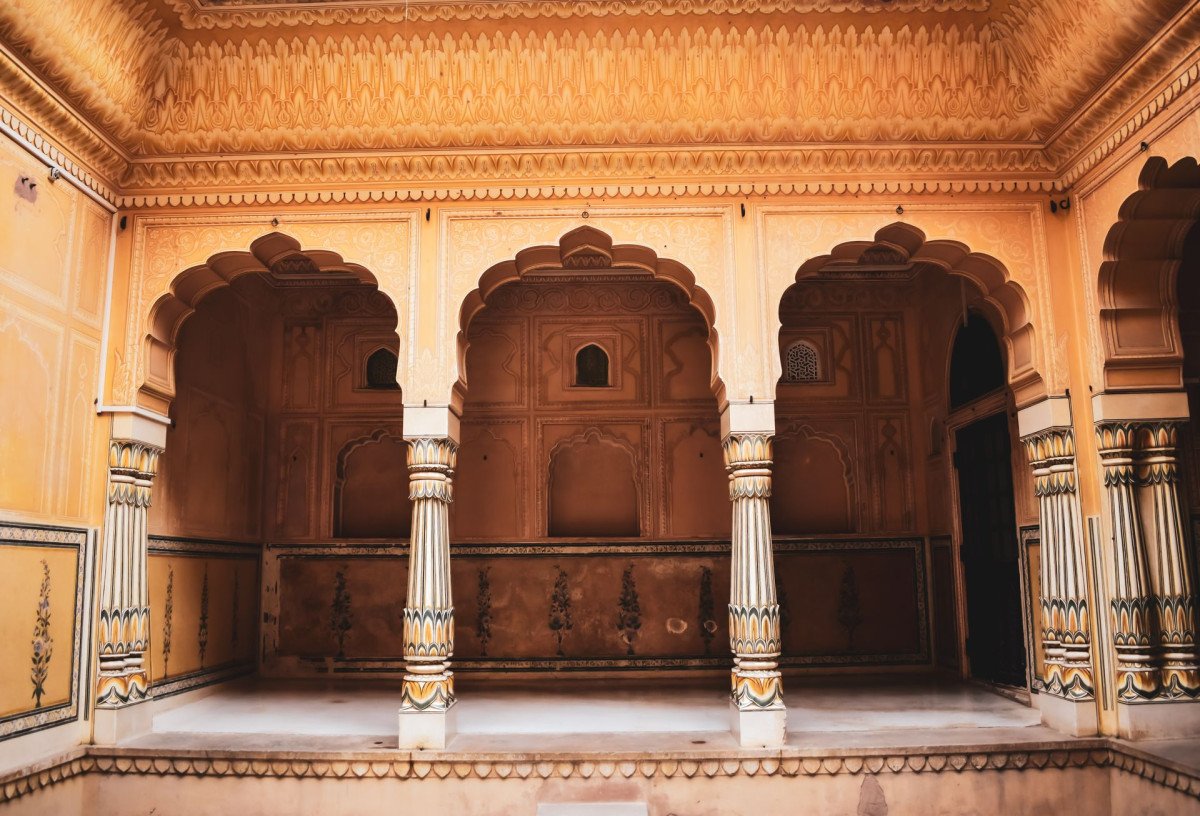
Kumbhalgarh Fort
Kumbhalgarh Fort stands as an imposing testament to the resilience and architectural genius of the Rajput era. Built by Rana Kumbha between 1443 and 1458 AD, it is one of the five hill forts of Rajasthan recognized as a UNESCO World Heritage Site. The fort's location high on the Aravalli hills, appr oximately 1,100 metres above sea level, provided an unmatched strategic advantage. It was a primary refuge for the Mewar rulers, especially during periods of war, and is deeply cherished for being the birthplace of Maharana Pratap in 1540. The fort remained unconquered for centuries, with the only breach being by the combined forces of the Mughals and Amber in 1576, reportedly due to a shortage of drinking water, showcasing its almost impenetrable defenses. The expansive complex not only holds military structures but also includes over 360 temples, a mix of Jain and Hindu shrines, indicating the region's historical religious tolerance. Walking along its ramparts provides a breathtaking, panoramic view of the surrounding countryside and the vast Kumbhalgarh Wildlife Sanctuary. The sheer scale and history of the fort make it a crucial landmark in Indian history and architecture. The fort is a symbol of Rajput pride and valor.
###
General information
-
Ideal Duration:
4-6 hours (excluding travel time)Place Type:
Fort / Historical MonumentEntry Fees:
Indian Tourists and SAARC/BIMSTEC Nationals: Nominal Fee For Indian citizens and nationals from SAARC (South Asian Association for Regional Cooperation) and BIMSTEC (Bay of Bengal Initiative for Multi-Sectoral Technical and Economic Cooperation) countries, the entry fee is ...Indian Tourists and SAARC/BIMSTEC Nationals: Nominal Fee For Indian citizens and nationals from SAARC (South Asian Association for Regional Cooperation) and BIMSTEC (Bay of Bengal Initiative for Multi-Sectoral Technical and Economic Cooperation) countries, the entry fee is generally Rs.40 per person. This nominal fee helps in the maintenance and preservation of this UNESCO World Heritage Site. Tickets can be purchased at the counter near the main entrance of the fort.
Foreign Tourists: Higher Rate Foreign tourists are charged a higher entry fee, typically around Rs.600 per person. This is a common practice in many historical monuments in India to subsidize the lower entry fee for domestic tourists and manage the large international tourist footfall.
Additional Charges and Exemptions: There is usually an additional charge for using a video camera, often around Rs.100 to Rs.200. Still cameras are often free. Children below the age of 15 years are generally granted free entry. The ticket for the evening Light and Sound Show is separate and typically costs around Rs.118 for Indian nationals and Rs.236 for foreign tourists. It's advisable to carry cash for minor expenses, although digital payment options are increasingly available.Timing:
Regular Timings: Daily Access Kumbhalgarh Fort is open to visitors every day of the week, including all public holidays. The fort's general operational hours are from 9:00 AM to 6:00 PM. This timeframe allows ample daylight hours for exploration, photography, and trekking...Regular Timings: Daily Access Kumbhalgarh Fort is open to visitors every day of the week, including all public holidays. The fort's general operational hours are from 9:00 AM to 6:00 PM. This timeframe allows ample daylight hours for exploration, photography, and trekking along the long fort walls. The entry gates close promptly at 6:00 PM.
Light and Sound Show Timings: Evening Spectacle The captivating Light and Sound Show starts shortly after sunset, typically around 6:45 PM to 7:00 PM, depending on the season. The show runs for approximately 45 minutes to an hour. Separate tickets must be purchased for this event.
Ideal Visit Time: Comfort and Clarity The Ideal Visit Time for the fort is in the early morning (immediately after opening at 9:00 AM) or in the late afternoon (around 4:00 PM) to catch the sunset.
Morning Visits: The morning provides the coolest temperatures, making the strenuous walking and trekking much more comfortable, and the light is perfect for photography with fewer crowds.
Evening Visits: The late afternoon offers the beautiful glow of the setting sun over the Aravalli range and prepares you for the evening Light and Sound Show. It is highly recommended to plan your visit to cover at least the last couple of hours before sunset.Special Events:
Kumbhalgarh Festival: Cultural Celebration The most significant special event is the annual Kumbhalgarh Festival, organized by the Rajasthan Tourism Department. This three-day festival is typically held in December (though dates can vary) to honor the passion for art and a...Kumbhalgarh Festival: Cultural Celebration The most significant special event is the annual Kumbhalgarh Festival, organized by the Rajasthan Tourism Department. This three-day festival is typically held in December (though dates can vary) to honor the passion for art and architecture of Maharana Kumbha, the fort's builder. The festival features a vibrant display of local and national art, culture, and heritage.
Art and Performance Highlights: The festival includes captivating folk performances by artists from Rajasthan and other parts of India, showcasing traditional music, dance (like the Kalbelia dance), and theatrical acts. The backdrop of the majestic fort and the illuminated walls enhances the cultural experience. Day events focus on traditional art and crafts, while evenings are reserved for the spectacular cultural programs.Best Photo Spots:
Badal Mahal's Rooftop: Panoramic Views The highest point of the fort, the Badal Mahal (Palace of Clouds), offers the most comprehensive and spectacular panoramic view. From here, you can capture the entire stretch of the winding 36-kilometre wall as it snakes across the Ar...Badal Mahal's Rooftop: Panoramic Views The highest point of the fort, the Badal Mahal (Palace of Clouds), offers the most comprehensive and spectacular panoramic view. From here, you can capture the entire stretch of the winding 36-kilometre wall as it snakes across the Aravalli hills, making it the perfect spot for landscape photography, especially during the golden hours of sunrise and sunset.
The Winding Ramparts: The Great Wall Effect Walking along the wide ramparts, you can frame the massive stone wall itself, highlighting its scale and defensive architecture. Use the numerous watchtowers (bastions) as foreground elements to add depth and drama to your shots, capturing the texture of the centuries-old stonework.
Ganesh Pol and Ram Pol: Grand Entrances The main gateways, particularly Ganesh Pol and Ram Pol, with their imposing height, thick walls, and curved approaches, are excellent for capturing the military grandeur of the fort. The play of light and shadow on the ancient stone makes for powerful, historical images.Photo Gallery
Things To Do
-
Trekking the Fort Walls and Ramparts: The most unique experience at Kumbhalgarh Fort is to walk a portion of its 36-kilometre long wall. The ramparts offer an exhilarating trek with varying elevations and spectacular panoramic views of the Aravalli hills, the surrounding villages, and the Kumbhalgarh Wildlife Sanctuary. It's a challenging but rewarding activity, allowing visitors to truly grasp the scale of the 'Great Wall of India'. Be sure to wear comfortable, sturdy footwear.
Exploring the Palaces:
Badal Mahal and Kumbha Palace: Take time to explore the royal residences. The Badal Mahal (Palace of Clouds), perched at the highest point, is a must-visit for its beautiful pastel-coloured murals, its unique 'air-conditioning' design through ventilation, and the stunning birdRs.s-eye views it o...
Information
-
Why Famous:
The Great Wall of India: The fort's primary fame rests on its gargantuan wall, which, at approximately 36 kilometres in length, is the second-longest continuous wall in the world, surpassed only by the Great Wall of China. This massive, serpentine wall is an unparalleled e...The Great Wall of India: The fort's primary fame rests on its gargantuan wall, which, at approximately 36 kilometres in length, is the second-longest continuous wall in the world, surpassed only by the Great Wall of China. This massive, serpentine wall is an unparalleled engineering feat of its time.
Birthplace of Maharana Pratap: Kumbhalgarh holds a sacred place in Rajput history as the birthplace of the legendary warrior king, Maharana Pratap, in 1540. This association lends the fort immense sentimental and historical value, drawing patriots and history enthusiasts alike.
The Impregnable Fortress: For centuries, the fort was considered virtually unconquerable due to its strategic location on a high ridge, the formidable length and thickness of its walls, and the cleverly designed winding paths and narrow gateways. It served as the key refuge and secure treasury for the rulers of Mewar during their greatest challenges. -
Architecture:
Defensive Walls and Gateways: The most defining feature of Kumbhalgarh Fort is its massive defensive wall, often affectionately called the 'Great Wall of India'. This wall extends for about 36 kilometres and is wide enough in some places for eight horses to walk abreast. ...Defensive Walls and Gateways: The most defining feature of Kumbhalgarh Fort is its massive defensive wall, often affectionately called the 'Great Wall of India'. This wall extends for about 36 kilometres and is wide enough in some places for eight horses to walk abreast. The frontal walls of the main entrance are about 4. 5 metres (15 feet) thick. The fort has seven main fortified gateways, known as 'Pols'. Key Pols include the Aaret Pol, Halla Pol, Hanuman Pol, and the main entrance, Ram Pol. These gateways were cleverly designed, often with multiple levels and sharp turns (hairpin curves) up the winding road to hinder the entry of enemy elephants and horses, making a direct assault extremely difficult. The walls are punctuated with observation points and tapered openings for archers.
Palaces and Temples: Dimension Inside the fort, the architecture shifts from rugged military strength to royal and religious artistry. The highest point is crowned by the Badal Mahal (Palace of Clouds), a two-story structure built by Rana Fateh Singh in the 19th century. It is known for its brightly colored pastel murals and a cleverly designed ventilation system. The palace is typically divided into Mardana Mahal (for men) and Zanana Mahal (for women). Another significant structure is the Kumbha Palace near the Pagda Pol, built in traditional Rajput style. For religious architecture, the fort houses over 360 temples. The Neelkanth Mahadev Temple, dating back to 1458 CE, is prominent, featuring a massive round dome and a 6-foot-tall stone Shiv Lingam. The central shrine is approached through a structure supported by 24 huge pillars. The Vedi Temple, a three-story Jain temple, stands on a raised platform supported by 36 ornately carved columns, making it an impressive example of temple architecture. These structures showcase a blend of military expediency and devotional finesse, often incorporating local stone and lime mortar. -
How To Reach:
By Air: The Nearest Airport The nearest major airport is Maharana Pratap Airport (Udaipur), located at a distance of about 85 to 105 kilometres from Kumbhalgarh Fort. The airport is well-connected to major Indian cities like Delhi, Mumbai, Jaipur, and Kolkata with regular ... -
Near Tourist Places:
1 Kumbhalgarh Wildlife Sanctuary ~2 KM (Entrance) Family, Friends, Solo, Couple Sanctuary Kumbhalgarh Village (2 KM) Rajsamand India 2 Badal Mahal (Palace of Clouds) Inside Fort Family, Friends, Solo, Couple Fort Kumbhalgarh Village (1 KM) Rajsamand India 3 Neelkanth Mahadev Temple Inside Fort Family, Friends, Solo, Couple Fort Kumbhalgarh Village (1 KM) Rajsamand India 4 Vedi Temple Inside Fort Family, Friends, Solo, Couple Fort Kumbhalgarh Village (1 KM) Rajsamand India 5 Mammadev Temple ~0. 5 KM (Below Fort) Family, Friends, Solo Village Kumbhalgarh Village (0. 5 KM) Rajsamand India 6 Ranakpur Jain Temples ~50 KM Family, Friends, Solo, Couple Village Sadri Town (10 KM) Pali India 7 Muchhal Mahavir Temple ~6 KM Family, Friends, Solo Village Ghanerao Village (5 KM) Pali India 8 Parshuram Mahadev Temple ~10 KM Friends, Solo (Trekking) Cave/Temple Sadhri Village (10 KM) Pali India 9 Haldighati Battlefield ~65 KM Family, Friends, Solo Village Nathdwara Town (25 KM) Rajsamand India 10 Rajsamand Lake ~60 KM Family, Couple City Rajsamand City (5 KM) Rajsamand India 11 Eklingji Temple ~85 KM Family, Couple, Solo Village Udaipur City (20 KM) Udaipur India 12 Kumbhalgarh Light and Sound Show Fort Premises Family, Friends, Couple Fort Kumbhalgarh Village (1 KM) Rajsamand India
Tourism Tips
-
Health & Safety: Essential Precautions
Stay Hydrated: Carry ample drinking water, especially if visiting outside of peak winter months. The trek to the top is long and tiring.
Footwear: Wear comfortable, ...
Reviews
Kumbhalgarh Fort Itineray And Cost:-
Kumbhalgarh Fort Tourism:-
Information about New and Updated Locations() of Rajasthan Has Been Added :-
Card subtitle
Note:-
Information provided here in good Faith and for reference only.
All information and pictures will be updated soon, please keep visiting.
Near Places
Kumbhalgarh Fort
Some quick example text to build on the card title and make up the bulk of the card's content.
Go somewherein Other Cities