
Lal Mahal
General information
-
Ideal Duration:
1 to 2 Hours.Place Type:
Historical Residence, Memorial, Museum, Heritage.Entry Fees:
Entry Fee: Approximately INR 5 per person, or sometimes Free, depending on the management.
Photography Fee: Generally included or minimal.
Notes on Fees: The fee is very low, as the site is maintained as a...Entry Fee: Approximately INR 5 per person, or sometimes Free, depending on the management.
Photography Fee: Generally included or minimal.
Notes on Fees: The fee is very low, as the site is maintained as a historical and cultural memorial by the local municipal body, making it highly accessible to the public.Timing:
Regular Timings: Generally 9:00 AM to 6:00 PM daily. Some sources mention a midday closure (1:00 PM to 4:30 PM), so it is best to visit in the morning or late afternoon.
Ideal Visit Time: Morning (from 9:00 AM to 11:00 AM) is the most conv...Regular Timings: Generally 9:00 AM to 6:00 PM daily. Some sources mention a midday closure (1:00 PM to 4:30 PM), so it is best to visit in the morning or late afternoon.
Ideal Visit Time: Morning (from 9:00 AM to 11:00 AM) is the most convenient time for a peaceful visit and is easily combinable with a visit to the Dagdusheth Ganpati Temple.
Closed Days: Open seven days a week.Special Events:
Shiv Jayanti: The birth anniversary of Chhatrapati Shivaji Maharaj (celebrated in February or March) is the most important event. The palace is decorated, and events are held with traditional Marathi fervor, including historical plays and parades.
Read MoreShiv Jayanti: The birth anniversary of Chhatrapati Shivaji Maharaj (celebrated in February or March) is the most important event. The palace is decorated, and events are held with traditional Marathi fervor, including historical plays and parades.
Maharashtra Day: Celebrated on May 1st, this day often includes historical and cultural programs at the Lal Mahal to celebrate the state's heritage.
Founders' Days: Events commemorating Shahaji Raje Bhosale and Jijabai are sometimes organized by local historical societies.Best Photo Spots:
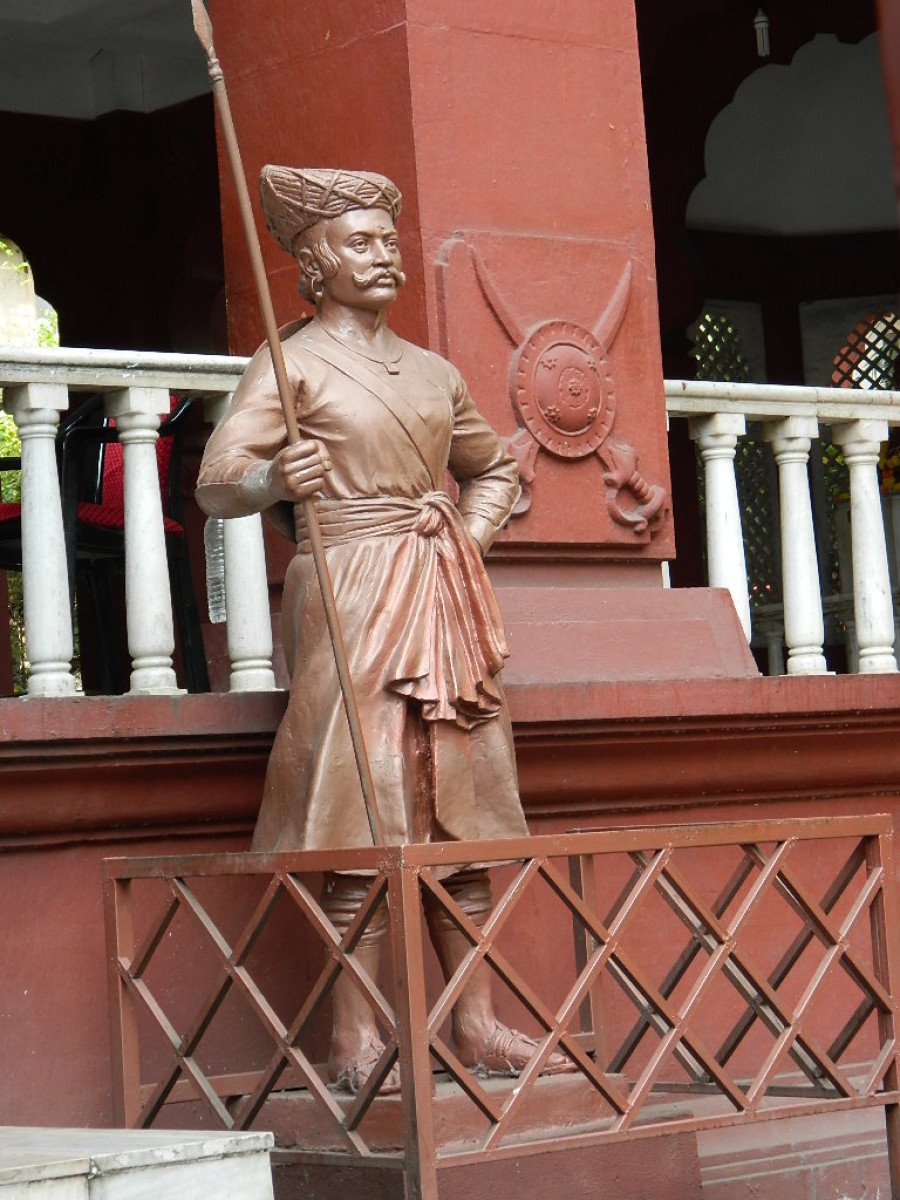
Jijamata Garden Statue: The best spot is the statue of Jijabai and young Shivaji in the garden, framed by the palace structure.
The Main Entrance: Capture the arched main entrance (Nagarkhana Darwaja) with its traditional architectural look...Jijamata Garden Statue: The best spot is the statue of Jijabai and young Shivaji in the garden, framed by the palace structure.
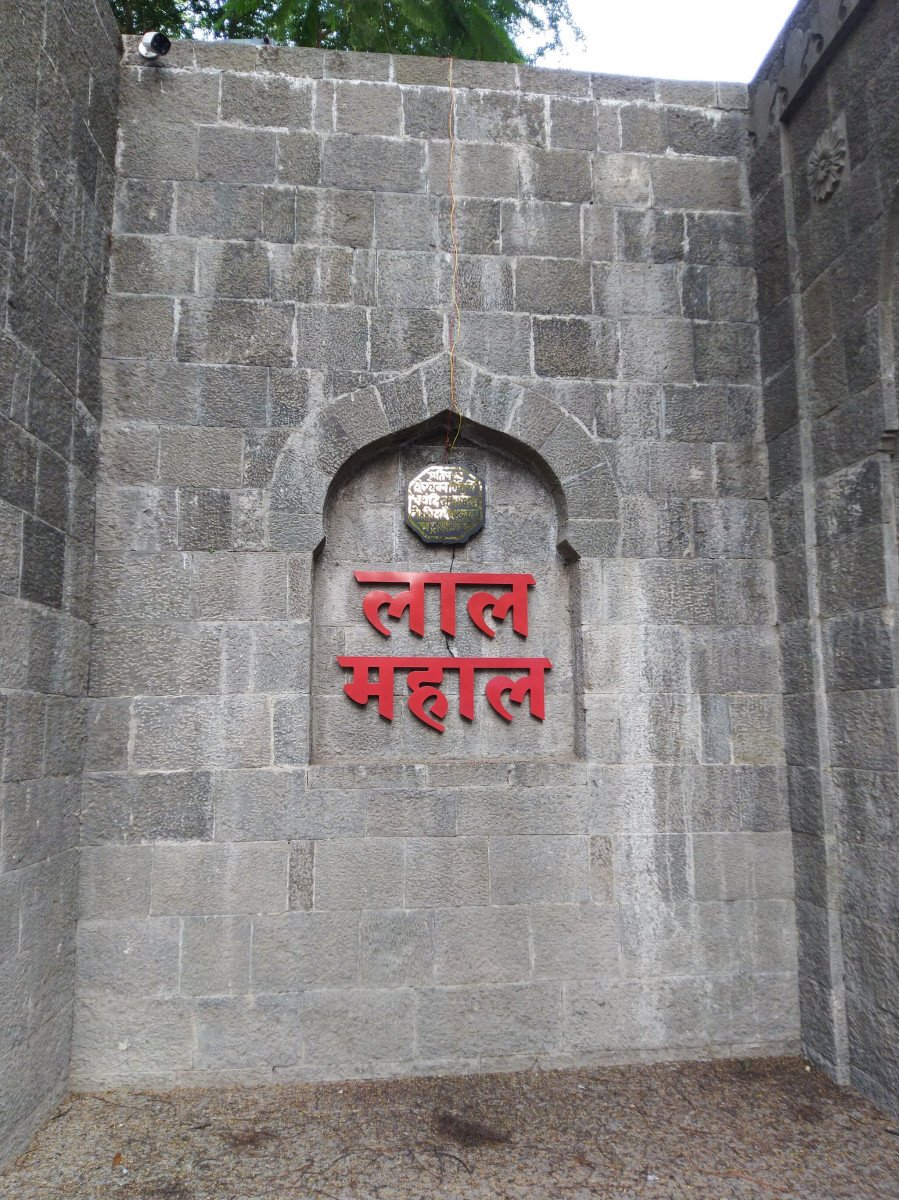
The Main Entrance: Capture the arched main entrance (Nagarkhana Darwaja) with its traditional architectural look.
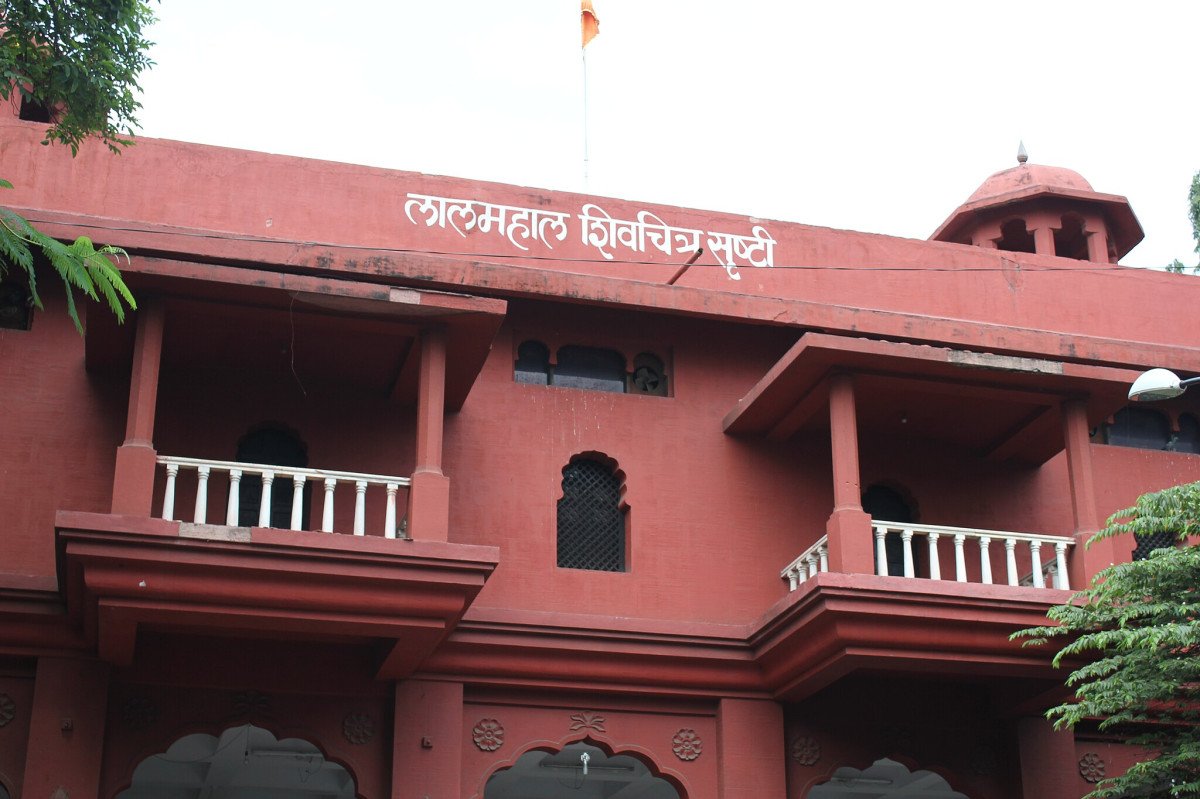
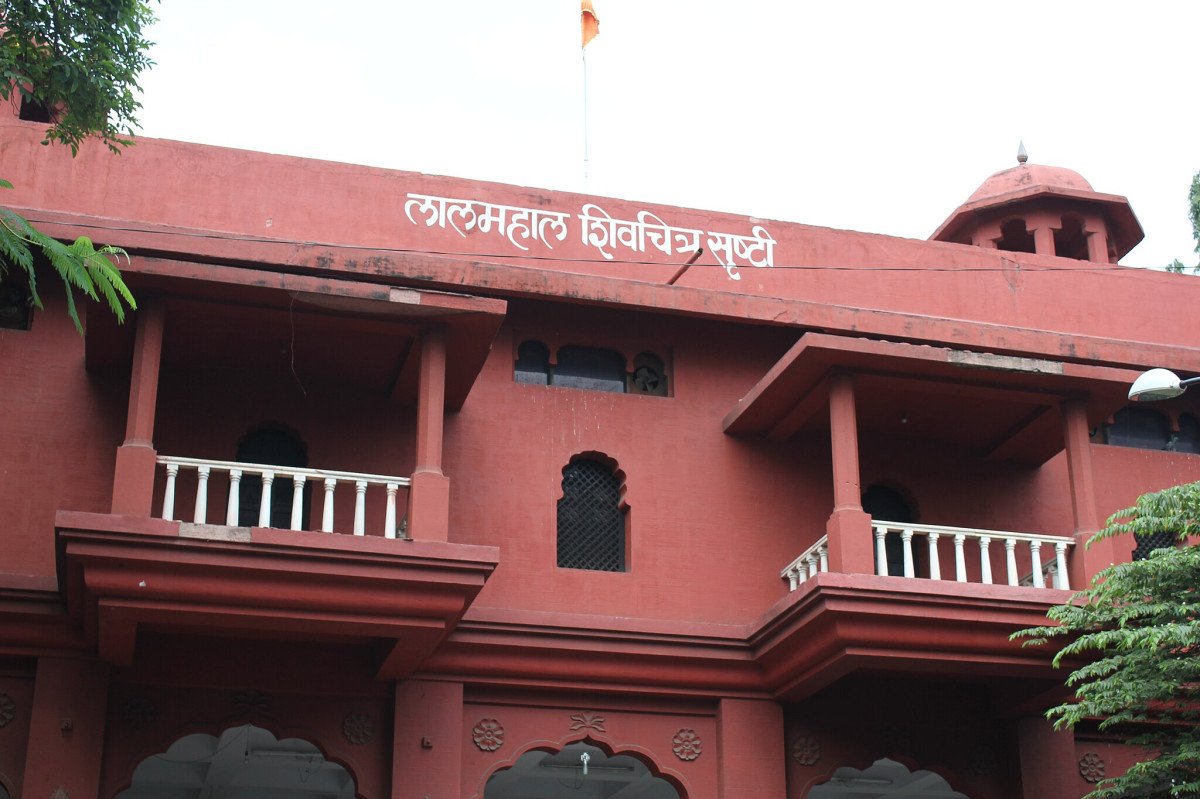
The Red Wall Texture: Take close-up photos of the red-brick walls to highlight the material that gives the palace its name.
Interior Murals: Photograph the large historical murals inside the main hall (check for flash restrictions).Photo Gallery
Things To Do
-
View the Jijamata-Shivaji Statue: Take photos and spend time at the central statue in the garden, which symbolizes the importance of a mother's guidance.
Study the Murals and Paintings: Explore the main hall, which is lined with detailed paintings depicting key scenes from Shivaji Maharaj's life and the Maratha history.
Learn the Shaista Khan Story: Seek out the displays or information boards that vividly narrate the famous 1663 raid.
Walk the Grounds: Stroll through the courtyard and the Jijamata Garden, imagining the historical scene of 17th-century Pune.
Visit Nearby Markets: The palace is near the bustling Tulsi Baug and Laxmi Road markets, making it a great place to begin a cultural walk through the old city.View the Jijamata-Shivaji Statue: Take photos and spend time at the central statue in the garden, which symbolizes the importance of a mother's guidance.
Study the Murals and Paintings: Explore the main hall, which is lined with detailed paintings depicting key scenes from Shivaji Maharaj's life and the Maratha history.
Learn the Shaista Khan Story: Seek out the displays or information boards that vividly narrate the famous 1663 raid.
Walk the Grounds: Stroll through the courtyard and the Jijamata Garden, imagining the historical scene of 17th-century Pune.
Visit Nearby Markets: The palace is near the bustling Tulsi Baug and Laxmi Road markets, making it a great place to begin a cultural walk through the old city.
Attend a Local Event: Occasionally, the venue hosts small cultural programs or historical lectures, especially during Shiv Jayanti.
Admire the Red Structure: Photograph the distinctive red-brick facade that gives the palace its name.
Information
-
Why Famous:
Shivaji Maharaj's Childhood: Its primary fame comes from being the place where the founder of the Maratha Empire, Chhatrapati Shivaji Maharaj, spent his formative childhood years.
The Shaista Khan Incident: It is the historical site of the ...Shivaji Maharaj's Childhood: Its primary fame comes from being the place where the founder of the Maratha Empire, Chhatrapati Shivaji Maharaj, spent his formative childhood years.
The Shaista Khan Incident: It is the historical site of the legendary midnight raid in 1663, where Shivaji Maharaj famously cornered Shaista Khan, cutting off his fingers—a defining act of bravery and military genius.
Tribute to Jijabai: The palace and the adjacent Jijamata Garden serve as a tribute to Jijabai's role in instilling values and martial skills in young Shivaji.
Proximity to Shaniwar Wada: Its location in the old city, very close to Shaniwar Wada and Dagdusheth Ganpati Temple, makes it an essential stop on the Pune historical circuit. -
Architecture:
Traditional Maratha Residential Style (Reconstructed): The original Lal Mahal was reportedly a grand, multi-storied structure made primarily of wood and red brick (hence the name 'Lal' meaning Red). The current structure is a faithful reconstruction on a portion of the original ground.Traditional Maratha Residential Style (Reconstructed): The original Lal Mahal was reportedly a grand, multi-storied structure made primarily of wood and red brick (hence the name 'Lal' meaning Red). The current structure is a faithful reconstruction on a portion of the original ground.
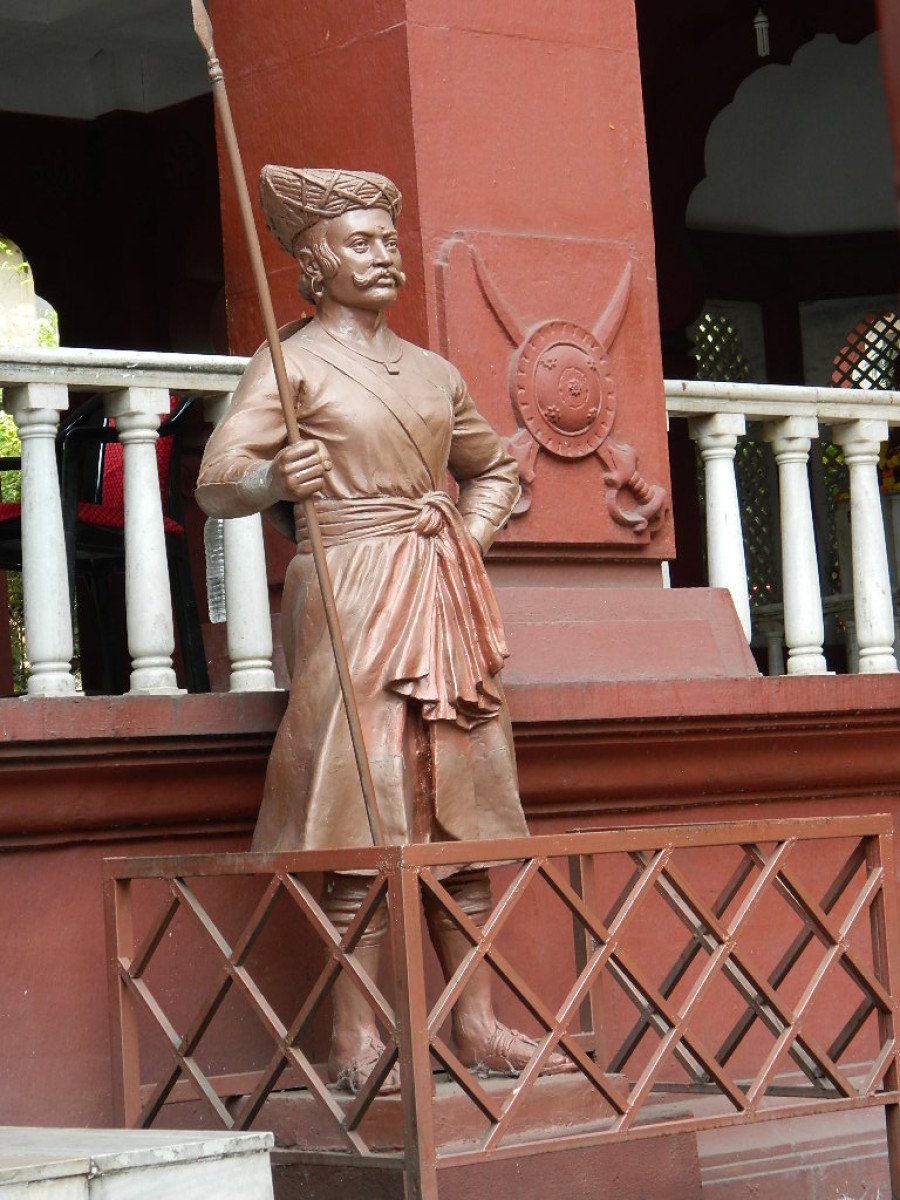
Key Features: The architecture showcases elements like a large, prominent main entrance (Nagarkhana Darwaja), spacious halls, and a small museum area. The walls inside the current structure are adorned with large oil paintings and murals depicting scenes from Shivaji Maharaj's life and the Maratha Empire's history.
The Jijamata Garden: A key part of the complex is the adjacent Jijamata Garden, named after Shivaji's mother, Jijabai. It features a central statue of Jijabai with a young Shivaji, and often showcases a replica of the famous Juna Rajwada (Old Palace). -
How To Reach:
By Air: Pune International Airport (PNQ) is approximately 12 KMS away. The palace is in the congested, historical city center, so a taxi or auto-rickshaw is necessary, with a travel time of 30-45 minutes.
By Train: Pune Junction Railway St...By Air: Pune International Airport (PNQ) is approximately 12 KMS away. The palace is in the congested, historical city center, so a taxi or auto-rickshaw is necessary, with a travel time of 30-45 minutes.
By Train: Pune Junction Railway Station (PUNE) is about 2 KMS away. An auto-rickshaw or app-based cab ride is very short but will take longer due to traffic congestion in the old city.
By Road (Inter-City): Located in the heart of the old city, it is easily reachable from the Shivajinagar Bus Stand and Pune Station bus stops by local transport.
By Local Transport: Lal Mahal is a central landmark in Kasba Peth, close to major local bus routes. The best way to reach it is by local auto or walking from Dagdusheth Halwai Ganpati Temple or Shaniwar Wada. -
Weather and Best Time to Visit:
By Season (Pleasant Weather): October to March offers the coolest and most comfortable weather for walking and exploring the garden area.
By Season (Festive Vibe): Visiting during Shiv Jayanti (February/March) offers a vibrant, highly cultu...By Season (Pleasant Weather): October to March offers the coolest and most comfortable weather for walking and exploring the garden area.
By Season (Festive Vibe): Visiting during Shiv Jayanti (February/March) offers a vibrant, highly cultural atmosphere.
By Day (Crowd Avoidance): Weekday mornings are best to avoid local tourists and school groups.
By Day (Atmosphere): Late afternoon is beautiful, with soft sunlight on the red-brick walls. -
Near Tourist Places:
Dagdusheth Halwai Ganpati Temple (0. 2 KMS)Shaniwar Wada (0. 5 KMS)Tulsi Baug Market (0. 3 KMS)Raja Dinkar Kelkar Museum (1 KMS)Vishrambaug Wada (1 KMS)Phule Market (1 KMS)Pataleshwar Cave Temple (3 KMS)Laxmi Road Shopping (Adjacent)Appa Balwant Chowk (Books) (1 KMS)Mandai Market (1. 5 KMS)
Tourism Tips
-
Health & Safety: Be aware of the crowded area surrounding the palace. The palace itself is safe, but practice caution in the busy marketplace.
Packing: Carry a light bag, as there are no storage facilities. The rules are generally relaxed...Health & Safety: Be aware of the crowded area surrounding the palace. The palace itself is safe, but practice caution in the busy marketplace.
Packing: Carry a light bag, as there are no storage facilities. The rules are generally relaxed, but respect the historical exhibits.
Accommodation: Stay in the nearby Deccan, Camp, or Shivajinagar areas and use local transport to visit the old city.
Other Tips (Etiquette): Treat the site as a memorial to Chhatrapati Shivaji Maharaj and Jijabai. Pay attention to the historical information provided in the form of murals and plaques, as the palace itself is a reconstruction.
Reviews
FAQs
Pune Itineray And Cost:-
Other Places In Pune :-
Other States In India :-
Information about New and Updated Locations() of Maharashtra Has Been Added :-
Card subtitle
Note:-
Information provided here in good Faith and for reference only.
Near Places
Aga Khan Palace
Some quick example text to build on the card title and make up the bulk of the card's content.
Go somewhere
Bhandarkar Oriental Research Institute
Some quick example text to build on the card title and make up the bulk of the card's content.
Go somewhere
Bhuleshwar Temple
Some quick example text to build on the card title and make up the bulk of the card's content.
Go somewhere
Dagdusheth Halwai Ganpati Temple
Some quick example text to build on the card title and make up the bulk of the card's content.
Go somewhere
Darshan Museum
Some quick example text to build on the card title and make up the bulk of the card's content.
Go somewhere
Empress Botanical Garden
Some quick example text to build on the card title and make up the bulk of the card's content.
Go somewhere
Joshi's Museum of Miniature Railways
Some quick example text to build on the card title and make up the bulk of the card's content.
Go somewhere
Khadakwasla Dam & Lake
Some quick example text to build on the card title and make up the bulk of the card's content.
Go somewhere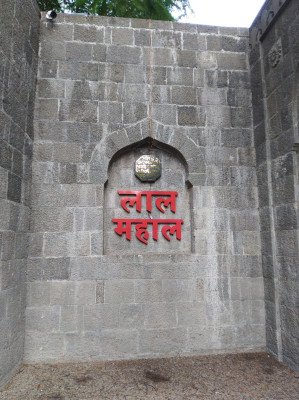
Lal Mahal
Some quick example text to build on the card title and make up the bulk of the card's content.
Go somewhere
Lohagad Fort
Some quick example text to build on the card title and make up the bulk of the card's content.
Go somewhere
Mulshi Lake and Dam
Some quick example text to build on the card title and make up the bulk of the card's content.
Go somewhere
Osho International Meditation Resort
Some quick example text to build on the card title and make up the bulk of the card's content.
Go somewhere
Parvati Hill Temple
Some quick example text to build on the card title and make up the bulk of the card's content.
Go somewhere
Pataleshwar Cave Temple
Some quick example text to build on the card title and make up the bulk of the card's content.
Go somewhere
Pawna Lake
Some quick example text to build on the card title and make up the bulk of the card's content.
Go somewhere
Pune Okayama Friendship Garden
Some quick example text to build on the card title and make up the bulk of the card's content.
Go somewherein Other Cities