Empress Botanical Garden
General information
-
Ideal Duration:
2 to 3 Hours (For a leisurely walk and exploration of the main sections and nursery).Entry Fees:
Standard Entry Fee (Indian Nationals): Approximately Rs.20 per person (for visitors above 3 years).
Vehicle Parking:
Two-Wheeler Parking: Approximately Rs.10.
Car Parking: Approx...Standard Entry Fee (Indian Nationals): Approximately Rs.20 per person (for visitors above 3 years).
Vehicle Parking:
Two-Wheeler Parking: Approximately Rs.10.
Car Parking: Approximately Rs.20.
Bus Parking: Approximately Rs.50.
Note on Professional Photography: While casual photography is generally free, professional or commercial photo shoots (e. g. , pre-wedding) require prior permission from the Agri-Horticultural Society of Western India and usually involve a separate, higher fee. Visitors should check the latest rates at the entrance counter, as the fee is subject to minor changes by the governing body, which uses the revenue for the garden's maintenance and conservation efforts.Timing:
Regular Timings: The garden is generally open daily from 9:30 AM to 6:30 PM. Visitors must adhere to these hours, and the gates are closed promptly.
Ideal Visit Time: The absolute best time to visit is the Early Morning (around 9:30 AM) or ...Regular Timings: The garden is generally open daily from 9:30 AM to 6:30 PM. Visitors must adhere to these hours, and the gates are closed promptly.
Ideal Visit Time: The absolute best time to visit is the Early Morning (around 9:30 AM) or the Late Afternoon (4:00 PM to 6:30 PM).
Early Morning: This is the best time for keen photographers, birdwatchers, and exercise enthusiasts. The air is the freshest, the light is soft, and the atmosphere is the most peaceful.
Late Afternoon/Evening: This is perfect for families and leisure visitors. The heat of the day subsides, and the golden hour light is fantastic for casual strolling and picnicking. The Midday hours (11:00 AM to 3:00 PM) can be very hot, especially from March to May.Special Events:
The Annual Flower Exhibition:
Buds and Blooms: This is the garden's marquee event, typically held for a few days in the peak winter/early spring months (January or February). It showcases the best of the region's horticulture.The Annual Flower Exhibition:
Buds and Blooms: This is the garden's marquee event, typically held for a few days in the peak winter/early spring months (January or February). It showcases the best of the region's horticulture.
What to Expect: Visitors can see spectacular displays of thousands of varieties of flowers, unique vegetable carvings, beautiful vertical gardens, miniature bonsai trees, and various garden accessories. It is a competition for amateur and professional gardeners alike, resulting in visually stunning arrangements.
Educational Value: The show also serves as a great educational resource. Each plant and exhibit is clearly labeled with its local and scientific name, along with details on its origin and how to care for it. This makes it an ideal event for gardening enthusiasts who wish to expand their knowledge and maybe buy a rare sapling.Best Photo Spots:
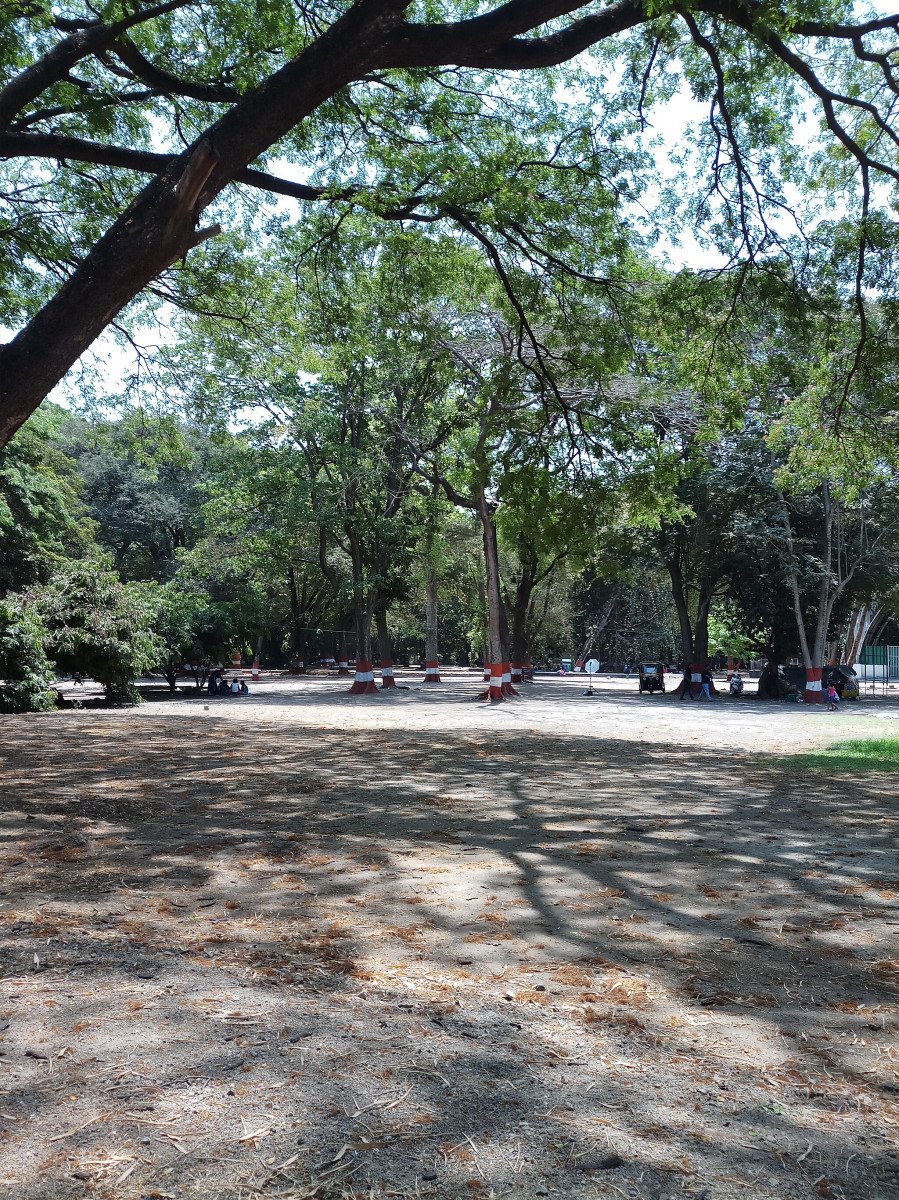
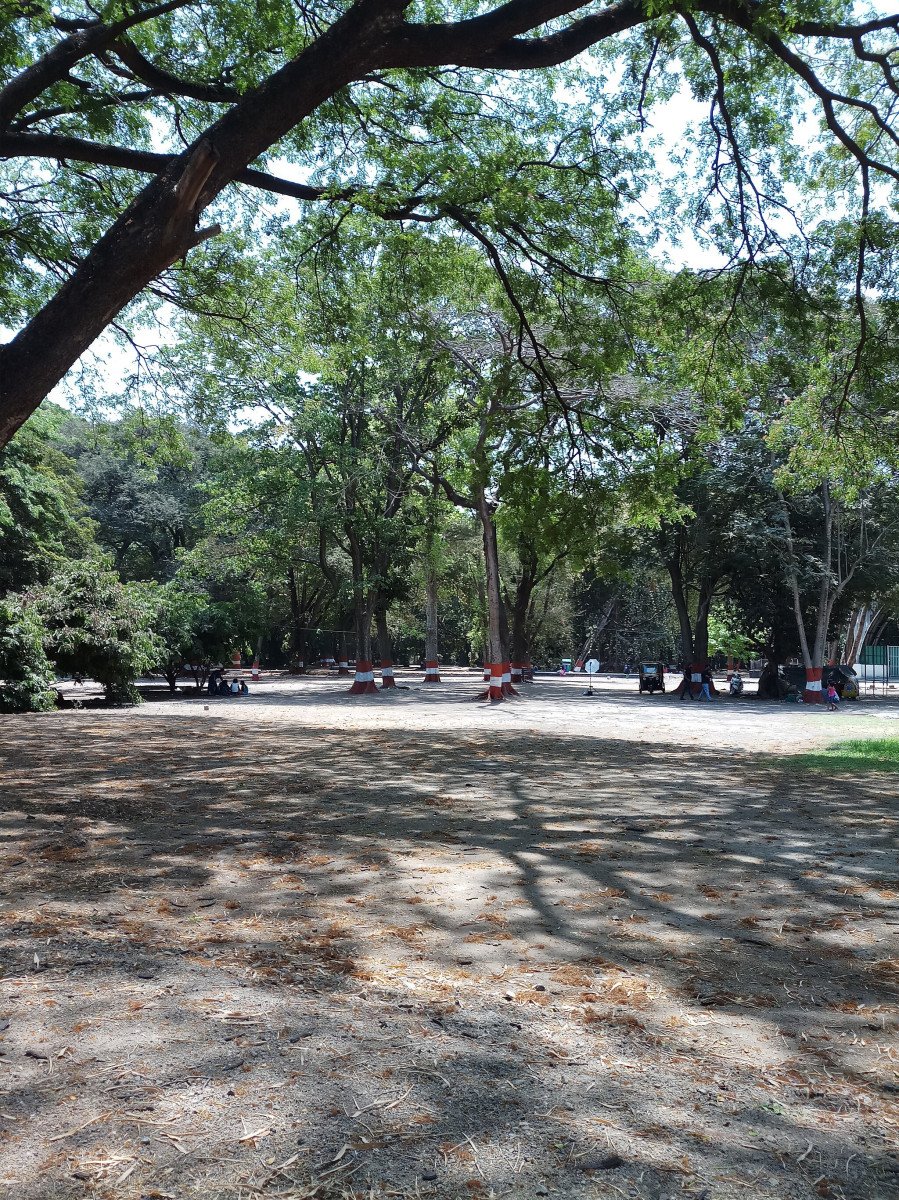
The Grand Central Lawn: The expansive, well-manicured central lawn, framed by old, tall trees, offers a beautiful, deep-green background perfect for portraits, wide-angle landscape shots, and family photos.
The Palm Section Pathways: The den...The Grand Central Lawn: The expansive, well-manicured central lawn, framed by old, tall trees, offers a beautiful, deep-green background perfect for portraits, wide-angle landscape shots, and family photos.
The Palm Section Pathways: The densely planted section with over 150 palm species creates a unique, almost jungle-like feel. The filtered light coming through the palm fronds offers dramatic lighting for creative photography.
The Lotus Pond: A close-up shot of the blooming lotuses (best in the morning) or a serene reflection of the sky on the water surface provides a calming and visually appealing frame.
Near the Oldest Trees: The massive trunks and expansive canopies of the ancient Banyan and other heritage trees offer a powerful, historical backdrop, conveying a sense of timelessness and grandeur.
The Flower Show Displays: During the "Buds and Blooms" event, the temporary arrangements, colorful flower carpets, and elaborate horticultural designs are the prime photo spots, offering an explosion of color and intricate detail.Photo Gallery
Things To Do
-
Leisurely Walks and Morning Exercise: The vast, well-maintained paths are perfect for an easy, peaceful stroll. Many locals use the park for morning and evening walks, jogging, and light exercise.
Yoga and Meditation: Find a quiet spot on one of the sprawling lawns or near the secluded Lotus Pond to practice yoga or simply meditate, enjoying the fresh air and silence far from city noise.
Horticultural Exploration and Study: For plant lovers, this is a paradise. Spend time in the Palm Section and near the identified rare species. The 5-acre Nursery is a must-visit, where you can learn about cultivation, read the scientific placards, and even buy high-quality, affordable saplings for your home garden.
Photography Sessions: The stunning backdrop of lush greenery,...
Information
-
Why Famous:
Annual Flower Show:
Buds and Blooms: The garden is most famous for its annual "Buds and Blooms" flower exhibition, typically held in January or February. This spectacular event draws thousands of visitors, showcasing a breathtaking variety o...Annual Flower Show:
Buds and Blooms: The garden is most famous for its annual "Buds and Blooms" flower exhibition, typically held in January or February. This spectacular event draws thousands of visitors, showcasing a breathtaking variety of potted plants, rare flowers, bonsais, creepers, and horticultural excellence. It’s a major cultural event in Pune.
Historical Significance & Name: Its renaming after Queen Victoria gives it a unique historical prestige. The fact that it was originally the Soldier’s Garden connects it directly to Pune’s history as a major British military and administrative hub, making it a popular spot for history buffs and tourists.
Rare and Exotic Flora: The garden is a treasure trove of botanical species. It is home to very old trees (some over 250 years old), rare giant climbers like the Maloo Creeper, and a diverse collection in its Palm Section (over 150 species), making it an important site for botany students and nature lovers alike. -
Architecture:
Colonial-Era Landscape Design: The garden’s "architecture" is primarily in its landscape design, which reflects the formal, well-structured planning typical of large Victorian-era botanical gardens. The entire 39-acre expanse is sectioned logically to house different vari...Colonial-Era Landscape Design: The garden’s "architecture" is primarily in its landscape design, which reflects the formal, well-structured planning typical of large Victorian-era botanical gardens. The entire 39-acre expanse is sectioned logically to house different varieties of flora, including a dedicated nursery, a palm house, and expansive open lawns. The design emphasizes long, winding paths for leisurely strolls and large, open spaces for public gatherings, a functional necessity laid down by the British administration for recreational purposes.
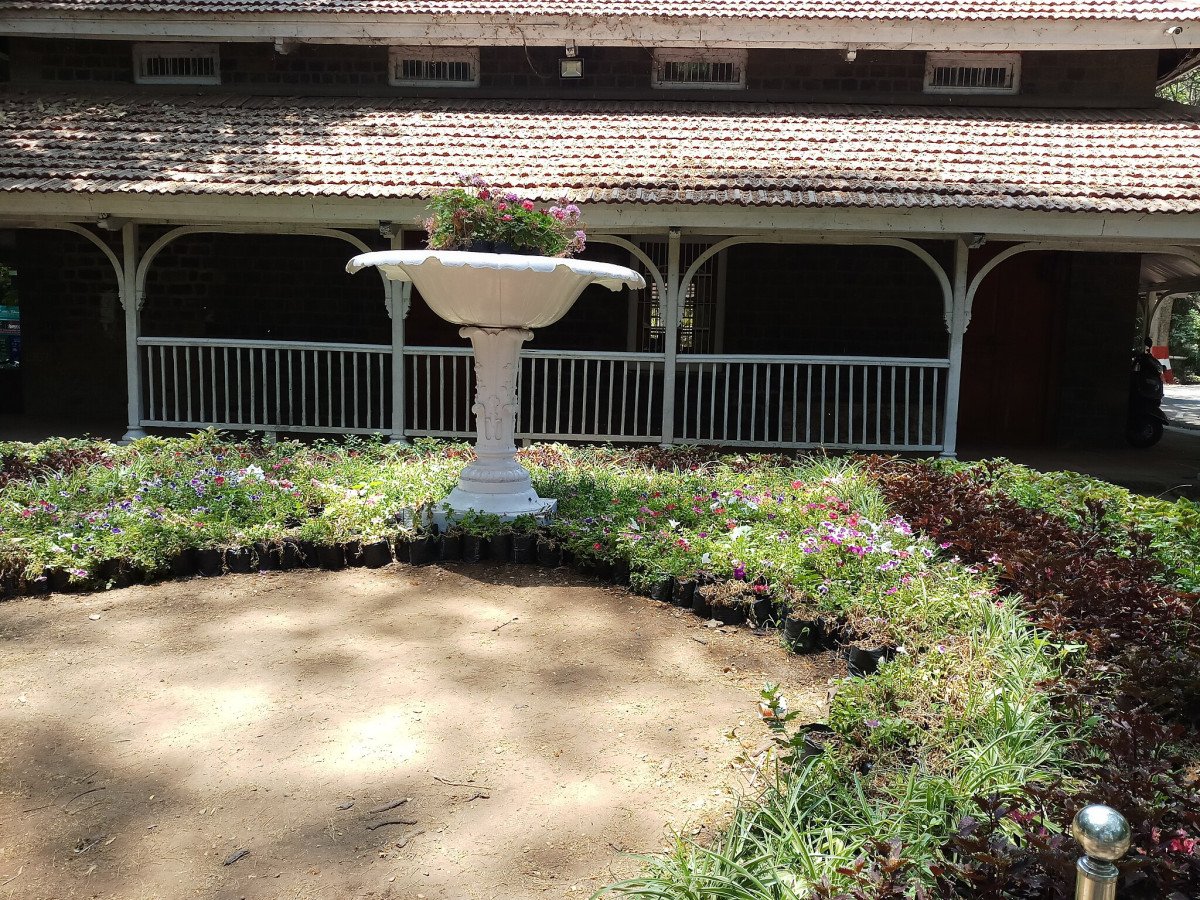
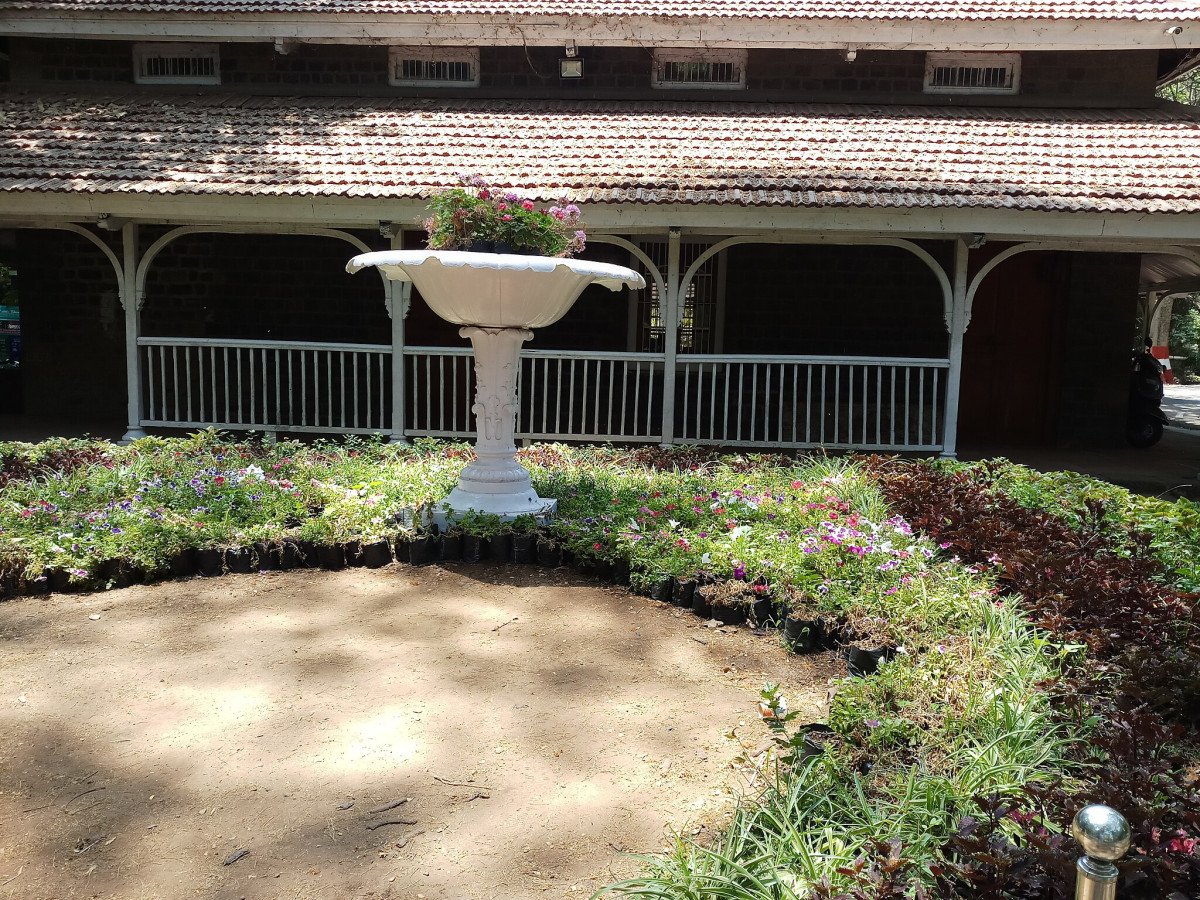
The Heritage Structures: While the main structure is the landscape itself, the garden includes some heritage elements. There is a small structure, likely a colonial-era pavilion or office, which maintains a simple, functional British style. The use of wrought-iron benches and low, sculpted hedges along the main pathways also contributes to the formal, colonial aesthetic.
The Nursery and Greenhouses: A significant part of the garden’s design is the 5-acre nursery area, which is highly structured for cultivating and selling saplings. This area involves functional greenhouse designs (often using metal frames and glass or plastic sheets), focused entirely on horticulture and plant propagation, a practical design dimension that supports the garden's conservation and commercial objectives.
Dimensions: The garden covers approximately 39 acres (about 158,000 square meters). Its long, wide avenues and open central fields are designed for spacious public movement rather than intricate building design. -
How To Reach:
By Air: The nearest airport is Pune International Airport (PNQ), located in Lohegaon, approximately 10-12 KMS from the garden. From the airport, you can hire a pre-paid taxi, an app-based cab (like Ola or Uber), or an auto-rickshaw. The drive typically takes 30-45 minutes,... -
Near Tourist Places:
1.
Pune Race Course: (Adjacent/Less than 1 KM) - Horse Racing Track (Operational seasonally). 2. St.
Patrick's Cathedral: (Approx. 1. 5 KMS) - Historic religious site. 3.
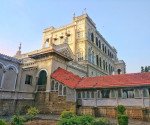
Aga Khan Palace: (Approx. 3 KMS) - Historical landmark associated with Mahatma Gandhi. 4.
Shinde Chhatri: (Approx. 3 KMS) - Historical memorial and the only other requested location that is very near. 5.
Ohel David Synagogue (Lal Deval): (Approx. 2. 5 KMS) - Historic red brick synagogue. 6.
National War Memorial Southern Command: (Approx. 2 KMS) - Tribute to Indian soldiers. 7.
Saras Baug: (Approx. 5 KMS) - Popular garden and temple complex. 8.
Raja Dinkar Kelkar Museum: (Approx. 5. 5 KMS) - Museum with diverse artifacts. 9.
Shaniwar Wada: (Approx. 6 KMS) - Historic fort of the Peshwas. 10.
Koregaon Park: (Approx. 3. 5 KMS) - Upscale area with cafes and restaurants (near Osho International Meditation Resort).
Tourism Tips
-
Health & Safety:
Stay Hydrated: Carry plenty of water, especially if visiting between March and October.
Wear Comfortable Footwear: The garden covers 39 acres, so you will be doing a lot of walking.
<...
Reviews
Empress Botanical Garden Tourism:-
Information about New and Updated Locations(608+) of Maharashtra Has Been Added :-
Card subtitle
Note:-
Information provided here in good Faith and for reference only.
All information and pictures will be updated soon, please keep visiting.
Near Places
Aga Khan Palace
Some quick example text to build on the card title and make up the bulk of the card's content.
Go somewhere
Bhandarkar Oriental Research Institute
Some quick example text to build on the card title and make up the bulk of the card's content.
Go somewhere
Bhuleshwar Temple
Some quick example text to build on the card title and make up the bulk of the card's content.
Go somewhere
Dagdusheth Halwai Ganpati Temple
Some quick example text to build on the card title and make up the bulk of the card's content.
Go somewhere
Darshan Museum
Some quick example text to build on the card title and make up the bulk of the card's content.
Go somewhere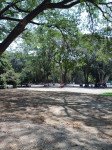
Empress Botanical Garden
Some quick example text to build on the card title and make up the bulk of the card's content.
Go somewhere
Joshi's Museum of Miniature Railways
Some quick example text to build on the card title and make up the bulk of the card's content.
Go somewhere
Khadakwasla Dam & Lake
Some quick example text to build on the card title and make up the bulk of the card's content.
Go somewhere
Lal Mahal
Some quick example text to build on the card title and make up the bulk of the card's content.
Go somewhere
Lohagad Fort
Some quick example text to build on the card title and make up the bulk of the card's content.
Go somewhere