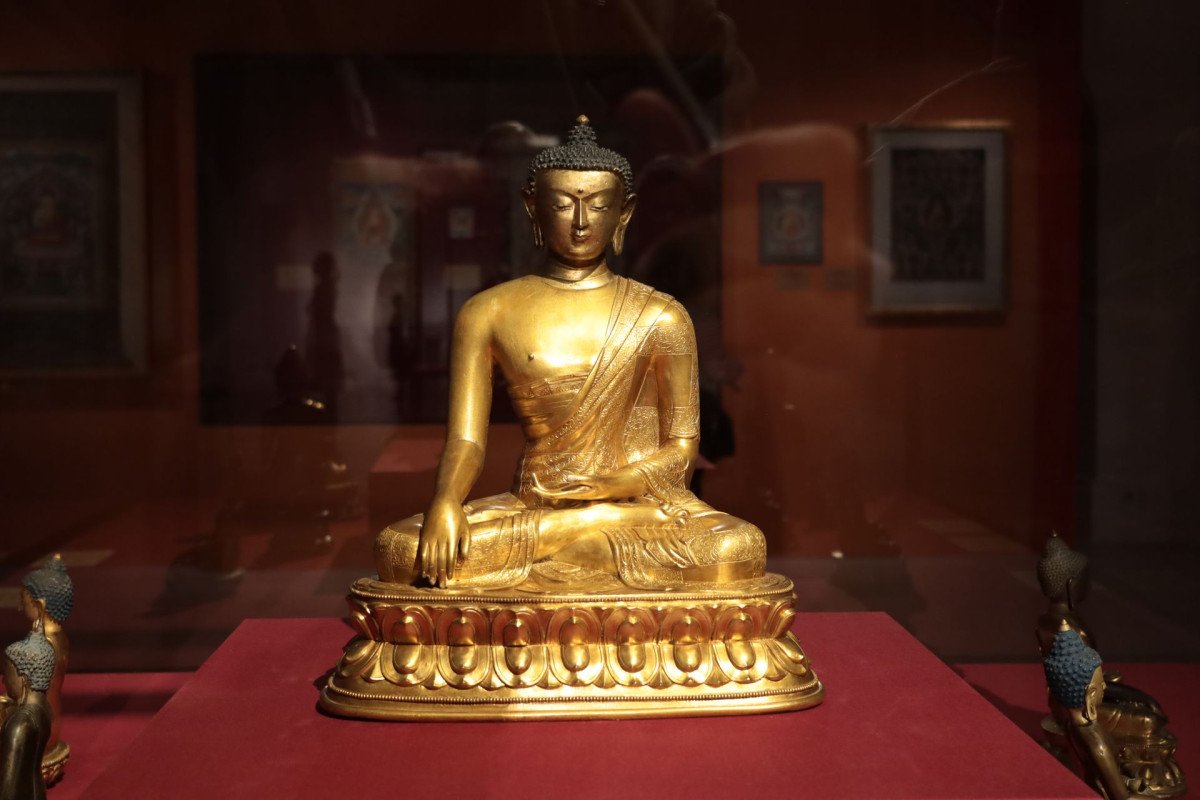
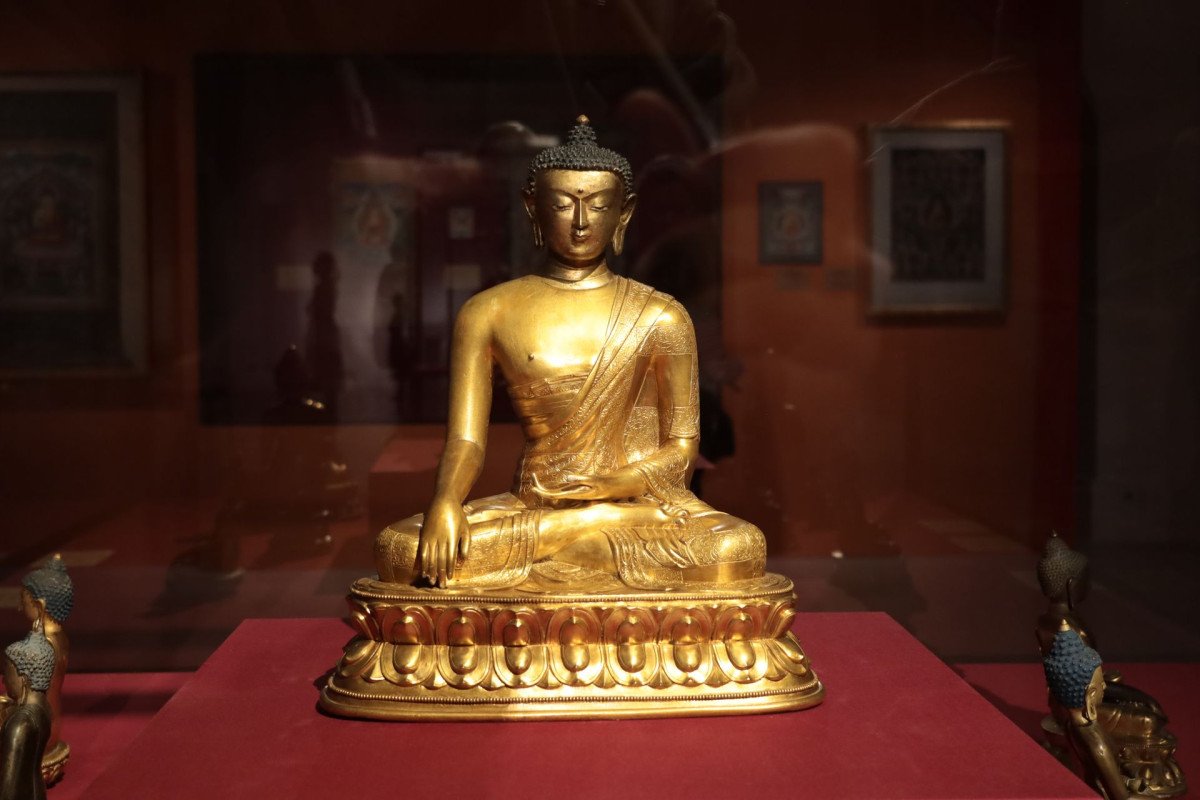
Lawngtlai District Museum
General information
-
Ideal Duration:
1-2 Hours (Focused Viewing)Place Type:
History & Ethnography MuseumEntry Fees:
General Admission: The entry fee is typically very low, usually around Rs.10 to Rs.20 per adult, reflecting its status as a government-run educational facility. Children and students may have a reduced or free entry (e. g. , Rs.5 or Free).
Photograph...General Admission: The entry fee is typically very low, usually around Rs.10 to Rs.20 per adult, reflecting its status as a government-run educational facility. Children and students may have a reduced or free entry (e. g. , Rs.5 or Free).
Photography Fees: A small, separate fee might be charged for still photography (e. g. , Rs.50) and a higher fee for video recording (e. g. , Rs.200), but some smaller, district-level museums allow it for free. Check with the counter staff.
Guide Fees: A local guide, if available, may be hired for a fee of approximately Rs.100 to Rs.200 for a full tour of the exhibits.
Timing:
Regular Timings: Typical operating hours are from 10:00 AM to 04:00 PM, Monday to Friday, following standard government office hours. It is likely closed on Saturdays, Sundays, and all government holidays.
Ideal Visit Time: The quietest tim...Regular Timings: Typical operating hours are from 10:00 AM to 04:00 PM, Monday to Friday, following standard government office hours. It is likely closed on Saturdays, Sundays, and all government holidays.
Ideal Visit Time: The quietest time for a detailed, uninterrupted visit is immediately after opening, around 10:00 AM to 11:00 AM, before any large school groups might arrive.
Avoid Closing Time: Plan to arrive well before 03:00 PM to ensure you have enough time to thoroughly read all the exhibit information without feeling rushed.
Special Events:
Local Art and Culture Department Initiatives: The museum occasionally hosts small-scale educational workshops on local crafts, conservation, or district history, usually announced locally.
School Heritage Week Events: During local school her...Local Art and Culture Department Initiatives: The museum occasionally hosts small-scale educational workshops on local crafts, conservation, or district history, usually announced locally.
School Heritage Week Events: During local school heritage or foundation weeks, the museum becomes a central venue for student visits and small cultural presentations.
Best Photo Spots:
The Old Photographs Wall: The best photo spot is the wall dedicated to the historical photographs, capturing the essence of Lawngtlai's past (check if flash is permitted).
Close-ups of Textile Patterns: Use a macro setting to capture the viv...The Old Photographs Wall: The best photo spot is the wall dedicated to the historical photographs, capturing the essence of Lawngtlai's past (check if flash is permitted).
Close-ups of Textile Patterns: Use a macro setting to capture the vivid colors and intricate geometry of the traditional woven cloths (e. g. , the Puan).
The Exterior with the District Nameplate: A photo of the building's exterior, clearly showing the nameplate and the district emblem, is a good archival shot.
Photo Gallery
Things To Do
-
Study the Ethnological Gallery: Spend a focused half-hour examining the traditional household items, agricultural tools, and basketry to understand the daily life of the pre-modern Mizo tribes.
Analyze the Textile Gallery: Look closely at the differences in weaving and pattern between the Lai and Chakma textiles, noting the cultural significance of the colors and motifs.
Read the Historical Documents: Spend time reading the accompanying plaques and documents detailing the founding of Lawngtlai in 1880 and the subsequent district development.
Seek Information from the Curator: If the curator or a guide is available, engage them with specific questions about the artifacts; their local knowledge is the museum's greatest asset.
Contempl...Study the Ethnological Gallery: Spend a focused half-hour examining the traditional household items, agricultural tools, and basketry to understand the daily life of the pre-modern Mizo tribes.
Analyze the Textile Gallery: Look closely at the differences in weaving and pattern between the Lai and Chakma textiles, noting the cultural significance of the colors and motifs.
Read the Historical Documents: Spend time reading the accompanying plaques and documents detailing the founding of Lawngtlai in 1880 and the subsequent district development.
Seek Information from the Curator: If the curator or a guide is available, engage them with specific questions about the artifacts; their local knowledge is the museum's greatest asset.
Contemplate the District's Unique Status: Use the exhibits to reflect on the political and cultural complexities of a district that hosts two distinct Autonomous District Councils (LADC and CADC).
Check for Temporary Exhibits: Inquire about any temporary or rotating exhibits that might focus on a specific aspect of Lai or Chakma culture.
Observe the Natural History Section: Look for displays of local Mizoram wildlife, geology, and medicinal plants found in the nearby sanctuaries.
Information
-
Why Famous:
Specific Focus on Lai and Chakma Ethnography: It is famous as the only institution dedicated solely to the documentation of the specific cultural practices, traditional attire, and history of the indigenous Lai and Chakma communities within the district.
Read MoreSpecific Focus on Lai and Chakma Ethnography: It is famous as the only institution dedicated solely to the documentation of the specific cultural practices, traditional attire, and history of the indigenous Lai and Chakma communities within the district.
Educational Resource: It is a famous and invaluable resource for local students and researchers to study their own heritage, as it chronicles the establishment of Lawngtlai by Haihmunga Hlawncheu in 1880.
Architecture:
Utilitarian Institutional Building: The museum is likely housed in a modest, modern government building, probably within the larger Government Complex in Electric Veng. The architecture is functional-institutional, focusing on security, climate control, and display utility ...Utilitarian Institutional Building: The museum is likely housed in a modest, modern government building, probably within the larger Government Complex in Electric Veng. The architecture is functional-institutional, focusing on security, climate control, and display utility over grand design. It generally features concrete construction with minimal ornamentation, designed to withstand the climate and house exhibits safely.
Internal Gallery Layout: The interior would typically be divided into distinct, themed galleries: Ethnological, Textile, and History. The total floor space might be around 500 to 800 square meters. Display cases would be simple, locked glass or wood units to protect artifacts from humidity and damage.
Storage and Archive: A significant part of the museum's architecture includes a climate-controlled storage and archive room (often in the basement or back annex) which is crucial for preserving delicate textiles and historical documents from the region's high humidity.
How To Reach:
By Air (Logistics): The long journey begins at Lengpui Airport (AJL), Aizawl, and requires a dedicated taxi or a multi-stop bus/jeep route to traverse the approximately 296 KMS to Lawngtlai.
By Train (Feasibility): The most distant but signi...By Air (Logistics): The long journey begins at Lengpui Airport (AJL), Aizawl, and requires a dedicated taxi or a multi-stop bus/jeep route to traverse the approximately 296 KMS to Lawngtlai.
By Train (Feasibility): The most distant but significant rail head is Silchar Railway Station (SCL), 380 KMS away, making the road journey from there long and cumbersome.
By Road (Most Direct): Public transport such as buses and shared Sumo taxis are the most reliable and affordable way to reach Lawngtlai via NH 54 and NH 302 from other Mizoram towns.
By Local Transport: Located in the Government Complex in Electric Veng, it is easily reachable. A short ride in a local taxi from the main Lawngtlai Market or a brisk 20-minute uphill walk will get you there.
Weather and Best Time to Visit:
Post-Monsoon/Winter (Artifact Preservation): The best time to visit is from October to March. Not only is the external climate ideal for travel, but the lower humidity inside the museum is better for viewing the preserved paper and textile artifacts.
Read MorePost-Monsoon/Winter (Artifact Preservation): The best time to visit is from October to March. Not only is the external climate ideal for travel, but the lower humidity inside the museum is better for viewing the preserved paper and textile artifacts.
Monsoon Season (Low Comfort): The high humidity during the rainy season (May to September) can make viewing less comfortable, even in climate-controlled sections.
Mid-Morning (Light and Quiet): The best part of the day is mid-morning, around 11:00 AM, as the natural light is good and the staff are fully available for inquiries, while the heat has not yet peaked.
Near Tourist Places:
Lawngtlai Cultural Centre (0. 5 KMS), Lawngtlai Circuit House View (1. 5 KMS), Lawngtlai Public Park (1 KMS), Lawngtlai Town Viewpoint (1. 5 KMS), Lawngtlai Market (2 KMS), Deputy Commissioner's Office (0. 1 KMS), Christian Hospital Lawngtlai (2 KMS), Lohawka Wildlife Sanctuary (68 KMS), Ngengpui Wildlife Sanctuary (62 KMS), Phawngpui Tlang Viewpoint (58 KMS)Tourism Tips
-
Health & Safety (Artifact Handling): Strictly adhere to the "Do Not Touch" rule for all artifacts to ensure their preservation. Do not bring food or drink inside.
Packing (Reading Glasses/Magnifier): Pack reading glasses or a small hand mag...Health & Safety (Artifact Handling): Strictly adhere to the "Do Not Touch" rule for all artifacts to ensure their preservation. Do not bring food or drink inside.
Packing (Reading Glasses/Magnifier): Pack reading glasses or a small hand magnifier, as some historical document plaques may have small text.
Accommodation (Proximity to Govt Complex): Stay in guesthouses near the Electric Veng or Government Complex area for the shortest commute to the museum.
Other (Research Prep): To maximize your visit, do a little reading on the history of the Lai and Chakma people beforehand; this context will make the exhibits much more meaningful.
Reviews
FAQs
Lawngtlai Itineray And Cost:-
Lawngtlai District Museum Tourism:-
Other Places In Lawngtlai :-
Other States In India :-
Information about New and Updated Locations() of Mizoram Has Been Added :-
Card subtitle
Note:-
Information provided here in good Faith and for reference only.
Near Places
Bawm Traditional Village
Some quick example text to build on the card title and make up the bulk of the card's content.
Go somewhere
Castle of Bawinu/Beino
Some quick example text to build on the card title and make up the bulk of the card's content.
Go somewhere
Chakma Traditional Village
Some quick example text to build on the card title and make up the bulk of the card's content.
Go somewhere
Chawngte Village
Some quick example text to build on the card title and make up the bulk of the card's content.
Go somewhere
Lai Traditional Village
Some quick example text to build on the card title and make up the bulk of the card's content.
Go somewhere
Lawngtlai Areopagy
Some quick example text to build on the card title and make up the bulk of the card's content.
Go somewhere
Lawngtlai Circuit House View
Some quick example text to build on the card title and make up the bulk of the card's content.
Go somewhere
Lawngtlai Cultural Centre
Some quick example text to build on the card title and make up the bulk of the card's content.
Go somewhere
Lawngtlai District Museum
Some quick example text to build on the card title and make up the bulk of the card's content.
Go somewhere
Lawngtlai Market
Some quick example text to build on the card title and make up the bulk of the card's content.
Go somewhere
Lawngtlai Public Park
Some quick example text to build on the card title and make up the bulk of the card's content.
Go somewhere
Lawngtlai Sports Stadium
Some quick example text to build on the card title and make up the bulk of the card's content.
Go somewhere
Lawngtlai Town Viewpoint
Some quick example text to build on the card title and make up the bulk of the card's content.
Go somewhere
Lohawka Wildlife Sanctuary
Some quick example text to build on the card title and make up the bulk of the card's content.
Go somewhere
Ngengpui Wildlife Sanctuary
Some quick example text to build on the card title and make up the bulk of the card's content.
Go somewhere
Paithar Tlang
Some quick example text to build on the card title and make up the bulk of the card's content.
Go somewherein Other Cities