Lawngtlai Market
General information
-
Ideal Duration:
Duration :
2 to 3 Hours :Place Type:
Category :
Shopping, Culture, and Local Life :Entry Fees:
Free Entry
: There is no entry fee to visit the Lawngtlai Market. It is a public commercial space open to everyone. Visitors should budget for shopping and food, as prices for authentic Lai textiles can range from INR 1,000 to INR 5,000. Local TaxesFree Entry
: There is no entry fee to visit the Lawngtlai Market. It is a public commercial space open to everyone. Visitors should budget for shopping and food, as prices for authentic Lai textiles can range from INR 1,000 to INR 5,000. Local Taxes
: Some large commercial purchases might include a small local municipal tax, but for tourists, there are no direct fees.
:Timing:
Regular Timings
: The market opens as early as 6:00 AM and remains active until 6:00 PM. Peak Hours
: The busiest and most vibrant time is between 9:00 AM and 12:00 PM. Sunday Closure
: Like most ...Regular Timings
: The market opens as early as 6:00 AM and remains active until 6:00 PM. Peak Hours
: The busiest and most vibrant time is between 9:00 AM and 12:00 PM. Sunday Closure
: Like most of Mizoram, the market is completely closed on Sundays for religious reasons. Ideal Visit Time
: For the best experience, visit on a Tuesday or Friday morning when fresh supplies are at their peak.
:Special Events:
Market Festival Days
: During the Chapchar Kut festival in March, the market becomes a center for traditional food stalls and festive displays. Local artisans often set up special exhibitions of their finest work during the Pawl Kut harvest festival in January. C...Market Festival Days
: During the Chapchar Kut festival in March, the market becomes a center for traditional food stalls and festive displays. Local artisans often set up special exhibitions of their finest work during the Pawl Kut harvest festival in January. Community Fair
: Occasional community fairs are held in the market vicinity to celebrate local achievements and cultural milestones.
:Best Photo Spots:
Textile Section
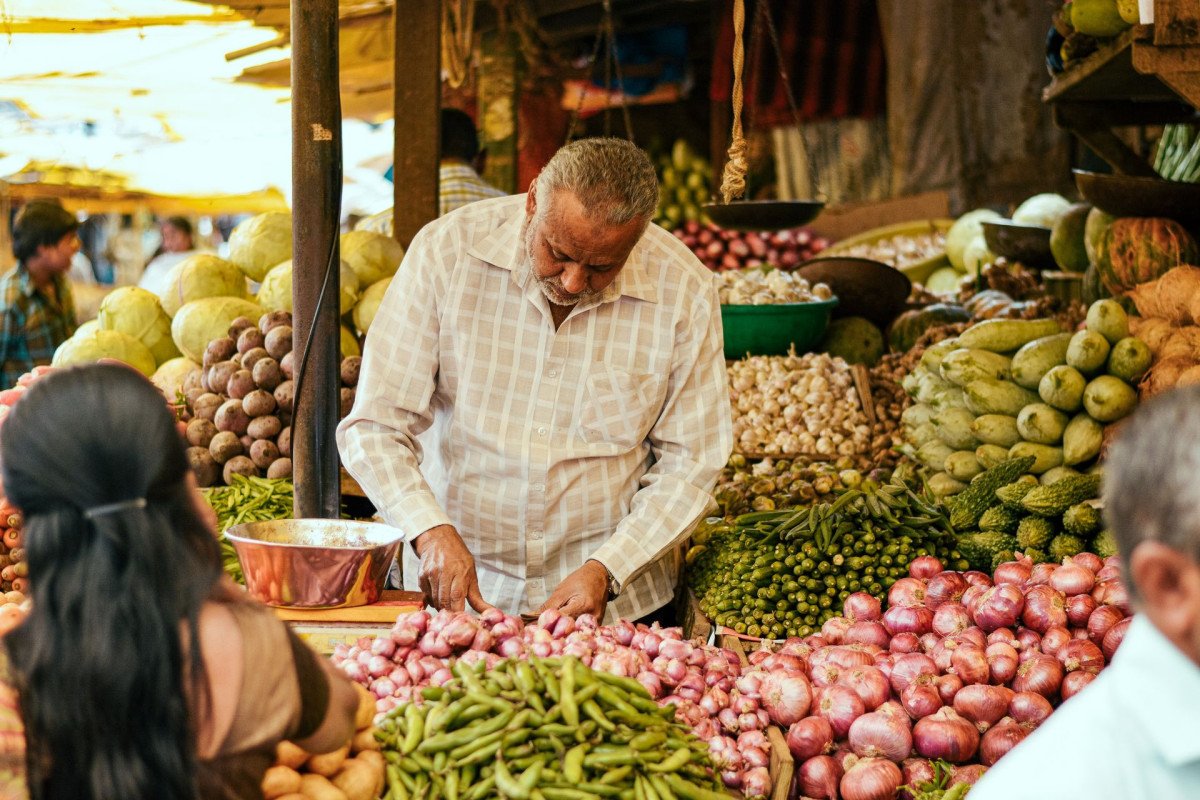
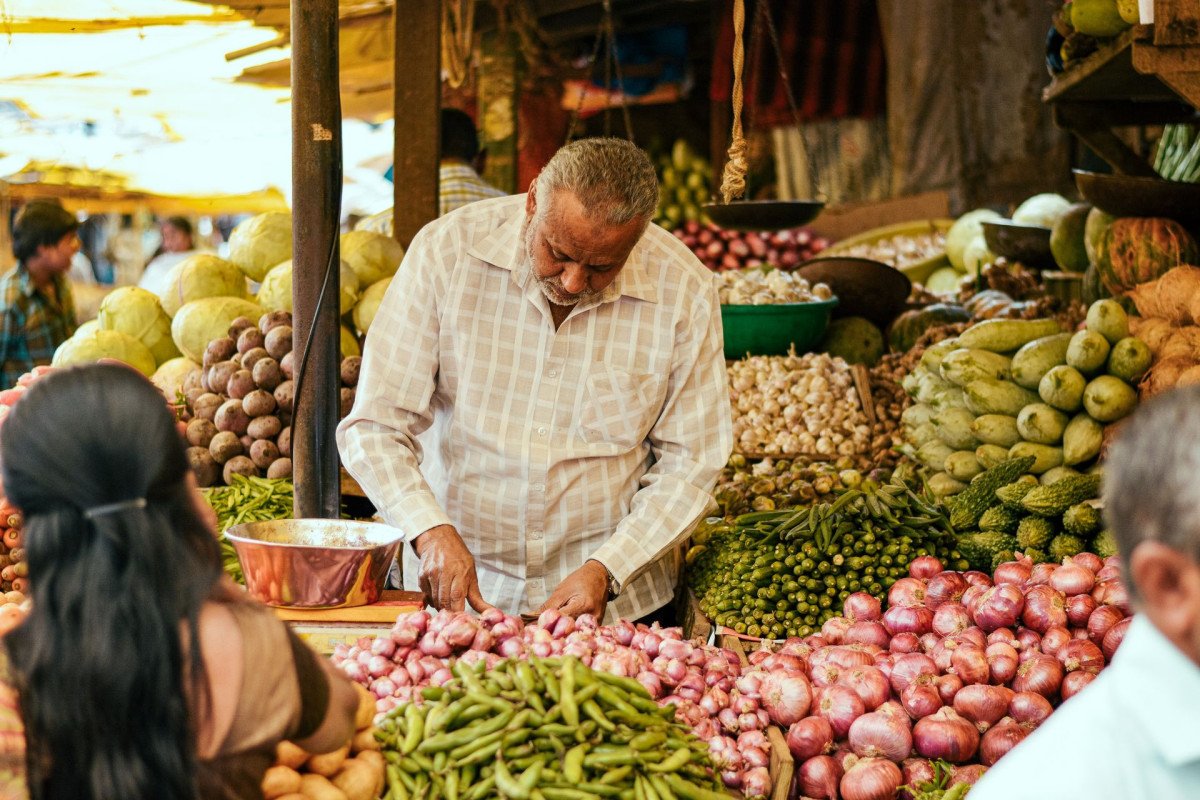
: The rows of colorful, hand-woven Lai shawls provide a brilliant background for portraits and cultural shots. The vibrant contrast of the fabrics against the wooden stalls is visually striking. Vegetable Stalls
: ...Textile Section
: The rows of colorful, hand-woven Lai shawls provide a brilliant background for portraits and cultural shots. The vibrant contrast of the fabrics against the wooden stalls is visually striking. Vegetable Stalls
: The morning light filtering through the market roof onto fresh, green produce creates a wonderful 'chiaroscuro' effect for still-life photography. Interaction Shots
: Capturing the candid smiles and bargaining between vendors and customers tells a powerful story of local life. Market Entrance
: The bustling entrance with its constant flow of people and traditional transport offers a great wide-angle shot of the town's energy.
:Photo Gallery
Things To Do
-
Cultural Shopping and Cuisine
: Visitors should start by exploring the textile section to purchase authentic Lai shawls and wraps. Engaging with the weavers is a great way to learn about the meaning of different patterns. Food enthusiasts must try the 'Bai', a traditional Mizo vegetable stew, at one of the small eateries surrounding the market. Sampling smoked meats and traditional fermented products is essential for an authentic culinary experience. Photography and Interaction
: The market is a paradise for street photography, capturing the expressive faces of local vendors and the vibrant colors of the produce. Learning a few basic Lai or Mizo phrases like 'Ka lawm e' (thank you) will help in building a rapport with the locals. Souvenir Hunting
: Beyond textiles, look for bamboo-...Cultural Shopping and Cuisine
: Visitors should start by exploring the textile section to purchase authentic Lai shawls and wraps. Engaging with the weavers is a great way to learn about the meaning of different patterns. Food enthusiasts must try the 'Bai', a traditional Mizo vegetable stew, at one of the small eateries surrounding the market. Sampling smoked meats and traditional fermented products is essential for an authentic culinary experience. Photography and Interaction
: The market is a paradise for street photography, capturing the expressive faces of local vendors and the vibrant colors of the produce. Learning a few basic Lai or Mizo phrases like 'Ka lawm e' (thank you) will help in building a rapport with the locals. Souvenir Hunting
: Beyond textiles, look for bamboo-made products like baskets, hats, and household items. Checking the quality of hand-carved wooden items is also recommended. Exploration
: Spend time in the secondary sections where livestock and poultry are sold to see a different side of the local economy.
:
Information
-
Why Famous:
Center of Lai Textiles
: The market is world-renowned for its authentic Lai hand-woven textiles, which feature intricate patterns and vibrant colors unique to this ethnic group. Organic Produce Hub
: It is the primary source for ra...Center of Lai Textiles
: The market is world-renowned for its authentic Lai hand-woven textiles, which feature intricate patterns and vibrant colors unique to this ethnic group. Organic Produce Hub
: It is the primary source for rare forest-grown vegetables and organic mountain honey, attracting buyers from across the district. Women's Leadership
: The market is famous for being a female-dominated space, highlighting the empowered role of women in Mizo and Lai society. Cultural Exchange
: It serves as the most important site for cultural exchange between the various tribes of the region and visitors.
: -
Architecture:
Architectural Style and Dimensions
: The Lawngtlai Market architecture is primarily functional, designed to maximize space in a hilly terrain. It consists of multiple RCC (Reinforced Cement Concrete) blocks and traditional timber-framed stalls. Market Dimensions<...Architectural Style and Dimensions
: The Lawngtlai Market architecture is primarily functional, designed to maximize space in a hilly terrain. It consists of multiple RCC (Reinforced Cement Concrete) blocks and traditional timber-framed stalls. Market Dimensions
: The main commercial zone covers approximately 5,000 square meters with narrow alleys of 1. 5 meters width. Structural Design
: The buildings feature sloping CGI (Corrugated Galvanized Iron) sheet roofs to handle the heavy annual rainfall of over 280 cm. Stalls are often arranged in a terraced format to accommodate the steep gradient of the hillside.
: -
How To Reach:
By Air
: The nearest airport is Lengpui Airport in Aizawl, located approximately 290 KMS away. From the airport, one can hire a private taxi or take a shared Sumo to reach Lawngtlai, which typically takes about 9 to 10 hours of driving. By Train
Read MoreBy Air
: The nearest airport is Lengpui Airport in Aizawl, located approximately 290 KMS away. From the airport, one can hire a private taxi or take a shared Sumo to reach Lawngtlai, which typically takes about 9 to 10 hours of driving. By Train
: The closest railway station is Silchar in Assam, about 350 KMS from Lawngtlai. From Silchar, travelers must take a road journey via Lunglei, which is a long but scenic drive. By Road
: Lawngtlai is well-connected by National Highway NH-54 and NH-302. Regular state transport buses and private Sumos run from Aizawl, Lunglei, and Saiha. The road trip from Aizawl is approximately 300 KMS and offers stunning views of the Mizo hills. By Local Transport
: Once in Lawngtlai, the market is centrally located and easily reachable by walking or taking a local auto-rickshaw. Most hotels are within a 1 KM radius of the market.
:Weather and Best Time to Visit:
Different Seasons
: The best time to visit is during the winter months from November to February, when the weather is cool and dry. The monsoon season from June to September offers lush greenery but can make travel difficult due to heavy rains. Different Parts of...Different Seasons
: The best time to visit is during the winter months from November to February, when the weather is cool and dry. The monsoon season from June to September offers lush greenery but can make travel difficult due to heavy rains. Different Parts of the Day
: Early morning between 7:00 AM and 10:00 AM is best to see the market at its most active and to find the freshest produce. Late afternoon is good for a more relaxed stroll.
:Near Tourist Places:
1. Phawngpui National Park (90 KMS), 2. Ngengpui Wildlife Sanctuary (40 KMS), 3. Blue Mountain Peak (92 KMS), 4. Chawngte Town (105 KMS), 5. Lunglei Town (90 KMS), 6. Saiha Town (10 KMS), 7. Lohawka Wildlife Sanctuary (85 KMS), 8. Mullianpui Village (15 KMS), 9. Sinemon Wildlife Sanctuary (60 KMS), 10.
Tuipui River (12 KMS) :Tourism Tips
-
Health & Safety
: Carry basic medicines for motion sickness as the roads to Lawngtlai are very winding. The town is safe, but it is best to avoid walking in unlit areas late at night. Packing
: Pack comfortable walking shoes for t...Health & Safety
: Carry basic medicines for motion sickness as the roads to Lawngtlai are very winding. The town is safe, but it is best to avoid walking in unlit areas late at night. Packing
: Pack comfortable walking shoes for the market's uneven paths. A light jacket is needed even in summer as evenings can be cool. Cash & Connectivity
: Always carry sufficient cash; while there are a few ATMs in the market area, they can sometimes run out of money. Mobile connectivity is decent, but Wi-Fi is rare outside hotels. Respect
: Always ask for permission before taking close-up photos of the local people or their stalls.
:
Reviews
FAQs
Lawngtlai Itineray And Cost:-
Lawngtlai Market Tourism:-
Information about New and Updated Locations() of Mizoram Has Been Added :-
Card subtitle
Note:-
Information provided here in good Faith and for reference only.
All information and pictures will be updated soon, please keep visiting.
Near Places
Bawm Traditional Village
Some quick example text to build on the card title and make up the bulk of the card's content.
Go somewhere
Castle of Bawinu/Beino
Some quick example text to build on the card title and make up the bulk of the card's content.
Go somewhere
Chakma Traditional Village
Some quick example text to build on the card title and make up the bulk of the card's content.
Go somewhere
Chawngte Village
Some quick example text to build on the card title and make up the bulk of the card's content.
Go somewhere
Lai Traditional Village
Some quick example text to build on the card title and make up the bulk of the card's content.
Go somewhere
Lawngtlai Areopagy
Some quick example text to build on the card title and make up the bulk of the card's content.
Go somewhere
Lawngtlai Circuit House View
Some quick example text to build on the card title and make up the bulk of the card's content.
Go somewhere
Lawngtlai Cultural Centre
Some quick example text to build on the card title and make up the bulk of the card's content.
Go somewhere
Lawngtlai District Museum
Some quick example text to build on the card title and make up the bulk of the card's content.
Go somewhere
Lawngtlai Market
Some quick example text to build on the card title and make up the bulk of the card's content.
Go somewherein Other Cities