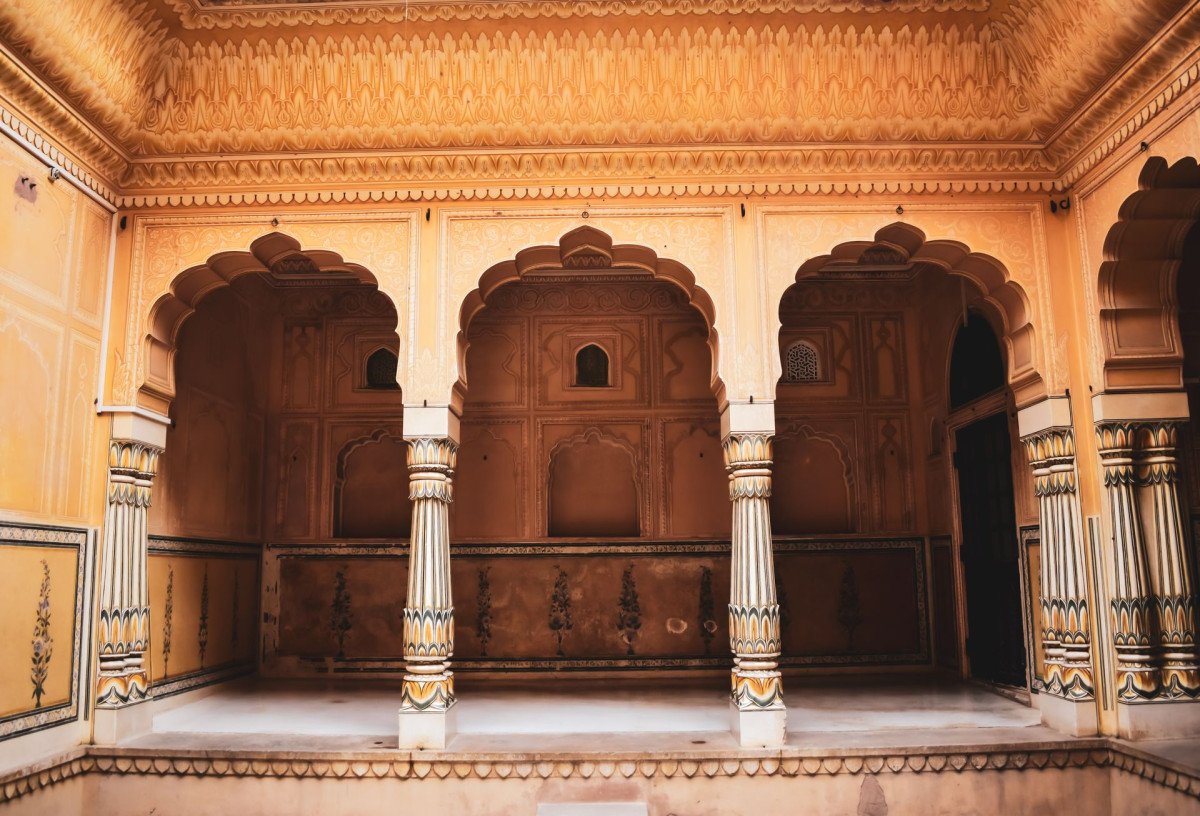
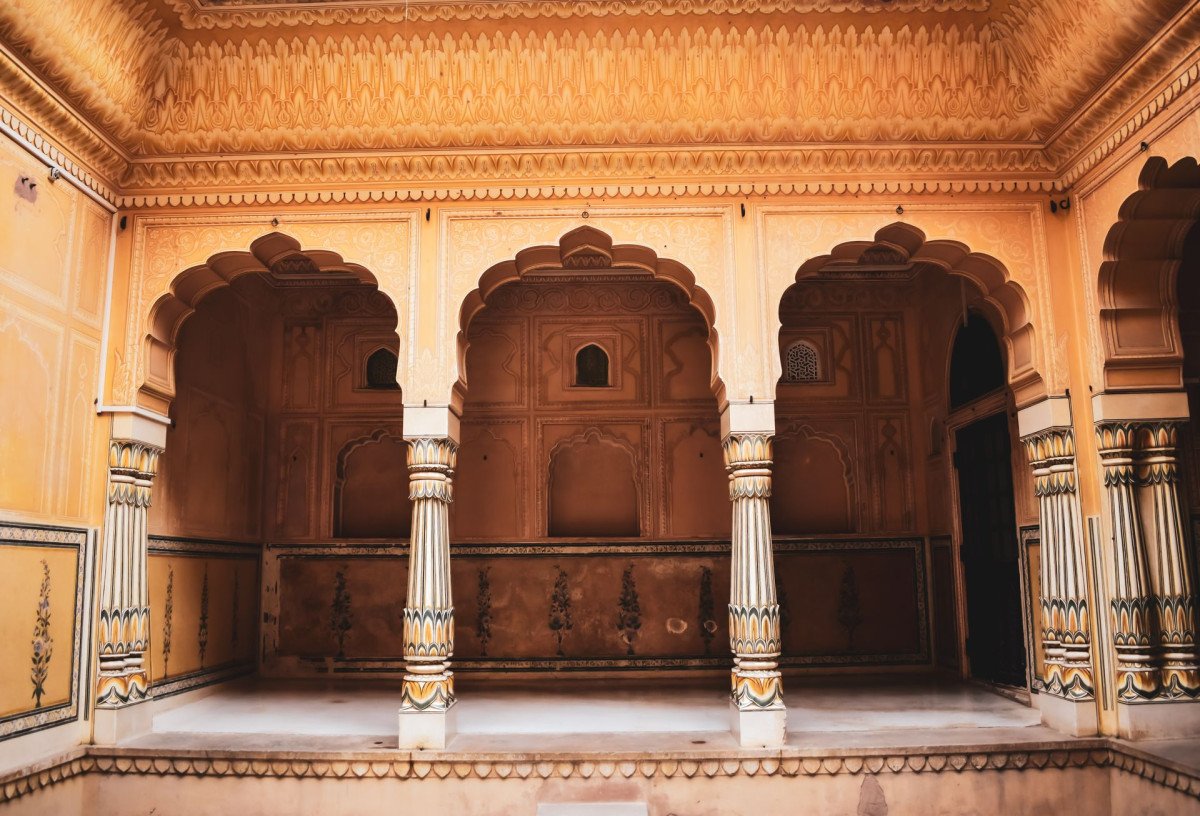
Laxmangarh Fort
The Laxmangarh Fort is a ruined, but still majestic, old fort perched on a hill in the town of Laxmangarh. Its construction began in 1805 and was completed around 1807 by Rao Raja Laxman Singh of Sikar. The fort was strategically built to protect the prosperous town from external threats, such as th e siege by Kan Singh Saledhi. Its elevated position provides a commanding and panoramic view of the geometrically laid-out town below, which is a unique architectural feature in itself. The fort is noted for being built upon scattered pieces of huge rock formations, making its construction a structural marvel. While the fort itself is now privately owned by the Jhunjhunwala family and largely closed to the public, visitors are often permitted to climb the ramp up to a temple located near the entrance. This vantage point is popular for capturing the entire town's layout, which mirrors the planning of Jaipur. The fort is a tangible link to the feudal history of the Shekhawati region and stands as a symbol of the resilience and architectural ambition of the former rulers of Sikar. The fortress's sturdy walls and remnants speak volumes of the military architecture of the 19th century. It has been mentioned in Aravind Adiga's debut novel, The White Tiger, further cementing its cultural significance. The immediate area around the fort is quiet, offering a peaceful break from the market's hustle.
General information
-
Ideal Duration:
2 to 3 HoursPlace Type:
Fort, Historical MonumentEntry Fees:
Access and Ownership Status: The Laxmangarh Fort is currently private property, owned by the Jhunjhunwala family. As such, the main areas of the fort are not open to the general public.
Fort Entry Fee: The entry to the fort premises is...Access and Ownership Status: The Laxmangarh Fort is currently private property, owned by the Jhunjhunwala family. As such, the main areas of the fort are not open to the general public.
Fort Entry Fee: The entry to the fort premises is generally Not Applicable or Free, as only the ramp leading to a small public temple is accessible. There is no ticket counter or formal entry fee for climbing the ramp to enjoy the view. However, if the owners ever decide to open the full fort to the public as a heritage property or museum, a substantial fee could be charged to cover maintenance and guided tours.
Photography and Parking Fees: There are typically No Fees for still cameras or video cameras for the accessible area of the fort. Parking near the base of the hill may be limited, and a small, informal fee might be charged by local attendants. These fees are usually nominal and variable, sometimes around Rs. 10-20 for a two-wheeler or car.
Guided Tour Fees: While an official guided tour of the fort is not available due to its private status, local guides in the town may offer comprehensive tours of Laxmangarh that include a historical explanation of the fort. The charge for a local guide for a half-day tour of the town, including the accessible fort area, can range from Rs. 500 to Rs. 1500, depending on the language and experience.Timing:
Regular Timings: The accessible ramp area leading to the public temple at Laxmangarh Fort is generally considered open for visitors from around 8:00 AM to 8:00 PM daily. This broad time frame allows for flexibility in visits. Since it is not a ticketed, state-run monumen...Regular Timings: The accessible ramp area leading to the public temple at Laxmangarh Fort is generally considered open for visitors from around 8:00 AM to 8:00 PM daily. This broad time frame allows for flexibility in visits. Since it is not a ticketed, state-run monument, these timings are often flexible and dependent on local access and safety considerations.
Ideal Visit Time (Morning and Evening): The Ideal Visit Time is early in the morning, between 8:00 AM and 10:00 AM, or late in the afternoon, from 4:00 PM to 6:00 PM.
Morning Visit: Visiting soon after opening provides the best chance to beat the intense desert heat, especially during the Summer months. The morning light is excellent for photography of the town below, offering a soft, warm glow.
Evening Visit (Sunset): The hours leading up to Sunset offer the stunning Golden Hour for photographers, and the slightly cooler temperatures are more comfortable for the climb. The view of the town lighting up as night falls is particularly memorable.
Avoid Midday: Visiting between 11:00 AM and 4:00 PM should be avoided, particularly from April to June, as the sun is at its harshest, and climbing the ramp can be physically taxing.Special Events:
Holi Festival Celebrations: While Laxmangarh Fort itself doesn't host a major annual festival due to its private status, the town of Laxmangarh celebrates the festival of Holi with immense enthusiasm, usually in February or March. The general atmosphere in the market and ...Holi Festival Celebrations: While Laxmangarh Fort itself doesn't host a major annual festival due to its private status, the town of Laxmangarh celebrates the festival of Holi with immense enthusiasm, usually in February or March. The general atmosphere in the market and surrounding areas is vibrant, with locals engaging in traditional revelry, music, and the playful throwing of colors. The fort ramp offers a different perspective of the festivities happening in the town below.
Khatu Shyamji Annual Fair: A significant regional event that draws huge crowds and can be combined with a visit to the fort is the annual fair at Khatu Shyamji Temple, located about 40 kilometers from Laxmangarh. This massive religious gathering, often held in February or March, sees thousands of devotees, and experiencing the flow of pilgrims and the temple's environment is a unique cultural event. The fort can serve as a quieter base for those attending this fair.
Local Cultural Programs: Occasionally, local cultural organizations or schools in Laxmangarh organize small-scale cultural programs, often featuring Rajasthani folk music, dance (like Ghoomar), and theatrical performances related to the region's history, typically during the winter tourist season. Checking with local guesthouses or guides can help visitors discover these smaller, more authentic special events.Best Photo Spots:
The Fort Ramp Vista: The most iconic photo opportunity is from the ramp leading to the public temple. This spot provides a stunning, high-angle panoramic shot of the entire geometrically planned Laxmangarh town, a view often compared to the urban layout of Jaipur. The be...The Fort Ramp Vista: The most iconic photo opportunity is from the ramp leading to the public temple. This spot provides a stunning, high-angle panoramic shot of the entire geometrically planned Laxmangarh town, a view often compared to the urban layout of Jaipur. The best time is during the Golden Hour (Sunrise or Sunset), when the low-angle light dramatically highlights the town's architecture and the surrounding desert landscape.
Gomukh Entrance Detail: Capturing the architectural details of the fort's main entrance, the "Singhdwaar," with its protective "Gomukh" design and the massive, perhaps iron-studded, wooden doors, makes for excellent close-up or detail photography. The contrast between the rough, ancient stone walls and the intricate door design is highly photogenic.
Frescoed Haveli Rooftops from Above: From the fort's vantage point, focus your camera to capture the cluster of brightly colored rooftops and the overall pattern of the magnificent frescoed havelis below. Zooming in can reveal the scale of the art gallery that the town represents, juxtaposing the defensive fort with the artistic opulence of the merchant class.
Stone Walls and Minarets: Focus on the unique construction of the fort's wallsRs.the use of scattered rocks and the powerful, 20-foot-wide minarets. Photographing the textures of the unique white and black-dotted stone, and the subtle scars left by past gun attacks, provides compelling, historical, and architectural detail shots.Photo Gallery
Things To Do
-
Photography and Bird's-Eye View: One of the main activities at Laxmangarh Fort is climbing the accessible ramp to capture the breathtaking panoramic views. This elevated position is the best photo spot in the town for capturing the unique urban layout of Laxmangarh, with its winding streets and cluster of colorful havelis. Early morning or late afternoon light (the golden hour) provides the most dramatic and aesthetically pleasing photographs. Visitors should aim to document the entire planned township, a key feature.
Exploring the Temple: The ramp leads to a public temple where visitors can pause for a moment of spiritual reflection. The temple, often dedicated to a local deity, offers a contrasting experience to the fort's military history. It's a place to interact with locals and observe daily religious rituals, addi...
Information
-
Why Famous:
Architectural Uniqueness: The Laxmangarh Fort is primarily famous for its distinctive construction. It is one of the very few forts in the world to be built upon a foundation of scattered pieces of huge rocks on a hill. This singular structural feature has made it a subj...Architectural Uniqueness: The Laxmangarh Fort is primarily famous for its distinctive construction. It is one of the very few forts in the world to be built upon a foundation of scattered pieces of huge rocks on a hill. This singular structural feature has made it a subject of architectural curiosity and study, distinguishing it from the more conventionally built forts of Rajasthan. Its robust walls and defensive minarets made from exceptionally hard, dot-patterned local stone (found only in a few spots) also add to its architectural fame.
Panoramic Town View: The fort's location atop the hill offers the most celebrated reason for its fame among tourists: the spectacular, elevated panoramic view of the Laxmangarh town below. The town was purposefully laid out in a grid pattern, echoing the planning of the capital city Jaipur. Visitors climb the ramp to the temple to capture this unique bird's-eye view, which showcases the town's impressive urban planning and the contrast between the rough fort and the orderly settlement.
Historical Significance: As the fort that gave the town its name and identity, and one built in response to a military threat (the siege by Kan Singh Saledhi), the fort is a crucial marker of Laxmangarh's history. It represents the power and foresight of Rao Raja Laxman Singh and the turbulent nature of the Shekhawati region in the early 19th century. It is an important historical landmark connecting the present-day town to its royal and strategic past. -
Architecture:
Construction on Scattered Rocks: The most distinct architectural feature of the Laxmangarh Fort is its foundation. Unlike many forts built on solid rock faces, this structure is uniquely erected upon scattered pieces of huge rocks on the hill, giving it an unconventional ...Construction on Scattered Rocks: The most distinct architectural feature of the Laxmangarh Fort is its foundation. Unlike many forts built on solid rock faces, this structure is uniquely erected upon scattered pieces of huge rocks on the hill, giving it an unconventional and structurally interesting base. This method utilized the natural terrain to enhance its defense.
Walls and Bastions: The fort's exterior walls and ramparts are robust, constructed with strong, heavy, and slippery stones, some of which are said to be found only in areas like Donngri of Syanan or Doongri of Gopalpura. These stones are incredibly tough, reportedly resisting breakage by chisel or hammer. The walls within the fort area are said to incorporate 23 minarets (small towers/bastions), described as a "structural wonder," approximately 4 feet in length and 20 feet in width, which were designed to repel attackers. The general construction style is a blend of traditional Rajput and local Shekhawati building techniques, focusing on strength and strategic defense.
Gates and Security Features: The main gateway, known as the "Singhdwaar" (Chief Gateway), is designed in a "Gomukh" style, meaning it is set back and concealed, making it difficult to attack directly. Some doors were reinforced with iron nails and allegedly brought from Khetdi. The fort also featured secret tunnels for safe exit during sieges and six large water tanks, 25 feet deep, constructed to store water for wartime. The fort's defensive design, including the hidden north-eastern door, highlights the sophisticated military planning of its builders.
Dimension (Approximate Observations): The hill on which the fort sits is approximately 300 feet high. The walls inside the fortress are noted for having 23 minarets, each roughly 4 feet in length and 20 feet in width. The six water tanks are noted to be 25 feet deep. The overall structure, while substantial, is considered modest in comparison to some of the grander fortresses in Rajasthan. The dimensions are testament to the functional defensive architecture of the 19th century frontier fort. -
How To Reach:
By Air (Nearest Airport and Transport): The nearest major airport is Jaipur International Airport (JAI), located approximately 150 kilometers from Laxmangarh.
From the Airport: After landing at Jaipur, the most convenient way to reach ... -
Near Tourist Places:
Other Place Name Distance (in KMs) Time of Year Fatehpur Shekhawati 15 KM Year-Round (Best in Winter) Nawalgarh (Morarka Haveli Museum) 30 KM Year-Round (Best in Winter) Sikar City (Devgarh Fort, Madho Niwas Kothi) 30 KM Year-Round (Best in Winter) Khatu Shyamji Temple 40 KM February-March (for Annual Fair) Mandawa Fort & Havelis 42 KM Year-Round (Best in Winter) Jeen Mata Temple 55 KM Year-Round (Pilgrimage) Ratangarh Fort (Churu) 60 KM Year-Round (History Buffs) Jhunjhunu (Rani Sati Temple) 60 KM Year-Round (Pilgrimage) Tal Chhapar Wildlife Sanctuary 70 KM October-March (for Blackbucks and Birds) Dundlod Fort 27 KM Year-Round (Heritage Stay)
Tourism Tips
-
Health & Safety:
Hydration: Always carry plenty of water, especially during warmer months. The climb to the accessible ramp, though short, can be tiring in the heat.
Footwear: Wear comfortable walkin...
Reviews
Laxmangarh Fort Itineray And Cost:-
Information about New and Updated Locations() of Rajasthan Has Been Added :-
Card subtitle
Note:-
Information provided here in good Faith and for reference only.
All information and pictures will be updated soon, please keep visiting.
Near Places
Laxmangarh Fort
Some quick example text to build on the card title and make up the bulk of the card's content.
Go somewherein Other Cities