Lingmala Waterfalls
General information
-
Ideal Duration:
2-3 Hours (Including Trek)Place Type:
Natural Attraction, Waterfall, Trekking SpotEntry Fees:
Main Waterfall Entry Fee:: The official entry fee to the Lingmala Waterfalls site is typically INR 15 per person for general entry. This nominal fee is primarily for the maintenance and upkeep of the steps, railings, and pathways leading to the viewpoints.Main Waterfall Entry Fee:: The official entry fee to the Lingmala Waterfalls site is typically INR 15 per person for general entry. This nominal fee is primarily for the maintenance and upkeep of the steps, railings, and pathways leading to the viewpoints.
Parking and Vehicle Fee:: An additional fee may be charged for parking vehicles, which can range from INR 10 to INR 30 for two-wheelers and four-wheelers respectively. This fee covers the security and management of the parking area located near the main entrance gate.
Activity and Guide Charges:: While the entry fee covers access, there are no separate mandatory fees for the trek. However, hiring a local guide, especially for less-visited trails or for nature interpretation, will incur a cost, usually negotiated on the spot. Horse riding or other recreational services offered by local vendors outside the gate have separate, variable charges.
Exemption and Concessions:: Generally, there are no specific fee exemptions for children under a certain age or senior citizens, but this can vary seasonally. School groups or large pre-arranged tours might receive a marginal concession upon prior request. The minimal fee ensures the place remains accessible to all while funding necessary conservation efforts.Timing:
Regular Waterfall Timings:: The official operating hours for Lingmala Waterfalls are from 8:00 AM in the morning to 4:30 PM in the evening, seven days a week. Entry is strictly prohibited after the closing time due to the challenging terrain and lack of illumination.Regular Waterfall Timings:: The official operating hours for Lingmala Waterfalls are from 8:00 AM in the morning to 4:30 PM in the evening, seven days a week. Entry is strictly prohibited after the closing time due to the challenging terrain and lack of illumination.
Ideal Visit Time:
Monsoon Mid-Day:: The most visually stunning time, the 'Ideal Visit Time,' is between 11:00 AM and 2:00 PM during the peak monsoon season (July to September). This is when the sun's angle is best for lighting the canyon and creating rainbows in the mist, and the water flow is maximum.
Best Time for Trekking:
Early Morning/Late Afternoon:: For those prioritizing the trekking experience and avoiding the heat/crowds, the best time is right at opening, 8:00 AM, or in the late afternoon, around 3:00 PM. The weather is cooler, and the trails are less congested.
Avoid Mid-Week Peak: Weekends and Public Holidays are the busiest, so a visit on a Tuesday or Wednesday between 9:00 AM and 11:00 AM offers a serene, unhurried experience.Special Events:
Monsoon Retreat Celebration:: While no large, formal festivals are held directly at the falls, the peak monsoon period (July to September) is considered a major 'natural event' which the local tourism bodies celebrate. Tour operators often organize special, guided 'Monsoon ...Monsoon Retreat Celebration:: While no large, formal festivals are held directly at the falls, the peak monsoon period (July to September) is considered a major 'natural event' which the local tourism bodies celebrate. Tour operators often organize special, guided 'Monsoon Waterfall Expeditions' or 'Rain Treks' that highlight the heightened beauty and roaring power of the falls during this season.
Post-Monsoon Nature Trails:: The period immediately following the monsoon (October) often sees the organization of guided nature walks and trekking camps by local adventure clubs. These events focus on the rich post-rain blooming of local flora and the exceptional clarity of the falls, combining the natural spectacle with educational and adventure activities.
Local Harvest Display:: Being near the agricultural belt, during the strawberry season (late November to March), local vendors near the entrance often host mini-stalls displaying the fresh harvest, turning the location into a small showcase for local agricultural produce alongside its natural beauty.Best Photo Spots:
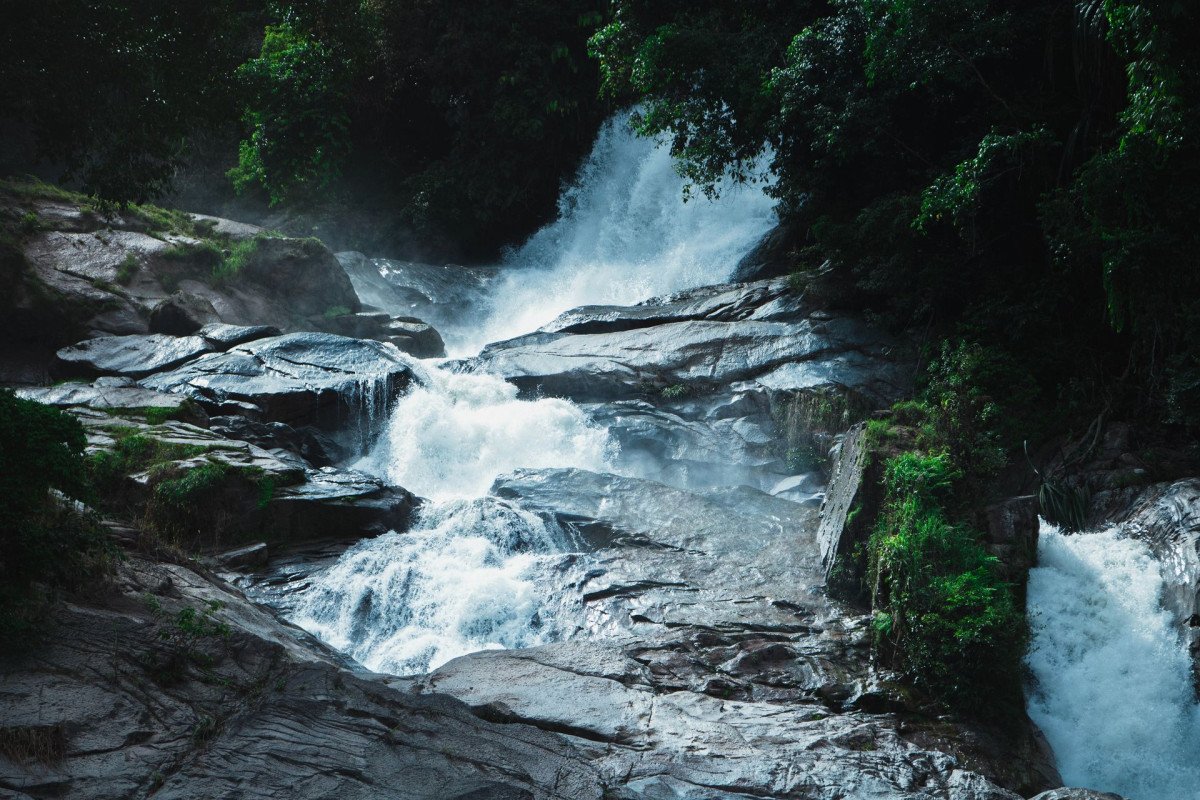
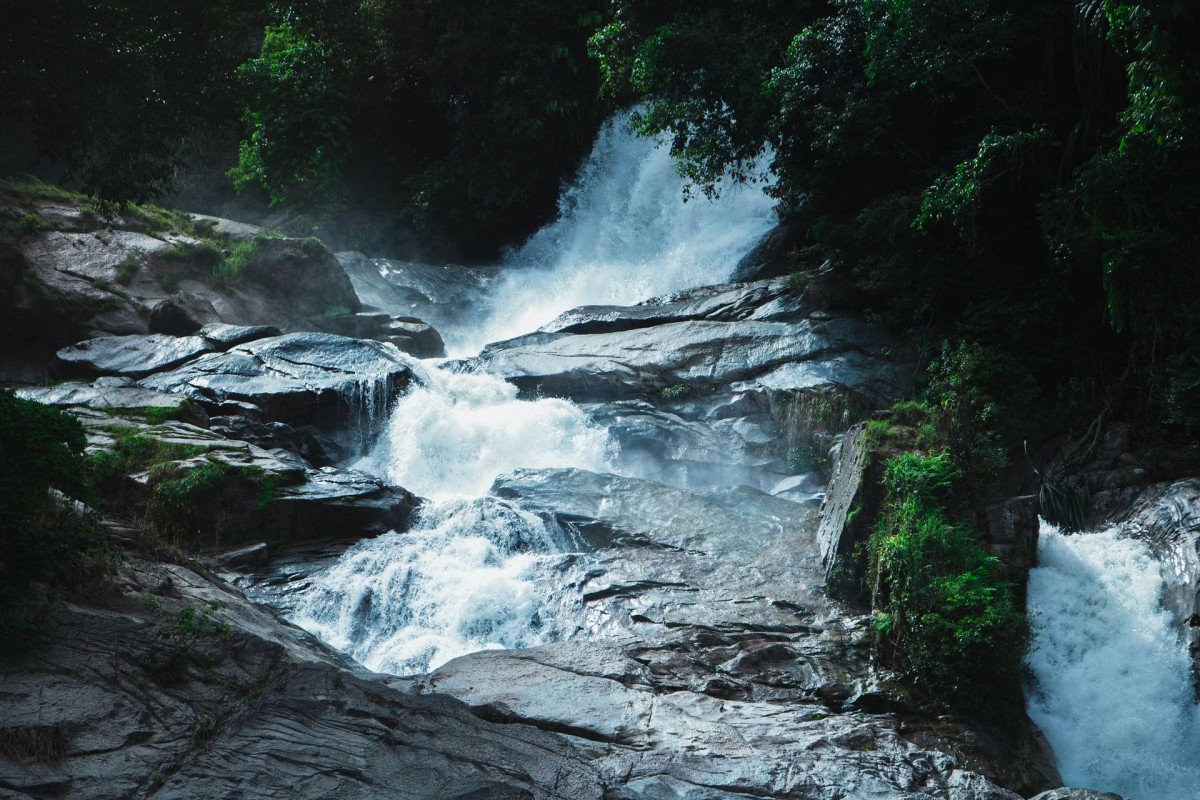
The Main Plunge Viewpoint:: The official viewpoint platform for the 500-foot main waterfall is the primary and best spot. It offers a clear, panoramic view of the massive cascade, the deep valley, and the surrounding green mountains. This is where you capture the sheer dim...The Main Plunge Viewpoint:: The official viewpoint platform for the 500-foot main waterfall is the primary and best spot. It offers a clear, panoramic view of the massive cascade, the deep valley, and the surrounding green mountains. This is where you capture the sheer dimension and height of the fall. Use a wide-angle lens for the best effect.
The Mini Waterfall Bridge:: The small bridge or platform overlooking the lower, mini-waterfall is an excellent spot for close-up shots of the water flowing over the smooth rocks, perfect for capturing texture and the refreshing mist. It’s also ideal for family and group selfies due to its safety and accessibility.
The Forest Trek Trail:: The winding, moss-covered trail on the way up, particularly spots with dense tree cover and filtered light, provides excellent opportunities for atmospheric, mood-filled forest photography, focusing on the endemic flora and the interplay of light and shadow, capturing the journey's natural beauty.
Distant View from Dhobi or Chinaman's:: Capturing the Lingmala Falls from a distant viewpoint, like one of the other nearby points, can provide a great sense of its scale relative to the vast Sahyadri range, offering a landscape perspective often missed up close. (Approx. )Photo Gallery
Things To Do
-
Trekking to the Main Fall:: The primary activity is the invigorating trek to the main 500-foot viewpoint. This involves navigating a series of stone steps and uneven forest paths, offering a moderate challenge and immense natural beauty along the way. Be sure to carry water and wear non-slip footwear. This journey takes about 30 minutes one way from the gate and is a physical test rewarding you with the grand view.
Splashing at the Mini Fall:: Enjoy a playful time at the lower, mini-waterfall. This section is much safer and is ideal for families and children to cool off, wade in the shallow pool, and experience the refreshing spray of the water without the dangers of the main plunge pool. This spot is easily accessible from the entrance gate.
Nature Photography and Videography:: Capture the ...Trekking to the Main Fall:: The primary activity is the invigorating trek to the main 500-foot viewpoint. This involves navigating a series of stone steps and uneven forest paths, offering a moderate challenge and immense natural beauty along the way. Be sure to carry water and wear non-slip footwear. This journey takes about 30 minutes one way from the gate and is a physical test rewarding you with the grand view.
Splashing at the Mini Fall:: Enjoy a playful time at the lower, mini-waterfall. This section is much safer and is ideal for families and children to cool off, wade in the shallow pool, and experience the refreshing spray of the water without the dangers of the main plunge pool. This spot is easily accessible from the entrance gate.
Nature Photography and Videography:: Capture the panoramic views of the cascading water, the deep ravine, and the surrounding rich forest. The viewpoint is strategically placed for the best angles of the 500-foot drop. During monsoon, capturing the heavy mist and the double-rainbow effect that sometimes forms in the spray is a highly sought-after photo opportunity.
Bird Watching and Flora Spotting:: Dedicate time to observe the avian life in the surrounding forest canopy. The lush greenery of the Western Ghats is home to numerous endemic and migratory bird species. The trek itself is a great opportunity to identify different types of trees, ferns, and wildflowers, especially post-monsoon.
Relaxing and Picnicking (Lower Area):: The lower area near the entrance and the mini-waterfall has small designated spots where visitors can relax, enjoy light snacks (ensure no littering), and simply absorb the tranquil sound of the flowing water. This is a perfect place for a short break before or after the main trek.
Connecting to Nearby Points:: Use the location of Lingmala as a starting point to visit nearby attractions like Dhobi Waterfall and Chinaman's Waterfall, which are visible in the distance or easily accessible by road from this point, creating a 'waterfall circuit' for the day.
Fitness and Wellness Walk:: Treat the trek not just as sightseeing but as a focused exercise in a refreshing natural environment. The cool air and the sounds of nature contribute to a sense of well-being, turning the visit into a holistic, rejuvenating experience.
Information
-
Why Famous:
The falls are famous for their colossal 500-foot plunge, the highest of all points near Mahabaleshwar.
Monsoon Grandeur:: Its fame peaks in the monsoon, when the volume of water is incredible, creating a spectacular, roaring torrent and a continuous cloud of mist, t...The falls are famous for their colossal 500-foot plunge, the highest of all points near Mahabaleshwar.
Monsoon Grandeur:: Its fame peaks in the monsoon, when the volume of water is incredible, creating a spectacular, roaring torrent and a continuous cloud of mist, transforming the area into an almost ethereal environment. It is considered the most magnificent waterfall in the region due to the sheer scale of the drop.
Dual Experience:: Its popularity is also driven by the unique offering of a dual experience: a safe, fun, mini-waterfall for light activities and the dramatic, powerful main fall, accessible via a rewarding trek. This caters to both casual visitors and adventure seekers.
Proximity to City:: Its relative proximity, being only 6 KMS from the main Mahabaleshwar town center, makes it easily accessible, contributing significantly to its reputation as a must-visit spot.
Photographer's Paradise:: The natural rock formations and the backdrop of lush green valleys provide a dramatic canvas for photography, cementing its place as an iconic location for tourists and travel bloggers alike. The dense foliage surrounding the waterfall also attracts many species of birds, making it a hotspot for birdwatchers. -
Architecture:
Natural Formation and Trekking Dimension:: The "architecture" of Lingmala Waterfalls is purely geological, sculpted by nature's immense power. Dimension of the main fall is a significant drop of about 500 feet (approx. 152 meters). The surrounding terrain is a rugged part...Natural Formation and Trekking Dimension:: The "architecture" of Lingmala Waterfalls is purely geological, sculpted by nature's immense power. Dimension of the main fall is a significant drop of about 500 feet (approx. 152 meters). The surrounding terrain is a rugged part of the Sahyadri mountain range, composed primarily of volcanic Deccan Traps basalts. The waterfall itself carves a deep gorge into the mountain side over millennia.
Natural Basin and Stream Flow: The cascade is fed by the Venna River.
It features two tiers: the upper, main fall and the lower, gentler, or "mini" waterfall. The lower fall creates a shallow pool, which has a smaller, safer dimension for visitors. The trekking trail, approximately 1. 5 to 2. 5 kilometers (depending on the viewpoint), is essentially an unpaved, stepped path, and its dimension (or difficulty) is moderate, involving significant altitude change.
Vegetation and Ecosystem: The area is characterized by dense semi-evergreen forest cover, which provides a natural, humid micro-climate. The rock formations around the cascade are covered in thick moss and ferns, thriving in the spray. The path from the entrance involves a steep descent, making the return journey a considerable physical effort. The viewing platform for the main fall is a man-made addition, strategically placed for the best, safest photographic dimension of the natural spectacle. This natural "architecture" is a prime example of fluviatile erosion typical of the Western Ghats. -
How To Reach:
By Air:: The nearest major airport is Pune International Airport (PNQ), approximately 120 KMS away. From Pune, one can hire a private taxi, use app-based cabs, or take a pre-booked shuttle service directly to Mahabaleshwar. The drive takes about 3-4 hours. Mumbai Internat...By Air:: The nearest major airport is Pune International Airport (PNQ), approximately 120 KMS away. From Pune, one can hire a private taxi, use app-based cabs, or take a pre-booked shuttle service directly to Mahabaleshwar. The drive takes about 3-4 hours. Mumbai International Airport (BOM) is another option, being about 260 KMS away, requiring a longer road journey of 5-6 hours.
By Train:: The closest convenient railway station is Satara (STR), located about 60 KMS away. Pune Railway Station is better connected to major Indian cities and is the preferred railhead for most tourists, located at 120 KMS. From Satara or Pune, one must hire a taxi or use state transport buses to reach Mahabaleshwar and subsequently the falls.
By Road (Self-Drive/Bus):: Lingmala Waterfalls is located directly on the Mahabaleshwar-Pune Road (NH48), just 6 KMS before the main Mahabaleshwar market. The falls are well-marked on the right side when driving from Panchgani. State-run MSRTC buses and private luxury coaches frequently connect Mahabaleshwar to major cities like Pune, Mumbai, and Kolhapur. From the bus stand in Mahabaleshwar, the falls are a short 15-20 minute taxi ride.
By Local Transport:: From the Mahabaleshwar city center, the easiest way is to hire a local taxi (yellow-top) or an auto-rickshaw. Many local sightseeing packages specifically include the falls. The local transport is easily available, especially from the main market area and Venna Lake. The fare for a one-way trip is usually reasonable and should be negotiated beforehand. -
Weather and Best Time to Visit:
Different Types of Seasons:
Monsoon (Best):: The best time to visit Lingmala Waterfalls is during the Monsoon season, specifically from late July to October. During this time, the heavy rains from the Western Ghats feed the Venna River, lead...Different Types of Seasons:
Monsoon (Best):: The best time to visit Lingmala Waterfalls is during the Monsoon season, specifically from late July to October. During this time, the heavy rains from the Western Ghats feed the Venna River, leading to maximum water flow, immense spray, and the falls being at their most majestic and powerful. The surrounding greenery is also at its lushest and most vibrant.
Winter (Good):: The Winter months, from November to February, are also a good time. The weather is cool and pleasant for trekking. The water flow is significantly reduced compared to the monsoon, offering a clear, calmer view of the falls and making the trek less muddy and slippery, ideal for elderly visitors.
Summer (Avoid):: The Summer season (March to June) is generally the least ideal time. The heat makes the trek strenuous, and the waterfall reduces to a mere trickle or a very thin stream, diminishing the spectacle.
Different Parts of the Day:
Mid-Morning/Early Afternoon:: For the best visibility and light for the waterfalls, visiting between 10:00 AM and 2:00 PM is recommended. The sun highlights the water, and the mist is often spectacular. Early Morning (8:00 AM) is best for avoiding crowds and enjoying the cool, fresh air before the day warms up. -
Near Tourist Places:
1. Venna Lake (5 KMS) Boating Spot; 2. Mapro Garden (8 KMS) Strawberry Products; 3. Mahabaleshwar Temple (12 KMS) Ancient Temple; 4. Lodwick Point (10 KMS) Scenic Viewpoint; 5. Kate's Point (10 KMS) Needle Hole View; 6. Wilson Point (10 KMS) Sunrise Point; 7. Panchgani (13 KMS) Hill Station; 8. Pratapgarh Fort (25 KMS) Historical Fort; 9. Bombay Point (9 KMS) Sunset Spot; 10. Krishnabai Temple (12 KMS) River Source.
Tourism Tips
-
Health & Safety:
Trekking Caution:: Wear proper, non-slip trekking or sports shoes, as the path to the main waterfall can be extremely slippery and muddy, especially after rain. Carry a basic first-aid kit, and do not attempt to swim or wade...Health & Safety:
Trekking Caution:: Wear proper, non-slip trekking or sports shoes, as the path to the main waterfall can be extremely slippery and muddy, especially after rain. Carry a basic first-aid kit, and do not attempt to swim or wade in the main waterfall's gorge or main plunge pool, as currents are strong and dangerous. Stick to the designated paths and viewpoints.
Packing:
Essential Gear:: Carry a lightweight raincoat or umbrella, especially during the monsoon, and a waterproof cover for your camera and phone due to the constant mist. Also, carry a small bottle of water for the trek. Do not carry heavy backpacks.
Accommodation:
Stay in Mahabaleshwar:: Since the falls are only 6 KMS from the city center, the best accommodation option is to stay in Mahabaleshwar town, where a wide range of hotels, resorts, and homestays are available. There are no lodging options at the falls themselves.
Other Different Topics:
Respect Nature:: Do Not Litter. Carry all plastic and waste back with you to maintain the pristine condition of the forest. The area is a protected natural space. Be wary of monkeys, especially near the entrance, and avoid feeding them or carrying open food packets.
Local Guides:: While the trail is marked, hiring a local guide (especially in the off-season) can enrich the experience by providing information on local flora and fauna.
Photography Tips:: Bring a tripod for long-exposure shots to capture the silky effect of the water flow. Use a polarizing filter to enhance colors and cut through glare on wet rocks.
Reviews
FAQs
Mahabaleshwar Itineray And Cost:-
Lingmala Waterfalls Tourism:-
Other Places In Mahabaleshwar :-
Other States In India :-
Information about New and Updated Locations() of Maharashtra Has Been Added :-
Card subtitle
Note:-
Information provided here in good Faith and for reference only.
Near Places

Arthur's Seat
Some quick example text to build on the card title and make up the bulk of the card's content.
Go somewhere
Babington Point
Some quick example text to build on the card title and make up the bulk of the card's content.
Go somewhere
Bombay Point
Some quick example text to build on the card title and make up the bulk of the card's content.
Go somewhere
Chinaman's Falls
Some quick example text to build on the card title and make up the bulk of the card's content.
Go somewhere
Connaught Peak
Some quick example text to build on the card title and make up the bulk of the card's content.
Go somewhere
Dhobi Waterfall
Some quick example text to build on the card title and make up the bulk of the card's content.
Go somewhere
Echo Point
Some quick example text to build on the card title and make up the bulk of the card's content.
Go somewhere
Elephant's Head Point / Needle Hole Point
Some quick example text to build on the card title and make up the bulk of the card's content.
Go somewhere
Elphinstone Point
Some quick example text to build on the card title and make up the bulk of the card's content.
Go somewhere
Kate's Point
Some quick example text to build on the card title and make up the bulk of the card's content.
Go somewhere
Koyna Valley Trek
Some quick example text to build on the card title and make up the bulk of the card's content.
Go somewhere
Krishnabai Temple
Some quick example text to build on the card title and make up the bulk of the card's content.
Go somewhere
Lingmala Falls
Some quick example text to build on the card title and make up the bulk of the card's content.
Go somewhere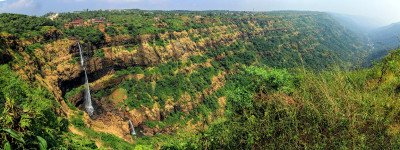
Lingmala Waterfall
Some quick example text to build on the card title and make up the bulk of the card's content.
Go somewhere
Lingmala Waterfalls
Some quick example text to build on the card title and make up the bulk of the card's content.
Go somewhere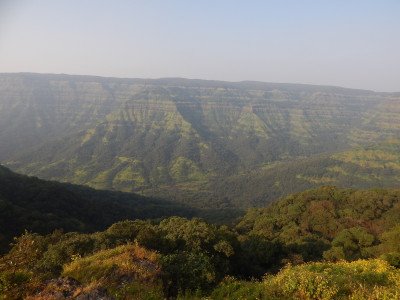
Lodwick Point
Some quick example text to build on the card title and make up the bulk of the card's content.
Go somewherein Other Cities