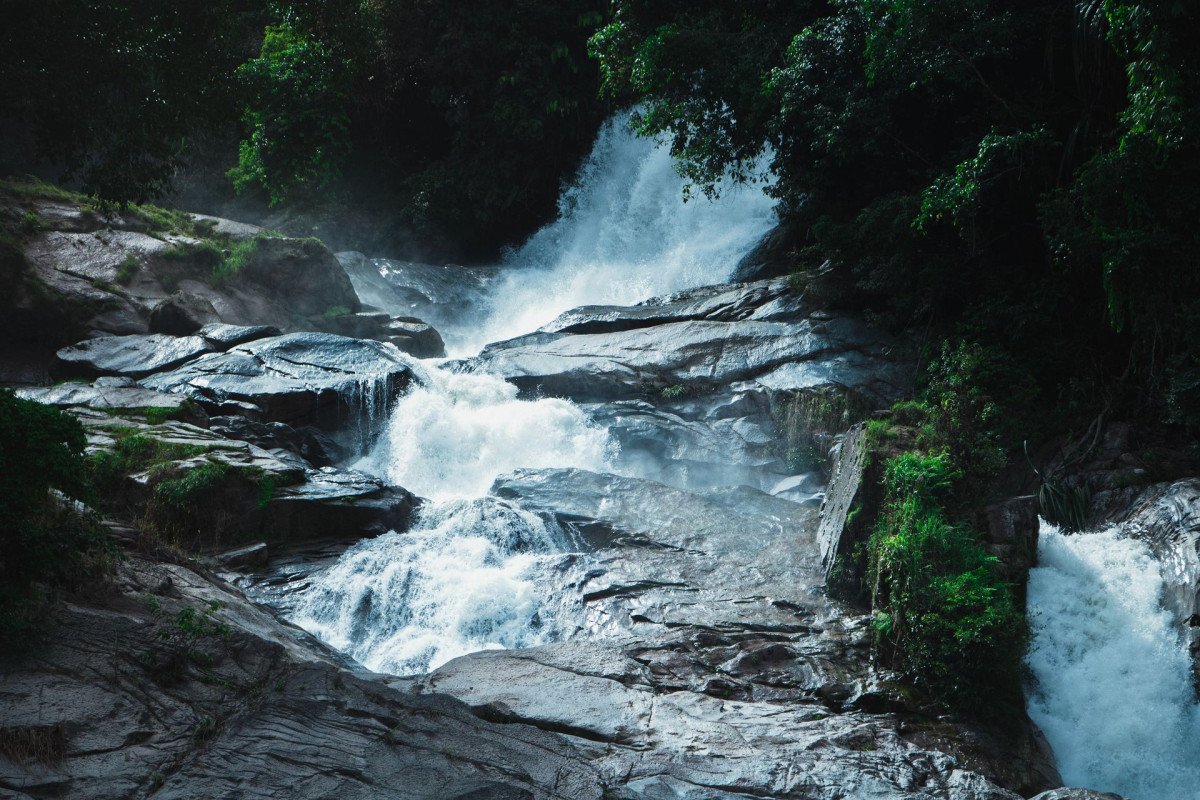
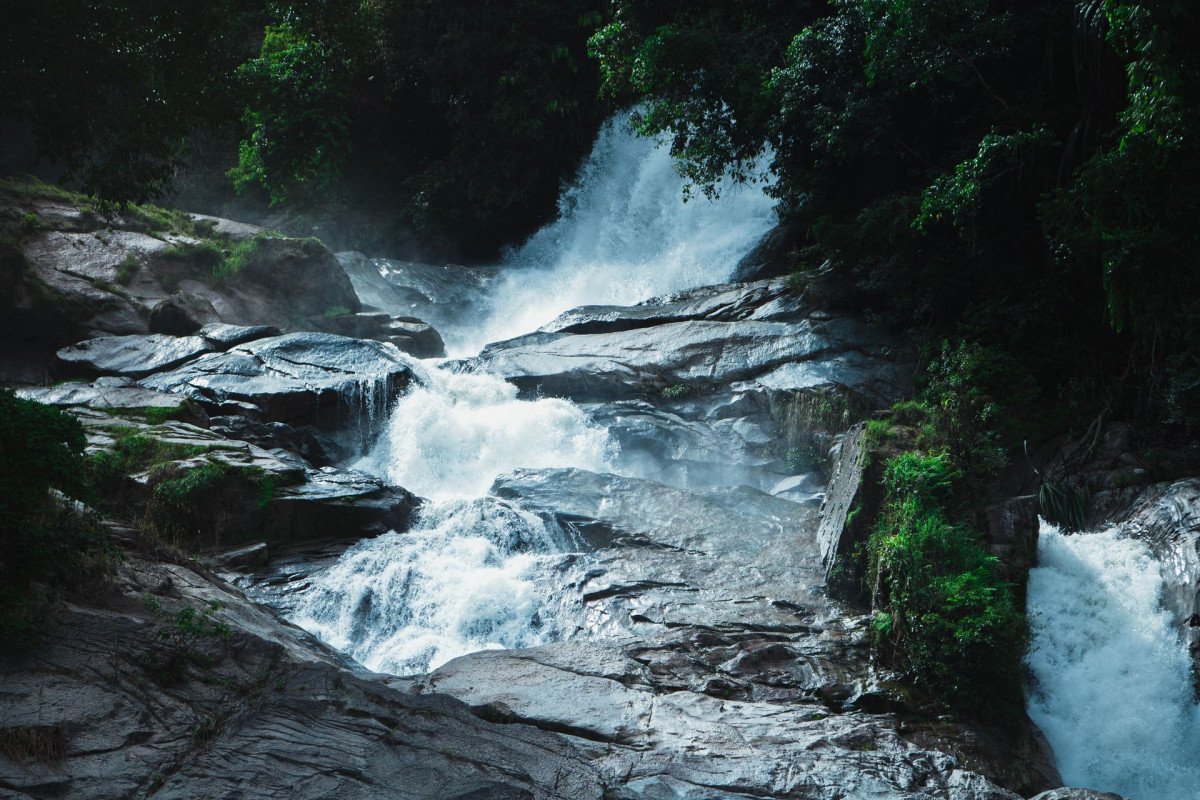
Chinaman's Falls
General information
-
Ideal Duration:
1 to 2 Hours:Place Type:
Waterfall/Nature Spot:Entry Fees:
No Entry Fee: There is no ticket fee to view the falls.
Road Tax: A small local road/environmental tax may be collected per vehicle at the town entrance, but not at the falls directly (typically Rs.10 to Rs.20).
Par...No Entry Fee: There is no ticket fee to view the falls.
Road Tax: A small local road/environmental tax may be collected per vehicle at the town entrance, but not at the falls directly (typically Rs.10 to Rs.20).
Parking Fees: Minimal charges may apply for parking along the roadside near the viewing area.Timing:
Regular Timings: 6:00 AM to 6:00 PM (Daylight hours are mandatory for safety).
Ideal Visit Time: Mid-monsoon (August and September) for the heaviest water flow and the most dramatic view.
Safety Restriction:...Regular Timings: 6:00 AM to 6:00 PM (Daylight hours are mandatory for safety).
Ideal Visit Time: Mid-monsoon (August and September) for the heaviest water flow and the most dramatic view.
Safety Restriction: Access is often blocked or severely limited during heavy rain or after dark due to slippery roads and potential landslides.
Year-Round View: Water flow is minimal to non-existent during the summer (March to May).Special Events:
Monsoon Photography Competition: Local tourism boards sometimes organize photography competitions centered around the waterfalls during peak flow (August), turning the viewing point into a hub for enthusiasts.
Local Harvest Celebration: The ...Monsoon Photography Competition: Local tourism boards sometimes organize photography competitions centered around the waterfalls during peak flow (August), turning the viewing point into a hub for enthusiasts.
Local Harvest Celebration: The surrounding areas hold small, local harvest festivals, which tourists can occasionally witness in the October or November post-monsoon period.Best Photo Spots:
Babington Point Vantage: The ideal spot to capture the falls in their entirety, framed by the surrounding mountains.
The Misty Close-Up: Use a telephoto lens to capture the details of the cascading water and the mist rising from the bottom o...Babington Point Vantage: The ideal spot to capture the falls in their entirety, framed by the surrounding mountains.
The Misty Close-Up: Use a telephoto lens to capture the details of the cascading water and the mist rising from the bottom of the valley.
The Roadside View: A scenic spot along the Carviali Road where the falls first come into view, perfect for a surprise reveal shot.
The Green Canopy: Framing the falls with the dense, dark green trees around the viewing area to emphasize the lushness.Photo Gallery
Things To Do
-
Waterfall Viewing: Primarily, the activity is viewing the powerful cascade from the safety of the viewing deck near Babington Point.
Photography: Capture the misty landscape, the full height of the falls, and the vibrant surrounding greenery.
Nature Strolls: Enjoy a leisurely walk along the Carviali Road leading up to the viewpoint, breathing the fresh, clean, misty air.
Bird Watching: The thick forest cover attracts various bird species, especially during the non-monsoon months.
Picnicking: The viewing area is suitable for a quick stop and a small picnic to enjoy the view.
Meditation: The sound of the falling water creates a natural, soothing background for quiet meditation.
Read MoreWaterfall Viewing: Primarily, the activity is viewing the powerful cascade from the safety of the viewing deck near Babington Point.
Photography: Capture the misty landscape, the full height of the falls, and the vibrant surrounding greenery.
Nature Strolls: Enjoy a leisurely walk along the Carviali Road leading up to the viewpoint, breathing the fresh, clean, misty air.
Bird Watching: The thick forest cover attracts various bird species, especially during the non-monsoon months.
Picnicking: The viewing area is suitable for a quick stop and a small picnic to enjoy the view.
Meditation: The sound of the falling water creates a natural, soothing background for quiet meditation.
Monsoon Experience: Experience the full, sensory intensity of the monsoon, including the mist, the cool wind, and the sound of the gushing water.
Information
-
Why Famous:
Chinese Garden History: The falls' unique name and the story of the Chinese cultivators who once farmed the land nearby give it a distinct historical narrative.
Best Monsoon View: Considered one of the most magnificent waterfalls in the regi...Chinese Garden History: The falls' unique name and the story of the Chinese cultivators who once farmed the land nearby give it a distinct historical narrative.
Best Monsoon View: Considered one of the most magnificent waterfalls in the region, reaching its peak grandeur during the heavy monsoon rains.
Photogenic Cascade: The multi-tiered cascade and the surrounding dense greenery create a highly photogenic natural scene, attracting landscape photographers. -
Architecture:
Natural Water Cascade:
Height and Volume: The falls have a significant drop, cascading down a series of natural rock steps from a sheer cliff face. The exact height is estimated to be over 500 feet. Dimension of the visible cascade is wide ...Natural Water Cascade:
Height and Volume: The falls have a significant drop, cascading down a series of natural rock steps from a sheer cliff face. The exact height is estimated to be over 500 feet. Dimension of the visible cascade is wide and impressive, especially during peak flow, often spreading out to cover a large section of the cliff.
The Rock Face: The cliff face is a natural formation of the Deccan Traps basalt, weathered over millennia by the force of the falling water. The geological structure dictates the falls' cascading pattern, resembling a long, vertical snake winding down the mountain.
Viewing Infrastructure: The main architectural feature is the well-maintained, fenced-off viewing platform constructed on a sturdy stone base, designed to withstand the heavy monsoon runoff and provide safe viewing. -
How To Reach:
By Air: Nearest airport is Pune International Airport (120 KMS). From Pune, taxi or MSRTC bus to Mahabaleshwar.
By Train: Nearest major station is Pune Railway Station (120 KMS). Hire a cab or bus from there. Closest is Wathar (60 KMS). <...By Air: Nearest airport is Pune International Airport (120 KMS). From Pune, taxi or MSRTC bus to Mahabaleshwar.
By Train: Nearest major station is Pune Railway Station (120 KMS). Hire a cab or bus from there. Closest is Wathar (60 KMS).
By Road: The falls are easily accessible by road, a short 10-minute drive from the town center via Carviali Road.
By Local Transport: Easily reachable by auto-rickshaw or taxi. Some adventurous visitors walk the 2. 5 KMS from the bus stand. -
Weather and Best Time to Visit:
Monsoon Season: July to October is the absolutely essential time to visit, as the falls are completely dry or barely visible during the hot summer months.
Winter Season: November to February offers a moderate flow and clear skies, suitable f...Monsoon Season: July to October is the absolutely essential time to visit, as the falls are completely dry or barely visible during the hot summer months.
Winter Season: November to February offers a moderate flow and clear skies, suitable for those who prefer less mist.
Different Parts of the Day: Mid-morning (9:00 AM to 12:00 PM) when the sun illuminates the cascade and the surrounding valley. -
Near Tourist Places:
Babington Point (1 KMS), Morarji Castle (3 KMS), Wilson Point (5 KMS), Bombay Point (4 KMS), Venna Lake (6 KMS), Dhobi Waterfall (6 KMS), Mahabaleshwar Temple (8 KMS), Krishnabai Temple (8 KMS), Lodwick Point (7 KMS), Connaught Peak (8 KMS):
Tourism Tips
-
Health & Safety: The road and viewing areas are extremely slippery during the monsoon. Wear high-traction footwear and avoid getting too close to railings.
Packing: Carry a waterproof camera cover, an umbrella, and rain gear, especially dur...Health & Safety: The road and viewing areas are extremely slippery during the monsoon. Wear high-traction footwear and avoid getting too close to railings.
Packing: Carry a waterproof camera cover, an umbrella, and rain gear, especially during the peak monsoon season.
Accommodation: Staying close to the main Mahabaleshwar market area provides easy access.
Other Tips: Check the weather forecast before heading out. Do not attempt to trek down to the base of the falls as the path is dangerous and unsupervised. Respect the local environment.
Reviews
FAQs
Mahabaleshwar Itineray And Cost:-
Chinaman's Falls Tourism:-
Other Places In Mahabaleshwar :-
Other States In India :-
Information about New and Updated Locations() of Maharashtra Has Been Added :-
Card subtitle
Note:-
Information provided here in good Faith and for reference only.
Near Places

Arthur's Seat
Some quick example text to build on the card title and make up the bulk of the card's content.
Go somewhere
Babington Point
Some quick example text to build on the card title and make up the bulk of the card's content.
Go somewhere
Bombay Point
Some quick example text to build on the card title and make up the bulk of the card's content.
Go somewhere
Chinaman's Falls
Some quick example text to build on the card title and make up the bulk of the card's content.
Go somewhere
Connaught Peak
Some quick example text to build on the card title and make up the bulk of the card's content.
Go somewhere
Dhobi Waterfall
Some quick example text to build on the card title and make up the bulk of the card's content.
Go somewhere
Echo Point
Some quick example text to build on the card title and make up the bulk of the card's content.
Go somewhere
Elephant's Head Point / Needle Hole Point
Some quick example text to build on the card title and make up the bulk of the card's content.
Go somewhere
Elphinstone Point
Some quick example text to build on the card title and make up the bulk of the card's content.
Go somewhere
Kate's Point
Some quick example text to build on the card title and make up the bulk of the card's content.
Go somewhere
Koyna Valley Trek
Some quick example text to build on the card title and make up the bulk of the card's content.
Go somewhere
Krishnabai Temple
Some quick example text to build on the card title and make up the bulk of the card's content.
Go somewhere
Lingmala Falls
Some quick example text to build on the card title and make up the bulk of the card's content.
Go somewhere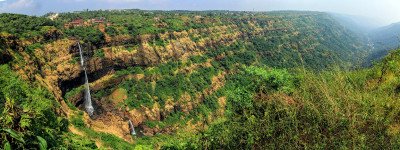
Lingmala Waterfall
Some quick example text to build on the card title and make up the bulk of the card's content.
Go somewhere
Lingmala Waterfalls
Some quick example text to build on the card title and make up the bulk of the card's content.
Go somewhere
Lodwick Point
Some quick example text to build on the card title and make up the bulk of the card's content.
Go somewherein Other Cities