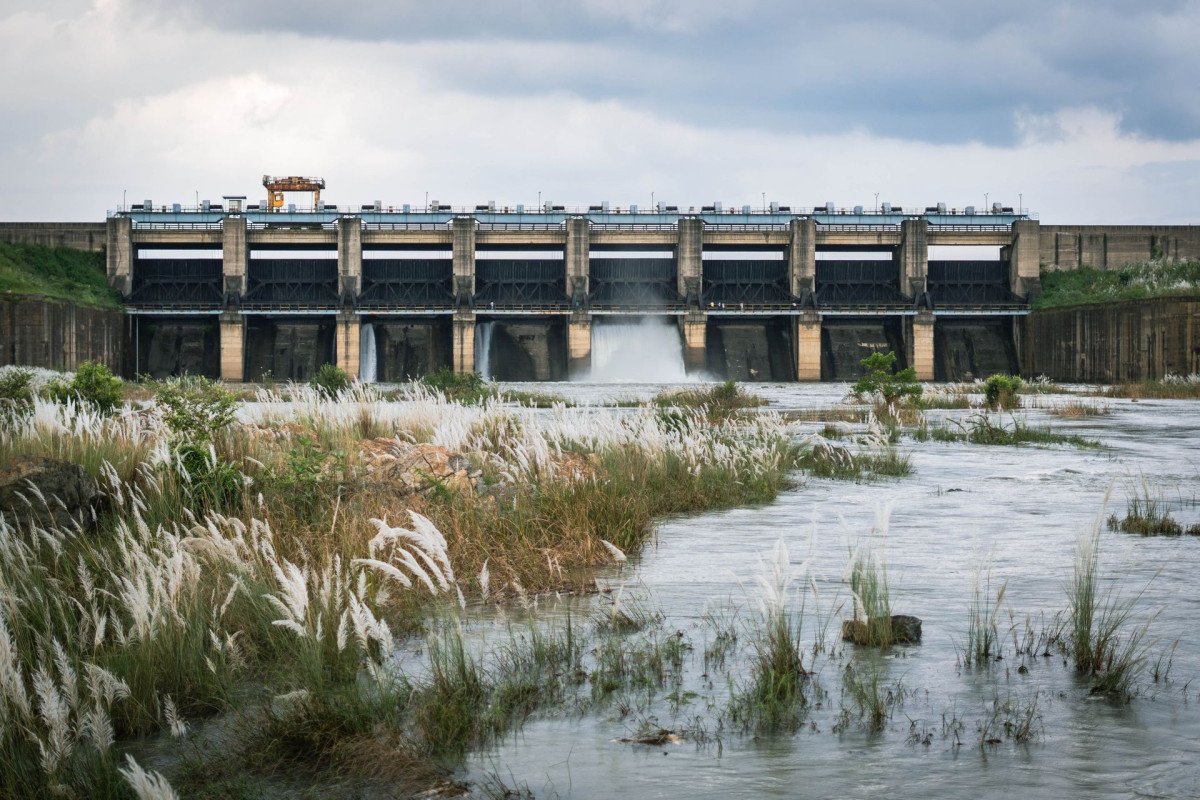
Madamsilli Dam
General information
-
Ideal Duration:
2 to 3 Hours:Place Type:
Dam/Historical Engineering MarvelEntry Fees:
No Entry Fee for Dam: As a public-utility historical structure, there is No Entry Fee for visiting the Madamsilli Dam or walking on its embankment. Access is generally free and open to the public.
Parking Charges: A very minor, locally mana...No Entry Fee for Dam: As a public-utility historical structure, there is No Entry Fee for visiting the Madamsilli Dam or walking on its embankment. Access is generally free and open to the public.
Parking Charges: A very minor, locally managed Parking Fee (around Rs.20 per car) might be collected by villagers or local authorities near the entrance area.
Guide/Local Aid Fee: Due to the remote location, hiring a reliable local Guide (especially if combining the trip with the surrounding forest areas) is advisable and might cost around Rs.300 to Rs.500 for the duration of the visit.
Incidental Costs: Any costs will be limited to personal food and beverage purchases, as there are no large, commercial restaurants immediately at the site, only small, local stalls.Timing:
Regular Timings: The dam area is accessible primarily during Daylight Hours from Sunrise (around 6:00 AM) to Sunset (around 6:00 PM). Access after dark is prohibited for security and safety reasons.
Ideal Visit Time: The post-monsoon months...Regular Timings: The dam area is accessible primarily during Daylight Hours from Sunrise (around 6:00 AM) to Sunset (around 6:00 PM). Access after dark is prohibited for security and safety reasons.
Ideal Visit Time: The post-monsoon months (October to December) are the Ideal Visit Time, as the weather is cool, and the water level is high, often triggering the operation of the siphon spillways for a spectacular view. The best time of day is the Mid-Morning (9:00 AM to 12:00 PM) for comfortable sightseeing and walking.
Avoidance Time: The peak of the dry summer (May and June) is the least visually appealing time, as the water level is low, and the daytime heat can be intense, making the visit uncomfortable.Special Events:
Siphon Opening Spectacle: The Special Event is the natural operation of the Siphon Spillways after heavy rainfall, typically during the peak monsoon season (August to September). This dramatic, automatic opening and water rush is a natural spectacle and the best time to app...Siphon Opening Spectacle: The Special Event is the natural operation of the Siphon Spillways after heavy rainfall, typically during the peak monsoon season (August to September). This dramatic, automatic opening and water rush is a natural spectacle and the best time to appreciate the dam's unique architecture.
Historical Anniversary: Local engineering and history groups sometimes organize small anniversary gatherings or memorial events around the dam's completion date (1923) to celebrate its historical importance as Asia's first siphon dam.
Local Fairs: The nearby villages may host local, traditional harvest fairs (mela) or religious gatherings that offer a cultural dimension to the visit if timed correctly.Best Photo Spots:
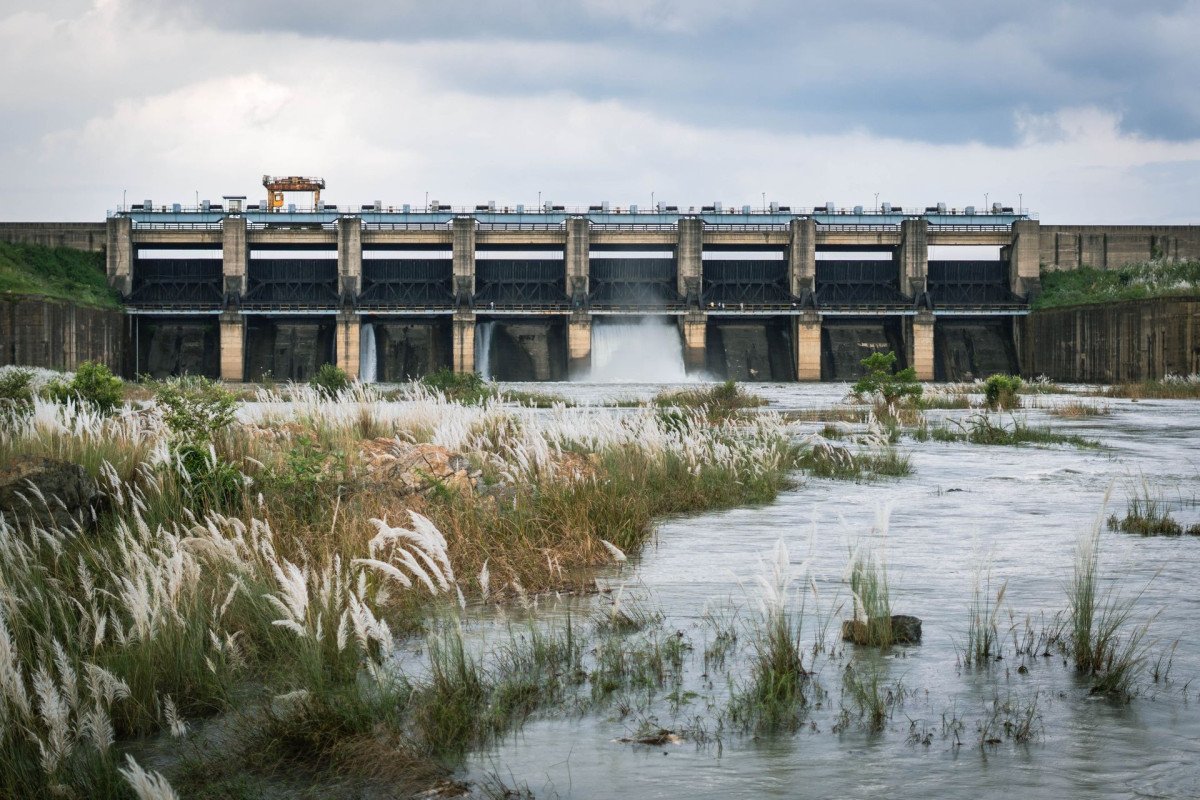
View of the Siphons: The best photo spot is a designated viewpoint that provides a full, clean perspective of the line of Siphon Spillways, capturing the repetitive architectural design and the sheer scale of the historical construction.
The Res...View of the Siphons: The best photo spot is a designated viewpoint that provides a full, clean perspective of the line of Siphon Spillways, capturing the repetitive architectural design and the sheer scale of the historical construction.
The Reservoir's Vastness: Capture the Panoramic View of the vast, tranquil reservoir, framed by the lush green hills. This is best achieved from the dam's crest, especially during sunset.
Water Discharge Action: If the siphons are discharging, the spot below the discharge point (from a safe distance) is perfect for capturing the raw power and spray of the Rushing Water, highlighting the drama of the engineering.
Historical Marker: Look for any original Plaques or Markers from the British construction era for close-up shots that record the dam's history and completion date.Photo Gallery
Things To Do
-
Observing the Siphon Spillways: The primary activity is walking along the dam embankment to Observe the Siphon Spillway System and appreciate the historical engineering marvel. Look for the inlet structure and the discharge channels.
Family Picnicking: The open areas and the calm environment near the water make it an ideal place for a peaceful Family Picnic. Spend time relaxing on the banks and enjoying the breeze coming off the water.
Photography of Engineering and Nature: Capture the beautiful contrast between the old, powerful British-era engineering (the spillway) and the surrounding natural landscape of the forest and the reservoir. This offers excellent subjects for historical and nature photography.
Leisurely Walks: Take a leisurely and reflective Walk ...Observing the Siphon Spillways: The primary activity is walking along the dam embankment to Observe the Siphon Spillway System and appreciate the historical engineering marvel. Look for the inlet structure and the discharge channels.
Family Picnicking: The open areas and the calm environment near the water make it an ideal place for a peaceful Family Picnic. Spend time relaxing on the banks and enjoying the breeze coming off the water.
Photography of Engineering and Nature: Capture the beautiful contrast between the old, powerful British-era engineering (the spillway) and the surrounding natural landscape of the forest and the reservoir. This offers excellent subjects for historical and nature photography.
Leisurely Walks: Take a leisurely and reflective Walk along the dam's crest or the developed shoreline. The absence of commercial noise makes it perfect for a peaceful contemplation of nature.
Visiting Nearby Attractions: Combine the trip with a visit to the nearby Sitanadi Wildlife Sanctuary or the Sondhur Dam to make it a full-day historical and nature excursion. The dam is a good starting point for exploring the wilderness of the Nagari region.
Local Sightseeing: Explore the nearest small settlements and Murumsilli Village to observe local life and potentially sample regional foods, providing a slice of authentic rural Chhattisgarh.
Enjoying the Water Discharge: If visiting in the late monsoon or post-monsoon period, spend time watching the automatic discharge of the siphons, which is a powerful and memorable sight.
Information
-
Why Famous:
Asia's First Siphon Dam: Its paramount fame comes from being the site of Asia's First Siphon Spillway Dam. This specific, automatic engineering feature attracts history buffs, engineers, and curious tourists interested in early 20th-century infrastructure.Asia's First Siphon Dam: Its paramount fame comes from being the site of Asia's First Siphon Spillway Dam. This specific, automatic engineering feature attracts history buffs, engineers, and curious tourists interested in early 20th-century infrastructure.
Historical Importance: The dam is famous for being a historical structure built between 1914 and 1923, linking the region to the British colonial era of large-scale public works and irrigation development.
Scenic Picnic Spot: Its beautiful, tranquil setting amidst the forests of the Nagari block makes it a famous, quieter alternative to the Gangrel Dam for family picnics, peaceful contemplation, and enjoying nature's serenity.
Post-Monsoon Spectacle: It is famous for the spectacular sight of the siphons operating after a heavy monsoon, creating a dramatic, powerful torrent of water as the reservoir automatically self-regulates its level. -
Architecture:
The Siphon Spillway System: The defining architectural feature is the innovative Siphon Spillway. These are curved concrete/masonry conduits built into the dam's structure. As the water level rises above the siphon's crest, it begins to flow, creating a vacuum that rapidly...The Siphon Spillway System: The defining architectural feature is the innovative Siphon Spillway. These are curved concrete/masonry conduits built into the dam's structure. As the water level rises above the siphon's crest, it begins to flow, creating a vacuum that rapidly siphons off large quantities of water. This automatic, non-mechanical system was a marvel of hydraulic engineering, making it the first of its kind in Asia at the time of its completion in 1923.
Construction Material and Style: The dam itself is an Earthen Embankment Dam reinforced with masonry/concrete for the spillway and sluice structures. The construction style reflects British colonial engineering, prioritizing robust, long-lasting masonry and concrete work for the functional parts. The overall style is purely utilitarian yet aesthetically grand due to its massive scale.
Estimated Dimensions: The dam has a considerable length and height. While exact length figures vary, it is a massive structure. The spillway system features a number of siphons (often 10-14 reported), each a complex, curved architectural unit designed for high-volume discharge. The overall Dimension speaks to the scale of early 20th-century irrigation projects in India. -
How To Reach:
By Air: The nearest major airport is Swami Vivekananda Airport, Raipur (RPR), approximately 135-145 KMS away. From the airport, hire a pre-paid taxi or private cab to Dhamtari and then a further private vehicle for the last 40 KMS to Murumsilli village.
Read MoreBy Air: The nearest major airport is Swami Vivekananda Airport, Raipur (RPR), approximately 135-145 KMS away. From the airport, hire a pre-paid taxi or private cab to Dhamtari and then a further private vehicle for the last 40 KMS to Murumsilli village.
By Train: The nearest major railway station is Raipur Junction (R), about 135 KMS away. From Raipur, the most convenient method is a private taxi to the dam site. Alternatively, local buses run from Dhamtari town towards the Nagari block, but a dedicated vehicle is best for a direct and timely visit.
By Road: Madamsilli Dam is located approximately 40 KMS from Dhamtari city center, deep within the Nagari block. It is well-connected by State and District roads, and the entire journey is motorable by car. Hire a private vehicle or a full-day taxi from Dhamtari. The road passes through scenic, forested areas.
By Local Transport: Public bus service from Dhamtari towards Nagari is available but infrequent and may drop you some distance from the dam, requiring a long walk or a short, expensive auto-rickshaw ride. A pre-hired private taxi is the most reliable option for the round trip.Weather and Best Time to Visit:
Historical Significance Time (All Year): This dam holds its unique significance throughout the year due to its architecture. For a historical focus, any time of the year works, but a clear day is best.
Siphon Function Time (August - November):<...Historical Significance Time (All Year): This dam holds its unique significance throughout the year due to its architecture. For a historical focus, any time of the year works, but a clear day is best.
Siphon Function Time (August - November): The Late Monsoon and immediate Post-Monsoon period is the most impressive time to witness the Siphon Spillway in action, as the reservoir reaches its maximum operating level.
Quiet Contemplation Time (Morning): The Early Morning hours (7:00 AM to 10:00 AM) in the winter are the most serene and peaceful time to walk on the embankment and appreciate the engineering without crowds.Near Tourist Places:
Sondhur Dam (15 Kms):
Sitanadi Wildlife Sanctuary (25 Kms):
Narhara Waterfall (25 Kms):
Mandagiri Hill (55 Kms): Gangrel Dam (Pandit Ravishankar Jalashay) (45 Kms):
Dudhawa Dam (110 Kms):
Pawai Rani Waterfall (30 Kms):
Rudri Dam (50 Kms):
Nagri Forest (35 Kms):
Shringi Rishi Ashram (Sihawa) (50 Kms):Tourism Tips
-
Health & Safety: Be cautious near the spillway channels and discharge points, especially if the siphons are operating, as the water can be extremely powerful. Wear comfortable walking shoes, as the terrain is not fully paved. Carry water, as commercial shops are few.
<...Health & Safety: Be cautious near the spillway channels and discharge points, especially if the siphons are operating, as the water can be extremely powerful. Wear comfortable walking shoes, as the terrain is not fully paved. Carry water, as commercial shops are few.
Packing Essentials: Bring a good camera for historical and nature photography. Carry a light jacket or shawl, especially in the winter mornings. If visiting during the monsoon, waterproof gear is essential. A pair of binoculars is good for birdwatching.
Accommodation: Accommodation is not available at the site. The trip must be planned as a day excursion from Dhamtari city or from the resorts at Gangrel Dam (which is about 45 Kms away).
Other Tips: Hire a taxi that will wait for you, as finding transport for the return journey from this remote location is difficult. Check local news for the dam's water level, as this determines whether the siphons are likely to operate. Combine with a visit to the nearby Sitanadi Sanctuary.
Reviews
FAQs
Dhamtari Itineray And Cost:-
Other Places In Dhamtari :-
Other States In India :-
Information about New and Updated Locations() of Chhattisgarh Has Been Added :-
Card subtitle
Note:-
Information provided here in good Faith and for reference only.
Near Places

Bilai Mata Mandir
Some quick example text to build on the card title and make up the bulk of the card's content.
Go somewhere
Bova Beach
Some quick example text to build on the card title and make up the bulk of the card's content.
Go somewhere
Dudhawa Dam
Some quick example text to build on the card title and make up the bulk of the card's content.
Go somewhere
Gahandar Waterfall
Some quick example text to build on the card title and make up the bulk of the card's content.
Go somewhere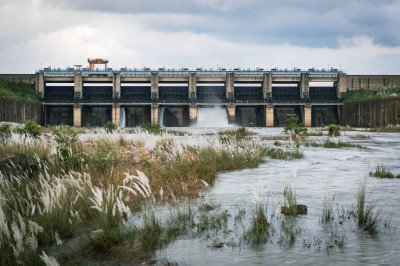
Gangrel Dam
Some quick example text to build on the card title and make up the bulk of the card's content.
Go somewhere
Madamsilli Dam
Some quick example text to build on the card title and make up the bulk of the card's content.
Go somewhere
Mandagiri Hill
Some quick example text to build on the card title and make up the bulk of the card's content.
Go somewhere
Mini Goa
Some quick example text to build on the card title and make up the bulk of the card's content.
Go somewhere
Narhara Waterfall
Some quick example text to build on the card title and make up the bulk of the card's content.
Go somewhere
Nature View Gangrel
Some quick example text to build on the card title and make up the bulk of the card's content.
Go somewhere
Rudri Dam / Rudreshwar Mahadev Temple
Some quick example text to build on the card title and make up the bulk of the card's content.
Go somewhere
Shanta Mata Ashram
Some quick example text to build on the card title and make up the bulk of the card's content.
Go somewhere
Sihawa
Some quick example text to build on the card title and make up the bulk of the card's content.
Go somewhere
Sitanadi Wildlife Sanctuary
Some quick example text to build on the card title and make up the bulk of the card's content.
Go somewhere
Sondhur Dam
Some quick example text to build on the card title and make up the bulk of the card's content.
Go somewherein Other Cities