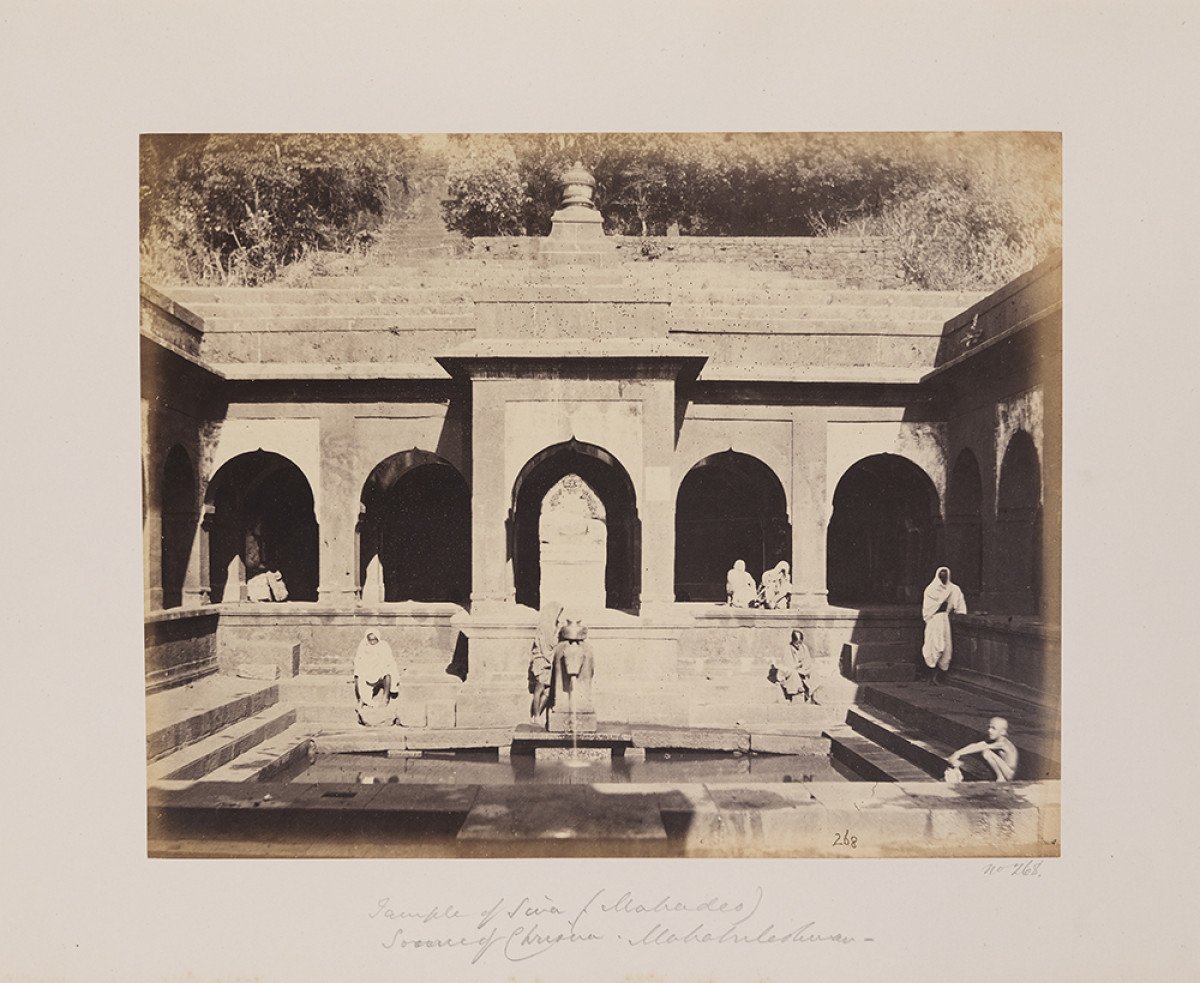
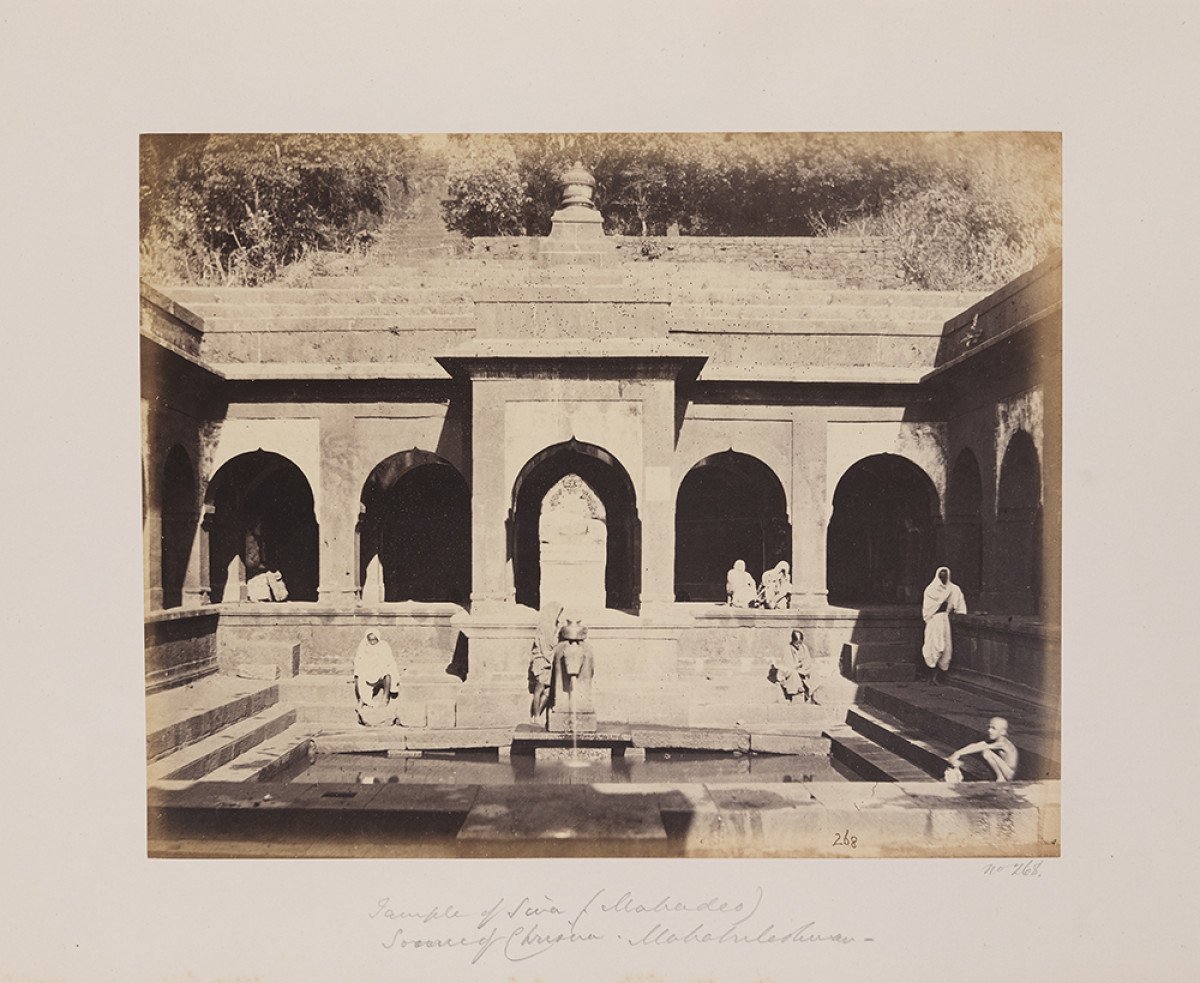
Mahabaleshwar Temple
General information
-
Ideal Duration:
1-2 Hours (For Darshan and Exploration)Place Type:
Religious Site, Ancient Temple, Historical LandmarEntry Fees:
Entry Fee:: There is No Entry Fee to visit the Mahabaleshwar Temple or the adjacent Panchganga Temple. Access to the spiritual and historical site is free for all visitors and pilgrims.
Donations:: While entry is free, voluntary donations a...Entry Fee:: There is No Entry Fee to visit the Mahabaleshwar Temple or the adjacent Panchganga Temple. Access to the spiritual and historical site is free for all visitors and pilgrims.
Donations:: While entry is free, voluntary donations are accepted for the upkeep and daily running of the temple. Donation boxes are usually available in the central hall.
Priest Services:: Fees are charged only if devotees request a special Puja (worship ritual) or Archana (offering) to be performed specifically in their name by the temple priests. The charges for these services vary based on the ritual's complexity.
Parking Fee:: A nominal parking fee (around INR 10 to INR 30) may be charged for the vehicle parking area in the village of Old Mahabaleshwar near the temple complex. This ensures that the core religious experience remains a cost-free opportunity for all.Timing:
Regular Temple Timings:: The Mahabaleshwar Temple is generally open from 6:00 AM to 8:30 PM, seven days a week. The temple opens early for morning Aarti and closes after the final evening Aarti and rituals.
Ideal Visit Time:Regular Temple Timings:: The Mahabaleshwar Temple is generally open from 6:00 AM to 8:30 PM, seven days a week. The temple opens early for morning Aarti and closes after the final evening Aarti and rituals.
Ideal Visit Time:
Early Morning:: The 'Ideal Visit Time' is early morning, between 6:00 AM and 8:00 AM. This time is quiet, allowing for peaceful Darshan and meditation, avoiding the crowds of tourist buses that arrive later in the day. The atmosphere is also most spiritual during the morning Puja.
Festival Timings:: During major festivals like Maha Shivaratri, the temple remains open much longer, often throughout the night, but crowds are extremely high.
Midday Rest:: It is advisable to avoid the temple between 1:00 PM and 4:00 PM, as the main shrine may have brief periods of closure for cleaning, and the local heat is at its peak.Special Events:
Maha Shivaratri Celebration:: The most significant event is the annual Maha Shivaratri festival, usually falling in February or March. The temple sees an immense influx of devotees, with special Pujas, Abhishekams, and Aartis performed throughout the day and night. The ent...Maha Shivaratri Celebration:: The most significant event is the annual Maha Shivaratri festival, usually falling in February or March. The temple sees an immense influx of devotees, with special Pujas, Abhishekams, and Aartis performed throughout the day and night. The entire complex is decorated with lights and flowers, and a festive atmosphere prevails.
Local Jatra (Fair) in Kartik:: During the auspicious month of Kartik (October/November), small local religious fairs (Jatra) are occasionally held near the complex, involving local village deities and traditional music, providing a deep dive into local religious customs.
Monthly Pradosh Vrat Celebrations:: Every month, the Pradosh Vrat (a day sacred to Lord Shiva) is observed with special evening prayers and rituals, drawing a smaller but devout crowd of local followers.Best Photo Spots:
The Sanctum Entrance:: The doorway to the Garbhagriha where the Atmalinga resides, framed by the dark stone walls and the subtle glow of oil lamps, is the most sacred and photogenic spot, capturing the essence of the temple's antiquity and spiritual focus (photography inside...The Sanctum Entrance:: The doorway to the Garbhagriha where the Atmalinga resides, framed by the dark stone walls and the subtle glow of oil lamps, is the most sacred and photogenic spot, capturing the essence of the temple's antiquity and spiritual focus (photography inside the sanctum may be restricted).
The Nandi Mandap:: The large stone statue of the Nandi bull, often draped with garlands and offerings, positioned facing the main deity, is an excellent spot for capturing a traditional temple scene. The focus on the faithful offering prayers is highly evocative.
The Tuladaan Platform:: The historical platform of Shivaji's ceremony is a key location for history-themed shots, emphasizing the blend of spiritual and national heritage.
The Temple Walls and Carvings:: The black stone walls, particularly during the early morning or late afternoon sun, reveal the intricate, albeit subtle, carvings of the Hemadanta architecture. Capturing these details can highlight the temple's age and artistry. (Approx. )Photo Gallery
Things To Do
-
Performing Darshan of the Atmalinga:: The core activity is visiting the Garbhagriha to perform Darshan (sacred viewing) of the Swayambhu Shiva Linga. Devotees offer prayers, flowers, and holy water to the deity. Be prepared for a queue, especially during major festivals.
Exploring the Panchganga Temple:: Visit the adjacent Panchganga Temple, which features the stone Gomukh (cow-face spout) from which the five rivers are believed to emerge. Pilgrims often take a small amount of the sacred water.
Historical Site Observation:: Spend time at the square stone platform that commemorates Shivaji's Tuladaan ceremony. Read the inscriptions (if available) or simply reflect on the historical importance of the spot.
Meditation and Quiet Contemplation:: The temple's seren...
Information
-
Why Famous:
The temple is famous for several unique and deeply spiritual reasons:
The Swayambhu Atmalinga:: Its paramount fame rests on the Swayambhu (self-originated) Shiva Linga (the Mahalingam), which is believed to be a naturally formed rock in the shape of a Rudraksha. It ...The temple is famous for several unique and deeply spiritual reasons:
The Swayambhu Atmalinga:: Its paramount fame rests on the Swayambhu (self-originated) Shiva Linga (the Mahalingam), which is believed to be a naturally formed rock in the shape of a Rudraksha. It is one of the only temples in the world to house such a linga, attracting devout followers of Lord Shiva.
Dakshina Kashi Designation:: It is revered as Dakshina Kashi (Kashi of the South), indicating its importance as a major pilgrimage center, often considered more sacred than the twelve Jyotirlingas by local tradition.
Connection to Chhatrapati Shivaji Maharaj:: The temple's association with the great Maratha King Chhatrapati Shivaji Maharaj, specifically the platform where he performed the Tuladaan ceremony, elevates its status from a purely religious site to a national historical monument.
Source of the Krishna River:: Being geographically part of the Panchganga Temple complex, it is indirectly linked to the spiritual belief that five holy rivers, including the mighty Krishna River, originate here, which is a major draw for pilgrims. -
Architecture:
Hemadanta Style and Black Stone Construction:: The temple follows the regional Hemadanta style of architecture, a form popular in Maharashtra and the Deccan region, characterized by unadorned exteriors, dark stone construction, and a compact, yet sturdy structure.Hemadanta Style and Black Stone Construction:: The temple follows the regional Hemadanta style of architecture, a form popular in Maharashtra and the Deccan region, characterized by unadorned exteriors, dark stone construction, and a compact, yet sturdy structure.
Dimension of the Complex: The temple is relatively small and intimate, surrounded by a low stone wall, approximately 5 feet high. It is divided into the Garbhagriha (sanctum sanctorum) and a Mandapa (central hall).
The Sanctum: The sanctum sanctorum, which houses the unique Swayambhu Shiva Linga (about 6 feet high and in the shape of a Rudraksha), is the focal point. It is a small, dark chamber designed to concentrate spiritual energy.
Sculptures and Carvings: The outer walls and pillars of the central hall feature subtle carvings of Hindu deities, particularly Lord Shiva, the sacred bull Nandi, and his bodyguard, Kaal Bhairava. The main Nandi statue is strategically placed facing the main shrine.
Historical Platform: A unique architectural element is the raised, square stone platform in the courtyard, which marks the spot of Shivaji's Tuladaan, adding immense historical dimension to the spiritual space. The overall architecture emphasizes piety and durability over excessive ornamentation. -
How To Reach:
By Air:: The nearest airport is Pune International Airport (PNQ), about 120 KMS away. From the airport, hire a pre-paid taxi or a self-drive car directly to Old Mahabaleshwar. The temple is approximately 6 KMS past the main Mahabaleshwar market.
Read More -
Near Tourist Places:
1. Panchganga Temple (0. 1 KMS) River Source; 2. Krishnabai Temple (0. 5 KMS) Source of Krishna River; 3. Arthur's Seat Point (7 KMS) Queen of Points; 4. Lodwick Point (5 KMS) Scenic Viewpoint; 5. Venna Lake (8 KMS) Boating Spot; 6. Wilson Point (10 KMS) Sunrise Point; 7. Babington Point (6 KMS) Quiet Viewpoint; 8. Pratapgarh Fort (18 KMS) Historical Fortress; 9. Kate's Point (13 KMS) Needle Hole View; 10. Mapro Garden (14 KMS) Strawberry Hub.
Tourism Tips
-
Health & Safety:
Dress Code and Respect:: Dress modestly as a sign of respect for the ancient religious site. Men should avoid shorts, and women should cover their shoulders and knees. Remove all footwear before entering the temple complex....
Reviews
Mahabaleshwar Itineray And Cost:-
Mahabaleshwar Temple Tourism:-
Information about New and Updated Locations() of Maharashtra Has Been Added :-
Card subtitle
Note:-
Information provided here in good Faith and for reference only.
All information and pictures will be updated soon, please keep visiting.
Near Places

Arthur's Seat
Some quick example text to build on the card title and make up the bulk of the card's content.
Go somewhere
Babington Point
Some quick example text to build on the card title and make up the bulk of the card's content.
Go somewhere
Bombay Point
Some quick example text to build on the card title and make up the bulk of the card's content.
Go somewhere
Chinaman's Falls
Some quick example text to build on the card title and make up the bulk of the card's content.
Go somewhere
Connaught Peak
Some quick example text to build on the card title and make up the bulk of the card's content.
Go somewhere
Dhobi Waterfall
Some quick example text to build on the card title and make up the bulk of the card's content.
Go somewhere
Echo Point
Some quick example text to build on the card title and make up the bulk of the card's content.
Go somewhere
Elephant's Head Point / Needle Hole Point
Some quick example text to build on the card title and make up the bulk of the card's content.
Go somewhere
Elphinstone Point
Some quick example text to build on the card title and make up the bulk of the card's content.
Go somewhere
Kate's Point
Some quick example text to build on the card title and make up the bulk of the card's content.
Go somewherein Other Cities