
Mahabat Maqbara
General information
-
Ideal Duration:
45 minutes to 1. 5 HoursPlace Type:
Historical Monument, Architectural Marvel, Tomb CoEntry Fees:
Entry Fee: Visiting the Mahabat Maqbara complex is generally Free.
Mausoleum Access: While the exterior and the compound are free and open, access to the interior of the main Mahabat Maqbara and the adjacent Bahauddinbhai Hasainbhai Maqbara ...Entry Fee: Visiting the Mahabat Maqbara complex is generally Free.
Mausoleum Access: While the exterior and the compound are free and open, access to the interior of the main Mahabat Maqbara and the adjacent Bahauddinbhai Hasainbhai Maqbara is often restricted or closed to the public to prevent damage to the delicate cenotaphs and carvings. Viewings are typically limited to the exterior and the entrance hall.
Photography Fee: There is No separate fee for still photography for personal use. A fee is only typically required for commercial, professional, or film shooting purposes.
Guided Tour Fees: Hiring a knowledgeable local guide is recommended to appreciate the intricate history and architectural details, and this is a separate, negotiable fee (typically Rs.Rs.200 to Rs.400).
Parking Fee: A nominal parking fee (Rs.Rs.20 to Rs.50) for cars or two-wheelers is applicable in the designated public parking areas near the monument, as it is located in a congested area.Timing:
Regular Timings:
Monument Hours: The monument is typically Open from 9:00 AM to 6:00 PM daily. Some sources suggest it is open 24 hours for viewing the exterior, but the compound gates are usually closed at dusk for security.Regular Timings:
Monument Hours: The monument is typically Open from 9:00 AM to 6:00 PM daily. Some sources suggest it is open 24 hours for viewing the exterior, but the compound gates are usually closed at dusk for security.
Interior Access: Access to the actual tomb chambers may be further restricted, often only open for a few hours in the morning. Always check locally upon arrival.
Ideal Visit Time: Early Morning (9:00 AM - 11:00 AM) The Ideal Time of Day. The sunlight is soft and excellent for photography, the temperature is moderate, and the compound is less crowded, allowing for a peaceful viewing of the delicate carvings. Late Afternoon (4:00 PM - 6:00 PM) This is another Ideal Time. The warm, golden light of the setting sun enhances the color and texture of the stone, creating stunning photographs and a pleasant, cool atmosphere for exploration.
Avoid Midday: The peak hours between 11:00 AM and 3:00 PM are extremely hot and should be avoided, as the compound offers very little shade.Special Events:
No Specific Special Events: The Mahabat Maqbara is a protected mausoleum and does not host any religious or cultural festivals within its walls. The atmosphere is generally one of quiet historical contemplation.
Nearby Integrated Events:No Specific Special Events: The Mahabat Maqbara is a protected mausoleum and does not host any religious or cultural festivals within its walls. The atmosphere is generally one of quiet historical contemplation.
Nearby Integrated Events:
Local Eid Celebrations: Being close to the Jama Masjid and in a populated city area, the immediate neighborhood may experience a lively atmosphere during the Islamic festivals of Eid al-Fitr and Eid al-Adha, with local markets and gatherings in the streets outside the complex.
Junagadh City Festivals: The Maqbara stands as a backdrop for the major city-wide religious and cultural festivals of Junagadh. Though not hosted here, the monument's illumination or mention often features during events like Navratri or the city's foundation day celebrations.Best Photo Spots:
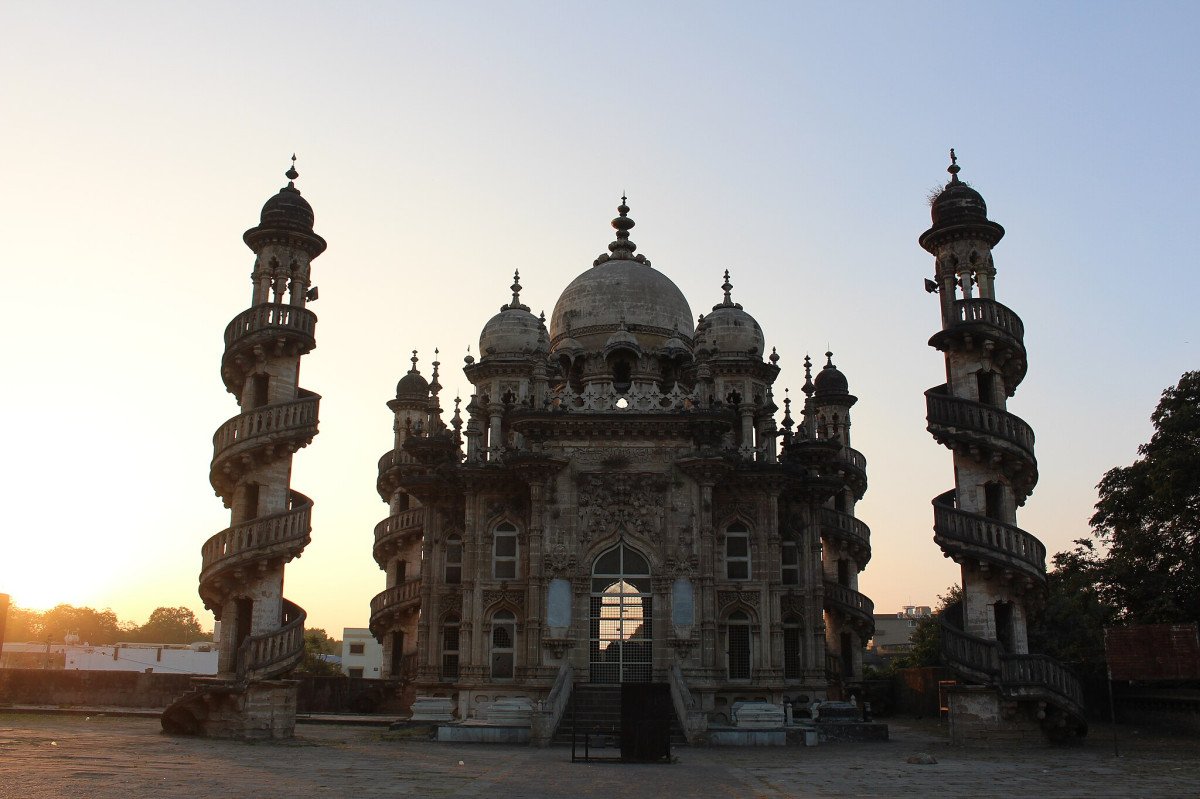
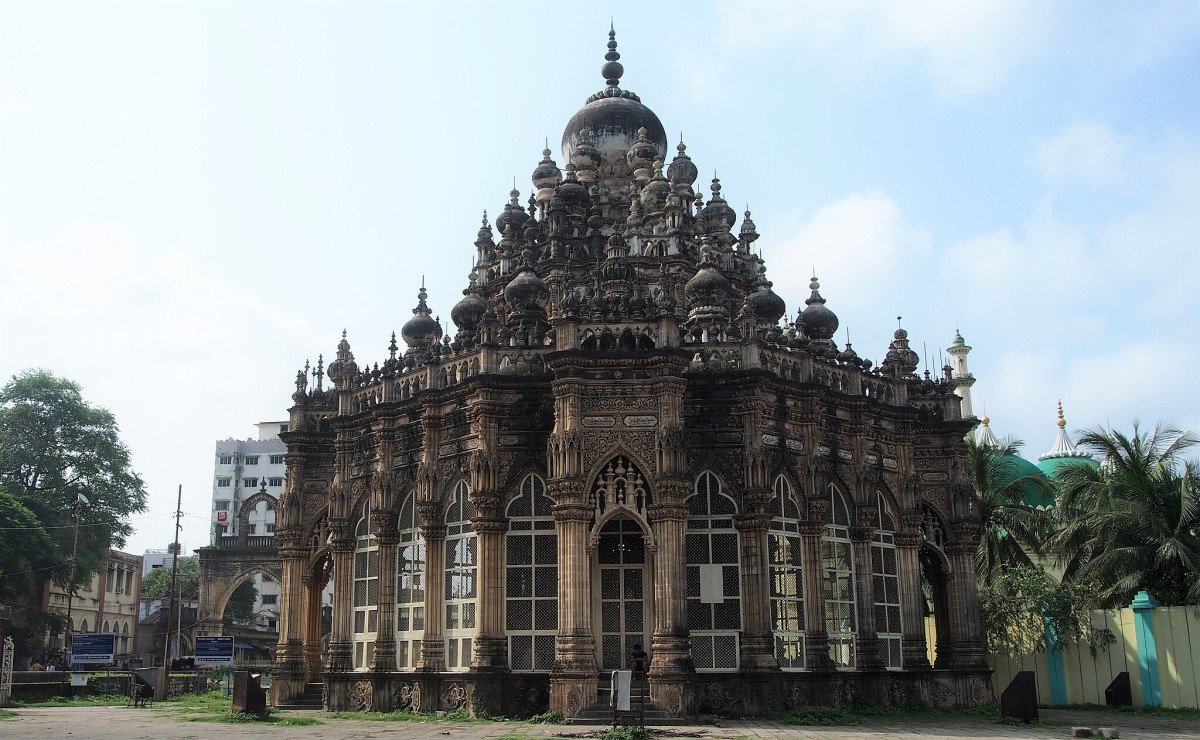
The Corkscrew Minarets from the Base: The best photo spot is standing directly at the base of the main structure, looking up at the spiral minarets to emphasize their height and unique architectural design, capturing the sense of the structure twisting into the sky.
...The Corkscrew Minarets from the Base: The best photo spot is standing directly at the base of the main structure, looking up at the spiral minarets to emphasize their height and unique architectural design, capturing the sense of the structure twisting into the sky.
The Interior Courtyard's Grandeur: The spacious inner courtyard offers a clean, uncluttered view of the entire structure, allowing photographers to capture the symmetry and the rich detailing of the main facade with a wide-angle perspective.
The Details of the Wazir's Tomb: The adjacent Bahauddinbhai Hasainbhai Maqbara provides exceptional close-up opportunities. Focus on the highly detailed floral and geometric jalis (stone screens), particularly when the light shines through them, creating beautiful patterns of light and shadow.
The Arched Gate and Frame: Capture the Maqbara framed by the arch of the main entrance gate. This technique adds depth and a sense of passage into a historical space, drawing the viewer's eye towards the central dome.
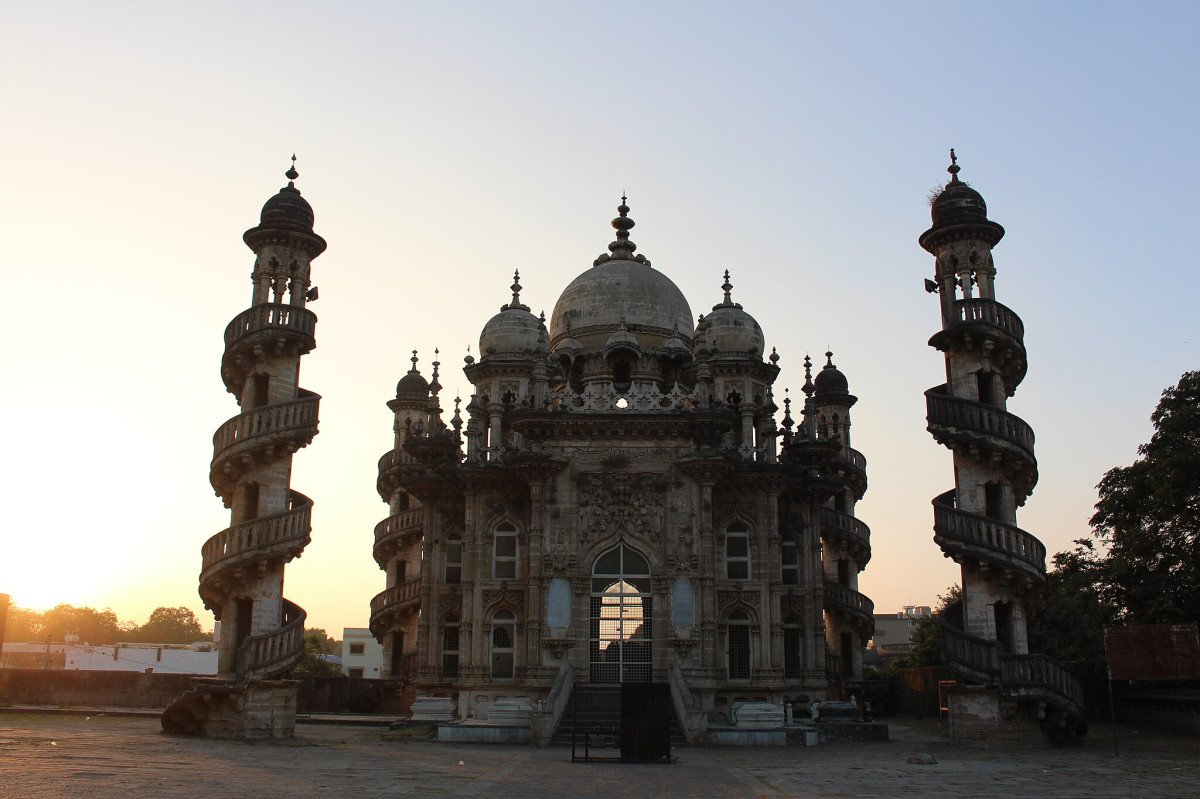
Sunset Color Palette: The Maqbara's yellowish-brown stone catches the warm hues of the setting sun beautifully, giving the building a golden glow and creating a dramatically shadowed silhouette.Photo Gallery
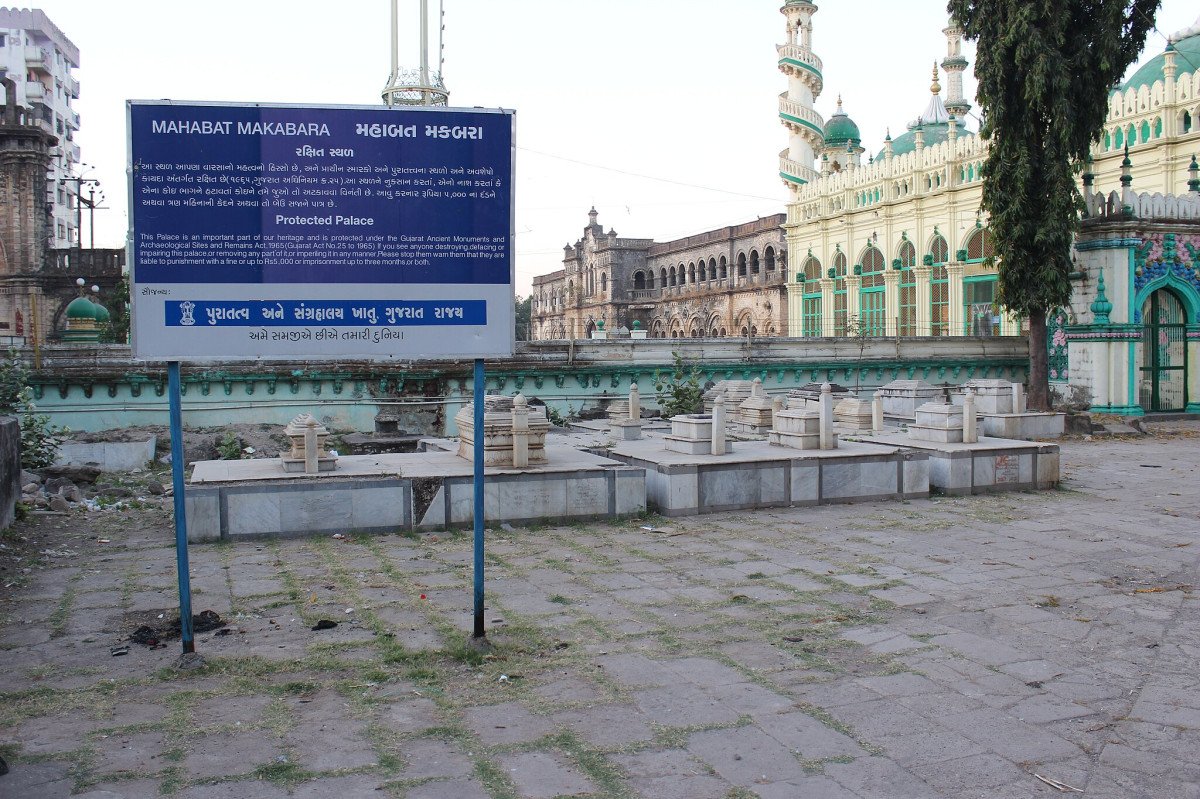
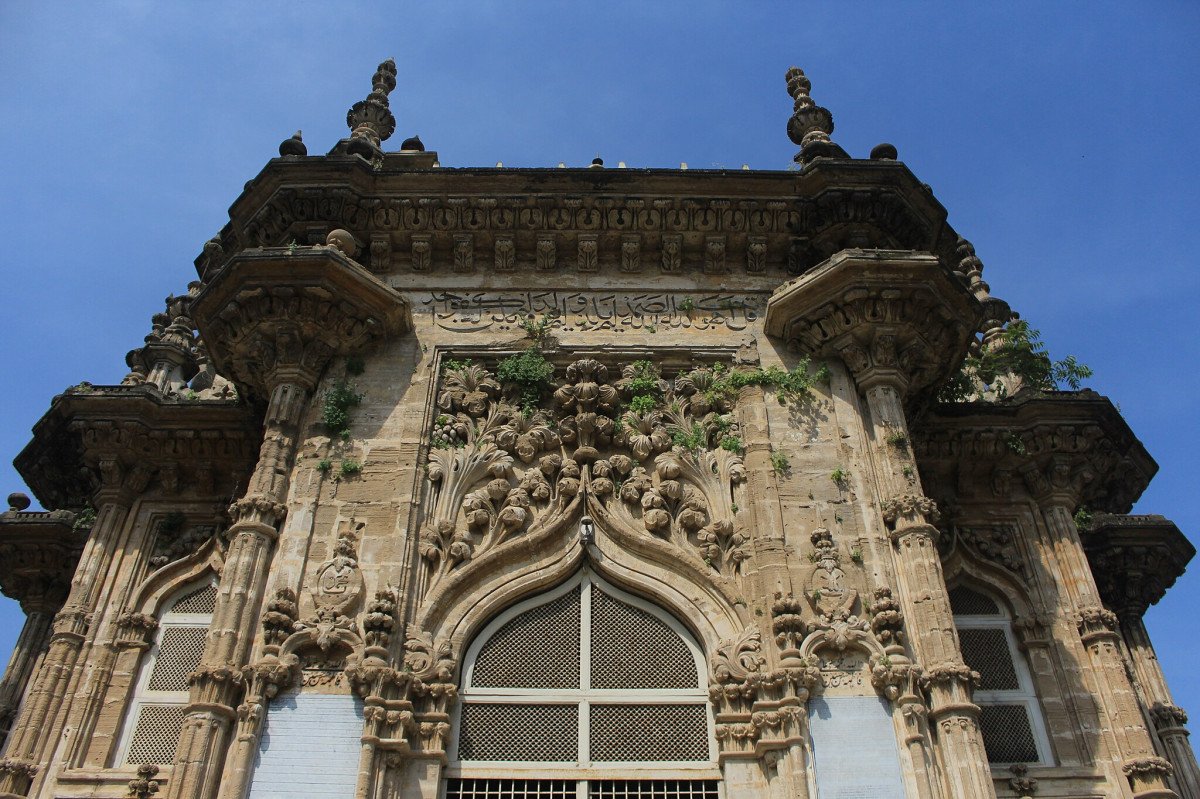
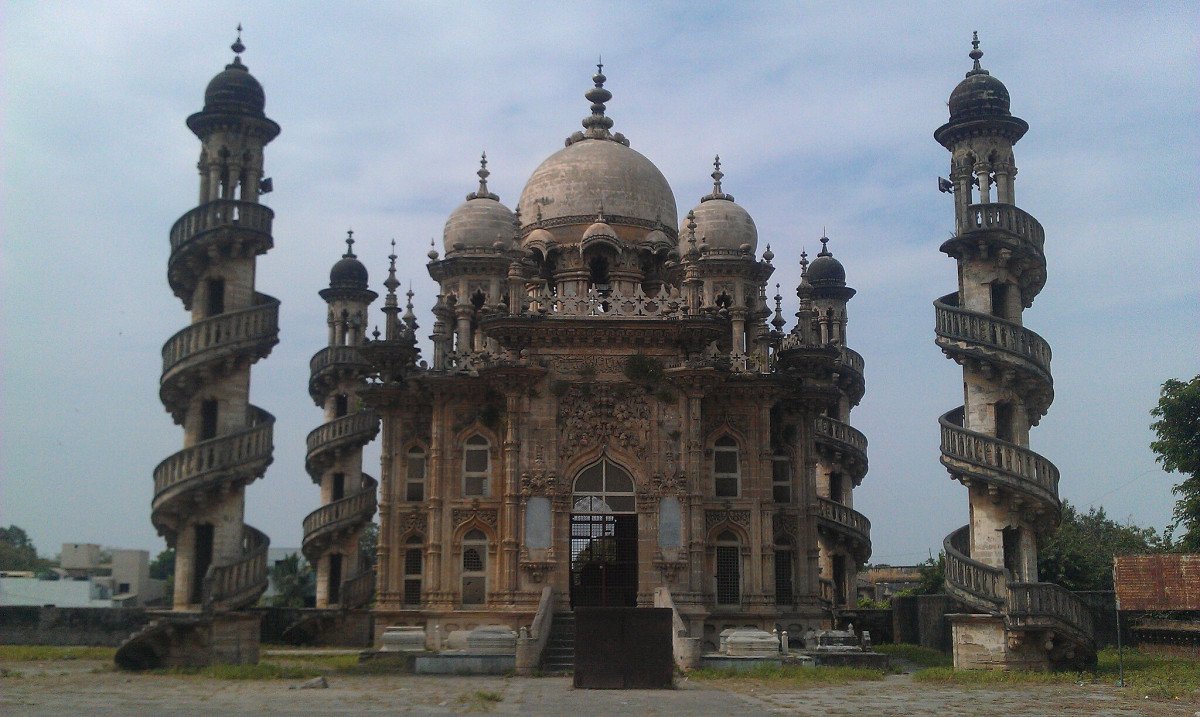
Things To Do
-
Admire the Indo-Gothic Architecture:
Focus on the Spiral Minarets: Walk around the perimeter to view the famous corkscrew staircases on the minarets from different angles, appreciating the optical illusion they create.
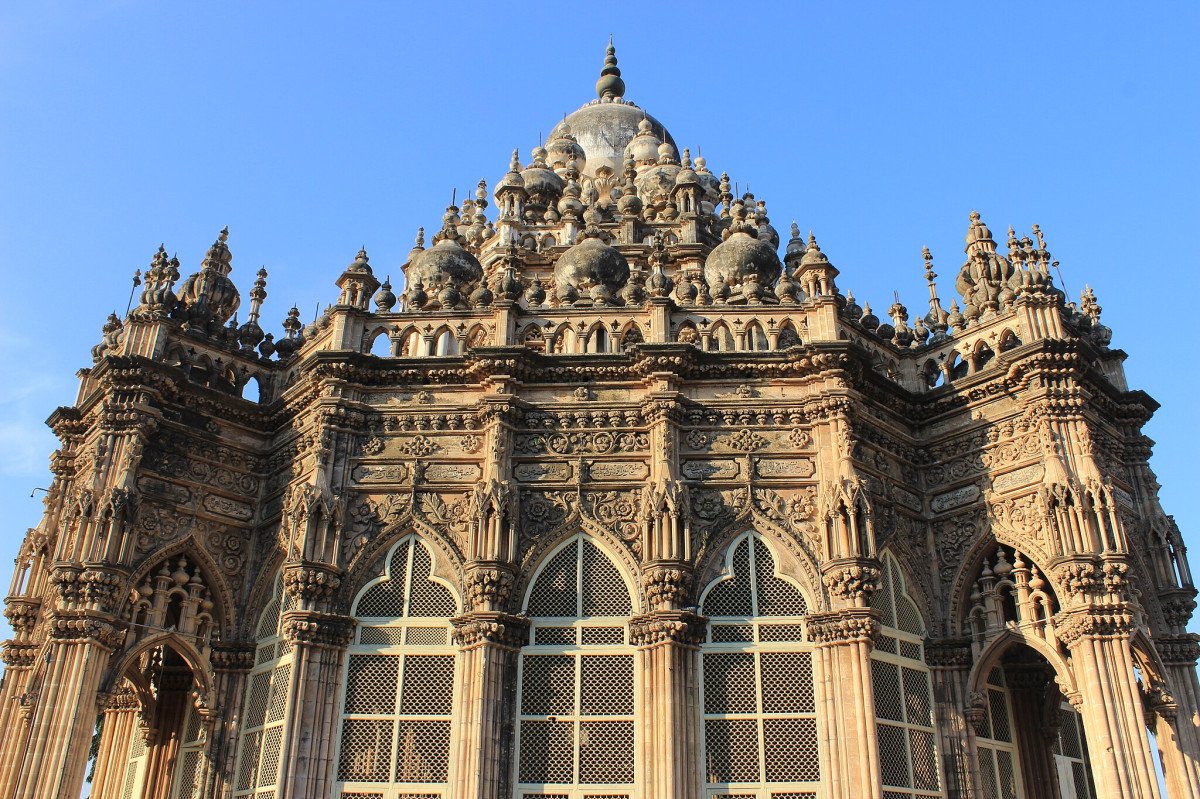
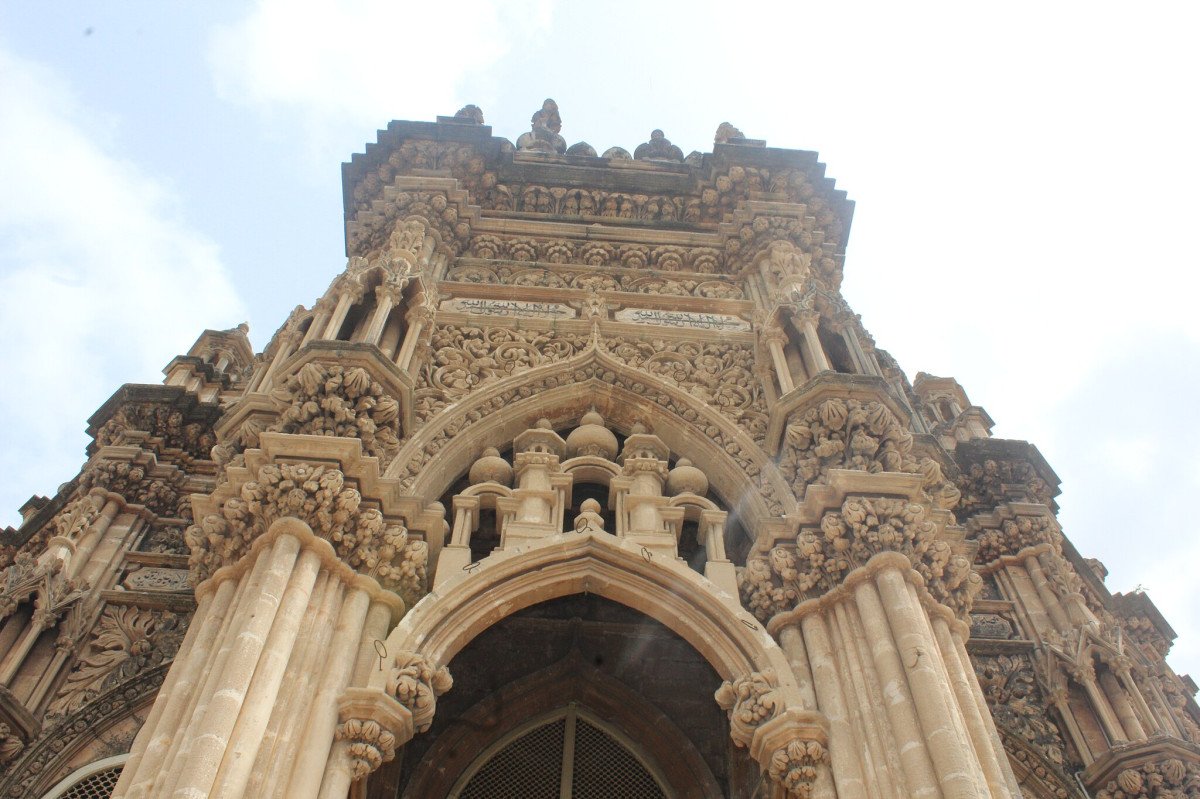
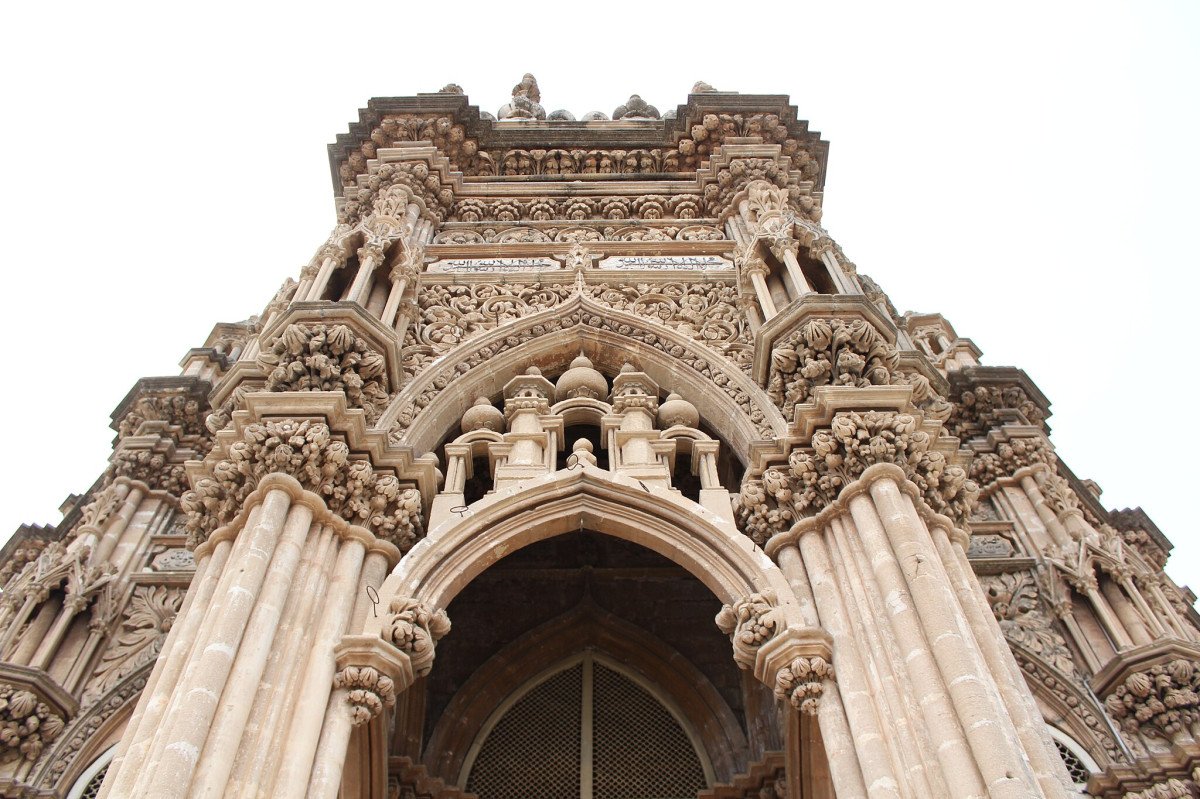
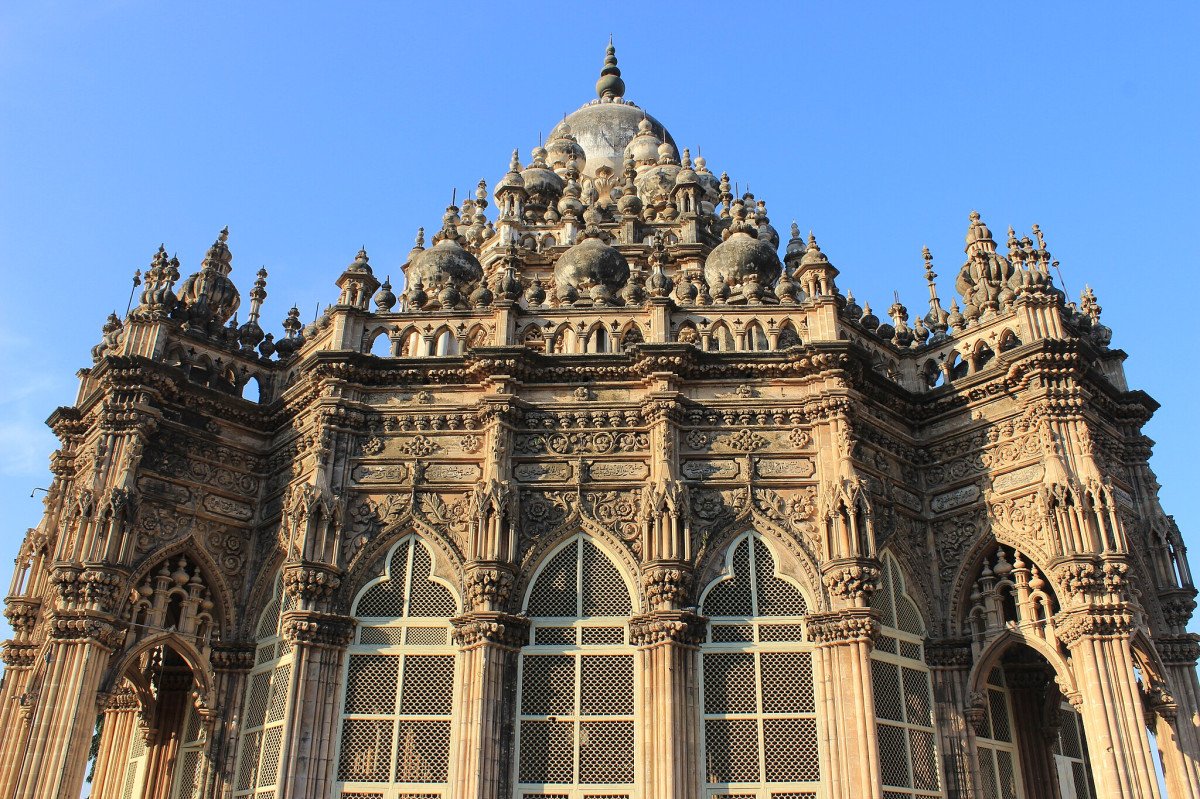
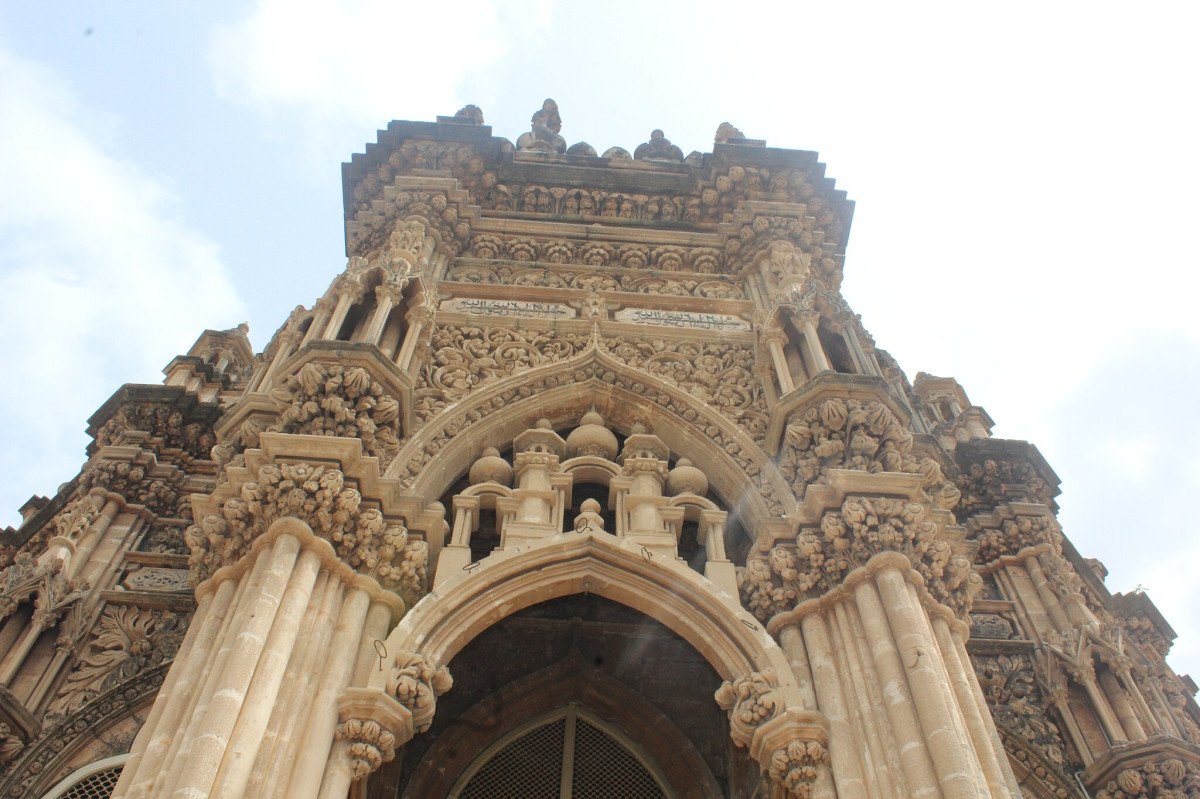
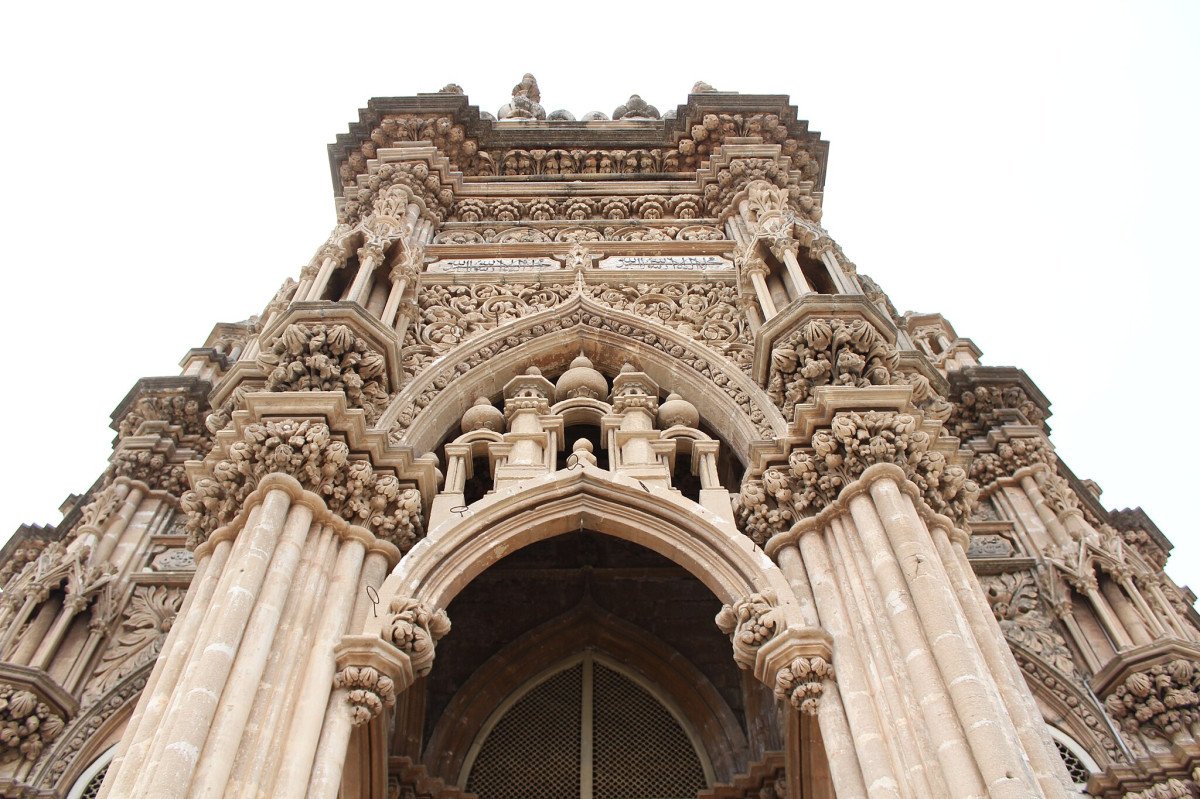
Study the Stone Carvings: Take a close look at the intricate jali work, the floral and geometric patterns, and the carvings on the arches and pillars, noting the delicate craftsmanship.
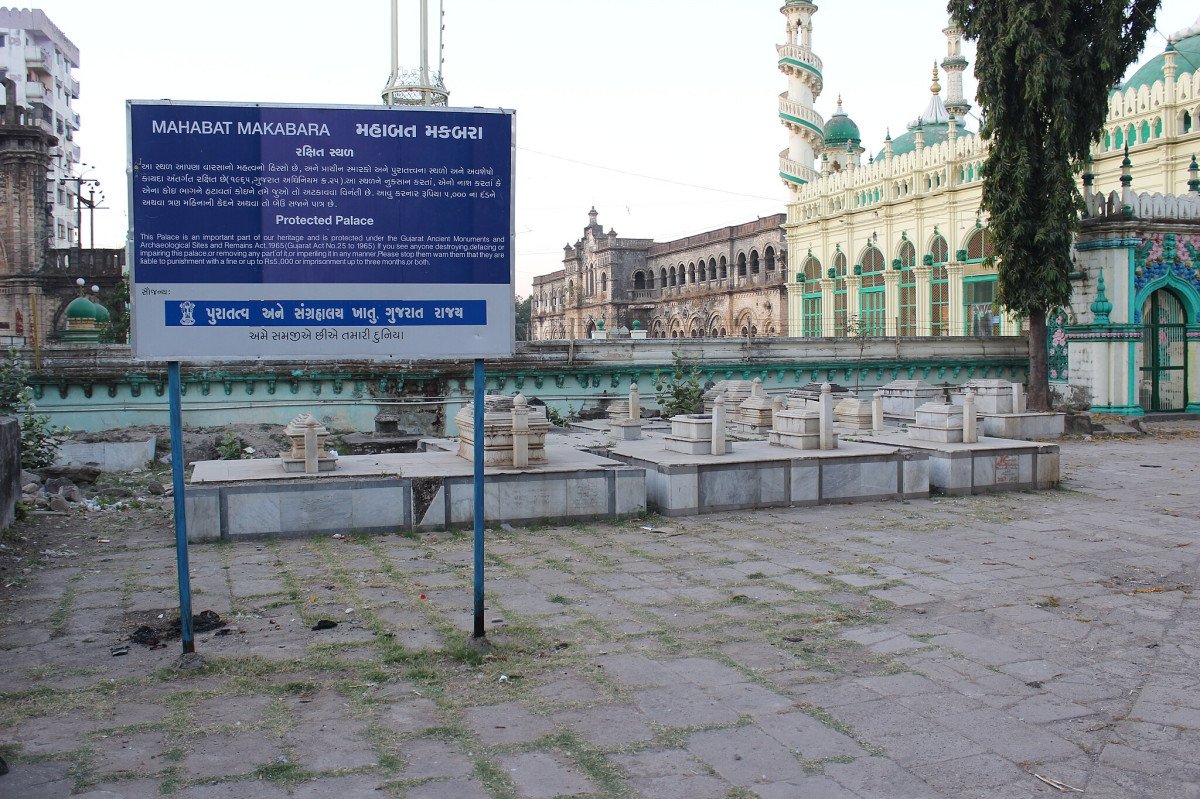
Compare the Two Mausoleums: Spend equal time studying the architecture of the Mahabat Maqbara and the adjacent, highly ornate Bahauddinbhai Hasainbhai Maqbara, noting the subtle differences in their decorative styles.
Photography: This is a photographer’s paradise.
Capture the Silhouette: Shoot the...
Information
-
Why Famous:
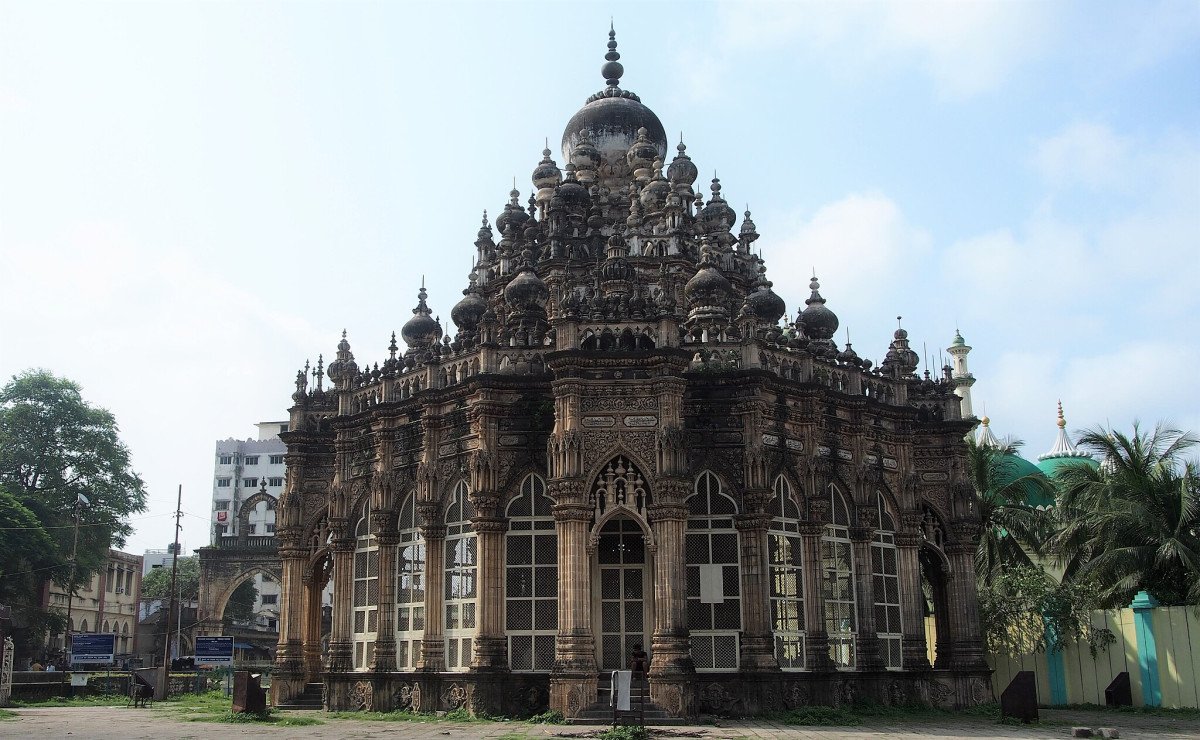
Its Unique Indo-Gothic Architecture: The Mahabat Maqbara is overwhelmingly famous for its spectacular and bizarre architectural style. The fusion of traditional Indo-Islamic domes and delicate carvings with the corkscrew minarets and Gothic-arched windows is virtually uniqu...Its Unique Indo-Gothic Architecture: The Mahabat Maqbara is overwhelmingly famous for its spectacular and bizarre architectural style. The fusion of traditional Indo-Islamic domes and delicate carvings with the corkscrew minarets and Gothic-arched windows is virtually unique in India, making it an essential subject for architectural historians and a famous spectacle for tourists.
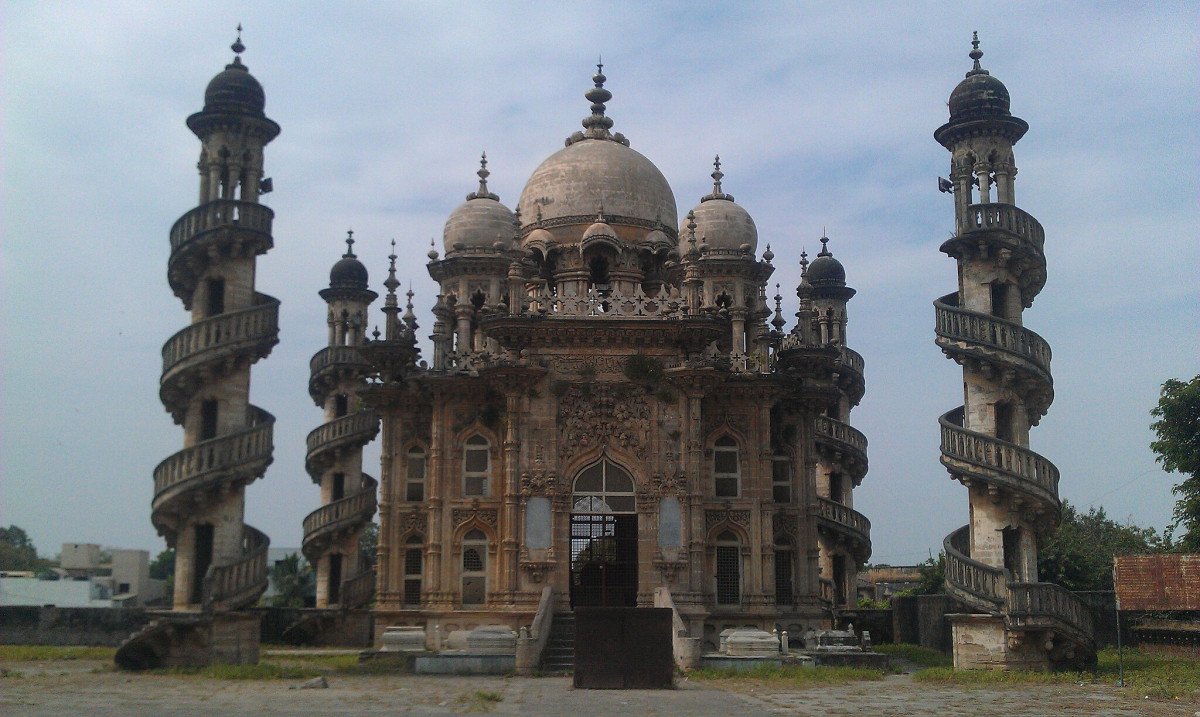
The Spiral Staircase Minarets: The four external, spiral staircases that wrap around the minarets are the most famous visual motif. They create an illusion of perpetual motion and are unlike any other structure in the subcontinent, drawing the eye and making the building a distinct landmark of Junagadh.
Association with the Nawabs of Junagadh: The Maqbara is the final resting place of the powerful Nawabs who ruled the region for centuries. Its opulence reflects the dynasty's final, grand display of wealth and patronage before the political changes of 1947, giving it significant historical fame as a symbol of the end of the princely state era.
Photographer's Delight: It is arguably the most photographed monument in Junagadh. Its intricate lace-like stone carvings, dramatic silhouette, and unusual design elements make it a favorite subject for travel photographers seeking an exotic, visually rich backdrop. The dramatic lighting at sunrise and sunset enhances its aesthetic appeal. -
Architecture:
Spiral Minarets: The most defining feature of the Mahabat Maqbara are its four striking minarets that spiral upwards. Each minaret has a winding staircase encased on the outside, creating a helical or corkscrew appearance, a feature borrowed from Gothic Revival architecture...Spiral Minarets: The most defining feature of the Mahabat Maqbara are its four striking minarets that spiral upwards. Each minaret has a winding staircase encased on the outside, creating a helical or corkscrew appearance, a feature borrowed from Gothic Revival architecture but applied to an Islamic structure.
Minaret Dimension: Each of the four minarets soars to a height of approximately 20-25 meters. The staircases are narrow and functional, designed to give the illusion of an external decorative band.
Indo-Islamic and European Elements: The mausoleum features intricate stone carvings and floral motifs that are hallmarks of Indo-Islamic and Mughal architecture. These carvings are juxtaposed with French-style arched windows, giving the building its exotic, hybrid look. The windows and traceries are highly detailed, reminiscent of European cathedral work.
The Dome and Interior: The main tomb chamber is covered by a central, onion-shaped Islamic Dome, which is fluted and sits on a drum, giving it a majestic profile.
Dome Dimension: The dome is roughly 10 meters in diameter and about 12 meters high from the base drum, dominating the skyline. The interior tomb chamber is simple, focusing on the cenotaph, allowing the exterior detailing to take center stage.
Adjacent Wazir's Tomb: The nearby Mausoleum of Bahauddinbhai Hasainbhai is equally, if not more, ornate. It features a spectacular facade, multiple small turrets, and intricate stone jalis (screens), showcasing a slightly different but equally opulent interpretation of the Indo-Gothic style. -
How To Reach:
By Air:
Nearest Airport: Rajkot Airport (RAJ) is Rs.103 KMS away. From there, take an intercity bus or taxi to Junagadh (2Rs.3 hours). Keshod Airport (IXK) at Rs.40 KMS is an alternative but with limited connectivity. -
Near Tourist Places:
Jama Masjid (Rs.0. 1 KMS) Located very close by. Darbar Hall Museum (Rs.1 KMS) Royal artifacts and court hall. Uparkot Fort (Rs.1. 5 KMS) Ancient fort complex. Narsinh Mehta Lake (Rs.2. 5 KMS) City lake and park. Ashoka's Rock Edicts (Rs.3. 5 KMS) Historical inscription. Sakkarbaug Zoo (Rs.5 KMS) Wildlife park. Girnar Hill (Taleti) (Rs.7 KMS) Pilgrimage base. Willingdon Dam (Rs.8 KMS) Scenic reservoir. Shri Swaminarayan Temple (Rs.2 KMS) Modern temple complex. Junagadh Junction Railway Station (Rs.2 KMS) Main transport hub.
Tourism Tips
-
Health & Safety:
Congestion Alert: The Maqbara is in a busy, congested area. Be mindful of traffic and noise outside the compound.
Footwear: Wear comfortable shoes, as the compound and surrounding areas invo...
Reviews
Information about New and Updated Locations(862+) of Gujarat Has Been Added :-
Card subtitle
Bhujia FortBhujodi Handicraft VillageChhatardi Great Rann of KutchHiralaxmi Memorial Craft ParkKalo Dungar Lakhpat FortMandvi BeachMata No Madh TempleNarayan Sarovar Wildlife SanctuaryNirona VillageVande Mataram MemorialVijay Vilas PalaceKuber Bhandari TempleMaharaja Fateh Singh MuseumMaharaja Sayajirao University Makarpura PalaceMandvi GateMore PlacesNote:-
Information provided here in good Faith and for reference only.
All information and pictures will be updated soon, please keep visiting.
Near Places

Ayurvedic College and Hospital
Some quick example text to build on the card title and make up the bulk of the card's content.
Go somewhere
Bhavnath Mahadev Temple
Some quick example text to build on the card title and make up the bulk of the card's content.
Go somewhere
Buddhist Caves
Some quick example text to build on the card title and make up the bulk of the card's content.
Go somewhere
Darbar Hall Museum
Some quick example text to build on the card title and make up the bulk of the card's content.
Go somewhere
Dataar Hills (Datar Tekri)
Some quick example text to build on the card title and make up the bulk of the card's content.
Go somewhere
Dattatreya Temple
Some quick example text to build on the card title and make up the bulk of the card's content.
Go somewhere
Durbar Hall Museum (Junagadh Museum)
Some quick example text to build on the card title and make up the bulk of the card's content.
Go somewhere
Gayatri Temple (Gayatri Mandir)
Some quick example text to build on the card title and make up the bulk of the card's content.
Go somewhere
Girnar Hill
Some quick example text to build on the card title and make up the bulk of the card's content.
Go somewhere
Girnar Hills
Some quick example text to build on the card title and make up the bulk of the card's content.
Go somewherein Other Cities