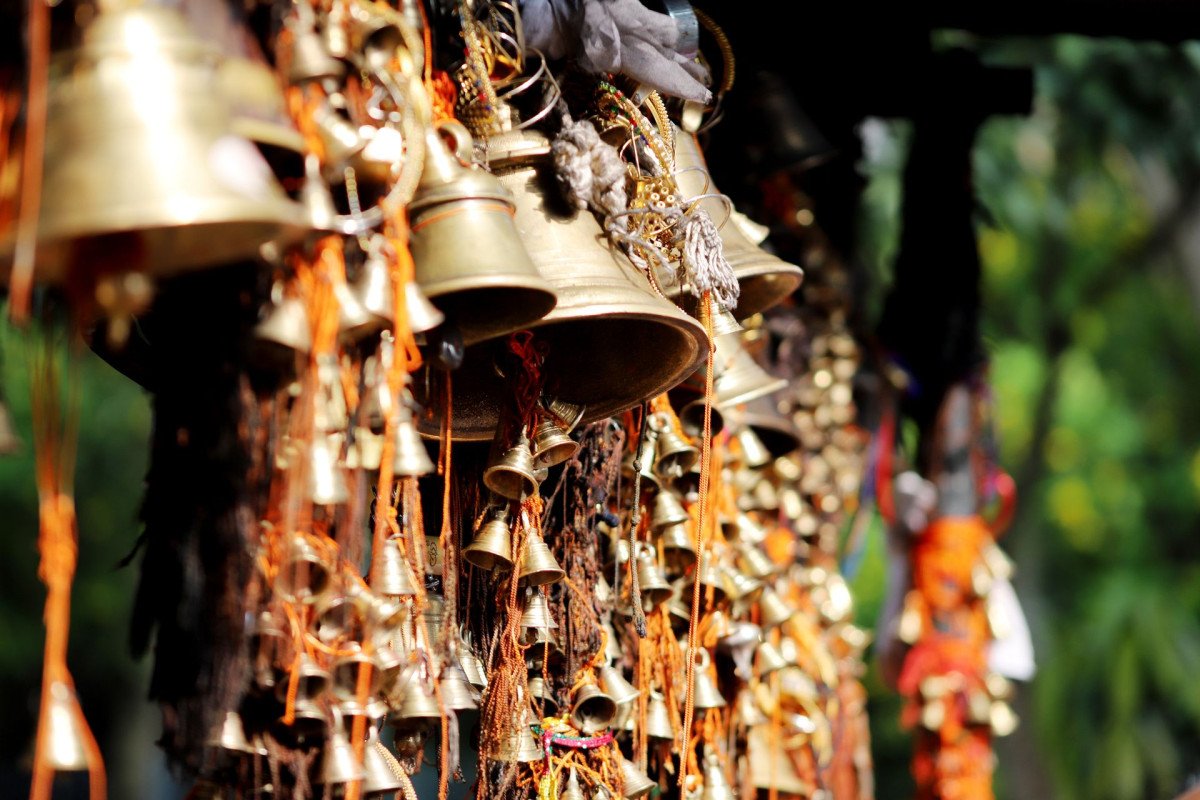
Mahamaya Temple
General information
-
Ideal Duration:
2-3 HoursPlace Type:
Historic Temple / Shakti PeethaEntry Fees:
Donation-Based System: The primary source of revenue is voluntary offerings and donations from devotees rather than a fixed entry fee for the main temple premises, adhering to traditional temple customs.
Jyotikalash Booking: Devotees must pa...Donation-Based System: The primary source of revenue is voluntary offerings and donations from devotees rather than a fixed entry fee for the main temple premises, adhering to traditional temple customs.
Jyotikalash Booking: Devotees must pay a fee to register and maintain a Jyotikalasha (Akhand Jyoti) during Navaratri, with charges varying based on the size or duration of the lamp (e. g. , standard, medium, large), serving as a significant form of contribution to the temple trust.
Trust Contributions: The Sidh Shakti Peeth Shri Mahamaya Devi Mandir Trust collects funds for social work and temple maintenance through designated counter donations, often in the form of receipts for tax-exempt contributions.
Photography/Videography Fees: While mobile photography is generally allowed in the complex, professional cameras or video cameras for commercial purposes may require prior permission and a specific fee from the trust office.Timing:
Regular Darshan Timings: Generally open from 06:00 AM to 08:00 PM every day, but timings can change based on seasons and special Puja schedules.
Ideal Visit Time (Early Morning/Evening): The best time for a peaceful visit is early in the mor...Regular Darshan Timings: Generally open from 06:00 AM to 08:00 PM every day, but timings can change based on seasons and special Puja schedules.
Ideal Visit Time (Early Morning/Evening): The best time for a peaceful visit is early in the morning (around 07:00 AM to 09:00 AM) or late evening (around 05:00 PM to 07:00 PM) to avoid the mid-day heat and large crowds.
Navaratri Extended Hours: During the major Navaratri festivals (twice a year), the temple operates with extended hours, often starting earlier and closing much later to accommodate the huge rush of pilgrims lighting the Akhand Jyoti.
Mid-Day Closing (Check): On certain days, or during the off-season, the main sanctum might close for a few hours in the afternoon (e. g. , 01:00 PM to 04:00 PM) for offering rituals, so it is advisable to check before a visit.Special Events:
Sharad and Chaitra Navaratri Grandeur: The most significant events are the nine-day long Sharad Navaratri (September-October) and Chaitra Navaratri (March-April), which see a massive influx of devotees. The ritual of lighting the Akhand Manookaamna Navratra Jyoti Kalashas (...Sharad and Chaitra Navaratri Grandeur: The most significant events are the nine-day long Sharad Navaratri (September-October) and Chaitra Navaratri (March-April), which see a massive influx of devotees. The ritual of lighting the Akhand Manookaamna Navratra Jyoti Kalashas (eternal wish-fulfilling lamps) is the central attraction, symbolizing the continuous appeasement of the Mother Goddess.
Maha Shivaratri Celebrations: As the complex has a Shiva temple, Maha Shivaratri is also celebrated with fervor, involving special pujas and night-long vigil (Jagaran).
Diwali and Dussera Festivities: The temple complex is beautifully illuminated during Diwali, and the end of Navaratri is marked by grand Dussera celebrations, often involving local processions and cultural programs.Best Photo Spots:
Nagara Shikhara Viewpoint: The best location for capturing the temple's iconic Nagara-style tower (shikhara) is from the edge of the adjacent water tank, allowing for a full reflection shot, particularly beautiful during sunrise or sunset.
Intri...Nagara Shikhara Viewpoint: The best location for capturing the temple's iconic Nagara-style tower (shikhara) is from the edge of the adjacent water tank, allowing for a full reflection shot, particularly beautiful during sunrise or sunset.
Intricate Carving Close-ups: Focus on the richly detailed carvings and stone motifs on the exterior walls and pillars of the mandapa, as well as the older Kantideval temple, to highlight the craftsmanship of the Kalchuri era artisans.
Jyotikalash Hall (during Navaratri): Inside the complex, the hall where the thousands of Jyotikalashas are lit during the Navaratri festival provides a spectacular, ethereal photo opportunity, though photography rules inside the main shrine must be followed respectfully.
The Maratha Courtyard: The fortified outer courtyard, built during the Maratha period, offers excellent framing opportunities, contrasting the newer fortifications with the ancient temple structure within.Photo Gallery
Things To Do
-
Mahamaya Devi Darshan: The core activity is seeking blessings from the primary deities, Maha Lakshmi and Maha Saraswati, in the main sanctum. Puja and Archana rituals are performed throughout the day by priests.
Historical Exploration: Visitors should allocate time to explore the entire temple complex, including the old courtyard, the Kantideval temple, and the adjacent temples dedicated to Shiva and Hanuman, and visit the nearby Ratanpur Fort ruins.
Jyotikalash Experience: During Navaratri, witnessing the mesmerizing illumination of the thousands of continuously burning Jyotikalashas is a unique spiritual and visual experience for devotees and general tourists alike.
Serene Tank View: Spend time by the huge water tank adjacent to the temple to enjoy the reflect...Mahamaya Devi Darshan: The core activity is seeking blessings from the primary deities, Maha Lakshmi and Maha Saraswati, in the main sanctum. Puja and Archana rituals are performed throughout the day by priests.
Historical Exploration: Visitors should allocate time to explore the entire temple complex, including the old courtyard, the Kantideval temple, and the adjacent temples dedicated to Shiva and Hanuman, and visit the nearby Ratanpur Fort ruins.
Jyotikalash Experience: During Navaratri, witnessing the mesmerizing illumination of the thousands of continuously burning Jyotikalashas is a unique spiritual and visual experience for devotees and general tourists alike.
Serene Tank View: Spend time by the huge water tank adjacent to the temple to enjoy the reflection of the ancient structure, offering a calm and meditative atmosphere, which is also a popular spot for morning and evening walks.
Photography of Nagara Architecture: Capture the distinct Nagara style of the temple, focusing on the intricate carvings on the pillars, the fortified walls, and the overall symmetry of the 12th-century structure.
Shopping for Souvenirs: Local vendors near the temple entrance sell religious items, local handicrafts, and souvenirs related to Goddess Mahamaya, providing a chance to support the local economy.
Local Cuisine: Try the local street food and traditional Chhattisgarh cuisine available at the eateries around the temple complex, especially the simple and authentic fare popular among pilgrims.
Information
-
Why Famous:
Spiritual Powerhouse: It is famous as a recognized Shakti Peetha, a powerful center of divine feminine energy, which draws pilgrims from across India. The belief that Goddess Mahamaya grants wishes is a primary reason for its popularity, especially among followers of Shakti...Spiritual Powerhouse: It is famous as a recognized Shakti Peetha, a powerful center of divine feminine energy, which draws pilgrims from across India. The belief that Goddess Mahamaya grants wishes is a primary reason for its popularity, especially among followers of Shakti and Lord Shiva.
Historical Capital: The temple is located in Ratanpur, which was the glorious capital of the Kalchuri dynasty for centuries, making it an essential historical and archaeological site alongside its religious significance.
Annual Navaratri Festival: The temple is especially renowned for the grand nine-day Navaratri festival, during which thousands of Jyotikalashas (eternal lamps) are lit by devotees, creating a spectacular and spiritually charged atmosphere. -
Architecture:
Architectural Style and Influence: The temple is primarily built in the Nagara style of Hindu temple architecture, characterized by a beehive-shaped tower (shikhara) over the sanctum, and is one of the earliest examples of this style in the region. The main temple is fortif...Architectural Style and Influence: The temple is primarily built in the Nagara style of Hindu temple architecture, characterized by a beehive-shaped tower (shikhara) over the sanctum, and is one of the earliest examples of this style in the region. The main temple is fortified by an 18-inch thick boundary wall and is supported by sixteen stone columns.
Key Architectural Elements: The complex features an ancient courtyard built during the Maratha era, which surrounds the sanctum and the mandapa (pillared hall). Within the campus, the Kantideval temple, built in 1039 CE, is considered the oldest structure. The temple faces north and is situated beside a massive water tank, adding to its spiritual and aesthetic appeal. The use of motifs and statues from older, ruined temples, some possibly Jain remnants, showcases a blend of regional architectural history. -
How To Reach:
By Air: The nearest convenient airport is Bilasa Devi Kevat Airport, Bilaspur (38 KMS away), but it has limited connectivity. The closest major airport is Swami Vivekananda Airport in Raipur (RPR, approx. 130-141 KMS), which is well-connected to major Indian cities like De...By Air: The nearest convenient airport is Bilasa Devi Kevat Airport, Bilaspur (38 KMS away), but it has limited connectivity. The closest major airport is Swami Vivekananda Airport in Raipur (RPR, approx. 130-141 KMS), which is well-connected to major Indian cities like Delhi, Mumbai, and Kolkata. From Raipur, hire a taxi or take a state transport bus to Bilaspur and then to Ratanpur.
By Train: Bilaspur Junction (BSP) railway station (30 KMS away) is a Zonal Headquarter of Indian Railways and is excellently connected to almost all major cities across India (Mumbai-Howrah mainline). From the station, one can easily hire a direct taxi or take a local bus to Ratanpur.
By Road: Mahamaya Temple is situated right on the Bilaspur-Ambikapur State Highway (NH-130). There are frequent public and private buses running from Bilaspur city bus stand to Ratanpur bus stand (1 KM away from the temple). The road journey is smooth, and driving a personal or hired car/taxi is the most comfortable option.
By Local Transport: From Bilaspur, taxis, auto-rickshaws, and shared minivans are readily available from the bus stand or railway station to take you directly to Ratanpur. Taxis can usually take you inside the temple complex. -
Weather and Best Time to Visit:
Winter (October to March): This is the absolute best time, with cool and pleasant weather (10°C to 25°C) ideal for sightseeing and comfortable temple visits. The major Sharad Navaratri festival often falls within this period, enhancing the spiritual experience.Winter (October to March): This is the absolute best time, with cool and pleasant weather (10°C to 25°C) ideal for sightseeing and comfortable temple visits. The major Sharad Navaratri festival often falls within this period, enhancing the spiritual experience.
Monsoon (July to September): The moderate rainfall makes the surrounding landscape lush and beautiful, but occasional heavy showers can disrupt travel plans. This is a good time for a tranquil visit if you don't mind the rain.
Summer (April to June): The hot and dry weather (up to 45°C) is generally avoided. If visiting, restrict the trip to the early morning (before 10:00 AM) or late evening (after 05:00 PM) to avoid extreme heat.
Ideal Time of Day: Early morning or late afternoon are perfect to avoid crowds and the scorching sun. The temple environment is particularly serene during these hours. -
Near Tourist Places:
Ratanpur Fort (Adjacent to temple), Khutaghat Dam (10 KMS), Kanan Pendari Zoo Park (35 KMS), Ratanpur Old Fort (2 KMS), Deorani-Jethani Temple at Tala (60 KMS), Malhar (40 KMS), Ramtekri Temple (30 KMS), Lakhnidevi Temple (3 KMS), Kadeideol Shiva Temple (5 KMS), Achanakmar Wildlife Sanctuary (90 KMS).
Tourism Tips
-
Health & Safety (Stay Hydrated): Carry water, especially during the humid or summer months, and wear comfortable, non-slip footwear as the temple courtyard and approach roads can be uneven. Be mindful of personal belongings in crowded areas like the queue for Darshan.
<...Health & Safety (Stay Hydrated): Carry water, especially during the humid or summer months, and wear comfortable, non-slip footwear as the temple courtyard and approach roads can be uneven. Be mindful of personal belongings in crowded areas like the queue for Darshan.
Packing (Dress Code): Wear modest clothing that covers the shoulders and knees, as is respectful for a place of worship in India. Carry a light shawl or scarf. Sunscreen and a hat are essential for daytime outdoor visits.
Accommodation (Stay in Bilaspur): While there are basic guesthouses in Ratanpur, it is highly recommended to book accommodation in Bilaspur city for a wider choice of hotels and modern amenities, and travel to the temple as a day trip.
Other Tips (Respect Rituals): Respect the temple rituals, especially the custom of removing shoes before entering the premises. If you plan to attend the Navaratri festival, book accommodation and transport well in advance due to the massive crowds. Always ask for permission before taking close-up photographs of the priests or inside the inner sanctum.
Reviews
FAQs
Bilaspur Itineray And Cost:-
Information about New and Updated Locations() of Chhattisgarh Has Been Added :-
Card subtitle
Note:-
Information provided here in good Faith and for reference only.
All information and pictures will be updated soon, please keep visiting.
Near Places

Achanakmar Wildlife Sanctuary
Some quick example text to build on the card title and make up the bulk of the card's content.
Go somewhere
Bandhwa Talab
Some quick example text to build on the card title and make up the bulk of the card's content.
Go somewhere
Bilasa Tal Vasundhara Udyan
Some quick example text to build on the card title and make up the bulk of the card's content.
Go somewhere
Bubble Island
Some quick example text to build on the card title and make up the bulk of the card's content.
Go somewhere
Chaiturgarh Fort
Some quick example text to build on the card title and make up the bulk of the card's content.
Go somewhere
Chandani Waterfall
Some quick example text to build on the card title and make up the bulk of the card's content.
Go somewhere
Chhath Ghat
Some quick example text to build on the card title and make up the bulk of the card's content.
Go somewhere
Devrani-Jethani Temples, Tala
Some quick example text to build on the card title and make up the bulk of the card's content.
Go somewhere
Giraudpuri Dham
Some quick example text to build on the card title and make up the bulk of the card's content.
Go somewhere
Jhojha Waterfall
Some quick example text to build on the card title and make up the bulk of the card's content.
Go somewherein Other Cities