Manimahesh Lake
General information
-
Ideal Duration:
2 to 3 DaysPlace Type:
Pilgrimage & Adventure TrekEntry Fees:
Mandatory Registration : There is no entry fee, but registration is mandatory during the Yatra season. This is for safety and crowd management purposes.
Trekking Costs : Expect to spend around Rs.2000 to Rs.5000 for porters, ponies, and basic...Mandatory Registration : There is no entry fee, but registration is mandatory during the Yatra season. This is for safety and crowd management purposes.
Trekking Costs : Expect to spend around Rs.2000 to Rs.5000 for porters, ponies, and basic tent accommodation if you are not carrying your own equipment.Timing:
Seasonal Timings : The lake is accessible from May to October. During the winter months from November to April, the route is closed due to heavy snow and extreme weather conditions.
Ideal Visit Time : August during the Manimahesh Yatra is...Seasonal Timings : The lake is accessible from May to October. During the winter months from November to April, the route is closed due to heavy snow and extreme weather conditions.
Ideal Visit Time : August during the Manimahesh Yatra is the most vibrant time, while June is better for trekkers seeking a quieter experience with less crowd.Special Events:
The Manimahesh Yatra Festival : Held in August/September, this event sees thousands of people carrying "Chharis" (holy sticks). The atmosphere is electric with chanting, drumming, and religious fervor throughout the mountains.
Radha Ashtami F...The Manimahesh Yatra Festival : Held in August/September, this event sees thousands of people carrying "Chharis" (holy sticks). The atmosphere is electric with chanting, drumming, and religious fervor throughout the mountains.
Radha Ashtami Fair : This marks the official conclusion of the pilgrimage season. A massive fair is held where local Gaddis gather in traditional attire to celebrate their patron deity.Best Photo Spots:
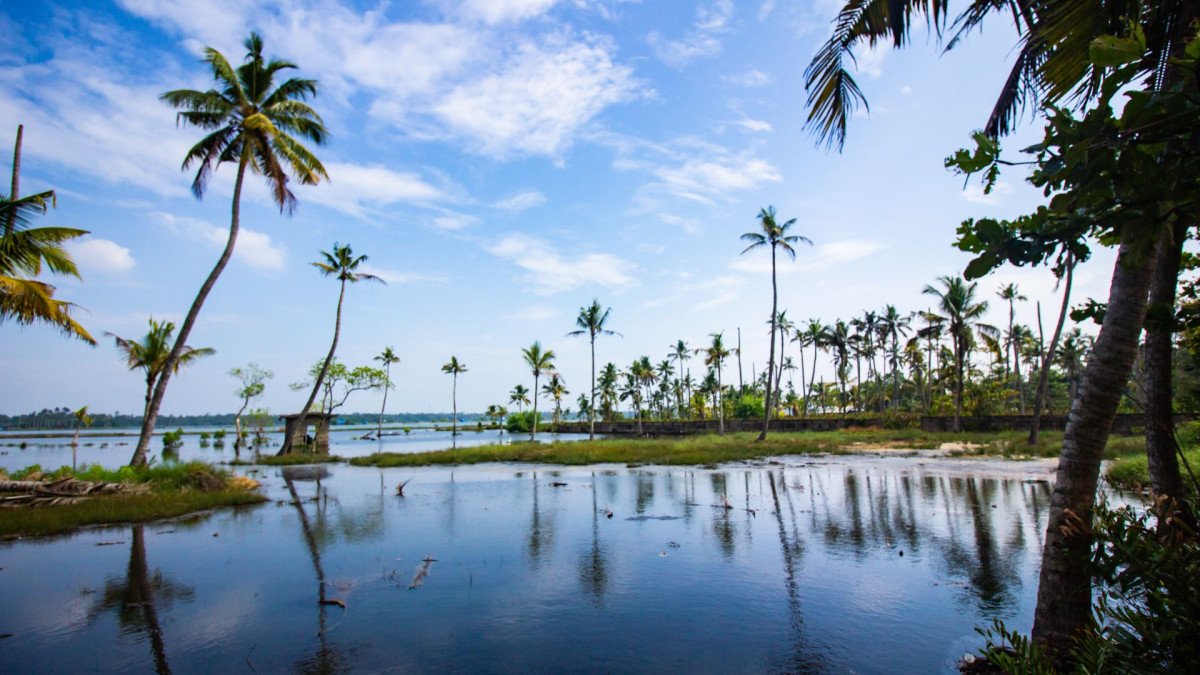
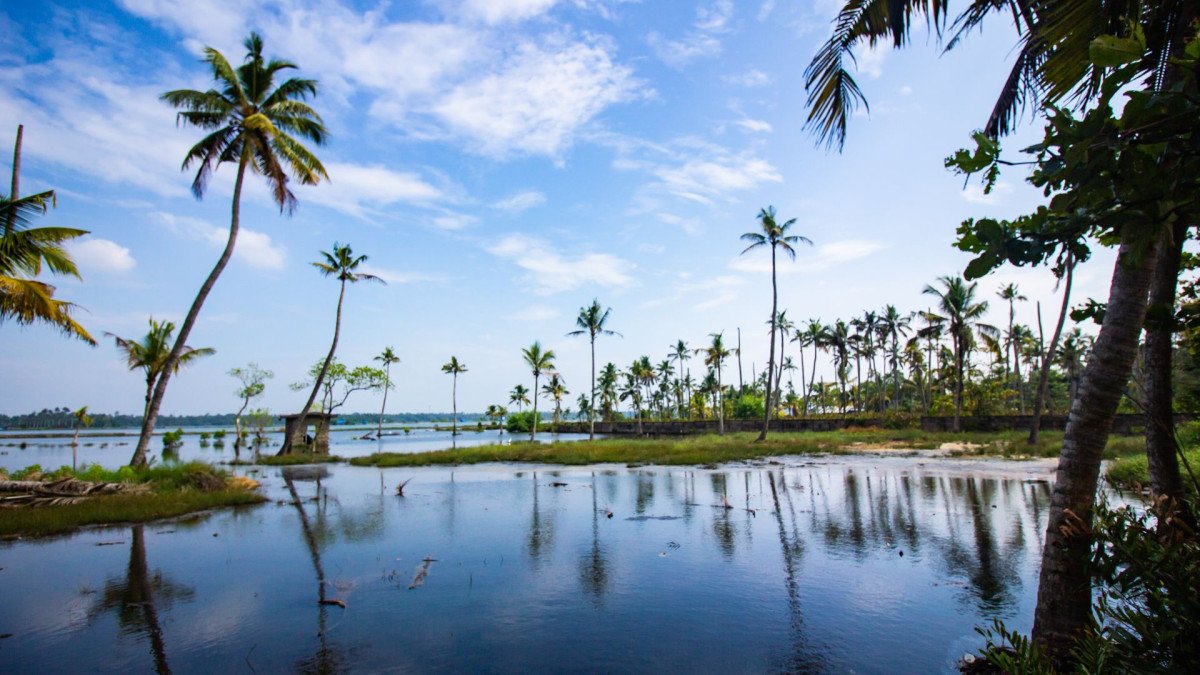
Kailash Reflection Point : The best spot is the edge of the lake facing the peak. When the sun hits the snow-capped summit, it glows golden, reflecting perfectly on the water's surface.
Dhancho Valley Overlook : Halfway through the trek, ...Kailash Reflection Point : The best spot is the edge of the lake facing the peak. When the sun hits the snow-capped summit, it glows golden, reflecting perfectly on the water's surface.
Dhancho Valley Overlook : Halfway through the trek, the view looking back at the winding river and the waterfall provides a sense of the immense scale of the landscape.Photo Gallery
Things To Do
-
The Holy Dip Ritual : The most significant activity is taking a dip in the icy waters of the lake. Pilgrims believe this washes away sins. Be prepared for the extreme cold, even in summer.
Trekking from Hadsar : Engage in a 13-kilometer trek starting from Hadsar. The trail passes through steep climbs, narrow ridges, and beautiful alpine meadows. It is a test of physical endurance and mental strength.
Circumambulation (Parikrama) : Devotees perform a Parikrama by walking around the lake three times. This is done clockwise and is a peaceful way to soak in the spiritual vibrations of the site.
Camping at Dhancho : Most trekkers spend a night at Dhancho, which is the halfway point. Camping under the star-studded Himalayan sky is an unforgettable experience....The Holy Dip Ritual : The most significant activity is taking a dip in the icy waters of the lake. Pilgrims believe this washes away sins. Be prepared for the extreme cold, even in summer.
Trekking from Hadsar : Engage in a 13-kilometer trek starting from Hadsar. The trail passes through steep climbs, narrow ridges, and beautiful alpine meadows. It is a test of physical endurance and mental strength.
Circumambulation (Parikrama) : Devotees perform a Parikrama by walking around the lake three times. This is done clockwise and is a peaceful way to soak in the spiritual vibrations of the site.
Camping at Dhancho : Most trekkers spend a night at Dhancho, which is the halfway point. Camping under the star-studded Himalayan sky is an unforgettable experience. Make sure to carry proper gear.
Photography of Mount Kailash : Capture the majestic reflection of the Kailash Peak in the still waters of the lake. Early morning is the best time for this as the water is calm and the light is soft.
Experience the Langars : During the Yatra season, various social organizations set up Langars (free kitchens). Eating a simple meal of dal and rice with fellow pilgrims is a great way to experience local hospitality.
Flora and Fauna Observation : Look out for rare Himalayan herbs and wildflowers along the route. You might spot high-altitude birds like the Himalayan Monal if you are quiet and observant during the trek.
Information
-
Why Famous:
Unconquered Kailash Peak : It is famous because the Manimahesh Kailash peak is considered invincible. Despite many attempts, no one has officially reached its summit, adding to its divine aura.
Annual Manimahesh Yatra : The lake is the de...Unconquered Kailash Peak : It is famous because the Manimahesh Kailash peak is considered invincible. Despite many attempts, no one has officially reached its summit, adding to its divine aura.
Annual Manimahesh Yatra : The lake is the destination of the famous Manimahesh Yatra, a state-level pilgrimage that happens in August/September following Janmashtami. -
Architecture:
Natural Amphitheatre Design : The lake is a natural water body formed by glacial melt, surrounded by a basin of boulders and moraines. The "architecture" here is entirely natural, with the Kailash Peak acting as a massive stone spire.
Lake Di...Natural Amphitheatre Design : The lake is a natural water body formed by glacial melt, surrounded by a basin of boulders and moraines. The "architecture" here is entirely natural, with the Kailash Peak acting as a massive stone spire.
Lake Dimensions : The lake is roughly circular with a diameter of about 0. 5 kilometers. It is nestled within a snowy field known as Shiv Chaugan, which serves as a natural playground for the gods. -
How To Reach:
By Air and Train : Reach Pathankot by train and then take a bus or taxi to Bharmour. The nearest airport is Gaggal in Kangra, which requires a 6-7 hour drive to reach the base camp.
By Road and Trek : Buses run from Chamba to Bharmour and...By Air and Train : Reach Pathankot by train and then take a bus or taxi to Bharmour. The nearest airport is Gaggal in Kangra, which requires a 6-7 hour drive to reach the base camp.
By Road and Trek : Buses run from Chamba to Bharmour and then to Hadsar. From Hadsar, the only way to reach the lake is by foot (13 KM trek) or by a 10-minute helicopter ride from Bharmour. -
Weather and Best Time to Visit:
Monsoon Pilgrimage Season : August to September is the peak season for pilgrims. The weather is unpredictable with rain, but the spiritual energy is at its highest point during this time.
Summer Trekking Window : May to July offers cleare...Monsoon Pilgrimage Season : August to September is the peak season for pilgrims. The weather is unpredictable with rain, but the spiritual energy is at its highest point during this time.
Summer Trekking Window : May to July offers clearer skies and easier trekking conditions. Morning hours are best for trekking to avoid the afternoon mist and potential rain showers. -
Near Tourist Places:
Bharmour (26 KM), Chaurasi Temple (26 KM), Bharmani Mata Temple (30 KM), Hadsar Village (13 KM), Dhancho Waterfall (6 KM), Kugti Pass (35 KM), Chamba Town (78 KM), Khajjiar (95 KM), Chamera Dam (110 KM), Dalhousie (125 KM)
Tourism Tips
-
Health and Altitude Safety : Acclimatize in Bharmour for a day before starting the trek. High Altitude Sickness is a risk; carry basic medicines and stay hydrated. Do not rush the climb.
Packing Essentials : Pack heavy woolens, a rainco...Health and Altitude Safety : Acclimatize in Bharmour for a day before starting the trek. High Altitude Sickness is a risk; carry basic medicines and stay hydrated. Do not rush the climb.
Packing Essentials : Pack heavy woolens, a raincoat, sturdy trekking shoes with good grip, and a walking stick. A torch, power bank, and basic first-aid kit are absolute necessities for this remote location.
Cash and Connectivity : There are ATMs in Bharmour, but none at the lake. Carry sufficient cash for the trek. Mobile signals (BSNL/Jio) work in patches up to Dhancho but disappear near the lake.
Eco-Tourism Tip : Do not litter the sacred lake area. Carry back all plastic bottles and wrappers to Hadsar or Bharmour for proper disposal. Respect the local Gaddi traditions and customs.
Reviews
FAQs
Chamba Itineray And Cost:-
Information about New and Updated Locations() of Himachal Pradesh Has Been Added :-
Card subtitle
Note:-
Information provided here in good Faith and for reference only.
All information and pictures will be updated soon, please keep visiting.
Near Places

Akhand Chandi Palace
Some quick example text to build on the card title and make up the bulk of the card's content.
Go somewhere
Bharmour
Some quick example text to build on the card title and make up the bulk of the card's content.
Go somewhere
Bhuri Singh Museum
Some quick example text to build on the card title and make up the bulk of the card's content.
Go somewhere
Chamera Lake/Dam
Some quick example text to build on the card title and make up the bulk of the card's content.
Go somewhere
Champavati Temple
Some quick example text to build on the card title and make up the bulk of the card's content.
Go somewhere
Chamunda Devi Temple
Some quick example text to build on the card title and make up the bulk of the card's content.
Go somewhere
Chaugan
Some quick example text to build on the card title and make up the bulk of the card's content.
Go somewhere
Chhatrari Village
Some quick example text to build on the card title and make up the bulk of the card's content.
Go somewhere
Church of Scotland
Some quick example text to build on the card title and make up the bulk of the card's content.
Go somewhere
Jhamwar
Some quick example text to build on the card title and make up the bulk of the card's content.
Go somewherein Other Cities