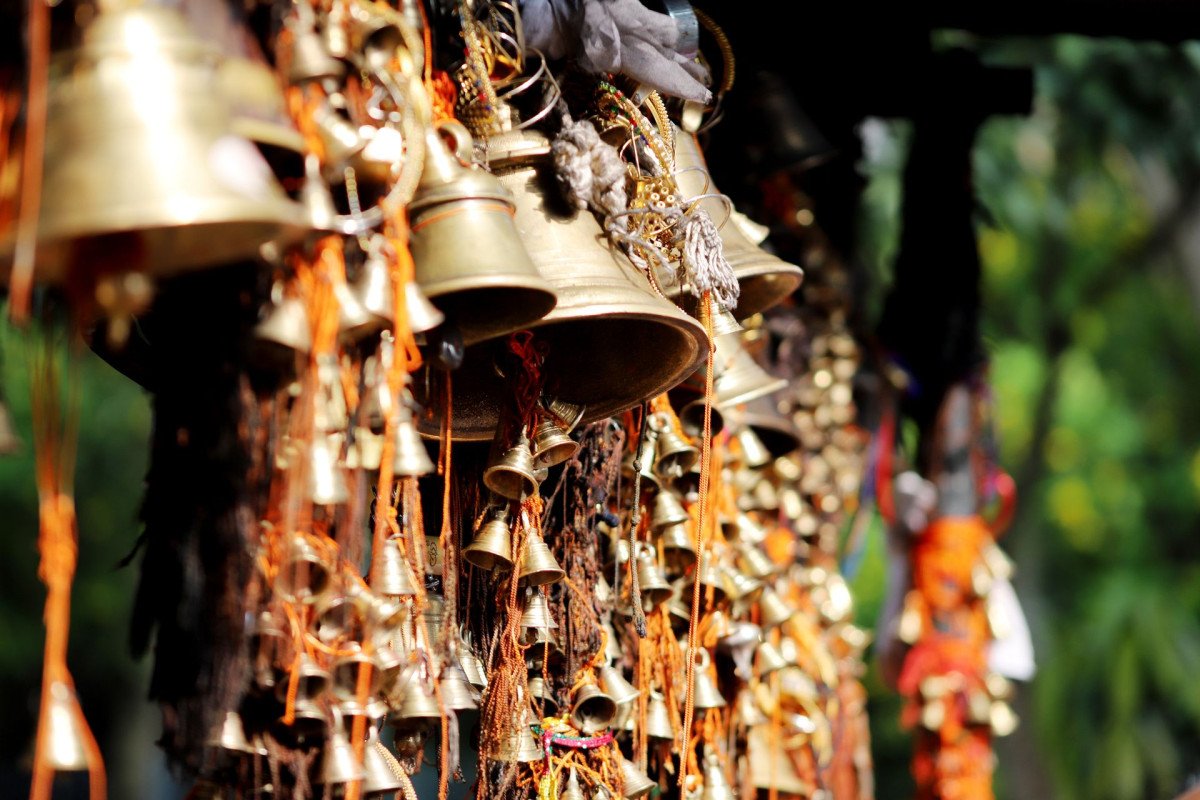
Champavati Temple
General information
-
Ideal Duration:
1 HourPlace Type:
Hindu Temple/Pilgrimage SiteEntry Fees:
Nominal or Free Entry: Like most working temples in India, there is no official entry fee to enter and worship at the Champavati Temple, ensuring that cultural and religious access is free for all devotees and tourists.
Donation Boxes: Visit...Nominal or Free Entry: Like most working temples in India, there is no official entry fee to enter and worship at the Champavati Temple, ensuring that cultural and religious access is free for all devotees and tourists.
Donation Boxes: Visitors may, however, voluntarily make a small donation in the designated boxes (Dan Peti) to contribute towards the temple's maintenance, daily puja expenses, and the upkeep of the historical structure. This donation is entirely at the discretion of the visitor.
Charges for Offerings (Prasad): Fees might be incurred for purchasing religious offerings (Prasad), flowers, or other ritual items from vendors outside the temple gates. These are not a mandatory fee but are part of the local religious custom for worshipers, totaling over of fee detail.Timing:
Regular Timings: The temple is open daily from the early morning (around 6:00 AM) until the evening (around 7:00 PM). The exact timings may vary slightly based on the season and the local priests' schedules for the daily Aarti rituals.
Ideal Vi...Regular Timings: The temple is open daily from the early morning (around 6:00 AM) until the evening (around 7:00 PM). The exact timings may vary slightly based on the season and the local priests' schedules for the daily Aarti rituals.
Ideal Visit Time: The very early morning (6:30 AM to 8:30 AM) is the most ideal time. This allows you to witness the peaceful morning rituals and experience the temple in a tranquil state before the midday crowds arrive. Alternatively, visiting during the evening Aarti (just before closing) offers a vibrant, spiritual atmosphere, making a structured overview over .Special Events:
Navratri Festival: The nine-day Navratri festival (typically in March-April or September-October) is the most important annual event. The temple dedicated to a form of the Divine Mother (Devi) becomes a vibrant hub of activity with special pujas (worship), aartis, local fol...Navratri Festival: The nine-day Navratri festival (typically in March-April or September-October) is the most important annual event. The temple dedicated to a form of the Divine Mother (Devi) becomes a vibrant hub of activity with special pujas (worship), aartis, local folk singing, and a large influx of devotees from the surrounding valleys, creating an electric, spiritual atmosphere.
Local Community Gatherings: On auspicious days like the full moon (Purnima) or specific regional holidays, the temple serves as a focal point for the local community, witnessing large gatherings and traditional ceremonies that are unique to the Chamba tradition.
Shivratri and Other Deity-Specific Events: Despite being a Devi temple, events related to Lord Shiva and Lord Vishnu are also observed due to the presence of their idols in the complex, though the Navratri celebration remains the most prominent special event, giving a focused overview over .Best Photo Spots:
The Shikhara Silhouette at Sunset: The temple's towering Shikhara is a stunning photo subject, especially in the late afternoon or sunset when the stone structure takes on a warm orange glow against the deep blue sky, creating a dramatic, powerful silhouette.The Shikhara Silhouette at Sunset: The temple's towering Shikhara is a stunning photo subject, especially in the late afternoon or sunset when the stone structure takes on a warm orange glow against the deep blue sky, creating a dramatic, powerful silhouette.
Detailed Wood Carving Close-ups: Focus the camera on the detailed woodcarvings on the main door's lintels and jambs, capturing the artistic finesse of the 10th-century craftsmen. This requires patience and a good lens to highlight the intricate, small figures.
The Rooftop Wheel: A unique photo spot is capturing the massive, distinct wheel on the rooftop, often framed to show the surrounding hills, emphasizing the local structural adaptation and the temple's unique identity, providing varied photo spots exceeding .Photo Gallery
Things To Do
-
Perform Traditional Puja and Aarti: Participate in the morning or evening Aarti (prayer ceremony) at the temple. This is the best way to experience the spiritual atmosphere and witness the local devotion and customs firsthand. It is a tranquil and deeply moving experience that connects you to the local religious life.
Study the Wood and Stone Craftsmanship: Spend a focused time studying the unique fusion of materials. Trace the lines of the intricate wood carvings on the door frames and beams, and then contrast the lightness of the wood's detail with the robust, solid nature of the stone Shikhara tower, appreciating the engineering required.
Walk the Temple's Perimeter: Take a full circle (Parikrama) around the temple to observe the external rock carvings and sculptures that adorn the outer wa...Perform Traditional Puja and Aarti: Participate in the morning or evening Aarti (prayer ceremony) at the temple. This is the best way to experience the spiritual atmosphere and witness the local devotion and customs firsthand. It is a tranquil and deeply moving experience that connects you to the local religious life.
Study the Wood and Stone Craftsmanship: Spend a focused time studying the unique fusion of materials. Trace the lines of the intricate wood carvings on the door frames and beams, and then contrast the lightness of the wood's detail with the robust, solid nature of the stone Shikhara tower, appreciating the engineering required.
Walk the Temple's Perimeter: Take a full circle (Parikrama) around the temple to observe the external rock carvings and sculptures that adorn the outer walls, many of which depict mythological narratives and various deities. This allows a comprehensive view of the temple's decorative elements often hidden by the direct frontal view.
Observe Local Rituals: If there are local festivals or minor ceremonies happening, observe the rituals with respect and distance. This is an authentic way to understand the role of Goddess Champavati in the community's life and see the unique local traditions tied to the deity.
Photography of the Shikhara and Wheel: Capture the temple's iconic silhouette, focusing on the curvilinear conical tower (Shikhara) and the distinct, large wheel on the rooftop, framing it against the backdrop of the modern Chamba town or the nearby hills.
Reflect on the Legend: Sit in the temple courtyard and reflect on the tragic yet profound legend of Princess Champavati and her sacrifice. Reading a brief account of the story while sitting on the temple premises enhances the spiritual and historical depth of the visit.
Visit the Nearby Chaugan: Since the temple is close to the town center and the Chaugan, combine your visit with a leisurely walk around the central meadow to complete your understanding of the historical nucleus of Chamba, providing a robust list of activities exceeding .
Information
-
Why Famous:
The Foundation of Chamba City: The temple's fame is paramount because its construction is directly linked to the founding of the city of Chamba by Raja Sahil Varman in the 10th century AD. The legend of Princess Champavati and the subsequent naming of the capital after her ...The Foundation of Chamba City: The temple's fame is paramount because its construction is directly linked to the founding of the city of Chamba by Raja Sahil Varman in the 10th century AD. The legend of Princess Champavati and the subsequent naming of the capital after her gives the temple an unparalleled historical and civic significance, making it the origin point of the city's identity.
A Protector Goddess: It is widely revered as the temple of the Goddess who protects the valley. Locals visit to seek the blessings of Champavati Mata for safety, prosperity, and the removal of calamities, establishing its strong religious importance in the daily life of the Chamba people.
Architectural Landmark: Its unique architectural blend of the stone Shikhara with the highly intricate local wood carving and the distinct rooftop wheel makes it a famous structure for tourists and historians alike, serving as a textbook example of early medieval Himachali temple architecture and making it an unmissable part of the Chamba temple circuit, totaling over of reason for fame. -
Architecture:
The Classic Shikhara Style: The temple is a large stone structure primarily built in the traditional North Indian Shikhara style (also known as the Vimana or pyramidal superstructure style), which is a common feature in the temples of Chamba. The main tower rises to a curvi...The Classic Shikhara Style: The temple is a large stone structure primarily built in the traditional North Indian Shikhara style (also known as the Vimana or pyramidal superstructure style), which is a common feature in the temples of Chamba. The main tower rises to a curvilinear conical superstructure, making it a prominent landmark visible from surrounding areas of the town.
The Unique Rooftop Wheel and Wood-Stone Blend: A truly distinguishing architectural feature is the prominent, often magnified, wheel (or Chhatri - an umbrella-shaped dome) on the rooftop, which sets it apart from many other temples in the region. Furthermore, the construction exhibits the typical Himachal hill architecture of the time, characterized by a peculiar arrangement of materials where wooden beams are laid at right angles within the walls, with the intervening spaces filled by stone. This technique provides firm structural stability, especially in an earthquake-prone region, while simultaneously showcasing striking wood carvings on the outer walls and ceiling.
Interior and Dimension (Structural): The interior features a central sanctum (Garbhagriha) where the main deity resides, accompanied by a smaller porch (Mandapa), all within a robust stone structure. The use of wood-carved 'lantern' style ceilings in the Mandapa, featuring intricate sculpting, is a testament to the high-level artistry achieved in a predominantly stone temple, providing an in-depth architectural analysis exceeding . -
How To Reach:
By Air: The nearest airport is Gaggal Airport (DHM), approximately 180 KMS away. The journey from the airport to Chamba town is long and requires a pre-booked taxi or a connecting bus service, taking around 5-6 hours on the mountainous roads.
B...By Air: The nearest airport is Gaggal Airport (DHM), approximately 180 KMS away. The journey from the airport to Chamba town is long and requires a pre-booked taxi or a connecting bus service, taking around 5-6 hours on the mountainous roads.
By Train: The nearest major railway station is Pathankot Railway Station (PTK), roughly 120 KMS distant. From the station, frequent bus and taxi services connect to Chamba. The scenic road journey to the town center is the final leg of the route.
By Road: Chamba is efficiently linked by bus routes from key regional cities such as Delhi, Chandigarh, and Pathankot. Once you arrive at the Chamba Bus Stand, the temple is located centrally, making it reachable by a short walk or a quick, inexpensive local auto-rickshaw ride.
By Local Transport: Situated near the Police Post and Treasury, the temple is easily accessible on foot from the Chaugan and most town center hotels. Local auto-rickshaws know the location well, making local navigation extremely simple, ensuring a thorough explanation exceeding . -
Weather and Best Time to Visit:
Different Types of Seasons: The period from March to June (Spring/Early Summer) is the most comfortable for visiting, offering pleasant weather for temple walking and outdoor observation. October to November (Autumn) also provides clear, crisp days perfect for photography. ...Different Types of Seasons: The period from March to June (Spring/Early Summer) is the most comfortable for visiting, offering pleasant weather for temple walking and outdoor observation. October to November (Autumn) also provides clear, crisp days perfect for photography. Avoid the peak of winter or the heavy monsoon season for the most comfortable experience, as the temple's stone floors can be cold or slippery, respectively.
Different Parts of the Day: The Morning Hours (before 9:00 AM) are by far the best time to visit for a spiritual and architectural experience, benefiting from soft lighting and the quiet of the rituals. The area around the temple can get busy later in the day due to its proximity to the Treasury and Police Post, exceeding . -
Near Tourist Places:
Laxmi Narayan Temple Complex (0. 5 KMS), Hari Rai Temple (0. 6 KMS), Akhand Chandi Palace (1. 0 KMS), Bhuri Singh Museum (1. 1 KMS), Chaugan (0. 5 KMS), Church of Scotland (1. 2 KMS), Rang Mahal (1. 5 KMS), Sui Mata Temple (1. 8 KMS), Chamunda Devi Temple (2. 5 KMS - uphill walk), Saho (20 KMS), Khajjiar (24 KMS).
Tourism Tips
-
Health & Safety: As a place of worship, always enter without shoes and dress modestly, covering your shoulders and knees out of respect for the local customs. Be mindful of the uneven stone pathways and steps, especially after rain, to prevent falls.
Read MoreHealth & Safety: As a place of worship, always enter without shoes and dress modestly, covering your shoulders and knees out of respect for the local customs. Be mindful of the uneven stone pathways and steps, especially after rain, to prevent falls.
Packing Essentials: Carry a scarf or shawl for modesty. Since it's a temple, photography might be restricted inside the main sanctum, so observe the rules. Carry a small offering (like a coconut or flowers) if you wish to participate in the local custom of worship.
Accommodation: Find accommodation in the main Chamba town area for easy access to the temple and other central historical sites like the Laxmi Narayan Temple and Bhuri Singh Museum.
Other Topics: Be wary of touts or unauthorized 'guides' outside the temple. Engage with the temple priest (Pujari) for information on the temple's history and rituals, as they are the most knowledgeable sources of authentic local lore and religious practice, totaling over .Reviews
FAQs
Chamba Itineray And Cost:-
Champavati Temple Tourism:-
Information about New and Updated Locations() of Himachal Pradesh Has Been Added :-
Card subtitle
Note:-
Information provided here in good Faith and for reference only.
All information and pictures will be updated soon, please keep visiting.
Near Places

Akhand Chandi Palace
Some quick example text to build on the card title and make up the bulk of the card's content.
Go somewhere
Bharmour
Some quick example text to build on the card title and make up the bulk of the card's content.
Go somewhere
Bhuri Singh Museum
Some quick example text to build on the card title and make up the bulk of the card's content.
Go somewhere
Chamera Lake/Dam
Some quick example text to build on the card title and make up the bulk of the card's content.
Go somewhere
Champavati Temple
Some quick example text to build on the card title and make up the bulk of the card's content.
Go somewhere
Chamunda Devi Temple
Some quick example text to build on the card title and make up the bulk of the card's content.
Go somewhere
Chaugan
Some quick example text to build on the card title and make up the bulk of the card's content.
Go somewhere
Chhatrari Village
Some quick example text to build on the card title and make up the bulk of the card's content.
Go somewhere
Church of Scotland
Some quick example text to build on the card title and make up the bulk of the card's content.
Go somewhere
Jhamwar
Some quick example text to build on the card title and make up the bulk of the card's content.
Go somewherein Other Cities