Mota Ashapura Maa Temple
General information
-
Ideal Duration:
1 HourPlace Type:
Temple/PilgrimageEntry Fees:
Entry Fee: Free, as with most active Hindu temples.
Donations: Donations are voluntary and welcome for the upkeep of the temple.
Offerings: Cost of flowers, coconut, and other puja items from outside vendors...Entry Fee: Free, as with most active Hindu temples.
Donations: Donations are voluntary and welcome for the upkeep of the temple.
Offerings: Cost of flowers, coconut, and other puja items from outside vendors is minimal and depends on your choice.
Prasad (Blessed Food): Often distributed free of cost after the Aarti.Timing:
Regular Timings: Generally open from 6:00 AM to 10:00 PM, with breaks for afternoon rest (12:00 PM to 4:00 PM) or as per local Aarti schedule (check locally).
Ideal Visit Time: Early Morning (6:00 AM to 7:00 AM) for peaceful darshan or Eveni...Regular Timings: Generally open from 6:00 AM to 10:00 PM, with breaks for afternoon rest (12:00 PM to 4:00 PM) or as per local Aarti schedule (check locally).
Ideal Visit Time: Early Morning (6:00 AM to 7:00 AM) for peaceful darshan or Evening (7:00 PM to 8:00 PM) to attend the main evening Aarti (prayer ceremony).Special Events:
Navratri Festival (Twice a year: Chaitra in March/April and Sharad in September/October): The most significant event, featuring nine days of special pujas, large-scale Aarti, and local Garba dances in the vicinity. The atmosphere is highly charged and devotional.Navratri Festival (Twice a year: Chaitra in March/April and Sharad in September/October): The most significant event, featuring nine days of special pujas, large-scale Aarti, and local Garba dances in the vicinity. The atmosphere is highly charged and devotional.
Diwali (October/November): The temple is beautifully illuminated with thousands of lights, attracting a large number of devotees for the festival of lights.
Annkut Festival: Celebrated after Diwali, where a large variety of food is offered to the deity, symbolizing abundance and gratitude.Best Photo Spots:
The Shikhara and Flag: A shot of the temple's towering, intricately carved spire (Shikhara) and the fluttering flag, symbolizing its spiritual height and importance.
Devotee Action: Capturing the devotion and prayerful atmosphere during the ...The Shikhara and Flag: A shot of the temple's towering, intricately carved spire (Shikhara) and the fluttering flag, symbolizing its spiritual height and importance.
Devotee Action: Capturing the devotion and prayerful atmosphere during the Aarti, focusing on the lamps, bells, and the faces of the worshippers.
Carving Details: Close-up photography of the colorful, detailed relief work and mythological carvings on the exterior walls and pillars.
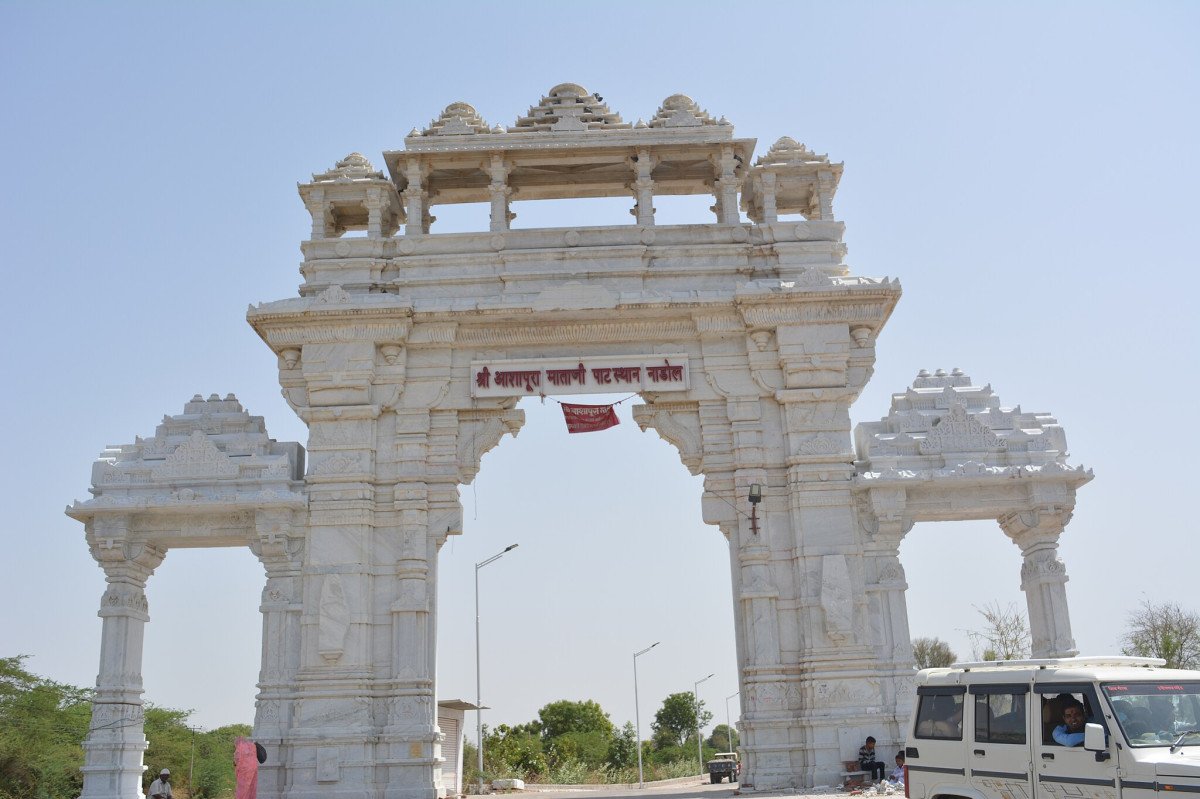
The Entrance Gate: A photo of the temple's entrance framed by the surrounding market activity, showing its integration into the daily life of the city.Photo Gallery
Things To Do
-
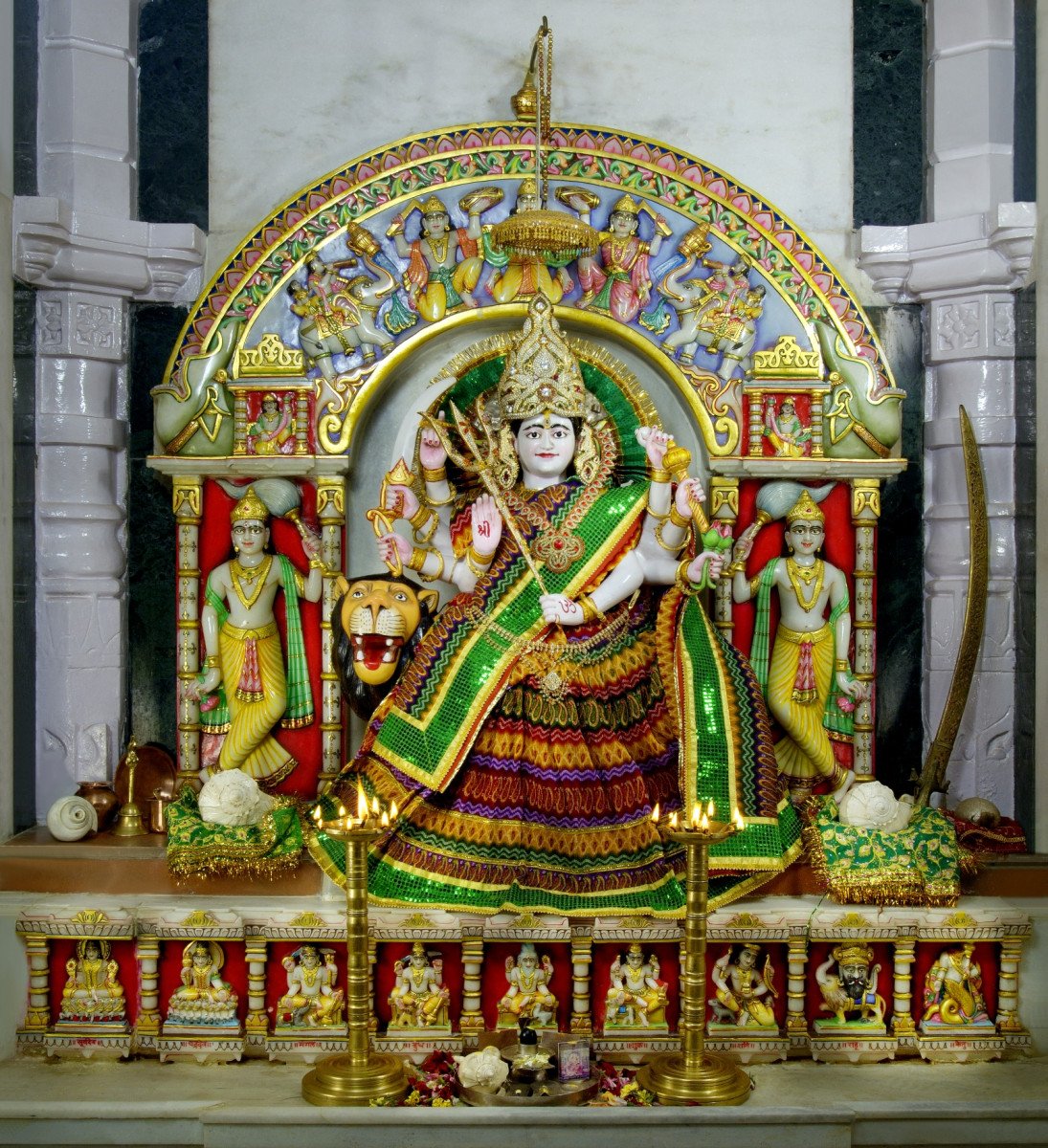
Darshan and Aarti: Participate in the main darshan (viewing) of the goddess and try to attend the morning or evening Aarti for a complete spiritual experience.
Offerings: Purchase flowers or offerings from the local vendors outside and make a traditional offering to the deity.
Architecture Study: Spend time observing the detailed carvings and the overall layout of the Rajput-influenced temple structure.
Market Exploration: Since it is near the Bedi Gate area, combine the visit with exploring the surrounding old city markets for traditional items, religious goods, and local snacks.
Meditation: Find a quiet corner in the Mandapa for a few moments of reflection and peace amidst the city's hustle.
Local ...
Information
-
Why Famous:
Kuldevi of Jadejas: Its primary fame comes from being the clan goddess (Kuldevi) of the ruling Jadeja dynasty, linking the temple directly to the royal history of Jamnagar.
Center of Navratri: The temple is the focal point for Navratri celeb...Kuldevi of Jadejas: Its primary fame comes from being the clan goddess (Kuldevi) of the ruling Jadeja dynasty, linking the temple directly to the royal history of Jamnagar.
Center of Navratri: The temple is the focal point for Navratri celebrations in the city, attracting thousands of pilgrims and local participants for the traditional Garba and Aarti.
City's Protector: It is widely famous among locals for the strong belief that the goddess is the city's spiritual protector, ensuring prosperity and safety.
Accessibility: Unlike some remote temples, its central location near the old city's entrance makes it easily accessible to all, boosting its popularity. -
Architecture:
Traditional Hindu Temple Style: The temple is built in a traditional Hindu temple architectural style prevalent in Gujarat and Saurashtra. It features a central Garbhagriha (sanctum sanctorum) housing the deity, topped by a beautifully carved Shikhara (spire).Traditional Hindu Temple Style: The temple is built in a traditional Hindu temple architectural style prevalent in Gujarat and Saurashtra. It features a central Garbhagriha (sanctum sanctorum) housing the deity, topped by a beautifully carved Shikhara (spire).
Intricate Carvings: The exterior and interior walls of the temple are adorned with detailed, colorful sculptures and relief work depicting various deities, mythological scenes, and floral patterns, reflecting local craftsmanship.
Mandapa and Pillars: A spacious Mandapa (pillared hall) precedes the sanctum, providing space for devotees to gather for darshan and aarti. The columns are often exquisitely carved with Rajput artistic elements.
Entrance and Gateway: The entrance often features a decorative archway or small gateway leading into the main temple complex, designed to be welcoming yet structurally sound. -
How To Reach:
By Air: Nearest is Jamnagar Airport (JGA), approximately 11 KMS away. Hire a taxi.
By Train: Nearest is Jamnagar Railway Station (JAM), approximately 5 KMS away. Take an auto-rickshaw to the Bedi Gate/Sat Rasta area.
Read More -
Near Tourist Places:
Khambhalia Gate (3 KMS), Lakhota Lake / Ranmal Lake (4 KMS), Bala Hanuman Temple (4. 5 KMS), Darbargadh Palace (3. 5 KMS), Bhujiyo Kotho (4 KMS), Willingdon Crescent (5 KMS), Ayurved University (3 KMS), Khijadiya Bird Sanctuary (18 KMS), Ranjitsagar Dam (15 KMS), Pirotan Island (Access from Bedi Port, 18 NM by sea).
Tourism Tips
-
Health & safety: Remove footwear before entering the temple premises. Be respectful of the religious practices and maintain silence inside the sanctum.
Packing: Dress modestly; traditionally, shoulders and legs should be covered in the tem...
Reviews
Jamnagar Itineray And Cost:-
Mota Ashapura Maa Temple Tourism:-
Information about New and Updated Locations() of Gujarat Has Been Added :-
Card subtitle
Note:-
Information provided here in good Faith and for reference only.
All information and pictures will be updated soon, please keep visiting.
Near Places

Ayurved University
Some quick example text to build on the card title and make up the bulk of the card's content.
Go somewhere
Bala Hanuman Temple
Some quick example text to build on the card title and make up the bulk of the card's content.
Go somewhere
Balachadi Beach
Some quick example text to build on the card title and make up the bulk of the card's content.
Go somewhere
BAPS Shri Swaminarayan Mandir
Some quick example text to build on the card title and make up the bulk of the card's content.
Go somewhere
Bedi Port
Some quick example text to build on the card title and make up the bulk of the card's content.
Go somewhere
Bhidbhanjan Mahadev Temple
Some quick example text to build on the card title and make up the bulk of the card's content.
Go somewhere
Bhujiyo Kotho
Some quick example text to build on the card title and make up the bulk of the card's content.
Go somewhere
Chandi Bazaar
Some quick example text to build on the card title and make up the bulk of the card's content.
Go somewhere
Darbargadh Palace
Some quick example text to build on the card title and make up the bulk of the card's content.
Go somewhere
Jain Temples
Some quick example text to build on the card title and make up the bulk of the card's content.
Go somewherein Other Cities