Mylaralingeshwar Temple
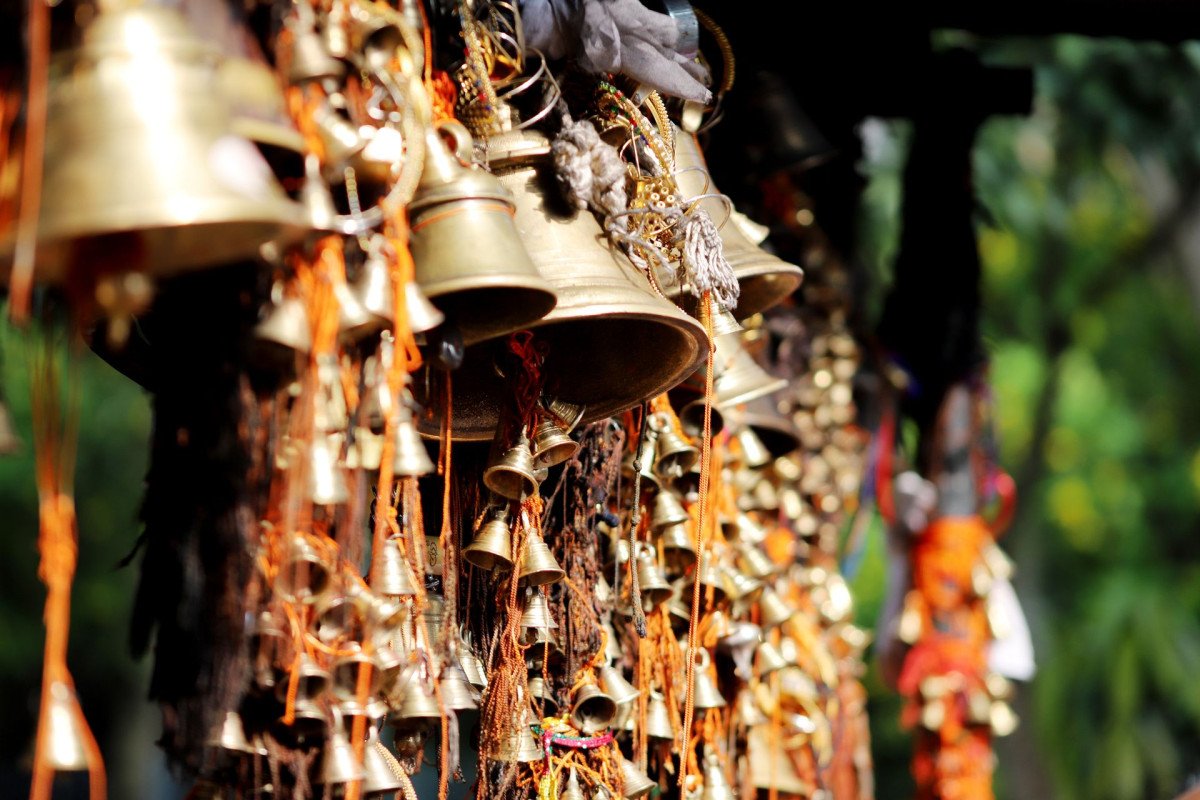
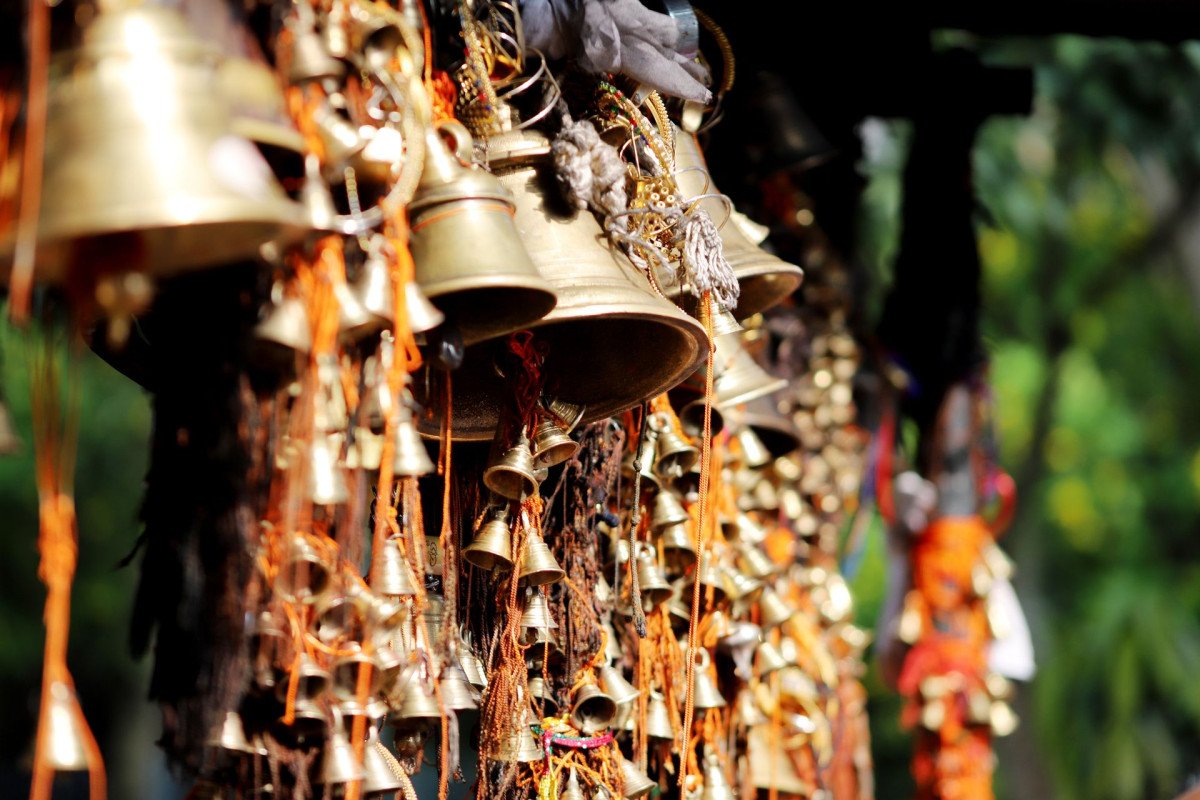
The Mylaralingeshwar Temple is a highly significant religious site located on the banks of the Tungabhadra river. It is dedicated to Lord Shiva in his fierce form known as Mylara Lingappa, who took this avatar to slay the demons Mallasura and Manikasura. The temple is the primary deity for the Kuru ba community and attracts millions of people during its annual fair. The temple atmosphere is filled with the sounds of the "Damaru" and the chants of "Elukoti! Elukoti!". The legend says that Shiva fought a fierce battle for ten days to protect the sages from the tyranny of the demons. The temple is famous for its unique rituals, including the Goravara Kunita dance where devotees dress in black wool and bark like dogs to show their devotion. This site is not just a place of worship but a vibrant center of folk culture and ancient traditions. The temple has a long history dating back to the Kalyana Chalukya period and was later patronized by the Vijayanagara emperors. The spiritual energy here is intense, especially during the Karnikotsava, where a prophecy for the coming year is delivered. The proximity to the river adds to the scenic and serene beauty of the location. Visitors can witness the deep-rooted faith of the rural people of Karnataka here.
General information
-
Ideal Duration:
Duration:
2 Hours:Place Type:
Category:
Religious and Pilgrimage:Entry Fees:
Entry Fee: No entry fee is charged.
Parking Fee: Nominal charges of Rs 30 for cars and Rs 10 for two-wheelers apply during festival seasons:...Entry Fee: No entry fee is charged.
Parking Fee: Nominal charges of Rs 30 for cars and Rs 10 for two-wheelers apply during festival seasons:Special Events:
Karnikotsava: Held in February, where a priest climbs a 20-foot bow to predict the future of crops and politics.
Mylara Jatra: A massive fair where lakhs of people camp in the open fields to celebrate the deity:...Karnikotsava: Held in February, where a priest climbs a 20-foot bow to predict the future of crops and politics.
Mylara Jatra: A massive fair where lakhs of people camp in the open fields to celebrate the deity:Best Photo Spots:
Bow Climbing: The site of the Karnikotsava offers the most dramatic and action-packed photo opportunities.
Gorava Dancers: The unique black costumes and traditional instruments make for striking cultural portraits.
Read MoreBow Climbing: The site of the Karnikotsava offers the most dramatic and action-packed photo opportunities.
Gorava Dancers: The unique black costumes and traditional instruments make for striking cultural portraits.
River Landscape: The Tungabhadra river nearby provides beautiful natural lighting for landscape shots:Photo Gallery
Things To Do
-
River Dip: Take a holy dip in the Tungabhadra river before entering the temple for a traditional experience.
Watch Gorava Kunita: Witness the mesmerizing folk dance performed by devotees wearing bear-skin caps and black rugs.
Attend the Jatre: Visit during the February fair to see the massive chariot procession and cultural festivities.
Temple Feast: Partake in the Prasada which often consists of simple, traditional North Karnataka rural meals.
Photography: Document the unique attire of the Goravas and the vibrant rural life surrounding the temple complex.
Explore the Enclosure: Walk through the various sub-shrines dedicated to Gangamalamma and Veerabhadra.
Quiet Ref...River Dip: Take a holy dip in the Tungabhadra river before entering the temple for a traditional experience.
Watch Gorava Kunita: Witness the mesmerizing folk dance performed by devotees wearing bear-skin caps and black rugs.
Attend the Jatre: Visit during the February fair to see the massive chariot procession and cultural festivities.
Temple Feast: Partake in the Prasada which often consists of simple, traditional North Karnataka rural meals.
Photography: Document the unique attire of the Goravas and the vibrant rural life surrounding the temple complex.
Explore the Enclosure: Walk through the various sub-shrines dedicated to Gangamalamma and Veerabhadra.
Quiet Reflection: Sit by the river at sunset to enjoy the peaceful views of the water flowing in a ring shape:
Information
-
Why Famous:
Prophecy Ritual: It is globally famous for the Karnikotsava or the annual prophecy delivered by a priest on a tall bow.
Folk Traditions: The unique Gorava dance performed here is a world-renowned cultural heritage of the Deccan region.
<...Prophecy Ritual: It is globally famous for the Karnikotsava or the annual prophecy delivered by a priest on a tall bow.
Folk Traditions: The unique Gorava dance performed here is a world-renowned cultural heritage of the Deccan region.
Demon Slaying Legend: The temple marks the spot where Lord Shiva triumphed over evil forces.
Massive Congregation: It hosts one of the largest rural fairs in South India during Bharat Hunnime: -
Architecture:
Chalukya and Vijayanagara Fusion: The temple features polished lathe-turned pillars and a large open hall.
Dimensions: The temple complex covers about 2 acres with a 50-foot tall Rajagopuram.
Sanctum: The m...Chalukya and Vijayanagara Fusion: The temple features polished lathe-turned pillars and a large open hall.
Dimensions: The temple complex covers about 2 acres with a 50-foot tall Rajagopuram.
Sanctum: The main idol of Mylara is four feet tall and made of clay, with a Swayambhu lingam in front.
Carvings: The entrance features Gajalakshmi on the lintel and intricate floral creepers on the door frames: -
How To Reach:
By Air: Hubballi Airport (124 km) is the closest.
By Train: Ranibennur Railway Station (32 km) is the nearest railhead.
By Road: Well-connected by bus from Hadagali, Haveri, and Hospet.
Read MoreBy Air: Hubballi Airport (124 km) is the closest.
By Train: Ranibennur Railway Station (32 km) is the nearest railhead.
By Road: Well-connected by bus from Hadagali, Haveri, and Hospet.
By Local Transport:
Local buses and shared autos are common:Weather and Best Time to Visit:
Winter: October to March is the best time with cool winds.
Summer: April to June is very hot and dusty.
Monsoon: July to September makes the river look grand but might limit access to some spots:...Winter: October to March is the best time with cool winds.
Summer: April to June is very hot and dusty.
Monsoon: July to September makes the river look grand but might limit access to some spots:Near Tourist Places:
1. Kuruvatti (10 km), 2. Hadagali (36 km), 3. Ranibennur (32 km), 4. Hampi (95 km), 5. TB Dam (85 km), 6. Harihara (55 km), 7. Ujjini (60 km), 8. Bagali (45 km), 9. Haveri (50 km), 10.
Tungabhadra River (2 km):Tourism Tips
-
Health & Safety: Be careful of the heavy crowds during the Jatra.
Packing: Bring sun protection and modest clothing.
Cash: Carry enough cash as mobile payments are unreliable in the crowd.
Read MoreHealth & Safety: Be careful of the heavy crowds during the Jatra.
Packing: Bring sun protection and modest clothing.
Cash: Carry enough cash as mobile payments are unreliable in the crowd.
Connectivity: Network is patchy;
no public Wi-Fi is available:Reviews
FAQs
Vijaynagar Itineray And Cost:-
Mylaralingeshwar Temple Tourism:-
Information about New and Updated Locations() of Karnataka Has Been Added :-
Card subtitle
Note:-
Information provided here in good Faith and for reference only.
All information and pictures will be updated soon, please keep visiting.
Near Places
Marulasiddheshwar Temple
Some quick example text to build on the card title and make up the bulk of the card's content.
Go somewhere
Mylaralingeshwar Temple
Some quick example text to build on the card title and make up the bulk of the card's content.
Go somewhere
Talarigattu
Some quick example text to build on the card title and make up the bulk of the card's content.
Go somewhere
Tungabhadra Dam
Some quick example text to build on the card title and make up the bulk of the card's content.
Go somewherein Other Cities