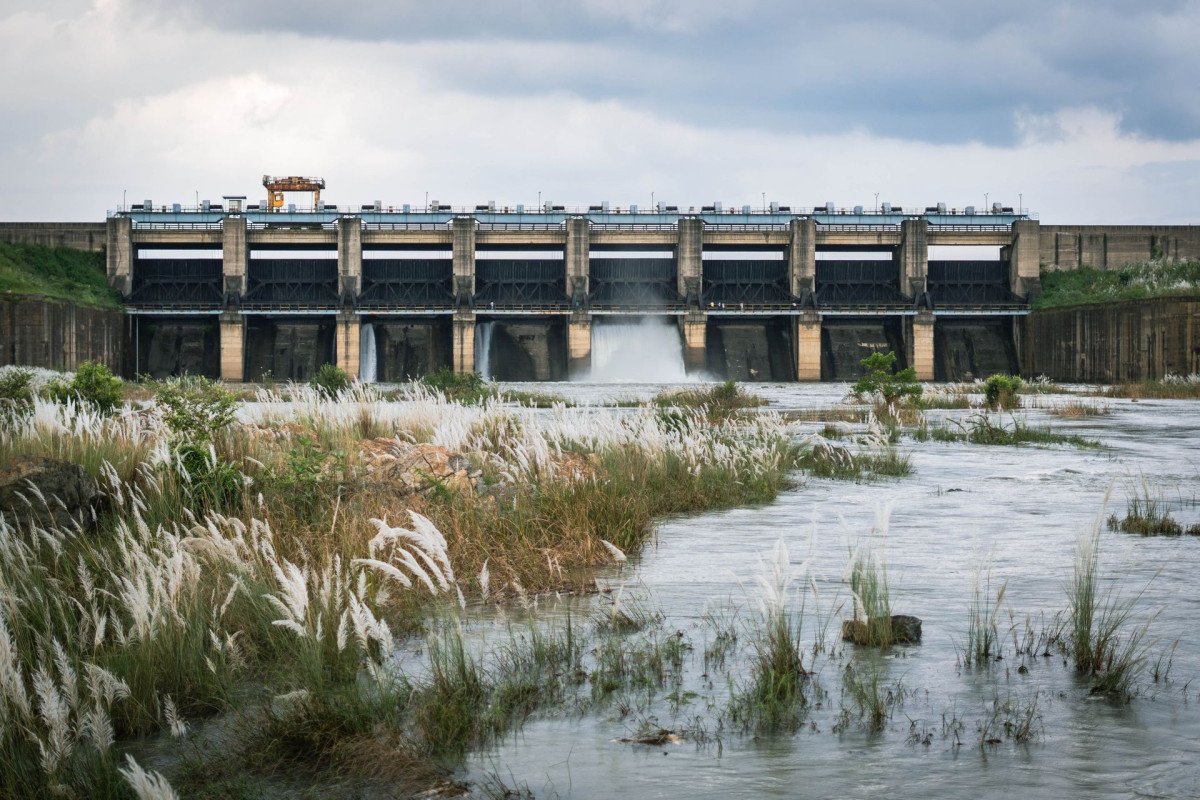
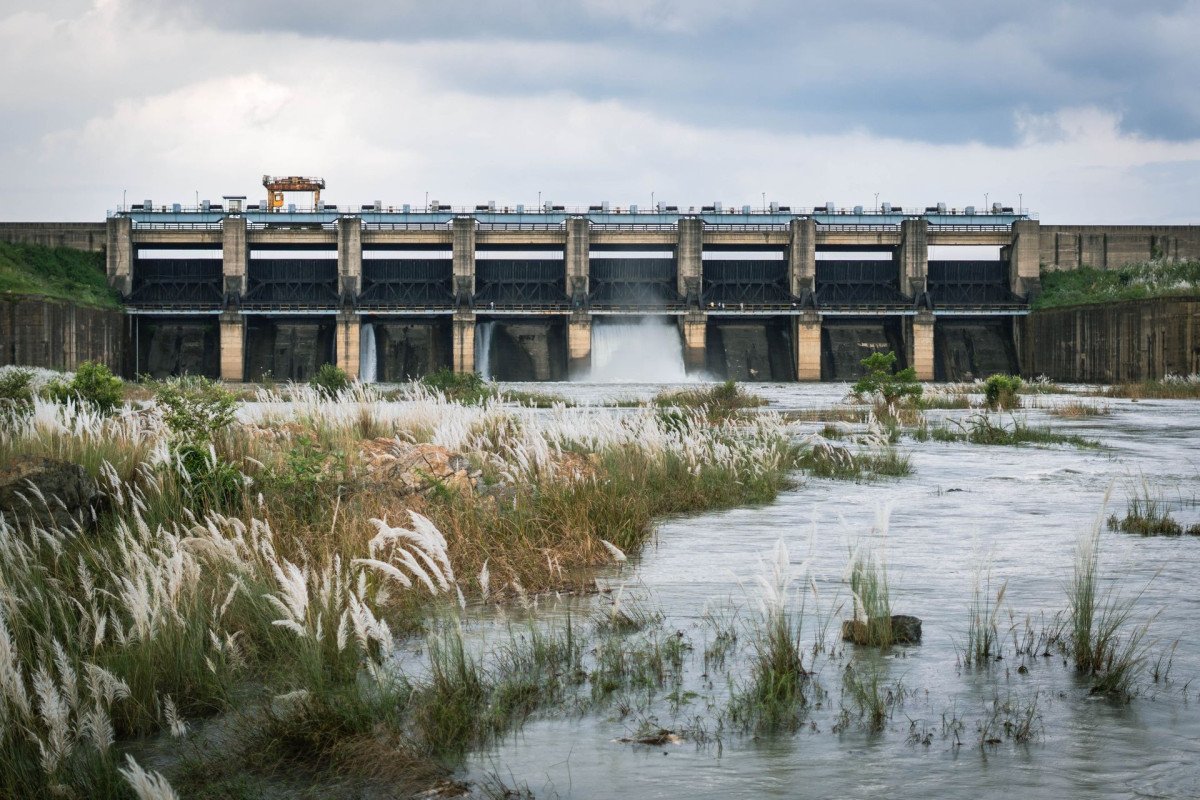
Nallavaagu Check Dam
General information
-
Ideal Duration:
1 to 1. 5 HoursPlace Type:
Irrigation Structure and Scenic Picnic SpotEntry Fees:
Access Policy: Being a functional irrigation and water conservation structure, the Nallavaagu Check Dam operates under an open-access policy to the public. There is no entry fee or ticket required to visit the dam, walk along its bund (where permitted), or view the reservoi...Access Policy: Being a functional irrigation and water conservation structure, the Nallavaagu Check Dam operates under an open-access policy to the public. There is no entry fee or ticket required to visit the dam, walk along its bund (where permitted), or view the reservoir. It is considered part of the publicly accessible rural infrastructure.
Parking Fees: Since it is an isolated rural site, formal, managed parking is generally non-existent. Visitors park their vehicles in safe, unofficial spots near the bund or on the approach road, and thus, no parking fee is typically charged. However, visitors must ensure their parking does not obstruct local access or farm machinery.
Photography/Filming Fees: For personal photography and videography, there is no charge. However, any request for professional filming, drone usage, or commercial photography would necessitate seeking prior official permission from the local Irrigation Department or district administration, which may involve a permit fee.
Local Support: While there are no official fees, visitors are encouraged to support the local economy by purchasing small items or perhaps giving a voluntary contribution if they interact with the local community, as the location is entirely free of formal tourism infrastructure.Timing:
Regular Timings: The Nallavaagu Check Dam, as an operational structure, has no formal opening or closing hours and is accessible 24/7. However, visitors should only visit during daylight hours for safety and viewing pleasure. The road leading to it may be poorly lit at nig...Regular Timings: The Nallavaagu Check Dam, as an operational structure, has no formal opening or closing hours and is accessible 24/7. However, visitors should only visit during daylight hours for safety and viewing pleasure. The road leading to it may be poorly lit at night.
Ideal Visit Time: The best time to visit is from 10:00 AM to 04:00 PM, when there is ample daylight for photography and viewing the vastness of the water body and surrounding fields. It is a perfect mid-day break destination if traveling nearby.
Post-Monsoon Peak: The most rewarding time to visit is immediately after the monsoon season, usually from August to November, when the water level is at its highest, the sluice gates might be open, and the entire rural landscape is lush and green.
Avoid Late Evenings: Due to the secluded, rural location, it is highly recommended to leave the area well before sunset (by 05:30 PM) as the lack of street lighting and local amenities makes it unsafe and difficult to navigate after dark. Morning visits are also pleasant for a quick, tranquil start to the day.Special Events:
Seasonal Water Release Ceremony: After the heavy monsoon season, the process of regulating the water level and releasing surplus water is a practical, yet significant, local event. This time, when the check dam is overflowing or releasing water strongly, is considered a spe...Seasonal Water Release Ceremony: After the heavy monsoon season, the process of regulating the water level and releasing surplus water is a practical, yet significant, local event. This time, when the check dam is overflowing or releasing water strongly, is considered a spectacular sight and draws local farmers and enthusiasts.
Harvest Season Thankgiving Rituals: The local farming community may perform small, localized, informal rituals near the dam or stream before the start of the harvest season (Rabi or Kharif) to offer thanks for the successful water retention that supported their crops.
Nature Awareness Days: Local schools or environmental non-profits may choose the Nallavaagu area for nature camps, clean-up drives, or ecological awareness programs, leveraging the site's natural setting and function as an educational backdrop for environmental responsibility.
Annual Maintenance and Inspection Days: Though not a public event, the dam's annual or periodic maintenance, where engineers inspect the structure, is an important local activity that highlights the dam's value and the commitment to its long-term functionality.Best Photo Spots:
The Dam Crest Viewpoint: The center point of the check dam's crest (top walkway) is the best spot to capture the full panorama—the vast reservoir on one side and the downstream flow or fields on the other—emphasizing the dam's critical function.
Read MoreThe Dam Crest Viewpoint: The center point of the check dam's crest (top walkway) is the best spot to capture the full panorama—the vast reservoir on one side and the downstream flow or fields on the other—emphasizing the dam's critical function.
The Spillway in Monsoon: During and immediately after the monsoon (July to October), when the dam is full, the spillway overflowing with gushing water is the most dynamic and dramatic photo opportunity, capturing the raw power and abundance of water.
The Rural Landscape Frame: Find a vantage point slightly away from the dam structure, perhaps near a cultivated field, to frame the dam and its water body within the context of the rural agricultural landscape, often featuring a lone tree or a farmer for a human element.
Reflection in the Water: Photograph the early morning or late afternoon reflection of the sky, clouds, or surrounding hills on the tranquil, still surface of the retained water, creating a mirror-image effect that enhances the sense of peace and scale.Photo Gallery
Things To Do
-
Nature and Scenic Enjoyment:
Countryside Drive: Enjoy a scenic drive from the Nagarkurnool town center through the agricultural fields and small villages to reach the dam, soaking in the rural landscape.
View the Reservoir: Take a walk along the top of the check dam's embankment, observing the vast expanse of water retained by the structure, which looks like a large, peaceful lake.
Picnic Lunch: Carry a packed lunch or snacks and enjoy an informal picnic by the water's edge or under the shade of a tree, enjoying the peacefulness and cool breeze typical of a water body.
Photography and Observation:
Rural Landscape Photography: Focus on capturing the beautiful symmetry of the engineered dam structure...Nature and Scenic Enjoyment:
Countryside Drive: Enjoy a scenic drive from the Nagarkurnool town center through the agricultural fields and small villages to reach the dam, soaking in the rural landscape.
View the Reservoir: Take a walk along the top of the check dam's embankment, observing the vast expanse of water retained by the structure, which looks like a large, peaceful lake.
Picnic Lunch: Carry a packed lunch or snacks and enjoy an informal picnic by the water's edge or under the shade of a tree, enjoying the peacefulness and cool breeze typical of a water body.
Photography and Observation:
Rural Landscape Photography: Focus on capturing the beautiful symmetry of the engineered dam structure against the organic flow of the water and the surrounding green fields, which are especially vibrant after the monsoon.
Water Bird Spotting: Use binoculars to observe the various species of water birds, like ducks, cranes, and herons, that frequent the reservoir for feeding, providing a gentle birdwatching experience.
Agricultural Sightseeing: Observe the local farming activities in the fields irrigated by the dam's water, gaining an insight into the region's primary economic activity and traditional ways of life.
Relaxation and Reflection:
Meditation: Find a quiet spot on the bund or a nearby shaded area to sit down for a few minutes of quiet contemplation, listening to the sounds of nature and the gentle flow of water.
Sketching/Painting: Bring a sketchbook or watercolor set to capture the peaceful rural scenery and the structural beauty of the dam, making it an excellent spot for artistic pursuits.
Educational Insight: Spend time understanding the function of a check dam, observing the sluice gates, and learning about the engineering principles used for water conservation and groundwater recharge in the region.
Short Trekking: Explore the short, unofficial walking trails along the banks of the reservoir or the stream for a light trek and to explore the local vegetation.
Information
-
Why Famous:
Critical Agricultural Importance: The check dam is famous locally for its fundamental role in the agricultural economy. Its continuous function in groundwater recharge and irrigation support makes it a critical piece of infrastructure, widely recognized and appreciated by t...Critical Agricultural Importance: The check dam is famous locally for its fundamental role in the agricultural economy. Its continuous function in groundwater recharge and irrigation support makes it a critical piece of infrastructure, widely recognized and appreciated by the farming community.
Hydrological Significance: It represents successful local water conservation efforts, which is a major discussion point in semi-arid regions. Its fame is tied to the concept of sustainability and the careful management of local water resources, highlighting the government's commitment to agrarian welfare and self-sufficiency.
Gateway to Rural Tranquility: Tourists recognize it as an accessible point to experience the genuine, peaceful rural atmosphere of the Telangana countryside. It offers a break from the main town, famous for its tranquility and the opportunity to observe traditional farming life against a backdrop of engineered water storage.
Ideal for Short Drives: The route to the Nallavaagu Check Dam is often scenic, making the destination famous for short leisure drives or bike rides. The journey itself, through fields and rural villages, is part of the attraction, culminating in the peaceful vista of the dam and its reservoir. -
Architecture:
Engineering Design:
Gravity and Earth Structure: The dam is an example of basic civil engineering, primarily an embankment or gravity dam designed to withstand water pressure by its own weight and the force of gravity. It is typically constr...Engineering Design:
Gravity and Earth Structure: The dam is an example of basic civil engineering, primarily an embankment or gravity dam designed to withstand water pressure by its own weight and the force of gravity. It is typically constructed using locally sourced earth, rock-fill, and a concrete core or facing for stability.
Dimension of the Dam: Check dams, by definition, are smaller than major reservoirs. The Nallavaagu Check Dam is likely a low-height structure, perhaps 5 to 10 meters high, and spans a width (crest length) of around 100 to 200 meters, depending on the width of the Nallavaagu stream valley. The pondage area created behind the dam would cover several hectares, serving as the main water storage body.
Spillway and Water Regulation: A crucial architectural element is the overflow section or spillway, a structured channel, often concrete, built to safely discharge surplus water during heavy rainfall without damaging the main structure. This is designed according to local hydrological data, ensuring flood control. The upstream side may have pitching (rock lining) to prevent erosion from wave action.
Integration with Landscape: The architectural style is purely functional and utilitarian, designed to blend into the rural landscape. Its beauty is derived from its simple, robust engineering and the natural environment of the surrounding cultivated fields and stream banks, contrasting the man-made structure with the organic flow of the water. -
How To Reach:
By Air: The nearest major airport is Rajiv Gandhi International Airport (HYD) in Hyderabad, roughly 130 KMS away. After arriving at HYD, the journey requires a road trip to Nagarkurnool town, followed by local transport to the dam site.
By Trai...By Air: The nearest major airport is Rajiv Gandhi International Airport (HYD) in Hyderabad, roughly 130 KMS away. After arriving at HYD, the journey requires a road trip to Nagarkurnool town, followed by local transport to the dam site.
By Train: The closest major rail hub is Mahabubnagar Railway Station (MBNR), about 50 KMS away. From MBNR, travelers must take a bus or hire a taxi to Nagarkurnool and then a local vehicle to the dam, as there are no direct bus routes from the station to the rural dam site.
By Road (From Nagarkurnool): The dam is located approximately 5-10 KMS from Nagarkurnool town. The best way to reach it is by hiring a local taxi or a dedicated auto-rickshaw for a round trip, as public bus frequency to this specific, small rural location (Kottalgadda/Chandubatla) is extremely low. Follow the local district roads leading out of town towards the identified villages.
By Local Transport: The only reliable local transport option is to negotiate a return fare with a local auto-rickshaw driver from the Nagarkurnool Bus Stand or the town center. Ensure the driver knows the specific location of the Nallavaagu Check Dam near Chandubatla/Kottalgadda. Self-driving a two-wheeler or car is also a good option for flexibility. -
Weather and Best Time to Visit:
Different Types of Seasons:
Post-Monsoon/Early Winter (August to November): The Best Time to Visit. The dam will be full, possibly overflowing, and the surrounding fields will be green and vibrant from the recent rains, making the landscape ...Different Types of Seasons:
Post-Monsoon/Early Winter (August to November): The Best Time to Visit. The dam will be full, possibly overflowing, and the surrounding fields will be green and vibrant from the recent rains, making the landscape most picturesque. The temperatures are also mild and pleasant.
Winter Season (December to February): An excellent time for a visit. The weather is cool and clear, perfect for a drive and a short picnic by the water without the oppressive heat.
Summer Season (March to June): Not recommended. The water level may be significantly lower, and the exposed banks can look dry. The extreme heat makes outdoor viewing and picnicking difficult.
Different Parts of the Day: Morning (09:00 AM - 12:00 PM) Ideal for photography, clear views of the distant hills, and getting a good start to the day trip before the mid-day heat sets in. Afternoon (02:00 PM - 04:00 PM) Pleasant for a late picnic and enjoying the scenery as the day cools down.
Avoid Evenings: Due to its rural, isolated location, it is essential to finish the visit and depart well before dusk (05:30 PM) for safety reasons and ease of travel back to the main town. -
Near Tourist Places:
Nearby (0-20 KMS): Nagarkurnool Lake & Mini Tankbund (~5-10 KMS), The Statue Of Gouthama Budda (~8-12 KMS), Nagarkurnool Town Center (~5-10 KMS).
Medium Distance (20-50 KMS): Koilkonda Fort (~40 KMS), Chandrabanda Thanda Check Dam (~30 KMS).
Long Distance (50+ KMS): Somasila View Point (~40 KMS), Uma Maheswaram Temple (~60 KMS), Pillalamarri Banyan Tree (~65 KMS).
Tourism Tips
-
Health & Safety:
Water: Carry adequate drinking water, as there are virtually no public facilities or shops near the check dam.
Snakes/Insects: Since it is a rural, water-adjacent spot, be cautious of walking...Health & Safety:
Water: Carry adequate drinking water, as there are virtually no public facilities or shops near the check dam.
Snakes/Insects: Since it is a rural, water-adjacent spot, be cautious of walking in tall grass or near the water's edge to avoid insects or snakes.
Footing: Wear sturdy footwear as the dam's surface and the stream banks can be uneven and slightly rocky or muddy after the rains.
Packing Essentials:
Binoculars: Essential for birdwatching and observing the distant rural landscape clearly.
Camera: The vastness of the water and the fields makes for great wide-angle photography.
Sun Protection: A wide-brimmed hat, sunglasses, and sunscreen are crucial, as there is very little natural shade at the dam site itself.
Accommodation: Since the location is rural and secluded, do not expect to find accommodation nearby. The nearest suitable lodging will be back in the main town of Nagarkurnool (5-10 KMS away).
Other Tips:
Local Guide/Directions: Ensure your auto driver or Google Maps coordinates are accurate before heading out, as signage can be sparse.
Rural Respect: Be respectful of the local farmers and their fields; do not trespass or disturb agricultural activities near the dam.
Leave No Trace: Absolutely no littering; carry all trash back with you to the town.
Reviews
FAQs
Nagarkurnool Itineray And Cost:-
Nallavaagu Check Dam Tourism:-
Information about New and Updated Locations() of Telangana Has Been Added :-
Card subtitle
Note:-
Information provided here in good Faith and for reference only.
Near Places

Achampet Town
Some quick example text to build on the card title and make up the bulk of the card's content.
Go somewhere
Akr Forest View
Some quick example text to build on the card title and make up the bulk of the card's content.
Go somewhere
Chandrabanda Thanda Check Dam
Some quick example text to build on the card title and make up the bulk of the card's content.
Go somewhere
Chatrapathi Shivaji Maharaj Circle
Some quick example text to build on the card title and make up the bulk of the card's content.
Go somewhere
Chinthapally Bridge
Some quick example text to build on the card title and make up the bulk of the card's content.
Go somewhere
Dindi Mini Water Falls
Some quick example text to build on the card title and make up the bulk of the card's content.
Go somewhere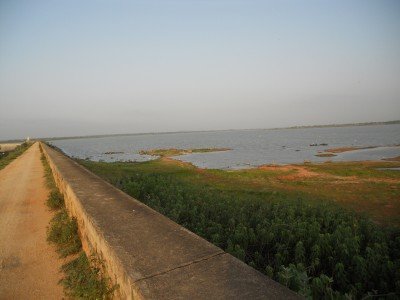
Dindi Reservoir
Some quick example text to build on the card title and make up the bulk of the card's content.
Go somewhere
Dindi View Point
Some quick example text to build on the card title and make up the bulk of the card's content.
Go somewhere
Eegalapenta
Some quick example text to build on the card title and make up the bulk of the card's content.
Go somewhere
Jetprole
Some quick example text to build on the card title and make up the bulk of the card's content.
Go somewhere
Kalwakurthy Town
Some quick example text to build on the card title and make up the bulk of the card's content.
Go somewhere
Kollapur Palace
Some quick example text to build on the card title and make up the bulk of the card's content.
Go somewhere
Nagarjunasagar-Srisailam Tiger Reserve
Some quick example text to build on the card title and make up the bulk of the card's content.
Go somewhere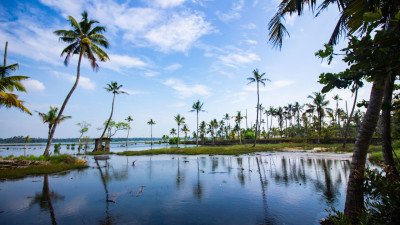
Nagarkurnool Lake & Mini Tankbund
Some quick example text to build on the card title and make up the bulk of the card's content.
Go somewhere
Nagarkurnool Lake
Some quick example text to build on the card title and make up the bulk of the card's content.
Go somewhere
Nagarkurnool Mini Tankbund
Some quick example text to build on the card title and make up the bulk of the card's content.
Go somewherein Other Cities