Namchi Ropeway
General information
-
Ideal Duration:
1. 5 hours (including ticket time, ride, and exploration at both ends)Place Type:
Adventure/Sightseeing/Modern InfrastructureEntry Fees:
Fare Structure: The ropeway charges a nominal fee which typically varies for a one-way and two-way (return) ticket. The general fare is usually around Rs. 150 to Rs. 200 per person for a round trip.
Exemption and Discounts: There are gene...Fare Structure: The ropeway charges a nominal fee which typically varies for a one-way and two-way (return) ticket. The general fare is usually around Rs. 150 to Rs. 200 per person for a round trip.
Exemption and Discounts: There are generally no entry fees for the ride itself. However, the ropeway management sometimes offers a reduced price or free rides for infants or very small children. Locals may also have different rates during certain seasons.
Additional Charges: The fee covers only the ride. Separate entry fees may apply if you visit the attractions near the base station, such as the Rock Garden (which has a nominal entry fee). The price is subject to change based on the tourist season and official announcements.
Payment Methods: Payment is usually accepted in cash at the dedicated ticket counter at the base station. Online ticketing or card payments are sometimes available, but visitors should carry sufficient cash as a contingency. The revenue generated is used for the maintenance and operations of the state-of-the-art system.Timing:
Regular Timings: The ropeway typically operates daily from 9:00 AM to 5:00 PM, but these hours can be extended or curtailed based on seasonal demand, weather conditions, or maintenance schedules. Always confirm locally.
Ideal Visit Time: Mi...Regular Timings: The ropeway typically operates daily from 9:00 AM to 5:00 PM, but these hours can be extended or curtailed based on seasonal demand, weather conditions, or maintenance schedules. Always confirm locally.
Ideal Visit Time: Mid-Morning (10:00 AM to 12:00 PM) is the ideal time to visit, as the morning mist usually clears out, offering the clearest views of the Kanchenjunga peaks and the valley below. The queues are also often shorter than in the peak afternoon.
Pre-Monsoon and Post-Monsoon: The months of March, April, May and October, November offer the best combination of pleasant weather and clear skies, making these the most ideal months for a visit. Avoid the cloudy monsoon and the very cold mid-winter.
Off-Season Timings: During the lean tourist season or heavy monsoons, the operation might be intermittent or the last ride could be earlier, so it is best to plan the visit accordingly to avoid disappointment. Check for the final closing time at the ticket window.Special Events:
Namchi Mahotsav Connection: The ropeway's operational capacity often increases significantly during the annual Namchi Mahotsav, typically held in October or November. Special late-evening rides might be offered to handle the increased tourist inflow.
Read MoreNamchi Mahotsav Connection: The ropeway's operational capacity often increases significantly during the annual Namchi Mahotsav, typically held in October or November. Special late-evening rides might be offered to handle the increased tourist inflow.
New Year's Eve Rides: Although not officially advertised as a 'special event,' the ropeway often sees high demand and sometimes extended hours on New Year's Eve for people looking to greet the New Year with a unique, elevated view of the midnight celebrations in the valley.
Religious Pilgrimage Season: During major Buddhist festivals like Saga Dawa (usually May or June) or Losar (Tibetan New Year, usually February or March), the ropeway serves as a significant access point for pilgrims heading to the Samdruptse Hill shrine, adding a spiritual atmosphere to the journey.
Seasonal Flower Shows: While not at the ropeway itself, the nearby Rock Garden often hosts small, seasonal flower shows, and the ropeway ride offers an excellent aerial view of the vibrant colors in the valley during these events.Best Photo Spots:
Gondola Cabin Corner: The rear corner of the ascending gondola cabin, offering a trailing view of the entire valley and the receding Namchi town below, is an excellent spot for panoramic shots.
Top Station Viewpoint: The official viewing dec...Gondola Cabin Corner: The rear corner of the ascending gondola cabin, offering a trailing view of the entire valley and the receding Namchi town below, is an excellent spot for panoramic shots.
Top Station Viewpoint: The official viewing deck at the Samdruptse Hill top station provides a classic, unobstructed frame of the towering Guru Padmasambhava Statue with the Kanchenjunga range in the background on clear days.
Mid-Span Over the Valley: The point where the ropeway is at its maximum height above the valley offers a breathtaking, 'bird's-eye' perspective of the dense forests and terraced farms, perfect for macro or detail shots of the landscape.
Base Station Gardens: The landscaped areas around the ropeway's base station, especially the approach area, provide excellent foreground elements (colorful flowers, signboards) to frame the cable cars as they ascend the hill.
Ropeway Tower Frame: Using the massive metal towers of the ropeway as a visual frame for the distant mountains creates a powerful composition contrasting human engineering with natural majesty.Photo Gallery
Things To Do
-
Ride the Gondola: Enjoy the thrilling 1. 5 KM cable car ride itself, focusing on the changing perspectives of the valley. Ensure your camera is ready for the panoramic shots of Kanchenjunga. This is the primary activity, offering both transport and sightseeing in one.
Visit Samdruptse Hill: The ropeway's destination is the majestic 135-foot statue of Guru Padmasambhava. Spend time circumambulating the statue, visiting the small prayer hall at the base, and exploring the surrounding manicured gardens. The top station is the gateway to this spiritual site.
Nature Photography: The ride provides excellent opportunities for capturing landscapes, particularly the confluence of the Teesta and Rangeet rivers visible on a clear day, and the geometric patterns of the terraced farming below. Wide-angle...Ride the Gondola: Enjoy the thrilling 1. 5 KM cable car ride itself, focusing on the changing perspectives of the valley. Ensure your camera is ready for the panoramic shots of Kanchenjunga. This is the primary activity, offering both transport and sightseeing in one.
Visit Samdruptse Hill: The ropeway's destination is the majestic 135-foot statue of Guru Padmasambhava. Spend time circumambulating the statue, visiting the small prayer hall at the base, and exploring the surrounding manicured gardens. The top station is the gateway to this spiritual site.
Nature Photography: The ride provides excellent opportunities for capturing landscapes, particularly the confluence of the Teesta and Rangeet rivers visible on a clear day, and the geometric patterns of the terraced farming below. Wide-angle lenses are recommended.
Relax and Reflect: Spend time at the viewing decks at both the base and top stations. The air is fresh and the environment is serene. You can enjoy a cup of local tea and simply soak in the tranquil Himalayan atmosphere before or after your ride.
Explore Nearby Rock Garden: The lower station is located close to the famous Namchi Rock Garden. After the ropeway, take a short stroll to the garden to see its diverse flora, fountains, and peaceful walking paths, making it a perfect combined half-day trip.
Try Local Snacks: Near the ticket counter or in the waiting area, small vendors often sell authentic Sikkimese snacks like momos or sel roti. Sampling these local delicacies enhances the cultural experience of the visit.
Observe Engineering: For those interested in technology, take a moment to observe the modern engineering of the cable car system at the stations, noting how it operates efficiently in the hilly terrain.
Information
-
Why Famous:
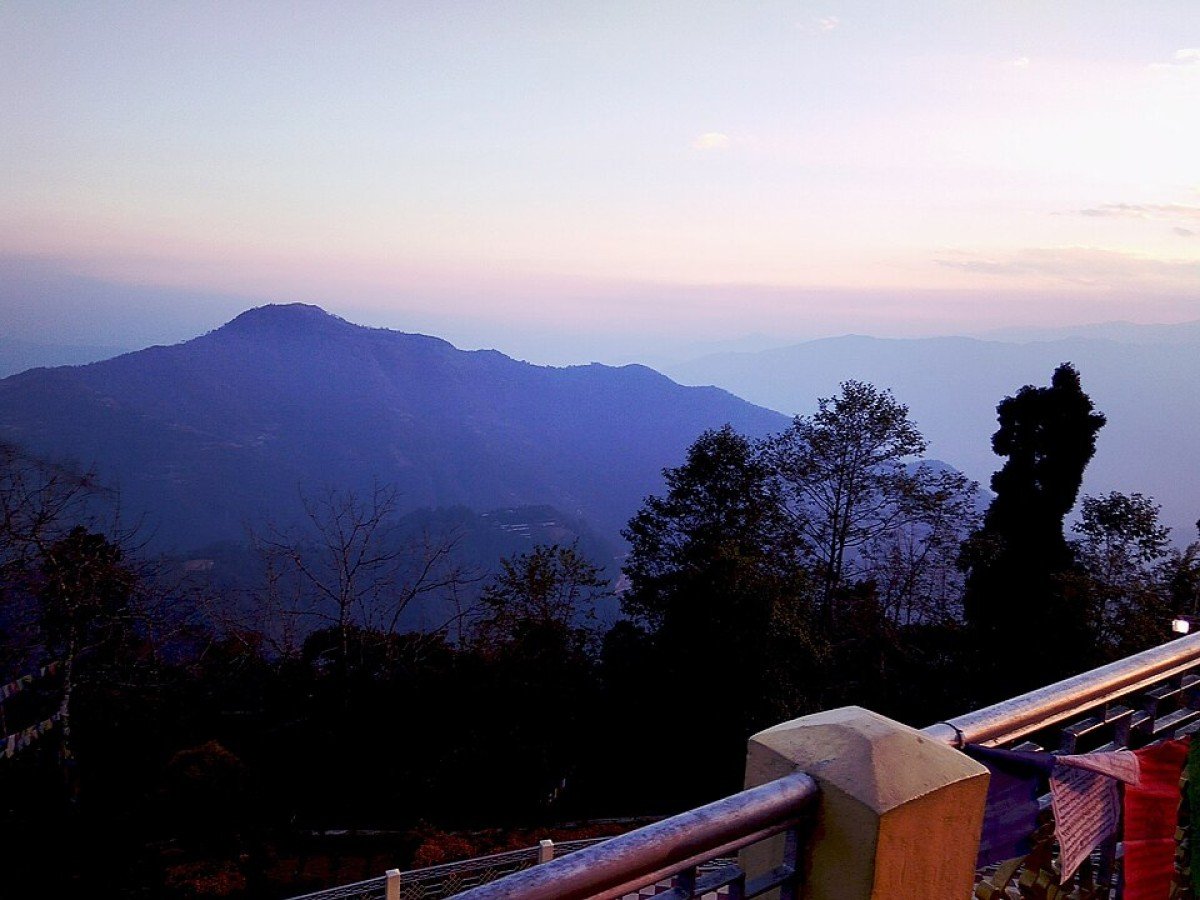
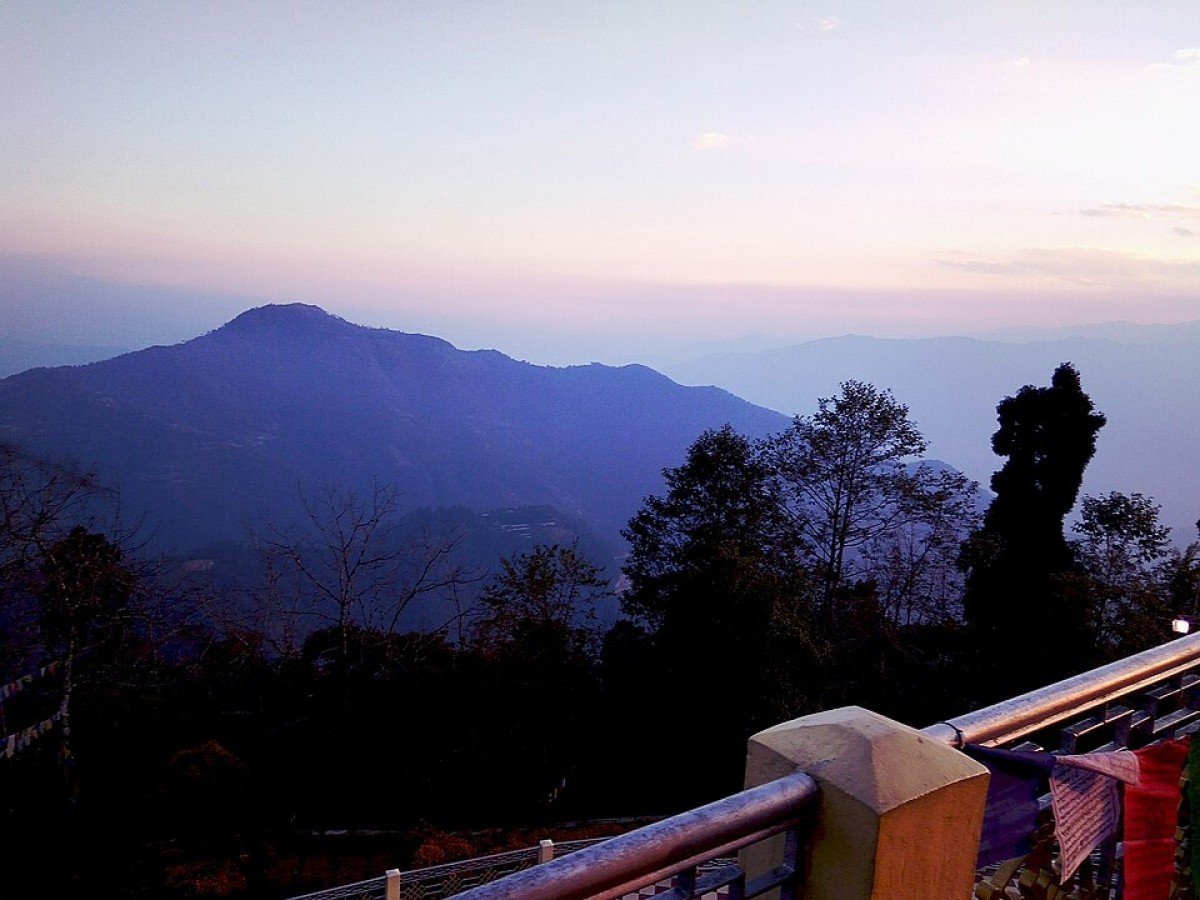
Panoramic Views: It offers the best aerial view of Namchi town, the Kanchenjunga range, and the vast Rangit River valley, which is a major draw for tourists.
Access to Samdruptse: It provides an effortless and exciting mode of transport dire...Panoramic Views: It offers the best aerial view of Namchi town, the Kanchenjunga range, and the vast Rangit River valley, which is a major draw for tourists.
Access to Samdruptse: It provides an effortless and exciting mode of transport directly to the iconic Guru Padmasambhava Statue on Samdruptse Hill, linking two key sites.
Adventure and Thrill: The exhilarating sensation of gliding hundreds of feet above the lush green valleys is a unique attraction, appealing to adventure seekers and families alike.
Modernity in Hills: The state-of-the-art cable car system is a symbol of modern development in a remote Himalayan town, attracting visitors interested in infrastructure and engineering alongside natural beauty. -
Architecture:
Cable Car Design: The system uses modern, enclosed gondola cabins suspended from a circulating cable. The cabins are brightly colored and feature large, clear acrylic or glass windows to maximize the visual experience for passengers. This design prioritizes safety, stabili...Cable Car Design: The system uses modern, enclosed gondola cabins suspended from a circulating cable. The cabins are brightly colored and feature large, clear acrylic or glass windows to maximize the visual experience for passengers. This design prioritizes safety, stability, and unhindered 360-degree views of the surrounding hills and mountains.
System Dimensions: The ropeway's approximate span is 1. 5 kilometers (around 5000 feet), connecting the lower station near Rock Garden to the upper station on Samdruptse Hill, overcoming a significant vertical elevation. The system includes towers strategically placed to support the main cable. The overall project adheres to rigorous safety standards, typical of aerial transport systems.
Architectural Style: The stations are built with a contemporary yet functional design, often incorporating local materials like stone and wood to blend with the Himalayan environment. The architecture focuses on smooth passenger flow, featuring accessible ramps, and waiting halls. The functional architecture of the terminals supports the high-tech machinery of the ropeway system itself, which represents modern engineering in the rugged terrain of Sikkim. The overall aesthetic is one of clean, durable infrastructure. -
How To Reach:
By Air: The nearest airport is Bagdogra Airport (IXB) in West Bengal, approx. 95-100 KM away. From there, hire a private taxi or take a shared taxi to Namchi, which takes around 3. 5 to 4 hours. Pre-booked transport is advisable.
By Train:By Air: The nearest airport is Bagdogra Airport (IXB) in West Bengal, approx. 95-100 KM away. From there, hire a private taxi or take a shared taxi to Namchi, which takes around 3. 5 to 4 hours. Pre-booked transport is advisable.
By Train: The nearest major railway station is New Jalpaiguri (NJP) in Siliguri, West Bengal, approx. 100 KM away. Similar to the airport, hire a taxi or use a bus service from NJP to reach Namchi. The journey takes about 4 hours by road.
By Road: Namchi is well-connected by road to other major towns like Gangtok (78 KM), Darjeeling (75 KM), and Siliguri. One can take state-run buses, private tourist buses, or hire a reserved taxi (like a Bolero or Sumo) from these cities directly to the Namchi town center.
By Local Transport: From the Namchi town center (Bus Stand or Taxi Stand), local shared taxis or dedicated reserve taxis are readily available to reach the ropeway base station, which is a short 10-15 minute drive on the road leading towards Samdruptse Hill. The base station is very accessible. -
Weather and Best Time to Visit:
Different Seasons: Spring (March to May) is ideal for colorful views of blossoming flowers and pleasant weather. Autumn (September to November) is considered the best for absolutely clear skies and stunning, crisp views of the snow-capped Kanchenjunga.
Read MoreDifferent Seasons: Spring (March to May) is ideal for colorful views of blossoming flowers and pleasant weather. Autumn (September to November) is considered the best for absolutely clear skies and stunning, crisp views of the snow-capped Kanchenjunga.
Different Parts of the Day: Early Morning (9 AM to 11 AM) offers the best clarity and is perfect for photography before the harsh midday sun. Late Afternoon (3 PM to 4 PM) is also beautiful, with the soft, golden light ideal for scenic views and avoiding the long lines of the peak hours.
Avoiding Crowds: Weekdays and non-holiday periods are significantly less crowded than weekends or major Indian holidays, offering a more peaceful and personal experience on the ropeway.
Weather Considerations: Avoid the peak monsoon season (July to August) as heavy clouds often obscure the majestic mountain views, rendering the ride less scenic and sometimes causing operational delays.Near Tourist Places:
Samdruptse Hill (0 KM - the top station is on the hill), Rock Garden (0. 5 KM), Sai Mandir (5 KM), Char Dham (Siddheshwar Dham) (8 KM), Temi Tea Garden (18 KM), Tendong Hill (25 KM), Ngadak Monastery (4 KM), Serdup Choling Monastery (4. 5 KM), Tarku (10 KM), Ravangla (25 KM).Tourism Tips
-
Health & Safety: The ropeway is very safe, but for those with a fear of heights or motion sickness, a prior light meal and medication are recommended. Always adhere to the instructions of the ropeway operators.
Packing: Carry a light jacket...Health & Safety: The ropeway is very safe, but for those with a fear of heights or motion sickness, a prior light meal and medication are recommended. Always adhere to the instructions of the ropeway operators.
Packing: Carry a light jacket or shawl, as the air at the top station on Samdruptse Hill can be breezy and cool, even on a sunny day. Don't forget your camera and sunscreen.
Accommodation: Stay in a hotel or guesthouse in Namchi town, which offers a range of budgets. Pre-booking during the peak season (October-November) is highly essential.
Other Topics:
Currency/Payment: Carry cash for the ticket counter and small stalls.
Footwear: Wear comfortable walking shoes, as there is some walking involved at the top station.
Permits: No special permits are needed for Indian nationals; Foreign tourists need an Inner Line Permit (ILP) for some parts of Sikkim, but not specifically for Namchi.
Reviews
FAQs
Namchi Itineray And Cost:-
Other Places In Namchi :-
Other States In India :-
Information about New and Updated Locations() of Sikkim Has Been Added :-
Card subtitle
Note:-
Information provided here in good Faith and for reference only.
Near Places

Baichung Statue
Some quick example text to build on the card title and make up the bulk of the card's content.
Go somewhere
Bhaichung Stadium
Some quick example text to build on the card title and make up the bulk of the card's content.
Go somewhere
Bon Monastery
Some quick example text to build on the card title and make up the bulk of the card's content.
Go somewhere
Kitam Bird Sanctuary
Some quick example text to build on the card title and make up the bulk of the card's content.
Go somewhere
Maenam Wildlife Sanctuary
Some quick example text to build on the card title and make up the bulk of the card's content.
Go somewhere
Namchi Central Park
Some quick example text to build on the card title and make up the bulk of the card's content.
Go somewhere
Namchi Ropeway
Some quick example text to build on the card title and make up the bulk of the card's content.
Go somewhere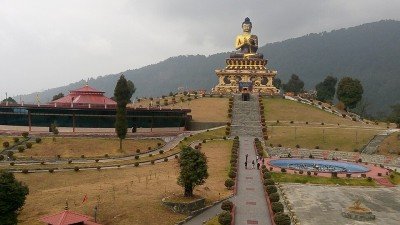
Ngadak Monastery
Some quick example text to build on the card title and make up the bulk of the card's content.
Go somewhere
Rock Garden
Some quick example text to build on the card title and make up the bulk of the card's content.
Go somewhere
Sai Mandir
Some quick example text to build on the card title and make up the bulk of the card's content.
Go somewhere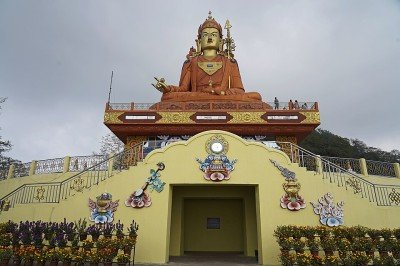
Samdruptse Hill
Some quick example text to build on the card title and make up the bulk of the card's content.
Go somewhere
Serdup Choling Monastery
Some quick example text to build on the card title and make up the bulk of the card's content.
Go somewhere
Sharchog Bey Phug
Some quick example text to build on the card title and make up the bulk of the card's content.
Go somewhere
Siddheshwar Dham
Some quick example text to build on the card title and make up the bulk of the card's content.
Go somewhere
Tarey Bhir
Some quick example text to build on the card title and make up the bulk of the card's content.
Go somewhere
Temi Tea Garden
Some quick example text to build on the card title and make up the bulk of the card's content.
Go somewherein Other Cities