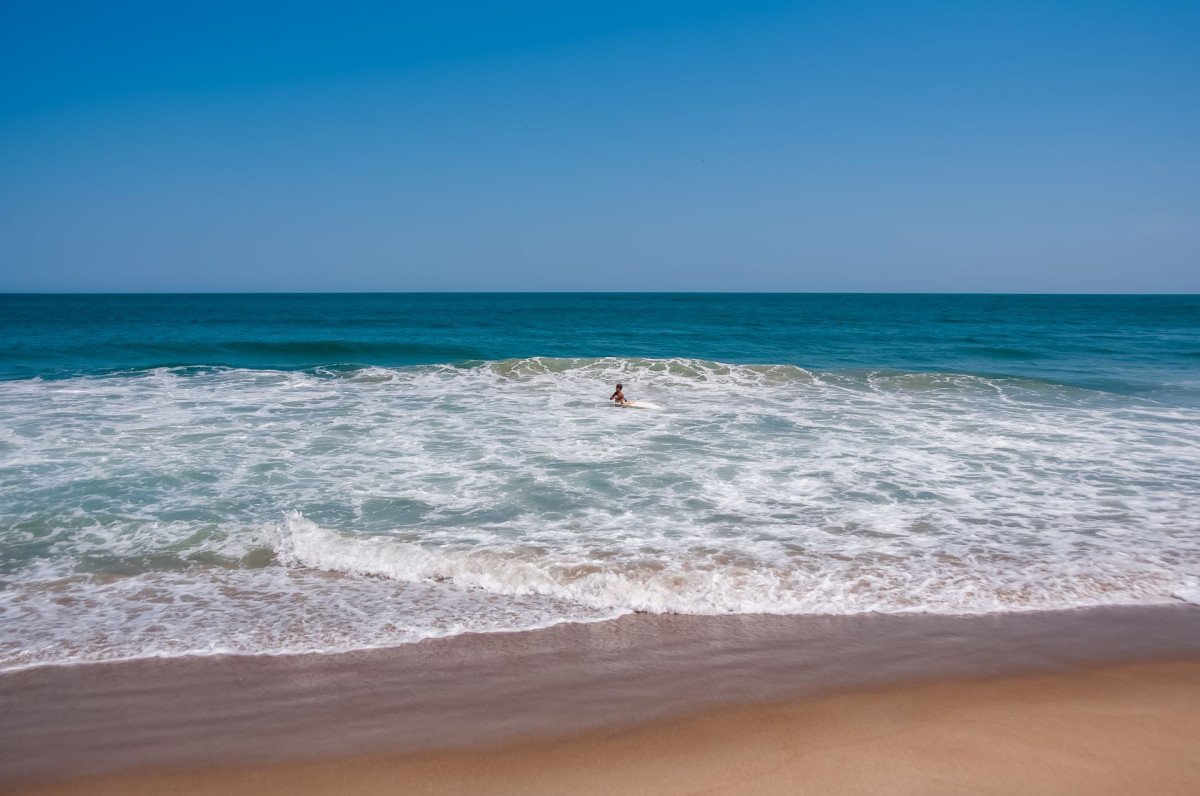
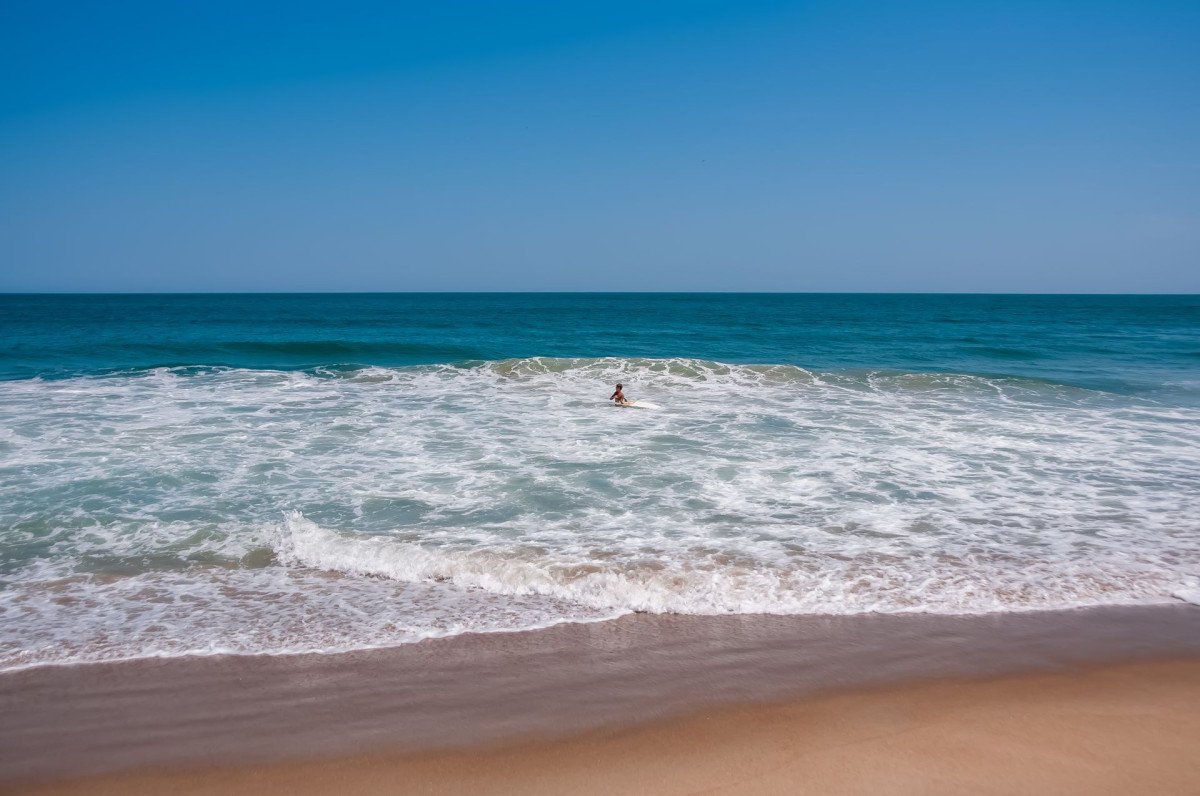
Padinharekara Beach
General information
-
Ideal Duration:
4 to 6 hours (Ideal for sunset viewing, water sports, and a leisurely walk).Place Type:
Nature, Beach, Bird Watching, Adventure Sports.Entry Fees:
Nominal Entry Charge Structure: Access to the natural stretch of Padinharekara Beach shoreline itself is generally free for the public, consistent with most coastal areas in Kerala. However, the local governing bodies, mainly the District Tourism Promotion Council (DTPC), c...Nominal Entry Charge Structure: Access to the natural stretch of Padinharekara Beach shoreline itself is generally free for the public, consistent with most coastal areas in Kerala. However, the local governing bodies, mainly the District Tourism Promotion Council (DTPC), charge a minor, nominal fee to enter the developed amenity area. This fee is typically around 10 INR per person and is used directly for the maintenance of the public facilities like the walkways, lighting, seating areas, and restrooms, ensuring the area remains clean and functional. This small charge helps sustain the infrastructure that enhances the visitor experience.
Vehicle Parking Fee: Visitors arriving in personal vehicles must pay a separate, structured parking fee. This is a common practice at developed tourist spots. The parking fee usually ranges from 30 INR to 50 INR for private cars, depending on the duration of the visit, and is lower for two-wheelers. This fee ensures orderly parking and security for your vehicle while you are enjoying the beach.
Adventure Activity Fees: It is crucial to understand that all recreational and adventure activities, which are significant draws for the beach, are charged separately. Rides on Speed Boats and Water Scooters have their own per-person fee structure, typically in the range of a few hundred INR based on the ride length. The premium, highly sought-after Paramotoring experience, offered on weekends, is the most expensive activity, often costing around 3,000 INR for a brief flight. All these activity fees are collected by authorized vendors, often supervised by the DTPC.Timing:
Regular Operating Hours for Amenities: The natural beach area is open to visitors from Sunrise to Sunset every day. However, the developed facilities, including the Children's Park, Eco-Shops, and the DTPC amenity center, generally operate on set timings. These services ty...Regular Operating Hours for Amenities: The natural beach area is open to visitors from Sunrise to Sunset every day. However, the developed facilities, including the Children's Park, Eco-Shops, and the DTPC amenity center, generally operate on set timings. These services typically open around 6:00 AM and remain available to the public until approximately 8:00 PM. Visitors are advised to plan their visits within these hours to take advantage of all services, including access to restrooms and food stalls. Ideal Visit Time for Scenic Beauty (Late Afternoon): The absolute best and most popular time to visit is the late afternoon, from about 4:30 PM onwards. This period offers a perfect combination of comfort and beauty. The intense humidity and heat of the day have dissipated, and the soft, warm light of the Golden Hour begins, leading up to the spectacular Sunset. This timing is ideal for leisurely walks, water sports, and photography, as the colors are at their most vibrant, making it the preferred time for most visitors. Ideal Visit Time for Nature and Peace (Early Morning): For those seeking tranquility, quiet reflection, or the best Bird Watching opportunities, the Early Morning, specifically from 6:00 AM to 8:00 AM, is the perfect window. The beach is calm, the air is cool, and the migratory birds are most active and visible in the mudflats before the crowds arrive and the heat sets in.Special Events:
The Annual Kite Flying Festivities: Padinharekara Beach holds a special place in Kerala's history as it hosted one of the region's first major International Kite Flying Festivals. Although the scale of these international events varies yearly, the beach remains a hub for ki...The Annual Kite Flying Festivities: Padinharekara Beach holds a special place in Kerala's history as it hosted one of the region's first major International Kite Flying Festivals. Although the scale of these international events varies yearly, the beach remains a hub for kite enthusiasts. Local and regional kite flying groups frequently organize gatherings and mini-festivals, especially during the dry, breezy Winter and pre-monsoon months. The wide-open space over the confluence is perfect for launching massive, elaborate, and colorful kites. These spontaneous or planned events turn the sky into a vibrant tapestry, creating a festive atmosphere that is highly contagious. Watching the intricate maneuvers and designs of the professional fliers is a captivating form of entertainment for all visitors.
DTPC-Organized Adventure Weekends: The District Tourism Promotion Council (DTPC) regularly schedules special adventure weekends, particularly from October to March. These are not simply about the available water sports, but involve organized events like the Paramotoring rides, often accompanied by temporary cultural performances, food stalls, and promotional booths. These weekends are designed to boost tourism and provide a consolidated, lively experience. The organized nature of these events, along with safety supervision, makes them a highlight, attracting both adventure seekers and those looking for a lively social environment with unique activities unavailable on ordinary days.Best Photo Spots:
The Iconic Confluence Viewpoint: The most essential photograph is the wide-angle shot of the azhimukham. Stand at the very tip of the developed beach area to capture the clear meeting point of the rivers and the sea. This viewpoint perfectly frames the dynamic interaction ...The Iconic Confluence Viewpoint: The most essential photograph is the wide-angle shot of the azhimukham. Stand at the very tip of the developed beach area to capture the clear meeting point of the rivers and the sea. This viewpoint perfectly frames the dynamic interaction of the water bodies. The best time for this shot is during the bright daylight hours or, even better, during the Golden Hour just before sunset. Use a slight elevation, if possible, to highlight the contrasting colors of the water. For an added element of scale, you can also include the distant Ponnani Lighthouse across the water.
The Casuarina Tree Silhouette Frame: The long, straight rows of tall Casuarina trees offer a phenomenal opportunity for structured and framed photography. Use the line of trees to create a natural Leading Line that draws the viewer's eye towards the distant horizon or the sunset. For a dramatic effect, take silhouette photographs during the Sunset, positioning people or single trees against the intensely colored sky. The dark, textured trunks and the filtered light create a moody, artistic atmosphere, perfect for both landscape and portrait photography.
The Bird Photographer's Estuary Shots: The shallow mudflats and banks near the river mouth, especially during low tide, are the best spots for wildlife photography. Use a Telephoto Lens to capture close-up, natural action shots of the migratory and local birds feeding and taking flight. The challenge is to capture the grace and detail of the birds without disturbing their natural behavior. The unique light of the Early Morning is best for this, as the birds are most active and the light is soft.Photo Gallery
Things To Do
-
Embark on Thrilling Water Sports and Boating Adventures: Padinharekara Beach offers a range of exciting activities that leverage the calm, expansive water body created by the confluence. For visitors seeking high-octane fun, Speed Boats are readily available for rapid, exhilarating rides across the estuary. These powerful boats can give you a dynamic, wind-in-your-hair perspective of the surrounding coastline and the merging waters. Similarly, Water Scooters provide a personal, hands-on thrill, allowing individuals to maneuver their own craft and jet across the water's surface. These activities are particularly popular with younger visitors and groups of friends. For those who prefer a more relaxed experience, gentle Idle Cruises are a perfect choice. These slow, comfortable boat trips usually navigate the calm backwaters of the Bharathapuzha and Tirur Puzha, offering serene views ...Embark on Thrilling Water Sports and Boating Adventures: Padinharekara Beach offers a range of exciting activities that leverage the calm, expansive water body created by the confluence. For visitors seeking high-octane fun, Speed Boats are readily available for rapid, exhilarating rides across the estuary. These powerful boats can give you a dynamic, wind-in-your-hair perspective of the surrounding coastline and the merging waters. Similarly, Water Scooters provide a personal, hands-on thrill, allowing individuals to maneuver their own craft and jet across the water's surface. These activities are particularly popular with younger visitors and groups of friends. For those who prefer a more relaxed experience, gentle Idle Cruises are a perfect choice. These slow, comfortable boat trips usually navigate the calm backwaters of the Bharathapuzha and Tirur Puzha, offering serene views of the surrounding palm and mangrove vegetation and a close-up look at the water birds. This is an excellent activity for families and older travelers.
Witness the Mesmerizing Sunset Spectacle: The single most popular activity at Padinharekara Beach is the simple, yet profound, act of watching the Sunset. Because the beach faces the wide-open expanse of the Arabian Sea, the sunset is consistently dramatic and breathtaking. As the sun descends, the sky transforms into a dazzling canvas of rich colors—from vivid gold and orange to deep violet and magenta. Hundreds of people gather every evening to share this communal moment of natural beauty. Be sure to arrive at least 30 minutes before the sun is scheduled to set to find a good spot and watch the full color transition.
Engage in Dedicated Bird Watching: For nature enthusiasts, the beach's ecological status as a temporary home for Migratory Birds makes bird watching a key activity. The best time for this is the Winter season, from October to March. Carry your binoculars and a field guide. Focus your observation efforts near the mudflats and the less disturbed areas of the river mouth. You might spot various species of Sandpipers, Plovers, Gulls, and Terns. The early morning hours are generally the best time for spotting the greatest variety of birds as they actively feed.
Experience High-Flying Paramotoring: For the ultimate adrenaline rush and a panoramic view of the three water bodies, try Paramotoring. This thrilling activity, often organized by the DTPC and authorized operators, is usually available only on Saturdays and Sundays. It involves flying with a motorized paraglider, giving you a unique bird's-eye perspective of the entire confluence, the Ponnani Lighthouse, and the vast coastal line. The short flight is an unforgettable way to appreciate the beach's geography.
Enjoy Family Time at the Children's Park: Families with children can spend hours enjoying the facilities at the dedicated Children's Park located near the main entrance. The park features safe, modern play equipment including swings, slides, and climbing frames. This allows children to play freely in a secure environment while providing a relaxation space for parents. The park makes the beach an all-day destination for local and regional families.
Stroll and Relax in the Casuarina Groves: Take a long, peaceful walk along the pathways lined with Casuarina trees. The soft ground and continuous shade offer a cool escape. The uniform sound of the wind is deeply calming, perfect for quiet thought or light exercise.
Shop for Local Souvenirs at Eco-Shops: The developed area often includes small Eco-Shops run by local community groups. These shops sell small handicrafts, locally-made snacks, and souvenirs. Browsing these stalls is a great way to support the local economy and find a small memento of your visit to Malappuram.
Savor Authentic Malabar Coastal Cuisine: A visit is incomplete without sampling the fresh seafood. The nearby stalls and restaurants offer authentic Malabar coastal delicacies, often featuring local fish
Information
-
Why Famous:
The Iconic Triveni Sangamam: The most significant reason for the beach’s fame is its geographical singularity: the confluence, or Triveni Sangamam, of the two major regional rivers, the Bharathapuzha and the Tirur Puzha, with the huge Arabian Sea. This merging point is on...The Iconic Triveni Sangamam: The most significant reason for the beach’s fame is its geographical singularity: the confluence, or Triveni Sangamam, of the two major regional rivers, the Bharathapuzha and the Tirur Puzha, with the huge Arabian Sea. This merging point is one of the very few places in Malappuram where such a spectacle can be easily witnessed. This convergence of fresh and salt water creates a vibrant, ecologically rich estuary that is unlike typical ocean beaches. Tourists travel from far and wide specifically to witness the powerful currents and the visible line where the distinct waters meet and merge, often providing dramatic photography opportunities, especially when viewed from an altitude or a boat.
A Sanctuary for Migratory Birds: Padinharekara Beach is a crucial ecological destination, renowned as a haven for Migratory Birds. Owing to its location at the river mouth, the area's rich mudflats and shallow waters become an abundant feeding ground. Between the months of October and March, numerous bird species, including waders, gulls, and terns, travel thousands of kilometers from regions as distant as Siberia and the Persian Gulf to rest and feed here. This transformation of the beach into an international avian hub attracts ornithologists, nature lovers, and photographers, cementing its reputation not just as a leisure spot but as an important natural ecosystem. The sheer diversity and volume of feathered visitors during the winter season make it unique. -
Architecture:
Padinharekara Beach, lacking traditional stone or concrete structures, defines its 'architecture' through its geography and thoughtful landscape design elements.
Geographical Confluence: The core architectural element is the natural sand spit created by the meeting ...Padinharekara Beach, lacking traditional stone or concrete structures, defines its 'architecture' through its geography and thoughtful landscape design elements.
Geographical Confluence: The core architectural element is the natural sand spit created by the meeting of the three water bodies. This vast, open space, spanning hundreds of meters, is nature's own design, shaped by the millennia of sedimentation from the Bharathapuzha and the Tirur Puzha meeting the tidal resistance of the Arabian Sea. The sheer Dimension of this confluence zone—a dynamic, constantly shifting aquatic crossroads—is its most impressive structural feature. This natural layout provides the panoramic view that is the beach’s main draw.
The Casuarina Tree Barrier: The long, straight line of Casuarina trees running parallel to the shore acts as a planned windbreak and natural dividing wall, giving the area a sense of organized space. These tall, slender trees create an organic, architectural corridor, framing the beach on one side and the backwaters on the other. The height of these trees, often exceeding 15 meters, provides an effective natural canopy.
Functional Amenity Center and Amphitheater: The man-made structures are minimalist and functional, designed not to overpower the natural setting. The primary amenity complex, typically a single-story building built using local materials, is modest, likely standing no more than 5 meters tall. This building houses restrooms and ticketing counters. Near this is a small, open-air Amphitheater, generally semi-circular with a 10-meter radius, constructed with low concrete tiers facing the sea. This simple tiered design provides a focal point for cultural activities or gatherings while serving as tiered seating for sunset viewing. The overall design philosophy emphasizes simplicity, durability, and a low environmental profile, ensuring that the natural beauty remains the undisputed focus of the landscape. -
How To Reach:
By Air: The closest international gateway is the Calicut International Airport (CCJ), also known as Kozhikode Airport or Karipur Airport. This airport is situated approximately 50 to 55 kilometers from Padinharekara Beach. CCJ has strong connectivity, with regular flights ...By Air: The closest international gateway is the Calicut International Airport (CCJ), also known as Kozhikode Airport or Karipur Airport. This airport is situated approximately 50 to 55 kilometers from Padinharekara Beach. CCJ has strong connectivity, with regular flights arriving from major Indian cities like Mumbai, Delhi, and Bengaluru, as well as numerous international destinations in the Middle East. Upon arrival, the most convenient way to reach the beach is by hiring a pre-paid taxi or booking a ride-sharing service, which are available directly outside the terminal. The road journey from the airport usually takes between 1. 5 to 2 hours, depending on the time of day and the local traffic conditions in the connecting towns.
By Train: The nearest major railway hub is Tirur Railway Station (TIR), located only about 17 to 20 kilometers from the beach. Tirur is a well-utilized station on the Southern Railway line, with excellent train connections from across Kerala and neighboring states like Tamil Nadu and Karnataka. An alternative, nearby station is Kuttippuram Railway Station (KTU), which is approximately 24 kilometers away. After arriving at either station, visitors can easily find local transport options. The journey from Tirur to the beach is relatively short, often taking only 30 to 40 minutes by road.
By Road: Padinharekara Beach is very well-connected by a decent network of roads in the Malappuram district. If you are driving from the district headquarters of Malappuram city, the total distance is about 45 kilometers, requiring a drive of roughly 1. 5 hours. The beach lies at the end of the well-known Tipu Sultan Road. For budget travelers, frequent public bus services operate from nearby towns like Tirur, Ponnani, and Kuttippuram. Look for buses heading towards the Koottayi or Padinharekara locality. Buses are an economical way to travel, though they may be slower and require some walking or a short auto-rickshaw ride for the final stretch.
By Local Transport: Once you are in the nearby major towns, finding local transport is simple. Auto-rickshaws (the three-wheeled taxis) are readily available at all bus stands and railway stations and are the most convenient mode for the final trip to the beach. Always negotiate the fare or confirm the use of the meter before starting your journey. Taxis can also be hired for more comfort. Uniquely, local Ferry Services often operate between the Padinharekara side and the Ponnani Harbour side, offering a highly scenic and short water-crossing option. -
Weather and Best Time to Visit:
Winter Season (The Peak Time for Comfort and Nature): The months spanning from October to March constitute the ideal and Best Time to Visit Padinharekara Beach. This period, known as the Winter season in Kerala, is characterized by pleasant, mild, and dry weather. The temperatures are comfortable,...Winter Season (The Peak Time for Comfort and Nature): The months spanning from October to March constitute the ideal and Best Time to Visit Padinharekara Beach. This period, known as the Winter season in Kerala, is characterized by pleasant, mild, and dry weather. The temperatures are comfortable, averaging between 20°C and 30°C, making all forms of outdoor activity enjoyable. Crucially, this season is when the beach acts as a refuge for numerous Migratory Birds, transforming the confluence area into a visual treat for bird watchers. Clear skies during this time also guarantee the most stunning and vibrant Sunsets.
Summer Season (Avoid Mid-Day Heat): The Summer season, from March to May, is generally hot and humid. While the beach is still accessible, visitors should strictly limit their time outdoors, especially between 11:00 AM and 3:00 PM, to avoid the intense tropical sun. The best strategy during this season is to visit only during the Early Morning or Late Evening hours.
Monsoon Season (Dramatic but Restrictive): The Monsoon rains, which typically run from June to September, are heavy and frequent. While the rain washes the coast and fills the rivers, presenting a powerful, dramatic sight of the swollen confluence, many water activities like boating and paramotoring may be suspended for safety. This is a time for visitors who appreciate the raw, wild beauty of nature, but it requires flexibility due to rain interruptions.
Different Parts of the Day:
The Late Afternoon Draw: The Late Afternoon (from 4:30 PM) is the most popular time for all visitors, combining cooler air with the unparalleled beauty of the Sunset over the Arabian Sea.
Different Parts of the Day:
The Early Morning Serenity: The Early Morning (from 6:00 AM) is perfect for solitude, photography, jogging, and optimal Bird Watching before the crowds and heat arrive. -
Near Tourist Places:
Thirunavaya Nava Mukunda Temple: 16 KMS
Tirur Tunchan Parambu: 20 KMS
Kadampuzha Bhagavathy Temple: 31 KMS
Shanthitheeram Riverside Park: 43. 6 KMS
Kottakkunnu Fort and Park: 45 KMS
Mini Ooty (Arimbra Hills): 49 KMS
Nilambur Teak Museum: 85 KMS
Ponnani Lighthouse: 5 KMS
Biyyam Kayal Park: 10 KMS
Kuttippuram Bridge: 25 KMS
Mookkuthala Bhagavathi Temple: 22 KMS
Vallikunnu Beach: 65 KMS
Tourism Tips
-
Health and Safety Guidelines:
Water Safety Warning: Due to the confluence of the two powerful rivers and the sea, the waters at the beach mouth are prone to strong, unpredictable undercurrents and shifting sandbars. It is highly recommended ...Health and Safety Guidelines:
Water Safety Warning: Due to the confluence of the two powerful rivers and the sea, the waters at the beach mouth are prone to strong, unpredictable undercurrents and shifting sandbars. It is highly recommended that visitors refrain from swimming far into the sea at this location for safety reasons. Always stay in the shallowest areas and keep a very close eye on children near the water's edge.
Sun and Hydration: The tropical sun can be severe. Always carry a water bottle to stay hydrated and protect yourself with generous amounts of high-SPF Sunscreen, a Hat, and Sunglasses. Minimize sun exposure during the peak heat hours of the day.
Packing Essentials for the Coast:
Clothing: Pack light, breathable, cotton or linen clothing that is suitable for a warm, humid climate. A light shawl or jacket may be useful in the evening breeze.
Equipment: If you plan on bird watching, bringing your own Binoculars and a camera with a good zoom lens will significantly enhance your experience, especially during the Winter season. Carry a small first-aid kit for minor cuts or insect bites.
Accommodation Planning: While a few charming homestays and basic accommodations are available immediately in Koottayi, for better comfort, variety, and access to city amenities, it is advisable to look for lodging in the nearby towns of Tirur (17 KMS) or Ponnani (a short drive away). Booking your accommodation in advance, especially if traveling during the peak season of December and January, is highly recommended to secure the best spots and prices. Look for options near the main roads for easier transport access.
Respecting Local Culture and Communication:
Modesty: Malappuram is known for its deep cultural roots. While visiting the beach, casual attire is acceptable, but if you plan to visit nearby temples or mosques or wander into the towns, dress modestly as a sign of respect for local customs.
Language: The local language is Malayalam. Although English is spoken in tourist and commercial areas, learning simple Malayalam phrases (like Enthenkilum KaryamundoRs. for "Is everything okayRs.") is a thoughtful gesture and will be warmly received by the local community.
Reviews
FAQs
Malappuram Itineray And Cost:-
Padinharekara Beach Tourism:-
Information about New and Updated Locations() of Kerala Has Been Added :-
Card subtitle
Note:-
Information provided here in good Faith and for reference only.
All information and pictures will be updated soon, please keep visiting.
Near Places
Adyanpara Waterfalls
Some quick example text to build on the card title and make up the bulk of the card's content.
Go somewhere
Alathiyoor Hanuman Temple
Some quick example text to build on the card title and make up the bulk of the card's content.
Go somewhere
Arimbra Hills
Some quick example text to build on the card title and make up the bulk of the card's content.
Go somewhere
Biyyam Kayal
Some quick example text to build on the card title and make up the bulk of the card's content.
Go somewhere
Chaliyar River and Banks
Some quick example text to build on the card title and make up the bulk of the card's content.
Go somewhere
Conolly's Plot
Some quick example text to build on the card title and make up the bulk of the card's content.
Go somewhere
Kadalundi Bird Sanctuary
Some quick example text to build on the card title and make up the bulk of the card's content.
Go somewhere
Kakkadampoyil Waterfall
Some quick example text to build on the card title and make up the bulk of the card's content.
Go somewhere
Keraladeshapuram Temple
Some quick example text to build on the card title and make up the bulk of the card's content.
Go somewhere
Keralmkundu Waterfalls
Some quick example text to build on the card title and make up the bulk of the card's content.
Go somewherein Other Cities