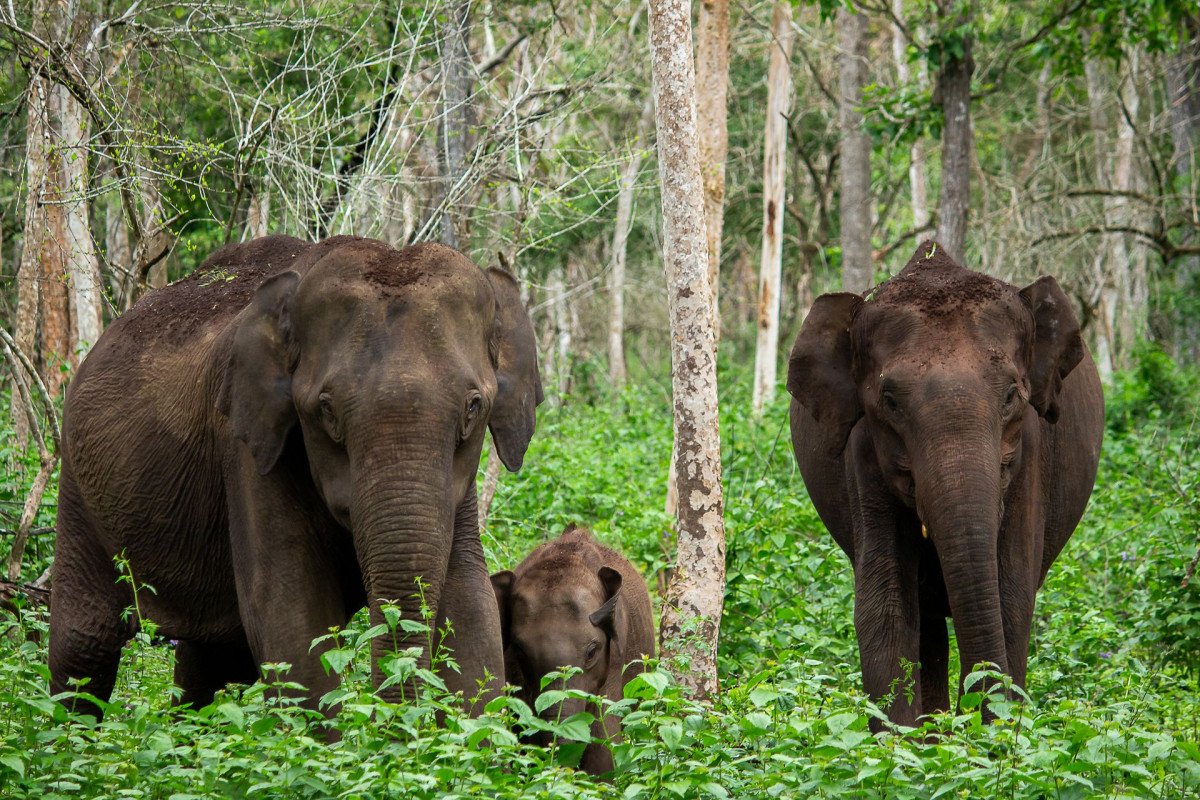
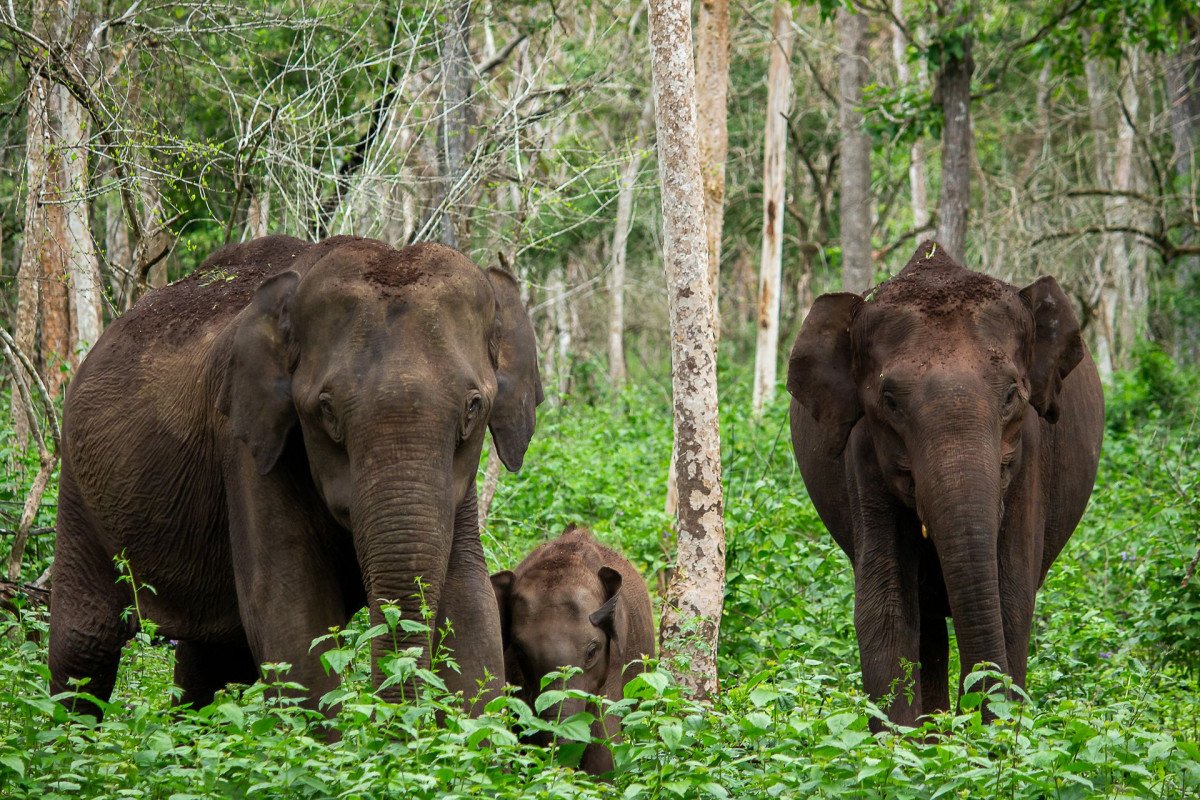
Pamzal Reserved Forest
General information
-
Ideal Duration:
5-8 Hours (for deep trekking)Place Type:
Ecological Reserve & Biodiversity HotspotEntry Fees:
Forest Guard Patrol Day Celebrations: Not a tourist event, but the village sometimes holds small, localized celebrations to honor the Forest Guards or local youths who have dedicated themselves to the protection and patrol of the forest boundaries. These are simple communit...Forest Guard Patrol Day Celebrations: Not a tourist event, but the village sometimes holds small, localized celebrations to honor the Forest Guards or local youths who have dedicated themselves to the protection and patrol of the forest boundaries. These are simple community feasts that highlight the importance of conservation.
Local Environmental Workshops: Occasional workshops on sustainable forest practices, combating deforestation, and wildlife protection are held, often in collaboration with government bodies or NGOs. These events, though primarily for locals, are important showcases of the forest's administrative and ecological significance.
Traditional Hunting-Season Rituals (Observe Only): Historically and culturally, certain times of the year may involve rituals associated with the traditional, regulated hunting calendar of the local tribes. While modern conservation limits actual hunting, the associated cultural rituals and ceremonies might still be performed by the elders, offering a rare insight into the ancient relationship between the people and the forest.Timing:
The Green Ocean Viewpoint: The high ridge or hillock near Pamzal village (often the start of a deep trek) offers a spectacular panoramic view of the vast, rolling green canopy of the Reserved Forest, stretching to the horizon like an ocean. This spot is best for wide-angle ...The Green Ocean Viewpoint: The high ridge or hillock near Pamzal village (often the start of a deep trek) offers a spectacular panoramic view of the vast, rolling green canopy of the Reserved Forest, stretching to the horizon like an ocean. This spot is best for wide-angle landscape photos, especially in the golden light of the early morning.
The Canopy Filtered Light: A spot deep inside the forest on a sunny day where the sun's rays pierce the dense canopy, creating dramatic, visible shafts of light (crepuscular rays) that illuminate the misty air and forest floor. This is a challenging but highly rewarding photo opportunity, requiring patience and the right time (usually Rs. 11:00 AM to 1:00 PM).
The Giant Tree Base: The base of one of the massive 'Sentinel Trees' or an old-growth tree with a large, buttressed root system. Positioning a human subject near the base provides a stunning sense of scale, emphasizing the ancient, colossal nature of the forest.
The Stream-Rock Composition: The point where a small, crystal-clear stream flows over moss-covered rocks deep within the forest, offering a quiet, intimate composition of water, stone, and delicate green foliage. This spot captures the pristine quality of the forest's interior.Special Events:
The Silent Sentinel Trees: A hidden gem lies in identifying and seeking out the few, massive, old-growth 'Sentinel Trees' that have survived for centuries. These are often the largest, most majestic specimens of native hardwoods, which act as micro-ecosystem hubs, supportin...The Silent Sentinel Trees: A hidden gem lies in identifying and seeking out the few, massive, old-growth 'Sentinel Trees' that have survived for centuries. These are often the largest, most majestic specimens of native hardwoods, which act as micro-ecosystem hubs, supporting unique epiphytes (like rare orchids) and insects that cannot thrive elsewhere. Finding and photographing one of these ancient giants is a profound experience.
The Indigenous Knowledge Library: The most invaluable hidden gem is the unwritten, ancestral knowledge of the Pamzal tribal elders regarding the forest's deepest secrets—medicinal plants, seasonal animal migration paths, and the traditional folklore that explains the origin of the streams and waterfalls. This 'library' of indigenous wisdom is only accessible through respectful, patient interaction with the village community and their authorized guides.
The Pre-Dawn Mist Experience: Due to the high altitude and dense canopy, the area is consistently draped in a thick, magical mist just before and immediately after dawn. Experiencing a sunrise trek where the forest slowly emerges from this cool, heavy fog is a hidden gem for sensory immersion and dramatic, ethereal photography, a phenomenon most tourists miss by arriving later in the day.Best Photo Spots:
Guided Forest Trekking and Hiking: The core activity is medium to long-distance trekking along authorized trails in the buffer zone. Always hire an experienced local guide. The trails vary in difficulty, offering options for light walks to challenging, multi-hour hikes, fo...Guided Forest Trekking and Hiking: The core activity is medium to long-distance trekking along authorized trails in the buffer zone. Always hire an experienced local guide. The trails vary in difficulty, offering options for light walks to challenging, multi-hour hikes, focusing on reaching viewpoints or water source areas. This is an exploration of the forest's vastness.
Bird Watching and Ornithological Study: Due to the high avian diversity, this is a prime birdwatching destination. Carry high-quality binoculars and a field guide. Focus on identifying endemic species of Manipur and the Eastern Himalayas. Early morning hours (before 8:00 AM) are essential for the best sightings.
Botanical and Medicinal Plant Identification: With an expert local guide, you can learn to identify the various species of ferns, orchids, and particularly the medicinal herbs that the tribal communities have used for generations. This turns the trek into an educational journey into ethnobotany. Always observe and document only, do not harvest any plants without official permission.
Nature Photography and Macro-Studies: Capture the vastness of the forest canopy, the delicate micro-life on the forest floor, and the dramatic interplay of light and shadow filtering through the dense leaves. Use macro lenses to photograph the unique mosses, fungi, and colorful insects that thrive in the rich humidity.
Primitive Camping (Permitted Zones Only): For a truly immersive experience, organize an overnight stay in a designated camping area near the village or within the buffer zone. This allows for stargazing, experiencing the night sounds of the forest, and an early start for the trek. Official permits from the Forest Department are strictly required.
Responsible Stream Exploration: Explore the smaller, clearer streams that feed the waterfalls, focusing on observing the clarity of the water and the tiny aquatic life. This highlights the pristine nature of the environment. Always follow stream banks, avoiding stepping into the water unnecessarily to prevent contamination.
Cultural Exchange with Pamzal Village: Spend time in Pamzal village, the gateway to the forest. Engage respectfully with the community, perhaps assisting with a small community activity or learning a few phrases in the local dialect. This adds a crucial human and cultural dimension to the nature-centric trip.Photo Gallery
Things To Do
-
Its Conservation Status: The Pamzal Reserved Forest is famous primarily for its designation as a protected Reserved Forest, which immediately sets it apart as a region of high ecological value and conservation priority in Manipur. This status is central to its identity and attraction for eco-tourists, researchers, and serious naturalists.
Source of Waterfalls: It is the source region and protector of the famed Pamzal Waterfall cluster, including the Pipeline Waterfall. This hydrological importance makes the entire area famous as the 'water tower' of its immediate surroundings, essential for the local population's water supply.
Untouched Wilderness: In a region facing growing deforestation, Pamzal is famous for its relative lack of human impact outside the buffer zone, offering a rare glimpse in...Its Conservation Status: The Pamzal Reserved Forest is famous primarily for its designation as a protected Reserved Forest, which immediately sets it apart as a region of high ecological value and conservation priority in Manipur. This status is central to its identity and attraction for eco-tourists, researchers, and serious naturalists.
Source of Waterfalls: It is the source region and protector of the famed Pamzal Waterfall cluster, including the Pipeline Waterfall. This hydrological importance makes the entire area famous as the 'water tower' of its immediate surroundings, essential for the local population's water supply.
Untouched Wilderness: In a region facing growing deforestation, Pamzal is famous for its relative lack of human impact outside the buffer zone, offering a rare glimpse into the pristine, natural state of the hill forests of Northeast India. This makes it famous as a true wilderness sanctuary.
Flora and Fauna Riches: The forest's fame is also built upon its biological diversity. It is known locally among birdwatchers for its array of endemic hill birds and is a significant repository of medicinal plants and unique orchid species, contributing to its fame among botanists and environmental researchers.
Information
-
Architecture:
Natural Forest Structure: The 'architecture' is the majestic, natural structure of a high-altitude, dense evergreen forest. The canopy layer is extremely high, featuring towering native hardwoods and teak, often reaching heights of 25 to 35 meters, creating a perpetually sh...Natural Forest Structure: The 'architecture' is the majestic, natural structure of a high-altitude, dense evergreen forest. The canopy layer is extremely high, featuring towering native hardwoods and teak, often reaching heights of 25 to 35 meters, creating a perpetually shaded, humid forest floor. The forest floor itself is a complex, multi-layered architecture of decomposing leaves, root systems, and dense undergrowth.
Hydrological Network: The architectural feature of the forest is its complex hydrological network—the myriad of small streams and rivulets that crisscross the terrain. These are essentially the forest's 'veins,' channeling water and nutrients. The unique formation of the waterfalls (Pipeline, etc. ) is a direct result of this drainage system interacting with the underlying geology.
The Buffer Zone Design: The forest is typically structured with an outer Buffer Zone (used sustainably by the local community for minor forest produce and grazing) leading into a heavily protected Core Zone where human interference is strictly minimized. This zonation is the conservation 'architecture' that protects its most sensitive parts. The deep, dark green biomass of the forest, spanning hundreds of square kilometers, serves as its primary, living structural dimension. -
How To Reach:
Official Permits and Forest Department Fees: As a Reserved Forest, formal entry into the core area or certain designated zones requires a Permit from the District Forest Officer (DFO), which can involve a nominal processing fee (variable, Rs. INR 50-200 per person) and a forma...Official Permits and Forest Department Fees: As a Reserved Forest, formal entry into the core area or certain designated zones requires a Permit from the District Forest Officer (DFO), which can involve a nominal processing fee (variable, Rs. INR 50-200 per person) and a formal application detailing the visit's purpose and duration. This fee is distinct from any local village contribution.
Guide and Ranger Fees: If entering the more protected zones, an accompanying Forest Ranger or a designated local guide is mandatory. Their service fee is separate and may be higher than a regular village guide (ranging from INR 1500-2500 per day) due to the expertise and official capacity required for entry into regulated areas.
Camping and Research Fees: Setting up a camp or conducting scientific research requires a specific permit and may involve a substantial fee charged by the Forest Department, as it impacts the protected area. Unauthorized camping or research is strictly illegal and subject to severe penalties. Ensure all fee-related arrangements are made formally and documented before the trip begins. -
Weather and Best Time to Visit:
Strict Day Entry and Exit: Access to the trekking trails near Pamzal village is generally restricted to daylight hours, from 7:00 AM to 4:00 PM, particularly if you are not staying in the village. This timing is a non-negotiable safety requirement for trekking in dense fore...Strict Day Entry and Exit: Access to the trekking trails near Pamzal village is generally restricted to daylight hours, from 7:00 AM to 4:00 PM, particularly if you are not staying in the village. This timing is a non-negotiable safety requirement for trekking in dense forest.
Ideal Visit Time for Biodiversity: The best time to visit for Birdwatching and spotting other forest animals is the Early Morning (between 6:00 AM and 9:00 AM) when the animals are most active and the forest air is cool.
Seasonal Clarity and Trail Conditions: The most ideal time for safe trekking and clear forest views is the Post-Monsoon Dry Season (Late October to February). The air is clearest, the risk of landslides is minimal, and the trails are less slippery. The forest looks less dense and feels more manageable in these months.
Monsoon Restrictions: Access is highly restricted and often closed during the peak of the Monsoon Season (July and August) due to the extreme danger posed by slippery slopes, leeches, flash floods in the streams, and the high risk of falling trees or landslips. -
Near Tourist Places:
Pipeline Waterfall (Rs. 1 KM), Pamzal Lui Tuikia (Waterfall) (Rs. 1 KM), Step's Waterfall, Pamzal (Rs. 1-2 KMS), Khuai Kawl, Waterfall (Rs. 1 KM), Lam Ngaihte Fishing Spot (Rs. 8 KMS), Pamzal Village (Base), Khuga Dam (Rs. 35 KMS), Tonglon Cave (Rs. 55 KMS), Tuibuong Tribal Museum (Rs. 30 KMS), Ngaloi Waterfalls (Rs. 28 KMS), Tipaimukh Area (Rs. 150 KMS)
Tourism Tips
-
Health & safety (Guides are Key): Never venture into the forest alone or without an authorized local guide; the forest is dense and easy to get lost in. Carry an emergency whistle and a fully charged power bank. Learn to identify and avoid poisonous plants and insects wit...Health & safety (Guides are Key): Never venture into the forest alone or without an authorized local guide; the forest is dense and easy to get lost in. Carry an emergency whistle and a fully charged power bank. Learn to identify and avoid poisonous plants and insects with the help of your guide. Stay well-hydrated throughout the day, and check for leeches frequently during the wet season.
Packing Essentials (The 10 Essentials): Pack the 'Ten Essentials' for wilderness survival (Navigation, Sun Protection, Insulation, Illumination, First-Aid Supplies, Fire, Repair Kit, Nutrition, Hydration, and Shelter/Tarp). Wear long sleeves and trousers to protect against scratches and insects. A water filter/purifier is recommended if relying on stream water.
Permits and Compliance: Always carry the official Forest Permit (if required) and all necessary identification documents. Strictly adhere to the instructions of the local guide and the Forest Department. Stay on marked trails, and never leave any waste behind.
Accommodation (Basic Homestays): The only accommodation nearby is the basic Homestays offered by the Pamzal village residents. This is highly recommended for the cultural experience and convenience. Otherwise, you must commute daily from the main town of Churachandpur, which adds Rs. 2 hours of travel time each way.
Other Tips (Photography and Observation): Be silent and patient when observing wildlife; the forest rewards stillness. Use a red light on your headlamp at night for minimal disturbance to nocturnal life.
Reviews
FAQs
Churachandpur Itineray And Cost:-
Pamzal Reserved Forest Tourism:-
Other Places In Churachandpur :-
Other States In India :-
Information about New and Updated Locations() of Manipur Has Been Added :-
Card subtitle
Note:-
Information provided here in good Faith and for reference only.
Near Places

Kholmun Play Ground
Some quick example text to build on the card title and make up the bulk of the card's content.
Go somewhere
Khuga Dam
Some quick example text to build on the card title and make up the bulk of the card's content.
Go somewhere
Lam Ngaihte Fishing Spot
Some quick example text to build on the card title and make up the bulk of the card's content.
Go somewhere
Lamka
Some quick example text to build on the card title and make up the bulk of the card's content.
Go somewhere
Lamka PT Sports Complex
Some quick example text to build on the card title and make up the bulk of the card's content.
Go somewhere
Lamka Public Ground
Some quick example text to build on the card title and make up the bulk of the card's content.
Go somewhere
Lunjang Water Fall
Some quick example text to build on the card title and make up the bulk of the card's content.
Go somewhere
Mata Dam
Some quick example text to build on the card title and make up the bulk of the card's content.
Go somewhere
New Lamka Bazar
Some quick example text to build on the card title and make up the bulk of the card's content.
Go somewhere
New Lamka
Some quick example text to build on the card title and make up the bulk of the card's content.
Go somewhere
Ngaloi Falls
Some quick example text to build on the card title and make up the bulk of the card's content.
Go somewhere
Ngaloi Waterfalls
Some quick example text to build on the card title and make up the bulk of the card's content.
Go somewhere
Pamzal Lui Tuikia
Some quick example text to build on the card title and make up the bulk of the card's content.
Go somewhere
Pamzal Reserved Forest
Some quick example text to build on the card title and make up the bulk of the card's content.
Go somewhere
Pipeline Waterfall
Some quick example text to build on the card title and make up the bulk of the card's content.
Go somewhere
Sajik Tampak
Some quick example text to build on the card title and make up the bulk of the card's content.
Go somewherein Other Cities