Pazhassi Raja Archaeological Museum and Art Gallery
General information
-
Ideal Duration:
2 to 3 hoursPlace Type:
History, Archaeology, Art Gallery, Museum.Entry Fees:
Nominal Fee Structure: The museum is managed by the State Archaeology Department, which typically keeps entry fees very affordable to ensure accessibility to all sections of society. The fees are nominal, aiming primarily for upkeep and management rather than profit.
...Nominal Fee Structure: The museum is managed by the State Archaeology Department, which typically keeps entry fees very affordable to ensure accessibility to all sections of society. The fees are nominal, aiming primarily for upkeep and management rather than profit.
Adults: The general entry fee for adults is usually around INR 20 per person. This price is exceptionally low compared to private or central government museums, reflecting its role as a state-sponsored cultural and educational institution.
Children: The entry fee for children (often below 12 or 15 years of age) is further subsidized, typically around INR 10 per child.
Students/Groups: Discounts are often available for educational groups from schools and colleges, provided they have an official request letter. This is to encourage academic visits and research.
Photography and Special Access Fees: While the base entry fee is low, there can be separate charges for cameras and video recording, although photography is often completely prohibited inside the exhibition halls to protect the artifacts and paintings.
Camera Fee (Exterior/Grounds): If a fee is charged for still photography in the exterior areas, it is generally also nominal (e. g. , INR 50 to INR 100).
Video Camera Fee: Charges for video cameras are usually higher, if permitted at all, and require prior official permission for commercial or professional shooting.
Combined Ticket Opportunity: Since the Pazhassi Raja Archaeological Museum and the Krishna Menon Museum are located in the same compound, there is often a single, slightly increased ticket that grants entry to both institutions. This combined ticket is a great value, allowing visitors to experience both the historical and the political/artistic exhibits with one purchase. It is advisable to check the ticket counter on arrival for the most current fee structure, as rates can be revised by theTiming:
Regular Timings: The museum operates on a consistent schedule throughout the week, with a mandated break period.
Days of Operation: Tuesday to Sunday (The museum is Closed on Mondays and on a few select public holidays, so it's best to con...Regular Timings: The museum operates on a consistent schedule throughout the week, with a mandated break period.
Days of Operation: Tuesday to Sunday (The museum is Closed on Mondays and on a few select public holidays, so it's best to confirm before visiting).
Morning Slot: 9:00 AM to 1:00 PM
Lunch Break: 1:00 PM to 2:00 PM (The museum gates and halls are closed during this hour).
Afternoon Slot: 2:00 PM to 4:30 PM or 5:00 PM (Closing time can vary slightly, but 4:30 PM is the standard for the last entry).
Ideal Visit Time: Choosing the right time can significantly enhance the experience, allowing for a relaxed and uncrowded visit.
Opening Hour Advantage: The absolute Ideal Visit Time is right at the opening, around 9:00 AM. The museum will be less crowded, the staff will be fresh, and the morning light is excellent for viewing the exterior architecture and grounds.
Mid-Week Visit: Visiting on a Tuesday, Wednesday, or Thursday is generally better than the weekend (Saturday or Sunday), as local school groups often schedule field trips on the weekend.
Post-Lunch Option (Quieter): The time immediately after the lunch break, around 2:00 PM, is also a good option, as the initial morning rush has subsided, offering a quieter atmosphere. The duration of 2 to 3 hours is ideal for covering both the archaeological and art sections without rushing.Special Events:
Annual Archaeology Day Celebrations: The museum, managed by the State Archaeology Department, regularly hosts special events, particularly around the annual World Heritage Day (April 18) or Archaeology Week in November. These events include special guided tours, lectures b...Annual Archaeology Day Celebrations: The museum, managed by the State Archaeology Department, regularly hosts special events, particularly around the annual World Heritage Day (April 18) or Archaeology Week in November. These events include special guided tours, lectures by prominent historians and archaeologists, and temporary exhibitions showcasing recent finds or focusing on specific periods of Kerala's history. These are excellent opportunities for deeper engagement with the subject matter, often involving educational outreach to local schools and universities.
Commemoration of Pazhassi Raja: Events are specifically organized to commemorate the legacy of Pazhassi Raja. The most significant is usually around his death anniversary on November 30. These include seminars, cultural programs like traditional martial arts demonstrations (Kalaripayattu) and folk songs, and special exhibits detailing the Pazhassi Revolt. These commemorative events highlight the freedom fighter's role and are deeply meaningful to the local community, offering a blend of history and regional culture.
Art Appreciation Workshops and Exhibits: The Art Gallery section hosts periodic special exhibitions for contemporary artists or workshops on traditional art forms like mural painting and wood carving. These events keep the cultural space vibrant and relevant, providing a platform for modern-day artists while honouring the legacy of masters like Raja Ravi Varma. Check local listings, especially during the October to March tourist season, for these enriching cultural activities.Best Photo Spots:
Colonial Veranda and Entrance: The wide, arched veranda of the East Hill Bungalow provides a magnificent backdrop.
Architectural Detail Shots: Focus on the intricate woodwork, the sturdy laterite stone walls, and the high ceilings of the v...Colonial Veranda and Entrance: The wide, arched veranda of the East Hill Bungalow provides a magnificent backdrop.
Architectural Detail Shots: Focus on the intricate woodwork, the sturdy laterite stone walls, and the high ceilings of the veranda for excellent architectural photography that captures the colonial-era charm.
Framing Shots: Use the arches of the veranda to frame the lush green gardens outside, creating a contrast between the historical structure and the natural setting.
The Pazhassi Raja Statue/Bust: If there is a prominent statue or bust of Pazhassi Raja on the grounds, it serves as a powerful symbol of resistance and a central photographic element.
Heroic Composition: Photograph the statue against the clear blue sky or the backdrop of the historical building to emphasize its significance. This location is essential for a "proof of visit" photo that connects directly to the museum's name.
Garden and Campus Views: The peaceful, sprawling grounds and gardens offer numerous opportunities for scenic shots.
Nature and History: Look for spots where the historical building is partially visible through the foliage and trees, blending the architecture with the natural environment.
Pathway and Vistas: The pathways leading to and from the museum and the adjacent Krishna Menon Museum are often lined with trees, creating beautiful leading lines and natural frames for wide shots of the campus. Note that photography is usually restricted inside the museum display halls, so the focus should be on the exterior and grounds.Photo Gallery
Things To Do
-
Explore the Archaeological Artifacts: The primary activity is a detailed exploration of the archaeological wing. Start with the oldest exhibits, focusing on the Megalithic Relics.
Study the Umbrella Stones: Take time to observe the Kudakkallu (umbrella stones) and Dolmenoid Cists. These stone monuments are fascinating examples of prehistoric burial practices. Try to visualize the ancient civilizations that created them.
Examine Ancient Pottery and Toys: Look closely at the fragments of ancient pottery, toys, and utensils recovered from various excavation sites. These small items offer intimate glimpses into the daily life of people from millennia ago.
View Sculptures and Idols: Appreciate the collection of stone sculptures and Panchaloha (five-metal alloy...Explore the Archaeological Artifacts: The primary activity is a detailed exploration of the archaeological wing. Start with the oldest exhibits, focusing on the Megalithic Relics.
Study the Umbrella Stones: Take time to observe the Kudakkallu (umbrella stones) and Dolmenoid Cists. These stone monuments are fascinating examples of prehistoric burial practices. Try to visualize the ancient civilizations that created them.
Examine Ancient Pottery and Toys: Look closely at the fragments of ancient pottery, toys, and utensils recovered from various excavation sites. These small items offer intimate glimpses into the daily life of people from millennia ago.
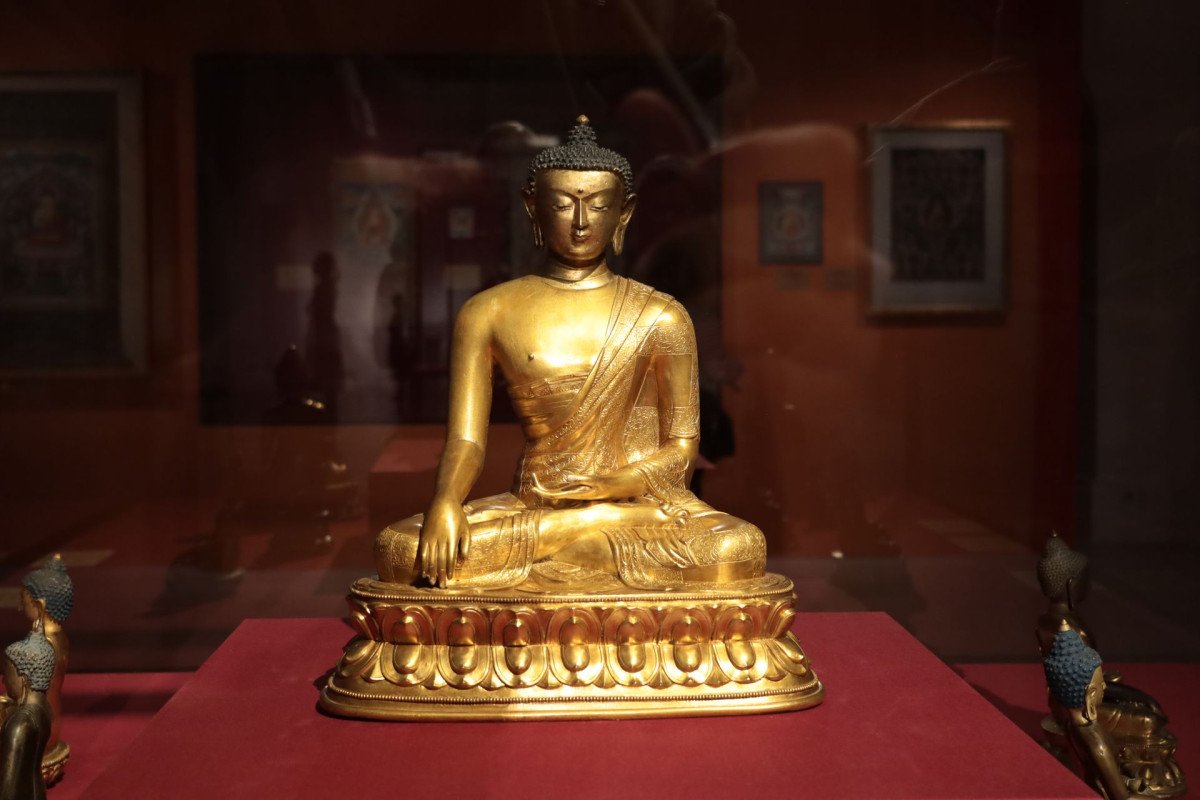
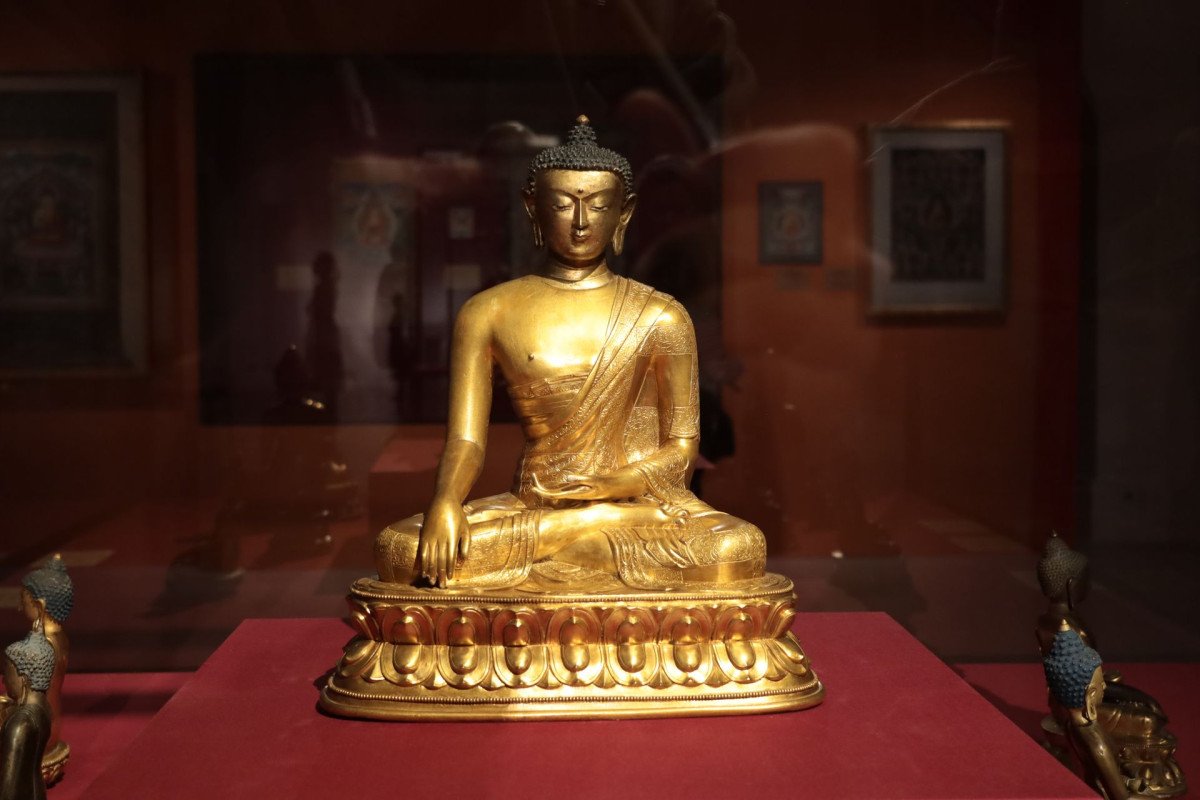
View Sculptures and Idols: Appreciate the collection of stone sculptures and Panchaloha (five-metal alloy) idols. Note the fine craftsmanship and the transition of artistic styles over different periods, often reflecting evolving religious and cultural beliefs.
Immerse in the Art Gallery: Dedicate a significant portion of your visit to the adjacent art gallery, which focuses on paintings and sculptures.
Appreciate Raja Ravi Varma's Works: Spend time with the masterpieces by Raja Ravi Varma and Raja Raja Varma. Look for the characteristic realism and the vibrant depiction of mythological and royal subjects that made Ravi Varma a globally recognized artist.
Observe Mural Paintings: Study the replicas or original examples of traditional Kerala mural paintings. These distinct art forms, characterized by rich colours and themes from Hindu mythology, represent a unique regional artistic tradition.
Review Modern and Contemporary Art: The gallery also houses a collection of modern paintings and art forms. Compare and contrast the classical styles of the Varma's with the later works to understand the evolution of art in Kerala.
Delve into the Historical and Military Section: A separate section holds historical documentation and war artifacts.
Inspect Historical Weaponry: See the swords, shields, and other weapons that were actually used during the turbulent periods of resistance against the British. This offers a powerful, tangible connection to the past, especially the Pazhassi Revolt.
Study the Numismatic Collection: Explore the display of ancient and medieval coins. Note the different scripts, royal insignias, and metal compositions, which offer clues about the economic history and ruling dynasties of the Malabar region.
Read the Pazhassi Raja Exhibits: Focus on the displays specifically dedicated to Pazhassi Raja, including documents and photographs that narrate his life and contribution as a freedom fighter.
Enjoy the Serene Campus: The museum is located within the peaceful grounds of East Hill.
Stroll in the Gardens: Take a relaxing walk around the well-maintained campus. The green setting, often including a medicinal garden or butterfly park (shared with the adjacent Krishna Menon Museum), offers a tranquil break.
Capture the Colonial Architecture: Spend a few minutes outside to admire the colonial architecture of the East Hill Bungalow. It's a great spot for photography and appreciating the historical context of the site.
Combine with Krishna Menon Museum: Since the Krishna Menon Museum is located in the same compound, plan a combined visit. It offers an excellent transition from ancient history and classical art to modern Indian political history and contemporary art.
Information
-
Why Famous:
Tribute to the 'Lion of Kerala': The museum is famously named after Pazhassi Raja (Kerala Varma Pazhassi Raja), a pivotal figure in the history of the freedom struggle in South India. He led a fierce guerrilla resistance against the British East India Company, predating ma...Tribute to the 'Lion of Kerala': The museum is famously named after Pazhassi Raja (Kerala Varma Pazhassi Raja), a pivotal figure in the history of the freedom struggle in South India. He led a fierce guerrilla resistance against the British East India Company, predating many of the better-known revolts. This naming makes the museum a vital memorial, drawing visitors interested in early Indian resistance to colonial rule.
Rich Archaeological Collection: It is renowned for its diverse and valuable archaeological exhibits. The collection includes relics from the megalithic era, such as umbrella stones (Kudakkallu), dolmenoid cists (burial chambers), and ancient pottery. It also displays antique bronzes, numismatic collections (ancient coins), and models of temples, providing an unparalleled glimpse into Kerala's cultural and political history from 1000 BC to 200 AD.
Home to Masterpieces of Art: The adjoining art gallery is a major draw, primarily because it houses original paintings by the celebrated artist Raja Ravi Varma and his uncle, Raja Raja Varma. Raja Ravi Varma's oil paintings are internationally recognized for their blend of European academic art with Indian mythological themes, making this a crucial spot for art connoisseurs to appreciate the work of a national treasure. The gallery also features traditional mural paintings and modern art. -
Architecture:
Colonial Bungalow Style The building that houses the Pazhassi Raja Archaeological Museum is a prime example of colonial architecture from the early 19th century, specifically the East Hill Bungalow, constructed in 1812. This architectural style is characterized by a blend of British colonial aesth...Colonial Bungalow Style The building that houses the Pazhassi Raja Archaeological Museum is a prime example of colonial architecture from the early 19th century, specifically the East Hill Bungalow, constructed in 1812. This architectural style is characterized by a blend of British colonial aesthetics adapted to the local climate of Kerala. It often features spacious, high-ceilinged rooms designed to keep the interiors cool during the humid weather. The structure typically includes deep verandas or porches running along the front or even surrounding the building, providing shaded areas for relaxation and protection from the heavy monsoon rains. Architectural Dimensions and Layout While precise, official dimensions like height or exact square footage are often not publicly detailed for historical government buildings, the general layout suggests a large, sprawling plan typical of a colonial-era official residence.
Central Block: The main structure is usually a rectangular or square central block, which now houses the primary exhibition halls.
Veranda: A significant architectural feature is the wide, covered veranda, which would have been integral to the building’s design for ventilation and social use.
Roofing: The roofing typically uses local tiles over a sturdy timber truss framework, creating a pitched roof that efficiently drains rainwater.
Materials: The construction primarily uses locally sourced laterite stone for the walls, plastered and painted, and high-quality timber for the ceilings, floors, and structural elements of the roof. The total built-up area is substantial enough to accommodate multiple gallery rooms, offices, and storage, while the extensive surrounding grounds enhance its visual dimension. The sheer scale and historical importance of the building itself add an architectural layer to the museum experience. -
How To Reach:
By Air: The nearest major airport is the Calicut International Airport (CCJ), located in Karipur, approximately 30-33 KMS away from the museum in East Hill, Kozhikode. The airport connects Kozhikode to major cities in India and the Middle East.
Read MoreBy Air: The nearest major airport is the Calicut International Airport (CCJ), located in Karipur, approximately 30-33 KMS away from the museum in East Hill, Kozhikode. The airport connects Kozhikode to major cities in India and the Middle East.
Pre-paid Taxi/Cab: Upon arrival, the most convenient way to reach the museum is by hiring a pre-paid taxi or using app-based cab services. The ride takes approximately 45 minutes to 1 hour, depending on the traffic and time of the day. The route is via the National Highway and then into the city area.
Bus Services: Limited bus services are available from the airport to the main Kozhikode city bus stand (KSRTC Bus Station). From the bus stand, you can take a local bus or an autorickshaw to East Hill.
By Train: The nearest major railway station is the Kozhikode Railway Station (CLT), which is well-connected to all major cities across India, including Chennai, Mumbai, Bangalore, and Delhi. The station is approximately 6 KMS from the museum site.
Auto-Rickshaw/Taxi: From the railway station, numerous pre-paid auto-rickshaws and taxis are available. The ride is short, generally taking about 15 to 20 minutes through city traffic, via routes like the Mini Bypass Road or Kannur Road. Be sure to negotiate the auto-rickshaw fare or insist on the meter.
By Road: Kozhikode is a major city in Kerala and is easily accessible by road, being connected by National Highways. The museum is located in the East Hill locality, just off the main arterial roads leading into the city.
KSRTC Bus Station: The Kozhikode KSRTC Bus Station is the central hub for long-distance and state-run buses, about 6 KMS away. From here, local buses run frequently towards the East Hill area.
Private Vehicle: If driving a private car, follow the signs for East Hill or the nearby Kendriya Vidyalaya. The route from the city center is typically via Kannur Road and then onto the local roads of East Hill. Parking facilities are usually available within the museum compound or nearby, though limited.
By Local Transport: For travel within Kozhikode city to reach the museum:
Autorickshaws: They are the most common and convenient local transport. Ask the driver to take you to the "Pazhassi Raja Museum at East Hill. " Always confirm the fare or ensure the meter is used.
Local City Buses: Local city buses run regularly from the main bus stands (KSRTC and private bus stand) and various points in the city to the East Hill area, with the closest stop often being near Kendriya Vidyalaya. This is the most economical way to travel.Weather and Best Time to Visit:
Different Types of Seasons: The ideal time to visit is during the cool and pleasant seasons, avoiding the peak heat and heavy monsoon.
Winter Season (October to March): This is by far the Best Time to Visit. The weather is cool, dry, and ...Different Types of Seasons: The ideal time to visit is during the cool and pleasant seasons, avoiding the peak heat and heavy monsoon.
Winter Season (October to March): This is by far the Best Time to Visit. The weather is cool, dry, and extremely comfortable, with temperatures ranging from 20°C to 30°C. Sightseeing, walking the grounds, and spending time inside the museum are highly enjoyable. The period from November to February is perfect for tourists.
Summer Season (March to May): This is the least recommended time. The weather is hot and very humid, with temperatures often soaring above 35°C. Visiting during this period requires planning around the heat, such as early morning visits.
Monsoon Season (June to September): The monsoon brings heavy rainfall to Kozhikode. While the landscape is lush and green, heavy downpours can disrupt travel plans and restrict movement within the open grounds. However, the slightly cooler indoor temperature can make it a comfortable time for viewing the indoor exhibits, provided the journey is manageable.
Different Parts of the Day: Timing your visit on the day can maximize comfort and minimize crowds. Morning Hours (9:00 AM to 11:00 AM) As mentioned, the absolute best time is immediately after the museum opens at 9:00 AM. The light is great for exterior photography, the air is the freshest, and the museum is less crowded, allowing for a more intimate viewing experience of the artifacts and paintings. Late Afternoon Hours (2:00 PM to 4:00 PM) This is a good second option, after the midday heat and the lunch break. The flow of visitors is often thinner than in the mid-morning, and the cooler evening air starts to set in, making the exit and subsequent travel comfortable. Mid-Day (11:00 AM to 2:00 PM) This period is generally the warmest, and it includes the one-hour lunch break when the museum is entirely closed. It is best to avoid this window or plan to be indoors viewing the most detailed exhibits before the closure.Near Tourist Places:
(All distances are approximate from the East Hill location of the museum)
Krishna Menon Museum: 0 KMS (Located in the same compound)
Kozhikode Beach: 7 KMS
Mananchira Square: 6 KMS
Regional Science Centre and Planetarium: 5. 5 KMS
Tali Shiva Temple: 7. 5 KMS
SM Street (Sweet Meat Street): 6. 5 KMS
Mishkal Mosque, Kuttichira: 9 KMS
Beypore Uru Shipbuilding Yard: 16 KMS
Kappad Beach (Vasco Da Gama Landing Point): 18 KMS
Sarovaram Bio Park: 8 KMSTourism Tips
-
Health & Safety: The primary concerns are heat, humidity, and general safety.
Hydration: Always carry a water bottle, especially if visiting outside of the Winter months (October-March). The tropical climate, even on a good day, demands c...Health & Safety: The primary concerns are heat, humidity, and general safety.
Hydration: Always carry a water bottle, especially if visiting outside of the Winter months (October-March). The tropical climate, even on a good day, demands constant hydration.
Sun Protection: Wear a hat or cap and apply sunscreen, as you will spend time outdoors walking between the two museums and in the grounds.
Footwear: Wear comfortable walking shoes. The compound is large, and you will be on your feet for several hours inside the museum halls.
Artifact Etiquette: Do not touch any artifacts, paintings, or displays. Touching can cause irreversible damage. Maintain a respectful distance.
Packing: Keep your bag light and be prepared for potential restrictions.
Camera Policy: Be aware that internal photography is typically strictly prohibited. It is advisable to leave large professional cameras in your vehicle or hotel to avoid any issues, though phone cameras may be permitted in some areas.
Personal Items: Only carry essentials. Large bags, backpacks, and food/drinks are usually not permitted inside the exhibition halls and may need to be stored at a cloakroom, if available.
Accommodation: The museum is in the East Hill area, a residential zone, but close to the main city center.
City Center Stays: It is recommended to stay closer to the Kozhikode City Center (near Mananchira or Mavoor Road), where there are numerous hotels and guesthouses for all budgets. This location offers easy access to the museum and other tourist attractions, as well as better dining and shopping options.
Resort Options: For a more luxurious and peaceful stay, consider resorts along the nearby beaches (Kozhikode Beach, Beypore Beach) or slightly further away towards Wayanad.
Other Different Topics Heading:
Combined Visit: Since the Krishna Menon Museum is in the same compound, plan to visit both back-to-back to save time and travel cost. Allocate a total of 3 to 4 hours for a combined, comprehensive visit.
Guide Services: Inquire at the entrance about the availability of official guides. A knowledgeable guide can significantly enhance your understanding of the artifacts and their historical context.
Food and Refreshments: Food and drinks are not allowed inside. There may be small vendors or a cafeteria near the entrance/exit, but for main meals, it is best to travel to the East Hill locality or back to the city center.
Ticket Purchase: Entry tickets are only available at the counter. Carry a small amount of cash for the purchase of the nominal entry ticket.
Reviews
FAQs
Kozhikode Itineray And Cost:-
Pazhassi Raja Archaeological Museum and Art Gallery Tourism:-
Information about New and Updated Locations() of Kerala Has Been Added :-
Card subtitle
Note:-
Information provided here in good Faith and for reference only.
All information and pictures will be updated soon, please keep visiting.
Near Places
Aripara Falls
Some quick example text to build on the card title and make up the bulk of the card's content.
Go somewhere
Beypore Port & Beach
Some quick example text to build on the card title and make up the bulk of the card's content.
Go somewhere
Beypore Uru Making Yard
Some quick example text to build on the card title and make up the bulk of the card's content.
Go somewhere
Janakikad Ecotourism Center
Some quick example text to build on the card title and make up the bulk of the card's content.
Go somewhere
Kadalundi Bird Sanctuary
Some quick example text to build on the card title and make up the bulk of the card's content.
Go somewhere
Kakkadampoyil
Some quick example text to build on the card title and make up the bulk of the card's content.
Go somewhere
Kallayi River & Bridge
Some quick example text to build on the card title and make up the bulk of the card's content.
Go somewhere
Kappad Beach
Some quick example text to build on the card title and make up the bulk of the card's content.
Go somewhere
Kariyathumpara
Some quick example text to build on the card title and make up the bulk of the card's content.
Go somewhere
Kozhikode Beach
Some quick example text to build on the card title and make up the bulk of the card's content.
Go somewherein Other Cities