

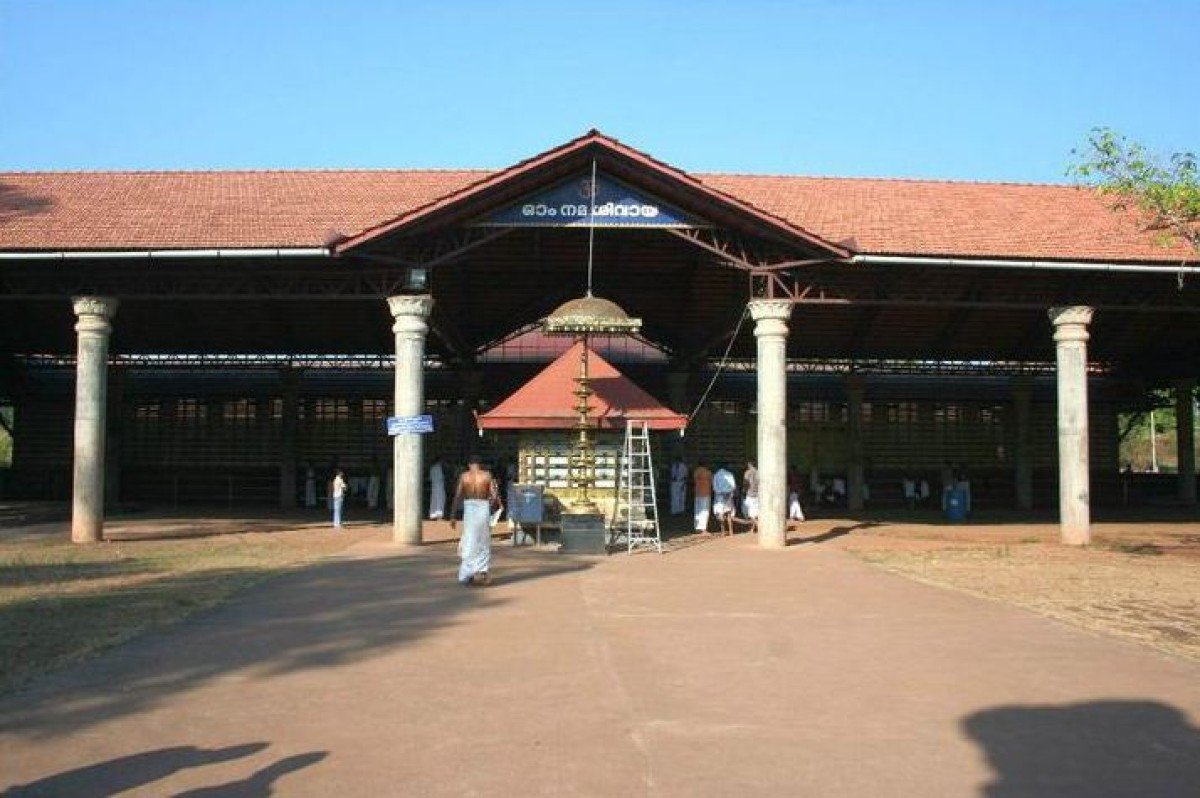
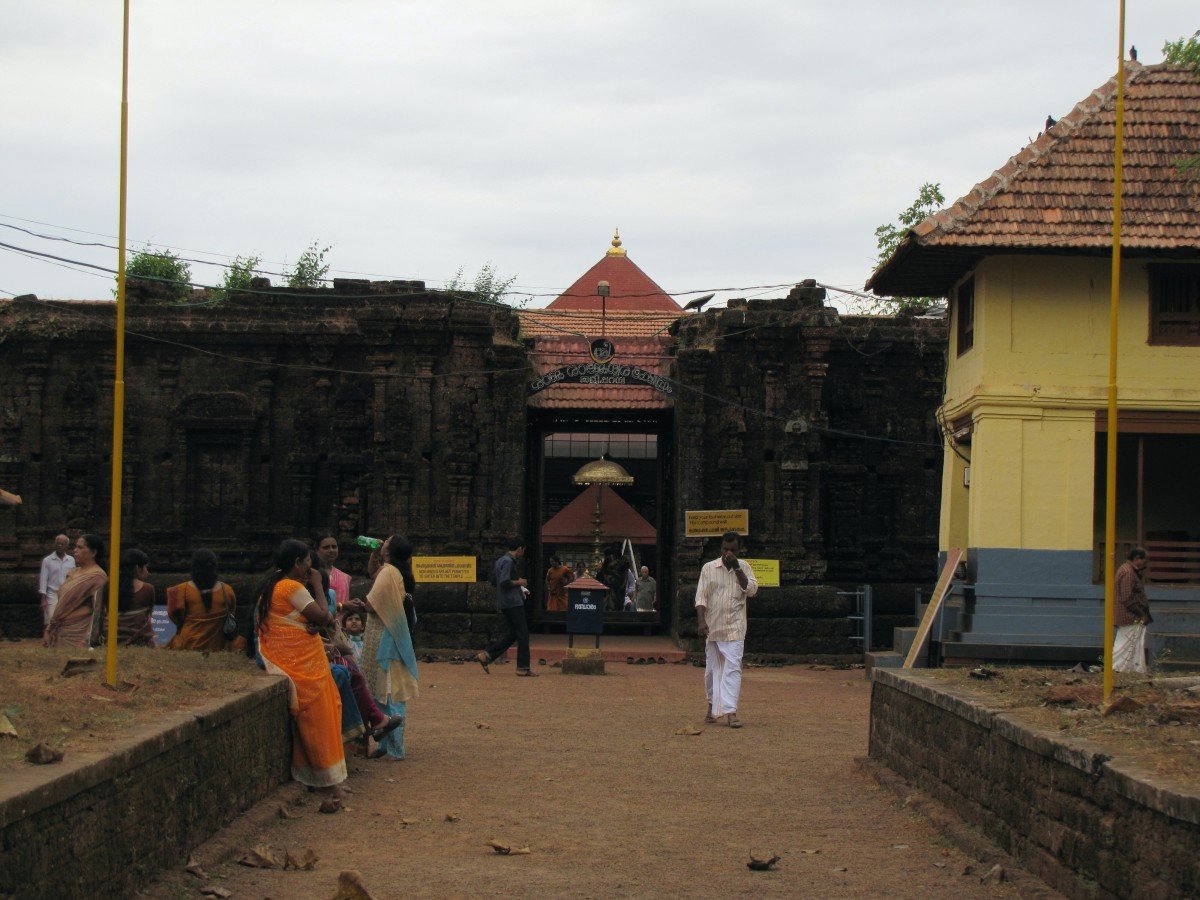

Rajarajeshwara Temple
General information
-
Ideal Duration:
2 HoursPlace Type:
Religious & HeritageEntry Fees:
There is no entry fee for the temple, but specific rituals and offerings like 'Neyyamrit' have fixed rates for the devotees.
Special Seva: Charges for special poojas and offerings range from 50 Rupees to several thousands depending on the complexity of the ritual. ...There is no entry fee for the temple, but specific rituals and offerings like 'Neyyamrit' have fixed rates for the devotees.
Special Seva: Charges for special poojas and offerings range from 50 Rupees to several thousands depending on the complexity of the ritual.Timing:
Temple Hours: The temple opens early at 5:00 AM and closes at 12:00 PM; it reopens in the evening from 5:00 PM to 8:30 PM daily.
Best Visit Time: Arriving at 5:00 PM allows you to witness the beautiful evening rituals and the lighting of th...Temple Hours: The temple opens early at 5:00 AM and closes at 12:00 PM; it reopens in the evening from 5:00 PM to 8:30 PM daily.
Best Visit Time: Arriving at 5:00 PM allows you to witness the beautiful evening rituals and the lighting of the lamps throughout the shrine.Special Events:
Maha Shivaratri: This is the most significant event in February or March, where the temple is crowded with thousands of devotees all night long.
Vishu Festival: Celebrated in April, this marks the Malayalam New Year with special floral decor...Maha Shivaratri: This is the most significant event in February or March, where the temple is crowded with thousands of devotees all night long.
Vishu Festival: Celebrated in April, this marks the Malayalam New Year with special floral decorations and a grand 'Vishukkani' viewing.Best Photo Spots:
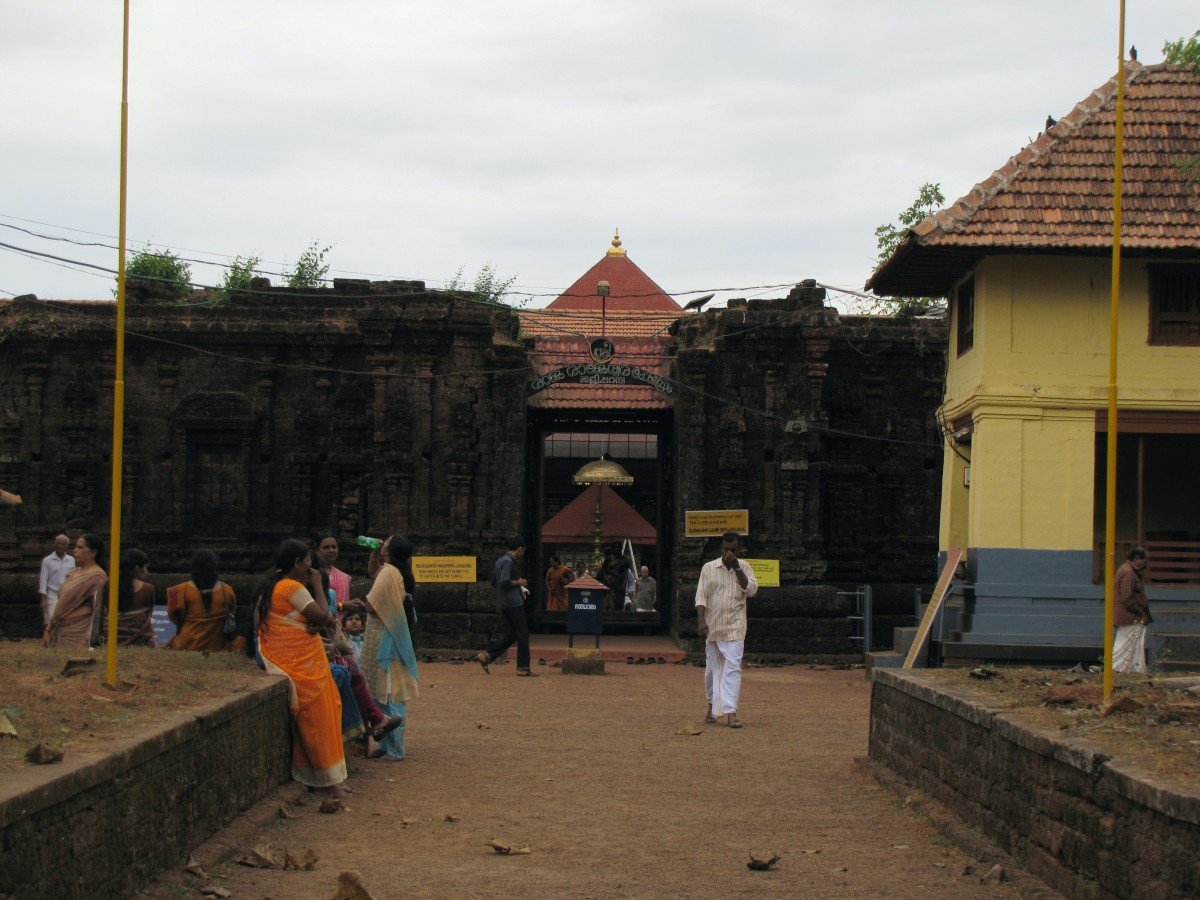
The Main Gopuram: The towering eastern entrance provides a majestic backdrop for a photograph reflecting the grandeur of Kerala heritage.
The Temple Pond: The large water tank with the temple structure reflected in its calm waters offers a s...The Main Gopuram: The towering eastern entrance provides a majestic backdrop for a photograph reflecting the grandeur of Kerala heritage.
The Temple Pond: The large water tank with the temple structure reflected in its calm waters offers a serene and picturesque landscape shot.
Traditional Attire: Taking photos in traditional Kerala dress within the permitted outer areas captures the cultural essence of the visit.Photo Gallery
Things To Do
-
Worship: Participate in the morning 'Nirmalyam' or evening 'Deeparadhana' to experience the powerful chanting and traditional musical instruments.
Architecture Study: Observe the intricate wood carvings on the ceilings and walls that depict various scenes from Hindu mythology and epics.
Temple Tank Visit: Take a peaceful walk around the 'Ashramath-chira', the large temple tank located near the southern bank of the complex.
Circumambulation: Perform the 'Pradakshina' around the vast inner courtyard while observing the traditional oil lamps and stone sculptures.
Ghee Offering: Devotees can offer ghee to the deity, which is one of the most important and sacred rituals performed at this temple.
Consultat...Worship: Participate in the morning 'Nirmalyam' or evening 'Deeparadhana' to experience the powerful chanting and traditional musical instruments.
Architecture Study: Observe the intricate wood carvings on the ceilings and walls that depict various scenes from Hindu mythology and epics.
Temple Tank Visit: Take a peaceful walk around the 'Ashramath-chira', the large temple tank located near the southern bank of the complex.
Circumambulation: Perform the 'Pradakshina' around the vast inner courtyard while observing the traditional oil lamps and stone sculptures.
Ghee Offering: Devotees can offer ghee to the deity, which is one of the most important and sacred rituals performed at this temple.
Consultation: Witness the unique 'Prasnam' rituals conducted on the 'Peedam' outside the temple by learned priests and astrologers.
Cultural Immersion: Dress in traditional Kerala attire (Mundu/Veshti) and soak in the authentic cultural and religious vibe of the holy town.
Information
-
Why Famous:
No Flagstaff: It is unique among Kerala temples as it does not have a 'Kodimaram' (flagstaff), signifying the deity's supreme independent power.
Problem Solver: Famous as a place where devotees from other temples come for 'Prasnam' (astrolog...No Flagstaff: It is unique among Kerala temples as it does not have a 'Kodimaram' (flagstaff), signifying the deity's supreme independent power.
Problem Solver: Famous as a place where devotees from other temples come for 'Prasnam' (astrological consultation) to solve complex temple issues.
Ghee Offerings: The temple is renowned for the 'Neyyamrit' offering, where massive amounts of ghee are offered to the deity by the devotees. -
Architecture:
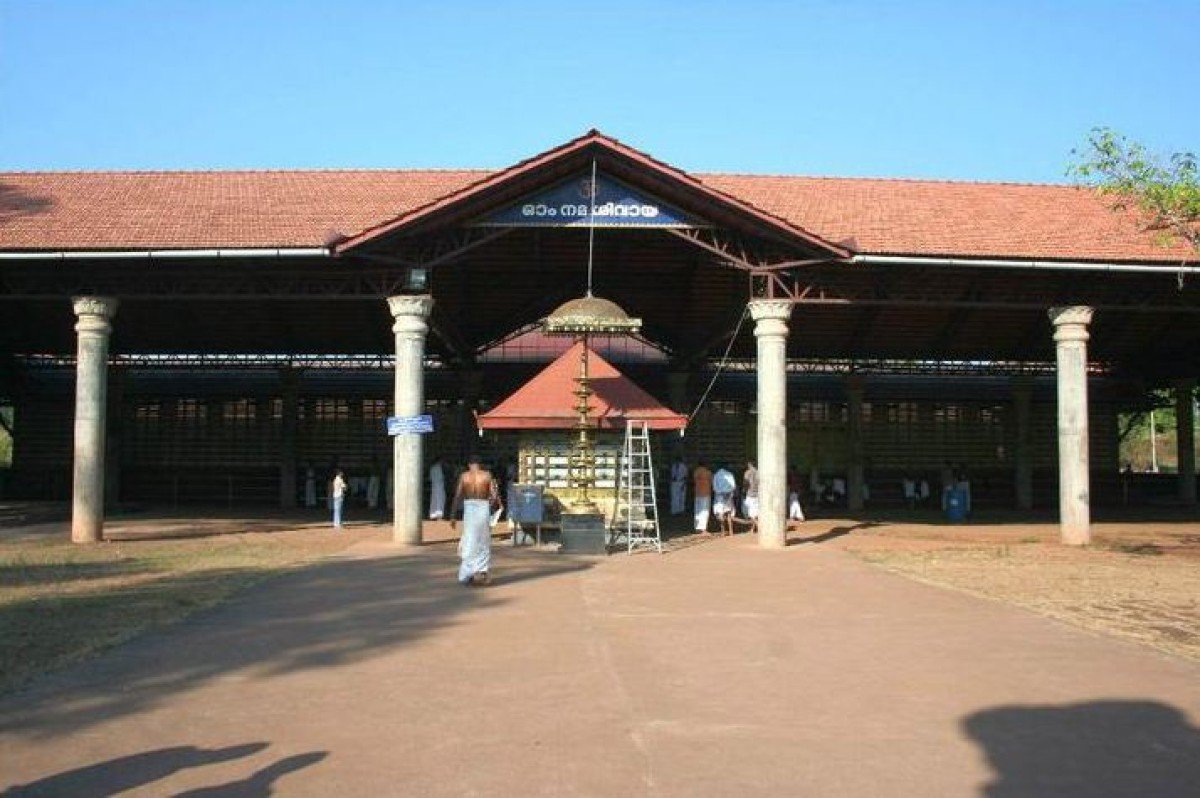
Kerala Style: The temple is a classic example of Kerala temple architecture with a massive quadrangular sanctum and a two-tiered pyramidal roof.
Copper Roofing: The roofs are clad with copper sheets that have turned a beautiful dark hue over...Kerala Style: The temple is a classic example of Kerala temple architecture with a massive quadrangular sanctum and a two-tiered pyramidal roof.
Copper Roofing: The roofs are clad with copper sheets that have turned a beautiful dark hue over centuries, topped with a golden 'Kalasham'.
Gopuram Details: The temple features towering gateways or 'Gopurams' on the eastern and western sides, decorated with intricate wood carvings and murals.
Dimensions: The temple complex is vast, covering several acres, with the main sanctum being one of the largest of its kind in the state. -
How To Reach:
By Air: Kannur International Airport is the nearest at 35 km; taxis and buses are available for the one-hour journey to Taliparamba.
By Train: Kannur Railway Station (23 km) is the main hub, but some express trains stop at the closer Kannur...By Air: Kannur International Airport is the nearest at 35 km; taxis and buses are available for the one-hour journey to Taliparamba.
By Train: Kannur Railway Station (23 km) is the main hub, but some express trains stop at the closer Kannur South or Payangadi stations.
By Road: Taliparamba is located on NH-66; it is very well-connected by KSRTC and private buses from Kannur, Kozhikode, and Mangalore.
By Local Transport: Within Taliparamba town, auto-rickshaws are the most efficient way to reach the temple entrance from the bus stand. -
Weather and Best Time to Visit:
Cooler Months: October to February is the most comfortable time for a pilgrimage as the weather is pleasant for long temple queues.
Festive Season: Visiting during Shivaratri offers a chance to see the temple at its most vibrant, though it c...Cooler Months: October to February is the most comfortable time for a pilgrimage as the weather is pleasant for long temple queues.
Festive Season: Visiting during Shivaratri offers a chance to see the temple at its most vibrant, though it can be extremely crowded.
Evening Part: The late evening (6:30 PM onwards) is the best time of day to experience the spiritual serenity and the glow of traditional lamps. -
Near Tourist Places:
Trichambaram Temple (3 km), Parassinikkadavu Snake Park (10 km), Muthappan Temple (10 km), Vismaya Water Park (12 km), Kunnathoor Padi (15 km), Payyambalam Beach (23 km), St. Angelo Fort (25 km), Kuppam River (5 km), Madayipara (15 km), Ezhimala Hill (25 km).
Tourism Tips
-
Dress Code: Strict traditional dress code is followed; men must wear a 'Mundu' and be bare-chested, while women should wear sarees or long skirts.
Photography Rules: Please note that photography is strictly prohibited inside the inner sanct...Dress Code: Strict traditional dress code is followed; men must wear a 'Mundu' and be bare-chested, while women should wear sarees or long skirts.
Photography Rules: Please note that photography is strictly prohibited inside the inner sanctum and 'Nalambalam' area of the temple complex.
Cash for Seva: It is better to carry cash for offering 'Dakshina' and purchasing pooja coupons as digital payments may not be available everywhere.
Health and Hygiene: Maintain the sanctity of the temple by keeping the premises clean; wash your hands and feet before entering the shrine.
Stay Near: Taliparamba town has several budget and mid-range hotels that cater specifically to pilgrims visiting the various local temples.
Reviews
FAQs
Kannur Itineray And Cost:-
Rajarajeshwara Temple Tourism:-
Other Places In Kannur :-
Other States In India :-
Information about New and Updated Locations() of Kerala Has Been Added :-
Card subtitle
Note:-
Information provided here in good Faith and for reference only.
Near Places

Anjarakkandy Cinnamon Estate
Some quick example text to build on the card title and make up the bulk of the card's content.
Go somewhere
Arakkal Museum
Some quick example text to build on the card title and make up the bulk of the card's content.
Go somewhere
Aralam Wildlife Sanctuary
Some quick example text to build on the card title and make up the bulk of the card's content.
Go somewhere
Baby Beach
Some quick example text to build on the card title and make up the bulk of the card's content.
Go somewhere
Chal Beach
Some quick example text to build on the card title and make up the bulk of the card's content.
Go somewhere
Choottad Beach
Some quick example text to build on the card title and make up the bulk of the card's content.
Go somewhere
Dharmadam Island
Some quick example text to build on the card title and make up the bulk of the card's content.
Go somewhere
Ezharakund Waterfalls
Some quick example text to build on the card title and make up the bulk of the card's content.
Go somewhere
Ezhimala Hill
Some quick example text to build on the card title and make up the bulk of the card's content.
Go somewhere
Fort St. Angelo
Some quick example text to build on the card title and make up the bulk of the card's content.
Go somewhere
Kannur Lighthouse
Some quick example text to build on the card title and make up the bulk of the card's content.
Go somewhere
Kizhunna Ezhara Beach
Some quick example text to build on the card title and make up the bulk of the card's content.
Go somewhere
Madayipara
Some quick example text to build on the card title and make up the bulk of the card's content.
Go somewhere
Mappila Bay
Some quick example text to build on the card title and make up the bulk of the card's content.
Go somewhere
Munderi Kadavu Bird Sanctuary
Some quick example text to build on the card title and make up the bulk of the card's content.
Go somewhere
Paithalmala
Some quick example text to build on the card title and make up the bulk of the card's content.
Go somewherein Other Cities