

Pillalamarri Banyan Tree
General information
-
Ideal Duration:
1 to 2 Hours: Ideal for a leisurely walk around the tree, visiting the museum and the small zoo/park area:Place Type:
Natural and Historical Attraction:Entry Fees:
Adults: INR 10 per person is the standard entry fee to the park and its main attractions, including the sight of the great banyan tree, the walkways, and the general park area.
Children: INR 5 per child for general entry, which provides an a...Adults: INR 10 per person is the standard entry fee to the park and its main attractions, including the sight of the great banyan tree, the walkways, and the general park area.
Children: INR 5 per child for general entry, which provides an affordable family outing, especially given the range of attractions available within the single complex, including the playgrounds and open spaces for recreation.
Zoo and Deer Park Fees: A separate, minimal fee, typically around INR 5 to INR 10 per person, may be levied for entry into the small Deer Park and mini Zoo enclosure, which is used for the maintenance and feeding of the animals, a common practice in local wildlife attractions.
Museum Fees: The Archaeological and Science Museums usually have a combined or separate entry fee of around INR 10 to INR 20 per person, which is used for the preservation of the artifacts and the upkeep of the exhibition halls, making the historical and educational content highly accessible to the public.
Boating Charges (Seasonal): If the boating facility is operational (only after good monsoon rainfall), a separate ticket of around INR 30 to INR 50 per person for a short ride may be charged, which covers the cost of the boat's maintenance and the staff. These fees are generally low, aimed at promoting tourism and local awareness of the environment. Parking Fees are also applicable and vary slightly.Timing:
Regular Timings: The park is generally open daily from 8:00 AM to 6:00 PM, though some sources indicate that the park and museum sections may open a little later at 10:00 AM and close as early as 5:30 PM, so a morning or mid-day visit is recommended to ensure access to all s...Regular Timings: The park is generally open daily from 8:00 AM to 6:00 PM, though some sources indicate that the park and museum sections may open a little later at 10:00 AM and close as early as 5:30 PM, so a morning or mid-day visit is recommended to ensure access to all sub-attractions like the zoo and museum. The gates are open year-round, but the main tree viewing area was partially closed for a period due to conservation efforts, which is a reminder to always check the latest status before a visit.
Ideal Visit Time: The best time is the early morning (8:00 AM to 10:30 AM) or the late afternoon (4:00 PM to 6:00 PM). The weather is cooler, which is crucial for comfortable walking around the vast property, especially during the summer, and the soft light is ideal for photography of the vast canopy. Avoiding the harsh midday sun is strongly advised for maximum enjoyment and comfort.
Holiday and Weekend Rush: On weekends, public holidays, and during the local school vacation periods (May and Dasara holidays), the park receives a heavy rush of visitors, particularly families and school excursion groups. To enjoy a peaceful experience, plan a visit on a weekday, especially a Tuesday or Wednesday, when the crowds are significantly thinner.Special Events:
Local Fair and Festivals: While the tree itself does not host a major annual religious festival, the location, particularly the area around the Sufi tomb, sees a significant influx of local devotees during the annual Urs (a celebratory event commemorating the death anniversa...Local Fair and Festivals: While the tree itself does not host a major annual religious festival, the location, particularly the area around the Sufi tomb, sees a significant influx of local devotees during the annual Urs (a celebratory event commemorating the death anniversary of a Sufi saint) where a small local fair is organized, featuring traditional music and cultural programs that reflect the composite culture of the region.
Annual Conservation Awareness Day: Since the conservation efforts became famous, the site occasionally hosts special events and seminars, particularly in collaboration with the Forest Department, on environmental conservation and the unique effort to save the tree, drawing botanists, environmentalists, and media to mark the occasion and raise public awareness about preserving ancient natural heritage.
Cultural Programs: The large, shady area is often used for local governmental and cultural events, especially on national holidays like Independence Day and Republic Day, or during the regional festivals of Bonalu and Dasara, featuring folk performances, art exhibitions, and traditional music concerts to celebrate the Telangana culture.Best Photo Spots:
The Vast, Sprawling Canopy: The absolute best spot is a wide-angle shot taken from a slight distance to capture the entire, monumental span of the tree, emphasizing its sheer size and the dense network of prop roots that create a massive, umbrella-like silhouette, particular...The Vast, Sprawling Canopy: The absolute best spot is a wide-angle shot taken from a slight distance to capture the entire, monumental span of the tree, emphasizing its sheer size and the dense network of prop roots that create a massive, umbrella-like silhouette, particularly effective at sunrise or sunset.
The Prop Root Pillars: Close-up photography of the thick, aged prop roots that have turned into wooden pillars is excellent for capturing the texture, age, and unique architecture of the living structure, showcasing the botanical wonder of the Ficus Benghalensis species. Use the protective fencing lines to add a sense of scale and protection.
The Vijayanagara Temple Facade: The reconstructed Sri Rajarajeswara Temple offers a wonderful contrast to the natural setting. The facade, with its intricate 16th-century carvings and elevated platform, provides a historical and architectural photography opportunity, especially when framed against the lush backdrop of the park.
The Entrance Gate and Signage: The main entrance gate, often decorated with state tourism signage, is a popular spot for visitors to capture a memorable photograph confirming their visit to this historical and natural landmark, and the surrounding green park offers many small, naturally framed spots for family portraits.Photo Gallery
Things To Do
-
Stroll Under the Canopy: Take a contemplative walk along the paved pathways that encircle the great tree, admiring the colossal network of prop roots and the dense, sprawling canopy that creates a natural, cool hall. Pause to appreciate the sheer size and age of the 700-year-old living structure, which is the main attraction, while strictly respecting the protective fencing that is in place to aid the tree's rehabilitation. The sheer scale and multi-trunked nature of the tree offer a unique botanical experience.
Explore the Museums and Educational Center: Spend time in the well-maintained Archaeological Museum within the complex, which showcases historical artifacts, intricate sculptures, and idols recovered from various sites in the Mahabubnagar region, providing deep insights into the local history, including the Kakatiya and...Stroll Under the Canopy: Take a contemplative walk along the paved pathways that encircle the great tree, admiring the colossal network of prop roots and the dense, sprawling canopy that creates a natural, cool hall. Pause to appreciate the sheer size and age of the 700-year-old living structure, which is the main attraction, while strictly respecting the protective fencing that is in place to aid the tree's rehabilitation. The sheer scale and multi-trunked nature of the tree offer a unique botanical experience.
Explore the Museums and Educational Center: Spend time in the well-maintained Archaeological Museum within the complex, which showcases historical artifacts, intricate sculptures, and idols recovered from various sites in the Mahabubnagar region, providing deep insights into the local history, including the Kakatiya and Vijayanagara periods. Next, visit the small Science Museum which features educational exhibits and displays related to the flora, fauna, and local geology, making the visit an informative and engaging experience, especially for children and students interested in the Palamuru region's heritage.
Visit the Sacred Sites: Pay respects at the relocated ancient Sri Rajarajeswara Temple (Vijayanagara style) and observe its preserved architecture, an act of historical and religious preservation. Simultaneously, visit the nearby Sufi tomb of the Muslim saints, Jamal Hussain and Kamal Hussain, locally known as Peerla Marri, which stands as a powerful symbol of cultural syncretism and religious harmony in the region. This dual visit provides a complete picture of the site's rich cultural history.
Engage in Wildlife and Recreation: Spend time at the mini Zoo and Deer Park within the complex, which houses a few species of animals and birds, including spotted deer and peacocks, providing a simple, enjoyable outing for children and nature enthusiasts. If visiting immediately after the monsoon season, enjoy the seasonal Boating Facility available in the small pond, which offers a refreshing and peaceful short ride on the water, surrounded by the lush green park environment. The park grounds are also ideal for a family Picnic, with designated areas under the immense shade of the banyan tree's periphery, providing a relaxing end to the day's visit. Photography is a major activity, capturing the unique spread of the tree, the detail of the Vijayanagara temple architecture, and the peaceful family atmosphere, but be sure to check local rules on camera use inside the park's sub-attractions like the museums.
Information
-
Why Famous:
The 700-Year-Old Living Legend: Its primary fame rests on its immense age and size, establishing it as an ancient natural monument in Telangana. The tree's vast canopy, covering several acres, is a rare botanical spectacle that draws comparison to a small forest rather than...The 700-Year-Old Living Legend: Its primary fame rests on its immense age and size, establishing it as an ancient natural monument in Telangana. The tree's vast canopy, covering several acres, is a rare botanical spectacle that draws comparison to a small forest rather than a single tree, making it a unique sight in India.
A Symbol of Syncretic Culture: The tree is famous for hosting the tomb of the Muslim Sufi saint, Peerla Marri or Jamal Hussain and Kamal Hussain, close to the Hindu Sri Rajarajeswara Temple (relocated from Erladinne). This coexistence of a sacred natural site, a Muslim shrine, and a Hindu temple within the same complex highlights the historical and cultural syncretism of the Deccan region.
The Unique Drip-Irrigation Conservation: The tree gained media fame for its novel life-saving treatment in recent years, where a scientific drip-irrigation system was used to infuse it with pesticides and nutrients to fight off termite attacks. This unique conservation story makes it a contemporary example of successful ecological preservation efforts and a talking point for tourists and environmentalists alike.
Multi-faceted Tourism Hub: Unlike a single site, Pillalamarri is famous for being a complete family tourist package, incorporating the natural wonder (the tree), history (the relocated temple and museum), education (the science museum), and recreation (the deer park and boating facility), catering to a diverse range of visitors. -
Architecture:
Botanical and Ecological Wonder: The banyan tree (Ficus Benghalensis) itself is the architecture, a living structure created by nature over eight centuries, spread over approximately 3 to 4 acres of land.
Root System and Canopy Dimensions: T...Botanical and Ecological Wonder: The banyan tree (Ficus Benghalensis) itself is the architecture, a living structure created by nature over eight centuries, spread over approximately 3 to 4 acres of land.
Root System and Canopy Dimensions: The most striking architectural feature is the immense network of prop roots that descend from the horizontal branches. These roots, after reaching the ground, grow thicker to become secondary, woody trunks, thus continually expanding the tree's perimeter and making its main trunk indistinguishable. This biological architecture creates a giant, multi-pillared natural hall, capable of sheltering a thousand people. The canopy forms a dense, low-hanging umbrella, offering extensive shade. The development of the site has incorporated low-impact human-made architecture: a protective fencing system was constructed to keep visitors from damaging the delicate roots during the rehabilitation period, and well-paved, circular walkways were built to allow visitors to admire the tree from a safe distance, making the human intervention a respectful complement to the natural structure.
Associated Human Architecture: Within the complex, the most notable is the relocated Sri Rajarajeswara Temple. This temple was originally built in the 16th Century in a distinctive Vijayanagara style, featuring delicate carvings and a stone structure with an elevated foundation, before being dismantled stone-by-stone and reconstructed here in 1983 to save it from the submergence of the Srisailam reservoir project. This act of preservation adds a layer of portable architectural history to the site. The complex also houses modern buildings for the Archaeological Museum and Science Museum, which are simple, functional structures designed to exhibit the artifacts and educational content found in the Palamuru region, and a small, functional Mini Zoo area. -
How To Reach:
By Air: The nearest airport is Rajiv Gandhi International Airport (HYD) in Hyderabad, approximately 100 KMS away. From the airport, one can hire a pre-paid taxi directly to the Pillalamarri tourist complex or take a bus to Mahabubnagar town and then a local transport. The ...By Air: The nearest airport is Rajiv Gandhi International Airport (HYD) in Hyderabad, approximately 100 KMS away. From the airport, one can hire a pre-paid taxi directly to the Pillalamarri tourist complex or take a bus to Mahabubnagar town and then a local transport. The journey from the airport to Mahabubnagar takes about 2 to 3 hours.
By Train: The nearest railway station is the Mahabubnagar Railway Station (MBNR), which is very close, only about 4 KMS away from the site. This station is on the main Kacheguda-Dhone section of the South Central Railway and is well-connected to major cities like Hyderabad, Bangalore, and Kurnool. From the railway station, a large number of local transport options, including auto-rickshaws and cycle rickshaws, are immediately available to take visitors to the site.
By Road: Pillalamarri is located right on the outskirts of Mahabubnagar town, directly accessible by a well-maintained road, just off the main highways connecting the town to Hyderabad (100 KMS). Regular state-run buses (TSRTC) frequently ply from Hyderabad (MGBS) and other nearby towns directly to the Mahabubnagar Bus Station, which is only about 5 KMS from the banyan tree. Private cars and hired taxis can easily reach the spot, as it is a prominent landmark with ample parking space provided by the tourism department.
By Local Transport: From the Mahabubnagar Bus Station or Railway Station, the most convenient and common local transport is the auto-rickshaw, which charges a nominal fare (usually negotiated) for the short Rs.Rs.Rs.5Rs.Rs. km ride to the site. TSRTC town buses and shared taxis also run along the main route, offering an even more economical option for reaching the location quickly. -
Weather and Best Time to Visit:
Winter Season (October to February): This is the Best Time to Visit. The mild and pleasant weather, with temperatures ranging from 15°C to 25°C, is perfect for leisurely walks beneath the vast canopy, enjoying the open park, and exploring the museums and zoo in comfort. ...Winter Season (October to February): This is the Best Time to Visit. The mild and pleasant weather, with temperatures ranging from 15°C to 25°C, is perfect for leisurely walks beneath the vast canopy, enjoying the open park, and exploring the museums and zoo in comfort. This is also the time when the boating facility is most likely to be operational following the monsoon.
Summer Season (March to June): This is the Least Recommended Time. The heat can be severe, often exceeding 40°C, making the midday hours uncomfortable for outdoor activity. Visitors should restrict their visit to the early morning before 10:00 AM and the late afternoon after 4:00 PM, and carry plenty of water to stay hydrated due to the high ambient temperature.
Monsoon Season (July to September): This is a Good Time for the sheer beauty of the greenery, as the entire park is lush and vibrant, and the Pillalamarri tree's foliage is at its densest, enhancing the "green hillock" appearance. The weather is cool and refreshing, and the pond is full, allowing for the seasonal boating activity. However, occasional heavy downpours can restrict movement and activities on certain days.
Best Part of the Day: Early morning (8:00 AM to 10:30 AM) is ideal for a peaceful experience, while late afternoon (4:00 PM to 6:00 PM) is perfect for family picnics and photography in soft light. -
Near Tourist Places:
Mahabubnagar Fort (8 KMS): A small historical fort on a hill near the city.
Pedda Cheruvu (Large Lake) (6 KMS): The large water body, ideal for a peaceful evening visit.
Koilkonda Fort and Koilsagar Dam (64 KMS): A combination of a historic fort and a scenic dam/lake.
Jurala Dam (120 KMS): A massive dam on the Krishna River known for its beautiful reservoir area.
Alampur Jogulamba Temple (100 KMS): A significant Shakti Peetha temple and heritage site.
Pangal Fort (40 KMS): Another historic fort in the district.
Wanaparthy Palace (50 KMS): Historical royal residence in the region.
Somasila Temple (100 KMS): A historic temple on the banks of the Krishna River.
Gadwal Fort (140 KMS): A major historical fort in the nearby town of Gadwal.
Mallela Theertham Waterfalls (105 KMS): A scenic waterfall in the Nallamala forest.
Tourism Tips
-
Health & Safety: Carry sufficient drinking water and stay hydrated, particularly during the dry and hot summer months, as the sheer size of the park requires significant walking. Apply insect repellent, especially during the monsoon and evening hours, as it is a natural, de...Health & Safety: Carry sufficient drinking water and stay hydrated, particularly during the dry and hot summer months, as the sheer size of the park requires significant walking. Apply insect repellent, especially during the monsoon and evening hours, as it is a natural, densely foliated area. Adhere strictly to the park's rules regarding the protective fencing around the tree and avoid climbing or damaging the roots or branches, as the tree is under active conservation treatment.
Packing Essentials: Wear light, comfortable clothing and sturdy walking shoes suitable for park trails and concrete paths. Carry a camera (check if there is a fee for the main camera inside the park/museum) to capture the natural marvel. Sunscreen and hats are advisable for midday visits, as even the tree's shade may not be enough against intense sun.
Accommodation: Mahabubnagar town is only a short distance away (5 KMS) and offers a range of accommodation options, from budget hotels to mid-range lodges, making it the most convenient base for a visit. Booking in advance, especially during the local holiday season, is recommended to secure a preferred place.
Other Tips: Allow at least 2 hours to cover all the sub-attractions, including the museums, the zoo, and the temple, rather than just rushing to see the tree. The local administration is often active on social media; check for any current announcements regarding the tree's health or any temporary closure of parts of the park or the boating facility. This is a family-friendly site, and it is a great spot to introduce children to local history, nature, and cultural syncretism.
Reviews
FAQs
Mahabubnagar Itineray And Cost:-
Pillalamarri Banyan Tree Tourism:-
Information about New and Updated Locations() of Telangana Has Been Added :-
Card subtitle
Note:-
Information provided here in good Faith and for reference only.
Near Places
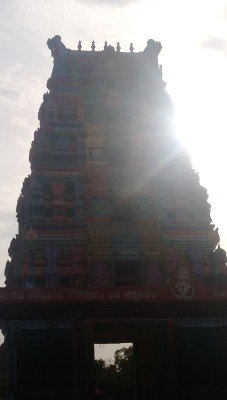
Alampur Jogulamba Temple
Some quick example text to build on the card title and make up the bulk of the card's content.
Go somewhere
Ammapally Sri Seeta Ramachandra Swamy Temple
Some quick example text to build on the card title and make up the bulk of the card's content.
Go somewhere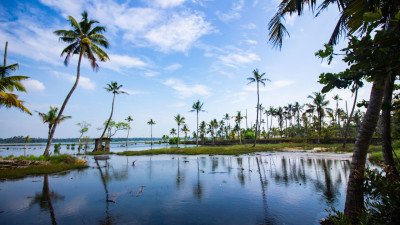
Bhootpur Lake
Some quick example text to build on the card title and make up the bulk of the card's content.
Go somewhere
Deer Park
Some quick example text to build on the card title and make up the bulk of the card's content.
Go somewhere
Eegalapenta
Some quick example text to build on the card title and make up the bulk of the card's content.
Go somewhere
Jataprolu Village Temples
Some quick example text to build on the card title and make up the bulk of the card's content.
Go somewhere
Jetaprolu Shivalayam
Some quick example text to build on the card title and make up the bulk of the card's content.
Go somewhere
Jurala Backwaters
Some quick example text to build on the card title and make up the bulk of the card's content.
Go somewhere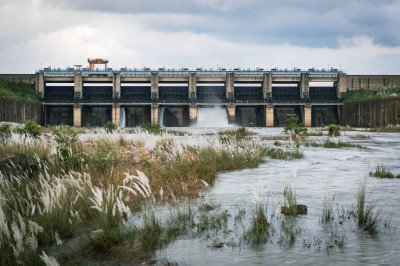
Jurala Dam
Some quick example text to build on the card title and make up the bulk of the card's content.
Go somewhere
Kadalivanam
Some quick example text to build on the card title and make up the bulk of the card's content.
Go somewhere
Koilkonda Fort and Koilsagar Dam
Some quick example text to build on the card title and make up the bulk of the card's content.
Go somewhere
Koilkonda Fort & Village
Some quick example text to build on the card title and make up the bulk of the card's content.
Go somewhere
Koilsagar Dam Project
Some quick example text to build on the card title and make up the bulk of the card's content.
Go somewhere
Mettugattu Veerabhadra Swamy Temple
Some quick example text to build on the card title and make up the bulk of the card's content.
Go somewhere
Nallamala Forest Safari
Some quick example text to build on the card title and make up the bulk of the card's content.
Go somewhere
Pedda Cheruvu
Some quick example text to build on the card title and make up the bulk of the card's content.
Go somewherein Other Cities