Things To Do

Card image cap
Ajmer

@@Historical Context: Ajmer was founded by Raja Ajaypal Chauhan in the 7th century and served as a strategic powerhouse for the Chauhan dynasty. It la...

@@Historical Context: Ajmer was founded by Raja Ajaypal Chauhan in the 7th century and served as a strategic powerhouse for the Chauhan dynasty. It later became a favorite retreat for the Mughal Emperors, who added layers of architectural splendor to the city. @@Spiritual Significance: The city is globally renowned for the Dargah Sharif, the shrine of Sufi Saint Khwaja Moinuddin Chishti. It stands as a beacon of communal harmony, attracting millions of devotees from all faiths and backgrounds. @@Geographical Beauty: Nestled in the protective embrace of the Aravalli Mountains, Ajmer offers a landscape of rugged hills and serene artificial lakes. The city's layout reflects its dual nature as a fortress and a spiritual sanctuary. @@Educational Hub: Known for prestigious institutions like Mayo College, Ajmer has been a center of learning since the British era. The blend of traditional values and modern education defines the city's contemporary character.
Card image cap
Alwar

Alwar, often called "The Gateway to Rajasthan," is a historically rich city nestled in the Aravalli Range. It boasts a captivating blend of ancient hi...

**Alwar**, often called **"The Gateway to Rajasthan,"** is a historically rich city nestled in the **Aravalli Range**. It boasts a captivating blend of ancient history, majestic architecture, and a rich cultural legacy. Founded in **1775 AD** by **Maharao Raja Pratap Singh**, it was one of the first Rajput states to form an alliance with the **British**. The city's charm lies in its magnificent forts like **Bala Quila**, grand palaces such as the **City Palace**, serene lakes like **Siliserh Lake**, and the nearby **Sariska Tiger Reserve**, making it a perfect destination for history buffs, nature enthusiasts, and those seeking a royal retreat. **Alwar** is also famous for its sweet delicacy, **Alwar ka Mawa** (**Milk Cake**), and its unique school of miniature painting. The best time to visit is during the cooler months from **October** to **March**.
Card image cap
Bharatpur

@@Ecological Significance: Bharatpur is home to the Keoladeo National Park, a UNESCO World Heritage site and one of the world's most important bird br...

@@Ecological Significance: Bharatpur is home to the Keoladeo National Park, a UNESCO World Heritage site and one of the world's most important bird breeding grounds. It is a man-made wetland that hosts thousands of migratory birds every winter. @@Fortified History: Founded by Maharaja Suraj Mal in the 18th century, the city served as the capital of the Jat kingdom. Its military history is defined by the "Iron Fort" which famously repelled British sieges multiple times. @@Strategic Location: Situated near the borders of Uttar Pradesh and Haryana, it is a melting pot of Braj culture and Rajasthani traditions. This unique blend is reflected in the local language, food, and religious practices. @@Royal Legacy: The city’s palaces and museums house a rich collection of artifacts belonging to the Jat rulers. The architectural style here is distinctively robust, focusing on defense as much as aesthetic beauty.
Card image cap
Bikaner

@@Desert Splendor: Bikaner is a vibrant city located in the heart of the Thar Desert, founded by Rao Bika in 1488. It is famous for its massive forts,...

@@Desert Splendor: Bikaner is a vibrant city located in the heart of the Thar Desert, founded by Rao Bika in 1488. It is famous for its massive forts, intricately carved havelis, and the world's most unique camel research center. @@Culinary Identity: The city is the birthplace of the world-renowned "Bikaneri Bhujia," a savory snack that has earned a GI tag. Its food culture is a rich blend of desert ingredients and royal culinary secrets. @@Architectural Marvels: Unlike the hilltop forts of other cities, Bikaner's Junagarh Fort is built on the plains and has never been conquered. The use of red sandstone gives the city a distinct, warm glow. @@Spiritual Uniqueness: It is home to the Karni Mata Temple, where thousands of rats are worshipped as deities. This unusual tradition attracts curious travelers and devotees from all over the world.
Card image cap
Bundi

@@Timeless Charm: Bundi is a hidden gem that feels like a step back in time, away from the commercial noise of the larger cities. It is famous for its...

@@Timeless Charm: Bundi is a hidden gem that feels like a step back in time, away from the commercial noise of the larger cities. It is famous for its blue-painted houses, narrow lanes, and stunning murals. @@Architectural Splendor: The city is dominated by the Taragarh Fort and the Garh Palace, which house some of the finest examples of Rajput miniature paintings. Its stepwells are considered architectural masterpieces. @@Literary Connection: The serene Sukh Mahal served as an inspiration for Rudyard Kipling, who wrote parts of his famous novel "Kim" while staying here. The city's quiet beauty has long been a muse for artists. @@Stepwell Capital: Known as the "City of Stepwells," Bundi has over 50 of these ancient water-harvesting structures. They are not just functional but are intricately carved works of art.
Card image cap
Chittorgarh

@@History of Chittorgarh: Chittorgarh is the epitome of Rajput pride and spirit. The fort was built by the Mori Rajput ruler Chitrangada Mori in the 7...

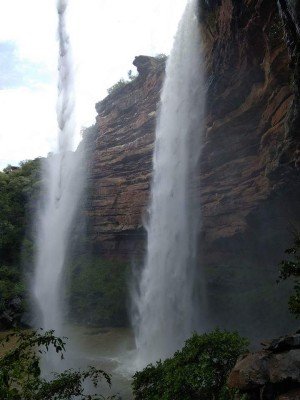
@@History of Chittorgarh: Chittorgarh is the epitome of Rajput pride and spirit. The fort was built by the Mori Rajput ruler Chitrangada Mori in the 7th century. It served as the capital of the Mewar Kingdom for eight centuries. The city witnessed three major sieges and the legendary ritual of Jauhar. @@Sacrifice and Bravery: The tales of Rani Padmini and Meera Bai are deeply etched in its walls. Warriors like Bappa Rawal and Maharana Pratap are celebrated for their defiance. The fort remains a symbol of the "unconquerable" spirit of the Rajputs. @@Ancient Temples: The city houses many 8th-century structures like the Kalika Mata Temple. These temples reflect the early Gurjara-Pratihara style of building. @@Natural Landscape: Spread over 700 acres, the fort sits atop a 180-meter high hill. It offers a commanding view of the Berach River and surrounding plains.
Card image cap
Churu

Churu is a historic city nestled in the Shekhawati region of Rajasthan, often called the "Gateway to the Thar Desert." It's renowned for its stunning ...

**Churu** is a historic city nestled in the **Shekhawati** region of **Rajasthan**, often called the "Gateway to the **Thar Desert**." It's renowned for its stunning architectural heritage, particularly the magnificent **Havelis** (traditional mansions) adorned with vibrant and intricate **fresco paintings** and murals. These mansions, built by wealthy **Marwari** merchants in the **19th** and early **20th** centuries, showcase the region's rich culture and artistry. Key attractions also include the historic **Churu Fort** and the **Tal Chhapar Wildlife Sanctuary**, home to the majestic **Blackbucks**. The city provides a unique blend of desert landscape, historical grandeur, and artistic splendor, offering a fascinating glimpse into the opulent past of its trading communities. ***
Card image cap
Dausa

@@Historical Background: Dausa was once the first capital of the Kachwaha dynasty. It is home to the world-famous Chand Baori, a geometric masterpiece...

@@Historical Background: Dausa was once the first capital of the Kachwaha dynasty. It is home to the world-famous Chand Baori, a geometric masterpiece. The city's name is derived from "Dhau-Sa," meaning "Beautiful like Heaven." @@Spiritual Hub: The city is famous for the Mehendipur Balaji temple. This shrine is known for its rituals concerning the exorcism of spirits. It attracts millions of devotees seeking spiritual healing. @@Ancient Ruins: Sites like Abhaneri showcase the brilliance of the 9th-century architecture. These ruins provide a glimpse into the pre-Mughal era of Rajasthan. @@Cultural Fabric: The local life is deeply rooted in traditional Rajasthani customs. Fairs and local crafts are the mainstay of the rural economy in this district.
Card image cap
Dholpur

@@Historical Essence: Dholpur is famous for its unique red sandstone used in the Rashtrapati Bhavan. It was a princely state ruled by the Rana dynasty...

@@Historical Essence: Dholpur is famous for its unique red sandstone used in the Rashtrapati Bhavan. It was a princely state ruled by the Rana dynasty of Jats. The city is strategically located on the banks of the Chambal River. @@Spiritual Significance: Machkund is a sacred lake surrounded by numerous temples. It is mentioned in the Puranas as a place of royal penance. It is often called the "Teerth Raj" or the king of pilgrimages. @@Wildlife Heritage: The National Chambal Sanctuary protects the rare Gharial and Dolphins. It is one of the cleanest river ecosystems in Northern India. @@Architectural Beauty: The city's palaces and towers reflect a blend of Mughal and British styles. The red glow of the city at sunset is a sight to behold.
Card image cap
Dundlod

Dundlod is a historic small town located in the Shekhawati region of Rajasthan, India, renowned for its magnificent forts and intricately painted have...

**Dundlod** is a historic small town located in the Shekhawati region of **Rajasthan**, **India**, renowned for its magnificent forts and intricately painted havelis (mansions). It serves as a classic example of the area often dubbed the "open-air art gallery of Rajasthan." The town was a former stronghold of the Shekhawat Rajputs and flourished as a trading center. The main attraction is the **Dundlod Fort**, a 17th-century structure showcasing a blend of Rajput and Mughal architectural styles, now partly converted into a heritage hotel. Beyond the fort, visitors are drawn to the stunning frescoes decorating the walls of numerous havelis, such as the **Goenka Haveli** and **Jagathia Haveli**, which depict mythological scenes, historical events, and everyday life in vibrant colours. The town offers a tranquil glimpse into the rich culture and feudal history of **Rajasthan**.
Card image cap
Fatehpur

Fatehpur, founded in 1451 by Nawab Fateh Khan, is a historic town in the northeastern part of Rajasthan. It is celebrated globally as the cultural cap...

**Fatehpur**, founded in **1451** by **Nawab Fateh Khan**, is a historic town in the northeastern part of **Rajasthan**. It is celebrated globally as the cultural capital of the **Shekhawati** region, primarily due to its exceptional wealth of beautifully painted **Havelis** (traditional mansions). These grand structures, built by wealthy Marwari merchant families between the **18th** and early **20th Century**, serve as a massive open-air art gallery. The frescos display a unique blend of traditional Rajput art with European influences, reflecting the merchant community's extensive trade connections. From mythological scenes and local folklore to depictions of trains and European figures, the art is a stunning historical record that attracts architecture and history enthusiasts alike.
Card image cap
Hanumangarh

@@Historical Significance: Hanumangarh was formerly known as Bhatner before being renamed in 1805. It is home to one of the oldest forts in India, the...

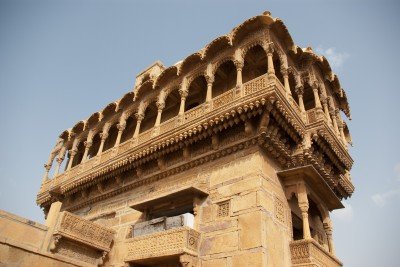
@@Historical Significance: Hanumangarh was formerly known as Bhatner before being renamed in 1805. It is home to one of the oldest forts in India, the Bhatner Fort. The city is situated on the banks of the ancient Saraswati River bed. @@Archaeological Hub: The nearby site of Kalibangan belongs to the Indus Valley Civilization. It revealed some of the earliest evidence of ploughed fields in the world. This makes it a primary destination for historians and scholars. @@Spiritual Centers: The Mata Bhadrakali Temple is a major pilgrimage site in the region. It was built by the Bikaner royalty on the banks of the Ghaggar River. @@Modern Growth: It is now a major agricultural hub, benefited by the Indira Gandhi Canal. The city reflects a mix of Punjabi and Rajasthani cultures.
Card image cap
Jaipur

@@Royal Heritage: Jaipur is the capital of Rajasthan, founded by Maharaja Sawai Jai Singh II. It is India's first planned city, known for its distinct...

@@Royal Heritage: Jaipur is the capital of Rajasthan, founded by Maharaja Sawai Jai Singh II. It is India's first planned city, known for its distinct pink-colored buildings. The city is a UNESCO World Heritage site for its architecture. @@Architectural Marvels: The Hawa Mahal and City Palace are iconic symbols of the city. These structures represent a blend of Rajput, Mughal, and European styles. The city is home to the world's largest stone sundial at Jantar Mantar. @@Vibrant Culture: Jaipur is world-famous for its jewelry, textiles, and folk arts. The local festivals like Gangaur and Teej are celebrated with great pomp. The city is a hub for luxury tourism and heritage hospitality. @@Geographical Setting: Surrounded by the Aravalli hills, the city is guarded by three massive forts. The Jal Mahal sitting in the middle of Man Sagar Lake is a unique sight.
Card image cap
Jaisalmer

@@Place Details: @@The Golden City: Jaisalmer is a mesmerizing city located in the heart of the Thar Desert, famous for its yellow sandstone architect...

@@Place Details: @@The Golden City: Jaisalmer is a mesmerizing city located in the heart of the Thar Desert, famous for its yellow sandstone architecture. The city was founded in 1156 AD by Rawal Jaisal and served as a strategic point on the ancient silk trade route. The entire city glows with a golden hue during sunset, earning it the famous nickname "The Golden City." It is one of the most popular tourist destinations in India for desert culture. @@The Living Fort: Unlike most forts in the world, the Jaisalmer Fort is a "living fort" where nearly one-fourth of the city's population still resides. Inside the fort, you will find ancient houses, shops, and temples that have been occupied for generations. The narrow winding lanes of the fort offer a glimpse into the medieval lifestyle of the Rajputs. Visiting this fort is like stepping back in time to the era of kings and caravans. @@Cultural Heritage: The culture of Jaisalmer is deeply rooted in folk music, dance, and desert traditions that have been preserved for centuries. The Manganiyar and Langa musicians are world-renowned for their soulful melodies played on traditional instruments. The city's local markets are filled with vibrant handicrafts, embroidered textiles, and camel leather goods. Every corner of the city reflects the resilience and artistic spirit of the desert people. @@Desert Landscape: The surrounding Thar Desert provides a stark yet beautiful backdrop to the city's grand monuments and ancient structures. The Sam Sand Dunes and Khuri offer a true desert experience with rolling hills of sand and clear night skies. Wildlife enthusiasts can explore the Desert National Park to see rare species like the Great Indian Bustard. The landscape is a perfect blend of rugged terrain and serene, untouched natural beauty. :
Card image cap
Jhalawar

@@Place Details: @@The Hadoti Gem: Jhalawar is a beautiful district in the Hadoti region of Rajasthan, known for its lush green landscapes and water-r...

@@Place Details: @@The Hadoti Gem: Jhalawar is a beautiful district in the Hadoti region of Rajasthan, known for its lush green landscapes and water-rich terrain. Unlike the typical arid deserts of the state, this area is filled with orange orchards and poppy fields, giving it a unique ecological character. The city was founded in 1838 by Jhala Zalim Singh as a separate princely state. It serves as a gateway between the plateaus of central India and the plains of Rajasthan. @@Historical Significance: The history of Jhalawar is relatively young compared to other cities, but it is rich in military and cultural developments. It was established as a military cantonment known as Chaoni Umedpura before becoming a royal capital. The region is dotted with majestic forts and ancient temples that showcase a blend of Rajput and Mughal styles. The rulers here were great patrons of art, which is evident in the exquisite frescoes found in the palaces. @@Cultural Vibrancy: The people of Jhalawar are known for their warm hospitality and deep-rooted traditions. The city comes alive during festivals like Kartik Mela, where cattle trading and cultural performances take center stage. Local crafts include stone carving and traditional paintings that reflect the Hadoti school of art. The region's folk music and dance forms are a vital part of its social fabric, often performed during religious ceremonies. @@Nature and Wildlife: Surrounded by the Mukundara Hills and crossed by rivers like the Ahu and Kali Sindh, Jhalawar is a haven for nature lovers. The area is home to the Gagron Fort, a unique "water fort" which is also a UNESCO World Heritage Site. The nearby forests provide habitat for various wildlife species, including leopards and crocodiles. The combination of historical architecture and natural water bodies makes it a picturesque destination. :
Card image cap
Jhunjhunu

Jhunjhunu is a historic city and the administrative headquarters of the Jhunjhunu District in Rajasthan. It's renowned primarily as part of the Shekha...

**Jhunjhunu** is a historic city and the administrative headquarters of the **Jhunjhunu** District in **Rajasthan**. It's renowned primarily as part of the **Shekhawati** region, often dubbed the **'Open-Air Art Gallery of Rajasthan'** due to its incredible concentration of exquisitely painted **Havelis** (mansions). These **Havelis**, built mainly by affluent **Marwari** merchants in the **18th** and **19th** centuries, are adorned with vibrant **frescoes** depicting everything from mythology and folklore to colonial-era trains and portraits. The city also features impressive forts and significant religious sites like the **Rani Sati Temple**. It reflects a unique blend of **Rajput**, **Mughal**, and later **European** architectural styles, making it a crucial cultural and architectural hub in **North India**. ***
Card image cap
Jodhpur

@@Place Details: @@The Blue Marvel: Jodhpur is the second-largest city in Rajasthan and is famously known as the "Blue City" due to the vivid indigo-c...

@@Place Details: @@The Blue Marvel: Jodhpur is the second-largest city in Rajasthan and is famously known as the "Blue City" due to the vivid indigo-colored houses in the old town. Founded in 1459 by Rao Jodha, it was the capital of the kingdom of Marwar. The city is dominated by the massive Mehrangarh Fort, which stands on a perpendicular cliff 125 meters above the skyline. It is a city that perfectly balances royal grandeur with vibrant street life. @@Royal Legacy: The city has a rich history of brave warriors and visionary kings who built architectural masterpieces across the desert landscape. The Rathore clan, which ruled Jodhpur, was known for its military prowess and patronage of the arts. This legacy is visible in the well-preserved palaces, cenotaphs, and stepwells found throughout the city. Even today, the royal family resides in a portion of the magnificent Umaid Bhawan Palace. @@Vibrant Markets: Jodhpur is a hub for traditional Rajasthani textiles, handicrafts, and spices. The area around the Clock Tower (Sardar Market) is a sensory overload of colors, sounds, and smells. Here, you can find the famous Jodhpuri suits, handcrafted leather shoes (mojaris), and exquisite silver jewelry. The city's markets reflect the artistic excellence and commercial history of the Marwar region. @@Gateway to Thar: Positioned on the edge of the Thar Desert, Jodhpur serves as a vital base for exploring the arid wilderness of western India. The city's climate and landscape are typical of the desert, with rocky hills and sparse vegetation. It offers a unique desert experience through camel safaris and village tours in nearby areas like Bishnoi Village. The contrast between the blue houses and the golden desert sands is a sight to behold. :
Card image cap
Karauli

@@Place Details: @@Devotional Heart: Karauli is a historic town in eastern Rajasthan, famous for its deep religious roots and stunning architecture ma...

@@Place Details: @@Devotional Heart: Karauli is a historic town in eastern Rajasthan, famous for its deep religious roots and stunning architecture made of local pale red sandstone. Founded in 1348 by Arjun Pal, it was the capital of the princely state of Karauli. The city is protected by a sturdy wall with several gateways and is known for its narrow, vibrant streets. It is a place where spirituality meets the rustic charm of rural India, offering a peaceful alternative to busier tourist hubs. @@Architectural Beauty: The city is a treasure house of colonial and Rajput architecture, characterized by intricate stone carvings and lattice-work windows. The use of the unique Karauli Stone gives the entire city a warm, reddish-pink glow that is particularly beautiful at sunset. The City Palace and the various "Chhatris" (cenotaphs) are prime examples of the artistic skill of local craftsmen. The design of the buildings reflects both defensive needs and royal aesthetics. @@Pilgrimage Hub: Karauli is home to several important temples that attract millions of pilgrims throughout the year. The Kaila Devi Temple and the Madan Mohan Ji Temple are the most prominent, known for their spiritual energy and beautiful idols. The city is often called a "Holy City" because of the numerous shrines that dot its landscape. Religious festivals are celebrated here with immense fervor, involving grand processions and traditional music. @@Rural Tranquility: Beyond the monuments, Karauli offers a glimpse into the authentic rural lifestyle of Rajasthan. The surrounding countryside is filled with dense forests, rocky hills, and agricultural fields. The people are known for their simple lifestyle and extreme hospitality towards guests. It is an ideal destination for those who want to experience the "real" India away from the commercialized tourist circuits. The area is also close to wildlife reserves, adding a touch of nature to the trip. :
Card image cap
Kota

@@Place Details: @@The Hadoti Capital: Kota is the third-largest city in Rajasthan and serves as the administrative headquarters of the Hadoti region....

@@Place Details: @@The Hadoti Capital: Kota is the third-largest city in Rajasthan and serves as the administrative headquarters of the Hadoti region. Located on the banks of the Chambal River, it is famous for its unique blend of ancient heritage and modern industrial progress. Historically, it was part of the Bundi kingdom before becoming an independent princely state in the 17th century. Today, it is globally known as a premier coaching hub for competitive exams in India. @@Riverine Beauty: The Chambal River is the lifeline of Kota, providing a scenic backdrop to many of its major attractions. The river is home to the Gharial (long-snouted crocodile) and other rare wildlife species, which can be seen in the Chambal Garden. The newly developed Chambal Riverfront is a modern architectural marvel that showcases the culture and heritage of different states of India. It is one of the few perennial rivers in Rajasthan, adding a touch of greenery to the city. @@Industrial Progress: Known for its Kota Stone and Kota Doria silk sarees, the city has a strong industrial and textile base. The local stone is used extensively in construction across the country due to its durability and aesthetic appeal. The Kota Doria weavers use traditional techniques to create lightweight and beautiful fabrics that are highly prized. The city's growth from a medieval fort town to a modern educational and industrial center is a fascinating story of evolution. @@Heritage & Parks: Despite its modern image, Kota has preserved its royal past through the Garh Palace and Jagmandir Palace. The city is also famous for its well-maintained parks, such as the Seven Wonders Park, which features replicas of the world's most iconic monuments. The combination of historical palaces, serene lakes, and modern recreational spaces makes it a versatile destination for all types of travelers. It offers a more contemporary side of Rajasthan while keeping its traditions alive. :
Card image cap
Kumbhalgarh Town

Kumbhalgarh is a small town nestled in the Aravalli Hills of Rajasthan, globally renowned for the magnificent Kumbhalgarh Fort, a UNESCO World Heritag...

**Kumbhalgarh** is a small town nestled in the Aravalli Hills of Rajasthan, globally renowned for the magnificent **Kumbhalgarh Fort**, a **UNESCO World Heritage Site**. The town is steeped in the history of the Mewar kingdom, serving as a strategic refuge and the birthplace of the legendary **Maharana Pratap**. Beyond the historical fort, the area is home to the **Kumbhalgarh Wildlife Sanctuary**, which preserves the diverse flora and fauna of the Aravalli range, offering a mix of history, culture, and nature. It acts as a perfect gateway for travelers seeking to explore the grand fortress, dense forest, and nearby architectural marvels like the **Ranakpur Jain Temple**.
Card image cap
Laxmangarh

Laxmangarh is a historic town nestled in the heart of the Shekhawati region of Rajasthan, renowned for its impressive architecture and vibrant past. I...

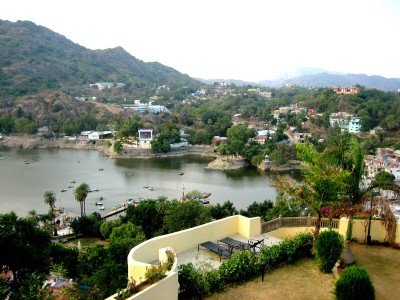
Laxmangarh is a historic town nestled in the heart of the **Shekhawati** region of **Rajasthan**, renowned for its impressive architecture and vibrant past. It was founded in 1807 by Rao Raja **Laxman Singh** of **Sikar**, who also constructed the imposing **Laxmangarh Fort** atop a hill overlooking the town. The fort, though partly private, offers a panoramic view of the meticulously planned township, which is believed to be modeled after the state capital, **Jaipur**. Beyond the fort, the town is most famous for its richly decorated **havelis** (mansions), which are adorned with elaborate and colorful **frescoes** (wall paintings). These havelis, built by wealthy merchants in the 18th and 19th centuries, have earned the **Shekhawati** region the moniker of the "Open Art Gallery of **Rajasthan**." **Laxmangarh** serves as an important cultural and historical site, attracting visitors interested in art, history, and traditional **Rajasthani** architecture.
Card image cap
Mandawa

@@Historical Significance: Mandawa is a charming town located in the heart of the Shekhawati region of Rajasthan, known for its rich history. It was f...

@@Historical Significance: Mandawa is a charming town located in the heart of the Shekhawati region of Rajasthan, known for its rich history. It was founded in the 18th century as a trading outpost for the ancient caravan routes coming from China and the Middle East. The wealthy merchant families who settled here built grand mansions known as havelis to showcase their immense wealth and status. These buildings are famous for their intricate frescoes and murals that depict everything from mythology to colonial life. Today, the town serves as a living museum where history is etched on every wall and doorway. @@Artistic Heritage: The town is often referred to as the world's largest open-air art gallery due to its density of painted havelis. Every nook and corner of Mandawa features beautiful paintings that have survived the test of time and weather. The artists used natural pigments to create vibrant scenes of gods, kings, British soldiers, and even modern inventions like airplanes. This artistic heritage attracts historians, art lovers, and photographers from across the globe who want to study the Shekhawati style. Walking through the narrow lanes feels like stepping back into a colorful era of Rajasthani royalty and commerce. @@Cultural Hub: Mandawa is not just about buildings; it is a vibrant center of Rajasthani culture and traditional lifestyle. The local people are known for their hospitality and still follow the customs passed down through generations. You can see traditional craftsmen working on wood carvings and colorful textiles in the local markets. The town also hosts several folk music and dance performances during the evenings for the tourists to enjoy. This cultural immersion makes Mandawa a unique destination that offers more than just typical sightseeing opportunities. @@Desert Charm: Located on the edge of the Thar Desert, Mandawa offers a unique semi-arid landscape that is beautiful in its own way. The golden sands and the rugged terrain provide a perfect backdrop for the colorful architecture of the town. Camel safaris are a popular way to explore the surrounding countryside and experience the nomadic life of the desert. The sunsets here are particularly spectacular, painting the sky in shades of orange and pink over the old fort. It is a place where the silence of the desert meets the echoes of a prosperous past.
Card image cap
Mount Abu

@@Geographical Wonder: Mount Abu is the only hill station in the desert state of Rajasthan, perched high in the Aravalli Range. It stands at an elevat...

@@Geographical Wonder: Mount Abu is the only hill station in the desert state of Rajasthan, perched high in the Aravalli Range. It stands at an elevation of over 1200 meters, providing a cool retreat from the scorching heat of the plains. The landscape is characterized by massive granite rocks, lush green forests, and serene lakes. This unique geography makes it a biodiversity hotspot with many species of flora and fauna found nowhere else in the state. It is a popular destination for both domestic and international tourists looking for a mountain escape in India. @@Spiritual Significance: The mountain is home to many ancient temples and ashrams, making it a major pilgrimage site. The Dilwara Jain Temples are world-renowned for their incredible marble carvings and architectural beauty. There are also many Hindu temples dedicated to Shiva and Shakti scattered across the hills. The Brahma Kumaris World Spiritual University is headquartered here, attracting seekers from all over the world. This spiritual aura adds a sense of peace and tranquility to the natural beauty of the hill station. @@Colonial Heritage: During the British Raj, Mount Abu served as a popular summer resort for the officers and their families. Many colonial-style bungalows and cottages can still be seen in the town, giving it a nostalgic charm. The British influence is also evident in the layout of the parks and the local administration. Today, some of these old buildings have been converted into heritage hotels that offer a glimpse into the past. This blend of Indian spirituality and colonial history makes Mount Abu a fascinating place to explore. @@Natural Attractions: The Nakki Lake is the heart of the town and is surrounded by mountains and strange rock formations. According to legend, the lake was dug out by gods using their fingernails, which is how it got its name. There are several viewpoints like Sunset Point and Honeymoon Point that offer breathtaking views of the valleys. The Wildlife Sanctuary here is home to leopards, sloth bears, and a variety of birds for nature enthusiasts to see. It is a perfect destination for those who love trekking and outdoor adventures in a cool climate.
Card image cap
Muktsar

@@Historical Context: Muktsar, officially known as Sri Muktsar Sahib, is a city with deep historical and religious roots. It is primarily famous for t...

@@Historical Context: Muktsar, officially known as Sri Muktsar Sahib, is a city with deep historical and religious roots. It is primarily famous for the Battle of Muktsar that took place in 1705 between the Mughal Empire and Guru Gobind Singh Ji. The city's name literally means "The Pool of Liberation," referring to the forty Sikh soldiers who fought bravely and attained martyrdom here. This event is a cornerstone of Sikh history and has shaped the identity of the town for centuries. Today, it stands as a place of profound reverence and a symbol of sacrifice and courage. @@Religious Heritage: The city is dotted with several magnificent Gurdwaras that commemorate different episodes of the historic battle. The main Gurdwara, Tutti Gandi Sahib, is a masterpiece of Sikh architecture and attracts thousands of devotees daily. The holy sarovar (pool) within the complex is believed to have spiritual healing powers by the faithful. Walking through the city, one can hear the continuous chanting of hymns which creates a very peaceful and divine atmosphere. It is a major center for religious learning and community service in the northern region. @@Cultural Fabric: The culture of Muktsar is deeply intertwined with Punjabi traditions and the spirit of 'Sewa' or selfless service. The people are incredibly hospitable and the community kitchens (langars) serve free meals to everyone regardless of their background. The city comes alive during the Mela Maghi, an annual fair that celebrates the heroic deeds of the forty martyrs. Traditional sports like Gatka (Sikh martial arts) and folk music are an integral part of the local life. This vibrant culture offers a deep insight into the resilient spirit of the local community. @@Agricultural landscape: Surrounded by fertile plains, Muktsar is also an important agricultural hub known for its cotton and wheat production. The landscape is dominated by vast green fields that change color with the seasons, providing a rustic charm. The local markets are busy with the trade of agricultural produce and traditional Punjabi handicrafts. This connection to the land is evident in the food and the lifestyle of the residents. It is a place where the glory of the past meets the hard-working reality of the present-day agrarian economy.
Card image cap
Nawalgarh

Nawalgarh is a prominent town in the Shekhawati region of Rajasthan, often celebrated as an "Open-Air Art Gallery" due to its numerous magnificent Hav...

**Nawalgarh** is a prominent town in the **Shekhawati** region of **Rajasthan**, often celebrated as an **"Open-Air Art Gallery"** due to its numerous magnificent **Havelis** (traditional mansions). Founded in the **18th century** by **Thakur Nawal Singh**, the town became a key trading hub for the affluent **Marwari** merchant families. These wealthy traders commissioned exquisite wall paintings, or **frescoes**, on their mansions to flaunt their prosperity and devotion. The frescoes depict a diverse range of themes, including scenes from Hindu mythology, local folklore, and even representations of modern marvels of the time, such as trains and cars. The architecture is a beautiful blend of **Rajput** and **European** styles. Key attractions include the well-preserved **Dr. Ramnath A. Podar Haveli Museum** and the original **Morarka Haveli**, offering a fascinating glimpse into the rich cultural and artistic heritage of the region.
Card image cap
Neemrana

Neemrana is a historic town located in the Alwar district of Rajasthan, India, strategically positioned on the Delhi-Jaipur Highway (NH-48). Historica...

**Neemrana** is a historic town located in the **Alwar** district of **Rajasthan**, India, strategically positioned on the **Delhi-Jaipur Highway** (NH-48). Historically significant, it was the capital of the **Chauhan** rulers who moved here in the **15th century**. Today, it?s a striking blend of ancient heritage and modern industrial development, notably the **Neemrana Industrial Area**, which hosts a large **Japanese** zone. The town is most famous for the majestic **Neemrana Fort-Palace**, a crumbling ruin beautifully restored and converted into a luxury heritage hotel. This stunning, multi-tiered structure perched atop the **Aravalli Hills** attracts history buffs, luxury travelers, and weekend escapists from nearby cities like **Delhi** and **Jaipur**. It serves as an accessible and grand representation of **Rajasthani** architectural splendor and hospitality. ***
Card image cap
Palanpur

@@Historical Legacy: Palanpur is an ancient city that served as the capital of a princely state during the British era. It has a rich history of being...

@@Historical Legacy: Palanpur is an ancient city that served as the capital of a princely state during the British era. It has a rich history of being a center for trade and culture on the border of Rajasthan and Gujarat. The city was once ruled by the Jhalori dynasty and is famous for its strategic importance in the medieval period. Many old gates and parts of the city wall still stand as testimony to its fortified past. Today, it is known for its thriving diamond industry and as a major center for agricultural trade in the region. @@Cultural Melting Pot: Due to its location, Palanpur has a unique blend of Rajasthani and Gujarati cultures. This influence is seen in the language, food, and the colorful festivals celebrated by the local people. The city is famous for its attars (perfumes) and the cultivation of flowers, which earned it the nickname 'City of Flowers'. The local markets are a riot of colors with traditional textiles and handicrafts from both states available for shoppers. This cultural diversity makes Palanpur a very interesting and vibrant place to visit for travelers. @@Economic Importance: In the modern era, Palanpur has emerged as a significant hub for the diamond cutting and polishing industry. Many families here have been involved in this trade for generations, contributing to the global diamond market. The city also has a strong dairy industry with the famous Banas Dairy being one of the largest in Asia. This economic growth has led to the development of modern infrastructure while keeping the traditional charm alive. It is a city that successfully balances its historical heritage with contemporary industrial progress. @@Natural Beauty: The city is located near the foothills of the Aravalli Range, providing a beautiful backdrop of hills and forests. The nearby Balaram Ambaji Wildlife Sanctuary is a great place for nature lovers to explore the local flora and fauna. There are several scenic spots and old temples located on the outskirts of the city that offer a peaceful escape. The weather here is generally pleasant, especially during the winter months, making it a good base for exploring the region. It is a hidden gem that offers a variety of experiences for all types of tourists.
Card image cap
Pushkar

@@Pushkar General Overview: Pushkar is a prominent pilgrimage town nestled in the Aravalli Range of Rajasthan. It is one of the oldest existing cities...

@@Pushkar General Overview: Pushkar is a prominent pilgrimage town nestled in the Aravalli Range of Rajasthan. It is one of the oldest existing cities in India and holds immense spiritual significance for Hindus. The town is built around the sacred Pushkar Lake, which is said to have appeared when Lord Brahma dropped a lotus flower. Every year, thousands of devotees visit to take a holy dip in its waters. @@Cultural Heritage: The town is famous for being home to the only temple in the world dedicated to Lord Brahma. This unique religious status makes it a "Tirtha Raj" or the king of pilgrimage sites. The culture here is deeply rooted in Vedic traditions and rituals. Alcohol and meat are strictly prohibited within the town limits to maintain its sanctity. @@The Sacred Lake: The central attraction is the semi-circular Pushkar Lake, surrounded by 52 bathing ghats. These ghats are used by pilgrims for ritual bathing and daily evening prayers. The atmosphere is filled with the sound of bells and Vedic chants. It is believed that a dip here on Karthik Purnima cleanses one of all sins. @@The Great Pushkar Mela: Pushkar is globally renowned for its annual Camel Fair held in November. This event attracts traders, tourists, and photographers from all over the world. It is a vibrant display of Rajasthani culture, folk music, and livestock trading. The fair transforms the quiet desert town into a bustling hub of activity.
Card image cap
Ranakpur

@@Ranakpur General Overview: Ranakpur is a small, quiet valley located in the heart of the Aravalli hills in the Pali district. It is world-famous for...

@@Ranakpur General Overview: Ranakpur is a small, quiet valley located in the heart of the Aravalli hills in the Pali district. It is world-famous for its magnificent 15th-century Jain temple complex. This site is considered one of the five most important pilgrimage places for the Jain community. The location is isolated and surrounded by lush green forests, offering a serene atmosphere. @@Historical Significance: The main temple was built by a wealthy merchant named Dhanna Shah in 1439. He was supported by Rana Kumbha, the ruler of Mewar, after whom the place is named. It took over 50 years to complete this architectural masterpiece. The temple is dedicated to Lord Adinath, the first Jain Tirthankara. @@Natural Surroundings: Unlike the arid desert parts of Rajasthan, Ranakpur is blessed with greenery and a cool climate. The Maghai River flows through the valley, adding to the picturesque beauty of the landscape. It is an ideal destination for those seeking peace away from crowded cities. The surrounding forests are part of a wildlife sanctuary. @@Spiritual Aura: The entire complex exudes a sense of tranquility and spiritual devotion. Thousands of pilgrims visit every year to offer prayers and admire the stone carvings. The temple is designed to look like a celestial vehicle seen in a dream by its founder. This blend of faith and art makes it truly unique.
Card image cap
Ranthambore

@@Ranthambore General Overview: Ranthambore is one of the largest and most famous national parks in Northern India, located in Sawai Madhopur. It was ...

@@Ranthambore General Overview: Ranthambore is one of the largest and most famous national parks in Northern India, located in Sawai Madhopur. It was once the private hunting ground of the Maharajas of Jaipur. Today, it is a protected tiger reserve under Project Tiger and a major wildlife destination. The park is a unique blend of nature, history, and wildlife. @@Wildlife and Tigers: The park is best known for its population of Royal Bengal Tigers. It is one of the best places in India to see these majestic cats in their natural habitat. Tigers here are famous for being active even during the daytime, unlike other reserves. Besides tigers, one can spot leopards, hyenas, and various species of deer. @@The Massive Fort: Standing tall inside the national park is the Ranthambore Fort, a UNESCO World Heritage Site. Built in the 10th century, it offers a panoramic view of the entire jungle. The fort has seen many battles and witnessed the rise and fall of several dynasties. Its massive walls and gateways are a testament to Rajput bravery. @@Ecological Diversity: The park's landscape is characterized by dry deciduous forests and open grassy meadows. It contains several large lakes like Padam Talao and Raj Bagh, which serve as water sources for animals. The flora is diverse, with over 300 species of trees and plants. This ecosystem supports a wide range of birds and reptiles.
Show All

Other Places In :-

Information about New and Updated Locations() of Has Been Added :-
Card subtitle

Note:-

Information provided here in good Faith and for reference only.

Near Places
in Other Cities