General information
Photo Gallery
Things To Do

@@Place Details: @@Devotional Heart: Karauli is a historic town in eastern Rajasthan, famous for its deep religious roots and stunning architecture made of local pale red sandstone. Founded in 1348 by Arjun Pal, it was the capital of the princely state of Karauli. The city is protected by a sturdy wall with several gateways and is known for its narrow, vibrant streets. It is a place where spirituality meets the rustic charm of rural India, offering a peaceful alternative to busier tourist hubs. @@Architectural Beauty: The city is a treasure house of colonial and Rajput architecture, characterized by intricate stone carvings and lattice-work windows. The use of the unique Karauli Stone gives the entire city a warm, reddish-pink glow that is particularly beautiful at sunset. The City Palace and the various "Chhatris" (cenotaphs) are prime examples of the artistic skill of local craftsmen. The design of the buildings reflects both defensive needs and royal aesthetics. @@Pilgrimage Hub: Karauli is home to several important temples that attract millions of pilgrims throughout the year. The Kaila Devi Temple and the Madan Mohan Ji Temple are the most prominent, known for their spiritual energy and beautiful idols. The city is often called a "Holy City" because of the numerous shrines that dot its landscape. Religious festivals are celebrated here with immense fervor, involving grand processions and traditional music. @@Rural Tranquility: Beyond the monuments, Karauli offers a glimpse into the authentic rural lifestyle of Rajasthan. The surrounding countryside is filled with dense forests, rocky hills, and agricultural fields. The people are known for their simple lifestyle and extreme hospitality towards guests. It is an ideal destination for those who want to experience the "real" India away from the commercialized tourist circuits. The area is also close to wildlife reserves, adding a touch of nature to the trip. :
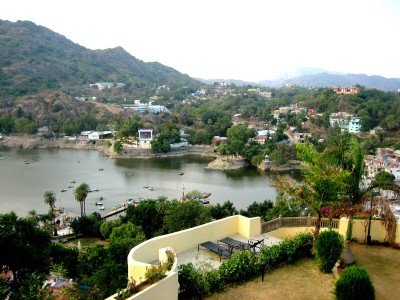
@@Geographical Wonder: Mount Abu is the only hill station in the desert state of Rajasthan, perched high in the Aravalli Range. It stands at an elevation of over 1200 meters, providing a cool retreat from the scorching heat of the plains. The landscape is characterized by massive granite rocks, lush green forests, and serene lakes. This unique geography makes it a biodiversity hotspot with many species of flora and fauna found nowhere else in the state. It is a popular destination for both domestic and international tourists looking for a mountain escape in India. @@Spiritual Significance: The mountain is home to many ancient temples and ashrams, making it a major pilgrimage site. The Dilwara Jain Temples are world-renowned for their incredible marble carvings and architectural beauty. There are also many Hindu temples dedicated to Shiva and Shakti scattered across the hills. The Brahma Kumaris World Spiritual University is headquartered here, attracting seekers from all over the world. This spiritual aura adds a sense of peace and tranquility to the natural beauty of the hill station. @@Colonial Heritage: During the British Raj, Mount Abu served as a popular summer resort for the officers and their families. Many colonial-style bungalows and cottages can still be seen in the town, giving it a nostalgic charm. The British influence is also evident in the layout of the parks and the local administration. Today, some of these old buildings have been converted into heritage hotels that offer a glimpse into the past. This blend of Indian spirituality and colonial history makes Mount Abu a fascinating place to explore. @@Natural Attractions: The Nakki Lake is the heart of the town and is surrounded by mountains and strange rock formations. According to legend, the lake was dug out by gods using their fingernails, which is how it got its name. There are several viewpoints like Sunset Point and Honeymoon Point that offer breathtaking views of the valleys. The Wildlife Sanctuary here is home to leopards, sloth bears, and a variety of birds for nature enthusiasts to see. It is a perfect destination for those who love trekking and outdoor adventures in a cool climate.

@@Pushkar General Overview: Pushkar is a prominent pilgrimage town nestled in the Aravalli Range of Rajasthan. It is one of the oldest existing cities in India and holds immense spiritual significance for Hindus. The town is built around the sacred Pushkar Lake, which is said to have appeared when Lord Brahma dropped a lotus flower. Every year, thousands of devotees visit to take a holy dip in its waters. @@Cultural Heritage: The town is famous for being home to the only temple in the world dedicated to Lord Brahma. This unique religious status makes it a "Tirtha Raj" or the king of pilgrimage sites. The culture here is deeply rooted in Vedic traditions and rituals. Alcohol and meat are strictly prohibited within the town limits to maintain its sanctity. @@The Sacred Lake: The central attraction is the semi-circular Pushkar Lake, surrounded by 52 bathing ghats. These ghats are used by pilgrims for ritual bathing and daily evening prayers. The atmosphere is filled with the sound of bells and Vedic chants. It is believed that a dip here on Karthik Purnima cleanses one of all sins. @@The Great Pushkar Mela: Pushkar is globally renowned for its annual Camel Fair held in November. This event attracts traders, tourists, and photographers from all over the world. It is a vibrant display of Rajasthani culture, folk music, and livestock trading. The fair transforms the quiet desert town into a bustling hub of activity.
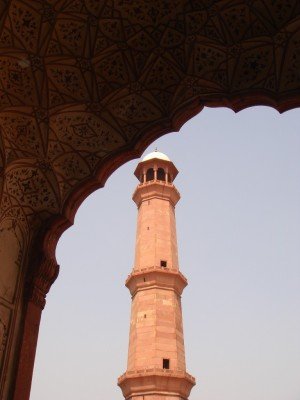
@@Place Details: @@Historical Legacy: Tonk was once the capital of the only Muslim princely state in Rajasthan, ruled by the Pathans. This unique history is reflected in its culture, language, and the numerous mosques scattered across the city. The town was founded by Nawab Amir Khan in the early 19th century. It holds a special place in the history of Rajasthan as a center of Islamic learning and arts. @@Cultural Tapestry: The city is famous for its vibrant bazaars where you can find traditional handicrafts and leather products. The influence of Persian and Arabic literature is still visible in the local libraries and institutes. Tonk is often called the "Lucknow of Rajasthan" because of its sophisticated culture and etiquette. The local cuisine is a delicious mix of Mughlai and Rajasthani flavors. @@Architectural Beauty: The city is home to some of the most beautiful havelis and mansions built during the Nawab era. The intricate glass work and gold paintings found in the palaces are legendary. Unlike the massive forts of other Rajasthani cities, Tonk offers more intimate and detailed architectural wonders. Every corner of the old city tells a story of the royal lifestyle of the Nawabs. @@Natural Landscape: Surrounded by the Aravalli hills and situated near the Banas River, the natural beauty of Tonk is understated. The presence of large reservoirs and dams nearby makes it a great spot for nature lovers. It offers a peaceful environment away from the heavy commercialization of bigger cities. The sunrise and sunset views from the hilltops are truly breathtaking.

@@Historical Context: Ajmer was founded by Raja Ajaypal Chauhan in the 7th century and served as a strategic powerhouse for the Chauhan dynasty. It later became a favorite retreat for the Mughal Emperors, who added layers of architectural splendor to the city. @@Spiritual Significance: The city is globally renowned for the Dargah Sharif, the shrine of Sufi Saint Khwaja Moinuddin Chishti. It stands as a beacon of communal harmony, attracting millions of devotees from all faiths and backgrounds. @@Geographical Beauty: Nestled in the protective embrace of the Aravalli Mountains, Ajmer offers a landscape of rugged hills and serene artificial lakes. The city's layout reflects its dual nature as a fortress and a spiritual sanctuary. @@Educational Hub: Known for prestigious institutions like Mayo College, Ajmer has been a center of learning since the British era. The blend of traditional values and modern education defines the city's contemporary character.

@@History of Chittorgarh: Chittorgarh is the epitome of Rajput pride and spirit. The fort was built by the Mori Rajput ruler Chitrangada Mori in the 7th century. It served as the capital of the Mewar Kingdom for eight centuries. The city witnessed three major sieges and the legendary ritual of Jauhar. @@Sacrifice and Bravery: The tales of Rani Padmini and Meera Bai are deeply etched in its walls. Warriors like Bappa Rawal and Maharana Pratap are celebrated for their defiance. The fort remains a symbol of the "unconquerable" spirit of the Rajputs. @@Ancient Temples: The city houses many 8th-century structures like the Kalika Mata Temple. These temples reflect the early Gurjara-Pratihara style of building. @@Natural Landscape: Spread over 700 acres, the fort sits atop a 180-meter high hill. It offers a commanding view of the Berach River and surrounding plains.
**Fatehpur**, founded in **1451** by **Nawab Fateh Khan**, is a historic town in the northeastern part of **Rajasthan**. It is celebrated globally as the cultural capital of the **Shekhawati** region, primarily due to its exceptional wealth of beautifully painted **Havelis** (traditional mansions). These grand structures, built by wealthy Marwari merchant families between the **18th** and early **20th Century**, serve as a massive open-air art gallery. The frescos display a unique blend of traditional Rajput art with European influences, reflecting the merchant community's extensive trade connections. From mythological scenes and local folklore to depictions of trains and European figures, the art is a stunning historical record that attracts architecture and history enthusiasts alike.
**Jhunjhunu** is a historic city and the administrative headquarters of the **Jhunjhunu** District in **Rajasthan**. It's renowned primarily as part of the **Shekhawati** region, often dubbed the **'Open-Air Art Gallery of Rajasthan'** due to its incredible concentration of exquisitely painted **Havelis** (mansions). These **Havelis**, built mainly by affluent **Marwari** merchants in the **18th** and **19th** centuries, are adorned with vibrant **frescoes** depicting everything from mythology and folklore to colonial-era trains and portraits. The city also features impressive forts and significant religious sites like the **Rani Sati Temple**. It reflects a unique blend of **Rajput**, **Mughal**, and later **European** architectural styles, making it a crucial cultural and architectural hub in **North India**.
***
Information
Tourism Tips
Reviews
FAQs
Other Places In :-
Other States In India :-
Information about New and Updated Locations() of Has Been Added :-
Card subtitle
Note:-
Information provided here in good Faith and for reference only.