

Qila Mubarak
General information
-
Ideal Duration:
2-3 HoursPlace Type:
Historic, Heritage Site, FortEntry Fees:
Historical Importance and Preservation: The fee structure is designed not just for access but also to contribute significantly to the preservation of this ancient monument, covering the cost of maintenance, security, and restoration projects undertaken by the Archaeological ...Historical Importance and Preservation: The fee structure is designed not just for access but also to contribute significantly to the preservation of this ancient monument, covering the cost of maintenance, security, and restoration projects undertaken by the Archaeological Survey of India or State Archaeology Departments.
Varied Fee Structure: Typically, there is a lower fee for Indian citizens (often between INR 15 and INR 50) and a higher, but still nominal, fee for foreign tourists (often between INR 100 and INR 250), often with free entry for children below a certain age.
Fees for Special Access: "Some parts of the complex, such as the museum (if separate) or a specific art/vintage gallery, might have an additional, small fee to cover the upkeep of specialized exhibits and artifacts within those dedicated sections.
" No Flash Photography Fees: While video cameras may incur a small charge, still photography is usually free, but tripods or professional equipment often require an official permit and an associated higher fee.
Exemption on Special Days: Entry is occasionally free on World Heritage Day (April 18) or during the annual Baba Farid fair, making these times crowded but accessible to all.Timing:
Regular Timings: Daily from 9:00 AM to 5:00 PM (or 10:00 AM to 5:30 PM) is the usual operating time for historical monuments in the region; "it is important to note that the gates typically close strictly at the designated hour, so one must plan to leave well before the clo...Regular Timings: Daily from 9:00 AM to 5:00 PM (or 10:00 AM to 5:30 PM) is the usual operating time for historical monuments in the region; "it is important to note that the gates typically close strictly at the designated hour, so one must plan to leave well before the closing time.
" Ideal Visit Time: The best time to visit is during the early morning (9:00 AM to 11:00 AM) or the late afternoon (3:30 PM to 5:00 PM) to avoid the harsh midday sun, especially during the summer months.
Closing Days/Holidays: It is wise to confirm if the fort has a weekly closing day (Mondays are common for museums) or if it remains closed on major national or local Punjabi holidays.Special Events:
Baba Farid Aagman Purb Mela: The most significant annual event is the Baba Farid Aagman Purb festival, typically held in September, which commemorates the arrival of Baba Farid in the city. The fort area, being central to the legend, is a major focal point for the processio...Baba Farid Aagman Purb Mela: The most significant annual event is the Baba Farid Aagman Purb festival, typically held in September, which commemorates the arrival of Baba Farid in the city. The fort area, being central to the legend, is a major focal point for the procession and associated activities, including cultural performances, religious discourse, and martial arts displays.
State and District Level Celebrations: As a key administrative and historical building, the fort's grounds are often the site for major national holidays like Republic Day and Independence Day, hosting flag-hoisting ceremonies and public parades led by district authorities.
Local Heritage Festivals: Less frequently, the site might host smaller, localized festivals or heritage walks organized by the district administration or cultural societies to promote the history of the princely state.Best Photo Spots:
The Main Entrance Gate: The huge, imposing gate of the fort, often a blend of styles, makes for a dramatic photograph, capturing the scale and strength of the structure.
The Royal Palace Facade: The front face of the interior royal palace (i...The Main Entrance Gate: The huge, imposing gate of the fort, often a blend of styles, makes for a dramatic photograph, capturing the scale and strength of the structure.
The Royal Palace Facade: The front face of the interior royal palace (if accessible) provides an excellent photo opportunity, showcasing the more refined architectural elements and decorative windows within the protective walls.
View from the Bastions/Walls: Capture the cityscape or the inner compound from a vantage point on the fort walls, providing a sense of scale and the fort's dominance over the old town.
Vintage Car Gallery: If the gallery is open, the display of classic vehicles against the backdrop of ancient architecture offers a unique and visually rich contrast for photography.Photo Gallery
Things To Do
-
Exploring the Fort Walls and Bastions: Walk along the accessible parts of the sturdy fort walls to appreciate the defensive structure and gain a panoramic view of the surrounding old city, visualizing its strategic importance.
Visiting the Palace Interior: While parts are restricted, explore the open sections of the Royal Palace within the complex, which house administrative offices or small museums, to admire the interior decoration, old furniture, and portraits of the former rulers.
History and Heritage Walk: Engage in a self-guided or local-guided tour focusing solely on the historical significance, tracing the evolution of the fort from Raja Mokalsi's time to the British era, and learning about the administrative functions of the different sections like the Tosha Khana and Modi Khana.Exploring the Fort Walls and Bastions: Walk along the accessible parts of the sturdy fort walls to appreciate the defensive structure and gain a panoramic view of the surrounding old city, visualizing its strategic importance.
Visiting the Palace Interior: While parts are restricted, explore the open sections of the Royal Palace within the complex, which house administrative offices or small museums, to admire the interior decoration, old furniture, and portraits of the former rulers.
History and Heritage Walk: Engage in a self-guided or local-guided tour focusing solely on the historical significance, tracing the evolution of the fort from Raja Mokalsi's time to the British era, and learning about the administrative functions of the different sections like the Tosha Khana and Modi Khana.
Photography and Architectural Study: Dedicate time to capture the contrast between the rough-hewn exterior of the fort and the potentially more refined architecture of the interior palace buildings, focusing on the stonework, archways, and any remaining frescoes or carvings.
Connecting with Baba Farid's Legacy: Reflect on the legendary association with Baba Farid; after visiting the fort, proceed to the nearby Tilla Baba Farid to complete the historical and spiritual circuit related to the city's founding.
Attend Local Cultural Programs: Occasionally, the open grounds within the Qila Mubarak complex host local cultural events, fairs, or public ceremonies; check local listings to experience a contemporary use of the historic space.
Relaxing in the Fort Garden: Locate the garden area mentioned in the historical records within the fort compound, providing a quiet space to rest and observe the historical setting.
Information
-
Why Famous:
Historical Significance: The fort is famous for being the capital and primary residence of the rulers of the princely state of Faridkot, a status it held for centuries, making it the bedrock of the city's political identity.
Legend of Baba Farid...Historical Significance: The fort is famous for being the capital and primary residence of the rulers of the princely state of Faridkot, a status it held for centuries, making it the bedrock of the city's political identity.
Legend of Baba Farid: Its fame is intrinsically linked to the legend of Sufi saint Baba Fariduddin Ganjshakar, who, according to folklore, worked as a laborer during its construction and whose miracle led to the city's renaming from Mokalhar to Faridkot.
Architectural Symbol: It is one of the most prominent surviving examples of princely state architecture in the region, symbolizing the power and wealth of the former Maharajas of Faridkot. The fort's history ties into the broader narrative of Sikh rule and British influence in the Cis-Sutlej states. -
Architecture:
Fortress Architecture and Design: The Qila Mubarak exhibits a hybrid style, largely reflective of indigenous Punjabi and later colonial influences.
"Fortification Structure: The fort's core is believed to have been a mud fort (Kachi Garhi) i...Fortress Architecture and Design: The Qila Mubarak exhibits a hybrid style, largely reflective of indigenous Punjabi and later colonial influences.
"Fortification Structure: The fort's core is believed to have been a mud fort (Kachi Garhi) initially, which was later converted into a Pacca Qila (stone/brick fort) by rulers like Baba Ala Singh of Patiala's dynasty, before it became the seat of the Faridkot State. " Its overall design is robust and defensive.
Key Dimensions: While specific overall dimensions are not readily public, the complex is notably large, encompassing the Royal Palace and various outbuildings. "The walls are high and thick, built to withstand attacks, and feature bastions, though perhaps fewer than the grand forts of larger states.
" Materials and Aesthetics: The structure uses local brickwork and plaster, characteristic of 19th-century constructions in the region. "The palace within, though part of the complex, features more ornate detailing compared to the simple, imposing exterior of the fort walls. " The royal palace section showcases a blend of traditional and early British influence in its interior layouts and decorative elements. -
How To Reach:
By Air: The nearest major international airport is Shri Guru Ram Dass International Airport, Amritsar (ATQ), approximately 130-150 KMS away, requiring a 3-4 hour taxi ride; "Alternatively, Chandigarh International Airport (IXC) is a viable option, about 220-250 KMS away.By Air: The nearest major international airport is Shri Guru Ram Dass International Airport, Amritsar (ATQ), approximately 130-150 KMS away, requiring a 3-4 hour taxi ride; "Alternatively, Chandigarh International Airport (IXC) is a viable option, about 220-250 KMS away.
" By Train: Faridkot Railway Station (FDK) is well-connected on the Firozpur-Bathinda-Delhi line, with regular trains from major cities like New Delhi, Chandigarh, and Mumbai; "The fort is only about 2 KMS from the station, making a rickshaw or auto-rickshaw the best onward local transport.
" By Road: Faridkot is located on a major road network; "It is about 32 KMS from Firozpur, 65 KMS from Bathinda, and 218 KMS from Chandigarh, accessible via National Highway 54 and National Highway 7. " Regular bus services (both public and private) from various Punjabi cities terminate at the Faridkot Bus Stand.
By Local Transport: Within Faridkot, the fort is easily reached by cycle-rickshaws, auto-rickshaws, or pre-booked local taxis, which are inexpensive and readily available from the railway station and bus stand, often taking only 5-10 minutes. -
Weather and Best Time to Visit:
Weather Season Preference: The Winter months (October to March) are the most ideal, offering pleasant weather with cool days perfect for outdoor exploration of the expansive fort grounds and walls.
Season to Avoid: The Summer (April to June)...Weather Season Preference: The Winter months (October to March) are the most ideal, offering pleasant weather with cool days perfect for outdoor exploration of the expansive fort grounds and walls.
Season to Avoid: The Summer (April to June) is extremely hot, with temperatures often exceeding 45°C, making midday visits highly uncomfortable and risky; "the monsoon season (July to September) brings humidity, though it can offer temporary relief from the heat.
" Ideal Visit Time of Day: The early morning or late afternoon provides the best conditions for sightseeing and photography, utilizing the softer light and avoiding the peak heat of the day. -
Near Tourist Places:
Tilla Baba Farid (1 KM), Raj Mahal (3 KMS), Gurudwara Godri Sahib (4 KMS), Shaheedi Jor Mela (Jaitu) (28 KMS), Harike Wetland and Bird Sanctuary (90 KMS), Qila Mubarak (Bathinda) (65 KMS), Moti Bagh Palace (Patiala) (150 KMS), Jallianwala Bagh (Amritsar) (145 KMS), Golden Temple (Amritsar) (145 KMS), Wagah Border (Amritsar) (170 KMS).
Tourism Tips
-
Health & Safety: Carry a personal water bottle, especially during the transition and summer months, as dehydration is a risk; "Wear comfortable walking shoes suitable for uneven historical pathways and stairs, and be mindful of your step while exploring old structures.
...Health & Safety: Carry a personal water bottle, especially during the transition and summer months, as dehydration is a risk; "Wear comfortable walking shoes suitable for uneven historical pathways and stairs, and be mindful of your step while exploring old structures.
" Packing Essentials: Bring sunscreen, sunglasses, and a wide-brimmed hat, irrespective of the season, and a camera to capture the architectural details.
Accommodation: Accommodation options range from budget guesthouses near the railway station to mid-range hotels; for more luxurious stays, consider options in nearby Bathinda or Firozpur; "Book in advance during the Baba Farid Aagman Purb festival, as the city fills up quickly.
" Respecting Heritage: Do not litter, do not carve initials into the walls, and follow all instructions from the security personnel, respecting the age and fragility of the monument.
Currency and Payments: Carry adequate cash (Indian Rupees) for entry tickets and local transport, as digital payment options may be limited for small vendors or local transport providers.
Reviews
FAQs
Faridkot Itineray And Cost:-
Information about New and Updated Locations() of Punjab Has Been Added :-
Card subtitle
Note:-
Information provided here in good Faith and for reference only.
All information and pictures will be updated soon, please keep visiting.
Near Places

Baba Farid Cultural Centre
Some quick example text to build on the card title and make up the bulk of the card's content.
Go somewhere
Clock Tower
Some quick example text to build on the card title and make up the bulk of the card's content.
Go somewhere
Darbar Ganj
Some quick example text to build on the card title and make up the bulk of the card's content.
Go somewhere
District Library, Faridkot
Some quick example text to build on the card title and make up the bulk of the card's content.
Go somewhere
Fairy Cottage
Some quick example text to build on the card title and make up the bulk of the card's content.
Go somewhere
Faridkot City
Some quick example text to build on the card title and make up the bulk of the card's content.
Go somewhere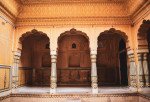
Faridkot Fort
Some quick example text to build on the card title and make up the bulk of the card's content.
Go somewhere
Government Brijindra College
Some quick example text to build on the card title and make up the bulk of the card's content.
Go somewhere
Gurdwara Godari Sahib
Some quick example text to build on the card title and make up the bulk of the card's content.
Go somewhere
Gurdwara Tilla Baba Farid
Some quick example text to build on the card title and make up the bulk of the card's content.
Go somewherein Other Cities