

Raja Talab
General information
-
Ideal Duration:
1 Hour - 1. 5 HoursPlace Type:
Historical Water Body and Religious Hub:Entry Fees:
Entry Fee: As an open public space and a historical water body, there is no entry fee to visit Raja Talab. It is completely free of charge to walk around the periphery and visit the surrounding public temples.
Temple Donations: While there ...Entry Fee: As an open public space and a historical water body, there is no entry fee to visit Raja Talab. It is completely free of charge to walk around the periphery and visit the surrounding public temples.
Temple Donations: While there is no entry fee, visitors are welcome to make voluntary donations (daan) at the offering boxes of the surrounding temples. The local shops around the tank sell flowers, incense, and offerings for the temples, which is a minor, optional cost.
Parking and Access: Due to the crowded nature of the locality, finding parking can be difficult. Any required parking fee in the designated nearby lots would be nominal. Access to the immediate bank area may be restricted on major festival days to manage crowds, but still without a direct entry fee.Timing:
Regular Timings:
Always Open: The tank area, being a public street and historical landmark, is generally open 24 hours a day. The surrounding temples usually open from 5:00 AM to 12:00 PM and then from 4:00 PM to 9:00 PM.
Read MoreRegular Timings:
Always Open: The tank area, being a public street and historical landmark, is generally open 24 hours a day. The surrounding temples usually open from 5:00 AM to 12:00 PM and then from 4:00 PM to 9:00 PM.
Ideal Visit Time:
Best Time to Visit: The early morning (around 6:00 AM to 8:00 AM) is ideal for a peaceful walk, observing morning rituals, and enjoying the cooler weather before the city bustle begins.
Evening: The early evening (around 5:00 PM to 7:00 PM) is also good for seeing the illuminated temple entrances and the vibrant market activity.
Worst Time: The midday hours (11:00 AM to 4:00 PM) are hot, crowded with traffic, and should be avoided for a comfortable visit.Special Events:
Ganesh Chaturthi Festivities: The tank is a major focal point during Ganesh Chaturthi (usually in August or September), as it is one of the main sites for the immersion of Ganesh idols (visarjan), drawing huge, vibrant processions and a festive crowd.
Read MoreGanesh Chaturthi Festivities: The tank is a major focal point during Ganesh Chaturthi (usually in August or September), as it is one of the main sites for the immersion of Ganesh idols (visarjan), drawing huge, vibrant processions and a festive crowd.
Chhath Puja: During Chhath Puja (usually in October or November), the bank of the tank is used by devotees to perform sacred rites and offerings to the Sun God, making it a culturally significant annual event.
Local Temple Anniversaries: The many temples surrounding the tank host their own annual anniversaries (Patotsav) and special worship days throughout the year, which involve public feasts (bhandaras) and religious music (bhajans).Best Photo Spots:
Temple Façades at Sunset: Capturing the colorful, traditional façades of the surrounding temples at sunset, when the light is warm and the evening lamps are lit, creates a beautiful, spiritual photo.
Reflections in the Water: The best spot...Temple Façades at Sunset: Capturing the colorful, traditional façades of the surrounding temples at sunset, when the light is warm and the evening lamps are lit, creates a beautiful, spiritual photo.
Reflections in the Water: The best spot is a wide-angle shot capturing the entire circumference of the tank with the reflections of the old buildings and temples in the water, especially after a fresh cleaning or light rain.
Street Life and Vendor Portraits: The narrow lanes and the main chowk near the tank are fantastic for unposed, candid street photography of vendors, worshippers, and local residents engaging in daily life.
The Central Viewpoint: An elevated viewpoint (from a nearby building, if possible) that captures the Raja Talab as an ancient, square water body surrounded by the dense urban sprawl offers a unique, historical perspective.Photo Gallery
Things To Do
-
Offer Prayers at the Temples:
Spiritual Activity: Visit the numerous temples surrounding the tank, such as the Shri Rani Sati Mandir, to offer prayers, light lamps, and observe the daily rituals.
Morning Walk and People Watching:
Leisure Time: Join the locals for a refreshing morning walk around the periphery of the tank to observe the vibrant start of the day. This is an excellent way to soak in the local atmosphere.
Capture the Historical Charm:
Photography: Focus on capturing the contrast between the old temples, the historical tank, and the surrounding urban environment. The area offers unique frames for street and heritage photography.
Explore the Local Market:Offer Prayers at the Temples:
Spiritual Activity: Visit the numerous temples surrounding the tank, such as the Shri Rani Sati Mandir, to offer prayers, light lamps, and observe the daily rituals.
Morning Walk and People Watching:
Leisure Time: Join the locals for a refreshing morning walk around the periphery of the tank to observe the vibrant start of the day. This is an excellent way to soak in the local atmosphere.
Capture the Historical Charm:
Photography: Focus on capturing the contrast between the old temples, the historical tank, and the surrounding urban environment. The area offers unique frames for street and heritage photography.
Explore the Local Market:
Shopping: Wander through the narrow lanes surrounding the tank, which are small local markets selling traditional items, religious artifacts, and fresh flowers. This is great for authentic local souvenirs.
Sample Street Food:
Culinary Experience: Indulge in the authentic and delicious street food from the vendors around the main chowk, which is known for its regional flavors. Try local breakfast items like poha or jalebi.
Quiet Reflection:
Meditation: Find a quiet spot on one of the surviving ghats to sit for a few minutes and reflect on the history of the place.
Observing Rituals:
Cultural Immersion: During festivals, observe the unique local religious rituals and ceremonies performed at the water's edge, which offer a deep dive into the regional culture.
Information
-
Why Famous:
A Religious Center: Raja Talab is famous as a vibrant and dense religious hub due to the concentration of multiple temples and ashrams on its banks, including the notable Shri Rani Sati Mandir. The tank itself is used for various religious rites, ablutions, and immersion ce...A Religious Center: Raja Talab is famous as a vibrant and dense religious hub due to the concentration of multiple temples and ashrams on its banks, including the notable Shri Rani Sati Mandir. The tank itself is used for various religious rites, ablutions, and immersion ceremonies, making it a sacred space for the local community.
A Landmark of Old Raipur: It is a key landmark and the namesake for the entire locality, recognized by locals as a quintessential part of Old Raipur's original urban layout. Its historical presence makes it a living heritage site.
Vibrant Local Life: The area is famous for its bustling and authentic local life, especially the intense activity at the surrounding markets and lanes. This vibrant, non-touristy atmosphere is a major draw for visitors interested in experiencing the real pulse of Raipur.
Street Food and Markets: The locality is renowned for its traditional food stalls and small, specialized markets, particularly those selling religious paraphernalia, flowers, and traditional street snacks, drawing a constant stream of local customers. -
Architecture:
Ancient Tank Design: The architecture of Raja Talab is that of a traditional Indian urban water tank (Talab).
Dimension: It is a large, square or rectangular, man-made excavation, the precise dimensions of which are difficult to gauge due to...Ancient Tank Design: The architecture of Raja Talab is that of a traditional Indian urban water tank (Talab).
Dimension: It is a large, square or rectangular, man-made excavation, the precise dimensions of which are difficult to gauge due to heavy encroachment, but it likely covers several acres. The edges were historically lined with stone steps (ghats) leading down to the water, though many of these are now obscured or broken.
Surrounding Temples and Structures: The tank is architecturally significant because of the numerous small, traditional Hindu temples that line its banks. These temples often feature simple, classic North Indian or regional Chhattisgarh temple architecture with small spires (shikharas) and brightly painted facades. The construction style is vernacular, reflecting the local community's devotional efforts over centuries.
Urban Integration: The surrounding residential and commercial structures are an unplanned architectural element, demonstrating how the city grew organically around this vital water source. The area is characterized by older, close-packed buildings and narrow lanes, giving it a distinctive historical feel. -
How To Reach:
By Air: The nearest airport is Swami Vivekanand Airport (RPR), located approximately 16 KMS away. A taxi from the airport will take about 40 minutes. As it is centrally located, finding a ride is easy.
By Train: The Raipur Junction Railway...By Air: The nearest airport is Swami Vivekanand Airport (RPR), located approximately 16 KMS away. A taxi from the airport will take about 40 minutes. As it is centrally located, finding a ride is easy.
By Train: The Raipur Junction Railway Station (R) is very close, about 4 KMS away. An auto-rickshaw or a local cab is the best way to reach Raja Talab from the station. The journey is short, taking about 15 minutes.
By Road: Raja Talab is located in a dense, central area of Raipur. It is highly accessible by city roads, but the traffic can be heavy. Use the GPS to navigate to the Raja Talab Chowk. It is a prominent and well-known landmark.
By Local Transport: Auto-rickshaws are the primary mode of local transport and are readily available to and from Raja Talab from almost any part of the city. City buses also ply on the main routes nearby, making it an easy and cost-effective location to reach. Walking from nearby central areas is also an option. -
Weather and Best Time to Visit:
Different Types of Seasons:
Winter (October to March): Best Time to Visit. The morning and evening weather is cool, perfect for walking and exploring the dense, narrow lanes without feeling the heat.
Summer (Apr...Different Types of Seasons:
Winter (October to March): Best Time to Visit. The morning and evening weather is cool, perfect for walking and exploring the dense, narrow lanes without feeling the heat.
Summer (April to June): The hot, dry weather makes daytime visits very uncomfortable. Only the late evenings are tolerable for a short visit.
Monsoon (July to September): The heavy rain can make the narrow lanes slippery and messy, though the water body itself looks full and beautiful.
Different Parts of the Day: Morning (6:00 AM - 9:00 AM) Ideal Visit Time for cultural observation, temple visits, and morning snacks. Afternoon (1:00 PM - 4:00 PM) Best avoided due to heat and less activity. Evening (5:00 PM - 8:00 PM) Vibrant crowd, open market stalls, and a lively atmosphere, second best time to visit. -
Near Tourist Places:
1. Swami Vivekanand Sarovar (Budha Talab) (2 KMS) 2. Mahant Ghasi Memorial Museum (3 KMS) 3. Dudhadhari Monastery (3 KMS) 4. Gandhi Udyan Park (3 KMS) 5. Telibandha Lake (Marine Drive) (4 KMS) 6. Ramakrishna Mission Ashrama (4 KMS) 7. Rajkumar College (4 KMS) 8. Banjari Mata Mandir (5 KMS) 9. Jaistambh Chowk (1 KM) 10. Kankali Talab (1 KM)
Tourism Tips
-
Health & Safety: Be cautious of traffic in the crowded, narrow streets surrounding the tank. Maintain cleanliness around the water body, as it is a historical and religious site. Drink only bottled water.
Packing: Carry a camera, a water b...Health & Safety: Be cautious of traffic in the crowded, narrow streets surrounding the tank. Maintain cleanliness around the water body, as it is a historical and religious site. Drink only bottled water.
Packing: Carry a camera, a water bottle, and minimal cash for the local vendors and temple donations. Women should consider modest attire if planning to enter the temples.
Accommodation: Staying near Jaistambh Chowk or Pandri area provides good access to Raja Talab and better hotel options. This area offers a genuine, historical city experience.
Other Different Topics heading:
Cultural Sensitivity: Be respectful of the ongoing religious activities, especially during the early morning hours.
Bargaining: If you purchase items from the local street market, polite bargaining is generally expected.
Photography: Always ask permission before taking a close-up photo of people or religious rituals.
Reviews
FAQs
Raipur Itineray And Cost:-
Other Places In Raipur :-
Other States In India :-
Information about New and Updated Locations() of Chhattisgarh Has Been Added :-
Card subtitle
Note:-
Information provided here in good Faith and for reference only.
Near Places

Achanakmar Wildlife Sanctuary
Some quick example text to build on the card title and make up the bulk of the card's content.
Go somewhere
Banjari Mata Mandir
Some quick example text to build on the card title and make up the bulk of the card's content.
Go somewhere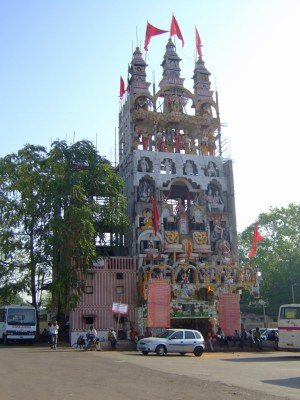
Chhattisgarh Science Centre
Some quick example text to build on the card title and make up the bulk of the card's content.
Go somewhere
Dudhadhari Math and Temple
Some quick example text to build on the card title and make up the bulk of the card's content.
Go somewhere
Dudhadhari Monastery and Temple
Some quick example text to build on the card title and make up the bulk of the card's content.
Go somewhere
Energy Park
Some quick example text to build on the card title and make up the bulk of the card's content.
Go somewhere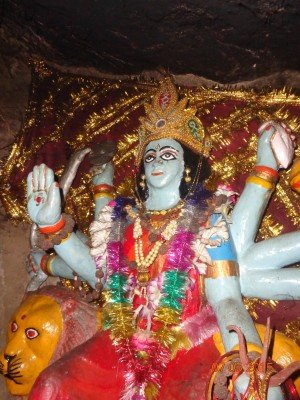
Gandhi Udyan Park
Some quick example text to build on the card title and make up the bulk of the card's content.
Go somewhere
Ghatarani Waterfall
Some quick example text to build on the card title and make up the bulk of the card's content.
Go somewhere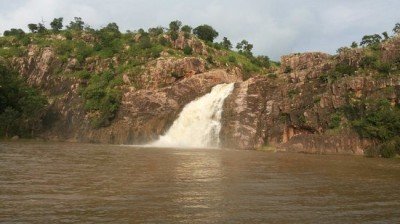
Hajra Waterfall
Some quick example text to build on the card title and make up the bulk of the card's content.
Go somewhere
ISKCON Raipur
Some quick example text to build on the card title and make up the bulk of the card's content.
Go somewhere
Jatmai Temple
Some quick example text to build on the card title and make up the bulk of the card's content.
Go somewhere
Kali Murti
Some quick example text to build on the card title and make up the bulk of the card's content.
Go somewhere
Kankali Talab
Some quick example text to build on the card title and make up the bulk of the card's content.
Go somewhere
Kevalya Dham Jain Temple
Some quick example text to build on the card title and make up the bulk of the card's content.
Go somewhere
Mahadev Ghat
Some quick example text to build on the card title and make up the bulk of the card's content.
Go somewhere
Mahamaya Temple Raipur
Some quick example text to build on the card title and make up the bulk of the card's content.
Go somewherein Other Cities