

Rani Mahal
General information
-
Ideal Duration:
1-2 Hours:Place Type:
Palace, History, Museum, Heritage:Entry Fees:
Indian Citizens - Basic Entry:: The entry fee is nominal, typically around INR 20 to INR 25 per person.
Foreign Tourists - Higher Entry:: The fee for foreign tourists is often higher, usually between INR 100 and INR 200.
Read MoreIndian Citizens - Basic Entry:: The entry fee is nominal, typically around INR 20 to INR 25 per person.
Foreign Tourists - Higher Entry:: The fee for foreign tourists is often higher, usually between INR 100 and INR 200.
Camera/Photography Fee:: A separate fee may be charged for a still camera, and photography inside the museum sections and Darbar Hall is often strictly prohibited, even with a fee.
No Fee for Children:: Young children are usually admitted for free or at a discounted rate.
:Timing:
Regular Timings (Open Days):: The palace, functioning as a museum, is generally open from 7:00 AM to 5:30 PM (or sometimes 10:00 AM to 5:00 PM), but this can vary.
Days Closed:: Like other government museums, it is often closed on Mondays an...Regular Timings (Open Days):: The palace, functioning as a museum, is generally open from 7:00 AM to 5:30 PM (or sometimes 10:00 AM to 5:00 PM), but this can vary.
Days Closed:: Like other government museums, it is often closed on Mondays and on a few national holidays. Always check the official closure list.
Ideal Visit Time:
Early Morning/Mid-Week:: Ideal Visit Time is early morning (7:00 AM to 10:00 AM) on a weekday (Tuesday to Friday) for a peaceful, uncrowded exploration of the Darbar Hall.
:Special Events:
Rani Lakshmi Bai Death Anniversary Commemoration:: Local ceremonies and cultural programs are often held around the palace premises, especially on the Queen's death anniversary in June, honoring her final struggle for independence.
History and A...Rani Lakshmi Bai Death Anniversary Commemoration:: Local ceremonies and cultural programs are often held around the palace premises, especially on the Queen's death anniversary in June, honoring her final struggle for independence.
History and Archaeology Seminars:: Given its dual role as a historical residence and an archaeological museum, the palace occasionally hosts small academic seminars and workshops focused on Maratha history or local archaeological findings.
:Best Photo Spots:
The Darbar Hall Frescoes:: Focus on the upper Darbar Hall's painted walls for rich, colorful, and unique architectural photography (if permitted). The composition of the frescoes is a highlight.
The Arched Corridors:: The long, arched corri...The Darbar Hall Frescoes:: Focus on the upper Darbar Hall's painted walls for rich, colorful, and unique architectural photography (if permitted). The composition of the frescoes is a highlight.
The Arched Corridors:: The long, arched corridors around the courtyard offer excellent perspective and leading line shots, highlighting the structural beauty and the contrast between light and shadow.
The Exterior Façade:: Capture the palace's main entrance and exterior architecture, which has been beautifully restored, for a traditional heritage shot.
The Courtyard View:: A wide-angle shot from a corner of the ground floor, capturing the entire courtyard, the two-story structure, and the well/fountain feature. (Approx.
):Photo Gallery
Things To Do
-
Explore the Darbar Hall:: Dedicate time to studying the exquisite wall paintings and artistic carvings in the most famous room of the palace. Try to identify the mythological and floral motifs.
Examine the Sculpture Collection:: Methodically view the archaeological museum housed on the ground floor. Look at the various stone sculptures, including those from the Gupta and Medieval periods, paying attention to the artistic styles.
Walk the Central Courtyard:: Ponder the palace's history in the peaceful central courtyard. Locate the old well and the fountain area, imagining the life of the Queen here.
Observe the Architecture:: Note the intricate peacock and floral designs on the corridor arches. Observe the blend of residential and administrative design.Explore the Darbar Hall:: Dedicate time to studying the exquisite wall paintings and artistic carvings in the most famous room of the palace. Try to identify the mythological and floral motifs.
Examine the Sculpture Collection:: Methodically view the archaeological museum housed on the ground floor. Look at the various stone sculptures, including those from the Gupta and Medieval periods, paying attention to the artistic styles.
Walk the Central Courtyard:: Ponder the palace's history in the peaceful central courtyard. Locate the old well and the fountain area, imagining the life of the Queen here.
Observe the Architecture:: Note the intricate peacock and floral designs on the corridor arches. Observe the blend of residential and administrative design.
Photography of the Façade:: While interior photography is often restricted, the exterior façade and the courtyard area offer beautiful architectural shots (always check for the latest rules).
Combine with Jhansi Fort:: Since the Rani Mahal is only about 2 KMS from the fort, visit it either before or after the fort to fully appreciate the narrative of Rani Lakshmi Bai's move from the fortress to this smaller palace.
:
Information
-
Why Famous:
The Personal Residence of Rani Lakshmi Bai:: It is famous as the actual home where Rani Lakshmi Bai lived her daily life, held court, and planned her political and legal resistance against the British between 1853 and 1857. This gives it a unique, personal connection to the...The Personal Residence of Rani Lakshmi Bai:: It is famous as the actual home where Rani Lakshmi Bai lived her daily life, held court, and planned her political and legal resistance against the British between 1853 and 1857. This gives it a unique, personal connection to the Queen.
The Opulent Darbar Hall:: The palace is renowned for its richly painted Darbar Hall on the upper floor, which showcases exquisite Maratha-era wall paintings and frescoes, making it an artistic highlight.
Archaeological Museum:: Post-renovation, it gained fame as an archaeological museum, housing a valuable collection of ancient stone sculptures from the 9th century onwards, representing the broader cultural history of the region.
: -
Architecture:
Maratha Residential and Court Architecture:: The Rani Mahal is a classic example of a large residential palace from the Maratha-Bundela period, adapted for court and administrative use.
Layout and Key Features:: It is a two-story building wi...Maratha Residential and Court Architecture:: The Rani Mahal is a classic example of a large residential palace from the Maratha-Bundela period, adapted for court and administrative use.
Layout and Key Features:: It is a two-story building with a flat roof, centered around a large quadrangular courtyard. Key architectural features include the six spacious halls, the prominent, ornately decorated Darbar Hall on the first floor, and an interior design that emphasizes intricate detailing over external defensive bulk.
Decorative Elements:: The architecture is famous for its artistic ornamentation. The arches on the aisle are adorned with delicate peacock and floral patterns. The Darbar Hall features elaborate frescoes and wall paintings that depict royal and mythological scenes. A small well and a decorative fountain in the courtyard are notable historical elements.
Dimensions and Materials:: Constructed primarily from local stone and plaster/stucco. While not having the massive dimensions of a fort, the palace is substantial. The walls of the Darbar Hall are richly plastered to accommodate the fine paintings.
: -
How To Reach:
By Air (Nearest Airport):: Gwalior Airport (GWL), approximately 100 KMS away. Hire a taxi to Jhansi.
By Train (Nearest Station):: Jhansi Junction Railway Station (JHS), about 3-4 KMS away. The station is a major rail hub. Auto-rickshaws a...By Air (Nearest Airport):: Gwalior Airport (GWL), approximately 100 KMS away. Hire a taxi to Jhansi.
By Train (Nearest Station):: Jhansi Junction Railway Station (JHS), about 3-4 KMS away. The station is a major rail hub. Auto-rickshaws are readily available.
By Road (Bus/Car):: Located in the congested old city area, near the Jhansi Fort. Taxis can get close, but heavy vehicles may need to park further away, requiring a short walk.
By Local Transport (Within Jhansi):: Easily reachable by auto-rickshaw or e-rickshaw. Ask the driver to drop you at Rani Mahal. It's only a short distance from the main Jhansi Fort area.
: -
Weather and Best Time to Visit:
Types of Seasons:
Winter (October to March):: This is the Best Time to Visit. The pleasant, cool weather is perfect for a detailed exploration of the indoor and courtyard areas without discomfort. November to February are peak months.
<...Types of Seasons:
Winter (October to March):: This is the Best Time to Visit. The pleasant, cool weather is perfect for a detailed exploration of the indoor and courtyard areas without discomfort. November to February are peak months.
Types of Seasons:
Monsoon (July to September):: Acceptable. The palace offers good indoor shelter, but the surrounding old city lanes can be messy.
Types of Seasons:
Summer (April to June):: Extreme heat. Only early morning visits are tolerable. The thick walls, however, can provide some relief from the midday sun indoors.
Different Parts of the Day: Morning (7:00 AM to 10:
00 AM): Ideal Visit Time. Cooler, less crowded, and perfect for viewing the paintings and sculptures clearly.
: -
Near Tourist Places:
Jhansi Fort (2 KMS):
Government Museum (2 KMS):
Cenotaph of Raja Gangadhar Rao (1 KMS):
Lakshmi Tal (2 KMS):
Mahalakshmi Temple (2 KMS):
Rani Lakshmi Bai Park (2 KMS):
Panchatantra Park (7 KMS): St.
Jude's Shrine (8 KMS):
Orchha (17 KMS):
Datia (35 KMS):
Tourism Tips
-
Health & Safety:
Congestion and Walking:: Be mindful of the heavy local traffic and narrow lanes in the old city leading to the palace. Wear comfortable shoes for walking.
Health & S...Health & Safety:
Congestion and Walking:: Be mindful of the heavy local traffic and narrow lanes in the old city leading to the palace. Wear comfortable shoes for walking.
Health & Safety:
Photography Rules:: Strictly adhere to the No Photography rules inside the museum and Darbar Hall to protect the fragile paintings and artifacts.
Packing Essentials:: Carry a small backpack, and bring cash for the entry fee and any potential guide services.
Accommodation & Stay:: Stay in the central or Civil Lines area for easier access. The palace is a quick auto-rickshaw ride from most city hotels.
Other Different Topics:
Historical Context:: Read up on the Doctrine of Lapse and the political situation between 1853 and 1857 before your visit to fully appreciate the context of the Queen's life here.
:
Reviews
FAQs
Jhansi Itineray And Cost:-
Information about New and Updated Locations() of Uttar Pradesh Has Been Added :-
Card subtitle
Note:-
Information provided here in good Faith and for reference only.
All information and pictures will be updated soon, please keep visiting.
Near Places

Antia Talab
Some quick example text to build on the card title and make up the bulk of the card's content.
Go somewhere
Atal Ekta Park
Some quick example text to build on the card title and make up the bulk of the card's content.
Go somewhere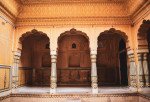
Barua Sagar Fort
Some quick example text to build on the card title and make up the bulk of the card's content.
Go somewhere
Barua Sagar
Some quick example text to build on the card title and make up the bulk of the card's content.
Go somewhere
Cenotaph of Raja Gangadhar Rao
Some quick example text to build on the card title and make up the bulk of the card's content.
Go somewhere
Chirgaon Fort
Some quick example text to build on the card title and make up the bulk of the card's content.
Go somewhere
Dhyanchand Statue Hill
Some quick example text to build on the card title and make up the bulk of the card's content.
Go somewhere
Ganesh Mandir
Some quick example text to build on the card title and make up the bulk of the card's content.
Go somewhere
Garhmau Lake
Some quick example text to build on the card title and make up the bulk of the card's content.
Go somewhere
Government Museum
Some quick example text to build on the card title and make up the bulk of the card's content.
Go somewherein Other Cities