Rukmini Devi Temple
General information
-
Ideal Duration:
45 Minutes to 1 HourPlace Type:
Hindu Temple / Pilgrimage SiteEntry Fees:
No Fixed Entry Fee for the Main Temple: Like most Hindu temples in India, there is no fixed entry fee to enter the main Rukmini Devi Temple and offer prayers. The philosophy of temple trusts is to keep the doors of divine worship open to all devotees regardless of their eco...No Fixed Entry Fee for the Main Temple: Like most Hindu temples in India, there is no fixed entry fee to enter the main Rukmini Devi Temple and offer prayers. The philosophy of temple trusts is to keep the doors of divine worship open to all devotees regardless of their economic status. This ensures that the spiritual experience remains accessible to every pilgrim coming to Dwarka. Visitors are, however, encouraged to make voluntary donations (daan) towards the upkeep of the temple, the daily rituals, and community services like annadaan (food donation).
Donations for Upkeep and Jal Daan: While entry is free, visitors are often approached for donations for specific causes, most notably the Jal Daan (water donation) which is a crucial local tradition. These donations are voluntary and should be made to designated donation boxes or trusted temple staff. There are also small fees associated with ritualistic services, such as special pujas performed by the priests for families, which can range from a nominal amount to a few hundred rupees depending on the complexity of the ritual. The temple's modest size means the operational cost is lower than the main city temple.
Parking and Other Charges: If you arrive by private vehicle or taxi, there might be a nominal, separate charge for parking in the designated area near the temple complex, which usually does not exceed INR 20-50. Fees for professional photography or videography equipment might be levied, so it's advisable to check with the temple management beforehand if you intend to bring professional gear, though mobile phone photography is generally accepted in the exterior. The local stalls selling Prasad and ritual items charge market price for their goods. The temple's focus on simple piety means there are no commercialized ticketing systems or mandatory charges, promoting a pure spiritual visit.Timing:
Regular Timings (All Days) The temple generally follows two primary slots for visitor darshan:
Morning Timings: Approximately 6:00 AM to 12:
00 PM (Noon), and Evening Timings: Approximately 1:00 PM or 2:00 PM to 5:00 PM or 6:00 PM. Th...Regular Timings (All Days) The temple generally follows two primary slots for visitor darshan:
Morning Timings: Approximately 6:00 AM to 12:
00 PM (Noon), and Evening Timings: Approximately 1:00 PM or 2:00 PM to 5:00 PM or 6:00 PM. The temple closes in the late evening, usually around 7:00 PM. These times are subject to change based on the Hindu calendar, festivals, and the performance of special aartis and bhog (offering) rituals, so it's always best to check locally upon arrival, especially during major festivals like Diwali or Janmashtami.
Ideal Visit Time for Peace and Darshan: The Ideal Visit Time is early morning, specifically right when the temple opens around 6:00 AM to 8:00 AM. During this window, the atmosphere is most serene, the crowds are minimal, and you can enjoy a peaceful darshan of the Goddess, spend time appreciating the architecture, and capture the best photographs in the soft morning light. The late afternoon (4:00 PM to 6:00 PM) is also a good time, as the daytime heat subsides, and the golden hour light illuminates the stone carvings beautifully. Avoid the noon to early afternoon slot (12:00 PM to 3:00 PM) as the temple may be closed or the heat can be intense.
Seasonal Variations in Timings: During the peak winter months (November to February), the opening and closing hours might be slightly adjusted to accommodate the shorter daylight hours or the influx of pilgrims. Similarly, during major festivals, the temple may stay open for extended hours in the evening to accommodate special aartis and the large crowds. Always factor in a flexible schedule when visiting during festive seasons to account for potential ritualistic closures.Special Events:
Rukmini Ashtami Celebrations: The most significant special event is Rukmini Ashtami, which is the birth anniversary of Goddess Rukmini. This festival, which usually falls in the Hindu month of Bhadrapada (August/September), is celebrated with great devotion at the temple. ...Rukmini Ashtami Celebrations: The most significant special event is Rukmini Ashtami, which is the birth anniversary of Goddess Rukmini. This festival, which usually falls in the Hindu month of Bhadrapada (August/September), is celebrated with great devotion at the temple. Special aartis, elaborate decoration of the deity, and ritualistic ceremonies are performed. The atmosphere is vibrant, drawing a large number of female devotees who specifically pray for their husbands' longevity and prosperity, making it a very powerful and unique event compared to other Dwarka festivals.
Dussehra (Vijayadashami) Festivities: Although not the main temple for the festival, during Dussehra (often in September/October), the temple is beautifully decorated. Special evening aartis are held, and the story of Rukmini as an incarnation of Lakshmi is emphasized, celebrating the victory of good over evil. The temple often sees local cultural programs and devotional song (bhajan) sessions, offering a glimpse into the local way of celebrating this major Hindu festival in a quieter, more intimate setting away from the city's large gatherings. Annual Temple Anniversary (Patotsav) The temple celebrates its annual anniversary, known as Patotsav, with special rituals. This event, whose date is based on the Hindu lunar calendar, involves a grand procession, ceremonial bath (abhishek) of the idol, and community feasts (bhandaras). This is a time when the entire local community, along with visiting dignitaries and heads of various temple trusts, gathers to maintain and revitalize the temple's religious and spiritual sanctity, showcasing the deep cultural roots of the shrine.Best Photo Spots:
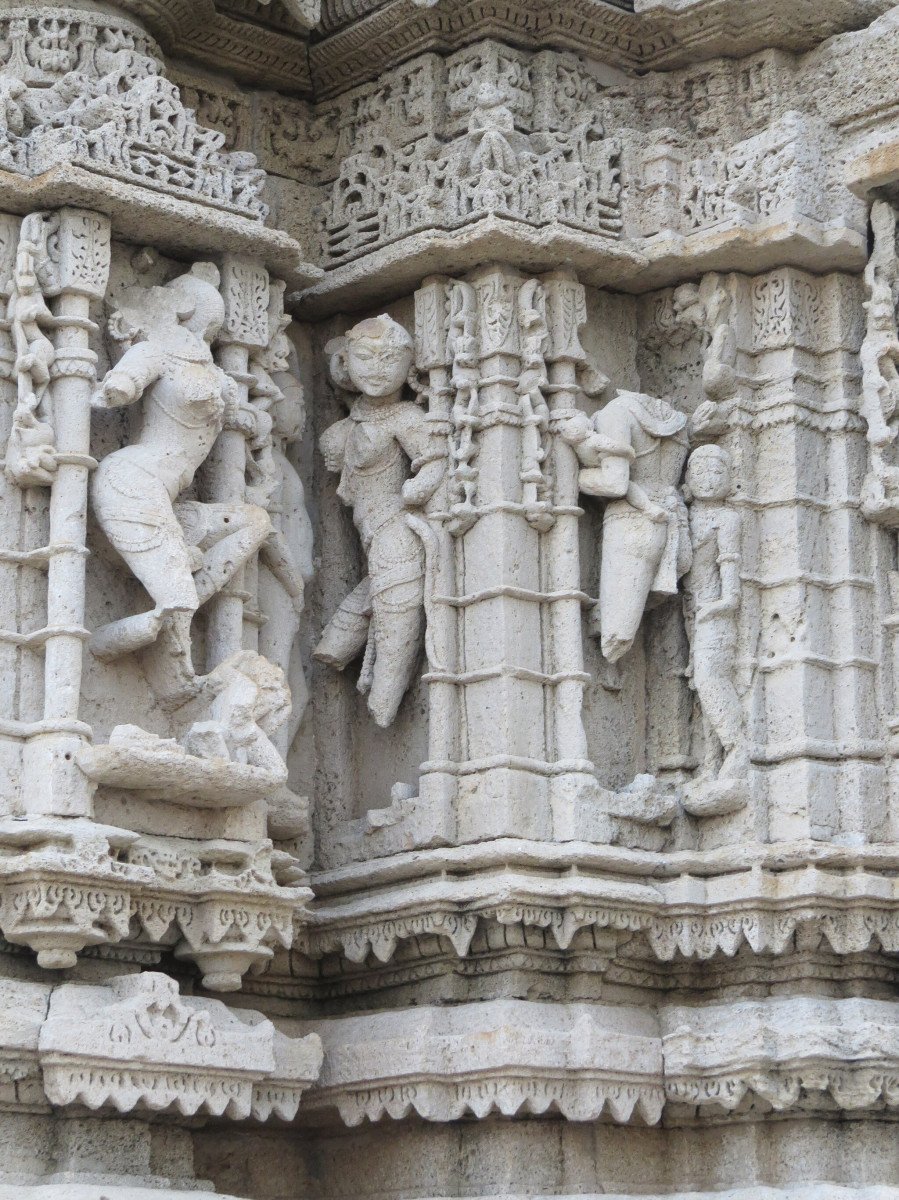
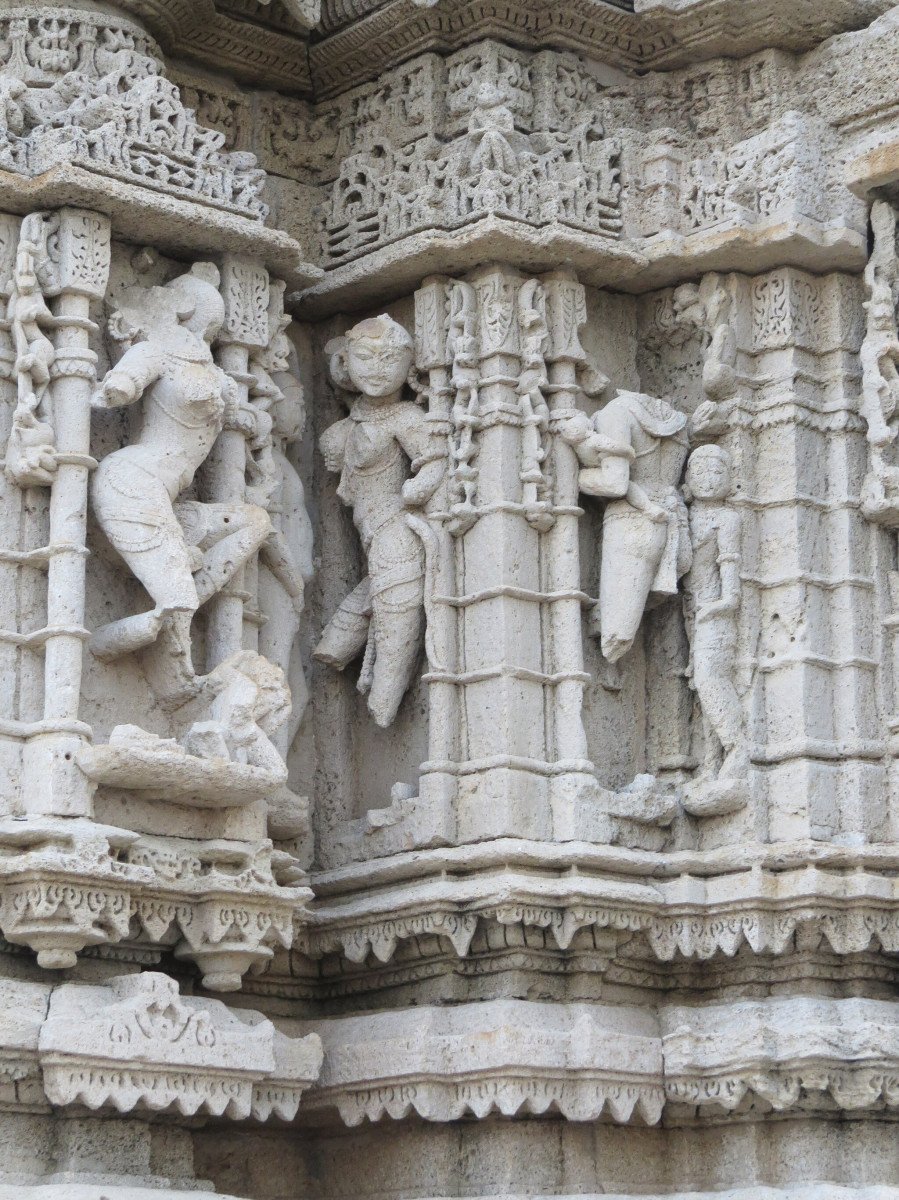
The Carved Exterior Wall Panels: The best photo spot is undoubtedly the outer walls of the temple, particularly the highly detailed sculpted panels. Focus on capturing the lower friezes (gajatharas and naratharas), which are well-preserved examples of Chalukya craftsmanship...The Carved Exterior Wall Panels: The best photo spot is undoubtedly the outer walls of the temple, particularly the highly detailed sculpted panels. Focus on capturing the lower friezes (gajatharas and naratharas), which are well-preserved examples of Chalukya craftsmanship. The morning sun (8:00 AM to 10:00 AM) or the late afternoon light (4:00 PM to 6:00 PM) provides the perfect angle to highlight the relief and texture of the sandstone carvings, creating dramatic shadows and revealing the fine details of the artisans' work, especially those of the elephants and dancers.
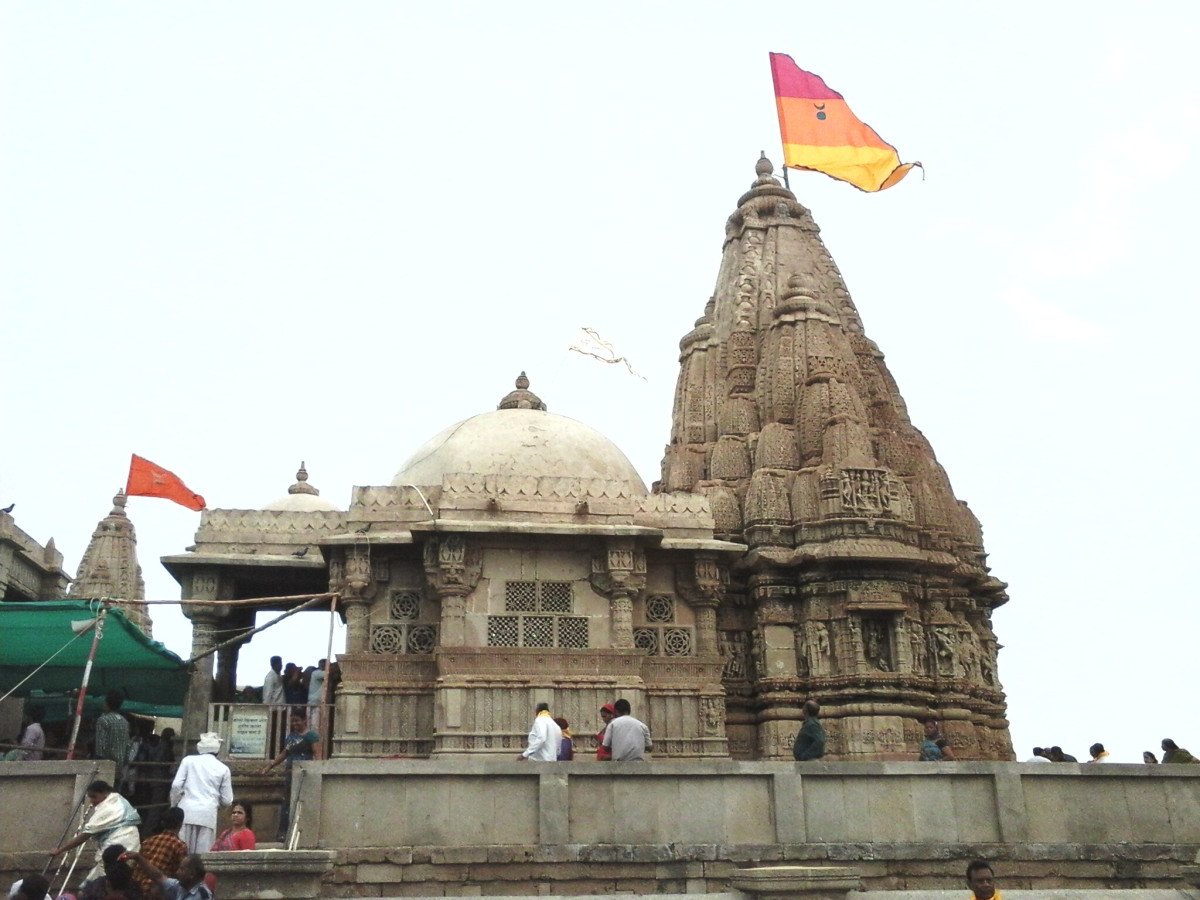
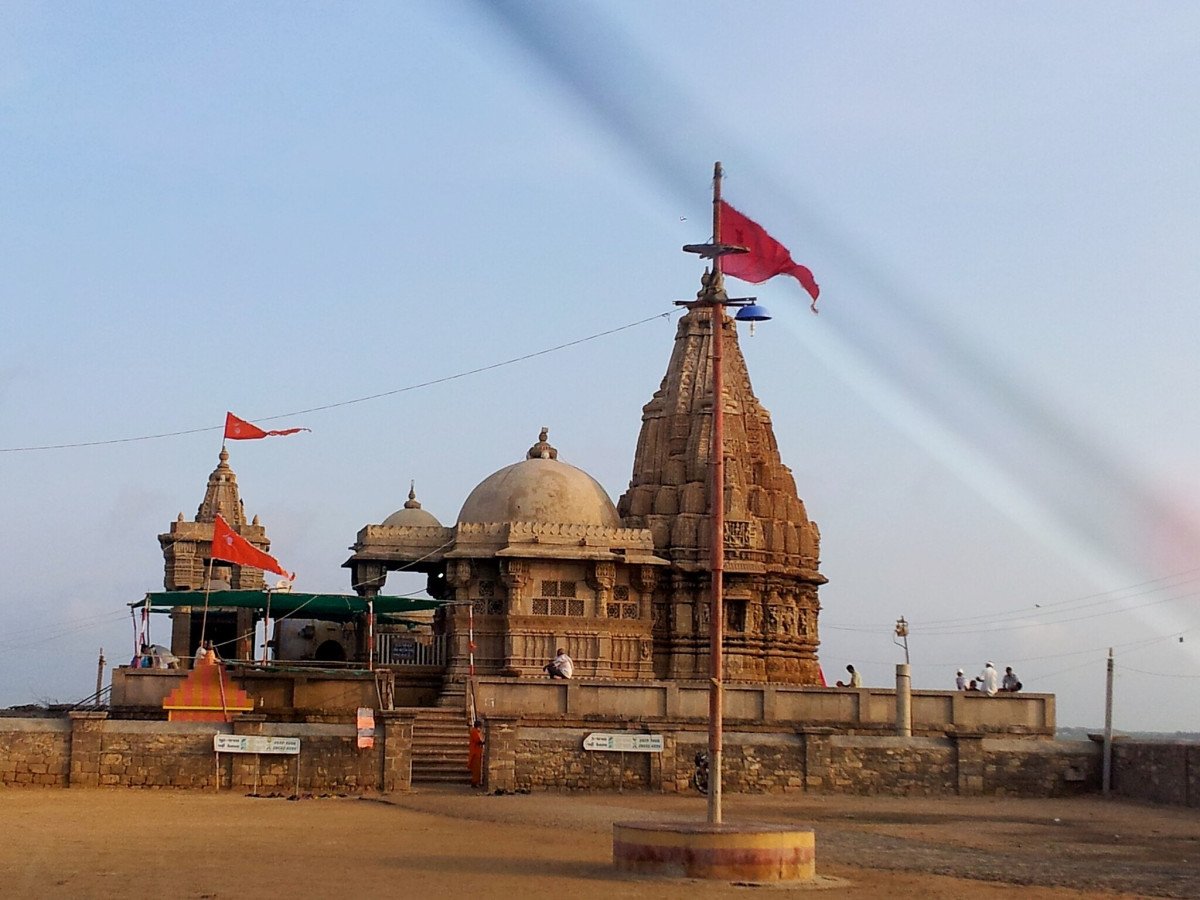
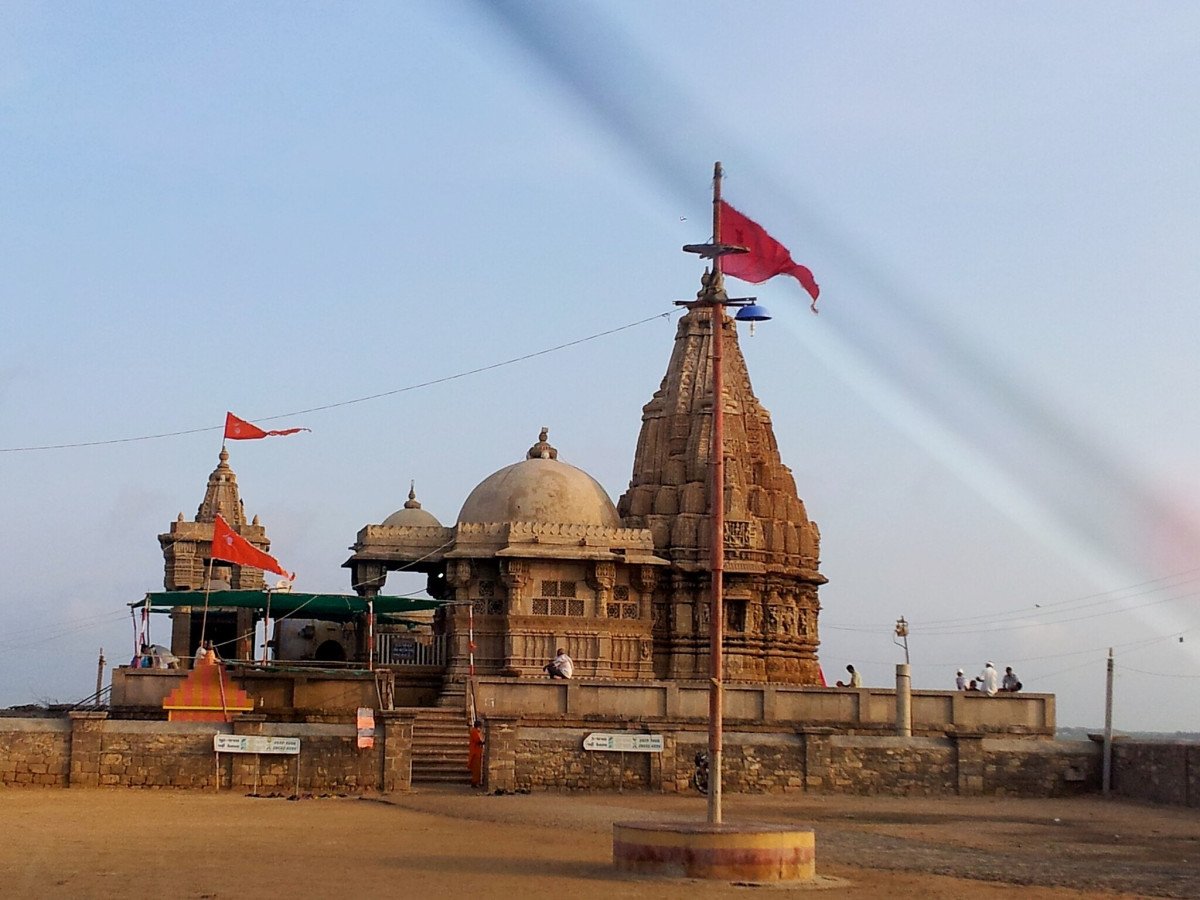
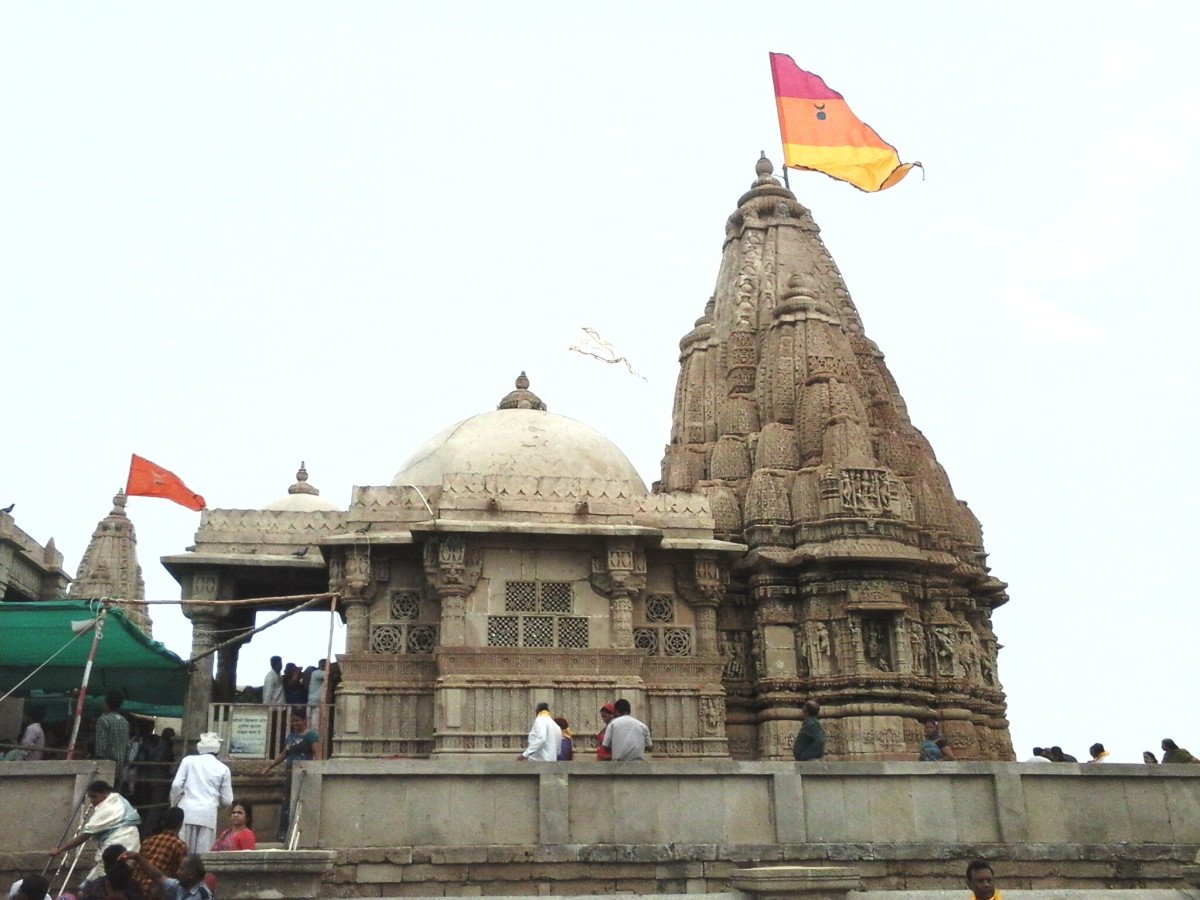
Framing the Shikhara and Jalis: Get a slightly wider shot that frames the temple's unique architectural elements: the soaring Nagara Shikhara and the square latticed windows (Jalis) of the mandapa. Standing slightly back from the main entrance allows you to capture the entire structure in context, showcasing the unique blend of architectural styles. The contrast between the smooth dome and the sharp lines of the spire makes for a compelling visual. Try to use a low angle to make the temple look more imposing against the sky.
Serene Courtyard and Banyan Tree: The quiet, open courtyard in front of the temple, often shaded by large, old trees, offers a peaceful contrast to the intricate stone work. Capture the serene atmosphere, perhaps including pilgrims performing the Jal Daan ritual or sitting in contemplation. A photo of the ancient Banyan Tree or other foliage provides a natural frame and emphasizes the ancient, timeless nature of the pilgrimage site, often capturing the simple, unhurried pace of the religious life here. This spot offers a sense of tranquility and a lovely shot of the temple's backdrop.Photo Gallery
Things To Do
-
Seeking Blessings for Marital Bliss: The primary thing to do is to perform a darshan (sacred viewing) of Goddess Rukmini and offer prayers for a harmonious and lasting married life, as the temple is associated with the fidelity and devotion of Rukmini to Lord Krishna. This ritual is particularly significant for newly married couples or those seeking blessings for their family. Spend time observing the rituals and the deity.
Performing the Unique Jal Daan Ritual: Engage in the traditional act of Jal Daan (offering of water). You can purchase a small container of water from vendors outside, offer it to the Goddess, and then partake in the Prasad which is often the same holy water. This act is not just a donation but a symbolic participation in the temple's core legend, offering an opportunity to immerse yourself in the local spi...
Information
-
Why Famous:
Divine Love and Separation: The Rukmini Devi Temple is famous primarily for being the only major temple in Dwarka dedicated solely to Rukmini, the chief queen of Lord Krishna. The legend of the curse of Sage Durvasa, which led to her separate residence 2 KMS away from her h...Divine Love and Separation: The Rukmini Devi Temple is famous primarily for being the only major temple in Dwarka dedicated solely to Rukmini, the chief queen of Lord Krishna. The legend of the curse of Sage Durvasa, which led to her separate residence 2 KMS away from her husband's main temple, is the emotional and mythological core of the site. This tale of separation makes the temple a powerful symbol of pativrata dharma (a wife's devotion) and the complexity of divine relationships, drawing pilgrims who seek blessings for their own marital life and fidelity. The unique story provides a profound context that elevates it beyond just another shrine.
Architectural Antiquity and Art: It is one of the oldest standing structures in the Dwarka region, with its 12th-century architecture distinguishing it from other sites. The exquisite stone carvings, particularly the detailed gajatharas and naratharas, are a major draw for art and history lovers. Unlike the towering grandeur of the Dwarkadhish Temple, the Rukmini Devi Temple offers a closer look at the intricate artistry and construction methods of the Chalukya period, making it a valuable historical and architectural site that provides deep insights into the region's past.
The Ritual of Jal Daan: The temple is also renowned for the traditional practice of Jal Daan or the donation of water. This unique ritual is tied to the curse that made the area barren and symbolizes the collective human effort to overcome divine judgment through simple acts of charity and devotion. Pilgrims purchasing water to offer and receive as Prasad participate in a spiritual tradition that is a vital, living part of the temple's fame. -
Architecture:
Dating and Style: The Rukmini Devi Temple is a spectacular example of 12th-century Chalukya architecture, a style that predates much of the current construction of the main Dwarkadhish Temple. The temple's exterior is richly adorned with exquisite and detailed stone carving...Dating and Style: The Rukmini Devi Temple is a spectacular example of 12th-century Chalukya architecture, a style that predates much of the current construction of the main Dwarkadhish Temple. The temple's exterior is richly adorned with exquisite and detailed stone carvings that have largely withstood the ravages of time and weather. The architecture is characterized by its Nagara style shikhara (spire) over the sanctum, although the mandapa (pillared hall) has unique elements, like a domed roof and square latticed windows (Jalis), which slightly deviate from the classic Nagara template, making it architecturally distinct. The temple is built primarily from sandstone, giving it a warm, earthy tone that complements the surrounding landscape.
Intricate Sculptural Work: The most celebrated feature is the detailed sculptural art that covers the outer walls. The carvings are structured in panels, depicting an array of figures, including naratharas (human figures) and gajatharas (elephants) at the base, along with various gods, goddesses, and celestial beings (devtas and apsaras). These sculptures narrate episodes from the Puranas and the life of Lord Krishna and Rukmini, serving as pictorial scripture for the illiterate. The high-relief carvings demonstrate the master craftsmanship of the era. The size of the temple is relatively small compared to the Dwarkadhish Temple, with a single small garbhagriha (sanctum sanctorum) housing the delicate idol of Goddess Rukmini. While exact dimensions vary, the overall structure is compact, focusing on sculptural richness rather than monumental scale, allowing for an intimate, personal darshan experience. The mandapa is supported by intricately carved pillars. -
How To Reach:
By Air (The Nearest Major Airport) The nearest major airport is Jamnagar Airport (JGA), which is approximately 137 KMS away from Dwarka. It offers domestic flights to cities like Mumbai and Delhi. From Jamnagar, you can hire a private taxi, a pre-booked car, or take a state transport bus directly ... -
Near Tourist Places:
Dwarkadhish Temple (approx. 2. 5 KMS), Sudama Setu (approx. 2. 8 KMS), Dwarka Beach (approx. 3. 5 KMS), Gomti Ghat (approx. 3 KMS), Samudra Narayan Temple (approx. 3. 2 KMS), Bhadkeshwar Mahadev Temple (approx. 4 KMS), Gayatri Shakti Peeth (approx. 4 KMS), Lighthouse (approx. 3. 5 KMS), Sharda Peeth Math (approx. 2. 5 KMS), Hanuman Dandi Temple (Bet Dwarka, approx. 35 KMS by road and ferry, or 10 KMS by the new bridge road access).
Tourism Tips
-
Health & Safety: Always carry a small first-aid kit with basic medications for fever, pain, and stomach issues, as well as an antiseptic. Use bottled water for drinking to prevent waterborne illnesses, especially during the summer. Wear a broad-brimmed hat, sunglasses, and...
Reviews
Information about New and Updated Locations(862+) of Gujarat Has Been Added :-
Card subtitle
Bhujia FortBhujodi Handicraft VillageChhatardi Great Rann of KutchHiralaxmi Memorial Craft ParkKalo Dungar Lakhpat FortMandvi BeachMata No Madh TempleNarayan Sarovar Wildlife SanctuaryNirona VillageVande Mataram MemorialVijay Vilas PalaceKuber Bhandari TempleMaharaja Fateh Singh MuseumMaharaja Sayajirao University Makarpura PalaceMandvi GateMore PlacesNote:-
Information provided here in good Faith and for reference only.
All information and pictures will be updated soon, please keep visiting.
Near Places

Bet Dwarka
Some quick example text to build on the card title and make up the bulk of the card's content.
Go somewhere
Beyt Dwarka (Bet Dwarka)
Some quick example text to build on the card title and make up the bulk of the card's content.
Go somewhere
Bhadkeshwar Mahadev Temple
Some quick example text to build on the card title and make up the bulk of the card's content.
Go somewhere
Charkala Bird Sanctuary
Some quick example text to build on the card title and make up the bulk of the card's content.
Go somewhere
Dunny Point
Some quick example text to build on the card title and make up the bulk of the card's content.
Go somewhere
Dwarka Beach & Lighthouse
Some quick example text to build on the card title and make up the bulk of the card's content.
Go somewhere
Dwarka Beach
Some quick example text to build on the card title and make up the bulk of the card's content.
Go somewhere
Dwarka Gomti Sangam
Some quick example text to build on the card title and make up the bulk of the card's content.
Go somewhere
Dwarka Lighthouse
Some quick example text to build on the card title and make up the bulk of the card's content.
Go somewhere
Dwarkadhish Market (Local Bazaars)
Some quick example text to build on the card title and make up the bulk of the card's content.
Go somewherein Other Cities