

Rumtek
General information
-
Ideal Duration:
Half DayPlace Type:
Religious / EducationalEntry Fees:
Entry Fee: A nominal fee of 10 INR is charged at the main gate for monastery upkeep.
Botanical Garden: The nearby garden has a separate entry fee of 10 INR for adults. ...Entry Fee: A nominal fee of 10 INR is charged at the main gate for monastery upkeep.
Botanical Garden: The nearby garden has a separate entry fee of 10 INR for adults.Timing:
Regular Hours: Open from 9:00 AM to 6:00 PM for tourists throughout the year.
Visit Time: Winter and Spring are the best times to witness the rituals in clear weather. ...Regular Hours: Open from 9:00 AM to 6:00 PM for tourists throughout the year.
Visit Time: Winter and Spring are the best times to witness the rituals in clear weather.Special Events:
Gyalwa Karmapa’s Birthday: Celebrated with grand ceremonies, attracting followers from various countries.
Tibetan New Year: The monastery is decorated beautifully, and special mask dances are performed for the public. ...Gyalwa Karmapa’s Birthday: Celebrated with grand ceremonies, attracting followers from various countries.
Tibetan New Year: The monastery is decorated beautifully, and special mask dances are performed for the public.Best Photo Spots:
Main Gate: The entrance with traditional Tibetan carvings is a popular spot for portraits.
Valley Viewpoint: The terrace of the monastery offers a panoramic shot of the Gangtok hillside. ...Main Gate: The entrance with traditional Tibetan carvings is a popular spot for portraits.
Valley Viewpoint: The terrace of the monastery offers a panoramic shot of the Gangtok hillside.Photo Gallery
Things To Do
 @@Detailed Overview: The Jawaharlal Nehru Botanical Garden is a lush sanctuary established in 1987 to preserve the unique flora of the Himalayan region. Spanning over 50 acres of undulating terrain, the garden is a living museum of temperate and tropical plants. Visitors can explore a vast collection of over 50 varieties of trees, including majestic Oak, Fir, and Pine. The garden is meticulously maintained by the Forest Department of Sikkim. It serves as a vital ecological hub where researchers and nature lovers study high-altitude vegetation. The serene atmosphere is punctuated by the sounds of the Ray Khola river flowing nearby. This botanical haven offers a tranquil escape from the bustling city life of Gangtok. The pathways are lined with exotic flowers like Rhododendrons and Azaleas. The garden's layout includes a tropical greenhouse, a temperate forest section, and a vibrant orchidarium. It is a place where one can witness the seamless blend of wild nature and human-curated landscapes. The historical significance of the garden lies in its dedication to the first Prime Minister of India, highlighting the national importance of biodiversity. Every corner of the garden tells a story of the Himalayan ecosystem's resilience. The lush greenery is especially vibrant during the post-monsoon months of October and November. Families often visit the garden for its peaceful picnic spots and children's play area. The garden's location near the sacred Rumtek Monastery adds a spiritual dimension to the visit. It is not just a park but a scientific repository of the rare flora found in the Sikkim Himalayas. The mist-covered hills provide a dramatic backdrop to the vibrant floral displays. Visitors can spend hours admiring the intricate patterns of the moss-covered rocks and the diverse ferns. The garden is a testament to the rich natural heritage of India.
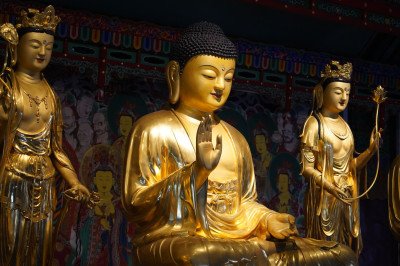 @@Monastery History: The Rumtek Monastery, also known as the Dharma Chakra Centre, is the largest monastery in Sikkim. It was built in the 1960s by the 16th Karmapa, Rangjung Rigpe Dorje, after he fled Tibet. The site was chosen because it mirrored the original Tsurphu Monastery in Tibet. It is the main seat of the Karma Kagyu school of Tibetan Buddhism in exile. The complex is a magnificent example of Buddhist art and architecture. The monastery houses a community of monks who engage in daily rituals, chanting, and study. The main prayer hall is adorned with intricate murals depicting the life of Buddha. The monastery is home to the Golden Stupa, which contains the relics of the 16th Karmapa. It is a major pilgrimage site for Buddhists worldwide. The location offers a stunning view of Gangtok on the opposite hill. The monastery is guarded by the Indian Army due to internal administrative disputes, adding a layer of historical complexity. Despite this, the atmosphere remains deeply spiritual and calm. The chants of the monks resonate through the valley during morning and evening prayers. Visitors must pass through a security check to enter the sacred precincts. The monastery serves as a center for higher Buddhist studies through the Karma Shri Nalanda Institute. The architecture is characterized by vibrant colors and traditional Tibetan motifs. It is a symbol of the resilience of Tibetan culture and spirituality. The monastery's library contains ancient manuscripts and rare Buddhist texts. It is a place where time seems to stand still amidst the fluttering prayer flags. The journey to the monastery through terraced paddy fields is an experience in itself.Show All
@@Viewpoint Details: Shanti Viewpoint is a popular stopover for travelers heading towards the Rumtek Monastery. Perched on a strategic bend of the Rumtek hill, it offers one of the most comprehensive views of the capital city, Gangtok. On clear days, the entire valley opens up, revealing the sprawling urban landscape of the city set against the backdrop of the Eastern Himalayas. The viewpoint is particularly famous for its spectacular views of the snow-capped mountains during the early morning hours. It is a peaceful spot where tourists stop to catch their breath and enjoy the fresh mountain air. The site features a few small kiosks and cafes that serve local delicacies like Momos and Wai-Wai. The view at night is equally enchanting, as the lights of Gangtok twinkle like a galaxy of stars on the opposite hill. The viewpoint is surrounded by lush green slopes and small tea gardens. It serves as an excellent orientation point for understanding the geography of the East Sikkim region. Many photographers flock here during the "Golden Hour" to capture the changing colors of the sky. The peaceful atmosphere is occasionally broken by the sound of local buses and taxis, but the sheer beauty of the vista remains undisturbed. It is a place of transit that has become a destination in itself. The viewpoint is well-maintained with benches for visitors to sit and relax. It is often covered in a thin veil of mist, giving it a mystical appearance. This is the perfect spot for a quick break before immersing oneself in the spiritual atmosphere of Rumtek. The nearby slopes are often used by locals for small-scale horticulture.
@@Monastery History: The Rumtek Monastery, also known as the Dharma Chakra Centre, is the largest monastery in Sikkim. It was built in the 1960s by the 16th Karmapa, Rangjung Rigpe Dorje, after he fled Tibet. The site was chosen because it mirrored the original Tsurphu Monastery in Tibet. It is the main seat of the Karma Kagyu school of Tibetan Buddhism in exile. The complex is a magnificent example of Buddhist art and architecture. The monastery houses a community of monks who engage in daily rituals, chanting, and study. The main prayer hall is adorned with intricate murals depicting the life of Buddha. The monastery is home to the Golden Stupa, which contains the relics of the 16th Karmapa. It is a major pilgrimage site for Buddhists worldwide. The location offers a stunning view of Gangtok on the opposite hill. The monastery is guarded by the Indian Army due to internal administrative disputes, adding a layer of historical complexity. Despite this, the atmosphere remains deeply spiritual and calm. The chants of the monks resonate through the valley during morning and evening prayers. Visitors must pass through a security check to enter the sacred precincts. The monastery serves as a center for higher Buddhist studies through the Karma Shri Nalanda Institute. The architecture is characterized by vibrant colors and traditional Tibetan motifs. It is a symbol of the resilience of Tibetan culture and spirituality. The monastery's library contains ancient manuscripts and rare Buddhist texts. It is a place where time seems to stand still amidst the fluttering prayer flags. The journey to the monastery through terraced paddy fields is an experience in itself.Show All
@@Viewpoint Details: Shanti Viewpoint is a popular stopover for travelers heading towards the Rumtek Monastery. Perched on a strategic bend of the Rumtek hill, it offers one of the most comprehensive views of the capital city, Gangtok. On clear days, the entire valley opens up, revealing the sprawling urban landscape of the city set against the backdrop of the Eastern Himalayas. The viewpoint is particularly famous for its spectacular views of the snow-capped mountains during the early morning hours. It is a peaceful spot where tourists stop to catch their breath and enjoy the fresh mountain air. The site features a few small kiosks and cafes that serve local delicacies like Momos and Wai-Wai. The view at night is equally enchanting, as the lights of Gangtok twinkle like a galaxy of stars on the opposite hill. The viewpoint is surrounded by lush green slopes and small tea gardens. It serves as an excellent orientation point for understanding the geography of the East Sikkim region. Many photographers flock here during the "Golden Hour" to capture the changing colors of the sky. The peaceful atmosphere is occasionally broken by the sound of local buses and taxis, but the sheer beauty of the vista remains undisturbed. It is a place of transit that has become a destination in itself. The viewpoint is well-maintained with benches for visitors to sit and relax. It is often covered in a thin veil of mist, giving it a mystical appearance. This is the perfect spot for a quick break before immersing oneself in the spiritual atmosphere of Rumtek. The nearby slopes are often used by locals for small-scale horticulture.Information
-
Why Famous:
Seat of the Karmapa: One of the most significant monasteries for the Kagyu sect, attracting scholars from all over the world.
Tibetan Art: Renowned for its exquisite collection of thangkas, paintings, and traditional religious sculptures. ...Seat of the Karmapa: One of the most significant monasteries for the Kagyu sect, attracting scholars from all over the world.
Tibetan Art: Renowned for its exquisite collection of thangkas, paintings, and traditional religious sculptures. -
Architecture:
Monastery Replica: Built as a replica of the Tsurphu Monastery in Tibet, featuring traditional Tibetan murals and silk thangkas.
The Golden Stupa: A 13-foot tall stupa made of gold and silver, encrusted with turquoise and coral, housing sa...Monastery Replica: Built as a replica of the Tsurphu Monastery in Tibet, featuring traditional Tibetan murals and silk thangkas.
The Golden Stupa: A 13-foot tall stupa made of gold and silver, encrusted with turquoise and coral, housing sacred relics. -
How To Reach:
By Air: Use the Pakyong airport (35 km) or Bagdogra (124 km) as the starting point.
By Train: NJP is the nearest station; from there, take a cab to Gangtok and then a local taxi.
By Road: A 45-minute dri...By Air: Use the Pakyong airport (35 km) or Bagdogra (124 km) as the starting point.
By Train: NJP is the nearest station; from there, take a cab to Gangtok and then a local taxi.
By Road: A 45-minute drive from Gangtok city center; the road is narrow but well-maintained.
By Local Transport: Shared taxis from Gangtok (Deorali stand) are the most economical way to reach. -
Weather and Best Time to Visit:
Season Guide: October-November is perfect for sightseeing; March-May is great for the botanical gardens.
Day Time: Morning is best to witness the monks' morning chants and avoid the crowd. ...Season Guide: October-November is perfect for sightseeing; March-May is great for the botanical gardens.
Day Time: Morning is best to witness the monks' morning chants and avoid the crowd. -
Near Tourist Places:
Gangtok (24 km), Ranipool (12 km), Saramsa Garden (14 km), Pakyong (25 km), Enchey Monastery (26 km), Tashi View Point (30 km), Banjhakri Falls (22 km), Ranka Monastery (20 km), Do Drul Chorten (22 km), Singtam (26 km).
Tourism Tips
-
Safety: The path to the monastery is a short uphill walk; wear comfortable walking shoes.
Packing: A light sweater is needed as the area can get breezy and cool in the evenings.
Accommodation: Several qu...Safety: The path to the monastery is a short uphill walk; wear comfortable walking shoes.
Packing: A light sweater is needed as the area can get breezy and cool in the evenings.
Accommodation: Several quiet homestays and guest houses are available near the monastery for a peaceful stay.
Respect: Do not take photographs inside the prayer halls or of the Golden Stupa as it is strictly prohibited.
Reviews
FAQs
Rumtek Itineray And Cost:-
Other Places In Sikkim :-
Other States In India :-
Information about New and Updated Locations() of Sikkim Has Been Added :-
Card subtitle
Note:-
Information provided here in good Faith and for reference only.
Near Places
Chungthang
Some quick example text to build on the card title and make up the bulk of the card's content.
Go somewhere
Gangtok
Some quick example text to build on the card title and make up the bulk of the card's content.
Go somewhere
Geyzing
Some quick example text to build on the card title and make up the bulk of the card's content.
Go somewhere
Jorethang
Some quick example text to build on the card title and make up the bulk of the card's content.
Go somewhere
Lachen
Some quick example text to build on the card title and make up the bulk of the card's content.
Go somewhere
Lachung
Some quick example text to build on the card title and make up the bulk of the card's content.
Go somewhere
Mangan
Some quick example text to build on the card title and make up the bulk of the card's content.
Go somewhere
Namchi
Some quick example text to build on the card title and make up the bulk of the card's content.
Go somewhere
Pakyong
Some quick example text to build on the card title and make up the bulk of the card's content.
Go somewhere
Pelling
Some quick example text to build on the card title and make up the bulk of the card's content.
Go somewhere
Ravangla
Some quick example text to build on the card title and make up the bulk of the card's content.
Go somewhere
Rumtek
Some quick example text to build on the card title and make up the bulk of the card's content.
Go somewhere
Singtam
Some quick example text to build on the card title and make up the bulk of the card's content.
Go somewhere
Soreng
Some quick example text to build on the card title and make up the bulk of the card's content.
Go somewhere
Yuksom
Some quick example text to build on the card title and make up the bulk of the card's content.
Go somewhere
Zuluk
Some quick example text to build on the card title and make up the bulk of the card's content.
Go somewherein Other Cities