Singhik Village
General information
-
Ideal Duration:
3 to 4 HoursPlace Type:
Village / ViewpointEntry Fees:
Entry Fee: No entry fee is required to visit the village or the public viewpoint.
Photography Charges: Generally free, but small donations are appreciated when taking photos inside the monastery. ...Entry Fee: No entry fee is required to visit the village or the public viewpoint.
Photography Charges: Generally free, but small donations are appreciated when taking photos inside the monastery.Timing:
Regular Timings: Accessible throughout the day; morning 5:30 AM to 8:00 AM is best for mountain views.
Ideal Visit Time: October and November offer the clearest skies for viewing the high-altitude peaks. ...Regular Timings: Accessible throughout the day; morning 5:30 AM to 8:00 AM is best for mountain views.
Ideal Visit Time: October and November offer the clearest skies for viewing the high-altitude peaks.Special Events:
Maghey Sankranti: Celebrated in January, the village comes alive with traditional dances and community feasts.
Losoong: The Sikkimese New Year is celebrated with colorful masks and religious rituals at the local monastery. ...Maghey Sankranti: Celebrated in January, the village comes alive with traditional dances and community feasts.
Losoong: The Sikkimese New Year is celebrated with colorful masks and religious rituals at the local monastery.Best Photo Spots:
Singhik Viewpoint: The designated pavilion offers a perfect frame for the entire Kanchenjunga range.
River Confluence Point: A specific spot on the edge of the village provides a clear view of the Teesta and Kanaka rivers merging.Singhik Viewpoint: The designated pavilion offers a perfect frame for the entire Kanchenjunga range.
River Confluence Point: A specific spot on the edge of the village provides a clear view of the Teesta and Kanaka rivers merging.
Village Entrance: The traditional gate with prayer flags makes for an iconic cultural photograph.Photo Gallery
Things To Do
-
Sunrise Watching: Wake up early to see the golden rays of the sun hitting the snow peaks of Kanchenjunga.
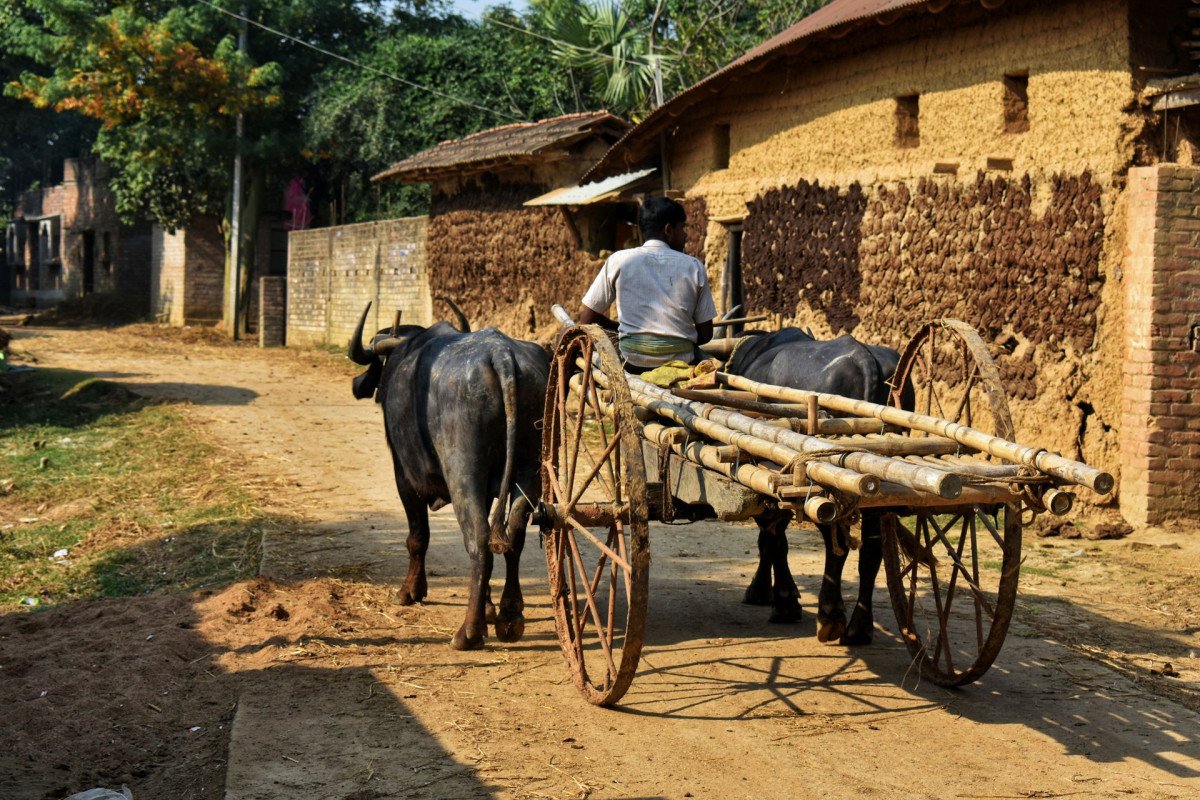
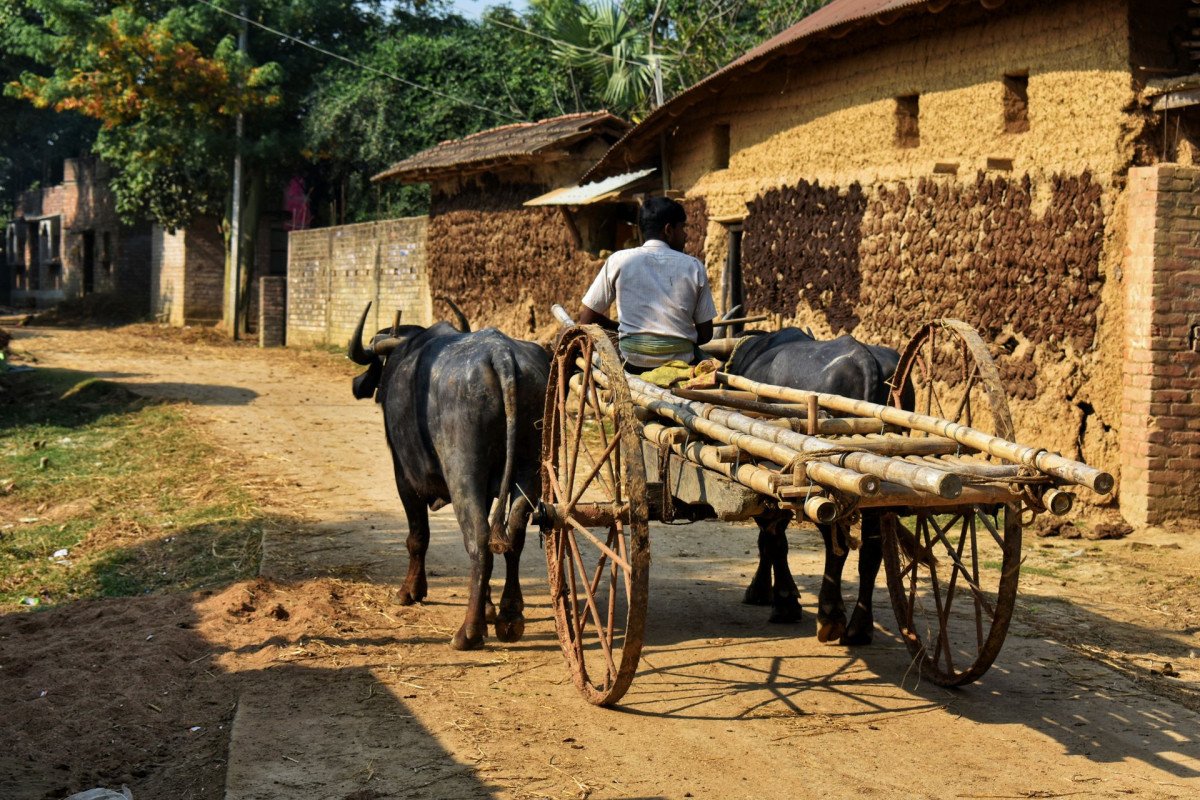
Village Walk: Explore the narrow lanes of the village to see traditional houses and interact with the friendly locals.
Photography: Take stunning landscape photos of the mountain ranges and the river confluence in the valley.
Trekking: Embark on a short day trek to the Jhandi viewpoint or nearby forest areas for bird watching.
Meditation: Use the quiet surroundings of the viewpoint or the monastery for a peaceful meditation session.
Local Dining: Taste authentic Sikkimese dishes like 'Thukpa' and 'Ningro with Churpi' at a local homestay.
Cardamom Tour: Visit ...Sunrise Watching: Wake up early to see the golden rays of the sun hitting the snow peaks of Kanchenjunga.
Village Walk: Explore the narrow lanes of the village to see traditional houses and interact with the friendly locals.
Photography: Take stunning landscape photos of the mountain ranges and the river confluence in the valley.
Trekking: Embark on a short day trek to the Jhandi viewpoint or nearby forest areas for bird watching.
Meditation: Use the quiet surroundings of the viewpoint or the monastery for a peaceful meditation session.
Local Dining: Taste authentic Sikkimese dishes like 'Thukpa' and 'Ningro with Churpi' at a local homestay.
Cardamom Tour: Visit the local plantations to learn about the cultivation and processing of large cardamom.
Shopping: Buy locally produced honey and organic spices directly from the farmers in the village.
Information
-
Why Famous:
Himalayan Panorama: It is globally famous for offering an unobstructed view of the world’s third-highest peak, Mt. Khangchendzonga.
Cardamom Capital: The village is part of the region known as the cardamom capital, with vast plantations s...Himalayan Panorama: It is globally famous for offering an unobstructed view of the world’s third-highest peak, Mt. Khangchendzonga.
Cardamom Capital: The village is part of the region known as the cardamom capital, with vast plantations surrounding the settlement.
Cultural Heritage: It is a significant center for Lepcha culture and traditional Himalayan architecture. -
Architecture:
Traditional Lepcha Houses: Many houses in the village are built using traditional methods with wooden frames, mud walls, and thatched or tin roofs designed to withstand heavy rainfall.
Singhik Monastery: A small, elegant structure featuring...Traditional Lepcha Houses: Many houses in the village are built using traditional methods with wooden frames, mud walls, and thatched or tin roofs designed to withstand heavy rainfall.
Singhik Monastery: A small, elegant structure featuring Tibetan Buddhist motifs, colorful murals, and a central prayer hall with a height of about 15 feet.
Viewpoint Pavilion: A modern concrete structure with a built-in seating area and a tiled roof, designed to offer a 180-degree view of the mountain range.
Dimension: The village spans an area of approximately 2 square kilometers along the mountain ridge. -
How To Reach:
By Air: Fly to Pakyong or Bagdogra, then hire a vehicle to Mangan and continue 4 km to Singhik.
By Train: Reach NJP station, take a shared or private taxi to Mangan, and then a local cab to the village.
By Road:...By Air: Fly to Pakyong or Bagdogra, then hire a vehicle to Mangan and continue 4 km to Singhik.
By Train: Reach NJP station, take a shared or private taxi to Mangan, and then a local cab to the village.
By Road: Singhik is located directly on the North Sikkim Highway, making it easily accessible by car or bike.
By Local Transport: Shared jeeps from Mangan bazaar to Singhik take only 15 minutes. -
Weather and Best Time to Visit:
Spring (March-May): Best for seeing the rhododendrons and green landscapes.
Autumn (October-November): Ideal for clear, sharp views of the snow-clad Himalayas.
Winter (December-February): Perfect for experie...Spring (March-May): Best for seeing the rhododendrons and green landscapes.
Autumn (October-November): Ideal for clear, sharp views of the snow-clad Himalayas.
Winter (December-February): Perfect for experiencing the chilly mountain winter and occasional snow. -
Near Tourist Places:
Mangan Bazaar (4 km), Seven Sister Waterfall (11 km), Sirijonga Yuma Mangheem (2 km), Naga Waterfall (11 km), Chungthang (19 km), Lachung (46 km), Phodong Monastery (34 km), Labrang Monastery (36 km), Rong Lungten Lee (5 km), Dzongu (15 km)
Tourism Tips
-
Health & Safety: The altitude can cause slight dizziness; stay hydrated and move slowly.
Packing: Heavy woolens are needed even in summer evenings; carry a good pair of binoculars.
Accommodation: Several h...Health & Safety: The altitude can cause slight dizziness; stay hydrated and move slowly.
Packing: Heavy woolens are needed even in summer evenings; carry a good pair of binoculars.
Accommodation: Several homestays like Singhik Guest House provide cozy stays with mountain views.
Cash & Connectivity: Mangan (4 km away) has the nearest ATMs; mobile data works decently in the village.
Travel Etiquette: Respect the local culture; ask for permission before entering private homes or taking photos of people.
Reviews
FAQs
Mangan Itineray And Cost:-
Information about New and Updated Locations() of Sikkim Has Been Added :-
Card subtitle
Note:-
Information provided here in good Faith and for reference only.
All information and pictures will be updated soon, please keep visiting.
Near Places
Bhewma Falls
Some quick example text to build on the card title and make up the bulk of the card's content.
Go somewhere
Bhim Nala Falls
Some quick example text to build on the card title and make up the bulk of the card's content.
Go somewhere
Chungthang Dam View Point
Some quick example text to build on the card title and make up the bulk of the card's content.
Go somewhere
Dikchu River View Point
Some quick example text to build on the card title and make up the bulk of the card's content.
Go somewhere
Dzongu Valley
Some quick example text to build on the card title and make up the bulk of the card's content.
Go somewhere
Flower Valley
Some quick example text to build on the card title and make up the bulk of the card's content.
Go somewhere
Hanging Bridge on Kanakha Khola
Some quick example text to build on the card title and make up the bulk of the card's content.
Go somewhere
Kabi Lungchok
Some quick example text to build on the card title and make up the bulk of the card's content.
Go somewhere
Kanchenjunga View Point
Some quick example text to build on the card title and make up the bulk of the card's content.
Go somewhere
Karmapa View Point
Some quick example text to build on the card title and make up the bulk of the card's content.
Go somewherein Other Cities