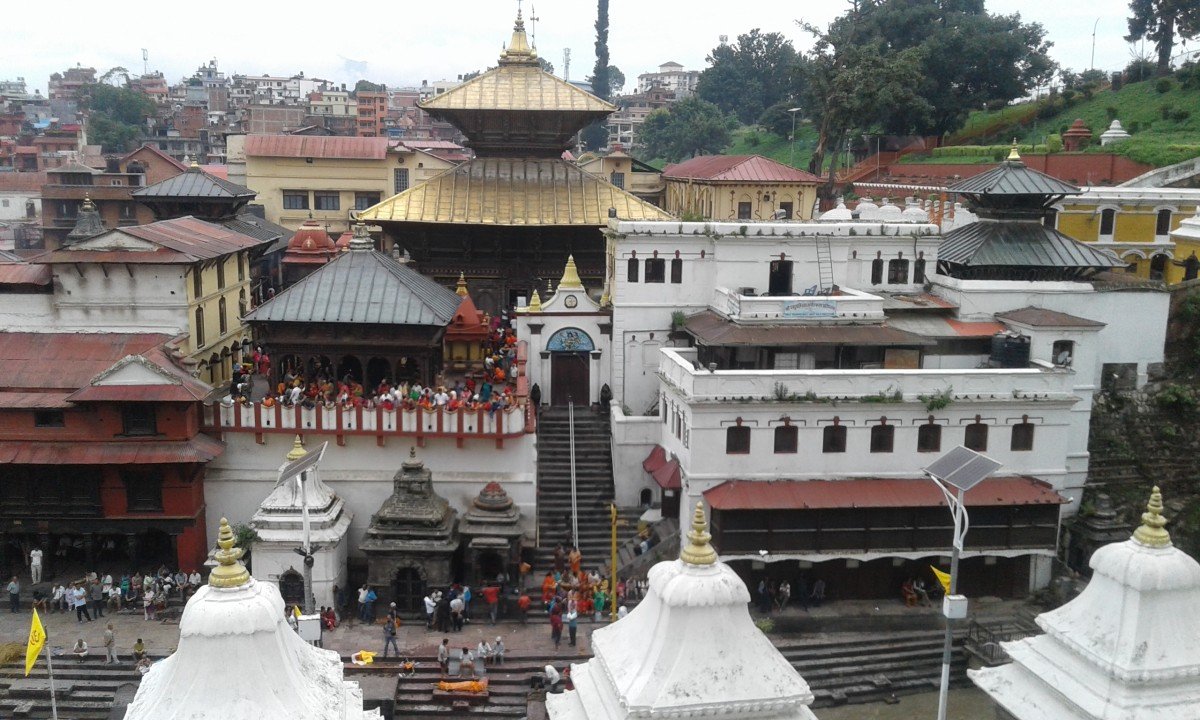
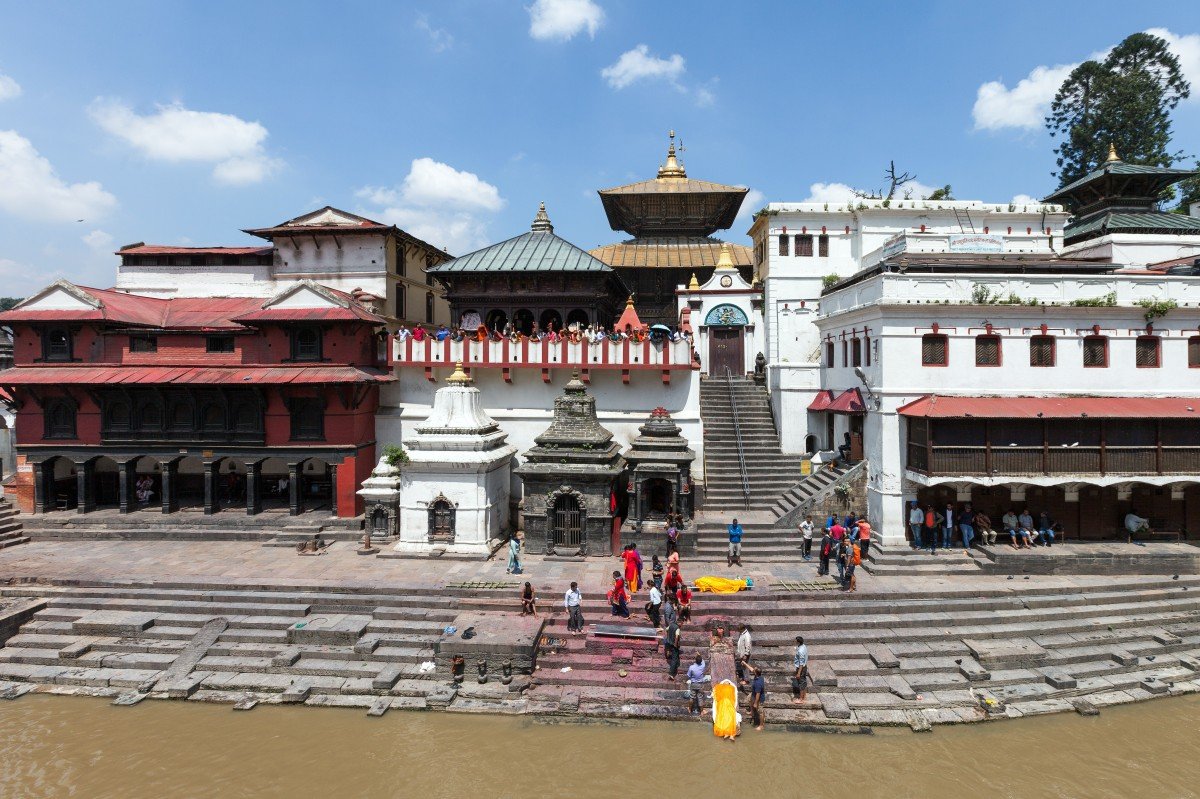
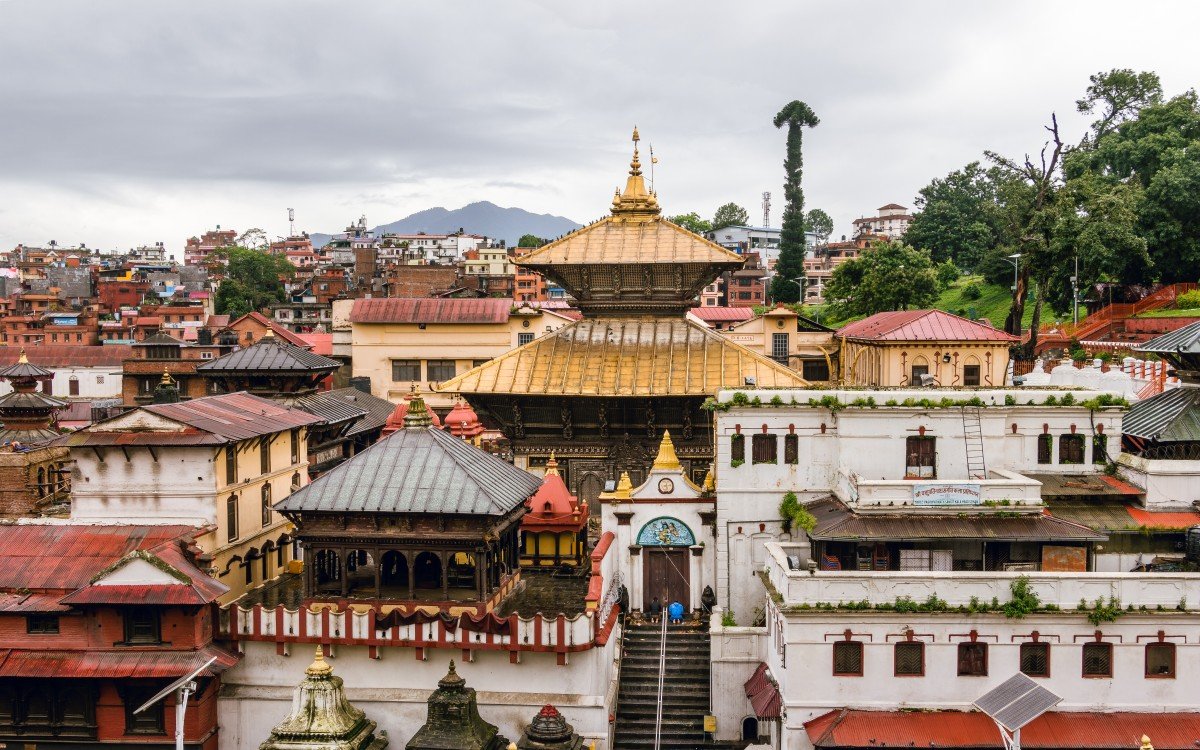
Sri Rudra Pashupatinath Temple
General information
-
Ideal Duration:
1 - 2 hours (For Darshan and ritual bath):Place Type:
Religious Pilgrimage SiteEntry Fees:
Nominal Entry Fee/Donation: There is no mandatory entry fee for the temple. However, a small donation for temple maintenance is appreciated.
Charges for Rituals: There are fees for specific ritual services or pujas (Abhishek, Archana) which ...Nominal Entry Fee/Donation: There is no mandatory entry fee for the temple. However, a small donation for temple maintenance is appreciated.
Charges for Rituals: There are fees for specific ritual services or pujas (Abhishek, Archana) which can be booked at the counter. Pricing is usually displayed publicly, ensuring transparency for all devotees.
:Timing:
Regular Timings: Generally open from 6:00 AM to 7:00 PM (check locally as timings can fluctuate based on the season or day). The gates often close during the midday for a short period.
Ideal Visit Time: The best time to visit is early mornin...Regular Timings: Generally open from 6:00 AM to 7:00 PM (check locally as timings can fluctuate based on the season or day). The gates often close during the midday for a short period.
Ideal Visit Time: The best time to visit is early morning (6:00 AM to 8:00 AM) for a peaceful Darshan before the crowds arrive and to witness the morning rituals. The late afternoon is also pleasant.
:Special Events:
Maha Shivaratri Jatra/Festival: The most important annual event, held in the months of February or March, featuring special pujas, large processions, and drawing huge crowds of pilgrims.
Kartik Purnima Celebrations: Special prayers and deepot...Maha Shivaratri Jatra/Festival: The most important annual event, held in the months of February or March, featuring special pujas, large processions, and drawing huge crowds of pilgrims.
Kartik Purnima Celebrations: Special prayers and deepotsav (lamp lighting festival) are often held during the auspicious Kartik Purnima in October or November.
:Best Photo Spots:
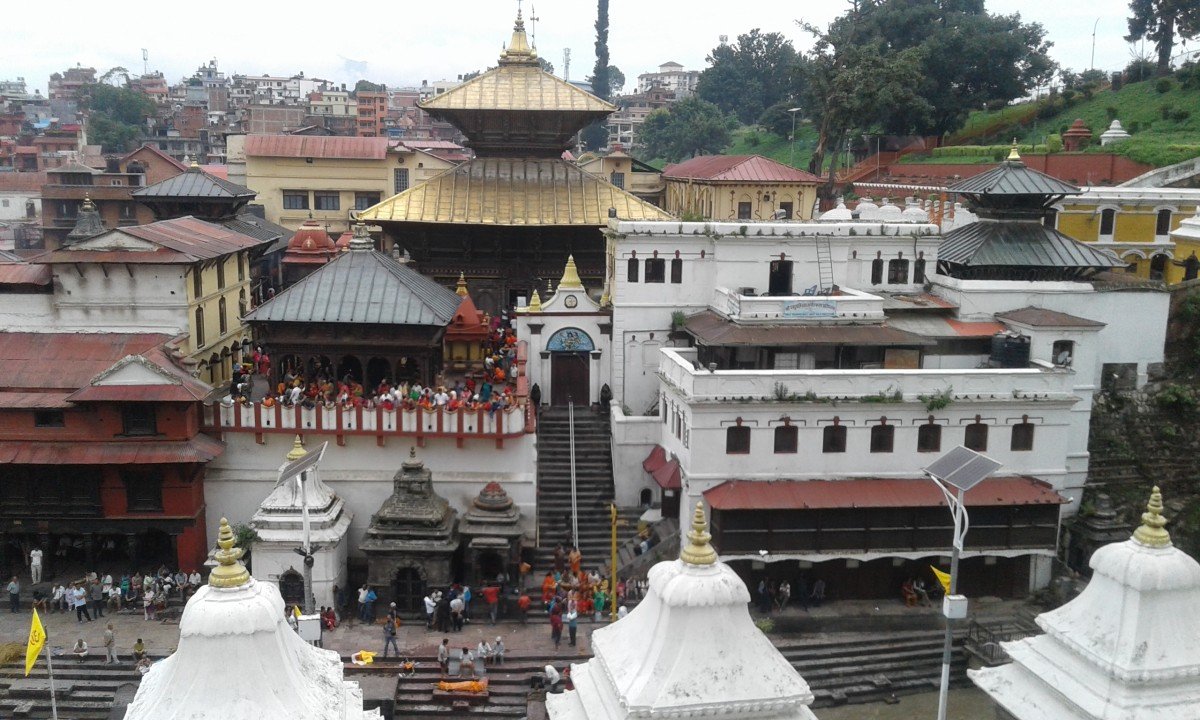
The Temple and the Sacred Pond: Capturing the reflection of the temple structure in the waters of the Paapnash pond, especially during the early morning.
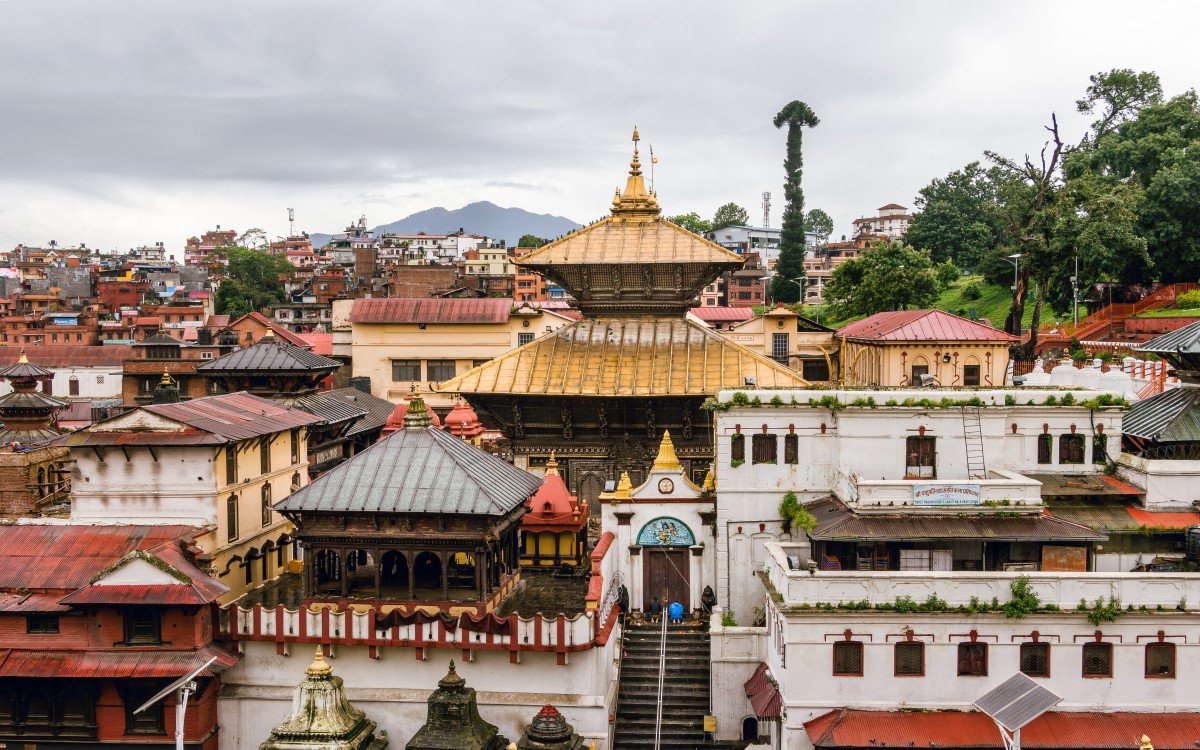
The Verdant Valley Landscape: Wide-angle shots of the temple nestled within the pictures...The Temple and the Sacred Pond: Capturing the reflection of the temple structure in the waters of the Paapnash pond, especially during the early morning.
The Verdant Valley Landscape: Wide-angle shots of the temple nestled within the picturesque green valley, highlighting the natural beauty of the location.
Close-ups of the Shivalinga: Respectful and permitted photography of the main Shivalinga during non-worship hours to capture the details of the sanctum.
Devotees by the Water: Candid, respectful shots of pilgrims taking the ritual dip in the sacred spring's water. (Approx.
):Photo Gallery
Things To Do
-
Take a Ritual Dip in the Pond (): Participate in the traditional bathing ritual in the Paapnash pond, believed to cleanse sins before proceeding to the main shrine for Darshan.
Offer Prayers and Perform Abhishek (): Engage in the main act of worship by offering water, milk, or other sacred items to the Shivalinga and participating in the Abhishek (ritual bathing of the idol).
Meditation and Spiritual Reflection (): The serene location is ideal for quiet meditation and spiritual reflection, finding a peaceful spot near the water source or in the courtyard.
Explore the Surrounding Valley (): Take a short walk around the temple premises to enjoy the surrounding natural beauty and the picturesque valley setting, which is especially green after the monsoon.Take a Ritual Dip in the Pond (): Participate in the traditional bathing ritual in the Paapnash pond, believed to cleanse sins before proceeding to the main shrine for Darshan.
Offer Prayers and Perform Abhishek (): Engage in the main act of worship by offering water, milk, or other sacred items to the Shivalinga and participating in the Abhishek (ritual bathing of the idol).
Meditation and Spiritual Reflection (): The serene location is ideal for quiet meditation and spiritual reflection, finding a peaceful spot near the water source or in the courtyard.
Explore the Surrounding Valley (): Take a short walk around the temple premises to enjoy the surrounding natural beauty and the picturesque valley setting, which is especially green after the monsoon.
View the Different Shivalingas (): Pay attention to the three smaller Shivalingas flanking the main one, as each holds its own significance in the overall worship of the deity.
Attend the Evening Aarti (): If timings permit, witnessing the evening Aarti (lamp ceremony) can be a beautiful and spiritually uplifting experience.
:
Information
-
Why Famous:
The Sacred Paapnash Spring: It is famously known for the natural spring within its premises, whose water is believed to have miraculous sin-destroying powers, making the ritual bath a central part of the pilgrimage.
Connection to Lord Rama: T...The Sacred Paapnash Spring: It is famously known for the natural spring within its premises, whose water is believed to have miraculous sin-destroying powers, making the ritual bath a central part of the pilgrimage.
Connection to Lord Rama: The legend of Lord Rama installing the Shivalinga establishes its antiquity and deep religious importance in the Hindu faith.
Key Shivaratri Destination: The temple is a major spiritual hub, especially during Maha Shivaratri, drawing thousands of devotees from surrounding regions for special rituals.
: -
Architecture:
Temple Style and Sanctum: The temple structure is a blend of traditional South Indian style with local architectural influences. The main sanctum (Garbhagriha) houses a large Shivalinga flanked by three smaller ones, all commanding a central focus for worship.Temple Style and Sanctum: The temple structure is a blend of traditional South Indian style with local architectural influences. The main sanctum (Garbhagriha) houses a large Shivalinga flanked by three smaller ones, all commanding a central focus for worship.
Water Flow System and Dimensions: The unique feature is the natural spring, the Paapnash, which continuously flows beneath the temple and into the pond outside. This water body is a central, functional part of the temple's design. The temple complex includes the main shrine, a surrounding circumambulatory path (Pradakshina Patha), a Nandi Mandapa, and the sacred bathing pond. The dimensions of the temple and its surrounding architecture are designed to accommodate a large number of pilgrims during festivals, with the focus remaining on the divine spring and the main sanctum.
: -
How To Reach:
By Air: Closest airport is Rajiv Gandhi International Airport (HYD) in Hyderabad (approx. 150 KMS). From there, travel by road to Bidar and then to Papanash.
By Train: Nearest is Bidar Railway Station (BIDR). From the station, the temple i...By Air: Closest airport is Rajiv Gandhi International Airport (HYD) in Hyderabad (approx. 150 KMS). From there, travel by road to Bidar and then to Papanash.
By Train: Nearest is Bidar Railway Station (BIDR). From the station, the temple is about 5-6 KMS away, easily reachable by auto-rickshaw or a local taxi.
By Road: The temple is located off the Bidar-Humnabad Road. State-run and private buses connecting Bidar and Humnabad can drop you nearby. If driving, follow signage for Papanash village.
By Local Transport: Auto-rickshaws are the most convenient local transport option from the Bidar city center to the temple.
: -
Weather and Best Time to Visit:
Different Types of Seasons: Winter (November to February) provides the most comfortable climate. Monsoon (June to September) is ideal for experiencing the lush green beauty of the valley location and the abundance of water in the sacred spring. Summer is hot but manageable...Different Types of Seasons: Winter (November to February) provides the most comfortable climate. Monsoon (June to September) is ideal for experiencing the lush green beauty of the valley location and the abundance of water in the sacred spring. Summer is hot but manageable if you visit early morning.
Different Parts of the Day: Early morning is the best for a calm, spiritual experience and to avoid heat.
: -
Near Tourist Places:
Bidar Fort (6 KMS), Chaubara Tower (5 KMS), Guru Nanak Jhira Sahib (3 KMS), Barid Shahi Tombs (8 KMS), Mahmud Gawan Madrasa (7 KMS), Narasimha Jhira Cave Temple (15 KMS), Vana Durga Temple (10 KMS), Veerabhadreshwara Temple, Humnabad (50 KMS), Kalyani Chalukya Temple, Jalasangvi (40 KMS), Ashtoor Bahmani Tombs (10 KMS).
Tourism Tips
-
Health & Safety: The ground can be slippery, especially near the pond; wear non-slip footwear. The ritual bath is optional.
Packing: Carry a towel and change of clothes if planning a ritual dip. Dress modestly, covering shoulders and legs,...Health & Safety: The ground can be slippery, especially near the pond; wear non-slip footwear. The ritual bath is optional.
Packing: Carry a towel and change of clothes if planning a ritual dip. Dress modestly, covering shoulders and legs, as is customary for Hindu temples.
Accommodation: Limited or basic accommodation near the temple; it's best to stay in the main Bidar city area and visit the temple as a half-day trip.
Other Different Topics: Check the water level of the pond, as it can vary. Be respectful of the environment and avoid littering near the sacred water body.
:
Reviews
FAQs
Bidar Itineray And Cost:-
Sri Rudra Pashupatinath Temple Tourism:-
Other Places In Bidar :-
Other States In India :-
Information about New and Updated Locations() of Karnataka Has Been Added :-
Card subtitle
Note:-
Information provided here in good Faith and for reference only.
Near Places
Ahmad Shah Wali Bahman Tomb
Some quick example text to build on the card title and make up the bulk of the card's content.
Go somewhere
Anubhava Mantapa
Some quick example text to build on the card title and make up the bulk of the card's content.
Go somewhere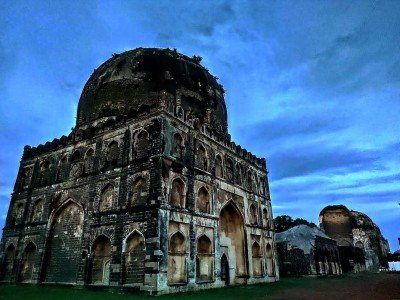
Bahmani Tombs
Some quick example text to build on the card title and make up the bulk of the card's content.
Go somewhere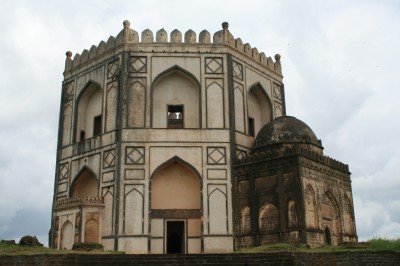
Barid Shahi Tombs
Some quick example text to build on the card title and make up the bulk of the card's content.
Go somewhere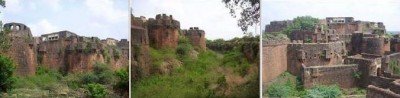
Basavakalyan Fort
Some quick example text to build on the card title and make up the bulk of the card's content.
Go somewhere
Basaveshwara Circle
Some quick example text to build on the card title and make up the bulk of the card's content.
Go somewhere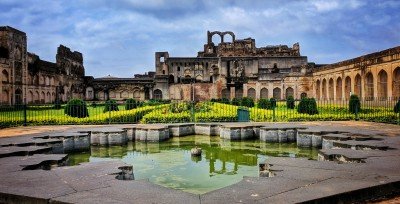
Bidar Fort
Some quick example text to build on the card title and make up the bulk of the card's content.
Go somewhere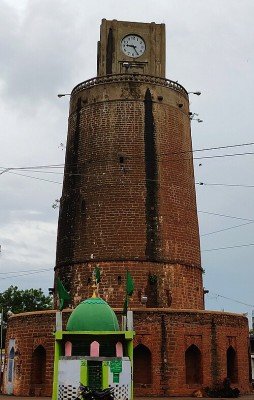
Chaubara Tower
Some quick example text to build on the card title and make up the bulk of the card's content.
Go somewhere
Chaukhandi of Hazrat Khalil Ullah
Some quick example text to build on the card title and make up the bulk of the card's content.
Go somewhere
Dev Dev Vana
Some quick example text to build on the card title and make up the bulk of the card's content.
Go somewhere
Dulhan Darwaza
Some quick example text to build on the card title and make up the bulk of the card's content.
Go somewhere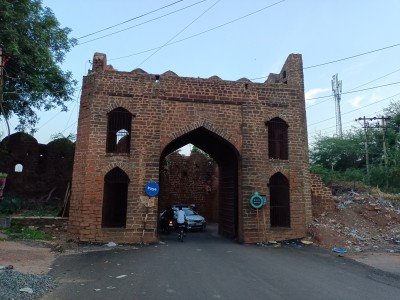
Fateh Darwaza
Some quick example text to build on the card title and make up the bulk of the card's content.
Go somewhere
Gumbaz Darwaza
Some quick example text to build on the card title and make up the bulk of the card's content.
Go somewhere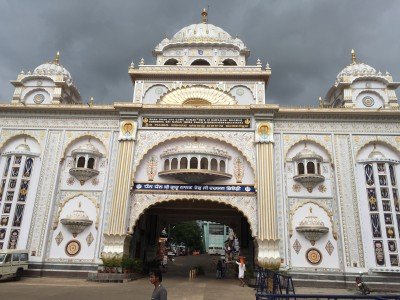
Guru Nanak Jhira Sahib
Some quick example text to build on the card title and make up the bulk of the card's content.
Go somewhere
Hazar Kothari
Some quick example text to build on the card title and make up the bulk of the card's content.
Go somewhere
Karanja Dam
Some quick example text to build on the card title and make up the bulk of the card's content.
Go somewherein Other Cities