

Thajwas - Baltal Wildlife Sanctuary
General information
-
Ideal Duration:
1 Day (Restricted Safari/Visit) / Multi-Day (Wildlife Trek)Place Type:
Wildlife Sanctuary / Nature ReserveEntry Fees:
Entry Permit Fee:A permit from the J&K Department of Wildlife Protection is mandatory for entry into the core and buffer zones. The fee is minimal for domestic tourists but higher for foreigners (approx. 50-100 INR per day for Indian nationals).
Read MoreEntry Permit Fee:A permit from the J&K Department of Wildlife Protection is mandatory for entry into the core and buffer zones. The fee is minimal for domestic tourists but higher for foreigners (approx. 50-100 INR per day for Indian nationals).
Guide/Guard Fee:It is compulsory and costly to hire an authorised wildlife guide/forest guard to accompany you, a necessary expense for both safety and conservation compliance.
Camera Fee:There is a fee for professional video and telephoto camera equipment, but usually none for standard tourist photography.Timing:
Regular Timings:The sanctuary itself is technically open 24 hours, but visitor entry is restricted to daylight hours (8:00 AM to 5:00 PM) to minimise disturbance to the wildlife.
Ideal Visit Time:Early morning (Sunrise) and late evening (Sun...Regular Timings:The sanctuary itself is technically open 24 hours, but visitor entry is restricted to daylight hours (8:00 AM to 5:00 PM) to minimise disturbance to the wildlife.
Ideal Visit Time:Early morning (Sunrise) and late evening (Sunset) are the Ideal Visit Time for wildlife sighting, as animals are most active during these periods. The general best season is May to October.Special Events:
Wildlife Census:Annual wildlife census efforts are undertaken by the J&K Wildlife Protection Department. Visitors may be allowed to participate in a structured manner to aid in research (not a regular tourist event).
Forestry/Botany Camps:U...Wildlife Census:Annual wildlife census efforts are undertaken by the J&K Wildlife Protection Department. Visitors may be allowed to participate in a structured manner to aid in research (not a regular tourist event).
Forestry/Botany Camps:University research teams often conduct multi-day research and collection camps during the peak summer months, sometimes welcoming citizen scientists.Best Photo Spots:
The Baltal Valley Floor:The wide, flat valley floor, especially during the Amarnath Yatra season (though crowds detract), provides a great vantage point for capturing the transition from the meadow to the high cliffs.
Thajiwas Meadow (Periphery)...The Baltal Valley Floor:The wide, flat valley floor, especially during the Amarnath Yatra season (though crowds detract), provides a great vantage point for capturing the transition from the meadow to the high cliffs.
Thajiwas Meadow (Periphery):Views from the meadow looking up into the sanctuary's forested slopes, offering a chance to capture wildlife at the tree line.
Glacial Melt Streams:The numerous small, icy streams that originate within the sanctuary area.Photo Gallery
Things To Do
-
Wildlife Spotting:Go on an early morning or late evening trek/safari (with official permission and a forest guard) to spot the Musk Deer or Brown Bear.
Bird Watching:Look for high-altitude avian species like the Himalayan Monal, Snow Cock, and various raptors.
Nature Photography:Capture the stunning landscape photography, focusing on the alpine meadows and the towering peaks of the Zanskar Range.
Trekking:Undertake a short, permitted nature walk near the periphery of the sanctuary.
Ecosystem Study:Engage in natural history and ecology observation.
Camping:Permitted camping is available only at designated campsites near the perimeter, such as Baltal.
Conservation Lear...Wildlife Spotting:Go on an early morning or late evening trek/safari (with official permission and a forest guard) to spot the Musk Deer or Brown Bear.
Bird Watching:Look for high-altitude avian species like the Himalayan Monal, Snow Cock, and various raptors.
Nature Photography:Capture the stunning landscape photography, focusing on the alpine meadows and the towering peaks of the Zanskar Range.
Trekking:Undertake a short, permitted nature walk near the periphery of the sanctuary.
Ecosystem Study:Engage in natural history and ecology observation.
Camping:Permitted camping is available only at designated campsites near the perimeter, such as Baltal.
Conservation Learning:Visit the local forest check-post for information on the sanctuary and conservation efforts.
Information
-
Why Famous:
Home of the Musk Deer:The sanctuary's primary significance is as one of the last remaining habitats for the critically endangered Himalayan Musk Deer.
High-Altitude Predator Habitat:It is a critical area for the Himalayan Brown Bear and a po...Home of the Musk Deer:The sanctuary's primary significance is as one of the last remaining habitats for the critically endangered Himalayan Musk Deer.
High-Altitude Predator Habitat:It is a critical area for the Himalayan Brown Bear and a potential habitat for the Snow Leopard, making it an important conservation success story.
Biodiversity Corridor:Its location connects it to other major protected areas, ensuring a safe passage for migratory and dispersing wildlife species across the wider Kashmir region. -
Architecture:
Natural Ecosystem Architecture:
Dimension: The sanctuary spans over 200 square kilometres, covering a massive area of the high Himalayas. Its Architecture is entirely natural, defined by the glacial U-shaped valleys, sharp moraine ridges, and...Natural Ecosystem Architecture:
Dimension: The sanctuary spans over 200 square kilometres, covering a massive area of the high Himalayas. Its Architecture is entirely natural, defined by the glacial U-shaped valleys, sharp moraine ridges, and high-altitude lakes.
The key features are the altitude zonation: the lower sub-alpine forests and the upper alpine meadows (bugyals) and high peaks. The only man-made Architecture is the occasional forest check-post or a temporary shepherd hut, built to blend into the natural environment. The entire structure of the valley is a textbook example of glacial Geology and its effect on biodiversity. -
How To Reach:
By Air:Nearest airport is Srinagar (SXR). Drive to Sonamarg or Baltal (15 KMS from Sonamarg) and arrange for sanctuary access.
By Train:Nearest major railway station is Jammu Tawi (JAT). Drive to Srinagar, then to the sanctuary entry point...By Air:Nearest airport is Srinagar (SXR). Drive to Sonamarg or Baltal (15 KMS from Sonamarg) and arrange for sanctuary access.
By Train:Nearest major railway station is Jammu Tawi (JAT). Drive to Srinagar, then to the sanctuary entry points.
By Road:From Srinagar, take NH1 to Sonamarg and then to Baltal or the Thajiwas base. Local Transport must be a sturdy vehicle capable of handling unpaved forest roads (4x4 recommended for remote access). -
Weather and Best Time to Visit:
Seasons:The best time for a visit is May to October. May and June are excellent for bird watching. August and September are the best time for high-altitude trekking and viewing the blooming alpine flowers before the onset of winter.
Parts of t...Seasons:The best time for a visit is May to October. May and June are excellent for bird watching. August and September are the best time for high-altitude trekking and viewing the blooming alpine flowers before the onset of winter.
Parts of the Day:As an activity for Wildlife Spotting, Sunrise and Sunset hours are the most critical times for viewing large mammals. -
Near Tourist Places:
Baltal Valley (15 KMS), Thajiwas Glacier (Entry Point), Zero Point Sonmarg (30 KMS), Zojila Pass Viewpoint (33 KMS), Sonamarg Town (5 KMS), Nilagrad River (10 KMS), Amarnath Yatra Base Camp (Baltal), Dachigam National Park (75 KMS - aerial), Kulan (15 KMS), Satsar Lake Trailhead (approx. 20 KMS).
Tourism Tips
-
Health & Safety:Do not attempt to enter without an authorised guard. Maintain a safe distance from all wildlife, especially the Brown Bears. Carry insect repellent.
Packing:Wear dull/earthy coloured clothing to blend in. Pack binoculars, ...Health & Safety:Do not attempt to enter without an authorised guard. Maintain a safe distance from all wildlife, especially the Brown Bears. Carry insect repellent.
Packing:Wear dull/earthy coloured clothing to blend in. Pack binoculars, a long-range camera lens, and field guides for flora and fauna.
Accommodation:Stay in hotels in Sonamarg or officially permitted camps in Baltal. Camping inside the core zone is strictly prohibited.
Other Tips:Strictly adhere to the "Leave No Trace" principle. Do not litter or feed the animals.
Reviews
FAQs
Sonamarg Itineray And Cost:-
Thajwas - Baltal Wildlife Sanctuary Tourism:-
Other Places In Sonamarg :-
Other States In India :-
Information about New and Updated Locations() of Jammu and Kashmir Has Been Added :-
Card subtitle
Note:-
Information provided here in good Faith and for reference only.
Near Places

Baltal
Some quick example text to build on the card title and make up the bulk of the card's content.
Go somewhere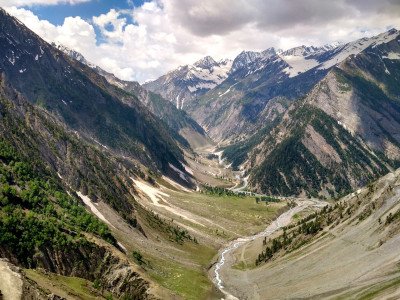
Baltal Valley
Some quick example text to build on the card title and make up the bulk of the card's content.
Go somewhere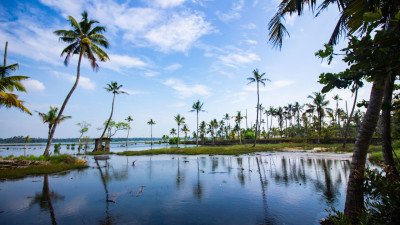
Gadsar Lake
Some quick example text to build on the card title and make up the bulk of the card's content.
Go somewhere
Gangabal Lake
Some quick example text to build on the card title and make up the bulk of the card's content.
Go somewhere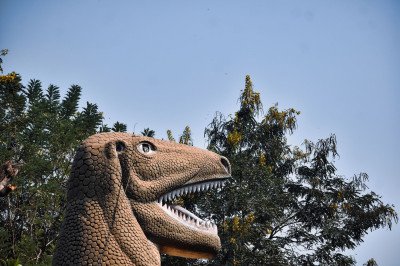
Golden Glory Eco Park
Some quick example text to build on the card title and make up the bulk of the card's content.
Go somewhere
Harmukh Mountain View
Some quick example text to build on the card title and make up the bulk of the card's content.
Go somewhere
Kishansar Meadow
Some quick example text to build on the card title and make up the bulk of the card's content.
Go somewhere
Kolahoi Peak View
Some quick example text to build on the card title and make up the bulk of the card's content.
Go somewhere
Krishnasar Lake
Some quick example text to build on the card title and make up the bulk of the card's content.
Go somewhere
Nichinai Pass
Some quick example text to build on the card title and make up the bulk of the card's content.
Go somewhere
Nilagrad River
Some quick example text to build on the card title and make up the bulk of the card's content.
Go somewhere
Ningle Nallah
Some quick example text to build on the card title and make up the bulk of the card's content.
Go somewhere
Sarbal
Some quick example text to build on the card title and make up the bulk of the card's content.
Go somewhere
Satsaran Pass
Some quick example text to build on the card title and make up the bulk of the card's content.
Go somewhere
Sheshnag Lake Trek View
Some quick example text to build on the card title and make up the bulk of the card's content.
Go somewhere
Shitkari Bridge
Some quick example text to build on the card title and make up the bulk of the card's content.
Go somewherein Other Cities