

Travel Tips Of Buddhist Caves
Antiquity and Historical Context: The Khapra Kodiya Caves, also known as the Khapara Kodia Caves or Khangar Mahal, are the oldest and plainest of the Junagadh Buddhist Cave Groups. They are dated to the 3rd-4th century BC (or possibly early AD), making them contemporary with, or soon after, the peri od of Emperor Ashoka. These caves represent one of the earliest monastic settlements in the region, initially carved to serve as vihara (monks' quarters) and resting places during the vassa (rainy season retreat). Original Design and Decline: The caves were originally carved out of an east-west longitudinal ridge near the edge of the ancient Sudarshan Lake. They were structurally simple, featuring small rooms and unique L-shaped residences and water tanks. The complex was abandoned after many years of use because cracks in the rock allowed water to seep into the living quarters, rendering them unusable. Historical accounts suggest the monks later migrated to Maharashtra, where they developed the more elaborate cave architecture seen there. Current State of Preservation: The caves have suffered significantly due to later quarrying activity and natural erosion, and now only the highest story and a few remnants of the original structure remain. They are considerably plainer and less well-preserved than the nearby Bawa Pyara Caves and the later Uparkot Caves, yet their age makes them highly important archaeologically. Evidence of Early Buddhist Influence: The presence of these ancient caves confirms the strong and early patronage of Buddhism in the Junagadh region, linking it directly to the expansion of the faith during the Mauryan and post-Mauryan periods.
Tourism Tips
Health & safety: Wear a hat and carry plenty of water, as there is minimal shade. Wear sturdy shoes for walking on uneven, rocky surfaces. Be aware of the presence of thorny shrubs or uneven ground around the damaged lower levels.
Packing: Essential items include a camera, sunglasses, and high-SPF sunscreen. A detailed map or historical guide is valuable for interpreting the fragmented remains.
Accommodation: Stay in the main Junagadh city for the best selection of hotels and amenities. Budget accommodation is available near the railway station and the bus stand.
Other Different Topics heading:
Respect the Fragility: The caves are highly susceptible to further damage due to their age and rock type; visitors must not climb on or touch the rock faces unnecessarily.
History Focus: Treat the visit as an archaeological exploration rather than a grand tourist sight, focusing on the historical significance of the oldest surviving rock-cut chambers in the area.
Packing: Essential items include a camera, sunglasses, and high-SPF sunscreen. A detailed map or historical guide is valuable for interpreting the fragmented remains.
Accommodation: Stay in the main Junagadh city for the best selection of hotels and amenities. Budget accommodation is available near the railway station and the bus stand.
Other Different Topics heading:
Respect the Fragility: The caves are highly susceptible to further damage due to their age and rock type; visitors must not climb on or touch the rock faces unnecessarily.
History Focus: Treat the visit as an archaeological exploration rather than a grand tourist sight, focusing on the historical significance of the oldest surviving rock-cut chambers in the area.
Information about New and Updated Locations(862+) of Gujarat Has Been Added :-
Card subtitle
Bhujia FortBhujodi Handicraft VillageChhatardi Great Rann of KutchHiralaxmi Memorial Craft ParkKalo Dungar Lakhpat FortMandvi BeachMata No Madh TempleNarayan Sarovar Wildlife SanctuaryNirona VillageVande Mataram MemorialVijay Vilas PalaceKuber Bhandari TempleMaharaja Fateh Singh MuseumMaharaja Sayajirao University Makarpura PalaceMandvi GateMore PlacesNote:-
Information provided here in good Faith and for reference only.
All information and pictures will be updated soon, please keep visiting.
Near Places

Buddhist Caves
Some quick example text to build on the card title and make up the bulk of the card's content.
Go somewhere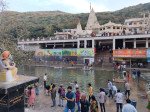
Damodar Kund
Some quick example text to build on the card title and make up the bulk of the card's content.
Go somewhere