

Unakoti
General information
-
Ideal Duration:
3 to 5 HoursPlace Type:
Archaeological & Pilgrimage SiteEntry Fees:
Place Entry Fees:
General Entry: Currently, there is a very nominal entry fee (approx 25 Rupees) for Indian citizens and more for foreigners.
Photography: Mobile photography is free; however, using professio...Place Entry Fees:
General Entry: Currently, there is a very nominal entry fee (approx 25 Rupees) for Indian citizens and more for foreigners.
Photography: Mobile photography is free; however, using professional DSLRs or video cameras might require a small additional fee.
Parking: A small fee of 20 to 30 Rupees is charged for parking cars and buses at the designated parking lot near the entrance.
Guide Services: Local guides are available for 200 to 500 Rupees, depending on the group size and the depth of the tour.Timing:
Place Timing:
Regular Timings: The site is open to visitors from 08:00 AM to 05:00 PM every day including Sundays and holidays.
Ideal Visit Time: Morning hours between 08:30 AM and 11:00 AM are best to avoid ...Place Timing:
Regular Timings: The site is open to visitors from 08:00 AM to 05:00 PM every day including Sundays and holidays.
Ideal Visit Time: Morning hours between 08:30 AM and 11:00 AM are best to avoid the afternoon heat and enjoy the soft light.
Festival Timing: During the Ashokastami festival, the site is open for extended hours to manage the large crowd of pilgrims.
Monsoon Timing: It is advisable to visit before 04:00 PM during rains as the stone steps can become slippery and the light fades early.Special Events:
Place Special Event:
Ashokastami Mela: The biggest event in April, where thousands of people gather for a holy bath and a massive commercial fair.
Makar Sankranti: A smaller but significant celebration in Jan...Place Special Event:
Ashokastami Mela: The biggest event in April, where thousands of people gather for a holy bath and a massive commercial fair.
Makar Sankranti: A smaller but significant celebration in January involving local rituals and a gathering of nearby villagers.
Shiva Ratri: Dedicated prayers and night-long vigils are held at the site to honor Lord Shiva, attracting many local devotees.
Traditional Fairs: Various small-scale tribal festivals are held in the surrounding villages, showcasing local music and dance forms.Best Photo Spots:
Place Best Photo Spots:
Kal Bhairava Head: The most famous spot, where you can stand near the base to show the massive 30-foot scale of the carving.
Ganesha Reliefs: The group of Ganesha figures provides a wi...Place Best Photo Spots:
Kal Bhairava Head: The most famous spot, where you can stand near the base to show the massive 30-foot scale of the carving.
Ganesha Reliefs: The group of Ganesha figures provides a wide-angle shot that captures the density of the rock art.
The Stone Stairs: A shot looking up or down the winding stone staircase with the carvings on the side is very dramatic.
Mountain Stream: Capture the water flowing over the rocks near the carvings for a beautiful nature-meets-history photograph.
Tea Gardens: The symmetrical rows of tea bushes on the approach road to Kailashahar are perfect for portrait photography.Photo Gallery
Things To Do
 @@The Nature of Bikkhorampara: This waterfall is a pristine natural wonder tucked away in the lush greenery of the Kanchancherra region. It flows through dense tropical forests and offers a serene atmosphere for nature lovers who wish to escape the city noise. The water cascades down rocky layers creating a soothing sound that resonates throughout the valley. Visitors often find the surrounding flora and fauna to be a major highlight of their trekking journey to the falls. The site is a perfect example of Tripura’s untouched wilderness where the air is fresh and the water is crystal clear. Many locals visit the spot for day picnics and to enjoy the cool spray of the falling water during the hot summer months. The trek to the waterfall is moderately challenging but highly rewarding for those seeking adventure. It remains a vital water source for the local biodiversity and maintains a cool microclimate in the area. The pool at the bottom is shallow enough for a refreshing dip under the watchful eyes of nature. Overall, it is a must-visit destination for anyone exploring the hidden treasures of North Tripura.
@@The Towering Outlook: Pechartal View Point Watch Tower is a prominent structure designed to give visitors an elevated perspective of the Deo Reserve Forest. Rising above the tree line, the tower offers a 360-degree view of the undulating hills and the dense canopy that defines this region. It is a strategic spot for both tourists and forest officials to monitor the health of the woods and spot any wildlife movements. The climb to the top is easy and provides a sense of thrill as the horizon expands with every step. The wind at the top of the tower is brisk and carries the fresh scent of the forest. On a clear day, one can see far into the horizon where the green of the hills meets the blue of the sky. It is particularly popular during the winter months when the air is clear of haze. The site is well-maintained and provides a peaceful environment for families to spend an afternoon. Educational boards about the local ecosystem are often placed near the base to inform visitors about the importance of conservation. It is a landmark that symbolizes the harmony between human observation and the preservation of nature.
Unakoti, which translates to "one less than a crore," is a magnificent archaeological site dating back to the 7th–9th centuries. It is a Shaivite pilgrimage spot famous for its massive rock-cut carvings and stone images scattered across a lush green hill. According to Hindu mythology, Lord Shiva was traveling to Kashi with one crore gods and goddesses. They stayed here for the night, and Shiva asked everyone to wake up before sunrise. Only Shiva woke up on time, and in his anger, he cursed the others to become stone statues. This resulted in 99,99,999 carvings. The site features the central Unakotiswara Kal Bhairava, a 30-foot high head of Lord Shiva with a 10-foot high headdress. On either side are figures of Goddess Durga and another female deity. The carvings are set against a backdrop of natural waterfalls and dense forests, creating a mystical atmosphere. It is a UNESCO tentative world heritage site and attracts thousands of pilgrims and history buffs annually. The intricate detail in the stone work, despite centuries of weathering, shows the advanced craftsmanship of ancient artisans. The site is spread over several acres, requiring visitors to climb stone steps to see different groups of idols. It is not just a religious site but a masterpiece of ancient Indian art that rivals the famous temples of Cambodia. The presence of the Ashtami fair in April turns this quiet hill into a vibrant center of devotion and celebration.
@@The Panoramic Vista: Kanchanpur View Point offers one of the most breathtaking views of the surrounding hills and valleys in North Tripura. It is situated on a high ridge that allows visitors to look over the vast expanse of green forests stretching towards the Mizoram border. The air here is noticeably cooler than the plains, providing a refreshing break for travelers passing through the region. It serves as a popular stopover for those heading towards the Jampui Hills. The viewpoint is managed to provide a safe space for tourists to stand and admire the natural beauty. From here, one can see the winding roads snaking through the hills like silver ribbons. The sunrise and sunset from this point are particularly famous for the vibrant colors they cast over the horizon. It is a place where the sky feels closer and the world seems incredibly quiet. The surrounding area is rich in tribal culture, often giving visitors a glimpse into the local lifestyle of the Reang and Lushai communities. It is an essential stop for any road trip through the northern part of the state.
This stunning viewpoint is located in the serene village of Serhmun within the famous Jampui Hills. It is renowned for offering one of the most majestic sunrise experiences in North East India. As the first rays of the sun hit the misty valleys, the entire landscape transforms into a golden paradise. The viewpoint overlooks the deep valleys of Mizoram and the rolling hills of Tripura, creating a 360-degree panoramic spectacle that leaves visitors breathless. The air here is exceptionally crisp and clean, typical of the high-altitude Jampui range. Unlike many crowded tourist spots, Serhmun remains a peaceful retreat where the only sounds are the whistling wind and distant bird calls. The village itself is home to the Mizo community, known for their warm hospitality and vibrant culture. Tourists often wake up in the early hours of January or February to witness the sun emerging from a thick blanket of white clouds, a phenomenon often described as "walking on clouds." The viewpoint is well-maintained with simple seating arrangements for travelers. It serves as a perfect escape for those looking to reconnect with nature away from the urban hustle. The lush green vegetation surrounding the point is dotted with wild orchids and seasonal flowers, adding to the aesthetic charm of the location. Visiting this spot is not just about the view; it is about experiencing the profound stillness of the mountains before the world wakes up.
@@The Serene Kurma: Kurma Waterfall is a hidden treasure located within the Rajkandi Reserve Forest. It is less frequented by the general tourist crowd, which has preserved its natural charm and tranquility. The water flows over a series of dark, weathered rocks, creating a beautiful contrast with the white foam. The surrounding forest is home to a variety of wildlife, including various species of monkeys and exotic birds. Reaching the waterfall requires a short trek through the woods, making it an ideal spot for adventure seekers. The air is filled with the scent of damp earth and wild blossoms, creating a truly immersive nature experience. During the monsoon, the waterfall transforms into a powerful force, with the sound of the water echoing through the trees. In the drier months, it becomes a gentle trickle, allowing visitors to walk across the rocky bed. The pool at the base is clear and cool, inviting travelers to rest their feet after the trek. It is a place where one can truly connect with the raw beauty of Tripura's landscape away from the commercialized tourist spots.Show All
@@The Nature of Bikkhorampara: This waterfall is a pristine natural wonder tucked away in the lush greenery of the Kanchancherra region. It flows through dense tropical forests and offers a serene atmosphere for nature lovers who wish to escape the city noise. The water cascades down rocky layers creating a soothing sound that resonates throughout the valley. Visitors often find the surrounding flora and fauna to be a major highlight of their trekking journey to the falls. The site is a perfect example of Tripura’s untouched wilderness where the air is fresh and the water is crystal clear. Many locals visit the spot for day picnics and to enjoy the cool spray of the falling water during the hot summer months. The trek to the waterfall is moderately challenging but highly rewarding for those seeking adventure. It remains a vital water source for the local biodiversity and maintains a cool microclimate in the area. The pool at the bottom is shallow enough for a refreshing dip under the watchful eyes of nature. Overall, it is a must-visit destination for anyone exploring the hidden treasures of North Tripura.
@@The Towering Outlook: Pechartal View Point Watch Tower is a prominent structure designed to give visitors an elevated perspective of the Deo Reserve Forest. Rising above the tree line, the tower offers a 360-degree view of the undulating hills and the dense canopy that defines this region. It is a strategic spot for both tourists and forest officials to monitor the health of the woods and spot any wildlife movements. The climb to the top is easy and provides a sense of thrill as the horizon expands with every step. The wind at the top of the tower is brisk and carries the fresh scent of the forest. On a clear day, one can see far into the horizon where the green of the hills meets the blue of the sky. It is particularly popular during the winter months when the air is clear of haze. The site is well-maintained and provides a peaceful environment for families to spend an afternoon. Educational boards about the local ecosystem are often placed near the base to inform visitors about the importance of conservation. It is a landmark that symbolizes the harmony between human observation and the preservation of nature.
Unakoti, which translates to "one less than a crore," is a magnificent archaeological site dating back to the 7th–9th centuries. It is a Shaivite pilgrimage spot famous for its massive rock-cut carvings and stone images scattered across a lush green hill. According to Hindu mythology, Lord Shiva was traveling to Kashi with one crore gods and goddesses. They stayed here for the night, and Shiva asked everyone to wake up before sunrise. Only Shiva woke up on time, and in his anger, he cursed the others to become stone statues. This resulted in 99,99,999 carvings. The site features the central Unakotiswara Kal Bhairava, a 30-foot high head of Lord Shiva with a 10-foot high headdress. On either side are figures of Goddess Durga and another female deity. The carvings are set against a backdrop of natural waterfalls and dense forests, creating a mystical atmosphere. It is a UNESCO tentative world heritage site and attracts thousands of pilgrims and history buffs annually. The intricate detail in the stone work, despite centuries of weathering, shows the advanced craftsmanship of ancient artisans. The site is spread over several acres, requiring visitors to climb stone steps to see different groups of idols. It is not just a religious site but a masterpiece of ancient Indian art that rivals the famous temples of Cambodia. The presence of the Ashtami fair in April turns this quiet hill into a vibrant center of devotion and celebration.
@@The Panoramic Vista: Kanchanpur View Point offers one of the most breathtaking views of the surrounding hills and valleys in North Tripura. It is situated on a high ridge that allows visitors to look over the vast expanse of green forests stretching towards the Mizoram border. The air here is noticeably cooler than the plains, providing a refreshing break for travelers passing through the region. It serves as a popular stopover for those heading towards the Jampui Hills. The viewpoint is managed to provide a safe space for tourists to stand and admire the natural beauty. From here, one can see the winding roads snaking through the hills like silver ribbons. The sunrise and sunset from this point are particularly famous for the vibrant colors they cast over the horizon. It is a place where the sky feels closer and the world seems incredibly quiet. The surrounding area is rich in tribal culture, often giving visitors a glimpse into the local lifestyle of the Reang and Lushai communities. It is an essential stop for any road trip through the northern part of the state.
This stunning viewpoint is located in the serene village of Serhmun within the famous Jampui Hills. It is renowned for offering one of the most majestic sunrise experiences in North East India. As the first rays of the sun hit the misty valleys, the entire landscape transforms into a golden paradise. The viewpoint overlooks the deep valleys of Mizoram and the rolling hills of Tripura, creating a 360-degree panoramic spectacle that leaves visitors breathless. The air here is exceptionally crisp and clean, typical of the high-altitude Jampui range. Unlike many crowded tourist spots, Serhmun remains a peaceful retreat where the only sounds are the whistling wind and distant bird calls. The village itself is home to the Mizo community, known for their warm hospitality and vibrant culture. Tourists often wake up in the early hours of January or February to witness the sun emerging from a thick blanket of white clouds, a phenomenon often described as "walking on clouds." The viewpoint is well-maintained with simple seating arrangements for travelers. It serves as a perfect escape for those looking to reconnect with nature away from the urban hustle. The lush green vegetation surrounding the point is dotted with wild orchids and seasonal flowers, adding to the aesthetic charm of the location. Visiting this spot is not just about the view; it is about experiencing the profound stillness of the mountains before the world wakes up.
@@The Serene Kurma: Kurma Waterfall is a hidden treasure located within the Rajkandi Reserve Forest. It is less frequented by the general tourist crowd, which has preserved its natural charm and tranquility. The water flows over a series of dark, weathered rocks, creating a beautiful contrast with the white foam. The surrounding forest is home to a variety of wildlife, including various species of monkeys and exotic birds. Reaching the waterfall requires a short trek through the woods, making it an ideal spot for adventure seekers. The air is filled with the scent of damp earth and wild blossoms, creating a truly immersive nature experience. During the monsoon, the waterfall transforms into a powerful force, with the sound of the water echoing through the trees. In the drier months, it becomes a gentle trickle, allowing visitors to walk across the rocky bed. The pool at the base is clear and cool, inviting travelers to rest their feet after the trek. It is a place where one can truly connect with the raw beauty of Tripura's landscape away from the commercialized tourist spots.Show All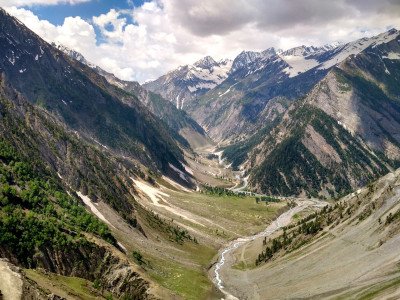 Vanghmun is widely celebrated as the cleanest village in the state of Tripura, and its Valley View Point is the crown jewel of this hilltop settlement. Located at an altitude of approximately 3,000 feet, this viewpoint offers a sprawling look at the deep emerald valleys that separate Tripura from Mizoram. The landscape is a mix of dense tropical forests, bamboo groves, and neatly maintained orange orchards that have made Jampui Hills famous nationwide. Visitors can see the serpentine roads winding through the hills like silver ribbons. The viewpoint is strategically located near the Eden Tourist Lodge, making it easily accessible for staying guests. The village of Vanghmun itself is an attraction, with its flower-lined streets and eco-friendly practices. During the winter months of December, the valley is often filled with a low-lying mist that makes the hilltops look like islands in a white sea. The air quality here is among the best in the country, providing a rejuvenating experience for the lungs and soul. The view is particularly beautiful during the sunset, when the sky turns shades of purple and pink, reflecting off the distant river streams in the valley. It is a place where time seems to slow down, allowing travelers to sit for hours simply watching the movement of the clouds. The local Mizo community manages the area, ensuring that it remains litter-free and welcoming for tourists from all over the world.
Information
-
Why Famous:
Why Famous Place:
Gigantic Rock Carvings: It hosts some of the largest bas-relief sculptures in India, carved directly into the hillside.
Shaivite Heritage: A major ancient center for Shiva worship, attractin...Why Famous Place:
Gigantic Rock Carvings: It hosts some of the largest bas-relief sculptures in India, carved directly into the hillside.
Shaivite Heritage: A major ancient center for Shiva worship, attracting thousands of pilgrims during the annual Ashokastami festival.
UNESCO Tentative List: Recognized internationally for its outstanding universal value and unique historical and artistic importance.
Mythological Legend: The fascinating story of the one crore gods turning into stone makes it a place of great folk interest. -
Architecture:
Place Architecture:
Rock-cut Reliefs: Massive figures carved directly onto the vertical rock faces of the hills, showcasing a blend of tribal and classical styles.
Kal Bhairava Head: A 30-foot high carving in...Place Architecture:
Rock-cut Reliefs: Massive figures carved directly onto the vertical rock faces of the hills, showcasing a blend of tribal and classical styles.
Kal Bhairava Head: A 30-foot high carving including a 10-foot embroidered headdress, featuring a unique anatomical treatment and a third eye.
Ganesha Panel: Includes a gigantic seated Ganesha and multiple smaller Ganesha figures carved with distinct features on the lower slopes.
Stone Sculptures: Numerous loose sculptures of Vishnu, Narasimha, and Hanuman scattered across the site, showing advanced stone-carving techniques. -
How To Reach:
Place How to Reach:
By Air: The nearest airport is in Agartala; from there, one needs to travel by train or road for about 4 to 5 hours.
By Train: Reach Kumarghat or Dharmanagar railway station; from there,...Place How to Reach:
By Air: The nearest airport is in Agartala; from there, one needs to travel by train or road for about 4 to 5 hours.
By Train: Reach Kumarghat or Dharmanagar railway station; from there, Unakoti is about 20 to 30 KM away by taxi.
By Road: Well connected from Agartala and Silchar via bus and shared taxis; the journey offers scenic views of the hills.
By Local Transport: From Kailashahar town, you can hire an auto-rickshaw or a private taxi to reach the hill site directly. -
Weather and Best Time to Visit:
Place Best Time to Visit:
Winter Season: October to March is the best time as the weather is cool and perfect for the uphill climb required at the site.
Spring: April is great for those who want to experience...Place Best Time to Visit:
Winter Season: October to March is the best time as the weather is cool and perfect for the uphill climb required at the site.
Spring: April is great for those who want to experience the Ashokastami Mela, though it can be quite crowded and warm.
Daytime: Plan your visit so that you are there during the midday when the sun illuminates the carvings on the hill faces.
Monsoon: June to August makes the surroundings incredibly green, but the steps can be slippery; it’s best for seasoned travelers. -
Near Tourist Places:
Kailashahar (8 KM), Dharmanagar (20 KM), Kumarghat (25 KM), Pecharthal (15 KM), Jampui Hills (80 KM), Agartala (178 KM), Fatiksagar (10 KM), Udayan Buddha Bihar (15 KM), Laxmi Narayan Temple (9 KM), Khowrabil (12 KM).
Tourism Tips
-
Place Tourism Tips:
Health & Safety: Wear sturdy shoes with good grip as the terrain is hilly and the stone steps can be uneven or wet.
Packing: Carry plenty of drinking water and some light snacks, as there ...Place Tourism Tips:
Health & Safety: Wear sturdy shoes with good grip as the terrain is hilly and the stone steps can be uneven or wet.
Packing: Carry plenty of drinking water and some light snacks, as there are limited food options once you start climbing the hill.
Accommodation: Stay at the Unakoti Tourist Lodge in Kailashahar or hotels in Dharmanagar for the most convenient access.
Respect the Site: Do not touch or deface the ancient carvings; follow the instructions on the ASI signboards to preserve the heritage.
Reviews
FAQs
Unakoti Itineray And Cost:-
Other Places In Tripura :-
Other States In India :-
Information about New and Updated Locations() of Tripura Has Been Added :-
Card subtitle
Note:-
Information provided here in good Faith and for reference only.
Near Places
Agartala
Some quick example text to build on the card title and make up the bulk of the card's content.
Go somewhere
Amarpur
Some quick example text to build on the card title and make up the bulk of the card's content.
Go somewhere
Ambassa
Some quick example text to build on the card title and make up the bulk of the card's content.
Go somewhere
Belonia
Some quick example text to build on the card title and make up the bulk of the card's content.
Go somewhere
Bishalgarh
Some quick example text to build on the card title and make up the bulk of the card's content.
Go somewhere
Chabimura
Some quick example text to build on the card title and make up the bulk of the card's content.
Go somewhere
Chailengta
Some quick example text to build on the card title and make up the bulk of the card's content.
Go somewhere
Champaknagar
Some quick example text to build on the card title and make up the bulk of the card's content.
Go somewhere
Devtamura
Some quick example text to build on the card title and make up the bulk of the card's content.
Go somewhere
Dharmanagar
Some quick example text to build on the card title and make up the bulk of the card's content.
Go somewhere
Gandacharra
Some quick example text to build on the card title and make up the bulk of the card's content.
Go somewhere
Gomati
Some quick example text to build on the card title and make up the bulk of the card's content.
Go somewhere
Jirania
Some quick example text to build on the card title and make up the bulk of the card's content.
Go somewhere
Jolaibari
Some quick example text to build on the card title and make up the bulk of the card's content.
Go somewhere
Kailashahar
Some quick example text to build on the card title and make up the bulk of the card's content.
Go somewhere
Kamalasagar
Some quick example text to build on the card title and make up the bulk of the card's content.
Go somewherein Other Cities