-India-(Country)-477-1200x1200.jpg?text=Slide+2)

-India-(Country)-770-1200x1200.jpg?text=Slide+5)
-India-(Country)-278-1200x1200.jpg?text=Slide+6)

-India-(Country)-259-1200x1200.jpg?text=Slide+10)
-India-(Country)-251-1200x1200.jpg?text=Slide+11)


-India-(Country)-368-1200x1200.jpg?text=Slide+15)
-India-(Country)-850-1200x1200.jpg?text=Slide+16)
-India-(Country)-549-1200x1200.jpg?text=Slide+17)
-India-(Country)-477-1200x1200.jpg)
Vrindavan
General information
-
Ideal Duration:
2 to 3 DaysPlace Type:
Religious & SpiritualEntry Fees:
There is no entry fee for most temples in Vrindavan, as they are open to all for worship and spiritual exploration throughout the day.
Photography Fees: While entry is free, some temples may charge a small fee for using professional cameras or tripods within the te...There is no entry fee for most temples in Vrindavan, as they are open to all for worship and spiritual exploration throughout the day.
Photography Fees: While entry is free, some temples may charge a small fee for using professional cameras or tripods within the temple premises.Timing:
Temple Timings: Temples generally open from 7:00 AM to 12:00 PM and then from 4:30 PM to 8:30 PM, following the traditional rest schedule of the deity.
Visit Time: The best time to visit temples is during the Shringar Aarti in the morning or...Temple Timings: Temples generally open from 7:00 AM to 12:00 PM and then from 4:30 PM to 8:30 PM, following the traditional rest schedule of the deity.
Visit Time: The best time to visit temples is during the Shringar Aarti in the morning or the Sandhya Aarti in the evening for the best experience.Special Events:
Janmashtami: The birth anniversary of Lord Krishna is celebrated with immense joy, midnight prayers, and grand decorations across all temples.
Radhashtami: The birth of Radha is celebrated with special fervor, particularly at the Shri Radha ...Janmashtami: The birth anniversary of Lord Krishna is celebrated with immense joy, midnight prayers, and grand decorations across all temples.
Radhashtami: The birth of Radha is celebrated with special fervor, particularly at the Shri Radha Vallabh Temple, with devotional singing and feasts.Best Photo Spots:
Prem Mandir: The illuminated facade of the temple at night provides a fairy-tale-like setting for stunning architectural and night photography.
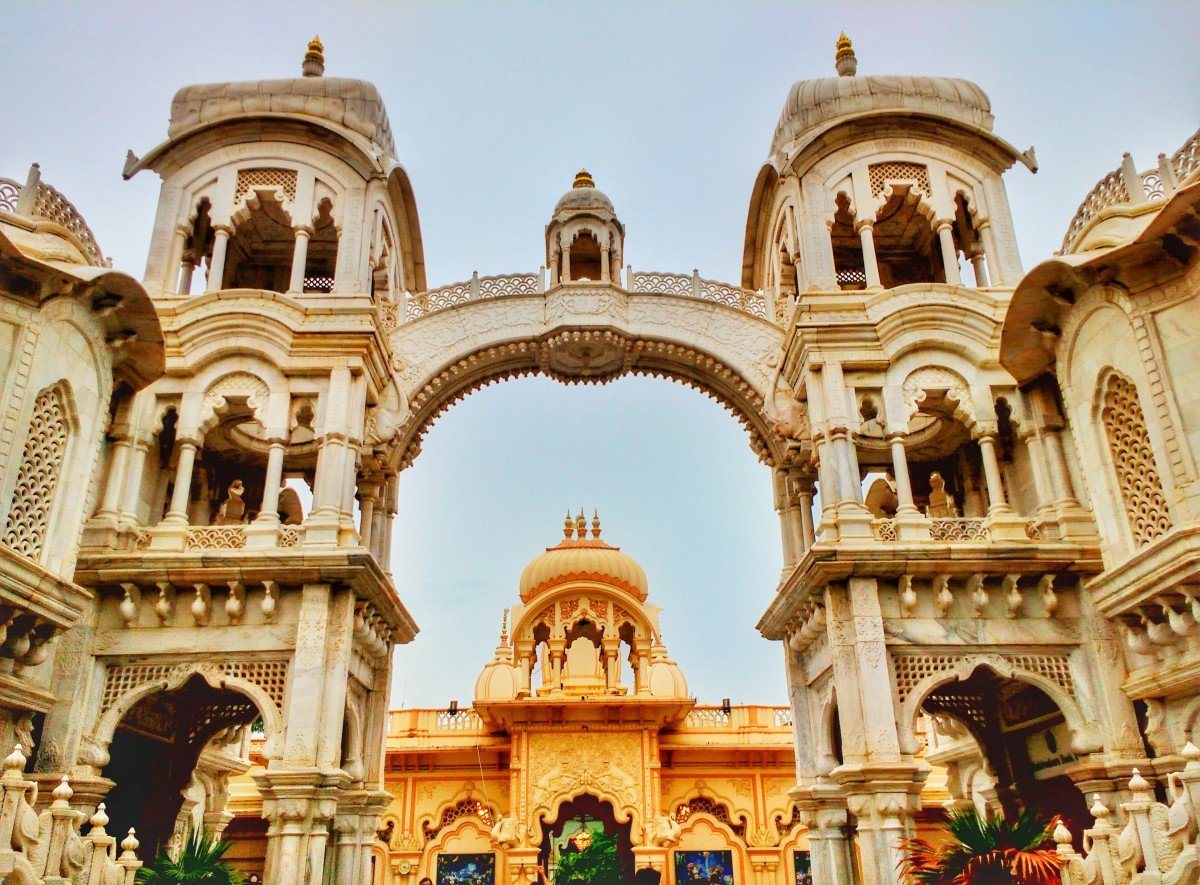
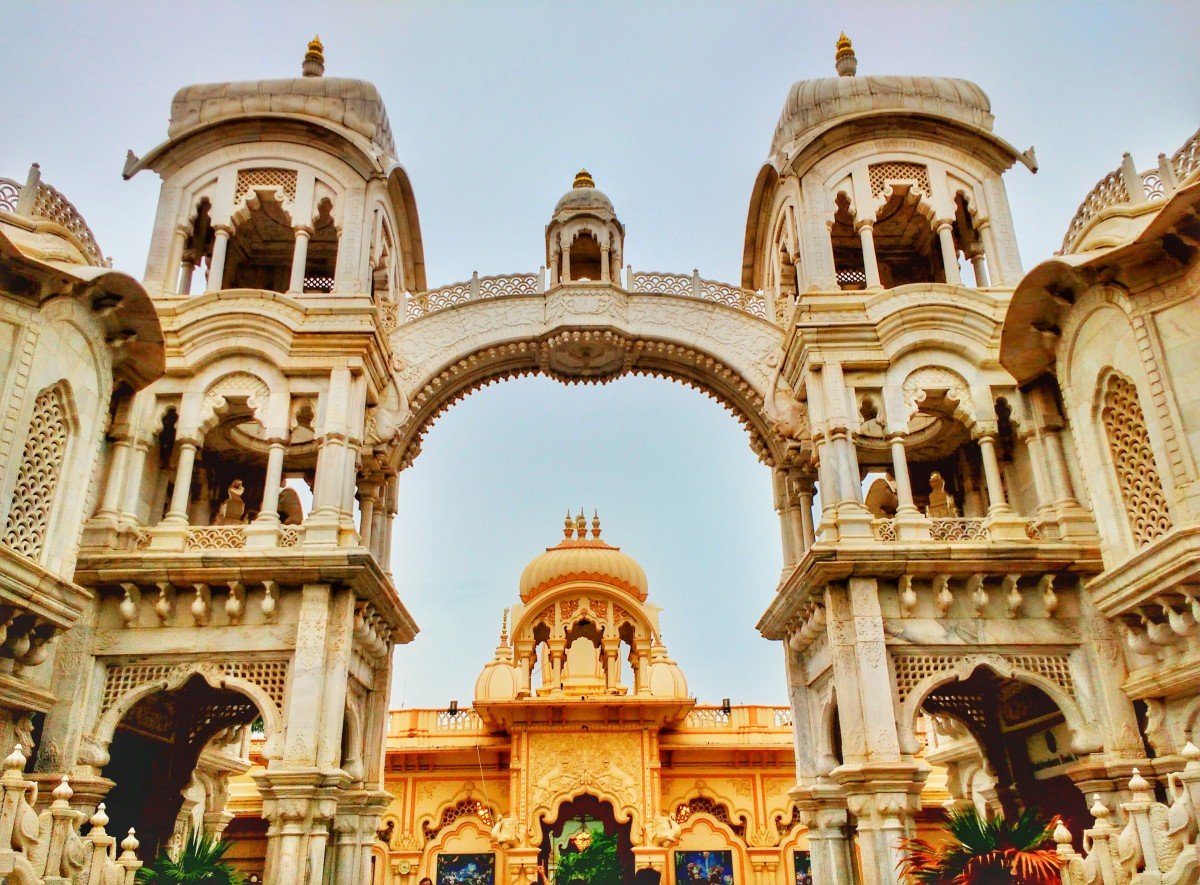
ISKCON Temple: The white marble arches and the beautifully dressed deities offer a serene and cla...Prem Mandir: The illuminated facade of the temple at night provides a fairy-tale-like setting for stunning architectural and night photography.
ISKCON Temple: The white marble arches and the beautifully dressed deities offer a serene and classical backdrop for photography during the daytime.
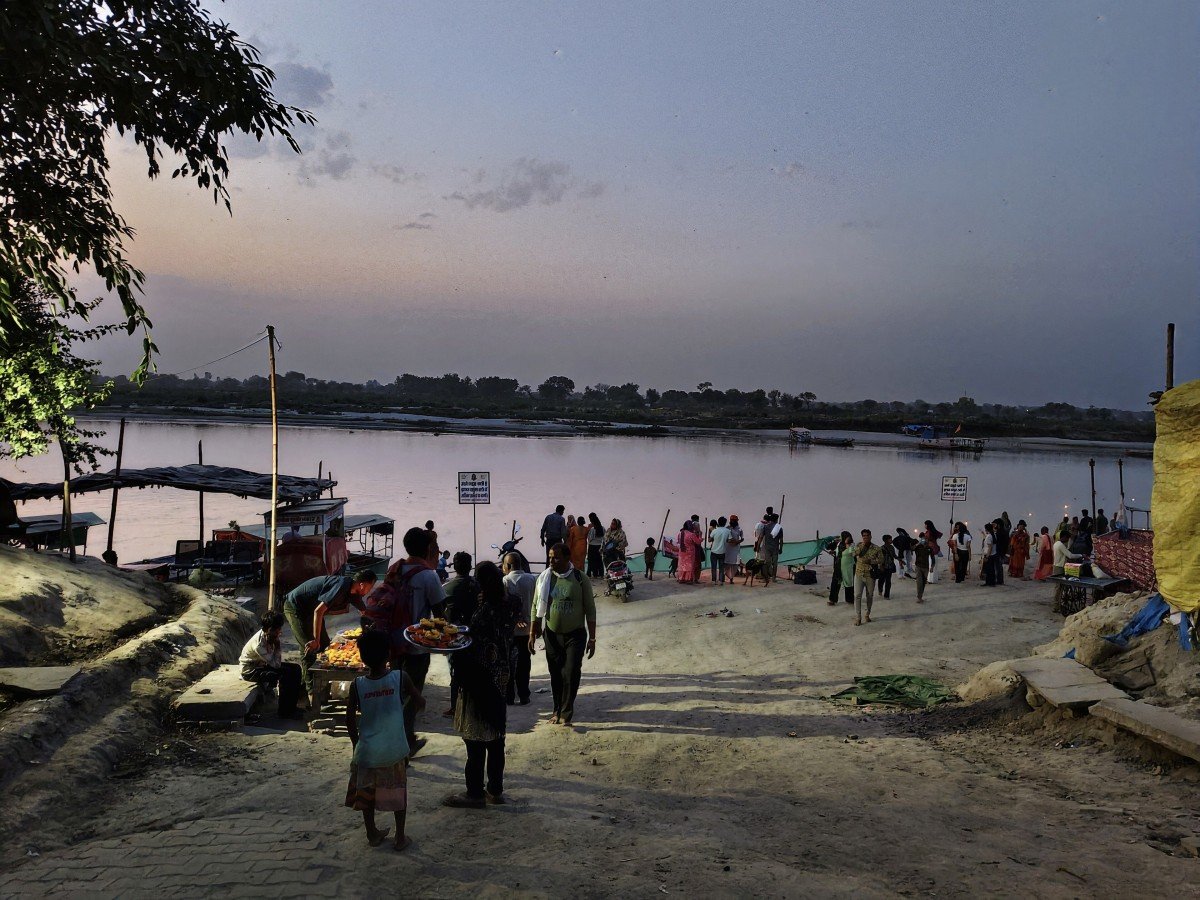
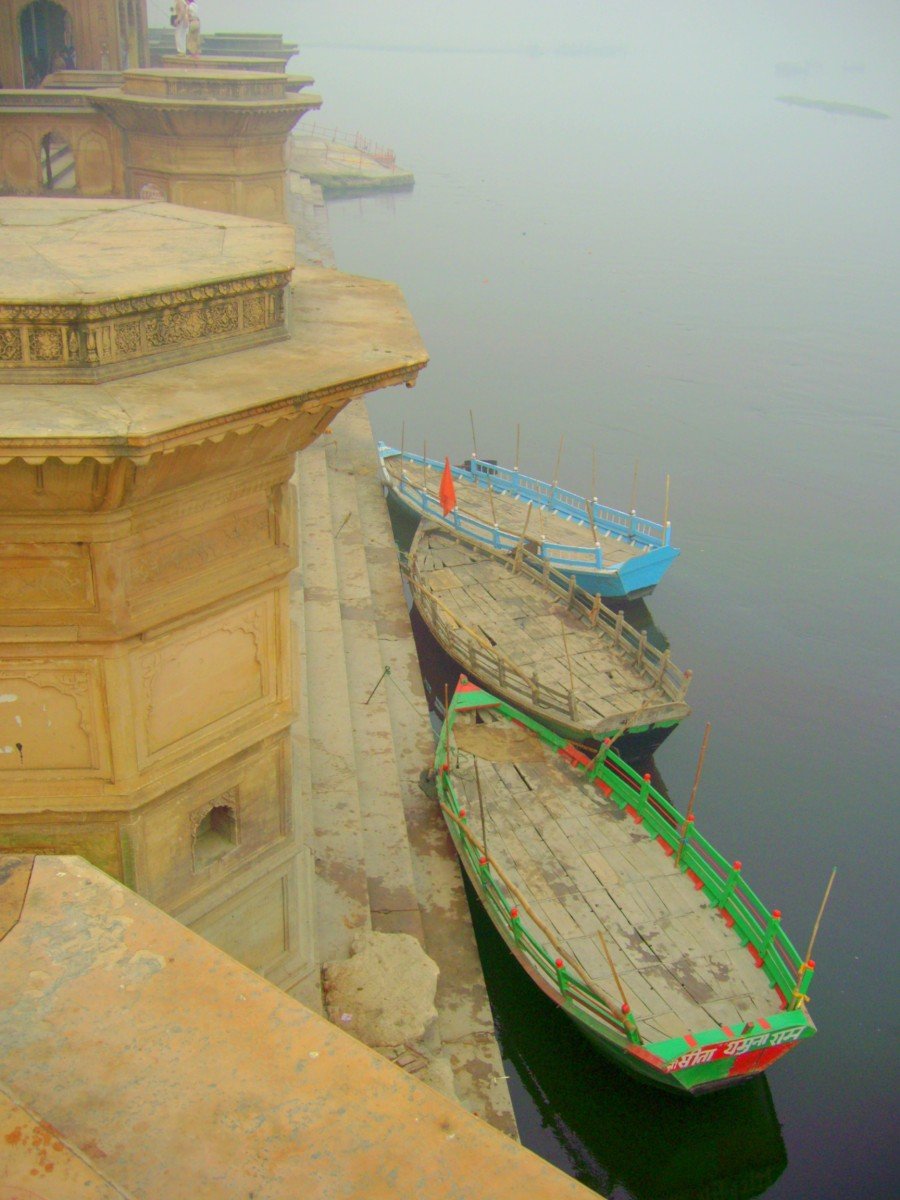
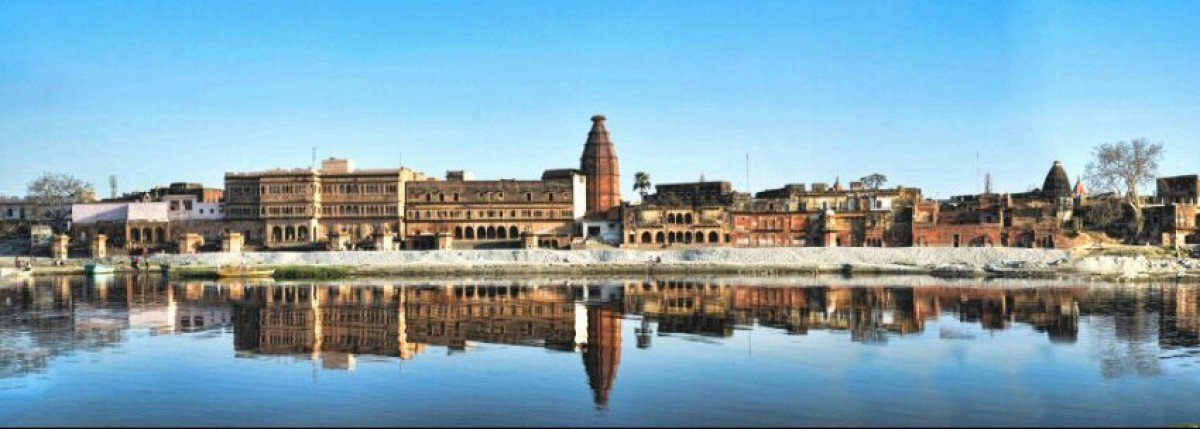
Keshi Ghat: The ancient stone steps and the reflection of the temples in the Yamuna river are perfect for capturing the soul of old Vrindavan.Photo Gallery
-India-(Country)-770-1200x1200.jpg)
-India-(Country)-278-1200x1200.jpg)
-India-(Country)-259-1200x1200.jpg)
-India-(Country)-251-1200x1200.jpg)
-India-(Country)-368-1200x1200.jpg)
-India-(Country)-850-1200x1200.jpg)
-India-(Country)-549-1200x1200.jpg)
Things To Do
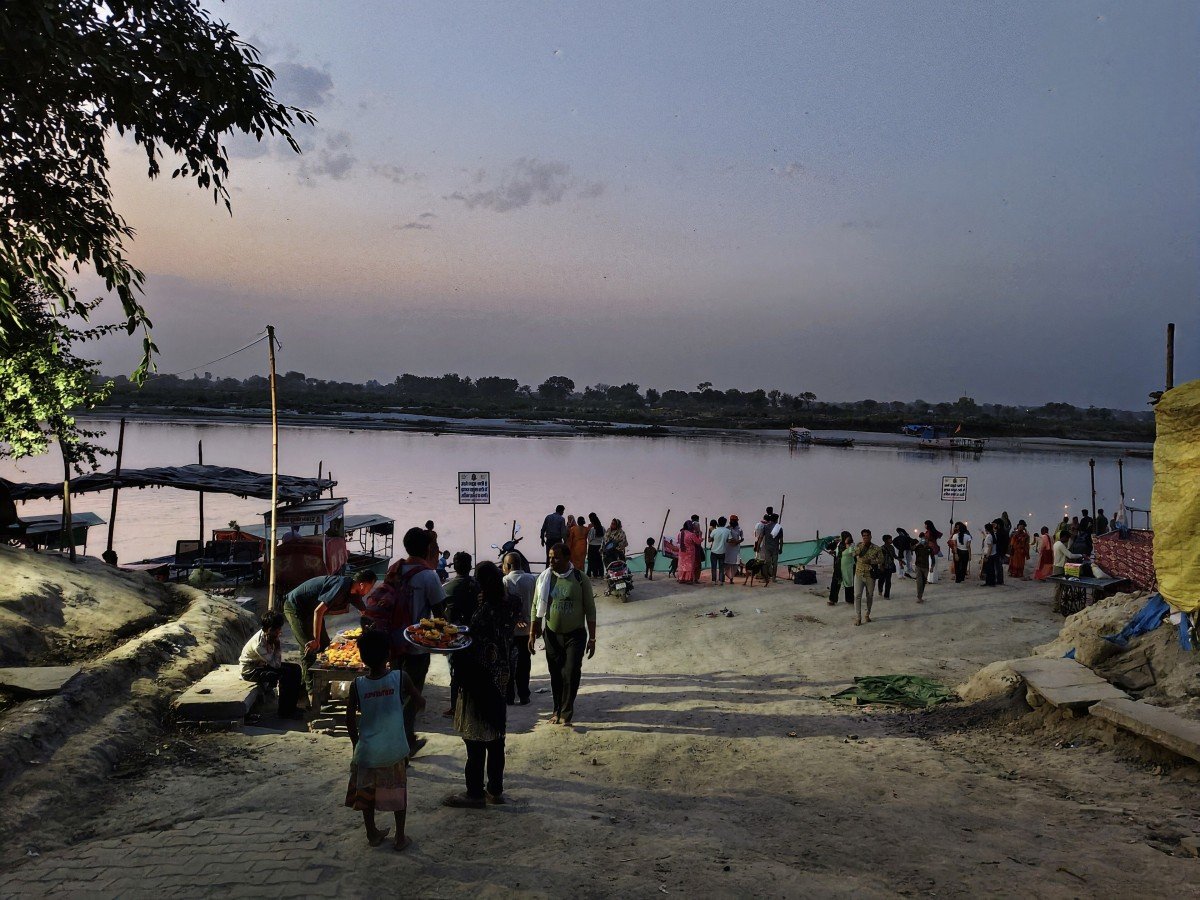
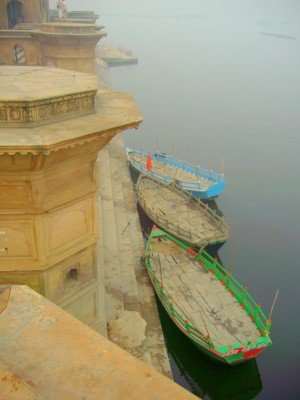 @@The Mythological Battle: Keshi Ghat is the most famous and prominent Ghat in Vrindavan on the Yamuna river. Its name is derived from the demon Keshi, whom Lord Krishna (in his youth) slew near this spot. After defeating the demon, Krishna is said to have bathed in the Yamuna here, thus sanctifying the waters. @@The Evening Aarti: The Ghat is internationally famous for the spectacular Yamuna Aarti ceremony performed every evening, similar to the one in Varanasi or Haridwar, drawing large crowds of pilgrims and tourists. @@Architectural Beauty: It is a picturesque location, with steps leading down to the water and the grand, yellow-colored Lalita Temple rising immediately behind it, providing an excellent backdrop.:
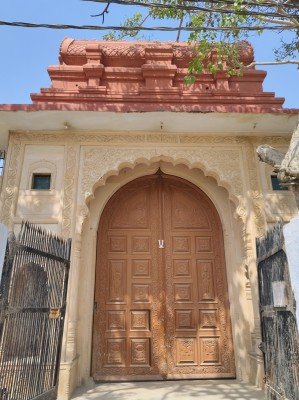 @@Sri Rangji Mandir, also known as Rangnath Ji Temple, is the largest temple in Vrindavan and is a stunning anomaly in the town, built in the traditional Dravidian style of South India rather than the typical North Indian Nagara or Braj style. It was constructed in 1851 by the wealthy Gopal Lal Seth of Lucknow after receiving a vision of Lord Ranganatha. The presiding deity is Lord Ranganatha (a form of Vishnu), who is seen in a reclining posture, and Godadevi (Andal) as his consort. The complex is a vast, fortified citadel featuring towering Gopurams (pyramidal gateways), a large temple tank (Pushkarni), a 50-foot-high gold-plated pillar (Dhvaja Stambha), and a high enclosure wall. The South Indian traditions, including the use of Sanskrit and Tamil in worship, are meticulously followed, providing a unique cultural and spiritual experience in North India.:
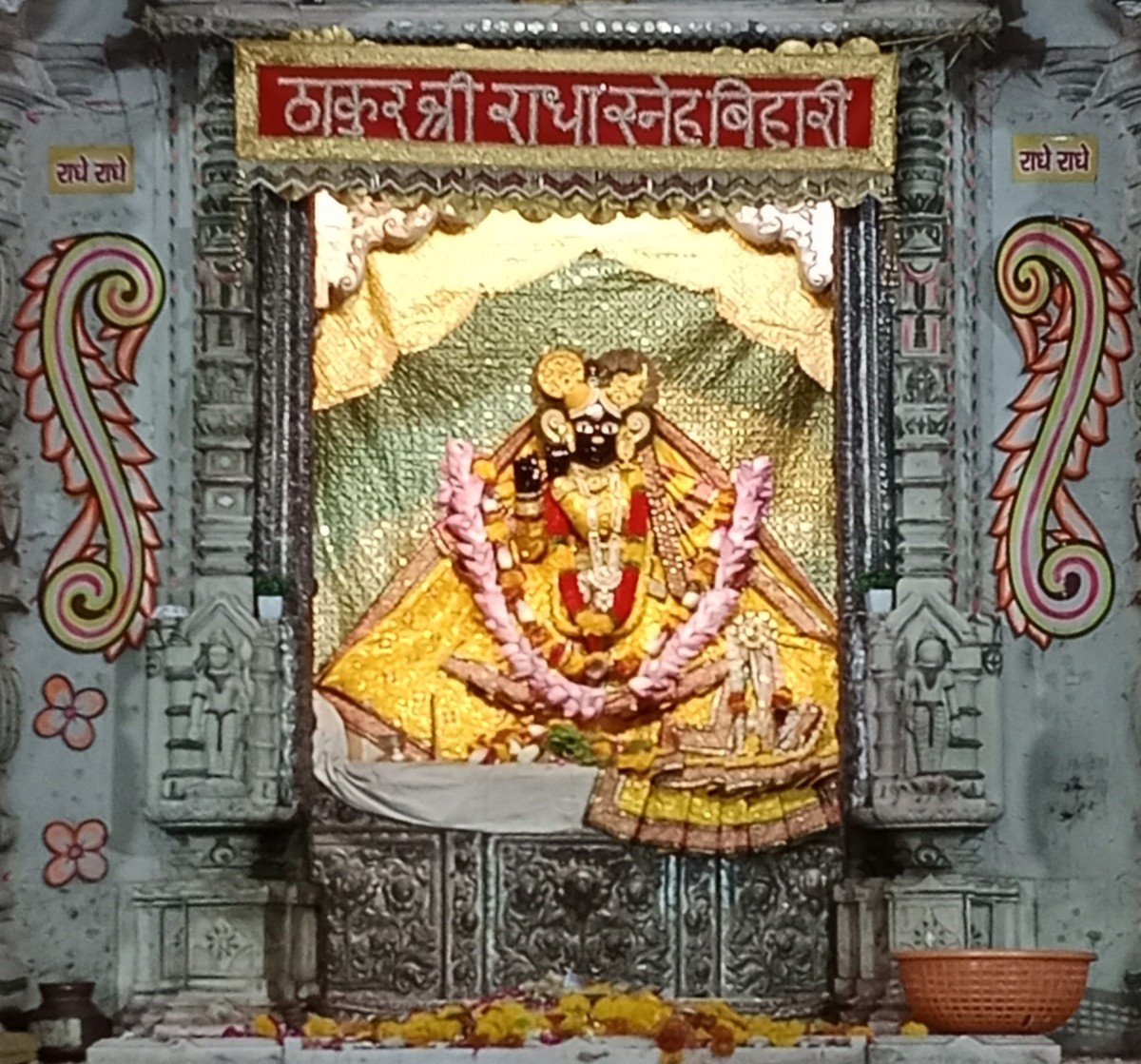
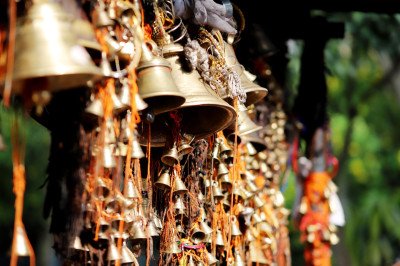 @@The Unique Deity: This is one of the oldest and most significant temples in Vrindavan, dedicated to Lord Shiva. The temple's unique feature is that the Shiva Lingam is dressed as a Gopi (female cowherd friend of Krishna), particularly in the evenings. This transformation is believed to be the wish of Lord Shiva himself to participate in Krishna's Raas Leela. @@The Legend of Gopeshwar: According to legend, Lord Shiva was stopped from entering the Raas Mandal (dance circle) because he was male. Vrinda Devi (the presiding deity of the Vrindavan forest) and Radha granted him entry only after he took a dip in the Yamuna and emerged in the form of a beautiful Gopi. Krishna then recognized him and named him Gopeshwar (Gopi-Ishwar or Lord of the Gopis).:
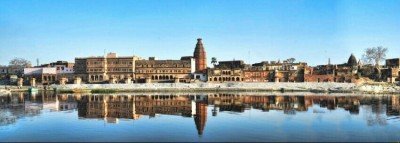 @@A Sanctuary on the River: Jugal Ghat is one of the 32 main Ghats (steps leading to the water) along the Yamuna river in Vrindavan. The name Jugal means 'couple,' and the Ghat is considered the sacred spot where Radha and Krishna performed their water pastimes (Jal Leelas) and bathed together. @@Historical Connection: The Ghat is located right behind the historical Jugal Kishore Temple (also known as Kesar Ghat temple), which was built in 1627 during the reign of Jahangir. @@Atmosphere: It is generally a quieter and less crowded Ghat compared to Keshi Ghat, offering a more serene environment for contemplation and witnessing the simple life of Vrindavan.:
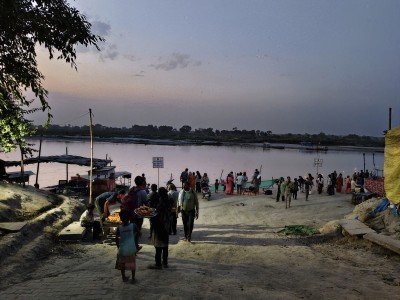 @@Note on Reference: The term Kesi Ghat is the correct Hindi spelling, while Keshi Ghat is the common English transliteration. Both names refer to the exact same major Ghat on the Yamuna river, famous for the slaying of the demon Keshi by Lord Krishna and the spectacular evening Yamuna Aarti. It is the most significant riverbank spot in Vrindavan for Snan (bathing) and Aarti (fire ceremony). All details, architecture, fame, timings, and travel for Kesi Ghat are identical to those provided for Keshi Ghat (Serial No. 8). The main feature remains the series of wide steps leading to the holy river and the adjacent Lalita Temple. The location is a hub of devotional activity, especially at sunset, when the ritual of floating lamps is performed.:
 @@History and Origin: Banke Bihari Temple was established by Swami Haridas in 1864 after the idol of Banke Bihari was moved from Nidhivan. The deity is a combined form of Radha and Krishna. @@The Black Beauty: The idol, with its captivating black complexion, is famously veiled by a curtain that is opened and closed every few minutes (Jhanki), believed to prevent devotees from falling completely into a trance of divine love. The deity is worshipped as a married couple, emphasizing the 'Sakhya Bhava' (friendly devotion) school of thought. The name Banke means 'bent' in three places, and Bihari means 'enjoyer'.:
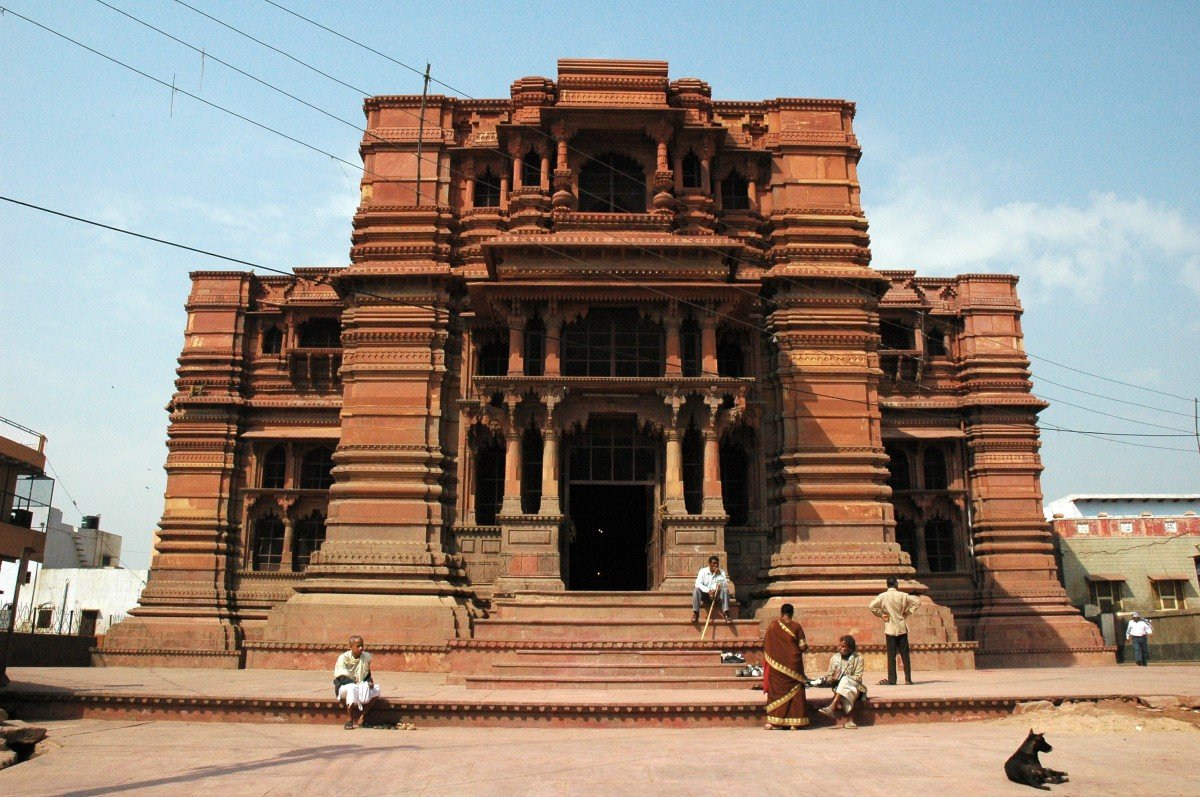
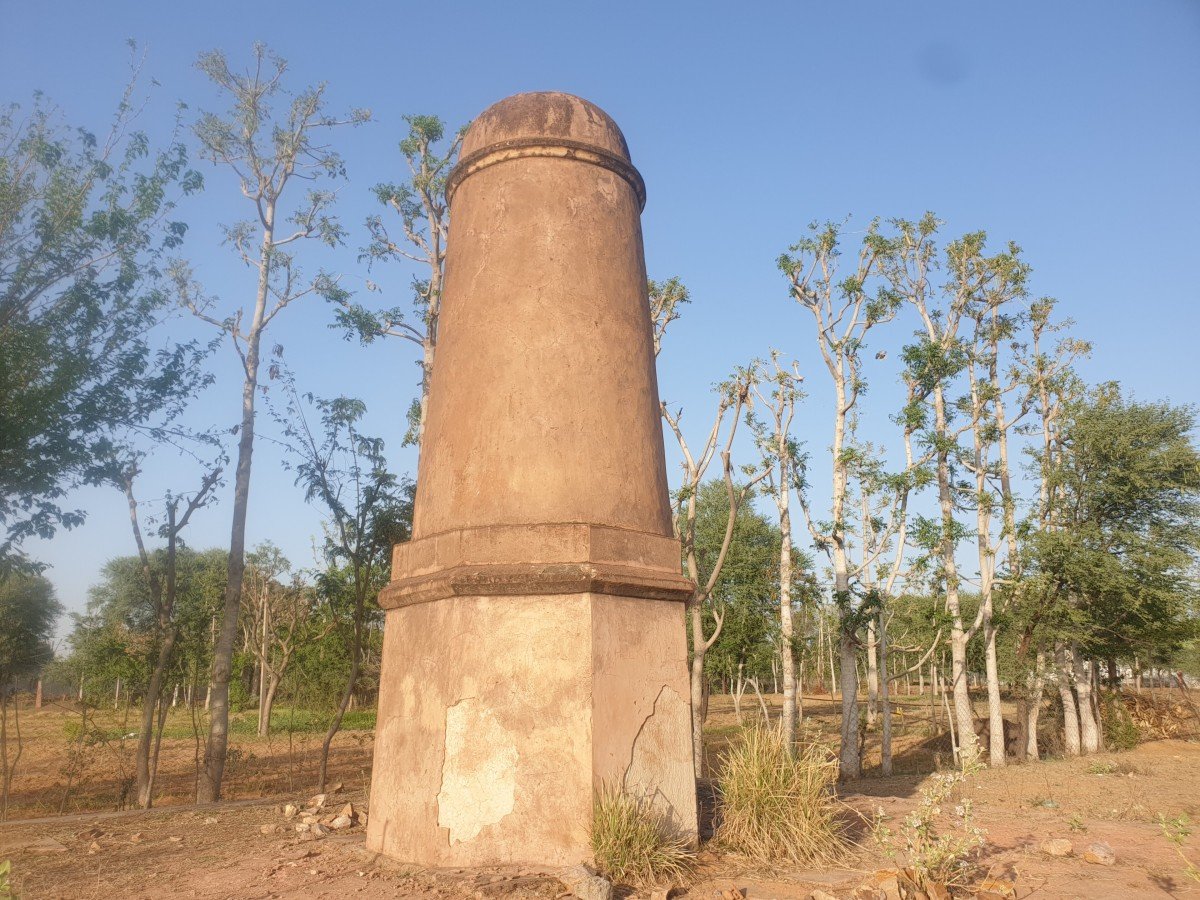
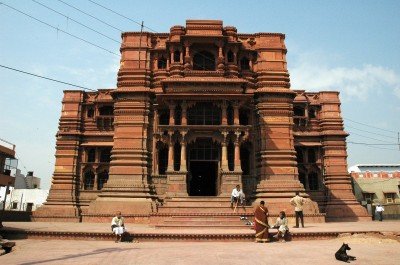 @@The Original Idol: This temple, also known as the Old Govind Devji Temple, once housed the original, highly revered idol of Govind Devji (Govinda is a name for Krishna). This deity was later moved to Jaipur for safety during the persecution by Mughal Emperor Aurangzeb. @@Historical Significance: Commissioned in 1590 by Raja Man Singh I of Amer (Jaipur), it was originally a magnificent seven-story structure, a testament to the patronage of Rajput rulers. Aurangzeb later ordered its demolition, leaving only a partial, impressive ruin. @@The Current Temple: A smaller, simpler structure was built behind the ruins in 1819 which now houses a replica of the original deity and continues the worship.:Show All
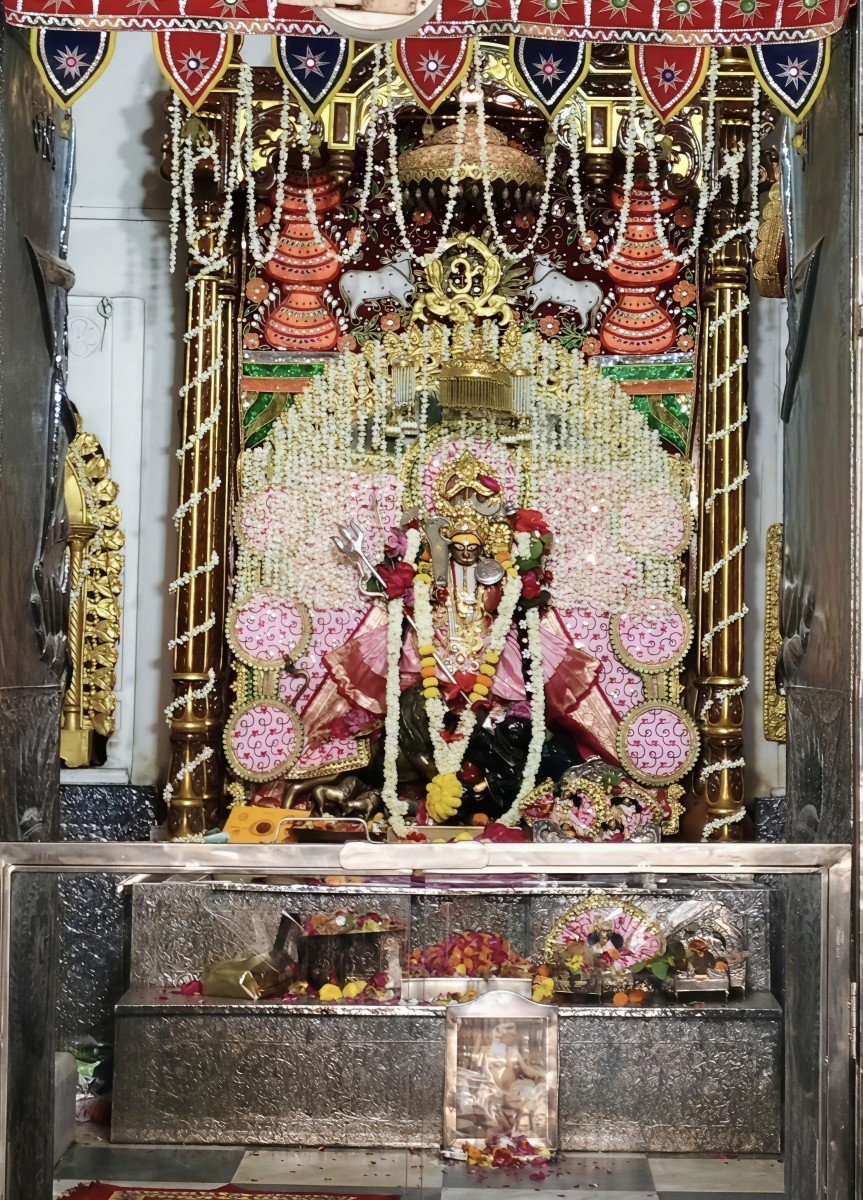
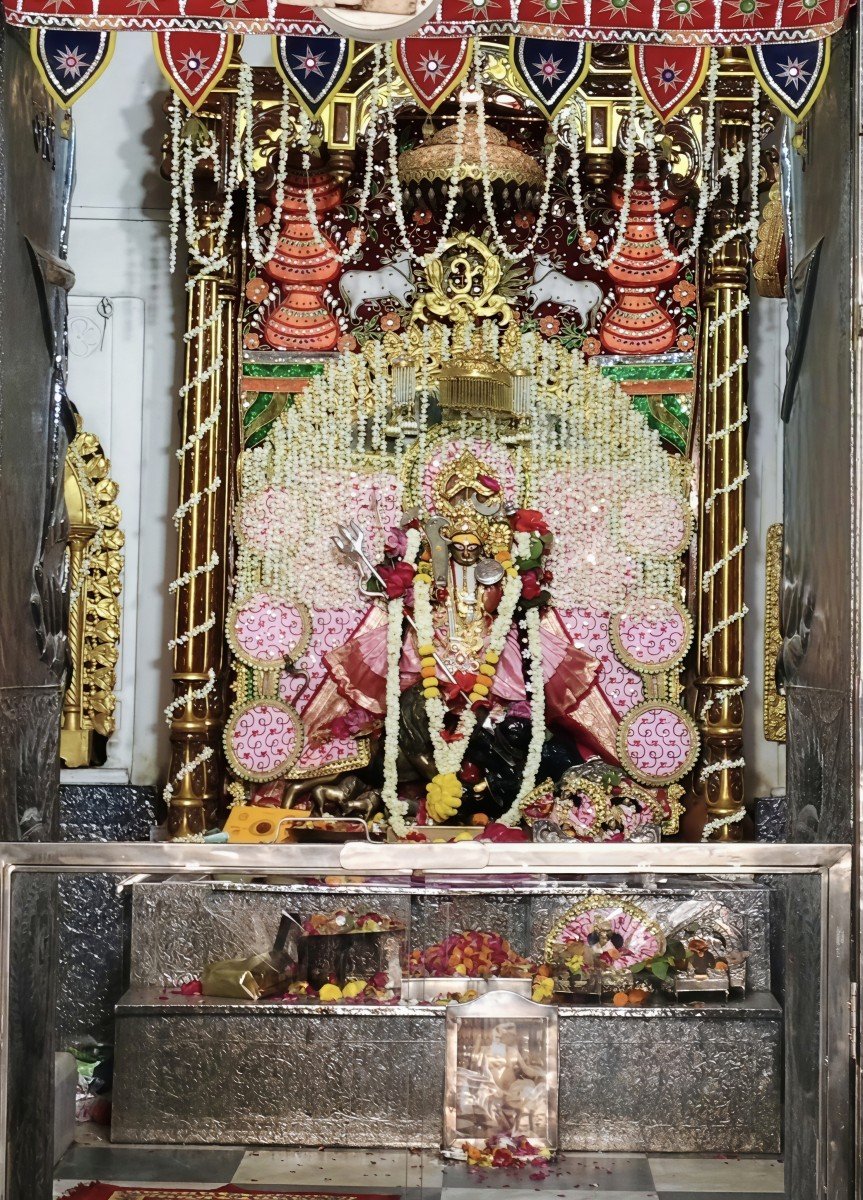
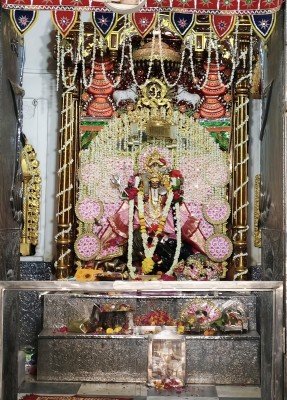 @@The Power Seat: Katyayani Peeth is a crucial religious site as it is revered as one of the 51 sacred Shakti Peethas across India. According to the mythology of Lord Shiva and Sati, the lock of hair (Kesha) of Goddess Sati is believed to have fallen at this spot. @@The Katyayani Form: The main deity is Maa Katyayani, a fierce yet benevolent form of Goddess Durga. The temple is also significant in the Vaishnav tradition, as it is believed that the Gopis performed the Katyayani Vrata here to attain Lord Krishna as their husband. @@The Temple Deities: The main sanctum houses Maa Katyayani along with Lord Shiva (Bhadreshwar), Ganesha, Surya, and Vishnu (Shaligram Shila), signifying a confluence of five major deities (Panch Dev Upasana).:
Information
-
Why Famous:
Banke Bihari: The deity here is believed to be the combined form of Radha and Krishna, and the "curtain ritual" during Darshan is a unique and famous attraction. Devotees believe a long gaze at the deity can make one lose their worldly consciousness.
Read MoreBanke Bihari: The deity here is believed to be the combined form of Radha and Krishna, and the "curtain ritual" during Darshan is a unique and famous attraction. Devotees believe a long gaze at the deity can make one lose their worldly consciousness.
Holi Celebrations: Vrindavan is world-renowned for its vibrant Holi celebrations, including the "Phoolon wali Holi" (Holi with flowers) and the "Lathmar Holi" in nearby areas. Thousands of people from across the globe gather to experience the riot of colors.
Nidhivan Mystery: This sacred forest is famous for the belief that Lord Krishna still performs Raas Leela here every night. The trees are uniquely bent towards the ground, and no one is allowed to stay in the forest after sunset.Architecture:
Nagara & Rajput Blend: The Banke Bihari Temple showcases a beautiful blend of traditional Nagara and Rajasthani architecture with intricate carvings and arched entrances. Its internal courtyard is designed to manage the massive flow of devotees during Darshan.Nagara & Rajput Blend: The Banke Bihari Temple showcases a beautiful blend of traditional Nagara and Rajasthani architecture with intricate carvings and arched entrances. Its internal courtyard is designed to manage the massive flow of devotees during Darshan.
Marble Excellence: Prem Mandir is a modern architectural masterpiece built entirely of Italian white marble, measuring 125 feet high and 122 feet wide. It features life-sized 3D depictions of Krishna's pastimes and stunning nighttime LED lighting.
Red Sandstone: The Govind Dev Ji Temple, built in 1590, is a massive structure of red sandstone that originally had seven stories, showcasing the grand scale of medieval Hindu temple architecture.How To Reach:
By Air: The nearest airport is Indira Gandhi International Airport in Delhi (150 KMS away) or the Kheria Airport in Agra (70 KMS away).
By Train: Mathura Junction (MTJ) is the main railway station just 10 KMS away, well-connected to Delhi, M...By Air: The nearest airport is Indira Gandhi International Airport in Delhi (150 KMS away) or the Kheria Airport in Agra (70 KMS away).
By Train: Mathura Junction (MTJ) is the main railway station just 10 KMS away, well-connected to Delhi, Mumbai, and all major Indian cities.
By Road: Vrindavan is easily accessible via the Yamuna Expressway from Delhi, taking approximately 2. 5 to 3 hours by car or Volvo bus.
By Local: Cycle rickshaws and e-rickshaws are the most convenient ways to navigate the narrow and busy streets of the temple town.Weather and Best Time to Visit:
Peak Season: October to March offers the best weather for walking between temples and participating in the various outdoor festivals and fairs.
Festive Months: Visiting during March for Holi or August for Janmashtami provides a high-energy e...Peak Season: October to March offers the best weather for walking between temples and participating in the various outdoor festivals and fairs.
Festive Months: Visiting during March for Holi or August for Janmashtami provides a high-energy experience of the local culture and traditions.Near Tourist Places:
Mathura (10 KMS), Gokul (15 KMS), Barsana (45 KMS), Nandgaon (50 KMS), Goverdhan (25 KMS), Agra (75 KMS), Delhi (150 KMS), Bharatpur (55 KMS), Deeg (60 KMS), Alwar (120 KMS)Tourism Tips
-
Health & Safety: Be extremely careful with your belongings and eyewear, as the monkeys in Vrindavan are known for snatching glasses and bags.
Packing: Wear modest and comfortable cotton clothes; it is customary to remove shoes outside every...Health & Safety: Be extremely careful with your belongings and eyewear, as the monkeys in Vrindavan are known for snatching glasses and bags.
Packing: Wear modest and comfortable cotton clothes; it is customary to remove shoes outside every temple, so wear easy-to-slip-on footwear.
Accommodation: Numerous Ashrams and hotels offer stays ranging from basic rooms to luxury suites; booking in advance is essential during festival seasons.
Monkey Tip: If a monkey takes your glasses, offering a pack of juice or a food item often encourages them to drop the stolen item safely.
Reviews
FAQs
Vrindavan Itineray And Cost:-
Other Places In Uttar Pradesh :-
Other States In India :-
Information about New and Updated Locations() of Uttar Pradesh Has Been Added :-
Card subtitle
Note:-
Information provided here in good Faith and for reference only.
Near Places
Agra
Some quick example text to build on the card title and make up the bulk of the card's content.
Go somewhere
Aligarh
Some quick example text to build on the card title and make up the bulk of the card's content.
Go somewhere
Ayodhya
Some quick example text to build on the card title and make up the bulk of the card's content.
Go somewhere
Azamgarh
Some quick example text to build on the card title and make up the bulk of the card's content.
Go somewhere
Bahraich
Some quick example text to build on the card title and make up the bulk of the card's content.
Go somewhere
Bareilly
Some quick example text to build on the card title and make up the bulk of the card's content.
Go somewhere
Chitrakoot
Some quick example text to build on the card title and make up the bulk of the card's content.
Go somewhere
Fatehpur Sikri
Some quick example text to build on the card title and make up the bulk of the card's content.
Go somewhere
Ghaziabad
Some quick example text to build on the card title and make up the bulk of the card's content.
Go somewhere
Gorakhpur
Some quick example text to build on the card title and make up the bulk of the card's content.
Go somewhere
Hastinapur
Some quick example text to build on the card title and make up the bulk of the card's content.
Go somewhere
Jhansi
Some quick example text to build on the card title and make up the bulk of the card's content.
Go somewhere
Kanpur
Some quick example text to build on the card title and make up the bulk of the card's content.
Go somewhere
Kushinagar
Some quick example text to build on the card title and make up the bulk of the card's content.
Go somewhere
Lucknow
Some quick example text to build on the card title and make up the bulk of the card's content.
Go somewhere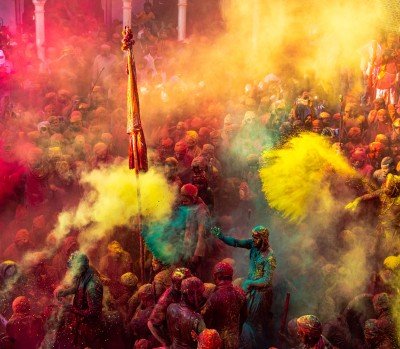
Mathura
Some quick example text to build on the card title and make up the bulk of the card's content.
Go somewherein Other Cities