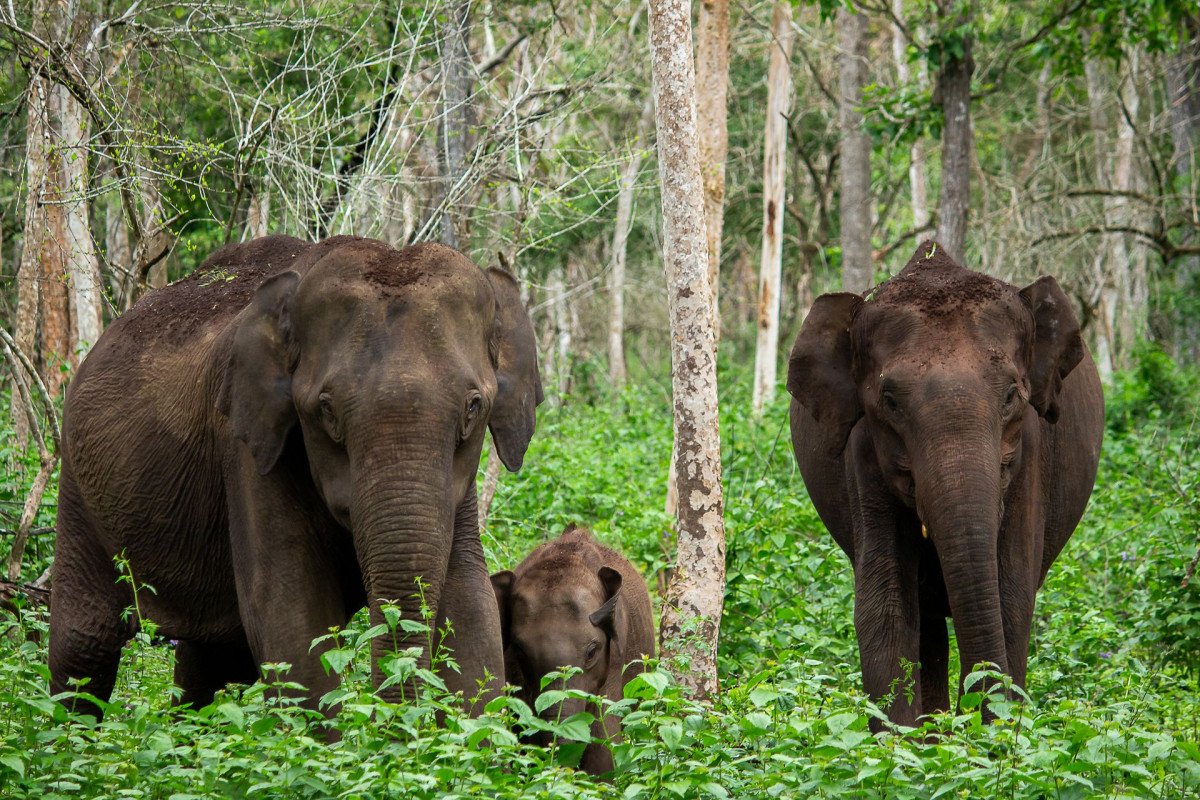
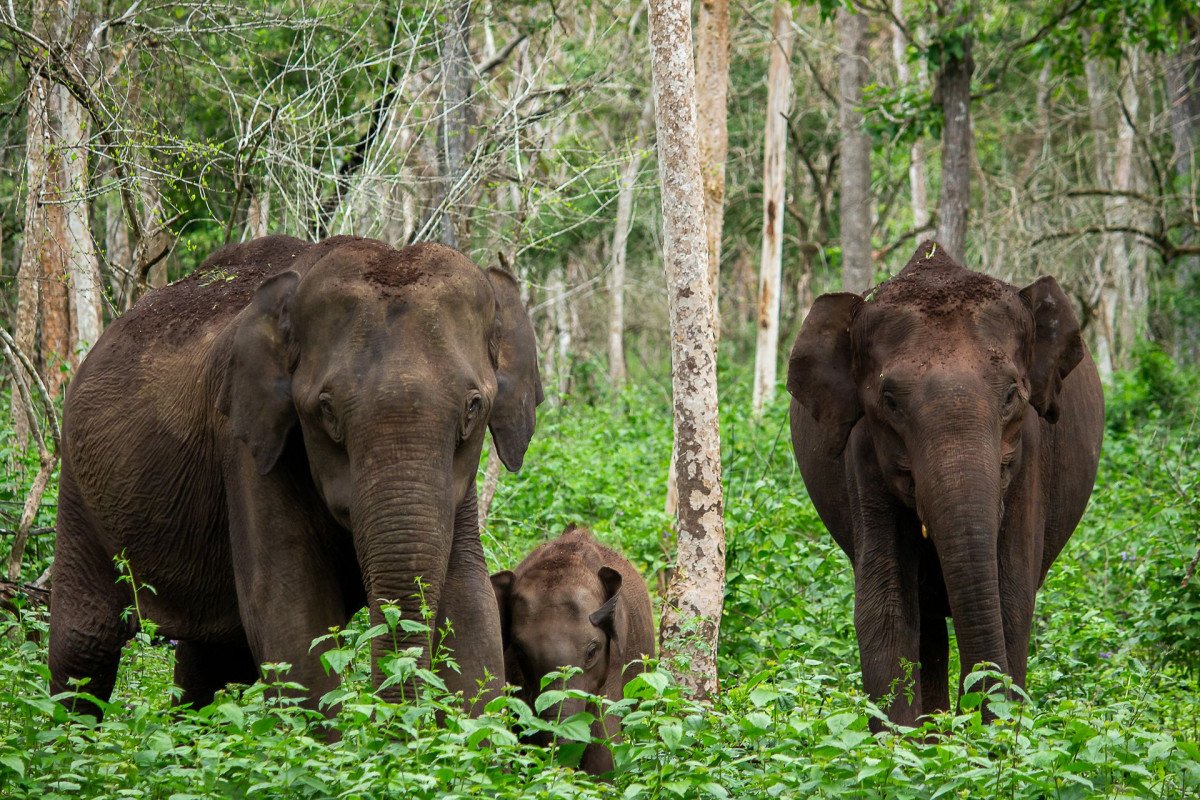
Waithou Protected Forest
General information
-
Ideal Duration:
1-2 hours (For a periphery view or a short permitted walk)Place Type:
Nature Reserve, Conservation Area, Biodiversity HoEntry Fees:
Official Permit Required:
Core Forest Access: Entry into the core or interior of the Waithou Protected Forest is strictly prohibited for the general public and requires a formal, written permit from the Divisional Forest Officer (DFO), Thouba...Official Permit Required:
Core Forest Access: Entry into the core or interior of the Waithou Protected Forest is strictly prohibited for the general public and requires a formal, written permit from the Divisional Forest Officer (DFO), Thoubal Forest Division. : The Permit Fee is usually nominal for research or academic purposes but may be substantial or denied for commercial activities (like filming/photography), reflecting the conservation focus. :
No General Entry Fee: There is no entry fee for viewing the forest from the adjacent public road (NH-102) or the periphery, but one must ensure they do not step beyond the demarcation lines. :
Penalty for Trespass: Unauthorized entry or collecting forest produce is an offense under the Indian Forest Act and carries significant fines and potential jail time; visitors must strictly adhere to the restricted boundaries at all times, making official permission a must for any internal exploration.Timing:
Regular Timings:
Daylight Observation Only: As an ecological reserve, access and observation are strictly confined to daylight hours (6:00 AM to 6:00 PM); any movement in the vicinity after dark is strongly discouraged due to security and th...Regular Timings:
Daylight Observation Only: As an ecological reserve, access and observation are strictly confined to daylight hours (6:00 AM to 6:00 PM); any movement in the vicinity after dark is strongly discouraged due to security and the presence of wild animals. :
Restricted Access: Even with a permit, the hours of access may be further restricted to specific times (e. g. , 9:00 AM to 4:00 PM) as directed by the forest guard who may accompany the visiting party, prioritizing the forest's undisturbed state. :
Ideal Visit Time:
Optimal - Winter (November to February): The Ideal Visit Time is the Winter season, as the cool, dry weather makes hiking (with permission) easier, the risk of mud/snakes is lower, and the forest canopy is less thick, sometimes offering clearer views. :
Best for Fauna - Early Morning: For the best chance of spotting birds or small mammals, a visit just at dawn (6:00 AM to 7:30 AM) is necessary, as this is when the animals are most active at the forest fringe before the day's heat sets in.Special Events:
Van Mahotsav (Tree Planting Festival): The forest department, in collaboration with local community groups, regularly organizes large-scale tree planting and conservation awareness events, particularly during the annual Van Mahotsav (July month in Manipur). : These events ar...Van Mahotsav (Tree Planting Festival): The forest department, in collaboration with local community groups, regularly organizes large-scale tree planting and conservation awareness events, particularly during the annual Van Mahotsav (July month in Manipur). : These events are a great opportunity for visitors to participate in a meaningful environmental activity, planting saplings and interacting with the officials and local environmentalists. :
Anti-Encroachment Awareness Camps: Following the recent eviction drives, the Forest Department occasionally conducts public awareness camps near the forest boundary, educating locals on forest laws, the importance of conservation, and the penalties for encroachment. : These are unique, technical events for visitors to learn about the legal and social framework of forest management in the state, offering a strong socio-political context to the site. :
Local Community Forest-Deity Worship: Some local communities may hold traditional, periodic puja or worship ceremonies dedicated to the forest-dwelling deities, usually held at a designated spot on the forest fringe, praying for its health and the community's well-being. : These traditional rites are deeply spiritual and cultural, often involving offerings and traditional music, but visitors must be respectful and observe from a distance.Best Photo Spots:
The Morning Canopy Outline: The absolute best spot is the roadside viewpoint on NH-102 (near the lake) at sunrise, focusing on the silhouette of the rugged, dense Waithou Ching forest canopy against the bright orange and yellow sky. : This is perfect for dramatic, atmospheri...The Morning Canopy Outline: The absolute best spot is the roadside viewpoint on NH-102 (near the lake) at sunrise, focusing on the silhouette of the rugged, dense Waithou Ching forest canopy against the bright orange and yellow sky. : This is perfect for dramatic, atmospheric shots, emphasizing the forest's imposing presence over the flat valley, best captured in the cool Winter air. :
Natural Wall of Greenery: The photo spot from the main boundary gate (if one exists) offers an excellent close-up, textured shot of the dense, impenetrable wall of mixed foliage, highlighting the biodiversity of the Tropical Moist Deciduous forest. : This is ideal for detailed shots of leaves, vines, and the interplay of shadow and light within the undergrowth, best shot around mid-morning on a sunny day. :
Forest and Water Contrast: A position on the opposite bank of Waithou Lake provides the best perspective to photograph the juxtaposition of the dense, dark-green forest on the hill with the calm, reflective surface of the lake below. : This iconic view, best captured in the late afternoon or early morning, perfectly frames the dual nature of the entire Waithou natural area, emphasizing its unique topographical context.Photo Gallery
Things To Do
-
Responsible Nature Viewing (Periphery):
Walk the Perimeter Road: Take a quiet walk or a very slow drive along the non-highway, low-traffic road that runs along the periphery of the forest, observing the dense canopy and listening to the various bird calls emanating from the trees. :
Identify Tree Species: Use a local guide or an identification book to identify the dominant tree species of the Tropical Moist Deciduous forest type, such as various species of bamboo, teak, and native local hardwoods. :
Bird and Wildlife Spotting: Use binoculars to patiently watch the forest edge, especially in the early morning, for sightings of monkeys, squirrels, deer, or various species of local birds and butterflies that feed along the forest boundary. :Responsible Nature Viewing (Periphery):
Walk the Perimeter Road: Take a quiet walk or a very slow drive along the non-highway, low-traffic road that runs along the periphery of the forest, observing the dense canopy and listening to the various bird calls emanating from the trees. :
Identify Tree Species: Use a local guide or an identification book to identify the dominant tree species of the Tropical Moist Deciduous forest type, such as various species of bamboo, teak, and native local hardwoods. :
Bird and Wildlife Spotting: Use binoculars to patiently watch the forest edge, especially in the early morning, for sightings of monkeys, squirrels, deer, or various species of local birds and butterflies that feed along the forest boundary. :
Engaging in Formal Research (Requires Permit):
Apply for a Forest Research Permit: For serious nature lovers, the most rewarding activity is applying for a formal, multi-day Forest Research Permit from the Thoubal Forest Division office, detailing your study (e. g. , botany, entomology, or ornithology). :
Guided Eco-Hike: If the permit is granted, go on a long, strenuous, but guided eco-hike with a forest guard into the forest's interior, strictly following the designated trails to minimize disturbance and maximize safety from wild animals. :
Documenting Conservation Challenges: Engage in a photography or video project focused on documenting the successful conservation efforts, the challenge of boundary demarcation, and the forest guards' daily patrol and protection duties, raising awareness for the site. :
Leisure and Reflection (External):
Sketching the Hill: Set up an easel or a notebook outside the forest boundary, perhaps near the lake, to sketch or paint the majestic outline of the Waithou Ching hill and its dense, protective forest cover. :
Picnic with a View: Have a quiet, responsible picnic on the lake side of the highway, using the forest hill as a dramatic backdrop, ensuring absolutely all litter is carried out, maintaining respect for the protected status of the area.
Information
-
Why Famous:
Ecological Buffer and Water Source: The Waithou Protected Forest is famous as a critical ecological buffer for the entire Waithou Lake and the surrounding farmlands, ensuring the long-term water quality and hydrological balance of the plain. : It is renowned for its role in ...Ecological Buffer and Water Source: The Waithou Protected Forest is famous as a critical ecological buffer for the entire Waithou Lake and the surrounding farmlands, ensuring the long-term water quality and hydrological balance of the plain. : It is renowned for its role in preventing the siltation of Waithou Lake and controlling surface run-off during the heavy Monsoon rains, protecting the crucial NH-102 highway from landslides and erosion. :
Habitat for Avian Life: It is a local haven for a wide variety of avian life, providing nesting and roosting sites for the birds that forage in the adjacent lake and the fields, making it famous among local conservationists and birdwatchers. : The dense, protected canopy ensures a safe, undisturbed breeding environment, contributing significantly to the regional biodiversity and the richness of the local ecosystem. :
Symbol of Conservation Struggle: The forest's fame is also linked to the high-profile efforts to protect it from encroachment, making it a current, prominent symbol of the ongoing conservation struggle in Manipur and the government's resolve to enforce forest laws. : It represents the inherent conflict between resource protection and population pressure, giving it a strong contemporary socio-political significance in the local media. -
Architecture:
Natural Hill Formations: The "architecture" is primarily natural geology, characterized by the steep slopes and rugged terrain of the Waithou Ching hill, which is a remnant formation of the ancient geological processes that shaped the Manipur valley. : The forest itself grow...Natural Hill Formations: The "architecture" is primarily natural geology, characterized by the steep slopes and rugged terrain of the Waithou Ching hill, which is a remnant formation of the ancient geological processes that shaped the Manipur valley. : The forest itself grows on the natural contours of the hill, with the dense foliage and root systems acting as the natural "binding architecture" to stabilize the soil and prevent heavy monsoon erosion down into the lake and highway. :
Dimension: The exact area is subject to boundary demarcation but covers a significant portion of the hill, with elevations varying from the base at the highway level (approx. 800 meters) to the hill summit (potentially a few hundred meters higher). :
Minimal Man-Made Structures: The man-made architecture is minimal and functional, consisting of small forest guard posts, demarcation pillars, and perhaps a few rudimentary check gates to regulate entry into the reserve, reflecting a strict conservation-first approach. : The key 'structure' is the presence of fire lines—cleared, controlled strips of land—which are strategically cut through the forest to contain any potential forest fires, which is a crucial management technique during the dry season. : Any paths or trails within the forest are usually narrow, unpaved, and naturally formed by the forest department or local use, focusing on minimal environmental impact and maintaining the forest's rugged, natural character. -
How To Reach:
By Air: The nearest airport is Imphal International Airport (IMF), located about 35-40 KMS from the forest area. : From IMF, a direct taxi can be hired, following NH-102 (the Imphal-Moreh road) towards Thoubal; the forest hill is clearly visible on the right side of the roa...By Air: The nearest airport is Imphal International Airport (IMF), located about 35-40 KMS from the forest area. : From IMF, a direct taxi can be hired, following NH-102 (the Imphal-Moreh road) towards Thoubal; the forest hill is clearly visible on the right side of the road, and the journey takes around 1 hour. :
By Train: The nearest railhead is Dimapur Railway Station (DMV) in Nagaland, approximately 220 KMS away. : The very long road journey from DMV to Imphal and then the short trip to Waithou is the least convenient option; for a smooth visit, fly to Imphal and proceed by road. :
By Road: The Waithou Protected Forest is situated directly adjacent to National Highway 102, making it one of the most visible and accessible forest reserves in the state. : Shared taxis and private vehicles traveling between Imphal and Thoubal pass by it constantly; the journey from Thoubal town center takes less than 10 minutes by local auto or cab. :
By Local Transport: From the main Thoubal Bazar, local auto-rickshaws or shared Winger vehicles that ply the NH-102 route towards Imphal will quickly drop you right at the edge of the protected forest boundary, which is clearly marked and impossible to miss due to the prominent hill. -
Weather and Best Time to Visit:
Seasons Ideal - Winter (November to February): Winter provides the most comfortable conditions for observation and any permitted hiking, with cool, dry air, clear skies, and excellent visibility of the forest's physical boundaries and the overall valley landscape. :
<...Seasons Ideal - Winter (November to February): Winter provides the most comfortable conditions for observation and any permitted hiking, with cool, dry air, clear skies, and excellent visibility of the forest's physical boundaries and the overall valley landscape. :
Monsoon (June to September): While the forest is at its lushest and greenest during the Monsoon, the heavy rain makes the slopes extremely slippery and dangerous, significantly increasing the risk of landslides and restricting movement. : Different Parts of the Day Best - Sunrise to Mid-Morning: A visit from 6:00 AM to 10:00 AM is optimal for bird activity, spotting small mammals, and capturing the morning mist and soft light on the forest canopy, creating the most atmospheric photographs. :
Avoid - Midday Heat: The period from 11:00 AM to 4:00 PM should be avoided due to the intense sun and heat, which minimizes animal activity and makes observation from the road highly uncomfortable due to glare. -
Near Tourist Places:
Waithou Lake (0. 5 KMS), Thoubal River (4 KMS), Thoubal Bazar (4 KMS), Khongjom War Memorial (5 KMS), Wangjing Town (8 KMS), Kakching Town (18 KMS), Arong Dam (21 KMS), Ikop Lake (23 KMS), Loktak Lake (35 KMS), Imphal City Center (35 KMS)
Tourism Tips
-
Health & Safety:
Never Enter Without a Guard: Due to potential encounters with wild animals (including snakes and some predatory animals) and the risk of getting lost on unmarked trails, never attempt to enter the forest interior without an o...Health & Safety:
Never Enter Without a Guard: Due to potential encounters with wild animals (including snakes and some predatory animals) and the risk of getting lost on unmarked trails, never attempt to enter the forest interior without an official Forest Guard and a valid permit. :
Wear Protective Gear: If permitted to hike, wear long-sleeved shirts, sturdy trousers, and ankle-protecting boots, and use walking sticks to ward off small wildlife and navigate the uneven, steep terrain. :
Packing:
Official Documentation: Always carry your valid Photo ID and, most crucially, your official Forest Entry Permit (if applicable) for immediate verification by patrolling guards, avoiding any legal issues. :
High-Power Binoculars: The best viewing is done from the periphery; a high-power pair of binoculars and a camera with a strong zoom lens are essential for observing the canopy life from a safe distance. :
Accommodation:
Stay in Thoubal Town: The nearest reliable accommodation is in Thoubal town (a 10-minute drive); plan the visit as a focused early morning or late afternoon trip from your base in Thoubal or Imphal. :
Other Different Topics Heading:
Respect Demarcation: Always respect the visible demarcation lines, fences, and signboards that indicate the protected boundary; photography of the periphery is encouraged, but encroachment is strictly prohibited and is monitored by the Forest Department.
Reviews
FAQs
Thoubal Itineray And Cost:-
Waithou Protected Forest Tourism:-
Other Places In Thoubal :-
Other States In India :-
Information about New and Updated Locations() of Manipur Has Been Added :-
Card subtitle
Note:-
Information provided here in good Faith and for reference only.
Near Places
Arong Dam
Some quick example text to build on the card title and make up the bulk of the card's content.
Go somewhere
Eikhoi Gi Khongnang Makhong
Some quick example text to build on the card title and make up the bulk of the card's content.
Go somewhere
Heirok Hill
Some quick example text to build on the card title and make up the bulk of the card's content.
Go somewhere
Heirok Part III
Some quick example text to build on the card title and make up the bulk of the card's content.
Go somewhere
Heirok River
Some quick example text to build on the card title and make up the bulk of the card's content.
Go somewhere
Ikop Lake
Some quick example text to build on the card title and make up the bulk of the card's content.
Go somewhere
Irong Chesaba
Some quick example text to build on the card title and make up the bulk of the card's content.
Go somewhere
Kakching Hill
Some quick example text to build on the card title and make up the bulk of the card's content.
Go somewhere
Kakching Lamkhai
Some quick example text to build on the card title and make up the bulk of the card's content.
Go somewhere
Kakching Town
Some quick example text to build on the card title and make up the bulk of the card's content.
Go somewhere
Khongjom War Memorial Complex
Some quick example text to build on the card title and make up the bulk of the card's content.
Go somewhere
Khudei Community Reserve
Some quick example text to build on the card title and make up the bulk of the card's content.
Go somewhere
Komlakhong Chingthi Hill
Some quick example text to build on the card title and make up the bulk of the card's content.
Go somewhere
Langol Tourist Watch Tower
Some quick example text to build on the card title and make up the bulk of the card's content.
Go somewhere
Litan Wangma
Some quick example text to build on the card title and make up the bulk of the card's content.
Go somewhere
Loukon Pat
Some quick example text to build on the card title and make up the bulk of the card's content.
Go somewherein Other Cities