Hatisatra
General information
-
Ideal Duration:
1 to 2 hours (Sufficient time to observe the architecture, carvings, and experience the serene atmosphere, especially during a prayer session).Place Type:
Religious/Spiritual, Heritage, Architectural MarveEntry Fees:
General Entry:
No Fee: The Hatisatra, like most Satras and religious places in Assam, does not charge an official entry fee for visitors or pilgrims. The tradition of Satra is one of open access for spiritual seekers and devotees. The insti...General Entry:
No Fee: The Hatisatra, like most Satras and religious places in Assam, does not charge an official entry fee for visitors or pilgrims. The tradition of Satra is one of open access for spiritual seekers and devotees. The institution is maintained through endowments, community support, and voluntary donations. Visitors are free to enter the complex, explore the Naamghar (prayer hall), and observe the outside architecture without any compulsory charge.
Voluntary Donation (Bheti): While there is no fee, visitors are encouraged to make a small, voluntary donation, known locally as Bheti or Seva, towards the maintenance of the Satra and its activities. This is considered an offering of respect for the institution, the deity, and the resident Bhakats. Donations can be placed in a designated collection box or given directly to the Satradhikar or a senior Bhakats.
Photography/Special Access Charges: In certain cases, for professional photography, videography, or special access (e. g. , to the Manikut or during a specific ritual), it is advisable to seek explicit permission from the Satradhikar. Though not common, a nominal contribution or fee might be requested for such specialized access to support the ongoing preservation efforts of the ancient site and its artifacts.
Costs for Offerings (Prasad): Visitors wishing to make offerings to the deity or participate in the Nama Prasanga might incur a small cost for purchasing Prasad (offering materials like fruits, flowers, or a small cloth) from local vendors near the Satra. This is entirely optional and part of the traditional ritualistic visit.Timing:
Regular Timings (Satra Opening Hours): The Hatisatra generally follows a routine typical of Sattriya monasteries. While there are no strict "gate timings" like a modern tourist attraction, the main Naamghar and the complex are usually accessible to visitors from early morni...Regular Timings (Satra Opening Hours): The Hatisatra generally follows a routine typical of Sattriya monasteries. While there are no strict "gate timings" like a modern tourist attraction, the main Naamghar and the complex are usually accessible to visitors from early morning (around 6:00 AM) until late evening (around 7:00 PM or 8:00 PM). The timings are often centered around the three main prayer sessions (Nama Prasanga) of the day: morning, noon, and evening.
Ideal Visit Time (A Focus on Spirituality): The absolute ideal time to visit is during one of the daily Nama Prasanga sessions. The most serene and culturally rich time is the early morning session (often between 6:30 AM and 8:00 AM) or the evening session (around 5:00 PM to 6:30 PM). Visiting during these times allows you to witness the Satra's spiritual function in full swing, listen to the devotional chanting, and absorb the deeply tranquil atmosphere.
Midday Visit: A visit during the midday (between 11:00 AM and 3:00 PM) is usually less crowded, offering better opportunities for viewing and photographing the wood carvings and architecture in detail, especially when there is strong natural light. However, the spiritual activities might be minimal during this period.
Festival Timings: During major festivals like Dol Utsav or Guru-jayanti, the Satra is open for much longer hours, with cultural events and processions continuing well into the night. It is advisable to check the specific festival schedule for those periods to maximize the cultural experience.Special Events:
The Vibrant Dol Utsav (Holi) Celebrations: The Hatisatra is the central venue for the exuberant celebration of Dol Utsav, the local variant of Holi, which spans three days. On the first day, the Gosain (the deity's idol) from various Hari Satra branches are ceremoniously ca...The Vibrant Dol Utsav (Holi) Celebrations: The Hatisatra is the central venue for the exuberant celebration of Dol Utsav, the local variant of Holi, which spans three days. On the first day, the Gosain (the deity's idol) from various Hari Satra branches are ceremoniously carried in a procession (yatra) to the Hatisatra, traversing all major lanes. The second day is the main festival, where Fakua (Holi colors) is offered to the Lord and applied to fellow devotees, accompanied by cultural programs, competitions, and the distribution of Krishna Bhog (sacred food). Guru-jayanti (Srimanta Sankardeva's Birth Anniversary): The birth anniversary of Mahapurush Srimanta Sankardeva is celebrated with immense fervor and unique local traditions at the Hatisatra. On the day of Navami (the ninth day), the entire town illuminates their houses with earthen lamps, and street Bhaonas (traditional theatre) are held. On Dasami (the tenth day), the dharma-dhwaja (flag of faith) is hoisted, followed by Naam-Kirtana (religious chanting) processions throughout the town, converging at the Satra.
Bah Bhanga Competition: A unique and thrilling event associated with the Dol Utsav at Hatisatra is the Bah Bhanga (Bamboo Breaking) competition. A pole of the strong Bholuka Bah (a type of bamboo) is greased with mustard oil and held up, and participants attempt to break it with their bare hands. This contest symbolizes strength and community spirit and is a remarkable cultural spectacle not easily found elsewhere.Best Photo Spots:
The Simhadwar (Lion Gate): The intricately carved main wooden entrance of the Naamghar, known as the Simhadwar, is arguably the best single photo spot. Its detailed brass inlay work, the carved lion motifs on either side, and the overall grandeur of the woodwork provide a p...The Simhadwar (Lion Gate): The intricately carved main wooden entrance of the Naamghar, known as the Simhadwar, is arguably the best single photo spot. Its detailed brass inlay work, the carved lion motifs on either side, and the overall grandeur of the woodwork provide a perfect frame for capturing the architectural excellence. Photographers can use a low angle to emphasize the imposing nature of the gate.
The Relief Carvings on the Walls: The long, horizontal panels of wood carvings that line the walls of the Naamghar are a fantastic subject for close-up and detailed photography. These reliefs, depicting scenes from the Ramayana and Bhagavata Purana, offer a chance to capture the storytelling nature of the Sattriya art form. Mid-day sunlight hitting the carvings can bring out the texture and depth beautifully.
The Exterior and Courtyard View: The exterior of the low, wide structure of the Naamghar set against the backdrop of the surrounding greenery and the courtyard offers a picturesque wide-angle shot. The architectural simplicity of the whole complex, often with the traditional bamboo and mud houses of the village visible in the periphery, provides a charming contrast.
During Nama Prasanga (Prayer Time): The interior of the Naamghar during the congregational chanting (Nama Prasanga) offers an opportunity for powerful, evocative photography (always be discreet and respectful). The sight of the Bhakats seated in rows, the Satradhikar presiding, and the subtle lighting within the hall captures the spiritual essence and the living tradition of the Satra.
Architectural Details of the Roof and Pillars: Look up to capture the details of the roof structure, the traditional ceiling designs, and the ornamental capital of the supporting pillars. These structural elements often feature geometric and floral motifs that are unique to Assamese temple and Satra architecture.Photo Gallery
Things To Do
-
Witness the Daily Nama Prasanga (Prayer): The most fundamental activity is to participate in or quietly observe the Nama Prasanga (congregational chanting) sessions, which are typically held three times a day. This is a deeply spiritual experience, where the rhythmic chanting and devotional songs create an atmosphere of profound tranquility. Visitors can sit on the floor of the Naamghar, feel the collective devotion of the Bhakats (monks), and observe the traditional rituals of the Sattriya faith.
Explore the Wood Carvings and Architecture: Dedicate ample time to meticulously studying the intricate wood carvings that adorn the walls, pillars, and the magnificent Simhadwar (Lion Gate). These carvings are historical texts themselves, illustrating stories from the Ramayana and the Bhagavata Purana. Tourists should look for the f...Witness the Daily Nama Prasanga (Prayer): The most fundamental activity is to participate in or quietly observe the Nama Prasanga (congregational chanting) sessions, which are typically held three times a day. This is a deeply spiritual experience, where the rhythmic chanting and devotional songs create an atmosphere of profound tranquility. Visitors can sit on the floor of the Naamghar, feel the collective devotion of the Bhakats (monks), and observe the traditional rituals of the Sattriya faith.
Explore the Wood Carvings and Architecture: Dedicate ample time to meticulously studying the intricate wood carvings that adorn the walls, pillars, and the magnificent Simhadwar (Lion Gate). These carvings are historical texts themselves, illustrating stories from the Ramayana and the Bhagavata Purana. Tourists should look for the fine details of the lion motifs, the floral designs, and the expressions on the mythological figures. It's a live lesson in medieval Assamese sculpture and art.
Engage with the Satradhikar or Bhakats: If permitted and appropriate, politely engage in a conversation with the Satradhikar (head monk) or the resident Bhakats (monks). They are the custodians of the Satra's history and spiritual knowledge. This interaction can provide deeper insights into the philosophy of Srimanta Sankardeva, the history of the Hatisatra, and the disciplined life of a monastic community. Questions about the meaning of the carvings or the daily routine are usually welcomed.
Attend a Bhaona Performance (Seasonal): The Satra is a center for performing arts, especially Sattriya Nritya (dance) and Bhaona (traditional one-act mythological plays). If your visit coincides with a major festival like the Dol Utsav (Holi) or Guru-jayanti (birth anniversary of Sankardeva), you may have the unique opportunity to witness these traditional performances, which are an integral part of the Sattriya culture.
Photography and Documentation: The architectural beauty and the detailed artistry of the Hatisatra make it an excellent spot for photography. Capture the grandeur of the Simhadwar, the long, low structure of the Naamghar, and the intricate relief panels.
Note: Always seek permission before photographing the interiors, the Manikut entrance, or the resident monks.
Meditate and Reflect in the Serenity: The environment of a Satra is intentionally designed to be peaceful and conducive to meditation. Spend some quiet moments in the Naamghar or in the surrounding courtyard. The peaceful atmosphere, often coupled with the subtle scent of Padma Basi wood and incense, is perfect for personal reflection away from the hustle of travel.
Discover the Satra's Historical Artifacts: While the main collection of manuscripts and goldwork is in the restricted Manikut, the publicly accessible areas and sometimes small attached museums or libraries may display other historical relics, old musical instruments, and antique utensils used in the Satra's rituals. Searching for these smaller exhibits adds depth to the visit.
Observe the Daily Life of the Monks: The Hatisatra is a residential monastery. Tourists can respectfully observe the daily life and work of the Bhakats—from their simple routines to the preparations for daily prayers. This candid observation provides a real-world perspective on the preservation of a centuries-old way of life.
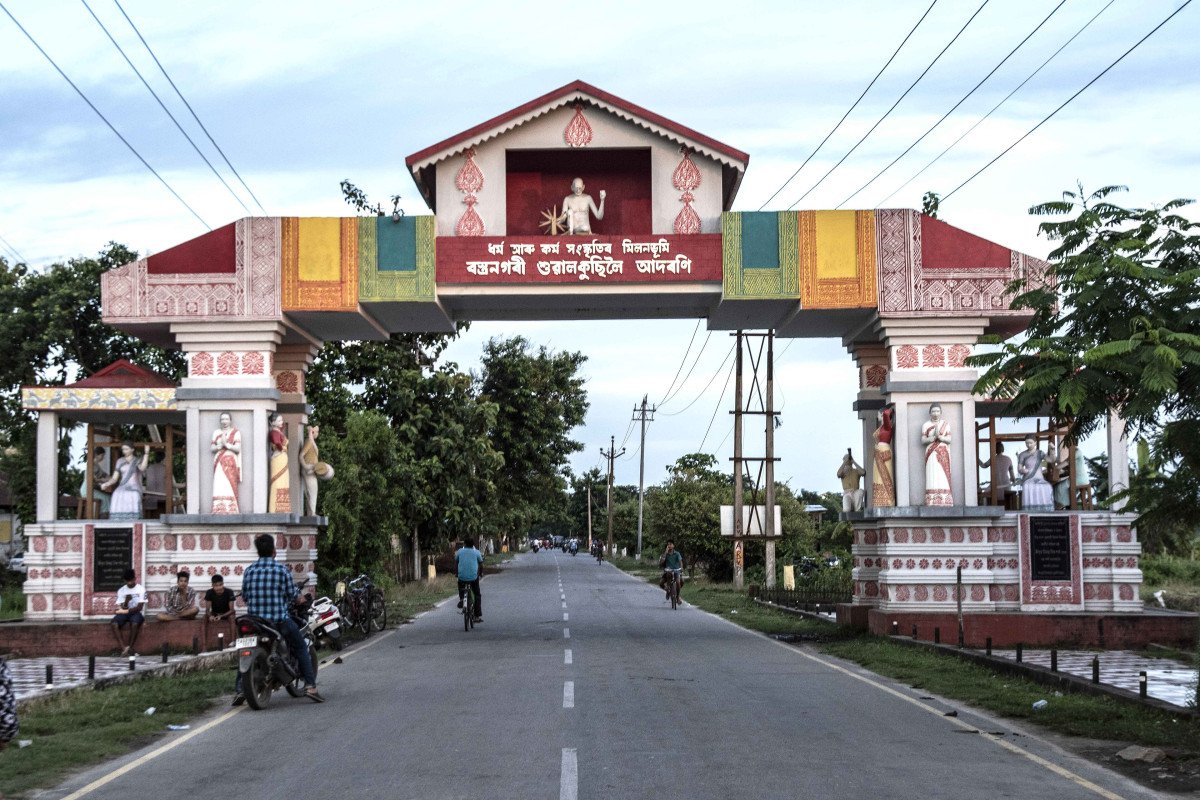
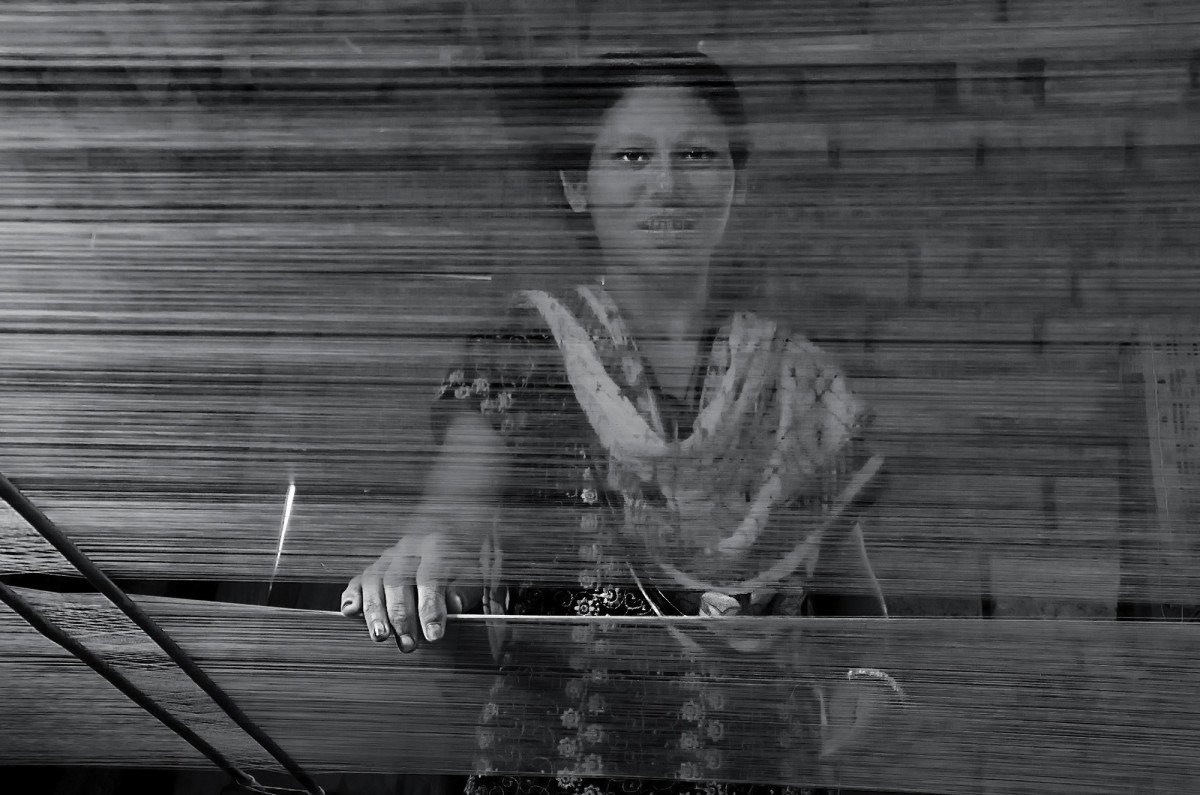
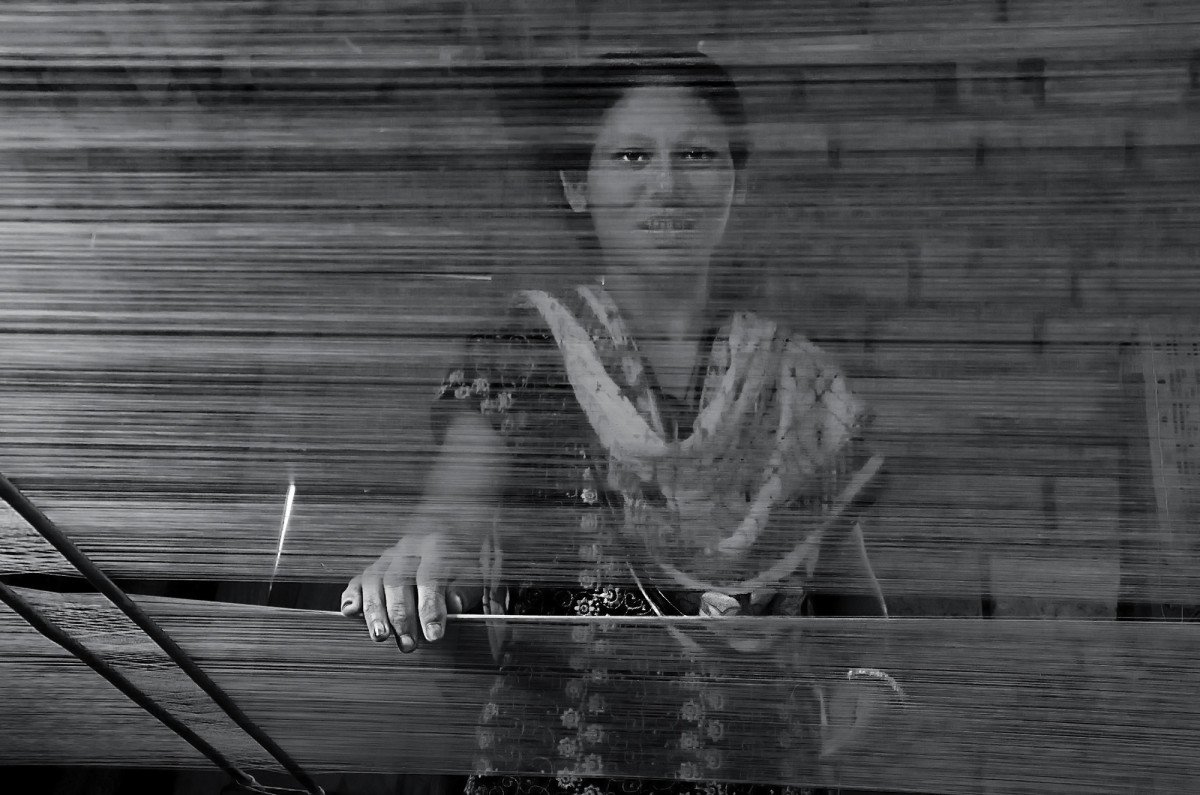
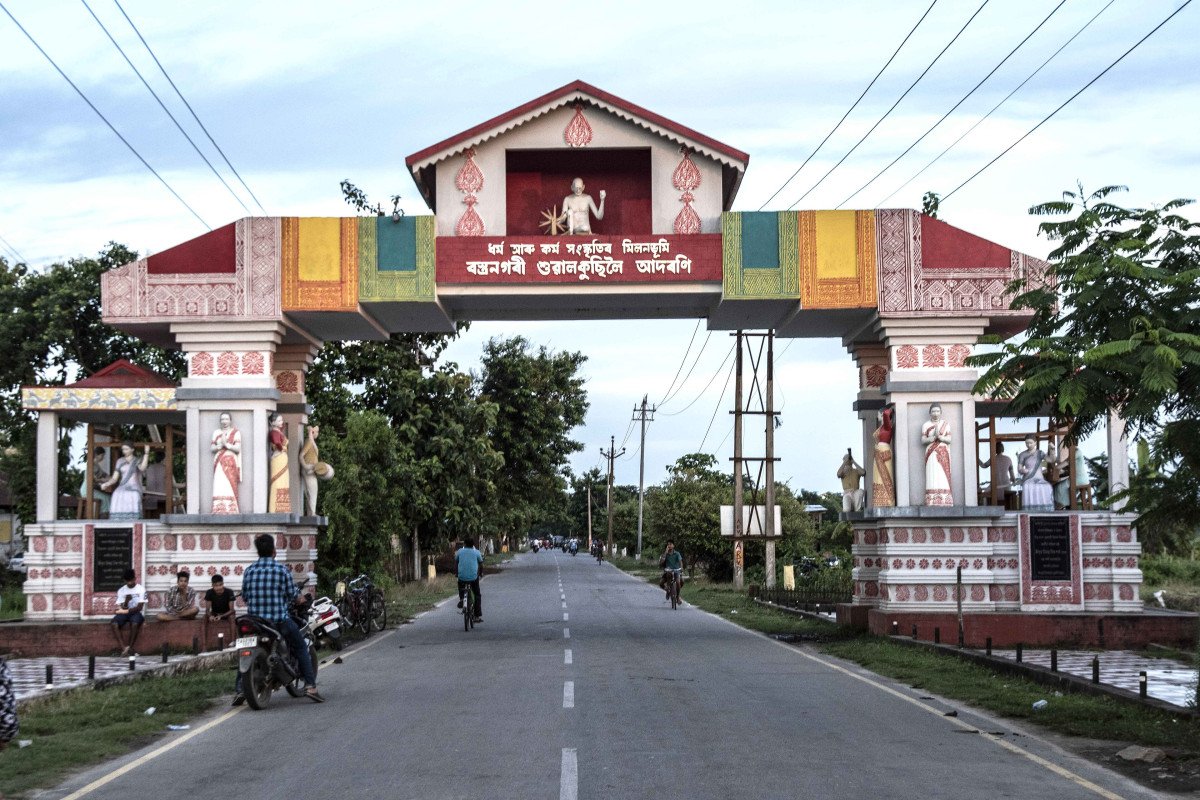
Combine with Sualkuchi's Silk Weaving: Since the Hatisatra is centrally located in Sualkuchi, a visit must be combined with exploring the village's main fame: the silk weaving workshops. Spend the remaining time watching the weavers work the golden Muga and white Paat silk, thus appreciating both the spiritual and economic pillars of the town.
Information
-
Why Famous:
Repository of Vaishnavite Culture: The Hatisatra is famous primarily as a powerful center of Neo-Vaishnavism, the monotheistic spiritual tradition of Assam championed by Srimanta Sankardeva. It plays a critical role in spreading the philosophy and cultural message of this f...Repository of Vaishnavite Culture: The Hatisatra is famous primarily as a powerful center of Neo-Vaishnavism, the monotheistic spiritual tradition of Assam championed by Srimanta Sankardeva. It plays a critical role in spreading the philosophy and cultural message of this faith, which emphasizes devotion to Lord Krishna. The Satra is a living institution where the traditions of Nama-Kirtana (chanting), Bhaona (traditional theatre), and religious learning have been meticulously preserved for centuries.
Exquisite Wood Carvings and Art: The Satra's fame extends significantly due to its astonishing collection of 16th-century style wood carvings and artworks. These intricately crafted reliefs on the walls, doors (Simhadwar), and beams of the Naamghar are considered some of the finest examples of Assamese medieval art. They visually narrate episodes from the great Hindu scriptures, serving as a magnificent, didactic tool for the spiritual community.
Historical Significance and Antiquity: Being over 350 years old, the Hatisatra is a monument of great historical value. Its antiquity and continuous existence underscore its importance in the cultural landscape of Sualkuchi. It contains rare and ancient manuscripts and artifacts, making it an invaluable archive of Assamese history and religious texts. The Satra is also the focal point for major annual festivals like the Dol Utsav (Holi) and Guru-jayanti (Sankardeva’s birth anniversary), drawing large crowds and showcasing the vibrant spiritual life of the region. -
Architecture:
Traditional Sattra Architecture and Layout: The Hatisatra follows the typical architectural pattern of a traditional Assamese Satra or Naamghar (community prayer hall). The entire complex is a beautiful example of indigenous timber architecture, designed not only for worshi...Traditional Sattra Architecture and Layout: The Hatisatra follows the typical architectural pattern of a traditional Assamese Satra or Naamghar (community prayer hall). The entire complex is a beautiful example of indigenous timber architecture, designed not only for worship but also as a residential school and cultural center. The layout is symbolic and often follows the principles of Vastu Shastra. The main structure, the Naamghar or Kirtanghar, is typically a large, open hall used for congregational prayers and cultural performances like Bhaona (Assamese traditional theatre). This hall usually faces the East. Attached to the Naamghar at its eastern end is the most sacred space: the Manikut or Bhajghar (sanctum sanctorum).
The Simhadwar and Wood Carvings: The primary entrance to the Naamghar is often called the Simhadwar (Lion Gate), a magnificent wooden door flanked by carved lion motifs, representing the pure soul (Simha) and the recitation of Hari Nama. At Hatisatra, the Simhadwar is noted for its intricate brass work and detailed mythological imagery. The walls, particularly the northern and western sides of the Kirtanghar, are adorned with parallel horizontal panels of intricate wooden relief carvings and paintings. These panels depict vivid scenes from the Bhagavata Purana, Dasama Skandha, and the Ramayana, such as the war between Laxman and Kumbhkaran or Hanuman bringing the Sumeru Parvat. The use of durable and scented wood like Padma Basi for the wooden structures is a distinct feature.
Dimensions and Structural Elements: While exact modern dimensions are rarely published, the Naamghar is structurally significant, designed with a focus on rhythmic and harmonious arrangement. The Kirtanghar is a large hall, meant to accommodate the entire community (Bhakats and devotees). The roof is supported by pillars, historically wooden but sometimes replaced with concrete versions featuring traditional pot-like capitals. The Manikut section, which in the Hatisatra is also called the Bhajghar due to its bent or arched roof with drooping ends, is a smaller, more secure, and highly decorated chamber. The presence of a Gouna Dwar or Paati Dwar (a secret or side door) on the northern side, providing access to the Manikut, is another architectural detail of this Satra group. -
How To Reach:
By Air: The nearest airport is Lokpriya Gopinath Bordoloi International Airport (GAU), which is located in Guwahati, Assam. The airport is approximately 40-45 KMS from Sualkuchi. The best way to travel from the airport to Sualkuchi is by pre-booked taxi or a ride-sharing s...By Air: The nearest airport is Lokpriya Gopinath Bordoloi International Airport (GAU), which is located in Guwahati, Assam. The airport is approximately 40-45 KMS from Sualkuchi. The best way to travel from the airport to Sualkuchi is by pre-booked taxi or a ride-sharing service. The journey takes about 1. 5 to 2 hours, depending on traffic conditions. From Sualkuchi village, the Hatisatra is easily reachable by local transport.
By Train: The nearest major railway station is Guwahati Railway Station (GHY), which is well-connected to all major cities in India. The station is approximately 35-40 KMS from Sualkuchi. Alternatively, Kamakhya Railway Station (KYQ) is also nearby. From Guwahati or Kamakhya station, one can hire a taxi or take a shared Trecker (a type of shared jeep/taxi service common in Assam) directly to Sualkuchi. The journey takes around 1. 5 hours.
By Road (National and State Highways): Sualkuchi is well-connected by road, approximately 35 KMS from Guwahati city. The route involves taking NH 27 and then turning onto NH 427 or a state highway, passing through scenic countryside. Frequent bus services (State Transport and Private) and shared Treckers/taxis run between Guwahati (especially from the Adabari or Kamakhya area) and Sualkuchi. It is a very common and accessible route.
By Local Transport (Within Sualkuchi): Once you reach Sualkuchi village, the Hatisatra is a short distance from the main market and bus stop. Cycle Rickshaws or Auto Rickshaws are the most common and convenient forms of local transport for navigating the narrow lanes of the village. The village is small enough that one can easily reach the Satra on foot, enjoying the rhythmic sound of the looms (taatxaal) along the way. The distance from the local Sualkuchi bus stand to the Satra is minimal. -
Weather and Best Time to Visit:
The Winter Season (October to March): The period from October to March is overwhelmingly the best time to visit. The weather during this season is exceptionally pleasant, with cool and dry conditions. Temperatures are comfortable, ranging from about 10°C to 25°C, which i...The Winter Season (October to March): The period from October to March is overwhelmingly the best time to visit. The weather during this season is exceptionally pleasant, with cool and dry conditions. Temperatures are comfortable, ranging from about 10°C to 25°C, which is ideal for walking through the village, exploring the Satra architecture, and watching the weavers work. This season often coincides with major local festivals like the Raas Mahotsava and, depending on the lunar calendar, the Dol Utsav at the Hatisatra, offering a vibrant cultural experience.
The Monsoon Season (June to September): The monsoon brings heavy rainfall to Assam, making travel and outdoor exploration challenging. While the lush green landscape is beautiful, the humidity is high, and transportation can be affected. However, the constant downpour can lend a unique, introspective tranquility to the Hatisatra, appealing to those who prefer quiet contemplation, but it is generally not the ideal time for general tourism.
The Summer Season (April to May): The summer months are hot and humid, with temperatures often rising above 30°C. Sightseeing can be tiring. If visiting during this time, it is crucial to plan visits to the Hatisatra during the early morning or late afternoon to avoid the peak heat. The cultural calendar is also less crowded in the summer.
Best Time of Day for Spiritual Experience: As mentioned in the timings section, the early morning and late afternoon/evening are the best times to visit the Hatisatra to witness the Nama Prasanga (prayer) sessions, which provide the deepest spiritual and cultural immersion.
Best Time of Day for Photography/Architecture: The late morning (after the early prayer) or mid-afternoon offer the best natural light for photographing the intricate wood carvings on the Naamghar walls and the exterior of the Satra complex. -
Near Tourist Places:
1.
Sualkuchi Weaving Village: (The entire village surrounding the Satra) - 0. 1 KMS (Part of the same location). 2.
Sidheswar Devalaya: (Temple of Lord Shiva) - Approx. 5 KMS. 3.
Brahmaputra River Bank: (For views and boat rides) - Approx. 2-3 KMS. 4.
Ganesh Bigrah Temple: (Ancient temple) - Approx. 10 KMS. 5.
Hajo: (Sacred place for Hindus and Muslims) - Approx. 15 KMS. 6.
Hayagriva Madhava Temple (Hajo): (Important Hindu Temple) - Approx. 15 KMS. 7.
Poa-Mecca (Hajo): (Sacred Muslim Shrine) - Approx. 16 KMS. 8.
Vastra Udyaan (Sualkuchi): (Handloom Heritage Museum) - Approx. 3 KMS. 9.
Guwahati City: (Major urban center with many attractions) - Approx. 35-40 KMS. 10.
Kamakhya Temple (Guwahati): (Major Shakti Peeth) - Approx. 45 KMS.
Tourism Tips
-
Health & Safety: Carry insect repellent, especially during the early morning or late afternoon, and in the monsoon season, as the region is close to the Brahmaputra River. Drink only bottled water or purified water provided by reputable sources. Since the weather can be hu...Health & Safety: Carry insect repellent, especially during the early morning or late afternoon, and in the monsoon season, as the region is close to the Brahmaputra River. Drink only bottled water or purified water provided by reputable sources. Since the weather can be humid, ensure you stay hydrated. Respect local customs; removing shoes before entering the Hatisatra and any Assamese home or weaving unit is mandatory.
Packing Essentials: Pack light cotton clothing for summers and warm layers (shawls, jackets) for the winter, especially for early morning or evening visits to the Satra or riverbank. Carry a hat/cap and sunglasses for sun protection. A good pair of comfortable, easy-to-remove slip-on shoes is highly recommended due to the constant need to remove footwear at religious sites and homes.
Accommodation: Sualkuchi has limited accommodation, primarily budget guesthouses. For a wider range of options, including mid-range and luxury hotels, it is highly recommended to stay in the nearby city of Guwahati (approx. 35-40 KMS away) and visit Sualkuchi as a day trip. Guwahati offers many hotels near the airport or in the main city area.
Cultural Etiquette: Dress modestly when visiting the Hatisatra; shoulders and knees should be covered as a sign of respect. Always seek explicit permission before taking photographs of the monks (Bhakats), the interior of the Manikut area, or people's private looms in their homes. Maintain silence or speak in a low voice within the Naamghar and respect the prayer rituals.
Local Transportation Tips: For getting from Guwahati to Sualkuchi, use the shared Treckers (jeep/taxi) for a cheap and authentic experience, or hire a dedicated cab for comfort. Within Sualkuchi, use the local cycle rickshaws or walk to truly absorb the village's ambiance and the sound of the looms, which adds to the experience of visiting the Hatisatra.
Muga Silk Shopping: Be prepared to buy authentic Muga or Paat silk. While not a tip for the Satra, it is the village's main attraction. Purchase directly from the weavers near the Satra to ensure authenticity and support the local economy.
Reviews
FAQs
Sualkuchi Itineray And Cost:-
Information about New and Updated Locations() of Assam Has Been Added :-
Card subtitle
Note:-
Information provided here in good Faith and for reference only.
All information and pictures will be updated soon, please keep visiting.
Near Places

Alaboi Hills
Some quick example text to build on the card title and make up the bulk of the card's content.
Go somewhere
Alisha Peace Alone Place
Some quick example text to build on the card title and make up the bulk of the card's content.
Go somewhere
Bijoynagar View Point
Some quick example text to build on the card title and make up the bulk of the card's content.
Go somewhere
Brahmaputra River Bank
Some quick example text to build on the card title and make up the bulk of the card's content.
Go somewhere
Brahmaputra River Bank, Sualkuchi Ghat
Some quick example text to build on the card title and make up the bulk of the card's content.
Go somewhere
Dampur Pahar
Some quick example text to build on the card title and make up the bulk of the card's content.
Go somewhere
Dokhola Palashbari View Point
Some quick example text to build on the card title and make up the bulk of the card's content.
Go somewhere
Hatisatra
Some quick example text to build on the card title and make up the bulk of the card's content.
Go somewhere
Hirapara River View Point
Some quick example text to build on the card title and make up the bulk of the card's content.
Go somewhere
Kanai Barashi Rock Inscription
Some quick example text to build on the card title and make up the bulk of the card's content.
Go somewherein Other Cities