Travel Tips Of Hatisatra
Tourism Tips
Packing Essentials: Pack light cotton clothing for summers and warm layers (shawls, jackets) for the winter, especially for early morning or evening visits to the Satra or riverbank. Carry a hat/cap and sunglasses for sun protection. A good pair of comfortable, easy-to-remove slip-on shoes is highly recommended due to the constant need to remove footwear at religious sites and homes.
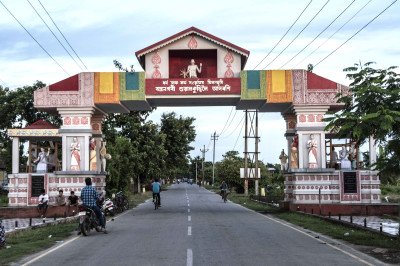
Accommodation: Sualkuchi has limited accommodation, primarily budget guesthouses. For a wider range of options, including mid-range and luxury hotels, it is highly recommended to stay in the nearby city of Guwahati (approx. 35-40 KMS away) and visit Sualkuchi as a day trip. Guwahati offers many hotels near the airport or in the main city area.
Cultural Etiquette: Dress modestly when visiting the Hatisatra; shoulders and knees should be covered as a sign of respect. Always seek explicit permission before taking photographs of the monks (Bhakats), the interior of the Manikut area, or people's private looms in their homes. Maintain silence or speak in a low voice within the Naamghar and respect the prayer rituals.
Local Transportation Tips: For getting from Guwahati to Sualkuchi, use the shared Treckers (jeep/taxi) for a cheap and authentic experience, or hire a dedicated cab for comfort. Within Sualkuchi, use the local cycle rickshaws or walk to truly absorb the village's ambiance and the sound of the looms, which adds to the experience of visiting the Hatisatra.
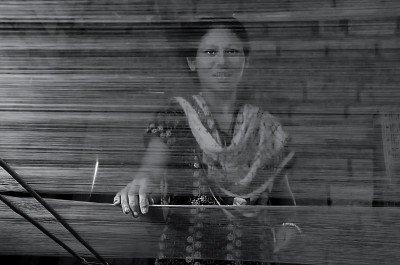
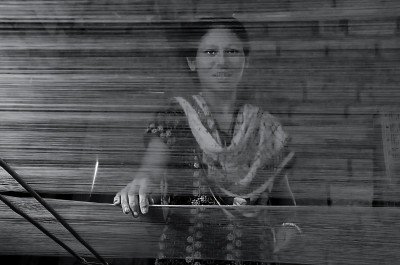
Muga Silk Shopping: Be prepared to buy authentic Muga or Paat silk. While not a tip for the Satra, it is the village's main attraction. Purchase directly from the weavers near the Satra to ensure authenticity and support the local economy.
Sualkuchi Itineray And Cost:-
Information about New and Updated Locations() of Assam Has Been Added :-
Card subtitle
Note:-
Information provided here in good Faith and for reference only.
Near Places
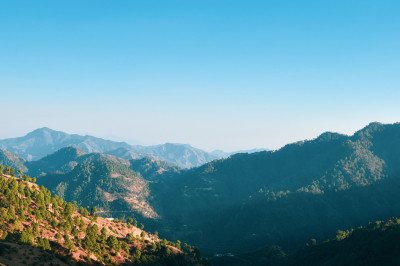
Alaboi Hills
Some quick example text to build on the card title and make up the bulk of the card's content.
Go somewhere
Alisha Peace Alone Place
Some quick example text to build on the card title and make up the bulk of the card's content.
Go somewhere
Bijoynagar View Point
Some quick example text to build on the card title and make up the bulk of the card's content.
Go somewhere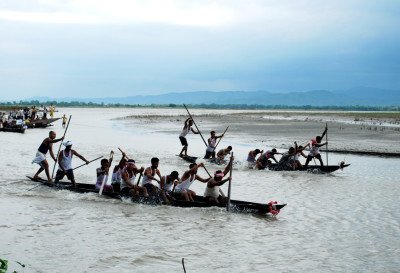
Brahmaputra River Bank
Some quick example text to build on the card title and make up the bulk of the card's content.
Go somewhere
Brahmaputra River Bank, Sualkuchi Ghat
Some quick example text to build on the card title and make up the bulk of the card's content.
Go somewhere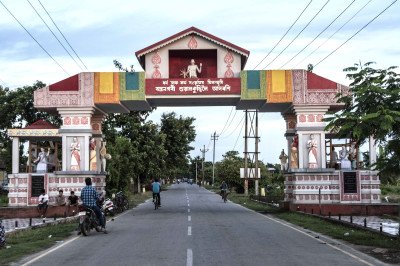
Dampur Pahar
Some quick example text to build on the card title and make up the bulk of the card's content.
Go somewhere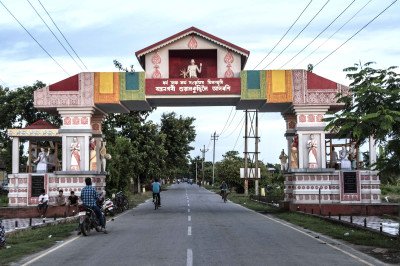
Dokhola Palashbari View Point
Some quick example text to build on the card title and make up the bulk of the card's content.
Go somewhere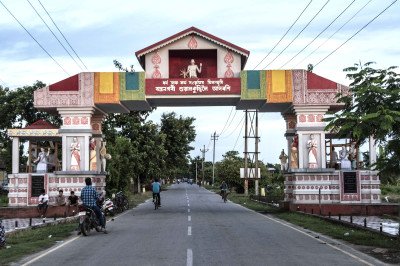
Hatisatra
Some quick example text to build on the card title and make up the bulk of the card's content.
Go somewhere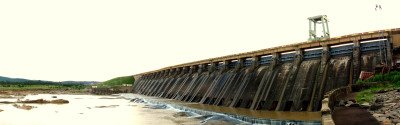
Hirapara River View Point
Some quick example text to build on the card title and make up the bulk of the card's content.
Go somewhere
Kanai Barashi Rock Inscription
Some quick example text to build on the card title and make up the bulk of the card's content.
Go somewhere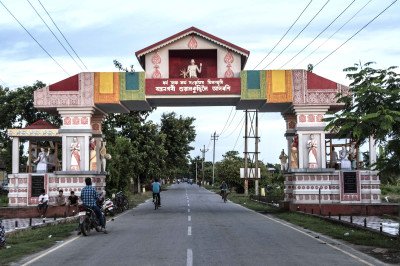
Northbrook Gate
Some quick example text to build on the card title and make up the bulk of the card's content.
Go somewhere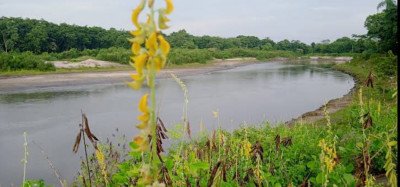
Puthimari River View Point
Some quick example text to build on the card title and make up the bulk of the card's content.
Go somewhere
Raj Ghat
Some quick example text to build on the card title and make up the bulk of the card's content.
Go somewhere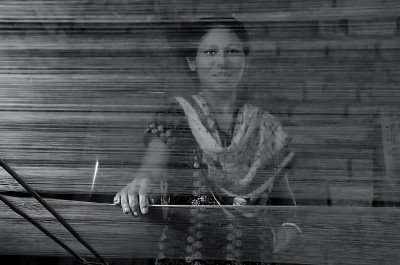
River View Point
Some quick example text to build on the card title and make up the bulk of the card's content.
Go somewhere
Siddheswar Devalaya
Some quick example text to build on the card title and make up the bulk of the card's content.
Go somewhere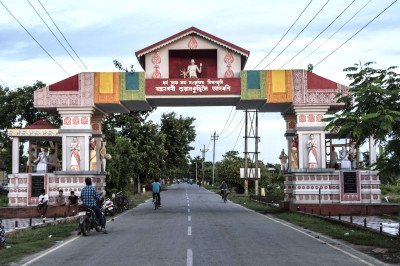
Sualkuchi Gate
Some quick example text to build on the card title and make up the bulk of the card's content.
Go somewhere