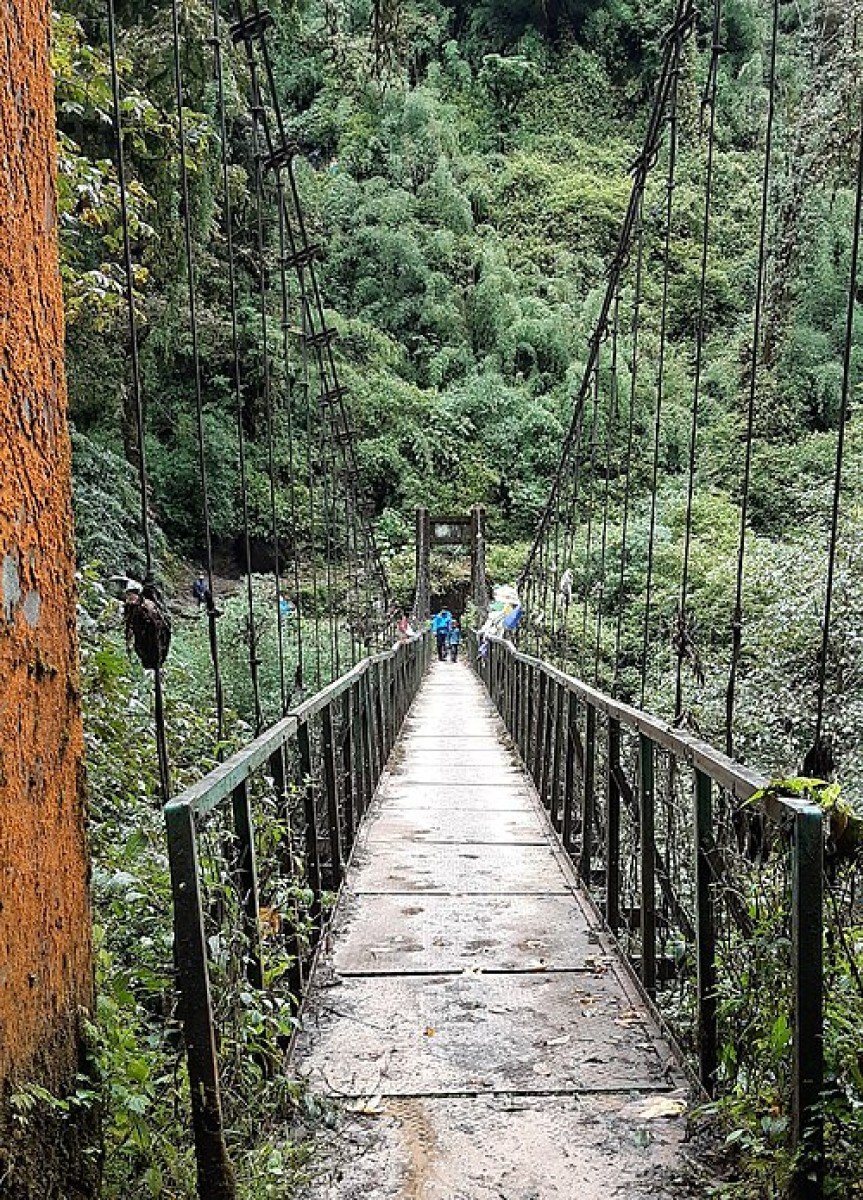


Zuluk
General information
-
Ideal Duration:
1 to 2 DaysPlace Type:
Adventure, Silk Route History, PhotographyEntry Fees:
Permit Fees: Entry to Zuluk and the Silk Route requires a Protected Area Permit (PAP) for Indian citizens. The fees are usually included in the tour package, but it is essential to have a registered tour operator handle the process.
Army Area R...Permit Fees: Entry to Zuluk and the Silk Route requires a Protected Area Permit (PAP) for Indian citizens. The fees are usually included in the tour package, but it is essential to have a registered tour operator handle the process.
Army Area Rules: While there are no formal entry fees for the temples, photography is strictly prohibited in certain sensitive military areas. Always follow the instructions of the army personnel to ensure a smooth and respectful visit.Timing:
Regular Timings: Most viewpoints and shrines are best visited between 5:00 AM and 4:00 PM. It is highly recommended to reach your destination before sunset as the mountain roads can be dangerous to navigate in the dark.
Ideal Visit Time: Th...Regular Timings: Most viewpoints and shrines are best visited between 5:00 AM and 4:00 PM. It is highly recommended to reach your destination before sunset as the mountain roads can be dangerous to navigate in the dark.
Ideal Visit Time: The months of April to June are ideal for those who want to see blooming rhododendrons and pleasant weather. For snow enthusiasts, January and February offer a complete white-out experience.Special Events:
Permit Formalities: While not an event, the permit process at Rongli is a daily ritual for all travelers. It is a time when tourists gather and interact with the local police and guides, marking the start of their Silk Route adventure.
New Year...Permit Formalities: While not an event, the permit process at Rongli is a daily ritual for all travelers. It is a time when tourists gather and interact with the local police and guides, marking the start of their Silk Route adventure.
New Year Celebrations: The local Bhutia and Lepcha communities celebrate the traditional New Year with great joy. Expect cultural performances, local dances, and a festive atmosphere in the homestays during the winter months.Best Photo Spots:
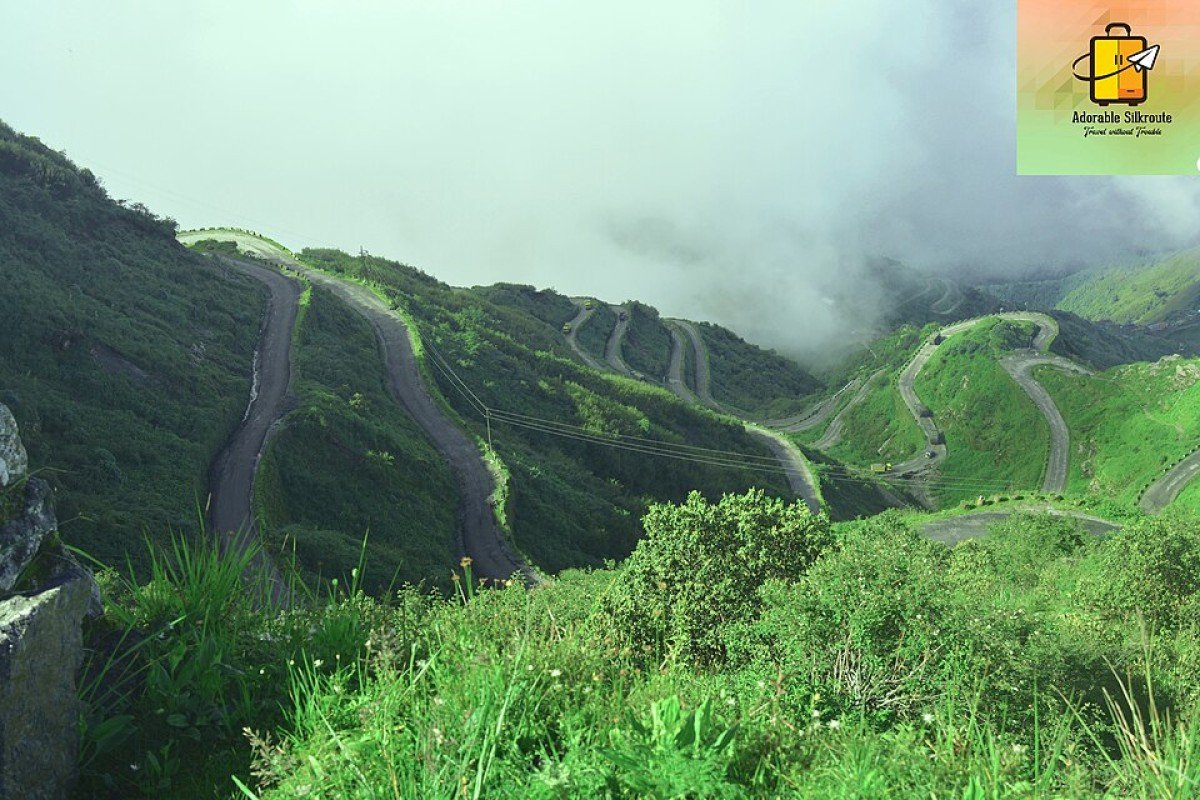
Thambi Viewpoint: The classic shot of the zig-zag roads snaking down the mountain is taken from here. This spot is a must for anyone looking to capture the scale and beauty of the Old Silk Route architecture.
Elephant Lake: The emerald gree...Thambi Viewpoint: The classic shot of the zig-zag roads snaking down the mountain is taken from here. This spot is a must for anyone looking to capture the scale and beauty of the Old Silk Route architecture.
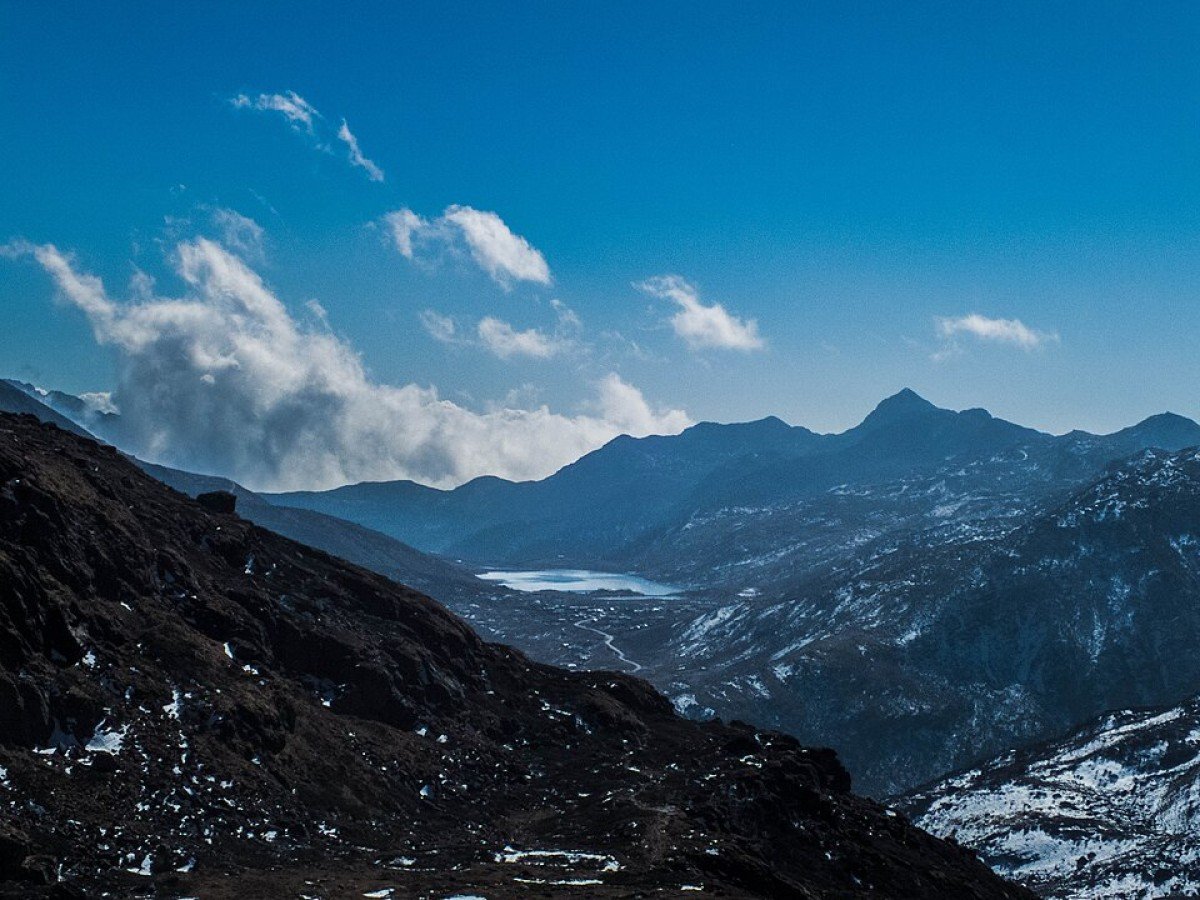
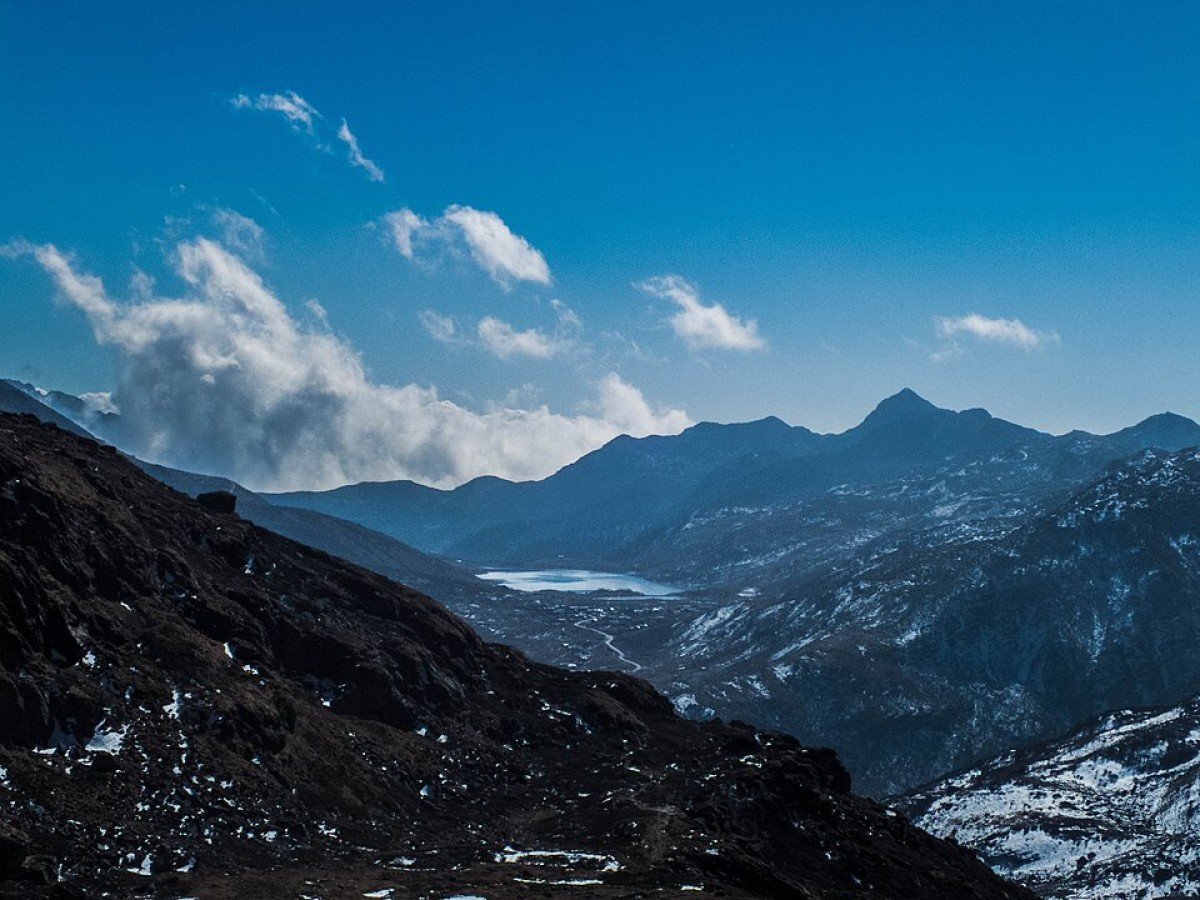
Elephant Lake: The emerald green water of Kupup Lake provides a stunning contrast to the surrounding brown hills. In winter, the frozen surface of the lake creates a surreal, minimalist landscape that is perfect for artistic shots.
Tukla Valley: This high-altitude valley offers wide-angle vistas of the Tibetan highlands and the Indian border. The vast, open space and the dramatic clouds make it an ideal location for landscape and travel photography.Photo Gallery





Things To Do
 @@Detailed Overview: Lungthung, also known as Dhupidhara, is a tiny yet mesmerizing hamlet perched at a staggering altitude of 11,500 feet in the East Sikkim district. It is located on a ridge that offers some of the most spectacular panoramic views of the Kanchenjunga range and the winding roads of Zuluk below. The village consists of only a handful of houses, most of which have been converted into cozy homestays to accommodate adventurous travelers. Lungthung is historically significant as it was a strategic observation point along the Old Silk Route. The name Dhupidhara is derived from the local Dhupi (Juniper) trees that grow in abundance in this region. The landscape here is dramatic, with clouds often floating below the village level, giving visitors the sensation of living in the sky. The sunrise from Lungthung is a legendary experience, as the first rays of light hit the snow-capped peaks, turning them into shades of gold and crimson. The village is also a haven for high-altitude wildlife; it is not uncommon to spot the Himalayan Monal or the Red Panda in the nearby forests. The weather in Lungthung is extreme, with heavy snowfall during the winter months and chilly winds even in the peak of summer. The locals are incredibly resilient, living in harmony with the harsh environment. Their traditional lifestyle, centered around animal husbandry and mountain farming, provides a fascinating cultural insight for visitors. The proximity to the Thambi View Point makes it a popular alternative for those who want a more intimate and quiet experience than the busier hubs. The silence of Lungthung is profound, offering a perfect setting for meditation and photography. The village architecture is simple, designed to withstand the cold and wind, using stone and wood. For many, Lungthung represents the true spirit of the Silk Route—isolated, beautiful, and challenging. It is a place where one can truly disconnect from the modern world and witness the raw majesty of the Himalayas. The vast meadows surrounding the village turn into a riot of colors during the spring when rhododendrons bloom, making it a paradise for nature lovers and trekkers alike.
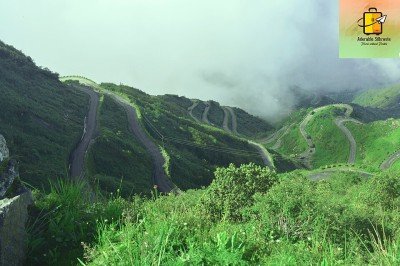 @@Zig-Zag Road, locally known as Bhulbhulaiya, is a breathtaking stretch of the historic Old Silk Route in East Sikkim. This engineering masterpiece consists of over 30 hair-raising hairpin bends carved into the rugged Himalayan slopes at an altitude of approximately 10,000 feet. The road was once a vital artery for trade between India and Tibet, where traders used yak caravans to transport silk, gold, and spices across the difficult terrain. Today, it serves as a primary attraction for adventure seekers and nature lovers who marvel at the sheer audacity of its construction. From the nearby Thambi View Point, the road looks like a giant green snake coiling up the mountain, creating a visual maze that justifies its name. The misty atmosphere and the dramatic changes in weather add a layer of mystery and excitement to the journey. As you ascend, the landscape shifts from lush greenery to arid mountain desert, offering a sensory experience like no other. The road is not just a path but a living testament to the grit of the people who built it and the traders who traversed it centuries ago. It remains one of the most photographed roads in the world due to its geometric precision and the stunning backdrop of the Kanchenjunga range.
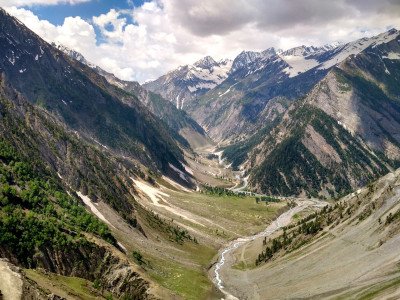 Tukla Valley is a high-altitude valley of profound historical and geographic importance, situated at an elevation of approximately 12,500 feet along the Old Silk Route in East Sikkim. This valley is most famous for being the site of the Battle of Tukla, which took place in 1904 during the British expedition to Tibet led by Colonel Francis Younghusband. The valley serves as a somber reminder of the military conflicts that once occurred in these remote heights. As you enter the valley, the landscape opens up into a vast, wind-swept expanse of alpine meadows and rugged rocks, often blanketed in snow for several months of the year. The atmosphere here is distinctly different from the lush valleys below; it is stark, quiet, and carries a sense of ancient mystery. A significant War Memorial stands in the valley, dedicated to the British soldiers who lost their lives during the skirmish with Tibetan forces. The geography of Tukla is unique, acting as a transition zone between the lower Himalayan forests and the high-altitude deserts of the Tibetan Plateau. During the monsoon and autumn seasons, the valley floor is adorned with small wild flowers and hardy grasses that have adapted to the thin oxygen and freezing temperatures. The valley also serves as a critical junction where the road bifurcates towards the Nathang Valley and the Old Baba Mandir. Visitors often stop here to pay their respects at the memorial and to soak in the panoramic views of the surrounding peaks, including a unique perspective of Mount Kanchenjunga and the Jelep La Pass. The valley's location near the international border adds a layer of strategic importance, and the presence of the Indian Army is a constant, ensuring the safety of the region. For history buffs, the valley is a living museum, while for nature lovers, it offers a raw and untamed version of the Himalayas that is rarely seen in more commercialized tourist spots. The feeling of standing in a place where history was made, surrounded by such immense natural beauty, is a highlight of any trip to the Silk Route.
 Nathang Valley (or Gnathang) is a high-altitude plateau situated at 13,500 feet. Originally a home to Tibetan yak herders, it has transformed into a sought-after offbeat destination on the Old Silk Route. The valley is characterized by its vast, treeless landscapes that change appearance with the seasons—vibrant green in summer, golden in autumn, and a pristine white blanket of snow in winter. A small, meandering stream flows through the heart of the valley, adding to its poetic beauty. Because of its extreme altitude and stark terrain, it is frequently compared to the landscapes of Ladakh. The local village consists of a few traditional wooden houses and homestays that offer a glimpse into the resilient lifestyle of high-altitude dwellers.
 @@Jelep La Pass Viewpoint offers one of the most strategically and historically significant vistas in the entire Himalayan range. At an staggering altitude of 13,999 feet, this pass connects India to Tibet and was once the primary route for the Younghusband Expedition in 1904. The name "Jelep La" translates to "The Lovely Level Pass," referring to the relatively flat terrain at the top compared to other rugged passes. From the viewpoint, you can see the winding road that leads into the Chumbi Valley of Tibet. Below the pass lies the stunning Menmecho Lake, which changes colors from turquoise to deep blue depending on the sunlight. The pass has been closed since the 1962 war, making it a place of longing and strategic tension. The viewpoint allows tourists to look across the border where Chinese military posts are visible on the opposite ridge. The air here is thin and crisp, often filled with the sound of prayer flags fluttering violently in the high-altitude winds. It is a place that evokes a sense of being at the "edge of the world." The historical weight of the millions of traders who crossed this pass over centuries is palpable in the silence of the mountains.
@@Detailed Overview: Lampokhari Lake, also widely known as Aritar Lake, is one of the oldest and most beautiful natural lakes in Sikkim, situated at an altitude of about 4,600 feet. What makes this lake exceptionally unique is its distinct boot shape, which is clearly visible from higher viewpoints like Mankhim. Surrounded by lush green pine and fir forests, the lake offers a tranquil escape from the high-altitude cold of the upper Silk Route. Unlike many other high-altitude lakes in the region that are often frozen or inaccessible, Lampokhari is a vibrant ecosystem that supports boating throughout the year. The lake has been recently developed with a man-made embankment and a pathway that allows tourists to walk entirely around its perimeter, offering different perspectives of the emerald-green waters. The reflection of the towering pine trees in the water creates a serene and magical atmosphere. Historically, the lake was a natural catchment, but local authorities have beautified it to promote eco-tourism in the Aritar region. A small shrine dedicated to Guru Padmasambhava is located on its banks, adding a touch of spirituality to the natural beauty. The lake is the centerpiece of the annual Lampokhari Tourism Festival, which showcases the rich cultural heritage of the local communities. The surrounding area is home to a variety of bird species, making it a hotspot for birdwatchers. The calm waters of the lake are perfect for paddle boating, providing a relaxing experience for families and couples alike. The proximity to the Aritar Dak Bungalow and the Mankhim temple makes it a central hub for sightseeing in the lower Silk Route circuit. The weather here is generally pleasant compared to the freezing heights of Zuluk or Nathang, making it an ideal first or last stop on a Silk Route itinerary. The combination of dense greenery, historical structures, and the calm lake water makes Lampokhari a gem of East Sikkim. It serves as a reminder of the diverse landscapes found within the state, transitioning from the rugged high mountains to the lush, temperate forests of the foothills.
@@Jelep La Pass Viewpoint offers one of the most strategically and historically significant vistas in the entire Himalayan range. At an staggering altitude of 13,999 feet, this pass connects India to Tibet and was once the primary route for the Younghusband Expedition in 1904. The name "Jelep La" translates to "The Lovely Level Pass," referring to the relatively flat terrain at the top compared to other rugged passes. From the viewpoint, you can see the winding road that leads into the Chumbi Valley of Tibet. Below the pass lies the stunning Menmecho Lake, which changes colors from turquoise to deep blue depending on the sunlight. The pass has been closed since the 1962 war, making it a place of longing and strategic tension. The viewpoint allows tourists to look across the border where Chinese military posts are visible on the opposite ridge. The air here is thin and crisp, often filled with the sound of prayer flags fluttering violently in the high-altitude winds. It is a place that evokes a sense of being at the "edge of the world." The historical weight of the millions of traders who crossed this pass over centuries is palpable in the silence of the mountains.
@@Detailed Overview: Lampokhari Lake, also widely known as Aritar Lake, is one of the oldest and most beautiful natural lakes in Sikkim, situated at an altitude of about 4,600 feet. What makes this lake exceptionally unique is its distinct boot shape, which is clearly visible from higher viewpoints like Mankhim. Surrounded by lush green pine and fir forests, the lake offers a tranquil escape from the high-altitude cold of the upper Silk Route. Unlike many other high-altitude lakes in the region that are often frozen or inaccessible, Lampokhari is a vibrant ecosystem that supports boating throughout the year. The lake has been recently developed with a man-made embankment and a pathway that allows tourists to walk entirely around its perimeter, offering different perspectives of the emerald-green waters. The reflection of the towering pine trees in the water creates a serene and magical atmosphere. Historically, the lake was a natural catchment, but local authorities have beautified it to promote eco-tourism in the Aritar region. A small shrine dedicated to Guru Padmasambhava is located on its banks, adding a touch of spirituality to the natural beauty. The lake is the centerpiece of the annual Lampokhari Tourism Festival, which showcases the rich cultural heritage of the local communities. The surrounding area is home to a variety of bird species, making it a hotspot for birdwatchers. The calm waters of the lake are perfect for paddle boating, providing a relaxing experience for families and couples alike. The proximity to the Aritar Dak Bungalow and the Mankhim temple makes it a central hub for sightseeing in the lower Silk Route circuit. The weather here is generally pleasant compared to the freezing heights of Zuluk or Nathang, making it an ideal first or last stop on a Silk Route itinerary. The combination of dense greenery, historical structures, and the calm lake water makes Lampokhari a gem of East Sikkim. It serves as a reminder of the diverse landscapes found within the state, transitioning from the rugged high mountains to the lush, temperate forests of the foothills. Sarathang Lake is a high-altitude water body situated at approximately 13,500 feet, very close to the Indo-China border. It is often overshadowed by the larger Tsomgo Lake, but it offers a much more peaceful and intimate experience. The lake is considered sacred by the locals, and its crystal-clear waters reflect the surrounding snow-draped mountains with stunning precision. It is located in a high-security zone managed by the Indian Army, which contributes to its pristine and undisturbed environment. The landscape around Sarathang is rugged and alpine, with sparse vegetation consisting of mosses and high-altitude shrubs. In winter, the lake freezes completely, turning into a solid sheet of white ice that creates a surreal, otherworldly atmosphere for the few travelers who reach it.Show All
@@Detailed Overview: Mankhim Top View Point is a stunning hilltop destination located in the village of Dalapchand, near Aritar in East Sikkim. Situated at an altitude of approximately 6,500 feet, it offers one of the most comprehensive panoramic views of the Eastern Himalayas, including a bird's-eye view of the boot-shaped Lampokhari Lake. The viewpoint is culturally and spiritually significant as it is home to a temple dedicated to the Khambu Rai community, the indigenous people of the region. The Mankhim temple is a place of pilgrimage, especially during the Sakewa festival, where devotees gather to pray for a good harvest. The architecture of the temple is unique, reflecting the traditions of the Rai community. From the top of the hill, one can see the meandering Reshi River, the distant peaks of Bhutan, and the legendary Silk Route winding through the mountains. The viewpoint is accessible via a short but steep trek through a dense forest path from the Aritar lake or by a motorable road. The forest around Mankhim is rich in biodiversity, with numerous species of birds and butterflies, making it a delight for nature enthusiasts. The viewpoint is also famous for its sunrise and sunset, where the changing colors of the sky create a theatrical backdrop for the Kanchenjunga massif. Many travelers choose to stay in the local homestays at Mankhim to experience the peace and tranquility of the hilltop. The hospitality of the Rai community is well-known, and guests are often treated to traditional meals and stories of local folklore. The area around Mankhim is also great for short nature walks and village explorations. The view of the Lampokhari Lake from here is particularly famous, as the emerald green water contrasts sharply with the dark green of the surrounding pine forests. Mankhim serves as a perfect vantage point to understand the geography of the lower Silk Route region. It is a place where nature and culture intersect, providing a holistic travel experience. Whether you are a photographer looking for the perfect shot of the mountains or a soul-seeker looking for a quiet corner to reflect, Mankhim offers the perfect environment. Its elevation provides a cool and refreshing climate, making it a popular getaway for those looking to escape the heat of the plains of West Bengal and the lower valleys of Sikkim.
Sarathang Lake is a high-altitude water body situated at approximately 13,500 feet, very close to the Indo-China border. It is often overshadowed by the larger Tsomgo Lake, but it offers a much more peaceful and intimate experience. The lake is considered sacred by the locals, and its crystal-clear waters reflect the surrounding snow-draped mountains with stunning precision. It is located in a high-security zone managed by the Indian Army, which contributes to its pristine and undisturbed environment. The landscape around Sarathang is rugged and alpine, with sparse vegetation consisting of mosses and high-altitude shrubs. In winter, the lake freezes completely, turning into a solid sheet of white ice that creates a surreal, otherworldly atmosphere for the few travelers who reach it.Show All
@@Detailed Overview: Mankhim Top View Point is a stunning hilltop destination located in the village of Dalapchand, near Aritar in East Sikkim. Situated at an altitude of approximately 6,500 feet, it offers one of the most comprehensive panoramic views of the Eastern Himalayas, including a bird's-eye view of the boot-shaped Lampokhari Lake. The viewpoint is culturally and spiritually significant as it is home to a temple dedicated to the Khambu Rai community, the indigenous people of the region. The Mankhim temple is a place of pilgrimage, especially during the Sakewa festival, where devotees gather to pray for a good harvest. The architecture of the temple is unique, reflecting the traditions of the Rai community. From the top of the hill, one can see the meandering Reshi River, the distant peaks of Bhutan, and the legendary Silk Route winding through the mountains. The viewpoint is accessible via a short but steep trek through a dense forest path from the Aritar lake or by a motorable road. The forest around Mankhim is rich in biodiversity, with numerous species of birds and butterflies, making it a delight for nature enthusiasts. The viewpoint is also famous for its sunrise and sunset, where the changing colors of the sky create a theatrical backdrop for the Kanchenjunga massif. Many travelers choose to stay in the local homestays at Mankhim to experience the peace and tranquility of the hilltop. The hospitality of the Rai community is well-known, and guests are often treated to traditional meals and stories of local folklore. The area around Mankhim is also great for short nature walks and village explorations. The view of the Lampokhari Lake from here is particularly famous, as the emerald green water contrasts sharply with the dark green of the surrounding pine forests. Mankhim serves as a perfect vantage point to understand the geography of the lower Silk Route region. It is a place where nature and culture intersect, providing a holistic travel experience. Whether you are a photographer looking for the perfect shot of the mountains or a soul-seeker looking for a quiet corner to reflect, Mankhim offers the perfect environment. Its elevation provides a cool and refreshing climate, making it a popular getaway for those looking to escape the heat of the plains of West Bengal and the lower valleys of Sikkim.Information
-
Why Famous:
Hairpin Bends: World-famous for the 32 loops of the Zuluk road that provide a thrilling driving experience. It is one of the top 10 most dangerous yet beautiful roads in the world, attracting bikers and adventure seekers.
Sunrise Views: Fam...Hairpin Bends: World-famous for the 32 loops of the Zuluk road that provide a thrilling driving experience. It is one of the top 10 most dangerous yet beautiful roads in the world, attracting bikers and adventure seekers.
Sunrise Views: Famous for the breathtaking sunrise at Thambi Viewpoint, where the sun's first rays turn the Kanchenjunga peaks into liquid gold. It is considered one of the best sunrise spots in the entire Eastern Himalayas. -
Architecture:
Zig-Zag Road: The 32 hairpin bends are a marvel of road architecture, carved into the sheer mountain face. Each bend offers a different perspective of the valley below, creating a rhythmic and visual masterpiece for travelers.
Nag Temple: A...Zig-Zag Road: The 32 hairpin bends are a marvel of road architecture, carved into the sheer mountain face. Each bend offers a different perspective of the valley below, creating a rhythmic and visual masterpiece for travelers.
Nag Temple: A small, cave-like structured temple dedicated to the Nag Devta, believed to be naturally formed over time. Its simple stone architecture and religious significance make it a key stop for locals and pilgrims.
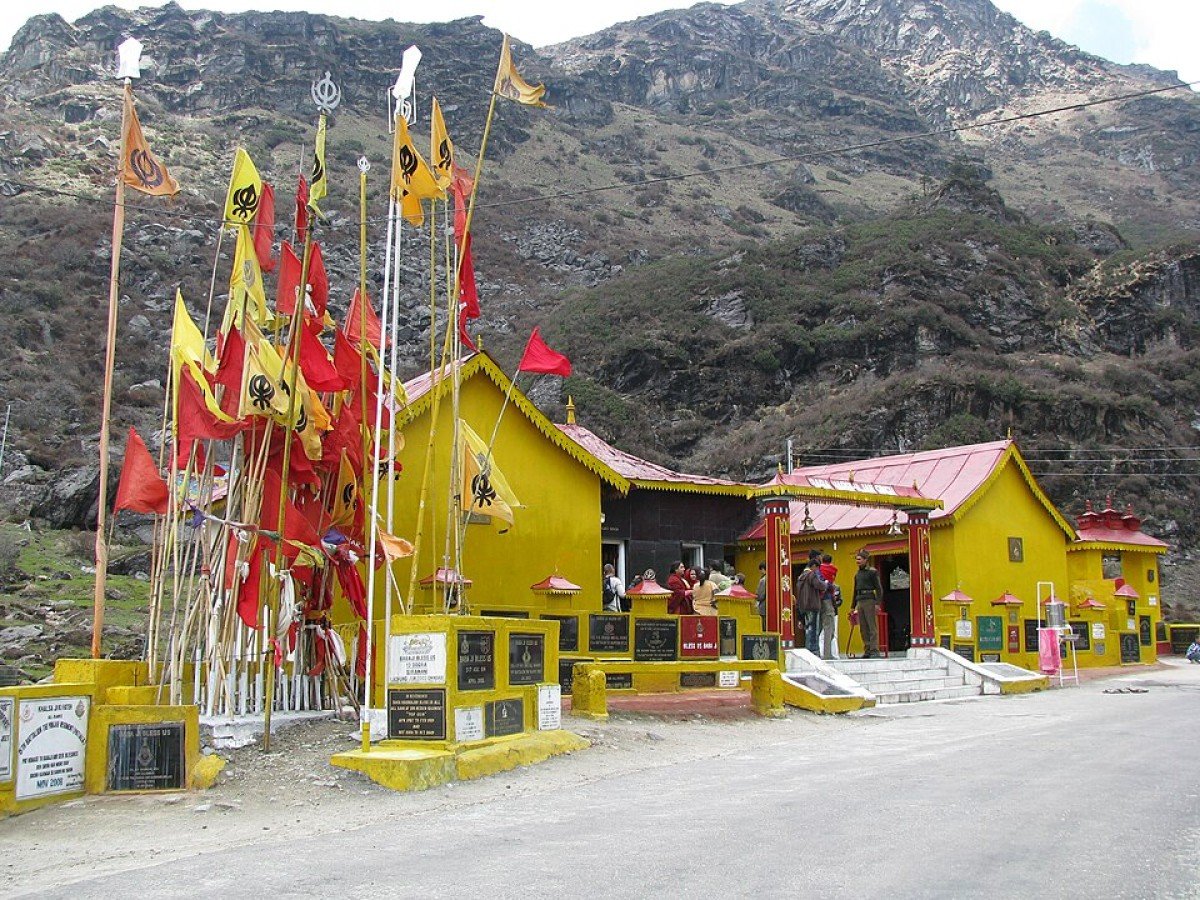
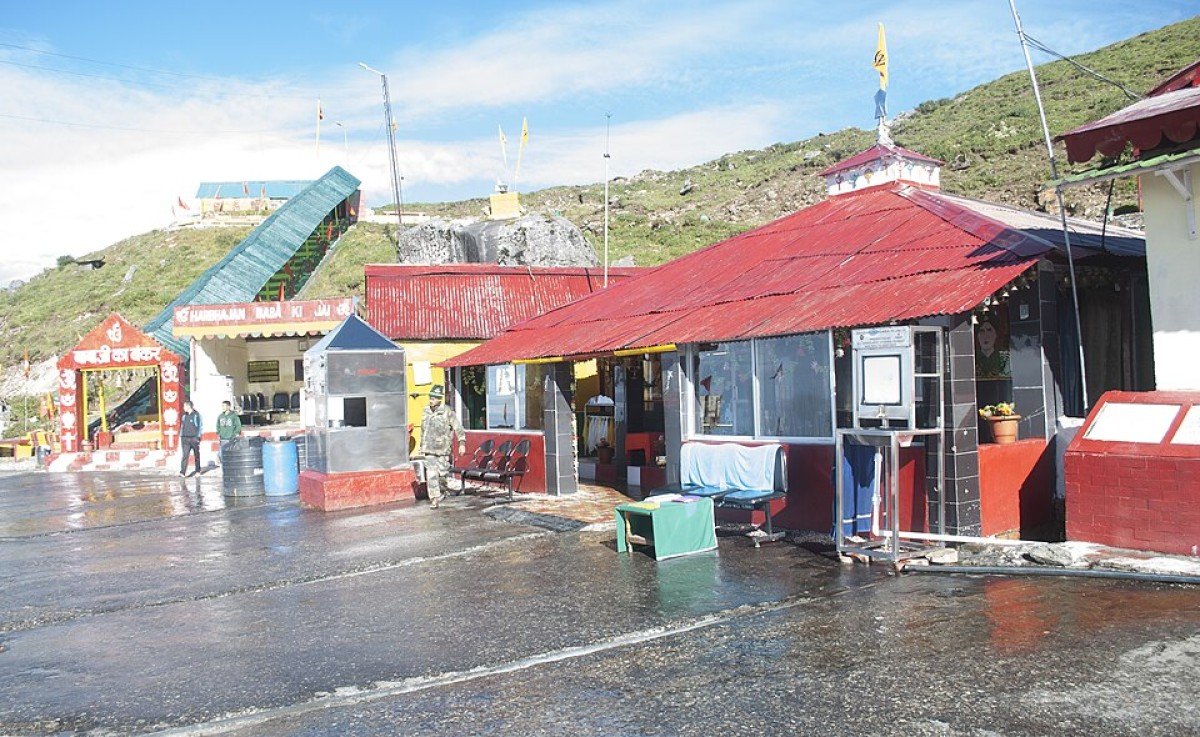
Army Bunkers: Many structures in the higher reaches, like the Old Baba Mandir, are modified army bunkers. These functional stone and metal structures reflect the necessity of defense in the high Himalayas while serving as spiritual shrines. -
How To Reach:
By Air: Pakyong Airport is the nearest at 65 km, though Bagdogra (140 km) is more reliable for regular flights. From the airport, a 4 to 5-hour drive through the scenic Teesta valley will bring you to the village.
By Train: New Jalpaiguri (...By Air: Pakyong Airport is the nearest at 65 km, though Bagdogra (140 km) is more reliable for regular flights. From the airport, a 4 to 5-hour drive through the scenic Teesta valley will bring you to the village.
By Train: New Jalpaiguri (NJP) is the closest railway station, about 135 km from Zuluk. Travelers usually take a taxi to Rongli to complete permit formalities before heading up the winding Silk Route roads.
By Road: Zuluk is connected to Gangtok via the Tsomgo Lake route, but this is often restricted. Most tourists take the route through Rongli and Padamchen, which offers a more gradual ascent and stunning forest views.
By Local Transport: Private taxis are the only way to reach and explore Zuluk, as there are no regular bus services. It is essential to book a vehicle with a driver who is experienced in navigating the steep hairpin bends. -
Weather and Best Time to Visit:
Spring & Summer: From March to June, the temperatures are moderate, ranging between 10 and 20 degrees. This is the best time for sightseeing and enjoying the lush green valleys and vibrant mountain flowers.
Autumn Season: September to Novem...Spring & Summer: From March to June, the temperatures are moderate, ranging between 10 and 20 degrees. This is the best time for sightseeing and enjoying the lush green valleys and vibrant mountain flowers.
Autumn Season: September to November is the best period for photography as the visibility is at its peak. The air is crisp, and the mountain ranges are clearly visible without the interference of monsoon clouds or fog.
Parts of Day: Dawn is essential for the Thambi sunrise, while mid-morning is perfect for exploring the high-altitude lakes. Evenings should be spent indoors by a heater, as the temperature drops significantly as soon as the sun sets. -
Near Tourist Places:
Thambi Viewpoint (14 km), Lungthung (18 km), Nathang Valley (25 km), Kupup Lake (30 km), Old Baba Mandir (35 km), Tukla Valley (28 km), Padamchen (15 km), Rongli (30 km), Aritar (45 km), Gangtok (91 km).
Tourism Tips
-
Health and Safety: Altitude sickness is a real concern at 10,000 feet and above. Drink plenty of water, avoid alcohol, and carry portable oxygen cylinders if you have a history of breathing issues or heart conditions.
Packing Necessities: H...Health and Safety: Altitude sickness is a real concern at 10,000 feet and above. Drink plenty of water, avoid alcohol, and carry portable oxygen cylinders if you have a history of breathing issues or heart conditions.
Packing Necessities: Heavy woolens, gloves, and thermal wear are mandatory even in summer. Carry a good pair of sunglasses to protect your eyes from the snow glare and a sturdy umbrella for unexpected mountain showers.
Permit Documents: You must carry at least 5 copies of your ID proof and 5 passport-sized photographs. Permits are strictly checked at multiple points, and missing documents can result in being turned back from the checkpoints.
Cash and Connectivity: There are no ATMs in Zuluk, and mobile network is very poor or non-existent. Carry enough cash for all your expenses and inform your family about the lack of connectivity before you head up the mountains.
Reviews
FAQs
Zuluk Itineray And Cost:-
Other Places In Sikkim :-
Other States In India :-
Information about New and Updated Locations() of Sikkim Has Been Added :-
Card subtitle
Note:-
Information provided here in good Faith and for reference only.
Near Places
Chungthang
Some quick example text to build on the card title and make up the bulk of the card's content.
Go somewhere
Gangtok
Some quick example text to build on the card title and make up the bulk of the card's content.
Go somewhere
Geyzing
Some quick example text to build on the card title and make up the bulk of the card's content.
Go somewhere
Jorethang
Some quick example text to build on the card title and make up the bulk of the card's content.
Go somewhere
Lachen
Some quick example text to build on the card title and make up the bulk of the card's content.
Go somewhere
Lachung
Some quick example text to build on the card title and make up the bulk of the card's content.
Go somewhere
Mangan
Some quick example text to build on the card title and make up the bulk of the card's content.
Go somewhere
Namchi
Some quick example text to build on the card title and make up the bulk of the card's content.
Go somewhere
Pakyong
Some quick example text to build on the card title and make up the bulk of the card's content.
Go somewhere
Pelling
Some quick example text to build on the card title and make up the bulk of the card's content.
Go somewhere
Ravangla
Some quick example text to build on the card title and make up the bulk of the card's content.
Go somewhere
Rumtek
Some quick example text to build on the card title and make up the bulk of the card's content.
Go somewhere
Singtam
Some quick example text to build on the card title and make up the bulk of the card's content.
Go somewhere
Soreng
Some quick example text to build on the card title and make up the bulk of the card's content.
Go somewhere
Yuksom
Some quick example text to build on the card title and make up the bulk of the card's content.
Go somewhere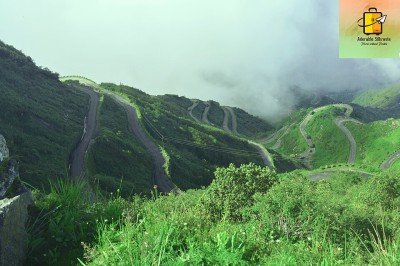
Zuluk
Some quick example text to build on the card title and make up the bulk of the card's content.
Go somewherein Other Cities