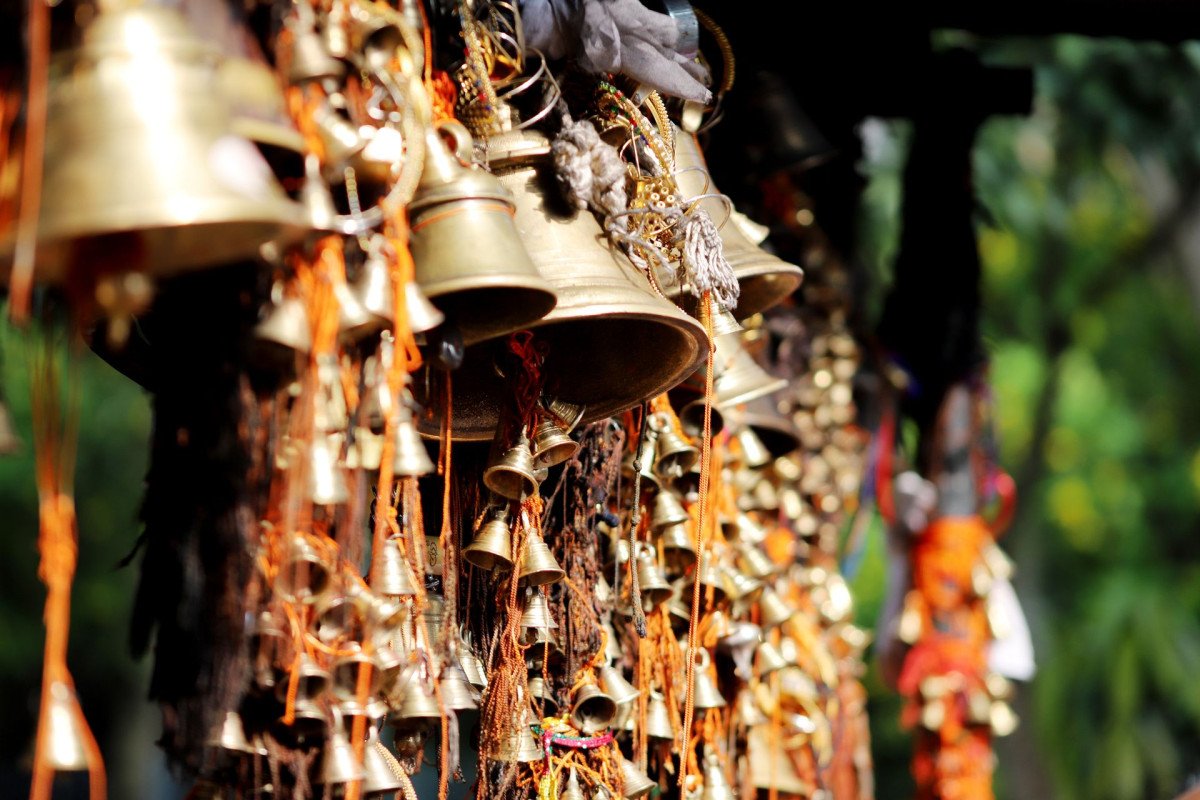
Adi Shankara Temple
General information
-
Ideal Duration:
1-2 hoursPlace Type:
Spiritual Landmark:
Temple:Entry Fees:
No Entry Fee for Temple: There is No Entry Fee to visit the Adi Shankara Temple or the main Sharadamba Temple complex. It is a place of worship open to all.
Optional Donations and Seva Tickets: While entry is free, visitors are encouraged to...No Entry Fee for Temple: There is No Entry Fee to visit the Adi Shankara Temple or the main Sharadamba Temple complex. It is a place of worship open to all.
Optional Donations and Seva Tickets: While entry is free, visitors are encouraged to make voluntary donations to the Matha for the maintenance of the temples and the running of the Annadana (free meal) scheme. There are paid seva tickets for specific rituals and poojas that a devotee might wish to perform, but these are entirely optional and not an entry requirement. The Matha provides Annadana free of cost to all pilgrims.
Photography Fees: There might be restrictions or a small fee for carrying professional cameras inside the complex, but generally, the use of phone cameras is permitted in the outer areas, though strictly prohibited inside the main shrines. The policy ensures the sanctity and tranquility of the inner sanctums.Timing:
Regular Timings for Darshan: The temple is generally open from 6:00 AM to 2:00 PM and then from 4:00 PM to 9:00 PM daily. However, the timings can vary slightly during festival days or special religious ceremonies.
The Ideal Visit Time: The ...Regular Timings for Darshan: The temple is generally open from 6:00 AM to 2:00 PM and then from 4:00 PM to 9:00 PM daily. However, the timings can vary slightly during festival days or special religious ceremonies.
The Ideal Visit Time: The best time to visit is early in the morning, around 7:00 AM to 8:00 AM, when the atmosphere is the most peaceful, the weather is pleasant, and the first poojas of the day are being performed, offering a highly spiritual experience. Another good time is during the evening Aarti around 7:30 PM.
Lunch and Rest Hours: The temple closes for a few hours in the afternoon, typically between 2:00 PM and 4:00 PM, so plan your visit to avoid this break.Special Events:
Shankara Jayanti: The most significant event is the annual celebration of Shankara Jayanti, the birth anniversary of Adi Shankaracharya, which usually takes place in April or May. This festival is marked by elaborate rituals, Vedic chanting, philosophical discourses, and a ...Shankara Jayanti: The most significant event is the annual celebration of Shankara Jayanti, the birth anniversary of Adi Shankaracharya, which usually takes place in April or May. This festival is marked by elaborate rituals, Vedic chanting, philosophical discourses, and a grand procession. Thousands of devotees and scholars gather to participate in the celebrations.
Navaratri Festival: While mainly dedicated to Goddess Sharadamba, the whole Sringeri Peetham celebrates Navaratri in a spectacular fashion, which includes special Poojas at the Adi Shankara Temple. This nine-night festival, usually in September or October, features special decorations, cultural programs, and a display of spiritual and traditional grandeur. The entire town is alight with festive energy and traditional music.Best Photo Spots:
The Tunga River Backdrop: The best spot for a photo is capturing the temple with the gentle flow of the Tunga River in the foreground. The ancient stone steps leading to the river and the lush greenery create a picturesque frame, especially during the early morning.The Tunga River Backdrop: The best spot for a photo is capturing the temple with the gentle flow of the Tunga River in the foreground. The ancient stone steps leading to the river and the lush greenery create a picturesque frame, especially during the early morning.
The Temple Gopuram and Entrance: The magnificent entrance tower (Gopuram) of the main Sharadamba Temple provides a colorful and highly detailed backdrop. Taking a photo that includes the ornate carvings of the deities on the tower is a must.
The Statue of Adi Shankara: A close-up photograph of the serene statue of Adi Shankara inside the temple (if permitted, usually from the outer hall) captures the profound spiritual essence of the place. Capturing the simplicity of the shrine against the backdrop of the grander complex is also a good shot.
Note: Photography is usually restricted inside the main sanctums.Photo Gallery
Things To Do
-
Attending the Daily Pooja and Rituals: Observing the traditional rituals performed by the priests is a key activity, providing insight into the ancient Vedic practices preserved by the Matha.
Receiving Blessings from the Jagadguru: On most days, devotees can queue up to receive the blessings and Teertha (holy water) from the current Jagadguru of the Peetham, a highly revered experience.
Feeding the Holy Fish in the Tunga River: A popular activity is feeding the large, protected fish (Mahseer) in the river flowing beside the temple complex. Dedicated steps lead down to the river for this purpose.
Exploring the Sharadamba and Vidyashankara Temples: The visit must be clubbed with the other two main temples in the complex, the Sharadamba temple for the Goddess of Learn...Attending the Daily Pooja and Rituals: Observing the traditional rituals performed by the priests is a key activity, providing insight into the ancient Vedic practices preserved by the Matha.
Receiving Blessings from the Jagadguru: On most days, devotees can queue up to receive the blessings and Teertha (holy water) from the current Jagadguru of the Peetham, a highly revered experience.
Feeding the Holy Fish in the Tunga River: A popular activity is feeding the large, protected fish (Mahseer) in the river flowing beside the temple complex. Dedicated steps lead down to the river for this purpose.
Exploring the Sharadamba and Vidyashankara Temples: The visit must be clubbed with the other two main temples in the complex, the Sharadamba temple for the Goddess of Learning and the architectural marvel of the Vidyashankara temple.
Studying the Stone Inscriptions and Carvings: Taking time to examine the intricate carvings, especially the Rasikambhas (Zodiac Pillars) at the Vidyashankara Temple nearby, offers a glimpse into the astronomical and architectural genius of the Vijayanagara era.
Participating in Sevas (Devotional Services): Devotees can offer various services or participate in mass feeding (Annadana).
Collecting Spiritual Literature and Souvenirs: The Matha has bookstores selling books on Advaita Vedanta, philosophy, and the history of Sringeri.
Information
-
Why Famous:
A Pivotal Spiritual Center: The temple is famous primarily because it is dedicated to Adi Shankaracharya, the monumental figure who revitalized Hindu thought. It marks the location of the first Matha (monastery) he established for the propagation of Advaita Vedanta. This s...A Pivotal Spiritual Center: The temple is famous primarily because it is dedicated to Adi Shankaracharya, the monumental figure who revitalized Hindu thought. It marks the location of the first Matha (monastery) he established for the propagation of Advaita Vedanta. This school of thought posits the non-duality of the individual soul (Atman) and the ultimate reality (Brahman). The temple is a living testament to his life's work and philosophical legacy.
Sanctity and Tradition: The shrine's association with the lineage of Jagadgurus (spiritual masters) who have succeeded Adi Shankara for over a thousand years makes it a uniquely important site. Devotees believe visiting here grants spiritual merit and academic success. It draws scholars, spiritual seekers, and pilgrims from all over the world, especially during Shankara Jayanti (the birth anniversary of Adi Shankara) which usually falls in April or May. The profound spiritual energy and the continuity of the tradition are the major reasons for its enduring fame. -
Architecture:
A Blend of Styles: The current structure of the shrine dedicated to Adi Shankara is part of the larger Sharadamba Temple complex, which predominantly showcases a mix of Dravidian and Vijayanagara architectural influences, especially in its granite construction after later re...A Blend of Styles: The current structure of the shrine dedicated to Adi Shankara is part of the larger Sharadamba Temple complex, which predominantly showcases a mix of Dravidian and Vijayanagara architectural influences, especially in its granite construction after later renovations.
Simplicity of the Shrine: The specific shrine for Adi Shankara is relatively simple compared to the main Sharadamba temple. It focuses on the inner experience rather than external grandeur.
Dimensions and Layout: The overall complex is expansive. The shrine generally consists of a small sanctum (Garbhagriha) housing the idol, and a modest hall (Mandapa). The layout is designed to facilitate easy darshan (viewing of the deity) for the pilgrims. The architecture emphasizes strength and tradition, utilizing robust materials like granite. The use of traditional iconography and stonework reflects the deep historical and spiritual roots of the Peetham. The carvings, though less ornate than the Vidyashankara Temple, are precise and convey devotional narratives. -
How To Reach:
By Air: The nearest airport is Mangaluru International Airport (IXE), which is approximately 111 KMS away. From the airport, one can hire a pre-paid taxi or take a bus to Sringeri. This is the fastest way for international or distant domestic travelers.
Read MoreBy Air: The nearest airport is Mangaluru International Airport (IXE), which is approximately 111 KMS away. From the airport, one can hire a pre-paid taxi or take a bus to Sringeri. This is the fastest way for international or distant domestic travelers.
By Train: The nearest major railway station is Shivamogga (SMET), about 90 KMS away, or Udupi (UD), about 96 KMS away. Both stations have good connectivity to major cities. From the railway station, local or state-run buses (KSRTC) and private taxis are readily available to reach Sringeri.
By Road: Sringeri is very well connected by road. Direct KSRTC and private bus services are available from major cities like Bengaluru (320 KMS), Mangaluru, Shivamogga, and Udupi. Driving down by car is also a popular and scenic option through the Western Ghats.
By Local Transport: Within Sringeri town, the temple complex is easily reachable by auto-rickshaws or simply by walking, as it is centrally located. Taxis are available for nearby tourist spots like Kigga and Sirimane Falls.Weather and Best Time to Visit:
The Seasons: Winter (October to March) is the Best Time to Visit. The weather is cool and pleasant, ideal for sightseeing and walking around the vast temple complex. Monsoon (June to September) sees heavy rainfall, which makes the surrounding nature lush but can disrupt tr...The Seasons: Winter (October to March) is the Best Time to Visit. The weather is cool and pleasant, ideal for sightseeing and walking around the vast temple complex. Monsoon (June to September) sees heavy rainfall, which makes the surrounding nature lush but can disrupt travel and sightseeing. Summer (April to May) is hot and humid, especially during the day, making early morning or late evening visits preferable.
Different Parts of the Day: Morning (7:00 AM to 10:00 AM) is the most ideal time, offering a tranquil and spiritually charged atmosphere during the morning poojas. Evening (5:00 PM to 7:30 PM) is also pleasant, especially during the sunset, followed by the evening Aarti ceremony. Avoiding the hot afternoon hours (12:00 PM to 4:00 PM) is highly recommended.Near Tourist Places:
Sri Vidyashankara Temple (0 KM), Sharadamba Temple (0 KM), Torana Ganapati Temple (0 KM), Sri Malayala Brahma Temple (0 KM), Kere Anjaneya Temple (1 KMS), Narasimhavanam (2 KMS), Kigga (Rishyasringeshwara Temple) (9 KMS), Sirimane Falls (15 KMS), Agumbe (30 KMS), Horanadu Annapoorneshwari Temple (54 KMS).Tourism Tips
-
Health & Safety: Always carry a small medical kit with basic medicines for headaches or stomach upsets. Drink only bottled water. Be cautious of slippery surfaces, especially during the Monsoon season, and wear comfortable walking shoes.
Packin...Health & Safety: Always carry a small medical kit with basic medicines for headaches or stomach upsets. Drink only bottled water. Be cautious of slippery surfaces, especially during the Monsoon season, and wear comfortable walking shoes.
Packing: Dress code is important; modest attire is mandatory for temple entry (covering shoulders and legs for both men and women). Carry light cotton clothes for Summer and a light shawl for Winter evenings. An umbrella/raincoat is essential during the Monsoon.
Accommodation: The Sringeri Sharada Peetham provides basic, clean accommodation (Matha guest houses) at reasonable rates, but pre-booking is advised, especially during peak seasons/festivals like Navaratri. Private lodges and hotels are also available in Sringeri town.
Other Topics: Be respectful of the customs; maintain silence inside the temple sanctums. Photography is strictly prohibited in the inner areas. Make use of the free Annadana (lunch/dinner) offered by the Matha.
Reviews
FAQs
Sringeri Itineray And Cost:-
Adi Shankara Temple Tourism:-
Other Places In Sringeri :-
Other States In India :-
Information about New and Updated Locations() of Karnataka Has Been Added :-
Card subtitle
Note:-
Information provided here in good Faith and for reference only.
Near Places
Adi Shankara Temple
Some quick example text to build on the card title and make up the bulk of the card's content.
Go somewhere
Agumbe Rainforest Research Station
Some quick example text to build on the card title and make up the bulk of the card's content.
Go somewhere
Barkana Falls
Some quick example text to build on the card title and make up the bulk of the card's content.
Go somewhere
Bhadra River Lakya Confluence Point
Some quick example text to build on the card title and make up the bulk of the card's content.
Go somewhere
Hanumana Gundi Falls
Some quick example text to build on the card title and make up the bulk of the card's content.
Go somewhere
Horanadu Annapoorneshwari Temple
Some quick example text to build on the card title and make up the bulk of the card's content.
Go somewhere
Kadambi Falls
Some quick example text to build on the card title and make up the bulk of the card's content.
Go somewhere
Kere Anjaneya Temple
Some quick example text to build on the card title and make up the bulk of the card's content.
Go somewhere
Kigga
Some quick example text to build on the card title and make up the bulk of the card's content.
Go somewhere
Koppa
Some quick example text to build on the card title and make up the bulk of the card's content.
Go somewhere
Kudremukh National Park
Some quick example text to build on the card title and make up the bulk of the card's content.
Go somewhere
Lakya Dam
Some quick example text to build on the card title and make up the bulk of the card's content.
Go somewhere
Mallikarjuna Temple
Some quick example text to build on the card title and make up the bulk of the card's content.
Go somewhere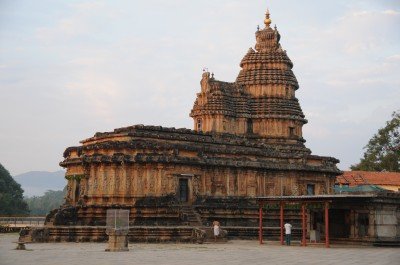
Narasimhavanam
Some quick example text to build on the card title and make up the bulk of the card's content.
Go somewhere
Sirimane Falls
Some quick example text to build on the card title and make up the bulk of the card's content.
Go somewhere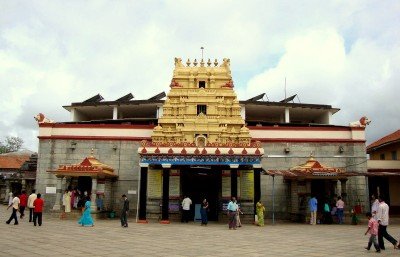
Sri Malayala Brahma Temple
Some quick example text to build on the card title and make up the bulk of the card's content.
Go somewherein Other Cities