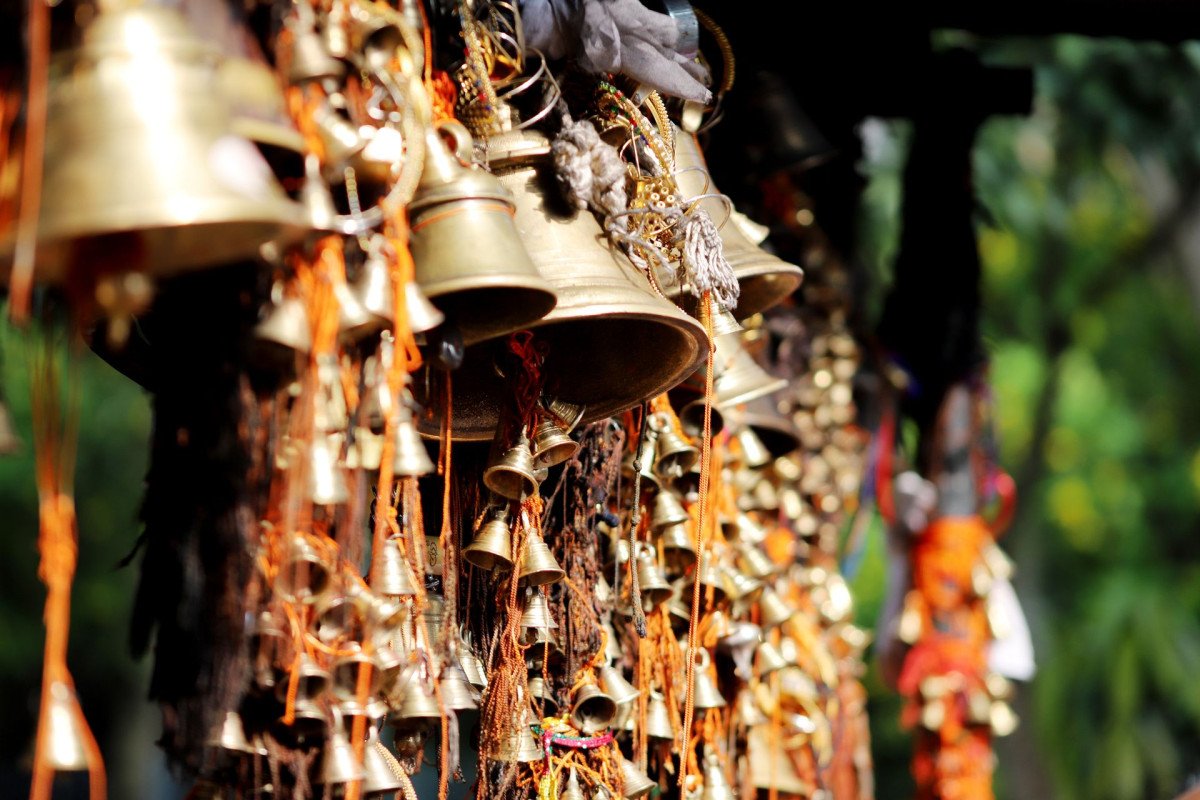
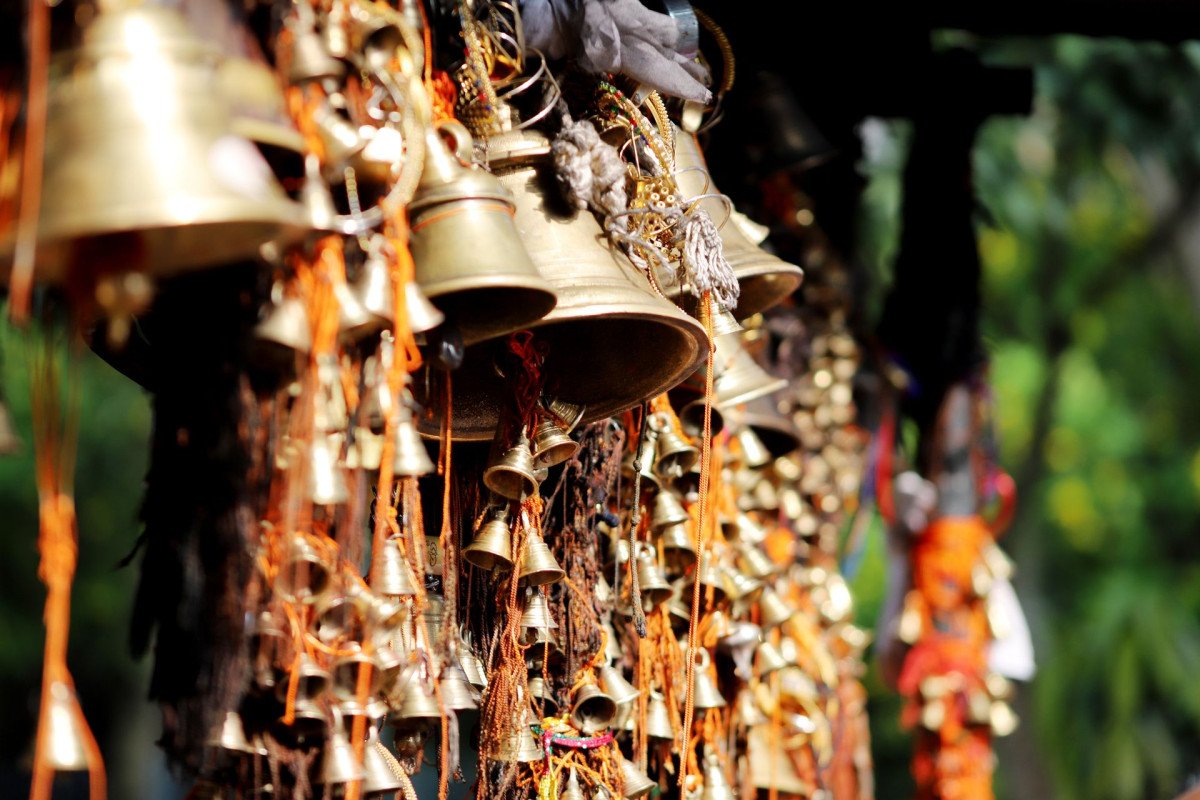
Kere Anjaneya Temple
General information
-
Ideal Duration:
30 minutes - 1 hourPlace Type:
Sacred Lake-side
Temple:
Temple:Entry Fees:
No Entry Fee for Temple: Like most temples in the Sringeri Matha area, there is No Entry Fee for visitors. The temple relies on voluntary offerings and donations for its maintenance and daily activities.
Offerings for Seva and Pooja: Devotee...No Entry Fee for Temple: Like most temples in the Sringeri Matha area, there is No Entry Fee for visitors. The temple relies on voluntary offerings and donations for its maintenance and daily activities.
Offerings for Seva and Pooja: Devotees can purchase tickets for specific devotional services (sevas) to be performed in their name, such as Archana or special Abhishekams, but these are voluntary. These fees are generally nominal and support the temple's upkeep.
Parking and Other Minor Costs: There might be a small, unofficial fee for parking a vehicle in the immediate vicinity during peak festival times, but otherwise, there are no mandatory charges for a general visit.Timing:
Regular Timings: The temple is usually open from 6:30 AM to 1:00 PM and from 4:00 PM to 8:30 PM. Check locally for exact Pooja times to witness the rituals.
Ideal Visit Time: The ideal time is early morning, between 7:00 AM and 9:00 AM, for ...Regular Timings: The temple is usually open from 6:30 AM to 1:00 PM and from 4:00 PM to 8:30 PM. Check locally for exact Pooja times to witness the rituals.
Ideal Visit Time: The ideal time is early morning, between 7:00 AM and 9:00 AM, for a serene visit before the local crowds arrive and to enjoy the cool, quiet lake setting. The time of the evening Aarti (around 7:30 PM) is also highly recommended for its spiritual ambiance.
Avoiding Closing Time: Note the afternoon closing time (1:00 PM to 4:00 PM) to avoid disappointment, as the sanctum is closed during this period.Special Events:
Hanuman Jayanti: This is the major annual festival, celebrated with great pomp and devotion, typically in March or April. The temple hosts special poojas, elaborate decorations, and large community gatherings. The idol is adorned with special vadas (garlands made of deep-f...Hanuman Jayanti: This is the major annual festival, celebrated with great pomp and devotion, typically in March or April. The temple hosts special poojas, elaborate decorations, and large community gatherings. The idol is adorned with special vadas (garlands made of deep-fried lentil snacks) and other traditional offerings. Processions are often held, featuring cultural performances and devotional music, transforming the peaceful locale into a vibrant festival ground for several days.
Vijayadashami (Dussehra): While a part of the larger Navaratri celebrations, Vijayadashami sees special rituals at this temple, dedicated to Hanuman's role in the victory of Rama. The atmosphere is spiritually charged, though calmer than the main Sharadamba Temple.Best Photo Spots:
The Lake at Sunrise: The absolute best time for photography is during sunrise, when the golden light bathes the temple and the lake surface is calm, reflecting the temple structure and the surrounding greenery perfectly. The mist rising from the water creates a magical effe...The Lake at Sunrise: The absolute best time for photography is during sunrise, when the golden light bathes the temple and the lake surface is calm, reflecting the temple structure and the surrounding greenery perfectly. The mist rising from the water creates a magical effect.
The Temple Exterior and Gopuram: Capturing the simple yet aesthetically pleasing exterior of the temple, especially the entrance tower (Gopuram), from a slight distance to include the lake in the frame, provides a beautiful composition.
The Hanuman Idol (Outer View): If permitted, capturing a photo of the sanctum's entrance with the powerful image of Lord Hanuman visible from the Mandapa is a compelling shot, conveying the temple's spiritual energy. Capturing the interplay of light and shadow on the granite is also a good focus.Photo Gallery
Things To Do
-
Offering Oil (Taila) to Lord Hanuman: A popular ritual is offering sesame oil to the deity, symbolizing the removal of obstacles and the acquisition of strength. This is a primary devotional activity for most visitors.
Meditating by the Lake: Utilize the serene lake banks for a few minutes of quiet meditation or prayer, absorbing the tranquility of the natural surroundings. Taking a Parikrama (Circumambulation) of the Temple and Lake: Walking around the temple structure and along the perimeter of the lake is considered a meritorious act, offering both spiritual engagement and a pleasant walk.
Attending the Evening Aarti: The evening Aarti (lamp ceremony) is particularly soul-stirring due to the temple's calm, dimly lit ambiance near the lake.
Observing Local Life: ...Offering Oil (Taila) to Lord Hanuman: A popular ritual is offering sesame oil to the deity, symbolizing the removal of obstacles and the acquisition of strength. This is a primary devotional activity for most visitors.
Meditating by the Lake: Utilize the serene lake banks for a few minutes of quiet meditation or prayer, absorbing the tranquility of the natural surroundings. Taking a Parikrama (Circumambulation) of the Temple and Lake: Walking around the temple structure and along the perimeter of the lake is considered a meritorious act, offering both spiritual engagement and a pleasant walk.
Attending the Evening Aarti: The evening Aarti (lamp ceremony) is particularly soul-stirring due to the temple's calm, dimly lit ambiance near the lake.
Observing Local Life: The temple is a hub of local activity. Observing the daily routines, the simplicity of the worship, and the local interactions provides a genuine cultural experience of Malnad life.
Offering Prasada (Food Offering): Participating in the preparation or distribution of prasada as part of a service.
Praying for Health and Strength: Directly seeking the blessings of Hanuman for physical and mental strength and the courage to overcome challenges is the core reason for the visit.
Information
-
Why Famous:
Its Scenic and Spiritual Setting: The temple's unique location by the Kere (lake) is its primary claim to fame, offering an exceptionally serene and beautiful backdrop for worship. This picturesque setting distinguishes it from the other temples in Sringeri. The lake is co...Its Scenic and Spiritual Setting: The temple's unique location by the Kere (lake) is its primary claim to fame, offering an exceptionally serene and beautiful backdrop for worship. This picturesque setting distinguishes it from the other temples in Sringeri. The lake is considered sacred, and its presence adds to the overall sanctity of the shrine. The temple is especially famous among the local community for granting wishes and instilling courage in the devotees.
Hanuman Jayanti Celebrations: The grand celebrations held during Hanuman Jayanti (the birth anniversary of Lord Hanuman), typically falling in March or April, draw large crowds. The festival is celebrated with special poojas, processions, and community feasting, making it a vibrant cultural and religious hub during this time. The spiritual fervor during these events is very high. -
Architecture:
The Traditional Regional Style: The temple architecture follows a simple, traditional South Indian, specifically Malnad (Hill region of Karnataka) style, with a more modest structure compared to the grand temples of the Sringeri Mutt.
Focus on th...The Traditional Regional Style: The temple architecture follows a simple, traditional South Indian, specifically Malnad (Hill region of Karnataka) style, with a more modest structure compared to the grand temples of the Sringeri Mutt.
Focus on the Deity: The main focus is the idol of Lord Hanuman, which is usually depicted in a powerful, standing posture, holding the Gada (mace). The sanctum (Garbhagriha) is small and square-shaped, typical of regional temple construction.
Materials and Structure: The temple utilizes locally sourced materials, primarily granite and laterite stone for the walls and base, with a tiled or simple roof structure over the Mandapa (pillared hall) in front of the sanctum. The overall dimensions are modest, accommodating a few hundred devotees at a time. The simple style emphasizes the spiritual presence of the deity. The exterior may have minimal carvings, focusing instead on the powerful energy of the Moola Murthy (main idol). The setting on the lake bank is integral to its design and charm. -
How To Reach:
By Air: The nearest airport is Mangaluru International Airport (IXE) (111 KMS). From there, take a taxi or bus to Sringeri town. The final kilometer to the temple can be covered by local auto or walking.
By Train: The closest railway statio...By Air: The nearest airport is Mangaluru International Airport (IXE) (111 KMS). From there, take a taxi or bus to Sringeri town. The final kilometer to the temple can be covered by local auto or walking.
By Train: The closest railway stations are Shivamogga (SMET) (90 KMS) and Udupi (UD) (96 KMS). Regular buses and taxis are available from these stations to Sringeri.
By Road: Since it is located right in Sringeri town, it is easily accessible by road. It's a short auto-rickshaw ride from the main bus stand or a pleasant walk from the Sharadamba Temple complex. State transport buses run through Sringeri connecting it to all major towns in Karnataka.
By Local Transport: Within Sringeri, the best way to reach is via a local auto-rickshaw. Many pilgrims prefer to walk from the main Matha complex, taking about 15 minutes. -
Weather and Best Time to Visit:
The Seasons: Winter (October to March) is perfect, with pleasant temperatures for spending time outdoors by the lake. Monsoon (June to September) makes the lake area incredibly lush and beautiful but requires caution due to rain. Summer (April to May) is hot, making early ...The Seasons: Winter (October to March) is perfect, with pleasant temperatures for spending time outdoors by the lake. Monsoon (June to September) makes the lake area incredibly lush and beautiful but requires caution due to rain. Summer (April to May) is hot, making early morning visits essential.
Different Parts of the Day: Sunrise is the most beautiful time, offering amazing photo opportunities and a calm start to the day. Late Afternoon (5:00 PM onwards) is also great, with cooler temperatures, making it ideal for the Parikrama around the temple and lake. -
Near Tourist Places:
Sri Sharadamba Temple (1 KMS), Sri Vidyashankara Temple (1 KMS), Torana Ganapati Temple (1 KMS), Adi Shankara Temple (1 KMS), Sri Malayala Brahma Temple (1 KMS), Narasimhavanam (3 KMS), Kigga (Rishyasringeshwara Temple) (10 KMS), Sirimane Falls (16 KMS), Kundadri Hill (28 KMS), Agumbe (31 KMS).
Tourism Tips
-
Health & Safety: Be careful near the lake banks, especially with children, as there are no strong railings everywhere. Keep the lake and temple premises clean; avoid throwing plastic or litter.
Packing: Carry sunglasses and a hat if visitin...Health & Safety: Be careful near the lake banks, especially with children, as there are no strong railings everywhere. Keep the lake and temple premises clean; avoid throwing plastic or litter.
Packing: Carry sunglasses and a hat if visiting during the day, as the area can be quite open. Wear modest clothing suitable for temple visits. Carry a bottle of water.
Accommodation: Plan to stay in the Sringeri town itself or at the Matha accommodation, as this temple is meant for a short visit. There are no stay options immediately next to the lake.
Other Topics: Feeding the fish in the adjacent Tunga River area (near the main temple) is a popular activity, but local guidelines may restrict feeding at the lake itself to maintain water quality.
Reviews
FAQs
Sringeri Itineray And Cost:-
Kere Anjaneya Temple Tourism:-
Other Places In Sringeri :-
Other States In India :-
Information about New and Updated Locations() of Karnataka Has Been Added :-
Card subtitle
Note:-
Information provided here in good Faith and for reference only.
Near Places
Adi Shankara Temple
Some quick example text to build on the card title and make up the bulk of the card's content.
Go somewhere
Agumbe Rainforest Research Station
Some quick example text to build on the card title and make up the bulk of the card's content.
Go somewhere
Barkana Falls
Some quick example text to build on the card title and make up the bulk of the card's content.
Go somewhere
Bhadra River Lakya Confluence Point
Some quick example text to build on the card title and make up the bulk of the card's content.
Go somewhere
Hanumana Gundi Falls
Some quick example text to build on the card title and make up the bulk of the card's content.
Go somewhere
Horanadu Annapoorneshwari Temple
Some quick example text to build on the card title and make up the bulk of the card's content.
Go somewhere
Kadambi Falls
Some quick example text to build on the card title and make up the bulk of the card's content.
Go somewhere
Kere Anjaneya Temple
Some quick example text to build on the card title and make up the bulk of the card's content.
Go somewhere
Kigga
Some quick example text to build on the card title and make up the bulk of the card's content.
Go somewhere
Koppa
Some quick example text to build on the card title and make up the bulk of the card's content.
Go somewhere
Kudremukh National Park
Some quick example text to build on the card title and make up the bulk of the card's content.
Go somewhere
Lakya Dam
Some quick example text to build on the card title and make up the bulk of the card's content.
Go somewhere
Mallikarjuna Temple
Some quick example text to build on the card title and make up the bulk of the card's content.
Go somewhere
Narasimhavanam
Some quick example text to build on the card title and make up the bulk of the card's content.
Go somewhere
Sirimane Falls
Some quick example text to build on the card title and make up the bulk of the card's content.
Go somewhere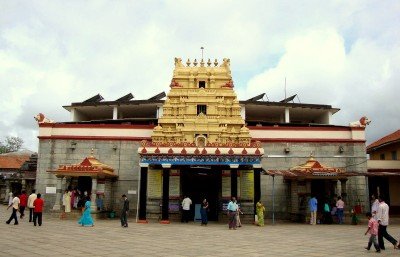
Sri Malayala Brahma Temple
Some quick example text to build on the card title and make up the bulk of the card's content.
Go somewherein Other Cities