Baroda Museum & Picture Gallery
General information
-
Ideal Duration:
2 to 3 Hours (excluding travel time)Place Type:
Museum, Art, History, CultureEntry Fees:
Adult Indian Citizen: Rs.10 (for one section - Museum or Picture Gallery) or Rs.20 (for both). This is a very nominal, low-cost entry, making it accessible to everyone.
Foreign Nationals: Higher fee, often around Rs.100 - Rs.200, depending on the t...Adult Indian Citizen: Rs.10 (for one section - Museum or Picture Gallery) or Rs.20 (for both). This is a very nominal, low-cost entry, making it accessible to everyone.
Foreign Nationals: Higher fee, often around Rs.100 - Rs.200, depending on the ticket type (e. g. , Museum only or Museum and Gallery).
Children: Nominal fee (e. g. , Rs.5 to Rs.10) for children below a certain age or height.
Camera/Photography Fee: There might be a separate, small fee (e. g. , Rs.20 to Rs.50) for carrying a still camera, while video cameras are often charged a higher amount or prohibited. This is common practice in many Indian museums.Timing:
Regular Timings: Open from 10:30 AM to 5:00 PM (confirm locally). It is closed on Mondays and on certain public holidays (like Diwali and Holi). Always check the closure dates before planning.
Ideal Visit Time: Start the visit right at the...Regular Timings: Open from 10:30 AM to 5:00 PM (confirm locally). It is closed on Mondays and on certain public holidays (like Diwali and Holi). Always check the closure dates before planning.
Ideal Visit Time: Start the visit right at the opening time (10:30 AM) on a weekday to avoid large crowds and have a quieter experience, especially in the art gallery section.
Lunch Break: The museum does not typically close for lunch, but visitor flow tends to be lower during the central hours (1:00 PM to 2:00 PM).
Ideal Duration: Plan for a minimum of 2 to 3 hours to properly cover both the Museum and the Picture Gallery sections without rushing through the exhibits.Special Events:
Temporary Art Exhibitions: The Picture Gallery or the main hall occasionally hosts temporary exhibitions of modern or contemporary Indian artists, providing a dynamic cultural experience.
Heritage Week Celebrations: During national or state-...Temporary Art Exhibitions: The Picture Gallery or the main hall occasionally hosts temporary exhibitions of modern or contemporary Indian artists, providing a dynamic cultural experience.
Heritage Week Celebrations: During national or state-level Heritage Weeks, the museum often conducts special lectures, guided tours, and workshops focused on the conservation and history of its collections, drawing history enthusiasts.
Educational Programs: The museum runs educational programs, like art camps and workshops for children, especially during the summer and winter holidays, promoting learning and creativity through its collections.Best Photo Spots:
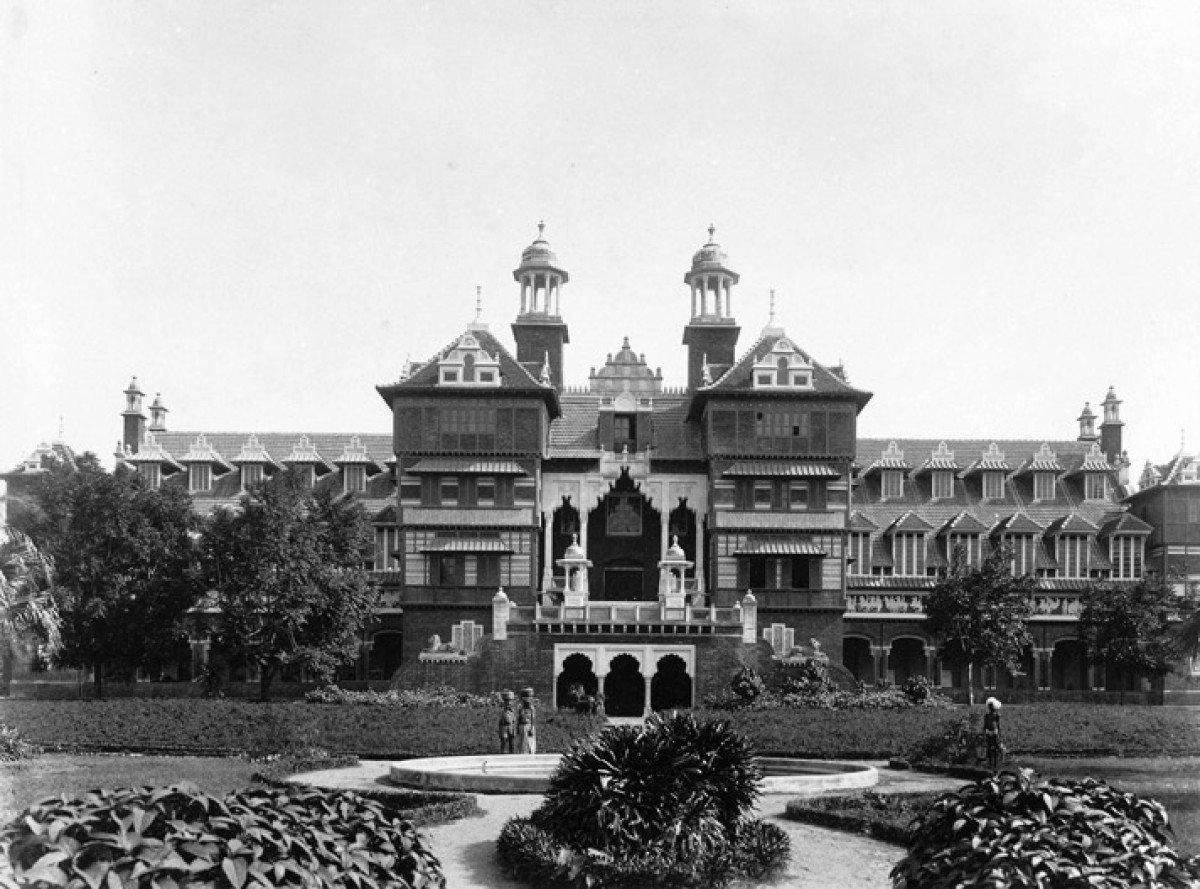
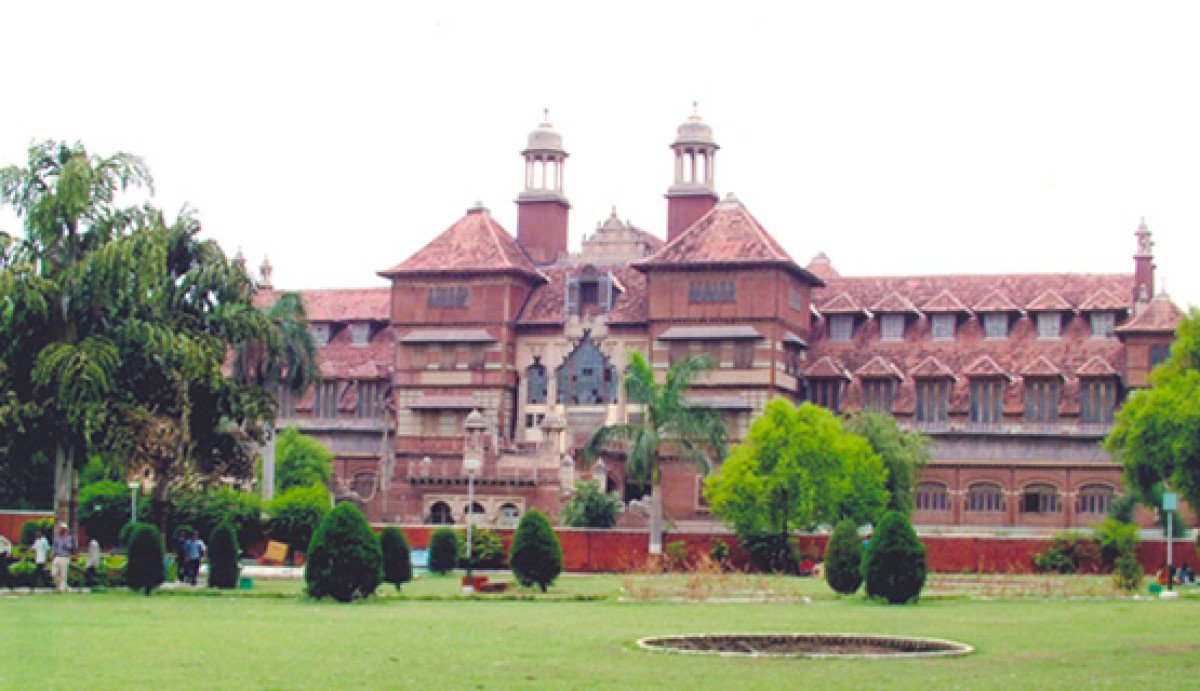
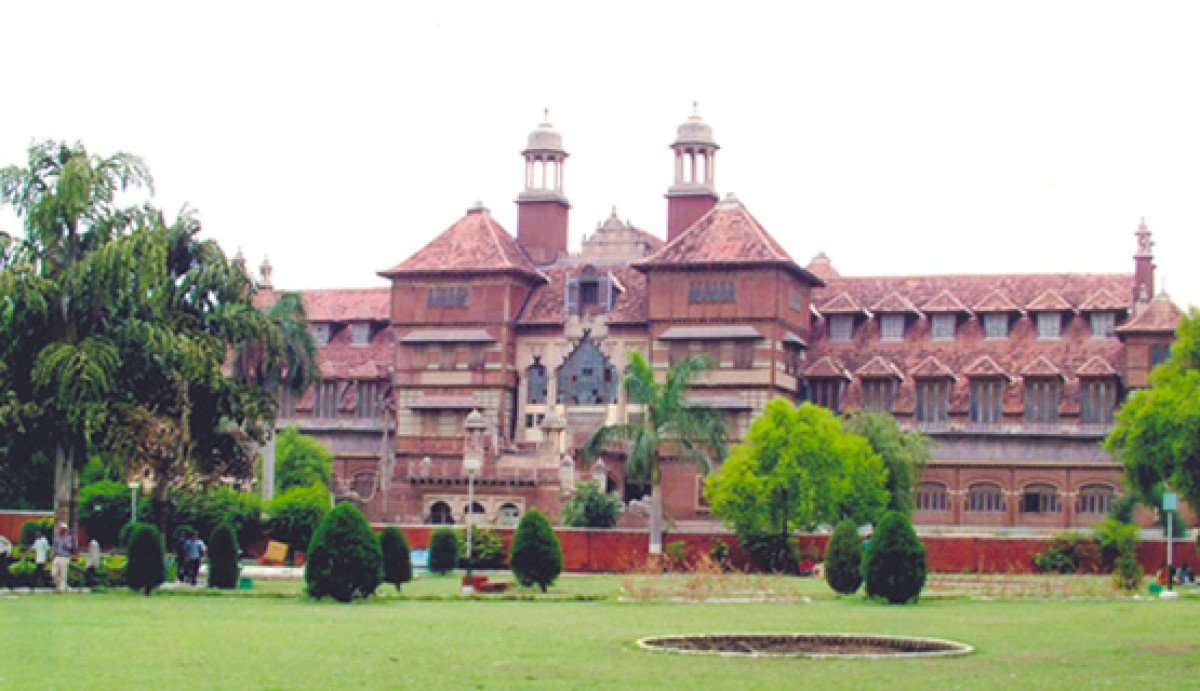
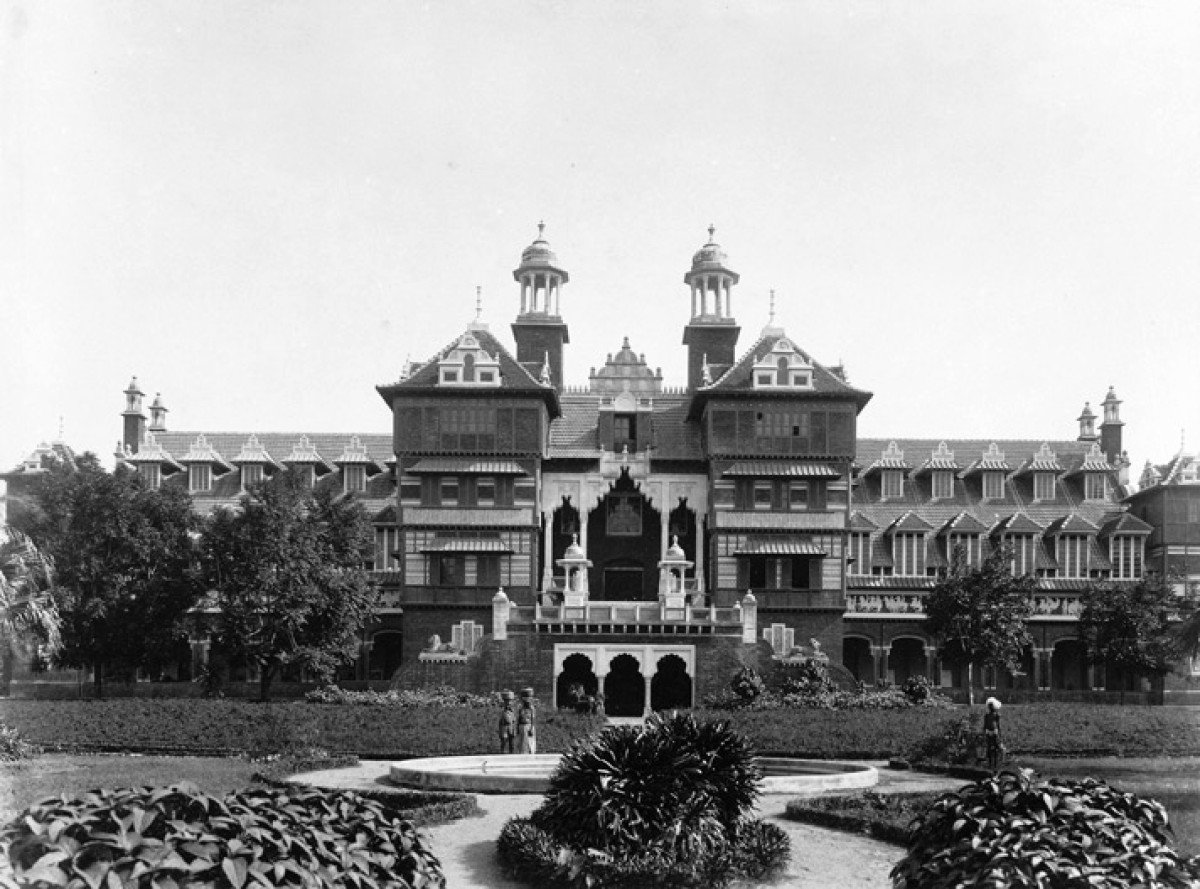
Front Facade of the Museum: The main entrance facade, showcasing the Indo-Saracenic architecture with its grand archways and dome, is the quintessential photo spot, especially in soft morning light.
The Bronze Gallery: The display area for t...Front Facade of the Museum: The main entrance facade, showcasing the Indo-Saracenic architecture with its grand archways and dome, is the quintessential photo spot, especially in soft morning light.
The Bronze Gallery: The display area for the Akota Bronzes, with its focused lighting, offers fantastic opportunities to photograph the metallic luster and intricate details of the ancient sculptures.
The Picture Gallery Hallways: The long, stately corridors of the Picture Gallery, with their high ceilings and large frames of European art, provide a classic, museum-interior backdrop for photography.
Exterior Lawn and Cannon: The lawns in front of the museum, often featuring old cannons or historical artifacts on display, provide a picturesque setting framed by the greenery of Sayaji Baug. (Approx. )Photo Gallery
Things To Do
-
Viewing the Akota Bronzes: Dedicate specific time to viewing the exquisite Jain bronzes, which are of paramount historical and artistic value. Understanding their context enhances the experience significantly.
Exploring the Picture Gallery: Spend time in the separate gallery to appreciate the European oil paintings. Look for works by J. M. W. Turner and other British painters, noting the impact of European art on the Gaekwad collection.
Observing the Egyptian Mummy: The Egyptian mummy and coffin display is a must-see for its historical intrigue and global appeal. Read the accompanying information to understand its provenance.
Strolling through the Ethnology Section: Explore the sections displaying artifacts, textiles, and implements from various tribal and ...
Information
-
Why Famous:
The Akota Bronzes: The museum is most famous for its rare collection of Akota Bronzes, which are Jain images from the 5th to the 12th centuries and are considered some of the finest examples of early medieval Indian bronze casting.
European Mast...The Akota Bronzes: The museum is most famous for its rare collection of Akota Bronzes, which are Jain images from the 5th to the 12th centuries and are considered some of the finest examples of early medieval Indian bronze casting.
European Masterpieces: Its Picture Gallery is renowned for having an excellent collection of European paintings and a unique opportunity to view originals and replicas of masters, a rarity in Indian museums.
The Egyptian Mummy: The presence of an original Egyptian mummy is a major public draw, providing a unique touch of international history to the collection.
Patronage of Gaekwad III: The entire institution is a monument to the vision of Maharaja Sayajirao Gaekwad III, who invested heavily in bringing global standards of education and culture to Baroda State. -
Architecture:
Architectural Style and Influence: The building is a fine example of the Indo-Saracenic architectural style, blending elements of Indian architecture (like domes and chhatris) with European Gothic and Renaissance features. It was designed by the renowned British architect R...Architectural Style and Influence: The building is a fine example of the Indo-Saracenic architectural style, blending elements of Indian architecture (like domes and chhatris) with European Gothic and Renaissance features. It was designed by the renowned British architect Robert Chisholm, who worked on many significant structures in Vadodara.
Key Structural Features: The museum structure is characterized by its grand facade, ornate archways, and a unique blend of stone and brickwork. The Picture Gallery is a later addition but maintains a complementary architectural aesthetic. The complex has separate wings for the museum and the gallery, connected by a covered passage.
Dimension and Layout: The overall layout follows the pattern of European museums of that era, with large halls and high ceilings to accommodate and display large artifacts and paintings effectively. The use of natural light is a key design feature in the gallery section to properly illuminate the artworks. The structure's imposing scale speaks to the ambition of the Gaekwad rulers. -
How To Reach:
By Air (Approx. 7 KMS) Take a taxi or auto-rickshaw from Vadodara Airport (BDQ) to Sayajiganj. The journey is short and straightforward. By Train (Approx. 1 KM) Arrive at Vadodara Junction Railway Station (BRC). The museum is located right across the road from the station complex, inside Sayaji... -
Near Tourist Places:
Sayaji Baug (In the same complex), Sardar Patel Planetarium (In the same complex), Sursagar Lake (1 KM), Khanderao Market (1. 5 KMS), Kirti Mandir (2 KMS), Nyaya Mandir (1. 5 KMS), EME Temple (3 KMS), Laxmi Vilas Palace (3 KMS), Aurobindo Ashram (4 KMS), Maharaja Fateh Singh Museum (3 KMS).
Tourism Tips
-
Health & Safety: Do not touch the exhibits; museum artifacts are fragile. Be mindful of steps and floor level changes. Photography rules are strict—respect the no-flash rule to protect paintings and textiles.
Packing: Travel light, as l...
Reviews
Baroda Museum & Picture Gallery Tourism:-
Information about New and Updated Locations(862+) of Gujarat Has Been Added :-
Card subtitle
Note:-
Information provided here in good Faith and for reference only.
All information and pictures will be updated soon, please keep visiting.
Near Places
Ajwa Nimeta Garden
Some quick example text to build on the card title and make up the bulk of the card's content.
Go somewhere
Ajwa World
Some quick example text to build on the card title and make up the bulk of the card's content.
Go somewhere
BAPS Swaminarayan Mandir Atladara
Some quick example text to build on the card title and make up the bulk of the card's content.
Go somewhere
BAPS Swaminarayan Mandir
Some quick example text to build on the card title and make up the bulk of the card's content.
Go somewhere
Baroda Museum & Picture Gallery
Some quick example text to build on the card title and make up the bulk of the card's content.
Go somewhere
Champaner - Pavagadh Archaeological Park
Some quick example text to build on the card title and make up the bulk of the card's content.
Go somewhere
Dabhoi Fort
Some quick example text to build on the card title and make up the bulk of the card's content.
Go somewhere
EME Temple
Some quick example text to build on the card title and make up the bulk of the card's content.
Go somewhere
Hathni Mata Waterfall
Some quick example text to build on the card title and make up the bulk of the card's content.
Go somewhere
Hazira Maqbara
Some quick example text to build on the card title and make up the bulk of the card's content.
Go somewherein Other Cities