Basistha Temple & Ashram
General information
-
Ideal Duration:
1 to 2 Hours to explore the temple, streams, and enjoy the natural setting.Place Type:
Religious & Spiritual, Natural Retreat, HistoricalEntry Fees:
No Entry Fee for the Temple: There is no charge for general entry to the Basistha Temple and Ashram complex. The area is open for all devotees and tourists.
No Fee for Holy Dip: There is no charge for bathing in the sacred Vasistha Kund or ...No Entry Fee for the Temple: There is no charge for general entry to the Basistha Temple and Ashram complex. The area is open for all devotees and tourists.
No Fee for Holy Dip: There is no charge for bathing in the sacred Vasistha Kund or the streams.
Donations: Like most temples, voluntary donations are accepted for the maintenance and upkeep of the ashram.
Special Puja Charges: If you engage a priest for a specialized or personal religious ceremony or ritual, a fee or offering will be expected for the priest and the cost of the materials (puja samagri).
Parking Fees: A small fee may be charged for parking vehicles in the designated area near the entrance, managed by local vendors or the temple committee.
Trekking Guide Fees: If you plan to visit the cave inside the forest, hiring a local guide is advisable, and their service will involve a negotiable fee.Timing:
Regular Timings: The Basistha Temple and Ashram is open daily from 6:00 AM to 9:00 PM, allowing a long window for visits and prayers.
Ideal Visit Time: The early morning hours, from 6:00 AM to 10:00 AM, are highly recommended. The atmospher...Regular Timings: The Basistha Temple and Ashram is open daily from 6:00 AM to 9:00 PM, allowing a long window for visits and prayers.
Ideal Visit Time: The early morning hours, from 6:00 AM to 10:00 AM, are highly recommended. The atmosphere is quiet and spiritual, and the natural light is perfect. The weather is also very pleasant for walking around the complex.
Late Afternoon: The hours between 4:00 PM and 7:00 PM are also a good choice, offering cooler weather and a serene ambiance as the sun begins to set over the hills.
Avoid Monsoon Peak: While the streams are beautiful in the rain, heavy downpour during the peak monsoon months of July and August can make the grounds muddy and potentially slippery.Special Events:
Maha Shivratri: As a prominent Lord Shiva temple, Maha Shivratri is the biggest festival, celebrated with great fervor, night-long prayers, processions, and large gatherings of devotees in February or March.
Bihu Festivals: The local Assames...Maha Shivratri: As a prominent Lord Shiva temple, Maha Shivratri is the biggest festival, celebrated with great fervor, night-long prayers, processions, and large gatherings of devotees in February or March.
Bihu Festivals: The local Assamese festivals, particularly Bohag Bihu (mid-April) and Magh Bihu (mid-January), are celebrated in the vicinity of the ashram, reflecting the local cultural connection with the spiritual site.
Temple Anniversaries/Foundation Day: Special pujas and ceremonies are held to commemorate the temple's construction by King Rajeswar Singha and the founding of the ancient ashram, often involving spiritual discourses and traditional music.Best Photo Spots:
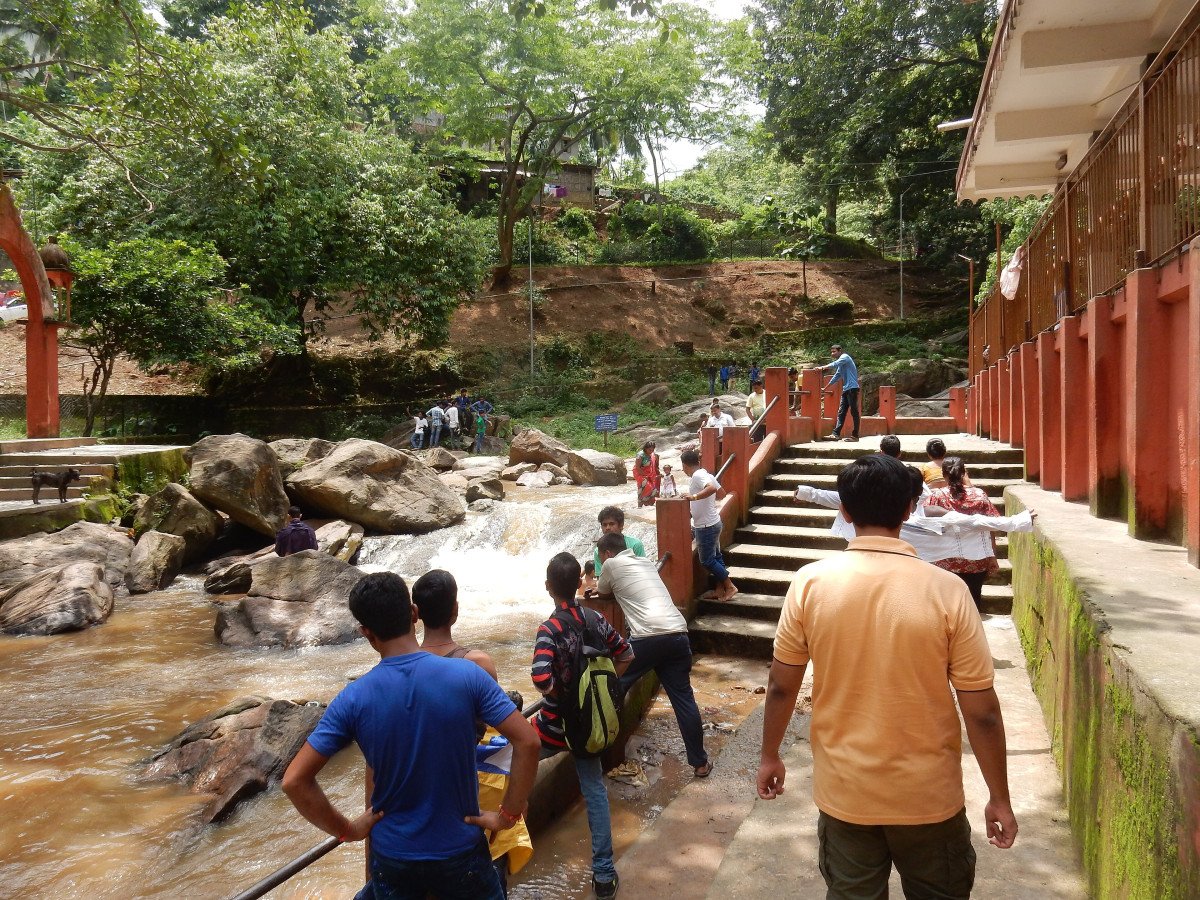
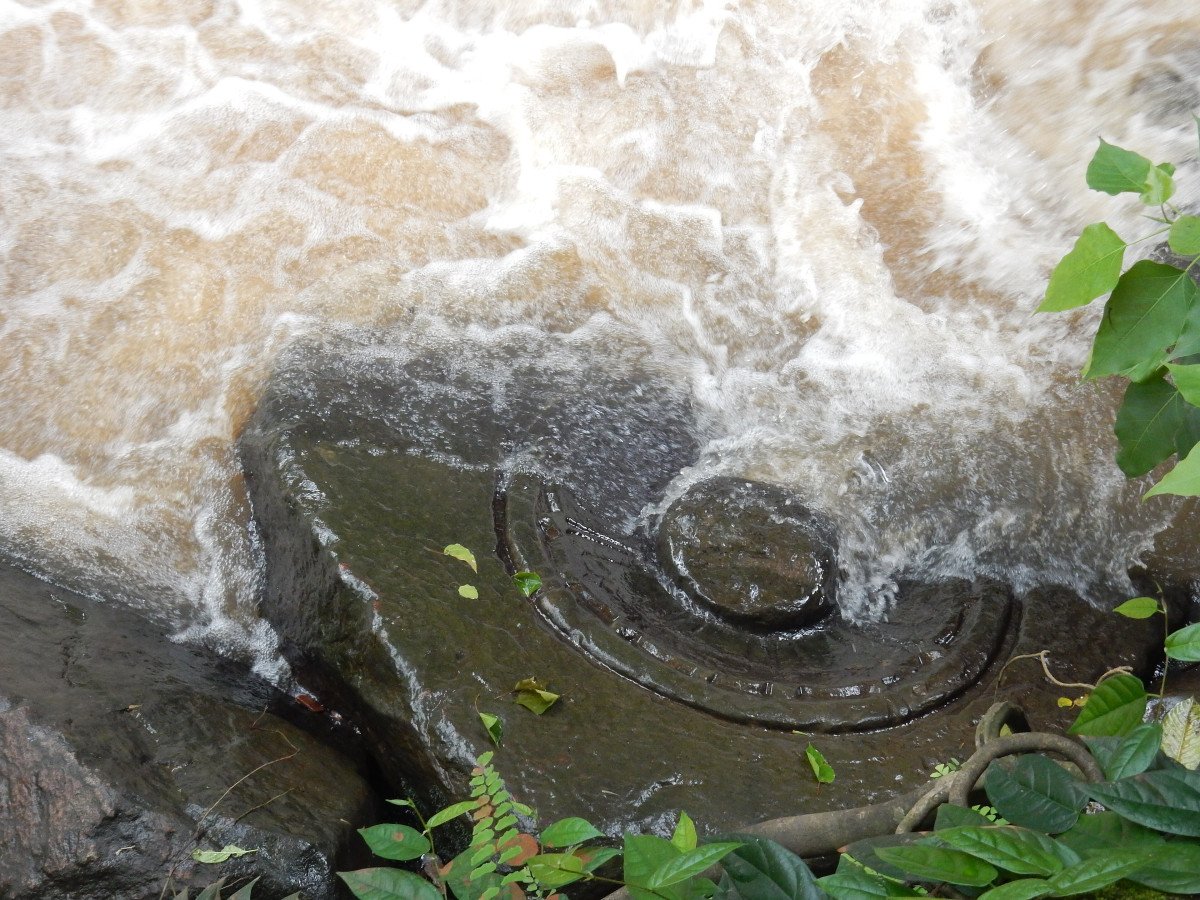
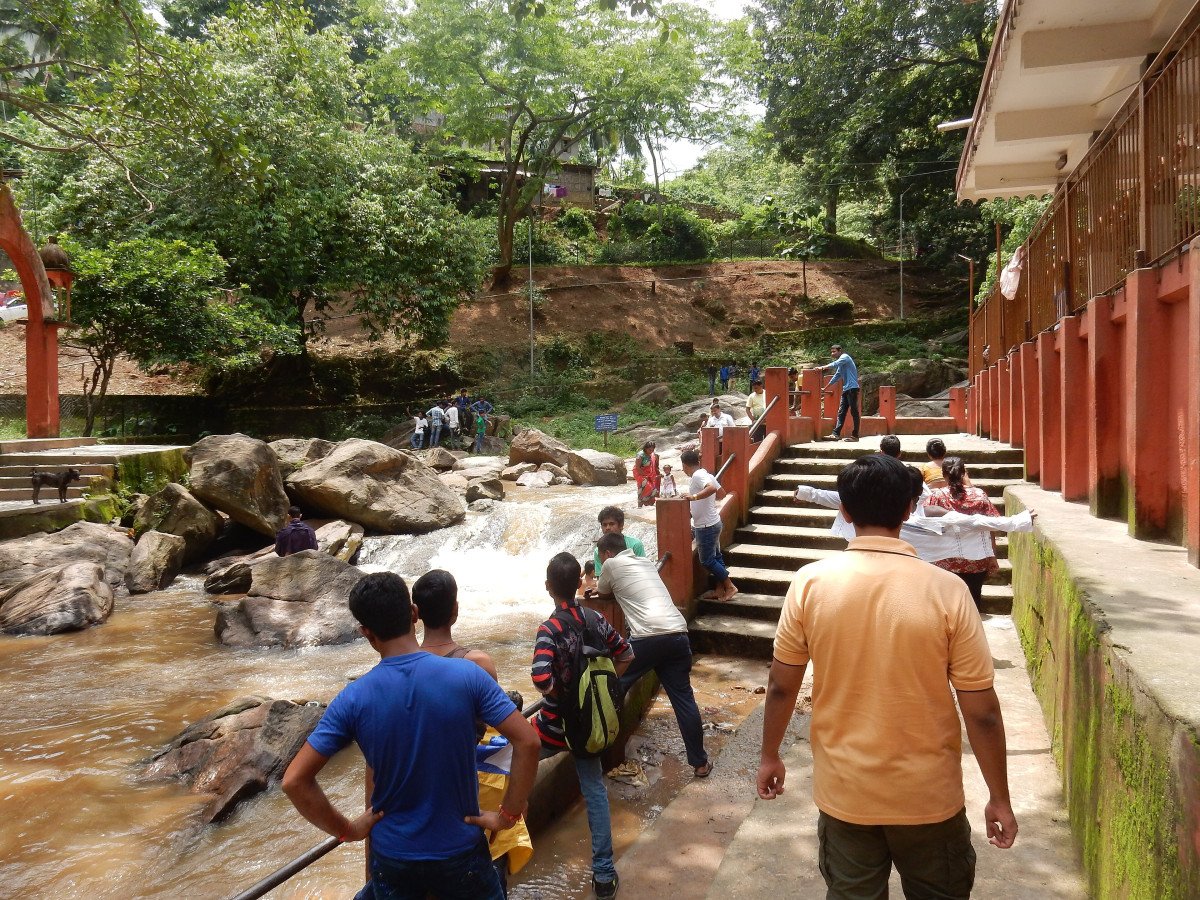
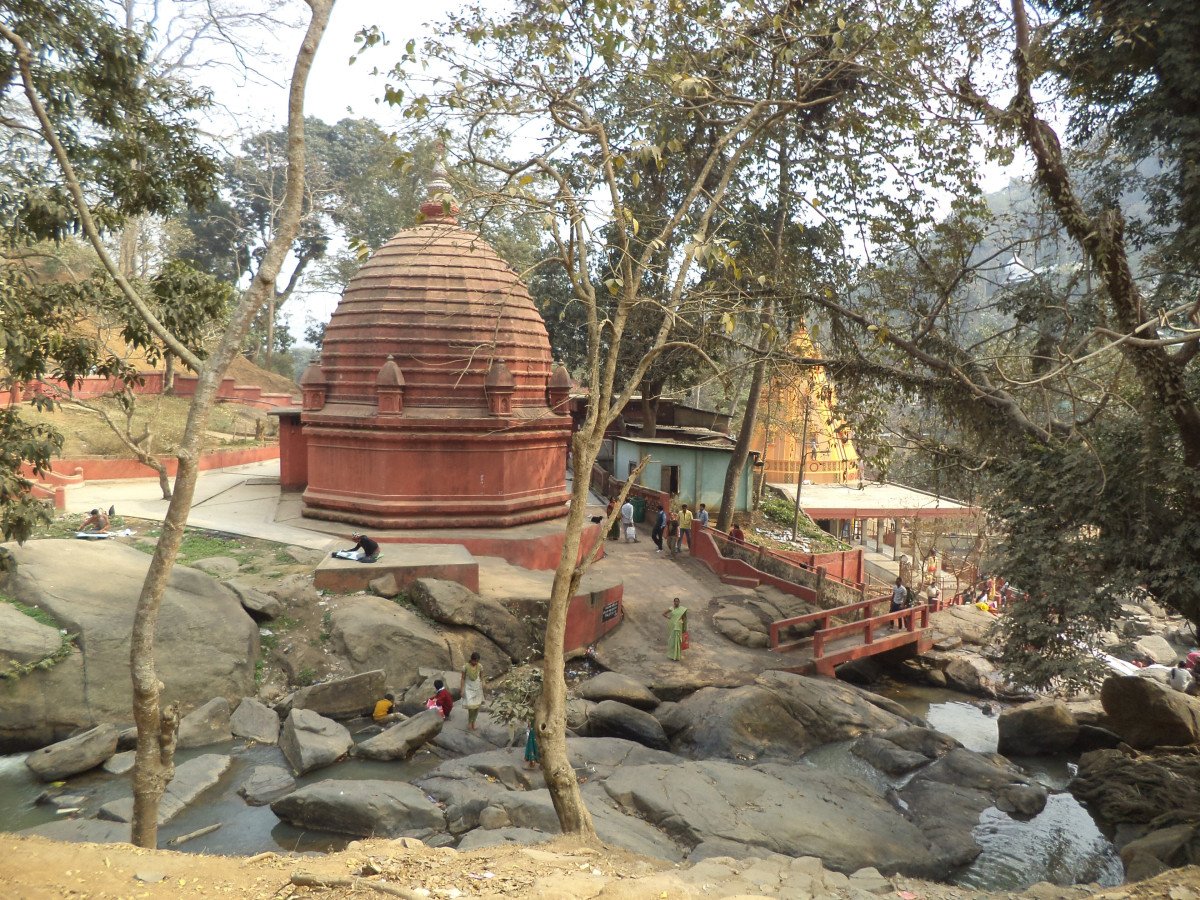
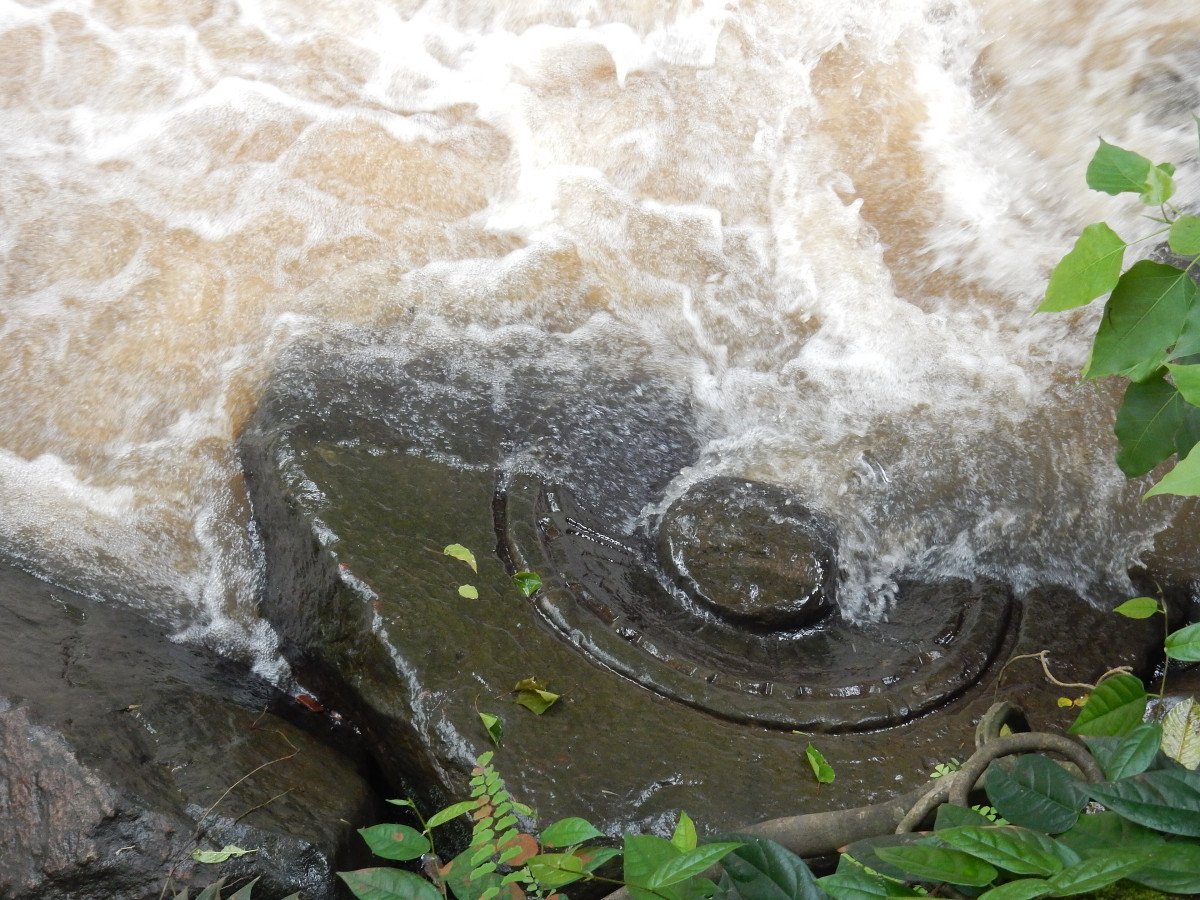
The Confluence of Streams: The point where the three streams meet, with the water cascading over the rocks and the lush foliage as a backdrop, is the most picturesque spot.
The Main Temple Exterior: A shot of the octagonal-base temple with i...The Confluence of Streams: The point where the three streams meet, with the water cascading over the rocks and the lush foliage as a backdrop, is the most picturesque spot.
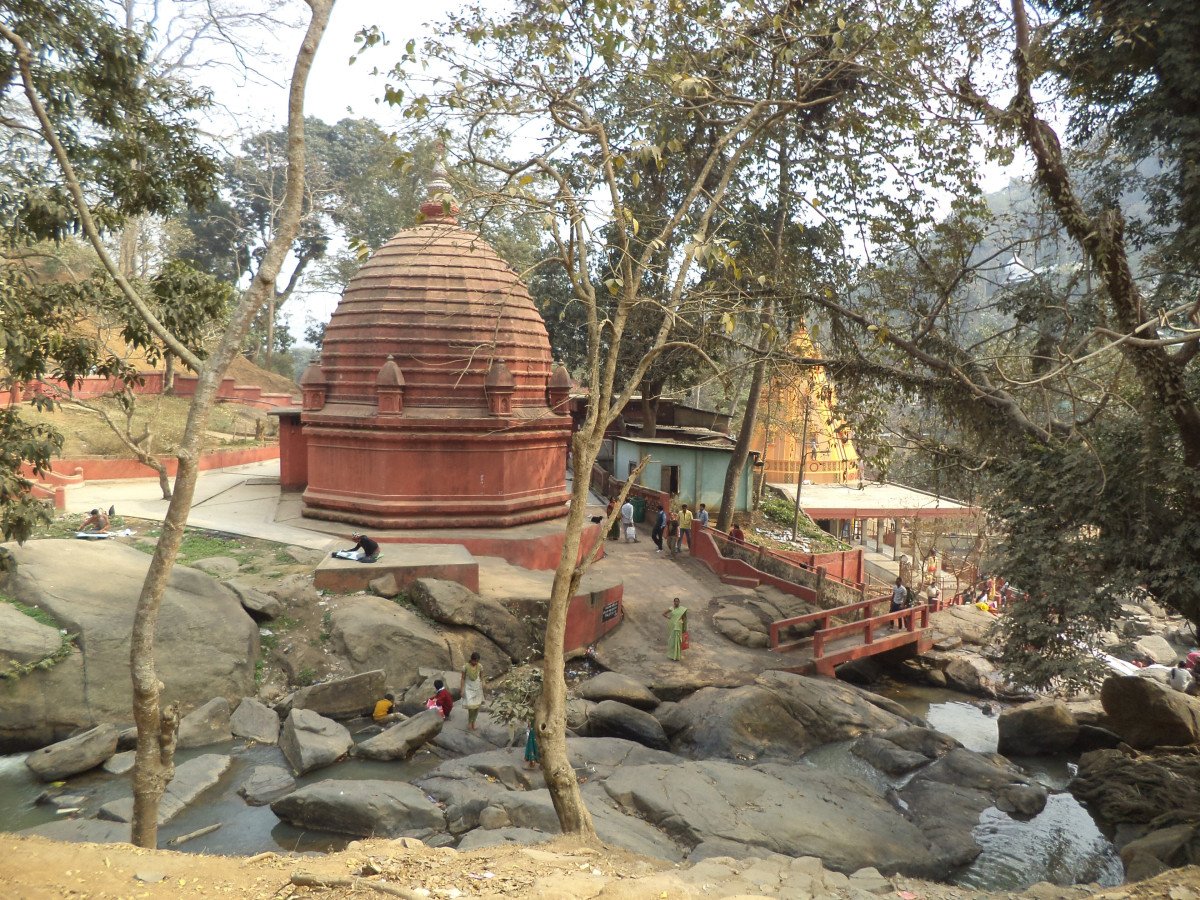
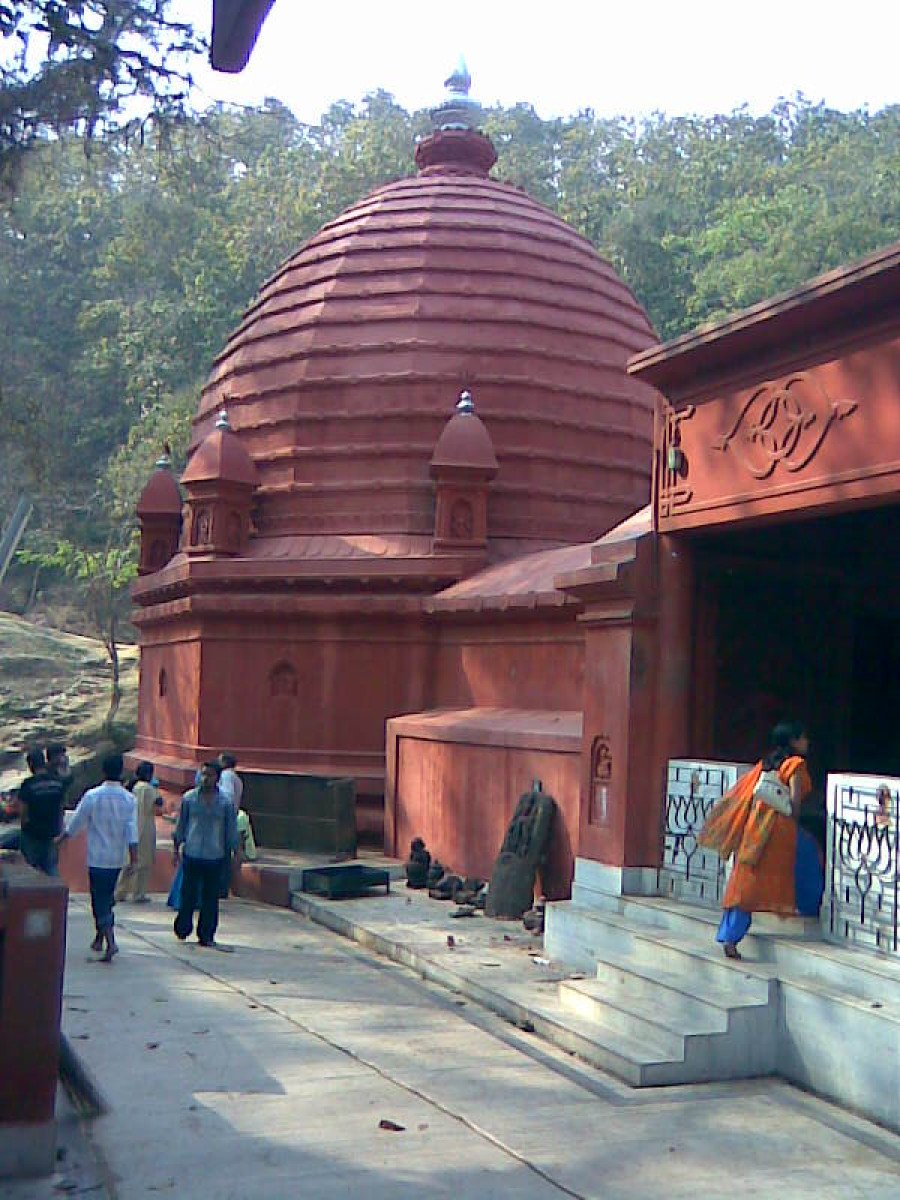
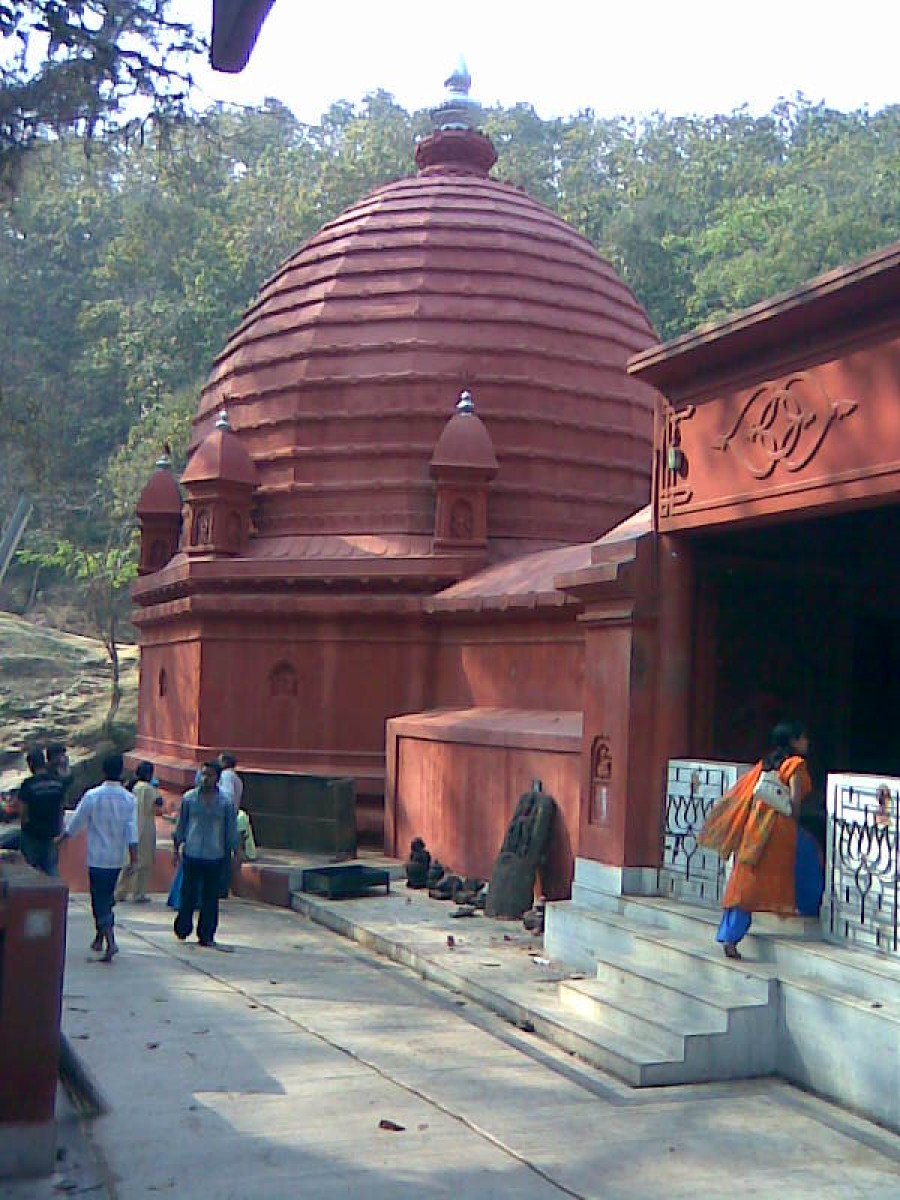
The Main Temple Exterior: A shot of the octagonal-base temple with its unique Nilachal-style shikhara offers a classic architectural photograph.
The Vasistha Kund: Capture the serene natural pool where devotees take a holy dip, often surrounded by rocks and trees, giving a sense of peaceful devotion.
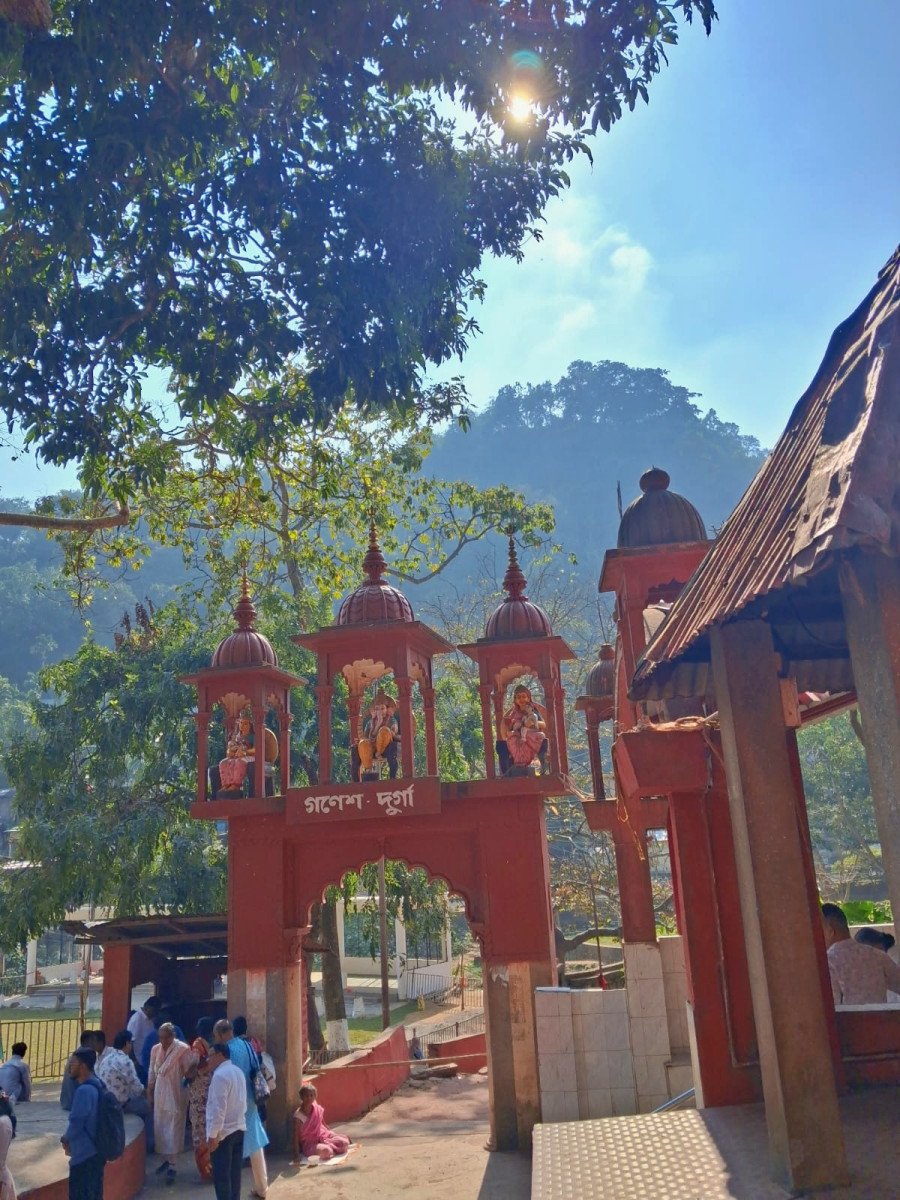
The Forest Backdrop: The dense greenery of the Garbhanga Reserve Forest provides a stunning, natural frame for any photograph taken from the temple grounds, highlighting the remote and tranquil location. Image of Basistha Temple and Stream].Photo Gallery
Things To Do
-
Offer Prayers at the Shiva Temple: The main activity is offering devotion to Lord Shiva and the other deities within the complex. Participate in the regular Archana (offering of prayers) and Abhishekam (ritual bathing of the deity).
Take a Holy Dip at the Kund: Visitors often take a holy dip in the Vasistha Kund, the natural pool formed by the confluence of the three streams, believing it to be spiritually purifying and a source of longevity.
Explore the Converging Streams: Spend time near the junction of the Sandhya, Lalita, and Kanta streams. The natural beauty of the flowing water and the rocky terrain is very photogenic and calming.
Trek to the Vasistha Cave: For the more adventurous, inquire locally about trekking to the cave believed to be the sage's medi...Offer Prayers at the Shiva Temple: The main activity is offering devotion to Lord Shiva and the other deities within the complex. Participate in the regular Archana (offering of prayers) and Abhishekam (ritual bathing of the deity).
Take a Holy Dip at the Kund: Visitors often take a holy dip in the Vasistha Kund, the natural pool formed by the confluence of the three streams, believing it to be spiritually purifying and a source of longevity.
Explore the Converging Streams: Spend time near the junction of the Sandhya, Lalita, and Kanta streams. The natural beauty of the flowing water and the rocky terrain is very photogenic and calming.
Trek to the Vasistha Cave: For the more adventurous, inquire locally about trekking to the cave believed to be the sage's meditation spot (it's about 5 KM inside the forest). It is advisable to go with a local guide and exercise caution.
Relax in the Ashram Gardens: The ashram complex has gardens and shaded areas ideal for simply sitting, relaxing, and enjoying the peaceful, nature-infused atmosphere.
Listen to Local Legends: Engage with the priests or the elderly locals to hear the fascinating mythological stories and legends of Maharishi Vasistha and the origins of the ashram.
Attend the Maha Shivratri Festival: If visiting in February or March, attending the grand celebrations of Maha Shivratri is a must-do for a vibrant cultural experience.
Photography of the Waterfall: Capture the beautiful, small waterfall and the rapid streams, which are the visual centerpiece of the natural setting.
Observe Rituals: Witnessing the daily rituals performed by the priests offers a deep insight into local religious practices.
Nature Walking: Take a gentle walk along the paths surrounding the temple, breathing in the fresh air and enjoying the lush, dense greenery of the forest fringe.
Information
-
Why Famous:
Association with Maharishi Vasistha: Its most significant claim to fame is the spiritual connection to Maharishi Vasistha, one of the seven great Vedic sages (Saptarishis) and the author of the Vasistha Ramayana. This ancient legend draws spiritual seekers and devotees who ...Association with Maharishi Vasistha: Its most significant claim to fame is the spiritual connection to Maharishi Vasistha, one of the seven great Vedic sages (Saptarishis) and the author of the Vasistha Ramayana. This ancient legend draws spiritual seekers and devotees who honor the sage's legacy.
The Holy Stream Confluence: The meeting point of the three mountain streams—Sandhya, Lalita, and Kanta—is revered. The sight of these crystal-clear waters cascading over the rocks is both visually stunning and spiritually meaningful, as bathing in them is thought to purify and bless.
Scenic and Tranquil Location: Located at the border of the Garbhanga Reserve Forest, the ashram provides a serene, natural environment far removed from the city's noise. The lush greenery, the sound of the waterfall, and the presence of wildlife (like elephants, though rarely seen near the temple) make it a perfect natural retreat. -
Architecture:
Nilachal Architectural Style: The temple, constructed by the Ahom King, broadly follows the local Nilachal architectural pattern, which is characteristic of the region and also seen in the famous Kamakhya Temple. This style typically features a unique, curvilinear, beehive-...Nilachal Architectural Style: The temple, constructed by the Ahom King, broadly follows the local Nilachal architectural pattern, which is characteristic of the region and also seen in the famous Kamakhya Temple. This style typically features a unique, curvilinear, beehive-shaped dome or shikhara over the sanctum.
Octagonal Base and Polygonal Shikhara: Historical records suggest the existing brick temple is built on the remains of an older stone structure (around 1000-1100 CE). The mid-18th-century brick temple features an octagonal base with a polygonal shikhara (spire) rising above it. This shape provides structural stability and is a distinctive feature of the regional style.
The Sunken Garbhagriha: A key architectural and spiritual feature is the sunken garbhagriha (inner sanctum). This space is traditionally believed to hold the sacred footprint or relic associated with Sage Vasistha, reinforcing the belief that the site was his hermitage and final resting place.
Integration with Nature: The temple's architecture is subtly integrated with its natural surroundings. It is built directly on the bank of the converging mountain streams, utilizing the natural landscape as an essential part of the spiritual experience, unlike larger, freestanding temple complexes in urban areas.
Dimension and Scope: While the main temple itself is not monumental in size, the entire ashram complex is vast, gifted with 835 bighas of land by King Rajeswar Singha. The smaller size of the temple is typical of hermitage shrines, prioritizing spiritual focus over grand scale. -
How To Reach:
From Place Name:
Guwahati (City Center - Paltan Bazaar) By Air: The nearest airport is Lokpriya Gopinath Bordoloi International Airport (GAU), located approximately 32 KM away. The best way is to hire a pre-paid taxi or app-based cab directl...From Place Name:
Guwahati (City Center - Paltan Bazaar) By Air: The nearest airport is Lokpriya Gopinath Bordoloi International Airport (GAU), located approximately 32 KM away. The best way is to hire a pre-paid taxi or app-based cab directly from the airport to Basistha.
By Train: The nearest major railway station is Guwahati Railway Station (GHY), about 15 KM away. From the station, the most convenient option is a taxi or an auto-rickshaw directly to Basistha.
By Road (Bus/Car): Basistha is well-connected by city roads. From the city center, you can take a City Bus (Bus No. 1 runs from Adabari to Basistha via Paltan Bazaar), a rented car, or a taxi. It is located on the outskirts of the city, so the drive from the center takes around 30 to 45 minutes, depending on traffic.
By Local Transport: Auto-rickshaws and app-based cabs are easily available for a direct journey. It's an important landmark, and drivers are generally familiar with the location. -
Weather and Best Time to Visit:
Different Types of Seasons:
Winter Season (October to March): This is the most pleasant time. The weather is cool, dry, and ideal for enjoying the natural environment and outdoor activities like the short walk to the streams.Different Types of Seasons:
Winter Season (October to March): This is the most pleasant time. The weather is cool, dry, and ideal for enjoying the natural environment and outdoor activities like the short walk to the streams.
Summer Season (April to June): The weather is hot and humid, especially during the day. Visits should be restricted to early mornings.
Monsoon Season (July to September): The surroundings are at their greenest, and the streams are full, making for a beautiful sight. However, heavy rains can be inconvenient, and the pathways can be a bit treacherous.
Different Parts of the Day: Early Morning (6:00 AM - 10:00 AM) The preferred time. The rising sun, cool air, and the fresh flow of the streams create a highly serene and spiritual environment for meditation and viewing. Late Afternoon (4:00 PM - 7:00 PM) Good for nature lovers and for enjoying a peaceful evening before closing, with pleasant temperatures. Avoid Mid-Day (10:00 AM - 4:00 PM) Too hot and humid for outdoor exploration, especially near the streams and for any walking. -
Near Tourist Places:
1.
Assam State Zoo cum Botanical Garden: Approx. 8 KM
Tourism Tips
-
Health & Safety: Be careful near the streams, as the rocks can be slippery, especially during or after the monsoon. Carry insect repellent due to the proximity to the forest. Wear sturdy shoes if you plan to walk to the cave or explore the stream areas extensively.Health & Safety: Be careful near the streams, as the rocks can be slippery, especially during or after the monsoon. Carry insect repellent due to the proximity to the forest. Wear sturdy shoes if you plan to walk to the cave or explore the stream areas extensively.
Packing: Bring a change of clothes if you plan to take a holy dip in the Vasistha Kund. Dress modestly. Carry binoculars for spotting birds or wildlife in the adjacent Garbhanga Forest.
Accommodation: The ashram itself does not offer tourist accommodation, but numerous hotels and guesthouses are available in the Basistha area and along the main G. S. Road towards the city, a short drive away.
Respecting Nature and Customs: Do not litter and respect the natural environment. Photography is generally allowed but may be restricted inside the main sanctum. Respect the rituals and the quiet sanctity of the ashram atmosphere.
Cave Trek Preparation: If attempting the trek to the cave, go with a group, inform the temple authorities, and hire a local guide, as it is deep inside the forest area.
Reviews
FAQs
Guwahati Itineray And Cost:-
Basistha Temple & Ashram Tourism:-
Information about New and Updated Locations() of Assam Has Been Added :-
Card subtitle
Note:-
Information provided here in good Faith and for reference only.
Near Places
Accoland
Some quick example text to build on the card title and make up the bulk of the card's content.
Go somewhere
Assam State Museum
Some quick example text to build on the card title and make up the bulk of the card's content.
Go somewhere
Assam State Zoo cum Botanical Garden
Some quick example text to build on the card title and make up the bulk of the card's content.
Go somewhere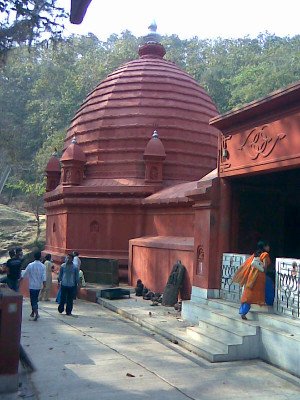
Basistha Temple & Ashram
Some quick example text to build on the card title and make up the bulk of the card's content.
Go somewhere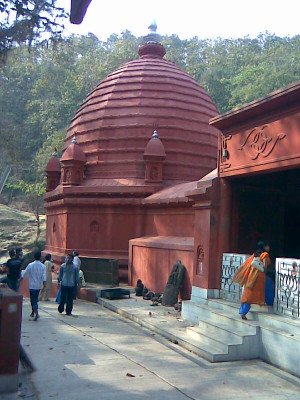
Basistha Temple
Some quick example text to build on the card title and make up the bulk of the card's content.
Go somewhere
Bhubaneswari Temple
Some quick example text to build on the card title and make up the bulk of the card's content.
Go somewhere
Brahmaputra River Cruise
Some quick example text to build on the card title and make up the bulk of the card's content.
Go somewhere
Chandubi Lake
Some quick example text to build on the card title and make up the bulk of the card's content.
Go somewhere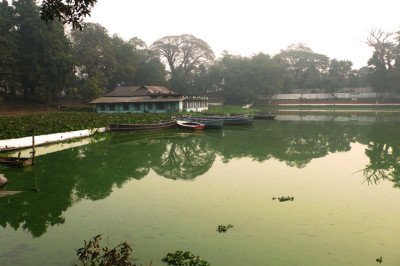
Dighali Pukhuri
Some quick example text to build on the card title and make up the bulk of the card's content.
Go somewhere
Dipor Bil
Some quick example text to build on the card title and make up the bulk of the card's content.
Go somewhere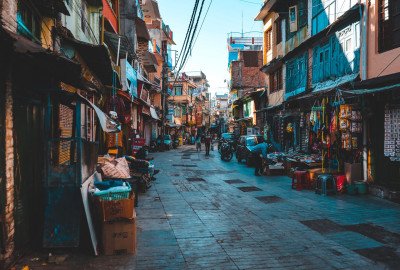
Fancy Bazaar
Some quick example text to build on the card title and make up the bulk of the card's content.
Go somewhere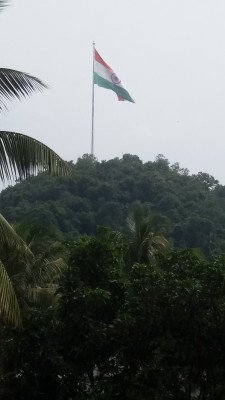
Gandhi Mandap
Some quick example text to build on the card title and make up the bulk of the card's content.
Go somewhere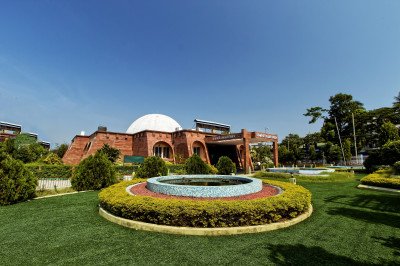
Guwahati Planetarium
Some quick example text to build on the card title and make up the bulk of the card's content.
Go somewhere
Guwahati Ropeway
Some quick example text to build on the card title and make up the bulk of the card's content.
Go somewhere
Guwahati Zoo
Some quick example text to build on the card title and make up the bulk of the card's content.
Go somewhere
Hajo
Some quick example text to build on the card title and make up the bulk of the card's content.
Go somewherein Other Cities