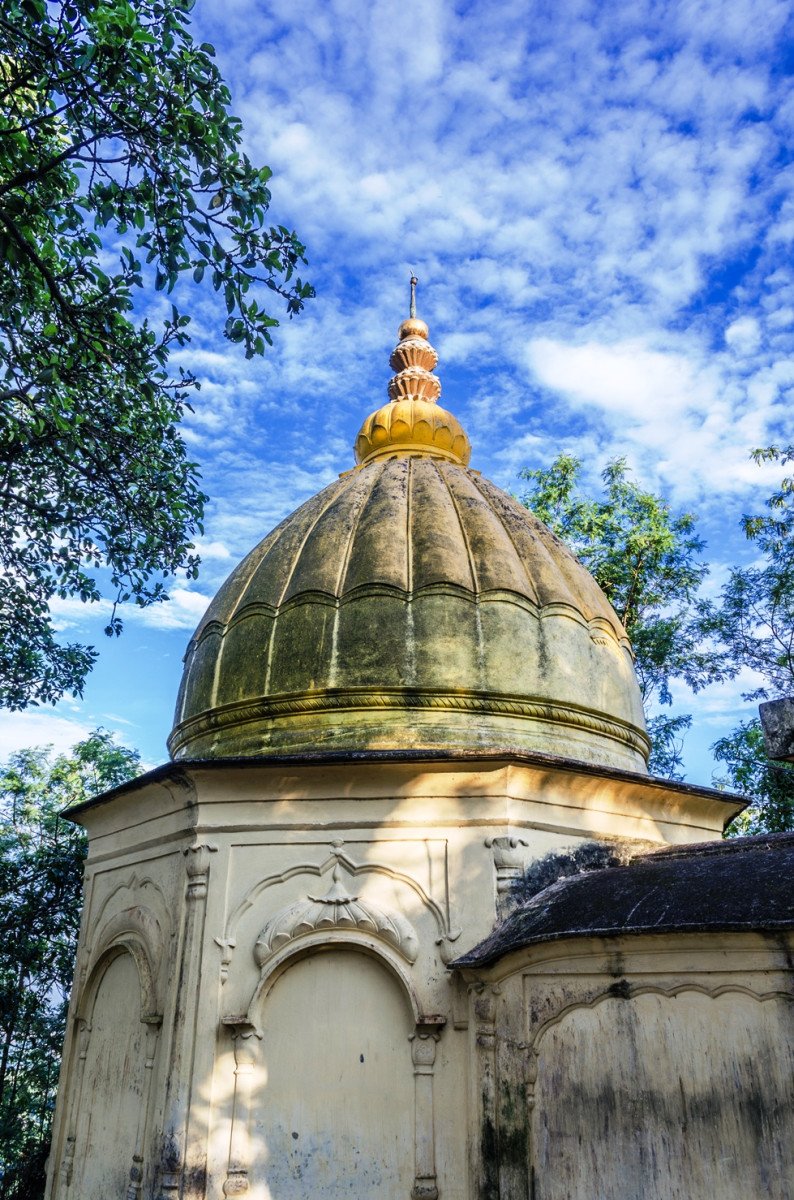
Bhubaneswari Temple
General information
-
Ideal Duration:
1. 5 - 2 Hours (Including the scenic walk from the Kamakhya Temple area and time for prayer and viewing the city).Place Type:
Religious/Pilgrimage, Viewpoint, Historical, ArchiEntry Fees:
General Entry is Free: Entry to the Bhubaneswari Temple is completely free for all visitors and pilgrims. There is no ticket counter or official entry fee levied by the temple trust for general darshan.
Donations and Offerings: While entry ...General Entry is Free: Entry to the Bhubaneswari Temple is completely free for all visitors and pilgrims. There is no ticket counter or official entry fee levied by the temple trust for general darshan.
Donations and Offerings: While entry is free, pilgrims are encouraged to make voluntary donations (prasad) for the maintenance of the temple and the daily rituals. Designated donation boxes are available, or offerings can be made directly to the priests for specific pujas. This is an optional expense.
Photography and Other Fees: There are no official charges for photography or videography in the open temple complex area. However, visitors should be respectful and refrain from photography inside the main sanctum sanctorum or during key ritual times.
Transportation Costs: The primary cost associated with the visit is the transportation to and from the hilltop (cab, auto, or bus), which can vary significantly based on your negotiation skills and starting point in Guwahati.Timing:
Regular Timings: The Bhubaneswari Temple is typically open to the public from 6:00 AM to 8:00 PM daily, though there might be a short break in the afternoon (around 1:00 PM to 3:00 PM) for temple staff rest and specific rituals.Regular Timings: The Bhubaneswari Temple is typically open to the public from 6:00 AM to 8:00 PM daily, though there might be a short break in the afternoon (around 1:00 PM to 3:00 PM) for temple staff rest and specific rituals.
Ideal Visit Time:
Sunrise/Early Morning: The absolute ideal time to visit is right after it opens (6:00 AM to 8:00 AM). The air is freshest, the crowd is minimal, and the morning light offers incredible views of the waking city.
Ideal Visit Time:
Sunset/Evening: The period from 5:00 PM to 7:00 PM is highly recommended for the breathtaking sunset view over the Brahmaputra. The changing colors of the sky and the illumination of the city lights below are truly magnificent.
Ritual Timings: Aarti (worship with light) is typically performed during the morning and evening, which are spiritually intense and beautiful times to be present. It is always best to check with a local source for any variation in timings, especially during festival seasons like Navratri or the Ambubachi Mela, when hours may be extended.Special Events:
Navratri and Durga Puja: Like most Shakti temples, the nine-day festival of Navratri in September or October is a major event. While not as crowded as Kamakhya, special pujas and rituals are held here. The temple is beautifully decorated with lights and flowers, and the fo...Navratri and Durga Puja: Like most Shakti temples, the nine-day festival of Navratri in September or October is a major event. While not as crowded as Kamakhya, special pujas and rituals are held here. The temple is beautifully decorated with lights and flowers, and the focus is on the nine forms of the Goddess, with a specific day dedicated to Goddess Bhubaneswari.
Ambubachi Mela Observation: Though the main mela (fair) is held at the Kamakhya Temple in the Assamese month of Ahaar (mid-June), pilgrims visiting the complex often climb to the Bhubaneswari Temple during this period for a broader view and an ancillary observance. This time sees a unique spiritual energy across the hill.
Local Assamese Festivals: During major Assamese festivals like Bihu (especially Magh Bihu in January or Rongali Bihu in April), local devotees perform special prayers and cultural offerings here. These events offer a glimpse into the region's unique Hindu-Assamese traditions.Best Photo Spots:
The Panoramic Viewpoint Railing: The area right near the edge of the temple complex, marked by a railing, offers the definitive photo opportunity. Key shots include the sprawling Brahmaputra River, the distant city skyline, and the perfect sunset over the western horizon. <...The Panoramic Viewpoint Railing: The area right near the edge of the temple complex, marked by a railing, offers the definitive photo opportunity. Key shots include the sprawling Brahmaputra River, the distant city skyline, and the perfect sunset over the western horizon.
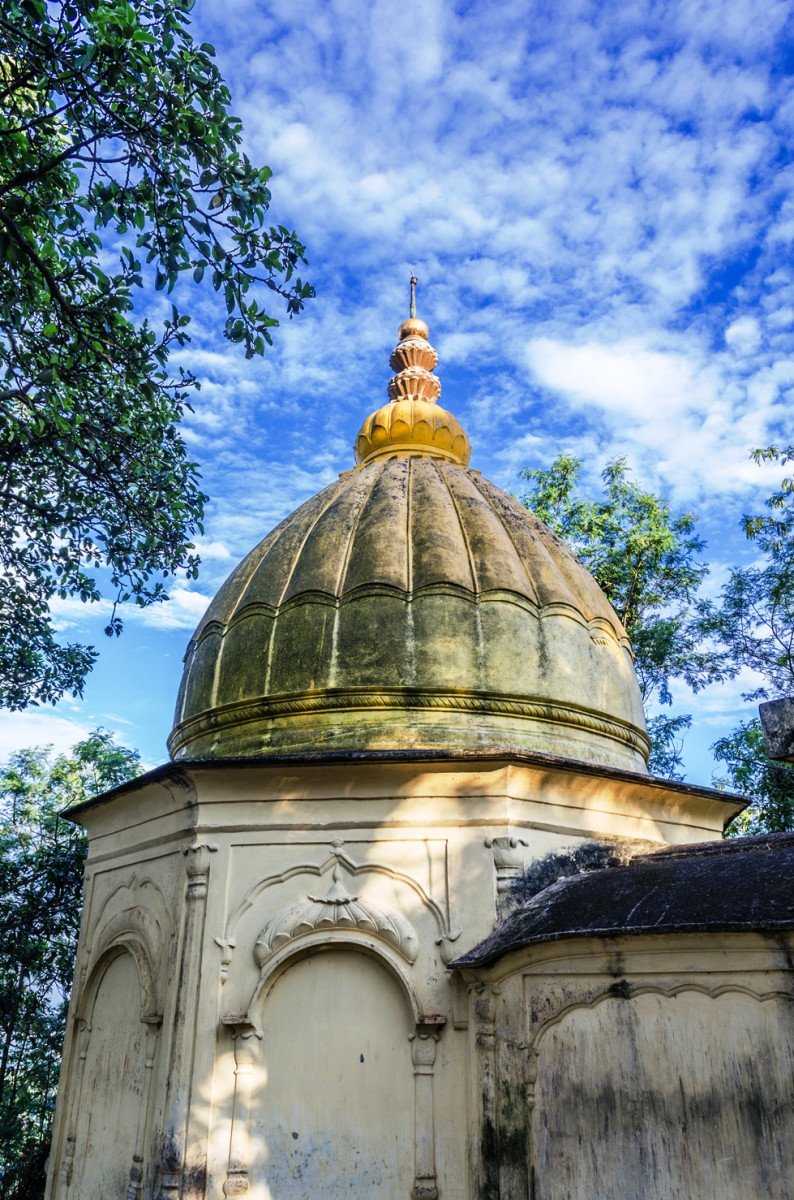
The Whitewashed Dome Exterior: Use the temple's pristine white dome and the surrounding green hills as a stark, beautiful contrast. Frame the shot to include the sky, highlighting the simple, elegant structure of the Nilachal architecture.
Framing the Kamakhya Temple Below: Because of the altitude difference, you can get a unique, downward-looking shot of the main Kamakhya Temple complex and the surrounding roads. This bird's-eye perspective is rare and provides excellent contextual imagery.
The Path from Kamakhya: The serene, tree-lined path leading up to the temple offers beautiful, shaded photo spots that convey the journey's tranquility. Shots featuring the winding path and glimpses of the valley through the trees are highly atmospheric.Photo Gallery
Things To Do
-
Seek Blessings from Goddess Bhubaneswari: The primary activity is performing darshan (viewing) and offering prayers to Goddess Bhubaneswari. Devotees can light diyas (lamps) and agarbattis (incense) in designated areas to invoke the goddess's blessings for cosmic power and fulfillment.
Experience the Panoramic City and River View: Dedicate a good 30 to 45 minutes to simply standing at the viewpoint area. This is an absolute must-do. From here, you can identify landmarks, trace the flow of the Brahmaputra, and appreciate the sheer scale of the Guwahati urban landscape. This view is arguably the best in the city for landscape photography and simple contemplation.
Capture the Golden Hour Photography: Plan your visit to coincide with either sunrise or, more popularly, sunset. The soft, golden li...Seek Blessings from Goddess Bhubaneswari: The primary activity is performing darshan (viewing) and offering prayers to Goddess Bhubaneswari. Devotees can light diyas (lamps) and agarbattis (incense) in designated areas to invoke the goddess's blessings for cosmic power and fulfillment.
Experience the Panoramic City and River View: Dedicate a good 30 to 45 minutes to simply standing at the viewpoint area. This is an absolute must-do. From here, you can identify landmarks, trace the flow of the Brahmaputra, and appreciate the sheer scale of the Guwahati urban landscape. This view is arguably the best in the city for landscape photography and simple contemplation.
Capture the Golden Hour Photography: Plan your visit to coincide with either sunrise or, more popularly, sunset. The soft, golden light filtering over the river and the white temple walls creates magical photographic opportunities. The vastness of the sky and the river offer a perfect canvas for both professional and mobile photography.
Meditate in the Peaceful Ambiance: Utilize the quiet, less crowded atmosphere of the temple, especially during off-peak hours (mid-morning or late afternoon). Find a spot on the paved terrace to sit quietly, meditate, or engage in private prayer. The gentle breeze and the elevation create an ideal environment for spiritual contemplation.
The Scenic Uphill Walk/Trek: Instead of taking a vehicle, commit to the 20-30 minute uphill walk from the Kamakhya Temple complex. This brief, scenic trek is a rewarding physical activity and a traditional part of the pilgrimage, allowing you to gradually immerse yourself in the natural surroundings of the Nilachal Hills.
Explore the Nilachal Temple Complex: Combine your visit with the other shrines on the hill, including the main Kamakhya Temple and others dedicated to the ten Mahavidyas, making it a full day of cultural and religious exploration.
Engage with Local Culture and Mythology: Talk to the local priests or long-term vendors (respectfully) to learn more about the specific folklore, rituals, and myths associated with Goddess Bhubaneswari and the history of the temple.
Taste Local Offerings and Prasad: Sample the prasad (blessed food offering) distributed by the temple or buy small, local religious trinkets from the few vendors near the hilltop area.
Observe the Unique Temple Architecture: Spend time studying the unique features of the Nilachal style of architecture, noting the construction materials, the shape of the dome, and the blend of styles.
Information
-
Why Famous:
Spiritual Elevation and The Mahavidya Link: It is a key pilgrimage site dedicated to Goddess Bhubaneswari, one of the Dasa Mahavidyas. Devotees believe a visit here completes the pilgrimage circuit of the Nilachal Hill, providing a sense of divine completeness.Spiritual Elevation and The Mahavidya Link: It is a key pilgrimage site dedicated to Goddess Bhubaneswari, one of the Dasa Mahavidyas. Devotees believe a visit here completes the pilgrimage circuit of the Nilachal Hill, providing a sense of divine completeness.
The Ultimate Panoramic Viewpoint: The temple's location, perched at a higher altitude than the Kamakhya Temple, makes it famous for offering the most spectacular and comprehensive panoramic view of Guwahati. The sight of the city sprawling out to meet the mighty Brahmaputra River is unparalleled.
The Tranquil Counterpoint to Kamakhya: While Kamakhya Temple is known for its intense energy and massive crowds, Bhubaneswari Temple is celebrated as a peaceful, quiet sanctuary. Its fame rests in part on its ability to offer pilgrims a space for calm meditation and solitary worship.
Historical and Cultural Significance: It is an integral part of Assam's religious history, reflecting the Ahom King's patronage of the Shakti cult. Its continued preservation highlights its status as an important cultural landmark, often referenced in local literature and folklore. -
Architecture:
The Nilachal Style and its Elements: The architecture of the Bhubaneswari Temple is heavily influenced by the indigenous Nilachal architectural style, which is prominently seen in the nearby Kamakhya Temple. This style is a unique blend of local Assamese traditions and feat...The Nilachal Style and its Elements: The architecture of the Bhubaneswari Temple is heavily influenced by the indigenous Nilachal architectural style, which is prominently seen in the nearby Kamakhya Temple. This style is a unique blend of local Assamese traditions and features adopted from later Mughal and Bengali temple forms, reflecting a long history of cultural synthesis. The structure typically features a beehive-shaped dome or roof over the main sanctum, known as a sikhara or chal-chala, which is distinctive to the North-Eastern region. The temple is built primarily of stone, cement, and brick, often featuring a plain, whitewashed exterior that gives it an ethereal look against the deep green of the hilltop.
Architectural Dimensions and Layout: The temple stands on a relatively flat paved terrace atop the hill. The main sanctum (garbhagriha) is typically enclosed by a dome or pyramidal roof, though exact, publicly cited dimensions (length, width, height in meters/feet) of the precise structure are not consistently available, as is common with many older, continuously renovated shrines. However, its commanding altitude, rising an estimated 165 feet above the main Kamakhya Temple, defines its spatial presence. The floor plan generally consists of a central sanctum sanctorum where the deity is enshrined, often surrounded by a walkway, and a small mandapa (pillared hall) for devotees. The construction is robust, designed to withstand the rocky terrain and the monsoon season.
Decorative Motifs and Materials: While simpler and less ornamented than the main Kamakhya Temple, the Bhubaneswari Temple incorporates subtle decorative elements. These may include delicate lotus motifs, geometrical patterns, and carvings on its panels, pillars, or base. The use of marble and high-quality stone contributes to its striking, pristine white appearance. The architectural focus is less on complex sculptural narratives and more on achieving a tranquil, uplifted space appropriate for the deity who rules the cosmos, using the commanding hilltop position as a vital, natural element of the design. -
How To Reach:
By Air: The nearest airport is Lokpriya Gopinath Bordoloi International Airport (GAU), located approximately 25-30 KMS from Nilachal Hill. From the airport, you can hire a pre-paid taxi or use ride-sharing services. The journey takes around 45 minutes to 1 hour, depending ...By Air: The nearest airport is Lokpriya Gopinath Bordoloi International Airport (GAU), located approximately 25-30 KMS from Nilachal Hill. From the airport, you can hire a pre-paid taxi or use ride-sharing services. The journey takes around 45 minutes to 1 hour, depending on traffic, and will drop you at the base or the main parking area of the Kamakhya Temple, from where you can take a local shared taxi or walk up the hill.
By Train: The nearest major railway station is Guwahati Railway Station (GHY), which is the headquarters of the Northeast Frontier Railway. It is well-connected to all major Indian cities like Delhi, Kolkata, and Mumbai. The station is only about 7-8 KMS from the base of Nilachal Hill. A taxi, auto-rickshaw, or city bus from outside the station can take you to the hilltop road. Kamakhya Junction (KYQ) is an even closer, smaller station, just 5 KMS away.
By Road: Guwahati is the main hub for road travel in Assam. The Nilachal Hill is easily accessible from all parts of the city. National Highway 27 (NH 27) and National Highway 17 (NH 17) provide excellent connectivity. You can take an interstate bus to Guwahati’s ISBT (Inter State Bus Terminal) and then use local transport. From the city, one can hire a full cab or auto-rickshaw to take them directly to the Bhubaneswari Temple parking area.
By Local Transport: Local Transport options are numerous. Auto-rickshaws and app-based taxis (Uber/Ola) are the most common and convenient way to reach the hilltop road. Shared mini-taxis (Sumos/Marutis) are also available from the base of the hill near the Kamakhya Gate and are a very economical way to travel the last 2-3 KMS up the steep hill. For a scenic experience, many visitors opt to walk the approximately 1-1. 5 KM path from the main Kamakhya Temple area to the Bhubaneswari Temple. -
Weather and Best Time to Visit:
Autumn/Winter Season (October to March): This is the best time overall. The weather is cool, dry, and extremely pleasant, making the uphill walk comfortable and providing clear skies for the spectacular panoramic views of the Brahmaputra and the city.
Read MoreAutumn/Winter Season (October to March): This is the best time overall. The weather is cool, dry, and extremely pleasant, making the uphill walk comfortable and providing clear skies for the spectacular panoramic views of the Brahmaputra and the city.
The Monsoon Season (June to September): The monsoon brings lush green scenery, but also high humidity and occasional heavy rain, which can hinder the view. However, the period of the Ambubachi Mela (mid-June) is spiritually significant, drawing the maximum number of pilgrims despite the weather.
Different Parts of the Day:
Golden Hours: Early morning (6 AM to 8 AM) is ideal for tranquility and fresh views, while late afternoon (4 PM to 6 PM) is best for the famous sunset view. Avoid the midday heat and crowds, especially in the Summer months (April to May).Near Tourist Places:
1.
Kamakhya Temple: (Below the Bhubaneswari Temple on the same hill) - 1 KM (via walking path). 2.
Umananda Temple: (On Peacock Island in the Brahmaputra) - 7. 5 KMS. 3.
Guwahati Planetarium: (Near the city center) - 8 KMS. 4.
Assam State Museum: (Near the city center) - 8. 5 KMS. 5.
ISKCON Guwahati: (Temple) - 9 KMS. 6.
Srimanta Sankardev Kalakshetra: (Cultural Museum) - 14 KMS. 7. Guwahati Zoo (Assam State Zoo and Botanical Garden): - 12 KMS. 8.
Saraighat Bridge (Old & New): - 10 KMS. 9.
Deepor Beel (Bird Sanctuary): - 18 KMS. 10.
Basistha Ashram Temple: - 22 KMS.Tourism Tips
-
Health & Safety: Wear comfortable, non-slip footwear, especially if you plan to walk up or down the hill, as the paths can be uneven or wet. Carry a reusable water bottle to stay hydrated, particularly during the hot Summer months. Be mindful of personal belongings in crow...Health & Safety: Wear comfortable, non-slip footwear, especially if you plan to walk up or down the hill, as the paths can be uneven or wet. Carry a reusable water bottle to stay hydrated, particularly during the hot Summer months. Be mindful of personal belongings in crowded areas.
Packing: Pack light. A light jacket or shawl is advisable for the early morning or evening hilltop breeze, even in mild weather. Carry a good camera or phone for the panoramic views. Sunglasses and a hat are essential for protection from the midday sun.
Accommodation: Most tourists stay in Guwahati city center areas like Paltan Bazaar, Fancy Bazaar, or Ganeshguri. These areas offer a wide range of hotels, from budget to luxury, and have excellent connectivity to Nilachal Hill via local transport.
Respectful Conduct: Dress modestly, covering shoulders and knees, as a sign of respect when entering the temple. Remove footwear outside the main temple premises. Always take photos discreetly and respect the privacy of worshippers during rituals.
Local Travel Negotiation: When hiring local auto-rickshaws or non-app-based taxis, agree on the fare before starting the journey, as drivers may charge inflated prices for the uphill ride.
Reviews
FAQs
Guwahati Itineray And Cost:-
Bhubaneswari Temple Tourism:-
Information about New and Updated Locations() of Assam Has Been Added :-
Card subtitle
Note:-
Information provided here in good Faith and for reference only.
Near Places
Accoland
Some quick example text to build on the card title and make up the bulk of the card's content.
Go somewhere
Assam State Museum
Some quick example text to build on the card title and make up the bulk of the card's content.
Go somewhere
Assam State Zoo cum Botanical Garden
Some quick example text to build on the card title and make up the bulk of the card's content.
Go somewhere
Basistha Temple & Ashram
Some quick example text to build on the card title and make up the bulk of the card's content.
Go somewhere
Basistha Temple
Some quick example text to build on the card title and make up the bulk of the card's content.
Go somewhere
Bhubaneswari Temple
Some quick example text to build on the card title and make up the bulk of the card's content.
Go somewhere
Brahmaputra River Cruise
Some quick example text to build on the card title and make up the bulk of the card's content.
Go somewhere
Chandubi Lake
Some quick example text to build on the card title and make up the bulk of the card's content.
Go somewhere
Dighali Pukhuri
Some quick example text to build on the card title and make up the bulk of the card's content.
Go somewhere
Dipor Bil
Some quick example text to build on the card title and make up the bulk of the card's content.
Go somewhere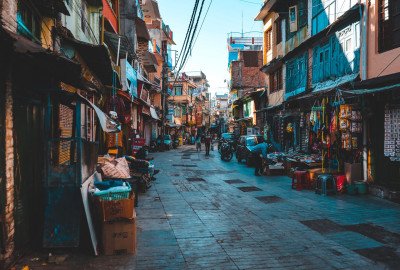
Fancy Bazaar
Some quick example text to build on the card title and make up the bulk of the card's content.
Go somewhere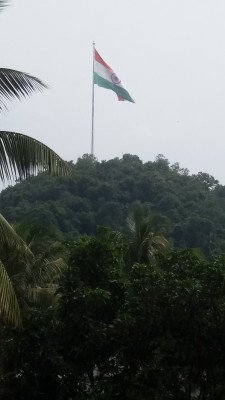
Gandhi Mandap
Some quick example text to build on the card title and make up the bulk of the card's content.
Go somewhere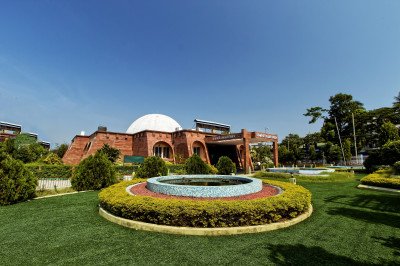
Guwahati Planetarium
Some quick example text to build on the card title and make up the bulk of the card's content.
Go somewhere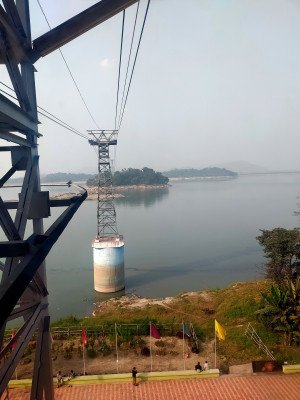
Guwahati Ropeway
Some quick example text to build on the card title and make up the bulk of the card's content.
Go somewhere
Guwahati Zoo
Some quick example text to build on the card title and make up the bulk of the card's content.
Go somewhere
Hajo
Some quick example text to build on the card title and make up the bulk of the card's content.
Go somewherein Other Cities