

Bhadrak
General information
-
Ideal Duration:
1 to 2 DaysPlace Type:
Spiritual & HistoricalEntry Fees:
Place Entry Fees:
Free Access: Most major temples like Bhadrakali and Akhandalamani do not charge any entry fees for devotees. Visitors are free to explore the temple premises and participate in daily rituals without any mandatory ticket cos...Place Entry Fees:
Free Access: Most major temples like Bhadrakali and Akhandalamani do not charge any entry fees for devotees. Visitors are free to explore the temple premises and participate in daily rituals without any mandatory ticket costs.
Parking and Specials: Nominal parking charges may apply for private vehicles at major tourist sites and temple complexes. Special pujas or offerings may have specific rates as determined by the temple trusts, but general entry remains free for all.
:Timing:
Place Timings:
Regular Timings: The temples generally open from 5:30 AM to 12:30 PM and then reopen from 4:00 PM to 9:00 PM. It is best to visit during the morning hours to witness the various rituals and avoid the afternoon heat.Place Timings:
Regular Timings: The temples generally open from 5:30 AM to 12:30 PM and then reopen from 4:00 PM to 9:00 PM. It is best to visit during the morning hours to witness the various rituals and avoid the afternoon heat.
Ideal Visit Time: The best time to visit the coastal and historical sites is between 9:00 AM and 5:00 PM. Evening visits to the temples are also popular for the serene atmosphere and the beautiful lighting of the lamps during the final Arati.
:Special Events:
Place Special Event:
Maha Shivaratri: This is the most significant festival celebrated with great pomp at the Akhandalamani Temple. Lakhs of devotees gather to offer prayers and stay awake all night, creating a vibrant atmosphere filled with...Place Special Event:
Maha Shivaratri: This is the most significant festival celebrated with great pomp at the Akhandalamani Temple. Lakhs of devotees gather to offer prayers and stay awake all night, creating a vibrant atmosphere filled with lamps and chants.
Dussehra: The worship of Goddess Bhadrakali during Navratri and Dussehra is a major event in the town. Elaborate rituals and local fairs make this a festive time for residents and visitors to witness the local traditions.
:Best Photo Spots:
Place Best Photo Spots:
Aradi Temple Complex: The towering spire of the Akhandalamani Temple against the backdrop of the Baitarani River offers a majestic view. Capturing the intricate stone work and the colorful evening Arati provides stunn...Place Best Photo Spots:
Aradi Temple Complex: The towering spire of the Akhandalamani Temple against the backdrop of the Baitarani River offers a majestic view. Capturing the intricate stone work and the colorful evening Arati provides stunning visual compositions for travel photographers.
Eram Memorial: The peaceful riverside setting of the Rakta Tirtha memorial provides a reflective atmosphere for photography. The natural boundaries of the rivers and the lush greenery surrounding the martyr's pillar create a poignant and beautiful scene.
:Photo Gallery
Things To Do
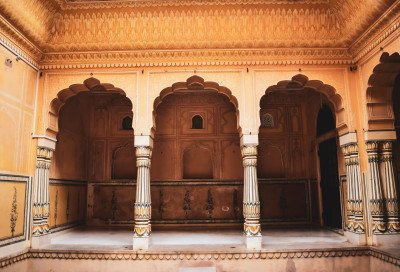 The Kuanrpur Fort Ruins are remnants of a historic fort, believed to have been a significant structure during the medieval period of Odisha's history. The ruins tell a story of a forgotten power center, possibly belonging to the Kuanrpur chiefs or a minor dynasty under the powerful Kalinga or Gajapati rules. Today, only scattered walls, crumbling foundations, and large, laterite stone blocks remain, mostly covered in overgrown vegetation, giving it an eerie yet historically rich ambiance. Archaeological interest in the site is limited, making it an unexcavated piece of history. The site provides a tangible link to the district's past, revealing the strategic importance of the region near the river system for defense and administration during ancient times. Local legends often associate the fort with tales of hidden treasures and fierce battles, adding a layer of romantic mystery to the ruins.:
 The Barunabanta Hill is a small, relatively isolated hillock that stands out in the otherwise flat coastal plains of Bhadrak district, serving as a tranquil natural retreat and a prominent local landmark. It is enveloped by a thick cover of local flora, offering a respite from the urban environment of Bhadrak town. Historically, such elevated spots in Odisha were often used as watchtowers or small fortifications by local chieftains, and Barunabanta may hold similar, undocumented minor historical significance. The area around the hill is characterized by paddy fields and small villages, making the view from the summit panoramic and picturesque, especially during the monsoon and winter seasons when the surrounding landscape is lush green. The hill’s ecological importance is high, as it is a microhabitat for various small birds and insects, contributing to the local biodiversity. Local legends often associate the hill with minor deities or ancient hermits, adding a layer of spiritual mystique to its natural beauty. For visitors seeking quiet contemplation or a simple trek in nature, Barunabanta Hill provides an accessible and rewarding experience. Its elevation, though modest, is sufficient to provide a sweeping vista of the typical Odia agrarian countryside, connecting the visitor to the rural heartland of the district. The peaceful atmosphere here contrasts sharply with the bustling marketplaces of Bhadrak town, drawing nature enthusiasts and picnickers. The hill is a testament to the subtle natural charm that exists within the district, away from the major coastal and temple attractions, offering a unique regional geological feature that sparks local curiosity and pride among the residents. Barunabanta is thus a valuable, uncommercialized spot for soft adventure and natural observation, providing a refreshing change of pace for any traveler exploring the less-trodden paths of Bhadrak District.
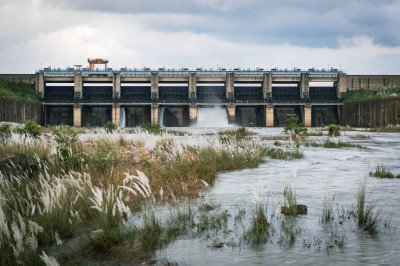 Chudamani Fort Ruins represent a forgotten chapter of Odisha’s maritime and military history. Located near the coast in the Basudebpur block of Bhadrak, these ruins are believed to be the remains of a coastal fortification used to defend the region against sea-borne invasions, possibly by the Marathas or European pirates. The site is currently in a state of decay, with thick vegetation reclaiming the old stone and brick structures. Local legends suggest that the fort was once a bustling center of trade and defense, overlooking the Bay of Bengal. Walking through the ruins, one can feel the historical gravity of the place, imagining the soldiers who once stood guard here. The surrounding area is serene, characterized by salt pans and the distant sound of the sea. While not a conventional tourist spot with modern amenities, it offers a raw, archeological charm that appeals to history buffs and those who love exploring off-the-beaten-path locations. The ruins serve as a silent witness to the strategic importance of Bhadrak’s coastline in medieval times. Despite the lack of formal preservation, the site remains a point of pride for the local community, who share tales of the fort's former glory. It is a place where history meets the sea, providing a quiet atmosphere for reflection and exploration.
The Srimanta Sankaradeva Cultural Centre in Bhadrak is a unique and significant cultural institution dedicated to preserving and propagating the socio-religious and cultural heritage established by the 15th–16th century Assamese polymath and saint, Srimanta Sankaradeva. He is the founder of the Ekasarana Dharma and is revered as a central figure in Assamese culture, making the existence of this center in Odisha a fascinating testament to India's cross-regional cultural exchange and the spread of Vaishnavite thought. The center typically houses a Namghar (a communal prayer hall central to Assamese religious life), a small museum, and a library focused on Assamese literature, music, and performing arts. It serves as a spiritual and cultural anchor for the Assamese community residing in and around Bhadrak, but it welcomes all visitors interested in comparative Indian theology and culture. The atmosphere is one of profound peace, learning, and devotion, characterized by the traditional kirtan (devotional songs) and bhaona (a traditional Assamese drama form) performances. It's a place where two distinct regional cultures—Odia and Assamese—meet and enrich each other, offering a deep, immersive cultural experience that is unexpected in Bhadrak, focusing heavily on the principles of social equality and universal humanity championed by Sankaradeva. The entire center is maintained with meticulous care, reflecting the high regard in which the saint is held.
Chudamani Fort Ruins represent a forgotten chapter of Odisha’s maritime and military history. Located near the coast in the Basudebpur block of Bhadrak, these ruins are believed to be the remains of a coastal fortification used to defend the region against sea-borne invasions, possibly by the Marathas or European pirates. The site is currently in a state of decay, with thick vegetation reclaiming the old stone and brick structures. Local legends suggest that the fort was once a bustling center of trade and defense, overlooking the Bay of Bengal. Walking through the ruins, one can feel the historical gravity of the place, imagining the soldiers who once stood guard here. The surrounding area is serene, characterized by salt pans and the distant sound of the sea. While not a conventional tourist spot with modern amenities, it offers a raw, archeological charm that appeals to history buffs and those who love exploring off-the-beaten-path locations. The ruins serve as a silent witness to the strategic importance of Bhadrak’s coastline in medieval times. Despite the lack of formal preservation, the site remains a point of pride for the local community, who share tales of the fort's former glory. It is a place where history meets the sea, providing a quiet atmosphere for reflection and exploration.
The Srimanta Sankaradeva Cultural Centre in Bhadrak is a unique and significant cultural institution dedicated to preserving and propagating the socio-religious and cultural heritage established by the 15th–16th century Assamese polymath and saint, Srimanta Sankaradeva. He is the founder of the Ekasarana Dharma and is revered as a central figure in Assamese culture, making the existence of this center in Odisha a fascinating testament to India's cross-regional cultural exchange and the spread of Vaishnavite thought. The center typically houses a Namghar (a communal prayer hall central to Assamese religious life), a small museum, and a library focused on Assamese literature, music, and performing arts. It serves as a spiritual and cultural anchor for the Assamese community residing in and around Bhadrak, but it welcomes all visitors interested in comparative Indian theology and culture. The atmosphere is one of profound peace, learning, and devotion, characterized by the traditional kirtan (devotional songs) and bhaona (a traditional Assamese drama form) performances. It's a place where two distinct regional cultures—Odia and Assamese—meet and enrich each other, offering a deep, immersive cultural experience that is unexpected in Bhadrak, focusing heavily on the principles of social equality and universal humanity championed by Sankaradeva. The entire center is maintained with meticulous care, reflecting the high regard in which the saint is held.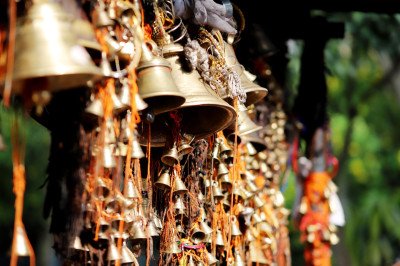 The Gosagar Temple (likely a local Vishnu/Krishna temple near the large Gosagar tank, such as Gopaljeu Temple near Baral Pokhari or a temple dedicated to Goswami figures) is a place of deep cultural and spiritual significance, primarily for the Vaishnavite community in the town. The name Gosagar itself, meaning 'Cow Pond/Sea,' alludes to its historical association with a large water body used for cattle and agricultural rituals, a feature common in agrarian Odisha. The temple's atmosphere is one of profound peace, characterized by the traditional sounds of Bhajan (devotional songs) and the rustling of the leaves from the surrounding trees. It serves as a strong reminder of the town’s ancient identity as a religious and agrarian center before its modern commercial development. The main deity, likely a form of Lord Krishna (Gopaljeu or Radha-Krishna), is worshipped with great fervor, particularly during festivals like Jhulana Yatra and Janmashtami. The temple complex is a center for Pravachans (religious discourses) and community Seva (service). The spiritual experience here is intimate and authentic, focusing on personal devotion rather than grand spectacle. For the discerning traveler, it offers an opportunity to observe the simple, traditional form of worship that is the bedrock of Odia culture, allowing a peaceful moment of reflection beside the historically significant water tank that defines the area. The local people highly value the temple as a symbol of their heritage and continuous devotion.
@@Historical Significance and Legend: The Maa Patana Mangala Temple is a profound spiritual landmark located in the peaceful village of Narendrapur within the Bhadrak district of Odisha. This ancient shrine is dedicated to Goddess Mangala, a powerful manifestation of Shakti who is worshipped with deep devotion by the local community and pilgrims from across the state. The temple is believed to be over 500 years old, carrying with it a rich tapestry of myths that connect the region to the legendary era of the Ramayana. According to local folklore, the idol was originally brought from Lanka by the demon king Ravana, who established a base in Bhadrak during his era of dominance. The goddess is seen as the presiding deity of the "Patana" or the settlement area, acting as a maternal protector who ensures the well-being and prosperity of her devotees. The temple complex is not just a place of worship but a cultural hub where the identity of the village is forged through shared rituals and centuries-old traditions. The spiritual aura of the temple is palpable, especially during the early morning hours when the air is filled with the scent of incense and the sound of temple bells. Devotees believe that the goddess is "living" and responsive to the prayers of those who visit with a pure heart. The temple has undergone several renovations over the centuries, evolving from a simple structure into the stone edifice seen today, yet it has maintained its core spiritual essence. The large pond adjacent to the temple is considered one of the biggest in the district and plays a vital role in the temple's daily rituals and annual festivals, symbolizing purity and life. Visiting this temple offers a glimpse into the deep-rooted Tantric and Shakti culture that defines the coastal regions of Odisha.
Bhitarkanika National Park is a majestic mangrove wetland ecosystem located in the northeastern part of Odisha. Accessible via the historic port town of Chandbali in Bhadrak, this park is a sprawling sanctuary covering roughly 145 Square KM of core area within a larger eco-system of 672 Square KM. It is renowned globally for its rich biodiversity, particularly as a sanctuary for the endangered Saltwater Crocodile (Crocodylus porosus). The park is crisscrossed by a network of creeks and rivers like the Baitarani and Brahmani, which provide a unique estuarine environment. Visitors entering through Chandbali can witness the transition from rural landscapes to dense, emerald-green mangrove forests that look like they belong in a prehistoric era. The park is a Ramsar Site, meaning it is a wetland of international importance, and it serves as a vital barrier against cyclonic storms for the coastal communities. Inside, the air is thick with the sounds of kingfishers and the rustle of monitor lizards moving through the mudflats. It is not just a wildlife park but a testament to the resilience of nature, offering a peaceful yet thrilling escape into the wild. The journey by boat from Chandbali takes you through winding water channels where the mangroves form a natural canopy overhead, creating a serene atmosphere. This destination is perfect for nature lovers, researchers, and photographers who wish to capture the raw beauty of Odisha's coastal wilderness.Show All
Niala Mahadeva Temple is an ancient Hindu temple dedicated to Lord Shiva (Mahadeva), believed to be one of the older Shiva temples in the Bhadrak district, steeped in local history and lore. The temple is located in a quiet, serene environment in Niala village, often near a water body, adding to its sacred atmosphere, as Shiva temples are traditionally associated with nature and water. The presiding deity is a Shiva Linga, and the temple is a key pilgrimage site, especially during Maha Shivaratri and the holy month of Shravan (Sawan), when devotees bring water from local rivers for the sacred Jalabhishek ceremony. The simple, rustic setting and the deep-rooted faith of the rural community give this temple an authentic, powerful spiritual aura that contrasts with the grandeur of more modern temples.:
The Gosagar Temple (likely a local Vishnu/Krishna temple near the large Gosagar tank, such as Gopaljeu Temple near Baral Pokhari or a temple dedicated to Goswami figures) is a place of deep cultural and spiritual significance, primarily for the Vaishnavite community in the town. The name Gosagar itself, meaning 'Cow Pond/Sea,' alludes to its historical association with a large water body used for cattle and agricultural rituals, a feature common in agrarian Odisha. The temple's atmosphere is one of profound peace, characterized by the traditional sounds of Bhajan (devotional songs) and the rustling of the leaves from the surrounding trees. It serves as a strong reminder of the town’s ancient identity as a religious and agrarian center before its modern commercial development. The main deity, likely a form of Lord Krishna (Gopaljeu or Radha-Krishna), is worshipped with great fervor, particularly during festivals like Jhulana Yatra and Janmashtami. The temple complex is a center for Pravachans (religious discourses) and community Seva (service). The spiritual experience here is intimate and authentic, focusing on personal devotion rather than grand spectacle. For the discerning traveler, it offers an opportunity to observe the simple, traditional form of worship that is the bedrock of Odia culture, allowing a peaceful moment of reflection beside the historically significant water tank that defines the area. The local people highly value the temple as a symbol of their heritage and continuous devotion.
@@Historical Significance and Legend: The Maa Patana Mangala Temple is a profound spiritual landmark located in the peaceful village of Narendrapur within the Bhadrak district of Odisha. This ancient shrine is dedicated to Goddess Mangala, a powerful manifestation of Shakti who is worshipped with deep devotion by the local community and pilgrims from across the state. The temple is believed to be over 500 years old, carrying with it a rich tapestry of myths that connect the region to the legendary era of the Ramayana. According to local folklore, the idol was originally brought from Lanka by the demon king Ravana, who established a base in Bhadrak during his era of dominance. The goddess is seen as the presiding deity of the "Patana" or the settlement area, acting as a maternal protector who ensures the well-being and prosperity of her devotees. The temple complex is not just a place of worship but a cultural hub where the identity of the village is forged through shared rituals and centuries-old traditions. The spiritual aura of the temple is palpable, especially during the early morning hours when the air is filled with the scent of incense and the sound of temple bells. Devotees believe that the goddess is "living" and responsive to the prayers of those who visit with a pure heart. The temple has undergone several renovations over the centuries, evolving from a simple structure into the stone edifice seen today, yet it has maintained its core spiritual essence. The large pond adjacent to the temple is considered one of the biggest in the district and plays a vital role in the temple's daily rituals and annual festivals, symbolizing purity and life. Visiting this temple offers a glimpse into the deep-rooted Tantric and Shakti culture that defines the coastal regions of Odisha.
Bhitarkanika National Park is a majestic mangrove wetland ecosystem located in the northeastern part of Odisha. Accessible via the historic port town of Chandbali in Bhadrak, this park is a sprawling sanctuary covering roughly 145 Square KM of core area within a larger eco-system of 672 Square KM. It is renowned globally for its rich biodiversity, particularly as a sanctuary for the endangered Saltwater Crocodile (Crocodylus porosus). The park is crisscrossed by a network of creeks and rivers like the Baitarani and Brahmani, which provide a unique estuarine environment. Visitors entering through Chandbali can witness the transition from rural landscapes to dense, emerald-green mangrove forests that look like they belong in a prehistoric era. The park is a Ramsar Site, meaning it is a wetland of international importance, and it serves as a vital barrier against cyclonic storms for the coastal communities. Inside, the air is thick with the sounds of kingfishers and the rustle of monitor lizards moving through the mudflats. It is not just a wildlife park but a testament to the resilience of nature, offering a peaceful yet thrilling escape into the wild. The journey by boat from Chandbali takes you through winding water channels where the mangroves form a natural canopy overhead, creating a serene atmosphere. This destination is perfect for nature lovers, researchers, and photographers who wish to capture the raw beauty of Odisha's coastal wilderness.Show All
Niala Mahadeva Temple is an ancient Hindu temple dedicated to Lord Shiva (Mahadeva), believed to be one of the older Shiva temples in the Bhadrak district, steeped in local history and lore. The temple is located in a quiet, serene environment in Niala village, often near a water body, adding to its sacred atmosphere, as Shiva temples are traditionally associated with nature and water. The presiding deity is a Shiva Linga, and the temple is a key pilgrimage site, especially during Maha Shivaratri and the holy month of Shravan (Sawan), when devotees bring water from local rivers for the sacred Jalabhishek ceremony. The simple, rustic setting and the deep-rooted faith of the rural community give this temple an authentic, powerful spiritual aura that contrasts with the grandeur of more modern temples.:Information
-
Why Famous:
Why Famous Place:
Religious Sanctity: The city is globally famous for the Akhandalamani Temple in Aradi, which is one of the most revered Shiva shrines. Devotees flock here to witness the unique black granite Linga that was reportedly discov...Why Famous Place:
Religious Sanctity: The city is globally famous for the Akhandalamani Temple in Aradi, which is one of the most revered Shiva shrines. Devotees flock here to witness the unique black granite Linga that was reportedly discovered by a farmer while ploughing.
Martyr Memorials: Bhadrak is the site of the Eram massacre, often called the second Jallianwala Bagh of India. This historical event during the Quit India Movement of 1942 has etched the city's name in the annals of Indian independence history.
: -
Architecture:
Place Architecture:
Kalinga Temple Style: Most temples in Bhadrak follow the classic Kalinga architectural style characterized by curvilinear spires and intricate stone carvings. The Akhandalamani Temple stands at a height of approximately 1...Place Architecture:
Kalinga Temple Style: Most temples in Bhadrak follow the classic Kalinga architectural style characterized by curvilinear spires and intricate stone carvings. The Akhandalamani Temple stands at a height of approximately 150 feet, featuring a massive sanctum made of black granite.
Dimensional Aspects: The Biranchi Narayan Temple is a unique square-sized stone structure roughly 75 feet high, dedicated to the Sun God. It features four-faced images of the Sun carved in relief on the four sides of a central slab.
: -
How To Reach:
Place How to Reach:
By Air: The nearest airport is Biju Patnaik International Airport in Bhubaneswar, located about 130 KM away. From the airport, one can hire a taxi or take a bus to reach Bhadrak via the NH16 highway in about 3 hours.
...Place How to Reach:
By Air: The nearest airport is Biju Patnaik International Airport in Bhubaneswar, located about 130 KM away. From the airport, one can hire a taxi or take a bus to reach Bhadrak via the NH16 highway in about 3 hours.
By Train: Bhadrak Railway Station is a major stop on the Howrah-Chennai main line and is well-connected to major cities. Numerous express and superfast trains stop here daily, making it the most convenient way to reach the city from any part of India.
By Road: The city is situated on National Highway 16, making it easily accessible by bus and private car from Bhubaneswar, Cuttack, and Kolkata. Regular state-run and private buses operate frequently, providing an affordable and reliable transport option for travelers.
By Local Transport: Auto-rickshaws and cycle-rickshaws are the primary modes of transport within the town for short distances. For visiting distant sites like Aradi or Dhamra, private taxis or local buses from the main bus stand are the most recommended choices.
: -
Weather and Best Time to Visit:
Place Best Time to Visit:
Winter Season: The months from October to February are the best time to visit as the weather is pleasant and cool. This period is ideal for temple hopping and exploring the outdoor historical sites without the disco...Place Best Time to Visit:
Winter Season: The months from October to February are the best time to visit as the weather is pleasant and cool. This period is ideal for temple hopping and exploring the outdoor historical sites without the discomfort of the humid tropical heat.
Summer and Monsoon: March to June can be quite hot, making outdoor excursions difficult during the day. The monsoon from July to September brings heavy rains, which enhances the greenery but may occasionally disrupt travel to coastal and riverside locations.
: -
Near Tourist Places:
1. Akhandalamani Temple (37 KM), 2. Bhadrakali Temple (8 KM), 3. Dhamra Port (60 KM), 4. Eram Rakta Tirtha (16 KM), 5. Biranchi Narayan Temple (15 KM), 6. Chandabali (50 KM), 7. Bhitarkanika (70 KM), 8. Dhamarai Temple (60 KM), 9. Sabarang Jagannath Temple (20 KM), 10. Bankabasuli Temple (1 KM)
Tourism Tips
-
Place Tourism Tips:
Health and Safety: Always carry bottled water and maintain hygiene when eating at local street stalls. The coastal areas can be humid, so stay hydrated and carry basic medications for heat-related issues or minor stomach ...Place Tourism Tips:
Health and Safety: Always carry bottled water and maintain hygiene when eating at local street stalls. The coastal areas can be humid, so stay hydrated and carry basic medications for heat-related issues or minor stomach upsets.
Packing Essentials: Wear light cotton clothes during the day and carry a light jacket for winter evenings. Don't forget to pack a pair of comfortable walking shoes, a hat, and sunscreen for outdoor sightseeing at historical sites and riverbanks.
Accommodation: There are several budget and mid-range hotels available near the railway station and the town center. For a more traditional experience, one can stay at the temple guest houses in Aradi, which offer basic amenities for pilgrims.
Cultural Etiquette: Dress modestly when visiting temples and remove your shoes before entering the inner sanctum. It is respectful to ask for permission before taking photographs of devotees or during sensitive religious ceremonies within the temple premises.
:
Reviews
FAQs
Bhadrak Itineray And Cost:-
Information about New and Updated Locations() of Odisha Has Been Added :-
Card subtitle
Note:-
Information provided here in good Faith and for reference only.
All information and pictures will be updated soon, please keep visiting.
Near Places

Angul
Some quick example text to build on the card title and make up the bulk of the card's content.
Go somewhere
Balasore
Some quick example text to build on the card title and make up the bulk of the card's content.
Go somewhere
Bargarh
Some quick example text to build on the card title and make up the bulk of the card's content.
Go somewhere
Baripada
Some quick example text to build on the card title and make up the bulk of the card's content.
Go somewhere
Berhampur
Some quick example text to build on the card title and make up the bulk of the card's content.
Go somewhere
Bhadrak
Some quick example text to build on the card title and make up the bulk of the card's content.
Go somewhere
Bhubaneswar
Some quick example text to build on the card title and make up the bulk of the card's content.
Go somewhere
Chandipur
Some quick example text to build on the card title and make up the bulk of the card's content.
Go somewhere
Cuttack
Some quick example text to build on the card title and make up the bulk of the card's content.
Go somewhere
Daringbadi
Some quick example text to build on the card title and make up the bulk of the card's content.
Go somewherein Other Cities