...

Place To Visit And Things To Do In Bhadrak

Odisha, India
Place Details: History and Significance: Bhadrak is an ancient city that derives its name from the Goddess Bhadrakali, whose temple is a major landmark. The region has played a pivotal role in the maritime history of Odisha and was a significant center during the freedom struggle. Cultural Landscape : The city is a melting pot of various religious traditions where Hinduism and Islam coexist harmoniously through various shrines. It is known for its contribution to Odia literature and the presence of numerous ancient temples that define its skyline. Natural Beauty: The district is bounded by the Bay of Bengal and several rivers like the Baitarani, offering scenic riverine landscapes. Nearby coastal areas like Dhamra provide a serene escape with beautiful views of the confluence where the river meets the sea. Freedom Struggle: Known as the Rakta Tirtha of Odisha, the town has sites like Eram where martyrs gave their lives. This historical weight makes the city a place of pilgrimage for patriots and history enthusiasts alike. :

Things To Do

Card image cap
Akhandalamani Temple

@@Temple History and Legend: The Akhandalamani Temple is one of the most prestigious Shiva shrines in Odisha, located on the banks of the river Baitar...

@@Temple History and Legend: The Akhandalamani Temple is one of the most prestigious Shiva shrines in Odisha, located on the banks of the river Baitarani. According to local folklore, the temple's history dates back approximately 350 years when the Raja of Kanika, Niladri Samara Singha Mohapatra, discovered a black glazed granite stone underground after having a divine dream. While a farmer was ploughing the land, his blade struck the stone, and blood started oozing out. This stone was identified as a self-manifested (Swayambhu) Linga of Lord Shiva. The deity is known as Akhandalamani, which translates to the "indestructible jewel" of the universe. This temple is not just a religious site but a symbol of the deep-rooted faith of the people of Bhadrak. Devotees believe that a visit here can cure chronic diseases and fulfill all heart's desires. The spiritual aura of the temple is palpable, especially during the early morning rituals when the chanting of Vedic mantras echoes through the complex. Over the years, the temple has become a major center for Shaivism in Eastern India. The serene flow of the Baitarani river nearby adds to the tranquility of the location. Every day, hundreds of pilgrims arrive to offer "Gharsana" (smearing of sandalwood paste) on the Linga, a unique ritual specific to this shrine. The temple also plays a vital role in the local economy, supporting many families through tourism and religious services. The government has recently undertaken several development projects to enhance the beautification and accessibility of the temple surroundings for the benefit of visitors.
Card image cap
Baba Akhandalamani Temple

@@Historical Significance and Royal Patronage: The Baba Akhandalamani Temple at Aradi is one of the most famous Shaivite shrines in Odisha. Dedicated ...

@@Historical Significance and Royal Patronage: The Baba Akhandalamani Temple at Aradi is one of the most famous Shaivite shrines in Odisha. Dedicated to Lord Shiva, the temple is situated on the banks of the holy river Baitarani, which adds to its sanctity and scenic beauty. The history of the temple is deeply connected to the royal family of Kanika. It is said that the temple was built by King Shri Harihara Bhanja and his queen Satyabhama Patadei in the mid-19th century. According to local legends, the Lingam (symbol of Shiva) was discovered by a farmer while tilling his land. When he struck the ground, blood started oozing out, leading to the discovery of the black stone deity. The king then commissioned the construction of this grand temple to house the divine relic. The temple has since become a major center for pilgrims, especially those seeking cures for chronic illnesses, as the deity is believed to possess immense healing powers. The location of the temple at the confluence of the Baitarani and Salandi rivers makes it a geographically and spiritually significant spot. Over the years, the temple has undergone several expansions, with stones brought from the historic Lalitgiri hills to ensure its architectural grandeur. The temple is not just a place of prayer but a testament to the religious devotion of the people of Bhadrak and the architectural heritage of the state.
Card image cap
Baba Jagannath Temple

@@A Spiritual Replica of Puri: The Baba Jagannath Temple located in Sabarang is a significant religious establishment that mirrors the traditions and ...
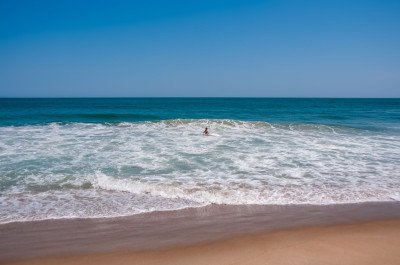
@@A Spiritual Replica of Puri: The Baba Jagannath Temple located in Sabarang is a significant religious establishment that mirrors the traditions and sanctity of the great Jagannath Temple in Puri. Dedicated to Lord Jagannath, Lord Balabhadra, and Goddess Subhadra, this temple serves as a vital spiritual hub for the northern part of Odisha. The history of the temple is deeply intertwined with the agrarian roots of the Bhadrak region. Since Lord Balabhadra is considered the god of agriculture, the locals have worshipped him for centuries to ensure a bountiful harvest. The temple complex is a serene space, often surrounded by lush greenery and vast agricultural fields, which reinforces its connection to nature and the earth. Unlike the bustling atmosphere of Puri, the Sabarang temple offers a much more peaceful and intimate experience for devotees. The rituals performed here, from the early morning "Dwara Phita" to the "Pahada" (closing), strictly follow the protocols established at the Puri temple. The temple has recently gained more popularity due to its stunning new architecture and the vibrant celebration of the Rath Yatra. It provides a sanctuary for those who seek the blessings of the Lord but wish to avoid the overwhelming crowds of the main pilgrimage sites. The temple's community is very welcoming, and the atmosphere during the evening Arati is spiritually uplifting, with the sounds of conches and cymbals filling the air. It is a place where one can truly feel the essence of Jagannath culture.
Card image cap
Baligadi Beach

@@Untouched Coastal Beauty: Baligadi Beach is a hidden treasure located near the Dhamra port area in the Bhadrak district. It is one of the few remain...
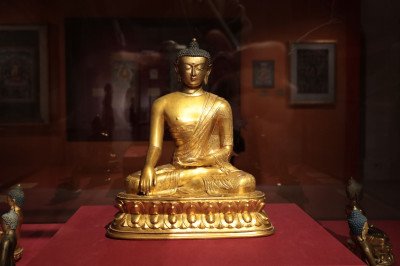
@@Untouched Coastal Beauty: Baligadi Beach is a hidden treasure located near the Dhamra port area in the Bhadrak district. It is one of the few remaining virgin beaches on the Odisha coastline, offering a stark contrast to the crowded beaches of Puri or Gopalpur. The beach is known for its vast stretches of golden sand, gentle waves, and the dense casuarina groves that line the shore. Historically, this region was a significant center for maritime trade, but today it serves as a peaceful escape for nature lovers and solitude seekers. The beach remains largely undiscovered by mainstream tourism, ensuring its cleanliness and serene atmosphere. Visitors can walk for miles without seeing another soul, making it a perfect spot for introspection and relaxation. The confluence of the river and the sea nearby creates a unique ecosystem, attracting various species of crabs and birds. The breeze here is refreshing, and the sound of the waves crashing against the shore provides a natural symphony. Because it is close to the Dhamra Port, one can often see large ships in the distance, adding a touch of industrial majesty to the natural landscape. The local fishing communities add a cultural dimension to the visit, as one can observe their daily activities and traditional boats. It is a place that invites you to slow down and appreciate the simple beauty of the ocean and the horizon.
Card image cap
Banta Town Museum

@@Preserving Bhadrak's History: The Banta Town Museum (often associated with the local cultural archives) is a small but significant institution dedic...

@@Preserving Bhadrak's History: The Banta Town Museum (often associated with the local cultural archives) is a small but significant institution dedicated to preserving the rich historical and archaeological heritage of the Bhadrak district. The region has been a center of maritime trade and agrarian prosperity since the Puranic age, and the museum houses artifacts that reflect this long history. From ancient stone inscriptions and Buddhist relics to items from the era of the Odisha freedom struggle, the museum provides a comprehensive look into the local past. Bhadrak played a crucial role during the non-cooperation and civil disobedience movements, and the museum preserves documents and photographs related to Mahatma Gandhi's visits to the region. It also showcases the life and works of Kantakabi Laxmikanta Mohapatra, the famous poet who composed the state anthem of Odisha. For students and history buffs, the museum is an educational goldmine, offering insights into the evolution of Odia culture and the socio-economic changes that have shaped the district. Though not as large as the state museum in Bhubaneswar, its focus on the specific history of the Bhadrak area makes it a unique destination. The museum is often maintained by local history enthusiasts and government bodies, ensuring that the stories of the local heroes and the ancient dynasties like the Bhauma-Karas and Somavamsis are not forgotten. A visit here is a journey through time, revealing the layers of civilization that have existed on the banks of the Salandi and Baitarani rivers.
Card image cap
Barunabanta Hill

The Barunabanta Hill is a small, relatively isolated hillock that stands out in the otherwise flat coastal plains of Bhadrak district, serving as a tr...

The Barunabanta Hill is a small, relatively isolated hillock that stands out in the otherwise flat coastal plains of Bhadrak district, serving as a tranquil natural retreat and a prominent local landmark. It is enveloped by a thick cover of local flora, offering a respite from the urban environment of Bhadrak town. Historically, such elevated spots in Odisha were often used as watchtowers or small fortifications by local chieftains, and Barunabanta may hold similar, undocumented minor historical significance. The area around the hill is characterized by paddy fields and small villages, making the view from the summit panoramic and picturesque, especially during the monsoon and winter seasons when the surrounding landscape is lush green. The hill’s ecological importance is high, as it is a microhabitat for various small birds and insects, contributing to the local biodiversity. Local legends often associate the hill with minor deities or ancient hermits, adding a layer of spiritual mystique to its natural beauty. For visitors seeking quiet contemplation or a simple trek in nature, Barunabanta Hill provides an accessible and rewarding experience. Its elevation, though modest, is sufficient to provide a sweeping vista of the typical Odia agrarian countryside, connecting the visitor to the rural heartland of the district. The peaceful atmosphere here contrasts sharply with the bustling marketplaces of Bhadrak town, drawing nature enthusiasts and picnickers. The hill is a testament to the subtle natural charm that exists within the district, away from the major coastal and temple attractions, offering a unique regional geological feature that sparks local curiosity and pride among the residents. Barunabanta is thus a valuable, uncommercialized spot for soft adventure and natural observation, providing a refreshing change of pace for any traveler exploring the less-trodden paths of Bhadrak District.
Card image cap
Bhadrak Town Park

The Bhadrak Town Park (referencing the main Bhadrak Park in Bankashi) is the primary recreational and lung space in the bustling heart of the city, se...

The Bhadrak Town Park (referencing the main Bhadrak Park in Bankashi) is the primary recreational and lung space in the bustling heart of the city, serving as a vital escape and social nexus for residents of all ages. This well-maintained urban garden is characterized by its manicured lawns, colorful seasonal flowerbeds, and a thoughtful layout that includes various functional areas. It is designed not just for aesthetic pleasure but also for public utility, featuring designated walking paths, benches for relaxation, and specific zones for children's play and fitness activities. The park is particularly important in a rapidly developing town like Bhadrak, providing a necessary environmental balance and a community gathering point. Its popularity peaks during the early morning and late evening hours, attracting joggers, yoga practitioners, and families seeking a breath of fresh air. The atmosphere transitions throughout the day: from a quiet fitness zone at dawn to a lively playground in the evening. The park’s upkeep reflects the municipal commitment to urban greenery, often incorporating themes related to local culture or historical figures in its statue installations and memorial groves. It acts as a central location for casual meetings, first dates, and social bonding, effectively serving as the town’s living room. The regular presence of the elderly engaging in quiet conversations and children's boisterous laughter underscores its role as an intergenerational social space, promoting community health and well-being. Unlike major regional temples, the park offers a secular, easily accessible space for everyone, solidifying its status as an indispensable piece of Bhadrak's social infrastructure and a must-visit for any resident or visitor wishing to observe the daily rhythm of the city’s life.
Card image cap
Bhairabi Temple

@@The Fierce Mother: The Bhairabi Temple in Bhadrak is a revered Shakti shrine dedicated to Goddess Bhairabi, a fierce manifestation of the Divine Mot...

@@The Fierce Mother: The Bhairabi Temple in Bhadrak is a revered Shakti shrine dedicated to Goddess Bhairabi, a fierce manifestation of the Divine Mother. Situated on the outskirts of the town near the banks of the Salandi river, this temple is a center for Tantric and Shakti worship. Historically, the temple is believed to be very ancient, with the goddess serving as the protector of the local community. The atmosphere within the temple is charged with spiritual energy, especially during the Tuesday and Saturday pujas. The idol of the goddess is carved from black stone and is adorned with various traditional ornaments and red hibiscus flowers. For centuries, the local people have visited this shrine to seek protection from evil forces and to pray for courage and strength. The temple is surrounded by old trees and a quiet environment, providing a perfect setting for meditation and prayer. While the Bhadrakali temple is more famous globally, the Bhairabi temple holds a special, intimate place in the hearts of the town's residents. It represents the "Ugra" (fierce) aspect of the feminine divine, and the rituals reflect this intensity. The temple also serves as a site for various local festivals and social gatherings, acting as a bridge between the ancient traditions and the modern life of Bhadrak. Visitors often experience a sense of deep peace and empowerment after offering their prayers at the feet of the Mother.
Card image cap
Bhitarkanika National Park

Bhitarkanika National Park is a majestic mangrove wetland ecosystem located in the northeastern part of Odisha. Accessible via the historic port town...

Bhitarkanika National Park is a majestic mangrove wetland ecosystem located in the northeastern part of Odisha. Accessible via the historic port town of Chandbali in Bhadrak, this park is a sprawling sanctuary covering roughly 145 Square KM of core area within a larger eco-system of 672 Square KM. It is renowned globally for its rich biodiversity, particularly as a sanctuary for the endangered Saltwater Crocodile (Crocodylus porosus). The park is crisscrossed by a network of creeks and rivers like the Baitarani and Brahmani, which provide a unique estuarine environment. Visitors entering through Chandbali can witness the transition from rural landscapes to dense, emerald-green mangrove forests that look like they belong in a prehistoric era. The park is a Ramsar Site, meaning it is a wetland of international importance, and it serves as a vital barrier against cyclonic storms for the coastal communities. Inside, the air is thick with the sounds of kingfishers and the rustle of monitor lizards moving through the mudflats. It is not just a wildlife park but a testament to the resilience of nature, offering a peaceful yet thrilling escape into the wild. The journey by boat from Chandbali takes you through winding water channels where the mangroves form a natural canopy overhead, creating a serene atmosphere. This destination is perfect for nature lovers, researchers, and photographers who wish to capture the raw beauty of Odisha's coastal wilderness.
Card image cap
Charampa Shiva Temple

The Charampa Shiva Temple (referencing a prominent local temple like Shri Bisheswar Shiv Temple or Kapileswara Mahadev) is a pivotal center of faith f...
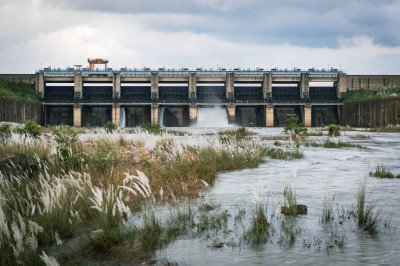
The Charampa Shiva Temple (referencing a prominent local temple like Shri Bisheswar Shiv Temple or Kapileswara Mahadev) is a pivotal center of faith for the community living in and around the Charampa area, a historically significant commercial and railway hub of Bhadrak. While not possessing the same scale or ancient history as the famous Baba Akhandalamani Temple in Aradi, this temple serves as the essential daily place of worship for thousands of Saivite devotees. The temple complex is usually a serene space, typically comprising a small main shrine (Vimana) housing a Shiva Linga, and a community hall (Mandapa) for gatherings and religious discourses. Its importance stems from its convenient location near the railway station and the main Charampa market, making it an accessible spiritual refuge amidst the area's commercial hustle. Throughout the year, the temple follows the traditional rituals of Saivism, with the resident priest performing daily Puja and Aarti. The presence of a small, sacred Pond or Tank (Pokhari) adjacent to the temple is common, which is used for ritualistic bathing and water collection. The temple fosters a strong sense of community, with local families actively participating in its maintenance and organizing small-scale festivals. For a visitor, the temple offers an authentic glimpse into the daily religious life of an Odia town, where faith seamlessly integrates with commerce and routine. Its history, while unrecorded in grand texts, is etched into the collective memory of the generations of local merchants and railway workers who have offered their prayers here, establishing it as an enduring symbol of local devotion and tradition in Bhadrak District.
Card image cap
Chudamani Fort Ruins

Chudamani Fort Ruins represent a forgotten chapter of Odisha’s maritime and military history. Located near the coast in the Basudebpur block of Bha...

Chudamani Fort Ruins represent a forgotten chapter of Odisha’s maritime and military history. Located near the coast in the Basudebpur block of Bhadrak, these ruins are believed to be the remains of a coastal fortification used to defend the region against sea-borne invasions, possibly by the Marathas or European pirates. The site is currently in a state of decay, with thick vegetation reclaiming the old stone and brick structures. Local legends suggest that the fort was once a bustling center of trade and defense, overlooking the Bay of Bengal. Walking through the ruins, one can feel the historical gravity of the place, imagining the soldiers who once stood guard here. The surrounding area is serene, characterized by salt pans and the distant sound of the sea. While not a conventional tourist spot with modern amenities, it offers a raw, archeological charm that appeals to history buffs and those who love exploring off-the-beaten-path locations. The ruins serve as a silent witness to the strategic importance of Bhadrak’s coastline in medieval times. Despite the lack of formal preservation, the site remains a point of pride for the local community, who share tales of the fort's former glory. It is a place where history meets the sea, providing a quiet atmosphere for reflection and exploration.
Card image cap
Dhamara Port

Dhamara Port is one of the most significant modern landmarks in Bhadrak. It is a deep-draft, all-weather port situated at the mouth of the Dhamra Riv...

Dhamara Port is one of the most significant modern landmarks in Bhadrak. It is a deep-draft, all-weather port situated at the mouth of the Dhamra River, where it meets the Bay of Bengal. Developed by the Adani Group, this port has transformed the local economy and put Bhadrak on the global maritime map. The port handles massive vessels, including super-cape size ships, primarily for the transport of coal, iron ore, and other bulk cargo. For a tourist, the sight of the massive infrastructure, high-tech cranes, and the vast expanse of the shipping berths is awe-inspiring. The port area is highly restricted, so visitors usually need prior permission or can view the outskirts and the nearby Dhamrai Temple. The confluence of the Brahmani and Baitarani rivers nearby creates a spectacular natural setting. The surrounding mangroves and the sight of large ships moving slowly against the horizon provide a unique blend of industrial might and natural beauty. It is a place that showcases the industrial progress of Odisha while remaining close to ecologically sensitive areas. The port also serves as a strategic point for national defense and trade, making it a site of great national importance. Exploring the area gives one a sense of the scale of modern engineering and the complexities of global logistics.
Card image cap
Eram - The Second Jallianwala Bagh

Eram, known as Rakta Tirtha (The Pilgrimage of Blood), is one of the most sacred and tragic historical sites in India's freedom struggle. Located in ...

Eram, known as Rakta Tirtha (The Pilgrimage of Blood), is one of the most sacred and tragic historical sites in India's freedom struggle. Located in the Basudebpur block of Bhadrak, it earned the title of the "Second Jallianwala Bagh" due to a horrific massacre that took place on September 28, 1942. During the Quit India Movement, a large crowd of freedom fighters had gathered at the Eram field, which was naturally protected by rivers on three sides. Thinking they were safe from the British police, they held a peaceful meeting. However, the police, led by a DSP, blocked the only exit and opened fire on the unarmed crowd. In the ensuing chaos, 28 people were killed on the spot, including Pari Bewa, who is honored as the only woman martyr of Odisha. The site today features a memorial pillar and a well-maintained park that honors these martyrs. Visiting Eram is a somber and patriotic experience; the quiet field still seems to echo with the cries of those who sacrificed their lives for the nation's independence. It is a place of deep emotional significance for the people of Odisha and serves as a reminder of the price paid for freedom. The local community takes great care of the memorial, and the atmosphere is one of profound respect and remembrance. It is a must-visit for anyone interested in the history of India's independence.
Card image cap
Gosagar Temple

The Gosagar Temple (likely a local Vishnu/Krishna temple near the large Gosagar tank, such as Gopaljeu Temple near Baral Pokhari or a temple dedicated...

The Gosagar Temple (likely a local Vishnu/Krishna temple near the large Gosagar tank, such as Gopaljeu Temple near Baral Pokhari or a temple dedicated to Goswami figures) is a place of deep cultural and spiritual significance, primarily for the Vaishnavite community in the town. The name Gosagar itself, meaning 'Cow Pond/Sea,' alludes to its historical association with a large water body used for cattle and agricultural rituals, a feature common in agrarian Odisha. The temple's atmosphere is one of profound peace, characterized by the traditional sounds of Bhajan (devotional songs) and the rustling of the leaves from the surrounding trees. It serves as a strong reminder of the town’s ancient identity as a religious and agrarian center before its modern commercial development. The main deity, likely a form of Lord Krishna (Gopaljeu or Radha-Krishna), is worshipped with great fervor, particularly during festivals like Jhulana Yatra and Janmashtami. The temple complex is a center for Pravachans (religious discourses) and community Seva (service). The spiritual experience here is intimate and authentic, focusing on personal devotion rather than grand spectacle. For the discerning traveler, it offers an opportunity to observe the simple, traditional form of worship that is the bedrock of Odia culture, allowing a peaceful moment of reflection beside the historically significant water tank that defines the area. The local people highly value the temple as a symbol of their heritage and continuous devotion.
Card image cap
Jagannath Temple

The Jagannath Temple at Sabarang is a significant religious establishment in the Bhadrak district, dedicated to Lord Jagannath (a form of Vishnu), alo...

The Jagannath Temple at Sabarang is a significant religious establishment in the Bhadrak district, dedicated to Lord Jagannath (a form of Vishnu), along with his siblings Balabhadra and Subhadra. Unlike the main Puri temple, this shrine is a relatively "hidden" gem, offering a much more peaceful and intimate devotional experience. Its construction dates back to the 16th Century under the patronage of the Bhoi Dynasty, signifying the enduring spread of the Jagannath cult across Odisha. The temple complex is a serene space, often surrounded by lush greenery and agricultural fields, reinforcing its connection to the region's agrarian roots (as Balabhadra is the god of agriculture). For the devotee, the temple is an exact, though smaller, replica of the great temple at Puri, preserving all the traditional rituals, especially the daily Bhoga (offering of food) and the elaborate Aarti ceremonies. Visitors will find that the local community of Sabarang and surrounding villages maintains a deep, personal connection to the deity, making the worship feel authentic and vibrant, especially during the major festivals. A visit here is not merely sightseeing but a step into the enduring spiritual heart of Odisha, away from the tourist throngs, offering a genuine understanding of the religious and cultural life that revolves entirely around Lord Jagannath in this part of the state, serving as a powerful regional symbol of the divine presence.
Card image cap
Kali Puja Ghat

The Kali Puja Ghat refers to the designated location along the sacred Salandi River where the magnificent and elaborate idols of Goddess Kali from the...

The Kali Puja Ghat refers to the designated location along the sacred Salandi River where the magnificent and elaborate idols of Goddess Kali from the town's various Pandals (temporary shrines) are ceremoniously immersed at the culmination of the Kali Puja festival. While Bhadrak is famous for the main Maa Bhadrakali Temple (which lends its name to the town), the "Ghat" is the focal point of the public, community-based festival, which is second only to Cuttack's Kali Puja in Odisha. This riverbank becomes a temporary spectacle of light, music, and immense devotion during the Diwali Night (Kartika Amavasya). The air is electric with the energy of the crowds, the rhythmic beat of traditional drums (Dhol), and the loud, joyous chants of Jai Kali!* The elaborate processions from all over Bhadrak converge here, showcasing giant, beautifully decorated idols that are the result of months of artistic labor. The entire event is a profound cultural display, symbolizing the vanquishing of evil and the return of light. For a visitor, the Ghat, normally a quiet riverbank, transforms into a dynamic, unforgettable, and highly charged ceremonial space, offering a unique opportunity to witness the raw, fierce, and communal form of Goddess Kali worship that defines the town's identity and its legendary connection to Maa Bhadrakali, the deity who gave the town its name centuries ago.
Card image cap
Khan Sahib Mosque

The Khan Sahib Mosque (formally the Khanqah Gulshan-e-Ghouspak Sharif or Sheikh Shaahi Masjid), located in the Puruna Bazar area, is not just a mosque...

The Khan Sahib Mosque (formally the Khanqah Gulshan-e-Ghouspak Sharif or Sheikh Shaahi Masjid), located in the Puruna Bazar area, is not just a mosque but a major spiritual and Sufi center (Khanqah) for the Muslim community in Bhadrak and surrounding districts. Its history is significant, as the current structure is believed to have been built upon the remnants of a mosque dating back to the Mughal period, possibly even built by the order of Alauddin Khilji, marking the long-standing presence of Islamic culture in Odisha. In the 20th century, the site was revitalized and established as a center for the Qadriya Sufi order, transforming it into a hub of learning, worship, and social service. The atmosphere is profoundly tranquil and welcoming, reflecting the inclusive spirit of Sufism. The complex includes the main mosque for daily prayers (Namaz), a Madrasa (religious school), and the shrines (Dargahs) of revered Sufi saints (Hazur Sarkar-e-Millat Sayed Nasim Akhtar Quadri and his brother), making it a site of pilgrimage (Ziyarat). A visit here offers a deep dive into the harmonious blend of history, devotion, and community service that characterizes the Islamic heritage of Bhadrak, standing as a powerful symbol of interfaith harmony within the district, which is otherwise famous for its Hindu temples.
Card image cap
Kherasaahi Nature Spot

Kherasaahi Nature Spot is a tranquil area renowned for its serene riverside setting, offering a refreshing escape from the urban bustle. It is essenti...
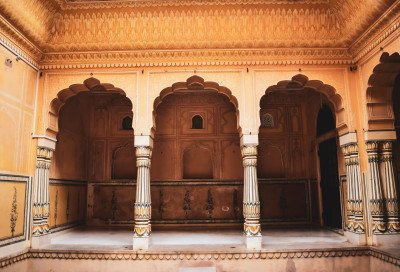
Kherasaahi Nature Spot is a tranquil area renowned for its serene riverside setting, offering a refreshing escape from the urban bustle. It is essentially an undeveloped picnic spot along the banks of the Salandi River, characterized by lush greenery, mature trees, and relatively untouched natural beauty. This spot is popular among local families and youths for day trips, especially during the winter months, providing picturesque views of the water and the surrounding landscape. The quiet environment makes it an excellent place for meditation and connecting with nature. The local community actively maintains the cleanliness and tranquility of the area. It embodies the rustic charm of rural Odisha and is a true hidden gem for those seeking peace and quiet away from the main tourist circuits. The presence of the river ensures a slightly cooler microclimate compared to the city center, enhancing its appeal during the hotter season.:
Card image cap
Kuanrpur Fort Ruins

The Kuanrpur Fort Ruins are remnants of a historic fort, believed to have been a significant structure during the medieval period of Odisha's history....

The Kuanrpur Fort Ruins are remnants of a historic fort, believed to have been a significant structure during the medieval period of Odisha's history. The ruins tell a story of a forgotten power center, possibly belonging to the Kuanrpur chiefs or a minor dynasty under the powerful Kalinga or Gajapati rules. Today, only scattered walls, crumbling foundations, and large, laterite stone blocks remain, mostly covered in overgrown vegetation, giving it an eerie yet historically rich ambiance. Archaeological interest in the site is limited, making it an unexcavated piece of history. The site provides a tangible link to the district's past, revealing the strategic importance of the region near the river system for defense and administration during ancient times. Local legends often associate the fort with tales of hidden treasures and fierce battles, adding a layer of romantic mystery to the ruins.:
Card image cap
Maa Bankeswari Temple

Maa Bankeswari Temple (also known as Bankabasuli Temple) is a prominent and ancient Shakti shrine located in the bustling Kacheri Bazar area of Bhadra...

Maa Bankeswari Temple (also known as Bankabasuli Temple) is a prominent and ancient Shakti shrine located in the bustling Kacheri Bazar area of Bhadrak town. Dedicated to Goddess Bankabasuli (a form of Durga or a local folk deity), the temple is a major spiritual center for the local community, who regard the Goddess as the protector of the town's people and commerce. The temple houses the main idol of Maa Bankabasuli along with other deities including Lord Ram, Laxman, and Mata Sita, indicating a syncretic blend of Shaktism and Vaishnavism. Its location in the heart of the market gives it a unique charm, contrasting the spiritual calm inside with the busy life outside. Devotees flock here daily to seek blessings for prosperity and protection, especially during the major Hindu festivals, and the temple serves as a focal point for the religious and cultural life of Bhadrak town.:
Card image cap
Maa Bhadrakali Temple

Maa Bhadrakali Temple is one of the most revered Shakti Peethas in Odisha and is historically significant, as the town of Bhadrak is widely believed t...

Maa Bhadrakali Temple is one of the most revered Shakti Peethas in Odisha and is historically significant, as the town of Bhadrak is widely believed to have derived its name from the Goddess Bhadrakali. The temple is dedicated to the fearsome yet benevolent form of Goddess Kali. The central idol is a magnificent black granite statue, nearly four feet tall, depicting the Goddess in a seated lotus posture upon a lion, holding a sword and a Kharpara (skull cup). Ancient lore suggests the idol was moved from the Meghasana hills to the current location on the Salandi River bank to protect it from invaders like Kalapahad, highlighting a deep history of devotion and safeguard by the Dikshit Brahmin community. The tranquil location on the riverbank adds to the profound spiritual ambiance.:
Card image cap
Maa Patana Mangala Temple

@@Historical Significance and Legend: The Maa Patana Mangala Temple is a profound spiritual landmark located in the peaceful village of Narendrapur wi...

@@Historical Significance and Legend: The Maa Patana Mangala Temple is a profound spiritual landmark located in the peaceful village of Narendrapur within the Bhadrak district of Odisha. This ancient shrine is dedicated to Goddess Mangala, a powerful manifestation of Shakti who is worshipped with deep devotion by the local community and pilgrims from across the state. The temple is believed to be over 500 years old, carrying with it a rich tapestry of myths that connect the region to the legendary era of the Ramayana. According to local folklore, the idol was originally brought from Lanka by the demon king Ravana, who established a base in Bhadrak during his era of dominance. The goddess is seen as the presiding deity of the "Patana" or the settlement area, acting as a maternal protector who ensures the well-being and prosperity of her devotees. The temple complex is not just a place of worship but a cultural hub where the identity of the village is forged through shared rituals and centuries-old traditions. The spiritual aura of the temple is palpable, especially during the early morning hours when the air is filled with the scent of incense and the sound of temple bells. Devotees believe that the goddess is "living" and responsive to the prayers of those who visit with a pure heart. The temple has undergone several renovations over the centuries, evolving from a simple structure into the stone edifice seen today, yet it has maintained its core spiritual essence. The large pond adjacent to the temple is considered one of the biggest in the district and plays a vital role in the temple's daily rituals and annual festivals, symbolizing purity and life. Visiting this temple offers a glimpse into the deep-rooted Tantric and Shakti culture that defines the coastal regions of Odisha.
Card image cap
Niala Mahadeva Temple

Niala Mahadeva Temple is an ancient Hindu temple dedicated to Lord Shiva (Mahadeva), believed to be one of the older Shiva temples in the Bhadrak dist...

Niala Mahadeva Temple is an ancient Hindu temple dedicated to Lord Shiva (Mahadeva), believed to be one of the older Shiva temples in the Bhadrak district, steeped in local history and lore. The temple is located in a quiet, serene environment in Niala village, often near a water body, adding to its sacred atmosphere, as Shiva temples are traditionally associated with nature and water. The presiding deity is a Shiva Linga, and the temple is a key pilgrimage site, especially during Maha Shivaratri and the holy month of Shravan (Sawan), when devotees bring water from local rivers for the sacred Jalabhishek ceremony. The simple, rustic setting and the deep-rooted faith of the rural community give this temple an authentic, powerful spiritual aura that contrasts with the grandeur of more modern temples.:
Card image cap
Nua Bazar Bridge View

The Nua Bazar Bridge View offers a panoramic vantage point over the mighty Salandi River as it flows through the outskirts of Bhadrak town near the bu...
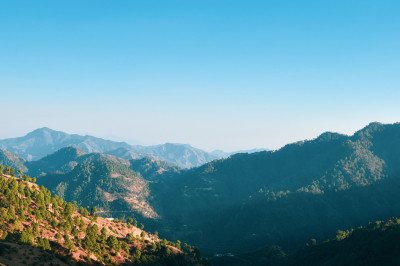
The Nua Bazar Bridge View offers a panoramic vantage point over the mighty Salandi River as it flows through the outskirts of Bhadrak town near the bustling Nua Bazar area. It is not a formal tourist spot but a popular local hangout known for its exceptional scenic beauty, especially at sunrise and sunset. The bridge provides a clear, unobstructed view of the wide river, the distant riverbanks, and the cityscape. Locals frequent the area for an evening stroll, to enjoy the cool river breeze, and to watch the water traffic, if any. The location combines the urban energy of the nearby market with the serene natural flow of the river, creating a unique and easily accessible viewpoint that serves as a visual and recreational break for the city's residents.:
Card image cap
Patia Hills

Patia Hills are a serene and lesser-known geological formation offering breathtaking panoramic views of the surrounding rural landscape of Bhadrak dis...

Patia Hills are a serene and lesser-known geological formation offering breathtaking panoramic views of the surrounding rural landscape of Bhadrak district. These hills are characterized by gentle slopes, interspersed with dense patches of indigenous deciduous and scrub forests. The geological composition primarily consists of laterite and quartzite rocks, indicating a very ancient formation that has withstood centuries of erosion. Local mythology often ties the hills to various historical and spiritual narratives, making them not just a scenic spot but also a place of cultural significance for the nearby villages like Patia. The lower slopes are home to several small, unadorned shrines dedicated to local deities, particularly Gramadevi, the village goddess, which become lively centers of worship during local festivals like Makar Sankranti. The air quality here is remarkably clean, far removed from the urban rush of Bhadrak, making it a perfect spot for nature enthusiasts, trekkers, and those seeking quiet contemplation. The natural water runoff from the hills feeds into seasonal streams, crucial for agriculture in the dry seasons. Trekking routes are informal but well-trodden by local villagers, offering varying levels of difficulty for visitors. The ecosystem supports a diversity of small fauna and avian life, including common mynas, robins, and occasionally, monitor lizards, which contributes to its rich, natural ambiance. The views from the summit, though modest in height, are particularly stunning during sunrise and sunset, casting long, dramatic shadows over the plains below, solidifying Patia Hills as a hidden natural retreat that requires careful preservation and appreciation by visitors. The tranquility experienced here is unparalleled, drawing a small but devoted crowd of locals every week, especially during the cool winter months.
Card image cap
Saheed Smruti Stambha

Saheed Smruti Stambha literally translates to the Martyr's Memorial Pillar, and it stands as a prominent and deeply respected landmark right in the he...

Saheed Smruti Stambha literally translates to the Martyr's Memorial Pillar, and it stands as a prominent and deeply respected landmark right in the heart of Bhadrak town. This imposing structure was erected to pay homage to the brave sons and daughters of Bhadrak district who sacrificed their lives during various phases of India's struggle for independence and other notable national movements, including the anti-feudal movements unique to Odisha. The memorial serves as a constant and tangible reminder of the price of freedom and the spirit of patriotism that runs deep in the region. Surrounded by a small, well-maintained circular park or traffic island, the pillar is easily accessible and forms a natural gathering point for civic events and solemn observances. It is not just a static monument but a living symbol that inspires the younger generations to uphold the values of unity and sacrifice. The design is simple yet powerful, often featuring inscriptions listing the names of key local martyrs, though this varies based on the specific memorial's design and renovation history. The site is a key focal point for cultural and educational institutions in Bhadrak which frequently organize field trips and commemoration ceremonies here. Its central location makes it impossible to miss, standing as a silent sentinel over the daily life of the bustling town. Visitors often pause for a moment of quiet reflection, observing the floral tributes occasionally laid at its base. The atmosphere is consistently solemn and respectful, befitting a place dedicated to national heroes. This memorial is a crucial part of Bhadrak’s historical landscape, preserving the memory of local heroes whose contributions might otherwise be forgotten in the broader national narrative.
Card image cap
Satmile Water Tank

The Satmile Water Tank is a colossal, elevated water reservoir that has served as a vital public utility and a distinctive local landmark for decades ...

The Satmile Water Tank is a colossal, elevated water reservoir that has served as a vital public utility and a distinctive local landmark for decades in the Bhadrak region. Its name, "Satmile," translates literally to "Seven Miles," an approximate distance from the old Bhadrak administrative center, cementing its geographical and historical reference point. The tank was likely constructed during the mid-20th century, possibly during a large-scale public works push, to supply clean drinking water to the growing semi-urban and rural areas surrounding Bhadrak town. Its sheer size and elevation make it visible from several KMS away, dominating the flat landscape and acting as a navigational beacon. While its primary function is utilitarian, its sturdy construction and aging concrete surfaces lend it an unexpected, rustic charm that attracts local sightseers and photographers, especially those interested in industrial heritage or modernist infrastructure. The structure is a testament to the engineering feats of its time, designed to hold millions of liters of water and withstand seasonal variations and seismic activity. Though access to the top is strictly prohibited for safety and maintenance reasons, the area around the base is open and often utilized by locals for relaxing in the cool shadows it casts. The ongoing function of the tank highlights the critical importance of water infrastructure in a region prone to dry seasons, symbolizing both progress and life. It represents a significant element of Bhadrak's transition into a modern, serviced urban area, a silent guardian overseeing the local communities that rely on its consistent supply, making it an architectural monument of civic importance.
Card image cap
Srimanta Sankaradeva Cultural Centre

The Srimanta Sankaradeva Cultural Centre in Bhadrak is a unique and significant cultural institution dedicated to preserving and propagating the socio...

The Srimanta Sankaradeva Cultural Centre in Bhadrak is a unique and significant cultural institution dedicated to preserving and propagating the socio-religious and cultural heritage established by the 15th–16th century Assamese polymath and saint, Srimanta Sankaradeva. He is the founder of the Ekasarana Dharma and is revered as a central figure in Assamese culture, making the existence of this center in Odisha a fascinating testament to India's cross-regional cultural exchange and the spread of Vaishnavite thought. The center typically houses a Namghar (a communal prayer hall central to Assamese religious life), a small museum, and a library focused on Assamese literature, music, and performing arts. It serves as a spiritual and cultural anchor for the Assamese community residing in and around Bhadrak, but it welcomes all visitors interested in comparative Indian theology and culture. The atmosphere is one of profound peace, learning, and devotion, characterized by the traditional kirtan (devotional songs) and bhaona (a traditional Assamese drama form) performances. It's a place where two distinct regional cultures—Odia and Assamese—meet and enrich each other, offering a deep, immersive cultural experience that is unexpected in Bhadrak, focusing heavily on the principles of social equality and universal humanity championed by Sankaradeva. The entire center is maintained with meticulous care, reflecting the high regard in which the saint is held.
Card image cap
Talpada River Side

The Talpada River Side is a picturesque stretch along the banks of a major river near the village of Talpada, most likely the Salandi River or one of ...

The Talpada River Side is a picturesque stretch along the banks of a major river near the village of Talpada, most likely the Salandi River or one of its larger tributaries, serving as a vital agricultural, spiritual, and recreational hub for the surrounding community. The site is characterized by relatively steep, yet easily navigable, ghats (steps leading down to the water) made of dressed laterite stone or simple concrete, offering a direct interface with the flowing water. This riverbank is crucial not only for irrigation but also for the daily lives of the villagers, who use it for bathing, washing clothes, and transporting goods via small boats. Spiritually, it holds immense importance, acting as a site for various Hindu rituals, particularly during Amavasya (new moon) and Purnima (full moon) days, where devotees perform ceremonial dips and offerings. The ambiance is incredibly peaceful, dominated by the sound of flowing water, the rustling of large shade-giving trees like banyan and peepal, and the calls of local birds. It is far removed from the urban noise of Bhadrak, making it a perfect spot for sunset viewing and contemplative solitude. The area is largely unspoiled, reflecting the pristine nature of rural Odisha and offering a genuine glimpse into the traditional, river-dependent lifestyle of the region. The riverside is also a known spot for local fishermen, whose small boats dot the water in the early morning and late afternoon, adding a charming, active element to the serene landscape.
Show All

Note:-

Information provided here in good Faith and for reference only.

All information and pictures will be updated soon, please keep visiting.

Near Places

in Other Cities