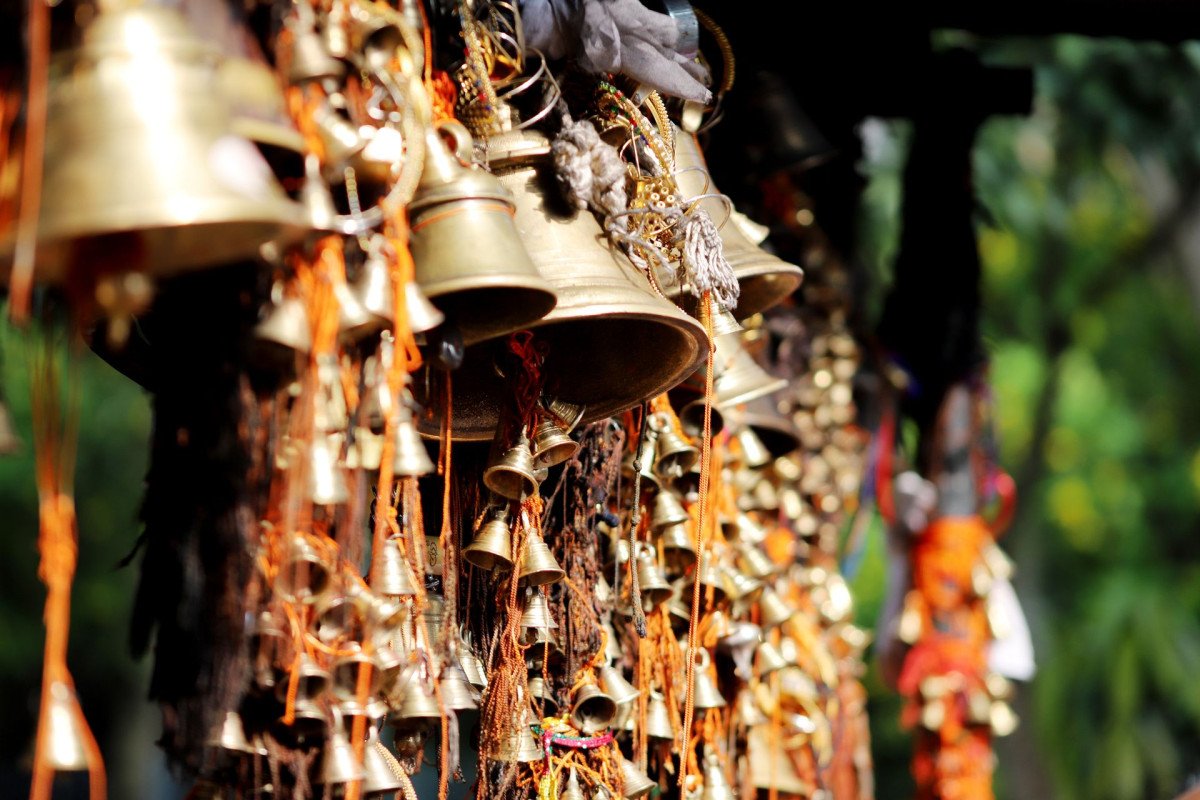
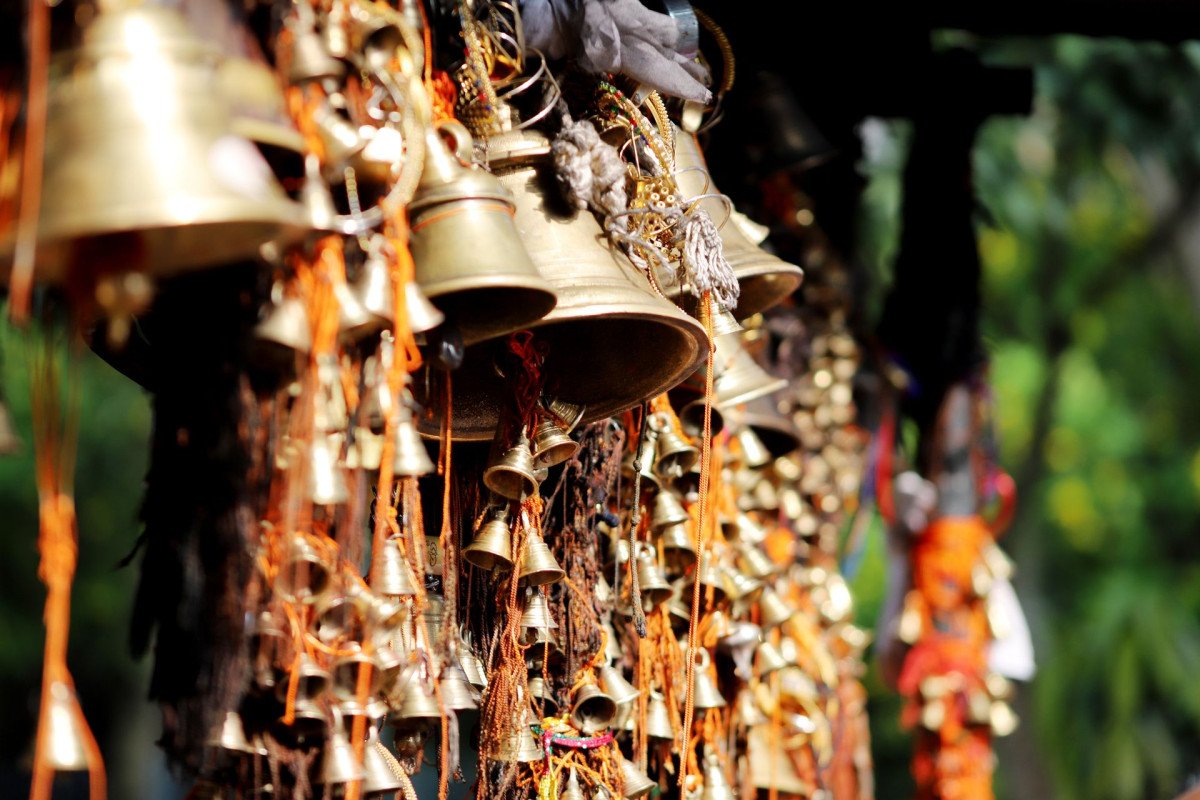
Bhavani Devi Temple
General information
-
Ideal Duration:
Minimum Visit Time:
1 HourIdeal Visit Time: 2-3 HoursPlace Type:
Religious Site, Nature Spot, Pilgrimage CenterEntry Fees:
Pricing for Darshan: Entry to the main Edupayala Vana Durga Bhavani Temple complex for general darshan (viewing of the deity) is typically Free for all visitors, as is customary for many public Hindu temples. This allows everyone, irrespective of their financial status, to ...Pricing for Darshan: Entry to the main Edupayala Vana Durga Bhavani Temple complex for general darshan (viewing of the deity) is typically Free for all visitors, as is customary for many public Hindu temples. This allows everyone, irrespective of their financial status, to seek the blessings of the Goddess. The free entry reflects the temple's role as a major pilgrimage center serving the common public and devotees from all walks of life.
Cost for Archana (Special Prayers): While general entry is free, devotees can opt for special seva (service) or archana (special prayers) performed in their name by the temple priests. The charges for these special rituals are minimal, usually ranging from INR 100 to INR 500, depending on the complexity of the puja (worship) chosen, such as Abhishekam or Kumkumarchana. These costs are used to maintain the temple and pay the priests.
Fee for Annadanam (Meal Donation): The temple complex often has provisions for Annadanam (free community meal). While the meal itself is offered free to all devotees, many visitors choose to make a voluntary contribution towards the cost of the ingredients. The suggested donation is flexible, and there is no compulsion, but it is a spiritual act of charity highly encouraged during a visit.
Photography and Parking Fees: There are generally no formal fees for photography within the open areas of the complex, though flash photography inside the main sanctum is strictly prohibited. Parking for vehicles usually involves a small, nominal fee, typically around INR 10 to INR 50, collected by local authorities or contractors.Timing:
Regular Timings: The temple is open seven days a week, typically from 6:00 AM to 7:00 PM. The early hours are best for darshan, as the main morning rituals (Mangala Aarti and Abhishekam) take place. The gates usually close for a short period in the afternoon between 1:00 P...Regular Timings: The temple is open seven days a week, typically from 6:00 AM to 7:00 PM. The early hours are best for darshan, as the main morning rituals (Mangala Aarti and Abhishekam) take place. The gates usually close for a short period in the afternoon between 1:00 PM and 4:00 PM before reopening for the evening prayers (Sandhya Aarti). Visitors should confirm these timings, especially on festival days, when the temple may remain open much later.
Ideal Visit Time (Time of Day): The morning hours between 6:00 AM and 9:00 AM are the most ideal time. The weather is cool, and the spiritual atmosphere is at its peak with the morning poojas. For photography and general sightseeing, visiting during the late afternoon, around 4:30 PM to 6:30 PM, offers beautiful golden hour lighting for the river and the surrounding greenery.
Festival Timings: During major events like the Maha Shivaratri Jatara (in February or March), the temple remains open almost continuously or has extended darshan hours, often until 10:00 PM or later, to accommodate the lakhs of pilgrims. Vasantha Panchami also sees extended hours.Special Events:
Maha Shivaratri Jatara: The temple is most famous for its grand Jatara (fair) that takes place during the festival of Maha Shivaratri, which typically falls in the February or March month. This is a massive three-day affair that transforms the entire area into a vibrant, bu...Maha Shivaratri Jatara: The temple is most famous for its grand Jatara (fair) that takes place during the festival of Maha Shivaratri, which typically falls in the February or March month. This is a massive three-day affair that transforms the entire area into a vibrant, bustling spiritual hub. Hundreds of thousands of devotees, sometimes exceeding 5 lakhs, pitch makeshift tents around the temple to participate in the celebrations, rituals, and community meals. The fair includes various cultural performances, traditional music, and local vendors selling their wares.
Annual River Festival: A unique "festival" occurs during the peak Monsoon season (typically July or August), where the river's swelling water is considered an act of worship by nature itself. While not a formal mela, this event is a highly anticipated spectacle that draws massive crowds to witness the Manjeera River water reaching and washing over the main idol of the Goddess. It's a spontaneous, powerful display of the temple's deep connection to the regional hydrology and local faith.Best Photo Spots:
The Manjeera River Confluence Point: The exact spot where the seven streams meet the Manjeera River is the most sought-after location. The swirling, meeting waters and the natural rock formations provide a dramatic and symbolically rich backdrop for landscape photography. ...The Manjeera River Confluence Point: The exact spot where the seven streams meet the Manjeera River is the most sought-after location. The swirling, meeting waters and the natural rock formations provide a dramatic and symbolically rich backdrop for landscape photography. The view is best captured from a slightly elevated point along the riverbank path, often in the early morning light.
The Temple's Stone Steps and Den Entrance: The rustic, ancient-looking steps leading down to the main sanctum, which is situated within a natural den, offer an excellent spot to capture the architectural integration with nature. Framing the picture to show the surrounding greenery and the moss-covered stones provides a sense of the temple's age and spiritual isolation. This is an excellent spot for black and white photography.
The Bridge Viewpoint: The nearby bridge, built over the river, offers a panoramic view of the entire temple complex, the winding Manjeera River, and the lush forest on both sides. This elevated perspective is ideal for wide-angle shots of the landscape and for capturing the sheer scale of the natural setting, especially after the monsoon when the landscape is at its most vibrant green.
The Deepastambha (Lamp Pillar): If the temple complex has a traditional Deepastambha or a brightly colored Gopuram (tower, though likely a simple structure here), it serves as a great focal point for architectural and devotional photography. Capturing it against the backdrop of a dawn or dusk sky can create stunning visual contrast.Photo Gallery
Things To Do
-
Participating in the Abhishekam Ritual: Visitors can actively participate in or quietly observe the Abhishekam (ritual bath) performed on the main deity, often conducted with milk, water, and other sacred materials. This is a profound, meditative experience that offers a direct connection to the spiritual energy of the temple. The sheer devotion witnessed during these early morning rituals is a powerful cultural experience.
Witnessing the Monsoon Spectacle: One of the most unique activities is visiting during the peak of the Monsoon season (July to September) to witness the Manjeera River swelling and its water touching the feet of the main deity. This natural phenomenon, where the river literally performs the abhishekam for the Goddess, is considered extremely auspicious and an unparalleled photographic opportunity. However,...Participating in the Abhishekam Ritual: Visitors can actively participate in or quietly observe the Abhishekam (ritual bath) performed on the main deity, often conducted with milk, water, and other sacred materials. This is a profound, meditative experience that offers a direct connection to the spiritual energy of the temple. The sheer devotion witnessed during these early morning rituals is a powerful cultural experience.
Witnessing the Monsoon Spectacle: One of the most unique activities is visiting during the peak of the Monsoon season (July to September) to witness the Manjeera River swelling and its water touching the feet of the main deity. This natural phenomenon, where the river literally performs the abhishekam for the Goddess, is considered extremely auspicious and an unparalleled photographic opportunity. However, visitors must exercise extreme caution due to the high water levels and fast currents.
Exploring the Seven Streams Confluence: Take time to walk along the riverbanks (when safe) and observe the geographical marvel of the seven rivulets meeting. This is an excellent opportunity for nature photography and understanding the ecological and hydrological significance of the area, which supports a rich local biodiversity. Birdwatching is a popular activity here due to the lush greenery and water body.
Enjoying a Sacred Picnic on the Riverbank: Many families and groups of pilgrims bring packed meals to enjoy near the river, turning the visit into a full-day spiritual and social outing. Finding a quiet, safe spot under the shade of the trees to share a meal after the darshan (viewing of the deity) is a traditional way to relax and reflect. Shopping for Local Handicrafts and Religious Items: Around the temple complex, especially during major festivals, numerous small stalls sell religious paraphernalia, local sweets, unique trinkets, and simple handicrafts made by local artisans. Supporting these local businesses is a great way to take home a memory of the temple and contribute to the local economy. Items like kumkum, bindis, small statues of the Goddess, and devotional CDs are common.
Photography of the Natural Setting: Capture the picturesque setting of the temple within the forest and the dynamic confluence of the river. The natural stone formations and the lush surrounding greenery provide a stunning backdrop, particularly during the golden hours of sunrise and sunset. This place offers a blend of ancient architecture and raw natural beauty, making it a perfect spot for landscape and spiritual photography.
Seeking Blessings for Prosperity: Many devotees visit the temple specifically to seek blessings for family health, wealth, and educational success. Sitting quietly in the main hall after the rituals to meditate and absorb the peaceful atmosphere is a deeply rewarding spiritual exercise. The temple's atmosphere is designed to calm the mind and encourage introspection and devotion, providing a true escape from city life.
Information
-
Why Famous:
Historical Significance of Sarpa Yagya: The temple is famously linked to the ancient epic of the Mahabharata, specifically the Sarpa Yagya performed by Maharaja Parikshit. This legend is not just a story; it gives the place a deep, time-honored spiritual pedigree that attr...Historical Significance of Sarpa Yagya: The temple is famously linked to the ancient epic of the Mahabharata, specifically the Sarpa Yagya performed by Maharaja Parikshit. This legend is not just a story; it gives the place a deep, time-honored spiritual pedigree that attracts historians, archaeologists, and devout pilgrims. The discovery of an ash layer beneath the riverbed adds a compelling, tangible layer to this ancient claim. This link to a foundational text of Hinduism makes it a unique pilgrimage site.
The Unique Confluence of Seven Streams: The name Edupayala literally means 'Seven Streams' (Edu for seven, Payala for streams), marking the confluence of seven rivulets into the Manjeera River at this specific spot. This saptasangam (seven-river confluence) is considered extremely auspicious and rare in religious topography. The sight of the river waters flowing over the feet of the Goddess during the Monsoon season is a spectacular natural and religious event that draws immense crowds, solidifying its fame as a sacred geographical phenomenon. The sheer natural beauty of the dense forest surrounding the temple also contributes significantly to its fame, making it a place for both spiritual seekers and nature enthusiasts alike. -
Architecture:
Ancient and Regional Style: The original structure of the Edupayala Vana Durga Bhavani Temple is believed to have been established around the 12th Century, reflecting the architectural styles predominant in the Deccan region during that period, likely influenced by the Kakat...Ancient and Regional Style: The original structure of the Edupayala Vana Durga Bhavani Temple is believed to have been established around the 12th Century, reflecting the architectural styles predominant in the Deccan region during that period, likely influenced by the Kakatiya dynasty's structural simplicity and deep focus on stone carvings. The temple's primary architectural feature is its symbiotic relationship with nature; it is literally built around and within a natural stone formation and a den, with the main deity installed at the point of the seven stream confluence. This natural setting dictates a humble yet powerful architectural design, deviating from the massive, intricate stone gopurams (towers) seen in purely Dravidian style. The architecture emphasizes the sanctity of the natural environment.
Dimensions and Structural Simplicity: The temple complex is not defined by a single, monolithic structure but by a series of smaller shrines and a central sanctum, or garbhagriha, that is directly influenced by the cave-like setting. The overall dimensions are integrated into the geography of the riverbank and the surrounding forest. The main shrine area has a simple, functional roof and pillar design to accommodate the flow of the river during the monsoons. The use of locally sourced black granite or similar sturdy stone for the main idol and surrounding enclosures is characteristic of the regional temple building tradition. The exterior features modest ornamentation, focusing on the main idol and its sacred placement. The modern additions to the site, such as safety railings and access paths, are functional and built to withstand the annual flooding, which is a major engineering and architectural consideration here. The temple's construction is a beautiful blend of ancient reverence for nature and functional modern safety. -
How To Reach:
By Air: The nearest major airport is Rajiv Gandhi International Airport (HYD) in Hyderabad, approximately 130 KMS from the temple's location near Medak. Upon landing, visitors can hire a pre-paid taxi, a ride-sharing service, or a private cab for the three-to-four-hour driv...By Air: The nearest major airport is Rajiv Gandhi International Airport (HYD) in Hyderabad, approximately 130 KMS from the temple's location near Medak. Upon landing, visitors can hire a pre-paid taxi, a ride-sharing service, or a private cab for the three-to-four-hour drive to the temple. Pre-booking a vehicle is highly recommended for a smoother journey.
By Train: The nearest major railway station is Secunderabad Junction (SC) in Hyderabad, or the Medak Railway Station (MED), though the latter has fewer train services. The Secunderabad station is approximately 120 KMS away. From there, one can easily find state-run buses (TSRTC) or hire a private taxi to complete the journey to the temple. The drive from Secunderabad takes about three hours.
By Road (Bus): The temple is well-connected by road, particularly from Siddipet and the nearby town of Medak. The Telangana State Road Transport Corporation (TSRTC) operates frequent bus services from major cities like Hyderabad, Siddipet, and Karimnagar to Edupayala or nearby towns, from where local auto-rickshaws or shared taxis can be taken for the final few kilometers. The journey from Siddipet is about 2 hours.
By Local Transport: From the nearest town center, the most common form of local transport is the auto-rickshaw or shared taxi/jeep, particularly during the festival season. These vehicles are essential for covering the distance from the main road/bus stop to the temple entrance. It is advisable to negotiate the fare before starting the journey, especially with auto-rickshaws, and to be prepared for crowded conditions during jatra days. -
Weather and Best Time to Visit:
Different Seasons The Winter season, running from October to March, is arguably the Best Time to Visit. The weather is pleasantly cool, with temperatures ranging from 15°C to 30°C, making it comfortable for all-day darshan, exploration, and travel. The skies are generally clear, which is ideal f...Different Seasons The Winter season, running from October to March, is arguably the Best Time to Visit. The weather is pleasantly cool, with temperatures ranging from 15°C to 30°C, making it comfortable for all-day darshan, exploration, and travel. The skies are generally clear, which is ideal for photography. The Summer season (April to June) should be avoided due to extreme heat, which can often exceed 40°C. The Monsoon season (July to September) is a unique, excellent time to visit only to witness the spectacular natural event of the river flowing over the deity, but visitors must be prepared for heavy rainfall, potential flooding, and restricted access due to high river levels. Different Parts of the Day Early Morning (6:00 AM to 9:00 AM) is the Best Time for a spiritual and serene experience, as the temple rituals are underway and the crowd is manageable. Late Afternoon (4:30 PM to 6:30 PM) is the second best time, offering stunning sunset views over the Manjeera River and ideal lighting for landscape photography. The midday hours are best avoided due to the intensity of the sun. -
Near Tourist Places:
Medak Fort (25 KMS): A massive hilltop fortress with historical significance.
Medak Church (25 KMS): One of the largest and oldest churches in Telangana with Gothic architecture.
Wargal Saraswati Temple (65 KMS): A famous temple dedicated to Goddess Saraswati for educational blessings.
Koti Lingeshwara Swamy Temple (Siddipet, 60 KMS): A major Lord Shiva temple with many lingams.
Kondapochamma Reservoir (50 KMS): A large reservoir part of the Kaleshwaram project.
Komati Cheruvu Mini Tank Bund (Siddipet, 60 KMS): Lake with adventure activities and a necklace bridge.
Ranganayaka Sagar Reservoir (45 KMS): Another major reservoir and scenic spot.
Nacharam Gutta Narasimha Swamy Temple (70 KMS): An ancient hill temple of Lord Narasimha.
Siddipet Deer Park (60 KMS): A wildlife sanctuary for deer and bird watching. Gajwel (approx.
70 KMS): A developing town with a large urban park.
Tourism Tips
-
Health & Safety Carry your own water bottles and only consume food from reputable sources or, preferably, packed food, especially during the busy Jatara season. Wear conservative attire as a sign of respect, covering shoulders and knees. Be extremely cautious near the riverbanks, particularly duri...Health & Safety Carry your own water bottles and only consume food from reputable sources or, preferably, packed food, especially during the busy Jatara season. Wear conservative attire as a sign of respect, covering shoulders and knees. Be extremely cautious near the riverbanks, particularly during and after the Monsoon rains, as the currents can be very strong and the banks slippery. Always follow the instructions of the temple and security staff regarding movement near the water. Packing Pack light cotton clothing for comfort, but always have a shawl or dupatta to cover your head and shoulders inside the temple. Carry a basic first-aid kit with antiseptic wipes and common medicines. Sunscreen and a wide-brimmed hat are essential for protection from the sun. If visiting during the Monsoon, pack an umbrella or raincoat and non-slip footwear. Carry cash, as digital payment options may be limited at local stalls. Accommodation Since the temple is a remote pilgrimage site, dedicated high-end tourist hotels are limited. The Best Accommodation options are generally found in nearby major towns like Medak (approx. 25 KMS) or Siddipet itself (approx. 60 KMS). During the Jatara, basic temporary accommodations or small guesthouses are available near the temple, but advance booking is essential, or one can choose to stay in Hyderabad and make a day trip.
Other Different Topics Heading:
Respect the Sacred Space: Maintain silence and decorum inside the temple premises.
Support Local Economy: Buy local offerings and souvenirs from the vendors outside the temple.
Photography Etiquette: Only take photos in designated areas and never use flash inside the garbhagriha or during active rituals.
Plan Travel in Advance: Due to its remote location, ensure your return transport is arranged, especially if visiting late in the day.
Reviews
FAQs
Siddipet Itineray And Cost:-
Bhavani Devi Temple Tourism:-
Information about New and Updated Locations() of Telangana Has Been Added :-
Card subtitle
Note:-
Information provided here in good Faith and for reference only.
Near Places

Bhavani Devi Temple
Some quick example text to build on the card title and make up the bulk of the card's content.
Go somewhere
Deer Park Siddipet
Some quick example text to build on the card title and make up the bulk of the card's content.
Go somewhere
Double Bedroom Houses Colony
Some quick example text to build on the card title and make up the bulk of the card's content.
Go somewhere
Dubbaka Town Centre
Some quick example text to build on the card title and make up the bulk of the card's content.
Go somewhere
Gajwel Market
Some quick example text to build on the card title and make up the bulk of the card's content.
Go somewhere
Government Degree College
Some quick example text to build on the card title and make up the bulk of the card's content.
Go somewhere
Indur Mandal Fort
Some quick example text to build on the card title and make up the bulk of the card's content.
Go somewhere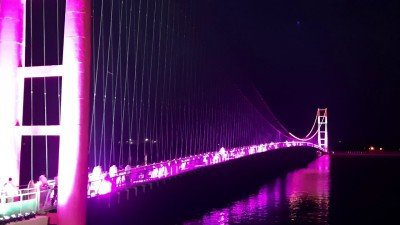
Komati Cheruvu
Some quick example text to build on the card title and make up the bulk of the card's content.
Go somewhere
Kondapochamma Reservoir
Some quick example text to build on the card title and make up the bulk of the card's content.
Go somewhere
Kothacheruvu Lake
Some quick example text to build on the card title and make up the bulk of the card's content.
Go somewhere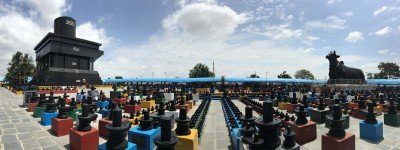
Koti Lingeshwara Swamy Temple
Some quick example text to build on the card title and make up the bulk of the card's content.
Go somewhere
Kukatpally Lake
Some quick example text to build on the card title and make up the bulk of the card's content.
Go somewhere
Lal Kaman
Some quick example text to build on the card title and make up the bulk of the card's content.
Go somewhere
Manair River View
Some quick example text to build on the card title and make up the bulk of the card's content.
Go somewhere
Narsapur Forest Area
Some quick example text to build on the card title and make up the bulk of the card's content.
Go somewhere
Ramalayam Temple
Some quick example text to build on the card title and make up the bulk of the card's content.
Go somewherein Other Cities